Where the New Hampshire landlocked salmon record was caught
Every angler dreams of that one legendary catch, the fish that defies expectations and etches its name into the record books. In New Hampshire, where the waters teem with incredible species, one particular fish often sparks this kind of dream: the landlocked salmon. If you've ever wondered where such a magnificent creature might have been pulled from the depths to claim a state record, you're not alone. This guide will take a deep dive into the fascinating story behind New Hampshire's landlocked salmon record, revealing the hallowed waters where it was caught and exploring what makes certain lakes prime territory for these powerful, elusive fish.
The Storied History of New Hampshire's Landlocked Salmon Record
The pursuit of trophy fish is a deeply ingrained part of angling culture here in the Granite State. While many anglers are content with a healthy dinner or the thrill of the fight, a select few have managed to land a fish of truly historic proportions. The landlocked salmon record stands as a testament to both the angler's skill and the incredible resources of our New Hampshire lakes. Knowing the story behind such a catch isn't just about trivia; it's about understanding the potential that lies beneath the surface.
Unveiling the Record-Breaking Catch
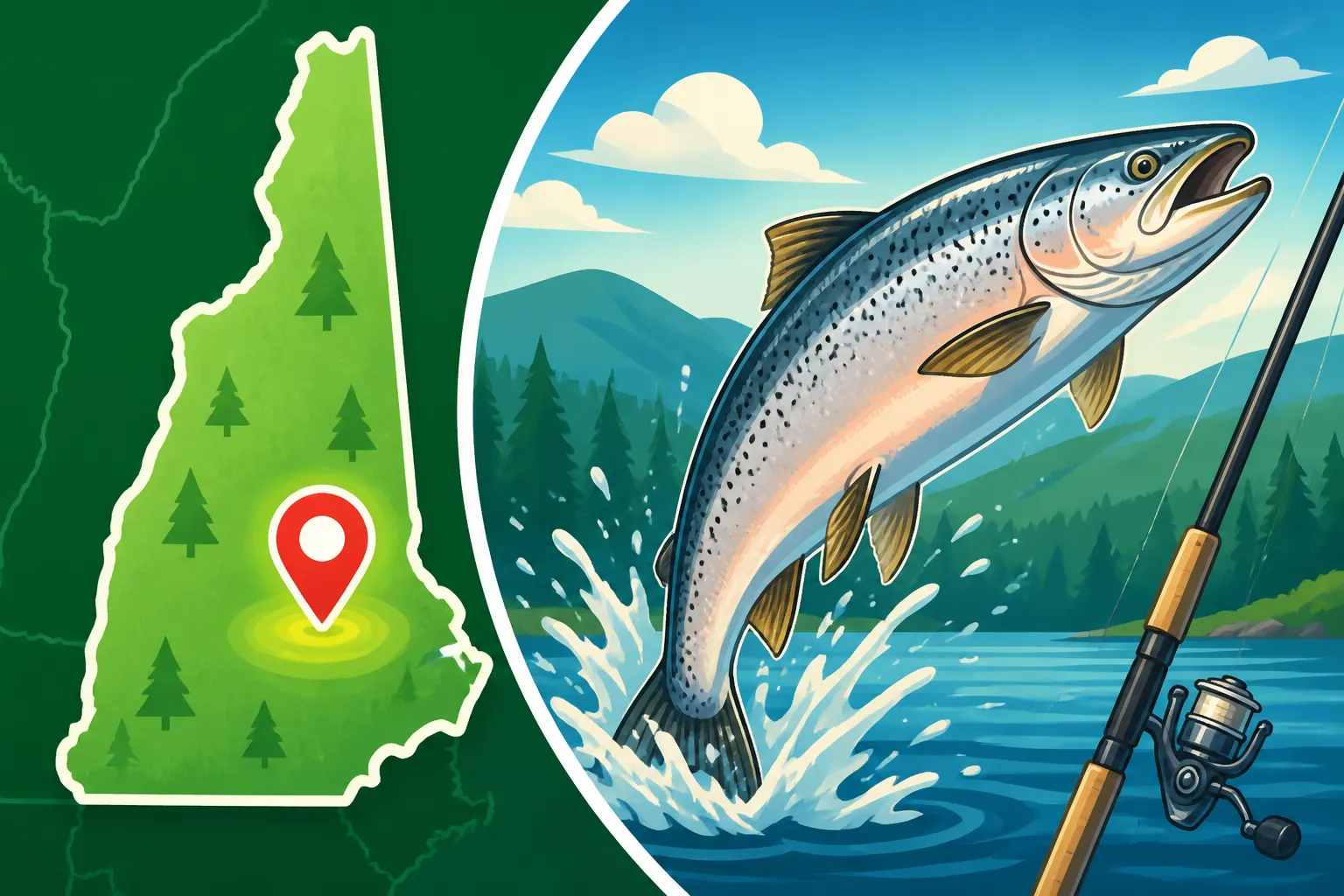
For decades, the New Hampshire landlocked salmon state record has stood as a beacon of what's possible in our coldwater fisheries. That monumental fish, weighing in at an astounding 16 pounds, 8 ounces, was caught by an angler named John Stone. And the legendary location? It was pulled from the magnificent waters of Lake Winnipesaukee.
Imagine the scene: a crisp day on the largest lake in New Hampshire, the vast expanse of water offering endless possibilities. Lake Winnipesaukee, already famous for its stunning scenery and incredible fishing, cemented its place in history that day. This wasn't just any salmon; it was a fish that had grown to an extraordinary size, a true testament to the rich environment and plentiful forage available in "The Big Lake." Many anglers dream of such a catch, spending countless hours on the water, meticulously preparing their gear, perhaps even purchasing specialized trolling setups from retailers like Amazon, hoping to connect with one of these giants. The record itself speaks volumes about the health and vitality of this particular fishery.
Why This Specific Lake? Lake Winnipesaukee's Unique Edge
So, what makes Lake Winnipesaukee such a special place, capable of producing a state record landlocked salmon? It's a combination of factors, a perfect storm of environmental conditions and a robust ecosystem that supports the growth of these magnificent fish. First and foremost, Winnipesaukee is immense, covering over 72 square miles with depths reaching over 180 feet. This sheer size provides vast areas of cold, oxygen-rich water – precisely what landlocked salmon need to thrive, especially as summer temperatures rise.
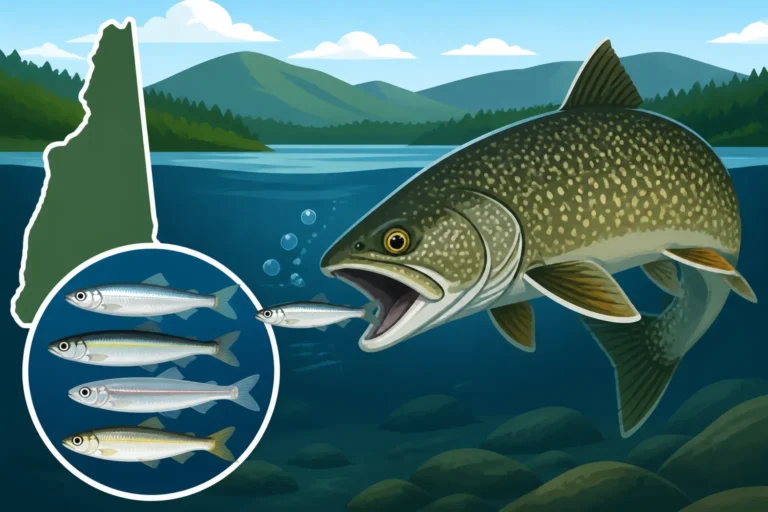
Beyond its size, Winnipesaukee boasts an exceptional forage base. The abundance of rainbow smelt in its waters is a critical component. Smelt are the primary food source for landlocked salmon, providing the high-protein, high-fat diet necessary for rapid growth and substantial size. Think of it like a buffet for salmon; when the food is plentiful and nutritious, the fish grow bigger and stronger. Furthermore, the lake's complex underwater topography, with numerous islands, reefs, and deep channels, creates diverse habitats that offer both feeding grounds and sanctuary for salmon. These intricate structures, coupled with the management efforts from New Hampshire Fish and Game, contribute significantly to the lake's ability to support such impressive fish. This rich environment is why many consider it among the Best Fishing Lakes in New Hampshire.
Understanding Landlocked Salmon and Their Preferred Habitats in New Hampshire
Landlocked salmon, often called "Atlantic salmon's freshwater cousin," are truly spectacular fish. They possess an incredible fighting spirit and are highly prized by anglers throughout New Hampshire. To understand why a fish might reach record size, it helps to understand their biology and what conditions they truly thrive in. It's not just about luck; it's about ecosystem harmony.
The Life and Habits of New Hampshire's Landlocked Salmon
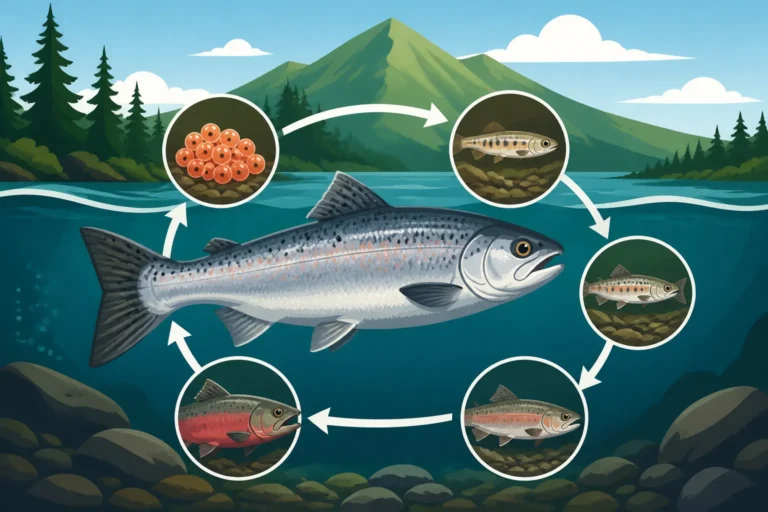
Landlocked salmon are coldwater predators, exquisitely adapted to the deep, clear lakes of New Hampshire. Their life cycle, though entirely within freshwater, mirrors many aspects of their sea-run relatives. They typically spawn in the fall in tributary rivers or along rocky shoals in lakes where adequate gravel and water flow allow for egg deposition. After hatching, the young salmon, known as parr, spend a year or two in these natal waters before migrating into the main lake. You can learn more about their journey in Landlocked Salmon Life Cycle in New Hampshire Lakes.
Once in the lake, their diet shifts dramatically to primarily focus on baitfish, with rainbow smelt being the absolute cornerstone of their menu. This is why healthy smelt populations are so vital to a trophy salmon fishery. Salmon are also sensitive to water temperature. They prefer water in the 45-58°F range, which means they'll often be found in the cooler, deeper sections of a lake, especially during the warmer summer months. This preference dictates where anglers need to target them, often requiring specialized techniques to reach these depths. Understanding these habits is key to successful How to Catch Landlocked Salmon in New Hampshire.
Prime Salmon Waters Across the Granite State
While Lake Winnipesaukee holds the current record, it's certainly not the only game in town for landlocked salmon fishing in New Hampshire. The Granite State is blessed with several other magnificent lakes that consistently produce excellent salmon fishing, and some even have the potential for future record-breakers. These waters share many of the same characteristics as Winnipesaukee: large, deep, cold, and with a robust smelt population.
Consider Lake Sunapee, a beautiful, deep lake in western New Hampshire known for its crystal-clear water and exceptional landlocked salmon. Sunapee consistently ranks high for both numbers and size of salmon, often yielding fish in the double-digit weight class. Similarly, Squam Lake, while perhaps more famous for its smallmouth bass, also harbors a strong population of healthy salmon in its deeper basins. These lakes, along with others like Newfound Lake and Merrymeeting Lake, are carefully managed by New Hampshire Fish and Game to ensure a sustained fishery. Anglers looking to explore these waters might find a comprehensive Lake Winnipesaukee Fishing Guide or general Where to Find Landlocked Salmon in New Hampshire helpful, as many principles apply across these premier coldwater fisheries.
Here's a quick comparison of some of New Hampshire's top landlocked salmon lakes:
| Lake Name | Region | Typical Size (acres) | Average Depth (feet) | Key Forage Species | Noted For |
|---|---|---|---|---|---|
| Lake Winnipesaukee | Lakes Region | ~45,000 | 50 | Smelt, Shiners | State Record, Trophy Potential |
| Lake Sunapee | Dartmouth-Lake | ~4,100 | 42 | Smelt | Consistent Quality & Size |
| Squam Lake | Lakes Region | ~6,700 | 26 | Smelt | Strong Population, Healthy Fish |
| Newfound Lake | Lakes Region | ~4,100 | 75 | Smelt | Deep & Cold, Good Growth Rates |
| Merrymeeting Lake | Lakes Region | ~1,200 | 44 | Smelt | Smaller, but excellent quality |
This table highlights the shared characteristics that make these lakes ideal for landlocked salmon, primarily their cold, deep waters and reliance on smelt as a food source.
Factors Contributing to Trophy Salmon Growth
Catching a trophy landlocked salmon isn't just about showing up at a good lake; it's about understanding the intricate dance of nature that allows these fish to grow to such impressive sizes. There are several key factors that, when combined, create the perfect conditions for a potential record-breaker. These factors are often the result of both natural processes and dedicated human management.
Forage Base and Water Quality: The Foundation of Growth
Without a doubt, the single most critical factor influencing the growth rate and ultimate size of landlocked salmon is the abundance and quality of their food source, particularly rainbow smelt. Smelt are small, oily fish that are incredibly rich in the nutrients salmon need to grow large and powerful. When smelt populations are thriving, salmon have an endless buffet, allowing them to pack on pounds quickly. Conversely, a decline in the smelt population can lead to slower growth rates and smaller average fish size. What landlocked salmon eat in New Hampshire lakes is truly fundamental to their health.
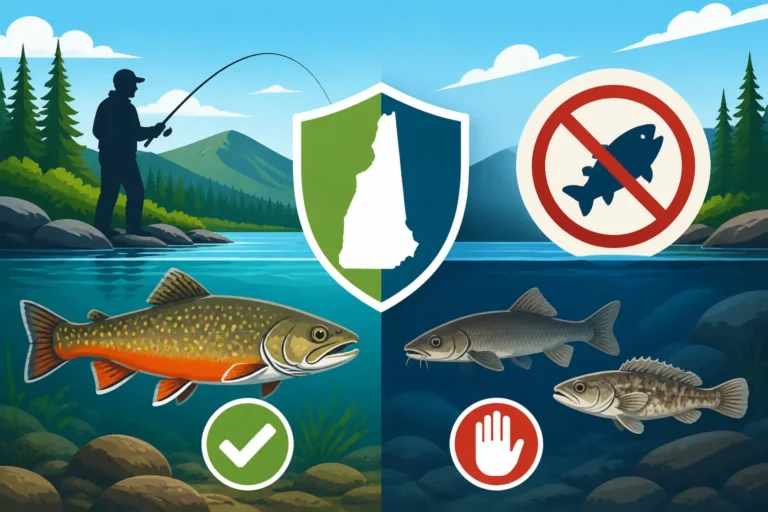
Beyond food, impeccable water quality is non-negotiable for salmon. They require cold, clear, well-oxygenated water to survive and thrive. Lakes with low oxygen levels, especially in their deeper sections during summer stratification, simply cannot support a healthy salmon population. Pollution, nutrient runoff, and excessive warming can all degrade water quality, directly impacting the salmon's ability to reach trophy size. New Hampshire's commitment to preserving its pristine waters directly benefits these fisheries. This is also why understanding New Hampshire Fishing Regulations Explained and abiding by them is so crucial for maintaining these delicate ecosystems.
Management and Stocking Efforts: Nurturing the Fishery
The existence of a healthy landlocked salmon fishery, especially one capable of producing record-breaking fish, is not solely left to chance. The New Hampshire Fish and Game Department plays an incredibly active role in managing these valuable resources. This includes careful monitoring of fish populations, forage base health, and water quality. One of their most significant contributions is the strategic stocking of landlocked salmon.
Unlike some other trout species, natural reproduction of landlocked salmon in New Hampshire's lakes is often limited or unreliable due to habitat constraints in tributary streams. Therefore, stocking efforts are vital to maintain robust populations. Fish and Game biologists meticulously plan which lakes receive stockings, the size of the salmon stocked, and the overall numbers, all with the goal of creating a balanced fishery that can produce both good numbers of catchable fish and the occasional trophy. These stocking programs are carefully coordinated to complement the available forage and habitat, ensuring that the stocked fish have the best chance to grow large. Regulations like New Hampshire Landlocked Salmon Regulations are also put in place to protect these fish, ensuring that enough make it to maturity and have a chance to grow truly big.
Chasing Your Own Trophy: Tips for Targeting Big Landlocked Salmon
Now that we know where the record was caught and what makes a lake ideal for trophy salmon, let's talk about how you, the avid angler, can increase your chances of hooking into one of these magnificent fish. It's a challenging pursuit, but incredibly rewarding when you finally feel that powerful tug on your line. Successfully targeting these fish requires a blend of the right gear, specific techniques, and a good understanding of their behavior.
Essential Gear for Trophy Salmon
When you're serious about chasing trophy landlocked salmon, having the right equipment isn't just a luxury; it's a necessity. These fish are powerful, often striking hard and making strong, sustained runs. Your gear needs to be up to the task.
- Rods and Reels: A medium to medium-heavy action rod, around 7-8 feet long, is a good starting point for trolling. Pair this with a strong baitcasting reel capable of holding a good amount of line, as salmon often hit in deep water and can spool out line quickly. For specific recommendations, looking at Best Trolling Gear for New Hampshire Lake Trout can provide a lot of crossover insight, as the gear requirements are very similar for large lake trout and salmon. You'll want a reliable drag system, which is paramount for fighting big fish.
- Line: Many anglers prefer monofilament or fluorocarbon main lines for trolling due to their stretch, which acts as a shock absorber when a big salmon hits. Line weights typically range from 10-15 pounds. However, some prefer a braided main line with a fluorocarbon leader for increased sensitivity and strength. Using a quality line from a reputable brand can make a huge difference, and you can find a wide selection of these, along with specialized leaders and swivels, on Amazon.
- Lures and Baits: Smelt imitations are king when it comes to landlocked salmon. Spoons in silver, blue, or gold, often with a hint of orange or pink, are highly effective. Stickbaits, both jointed and solid, that mimic the profile of a smelt are also excellent choices. Some anglers also have great success trolling live or dead bait, particularly smelt, if regulations allow. Experimentation with color and size is often key, as salmon can be finicky.
- Specialized Trolling Equipment: To get your lures down to the depths where salmon reside, you'll often need downriggers or lead core line. Downriggers allow you to precisely control the depth of your lure, while lead core line sinks on its own based on the amount deployed and boat speed. A good fish finder is also invaluable for locating bait schools and thermal breaks where salmon often congregate.
Proven Techniques for Monster Salmon
Catching a record-class landlocked salmon is a blend of persistence, patience, and applying effective techniques. There's no single magic bullet, but consistently employing these strategies will put you in a better position.
- Trolling is Key: Trolling is hands down the most popular and effective method for targeting landlocked salmon in New Hampshire's large lakes. This involves pulling lures or bait behind a boat at a controlled speed. Typical trolling speeds range from 1.8 to 2.5 mph, but it's crucial to experiment. Pay attention to how your lure is swimming; often, a specific speed will give it the most enticing action. Trolling Techniques for New Hampshire Lake Trout offers excellent advice that can be applied to salmon as well.
- Depth Matters: As discussed, salmon are coldwater fish. They'll follow the cooler water and their food source. This means during summer, they'll be in the deeper sections of the lake. Learning how to read your fish finder to identify thermoclines and bait balls at specific depths is critical. Early spring and late fall, salmon might be found closer to the surface. Understanding How deep to troll for salmon at Winnipesaukee will give you a significant advantage.
- Timing Your Efforts: While salmon can be caught throughout the open water season, certain times are often more productive. Early morning and late evening (dawn and dusk) are frequently prime feeding times, when salmon are more active and willing to chase bait. The weeks immediately following ice-out in spring can also be incredibly productive, as salmon are often shallow and hungry. Check out Best Time of Day to Catch Landlocked Salmon for more specific guidance.
- Reading the Water and Structure: Look for signs of baitfish on your sonar, and pay attention to underwater structure. Drop-offs, submerged humps, and points are all areas where salmon might ambush their prey. Trolling along these contours can be highly effective. Don't be afraid to zig-zag or make S-curves with your boat; this can cause your lure to speed up and slow down, often triggering a strike from a following fish.
Landing a record-breaker takes a combination of all these elements, plus a good dose of luck and perseverance. But knowing where such a fish was caught, and understanding the conditions that created it, provides an invaluable roadmap for your own pursuits. The thrill of Landlocked Salmon Fishing in New Hampshire is truly unmatched, whether you're chasing a record or simply enjoying a beautiful day on the water.
Disclaimer
This article is for general informational purposes only and does not constitute professional advice. Laws, prices and regulations vary by location and change over time. Consult a qualified professional for guidance on your specific situation.