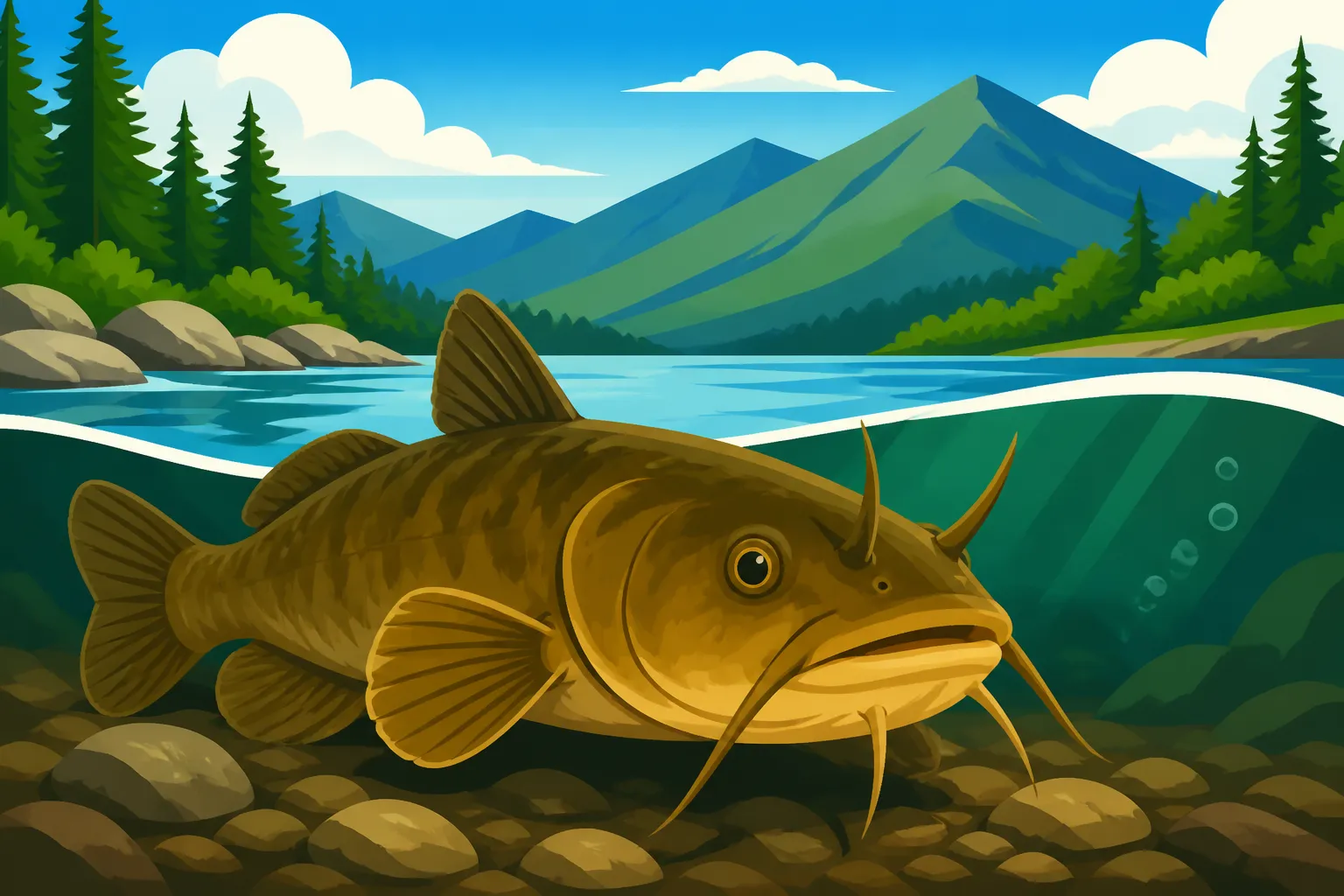
Horned Pout (Bullhead) Fishing in New Hampshire
There's something uniquely charming about fishing for horned pout, or bullhead as many call them, here in New Hampshire. Often overlooked by anglers chasing trophy trout or battling big bass, these whiskered bottom-dwellers offer a truly relaxed and incredibly rewarding experience. If you've ever felt intimidated by complex fishing rigs or just want a peaceful evening by the water with a high chance of success (and a tasty meal), then this comprehensive guide is for you. We're going to dive deep into everything you need to know about targeting horned pout in the Granite State, from understanding their habits to the best gear and cooking tips.
Understanding Horned Pout (Bullhead) in New Hampshire
Horned pout might not win any beauty contests, but what they lack in glamour, they make up for in tenacity and flavor. These fish are a fantastic option for new anglers, families, or anyone just looking for a low-stress day on the water. They are incredibly widespread and can be found in practically every corner of our beautiful state.
Species Identification and Common Misconceptions
When we talk about "horned pout" in New Hampshire, we're almost always referring to the Brown Bullhead (Ameiurus nebulosus). They're easily recognized by their dark, mottled brown to olive-green skin, a slightly flattened head, and those distinctive barbels (whiskers) around their mouth. These barbels are packed with taste buds, helping them forage in murky waters. A common misconception is that the "horns" or spines on their pectoral and dorsal fins are venomous or will sting you badly. While they can deliver a sharp prick if you're not careful, it's typically just a minor injury, not dangerous. They don't inject venom like some saltwater species, but the slime from their skin entering a puncture can sometimes cause irritation. Knowing What a horned pout is helps demystify these often-misunderstood fish.
Another common misconception is that they are "trash fish." Nothing could be further from the truth! While they prefer soft bottoms and can tolerate lower oxygen levels than some other species, they are perfectly good to eat, especially when caught from clean, cool waters. Many long-time New Hampshire anglers consider them a true delicacy, especially when fried.
Habits, Behavior, and Diet
Horned pout are primarily nocturnal feeders, which means they are most active from dusk until dawn, though you can certainly catch them during the day, especially on cloudy days or in deeply shaded areas. They are bottom-dwellers, constantly grubbing around in the muck and weeds, using those sensitive barbels to locate food. Their diet is incredibly varied and opportunistic – they'll eat just about anything that fits in their mouth! This includes insects, worms, small crustaceans, snails, fish eggs, and even small fish. This broad diet is why they are often so willing to take a variety of baits.
They are relatively slow-moving fish and prefer to hang out in areas with soft, muddy, or silty bottoms where they can easily root around for food. You'll often find them congregating in deeper holes, near submerged logs, or in thick weed beds, especially where there's some cover. They’re not particularly shy about human presence, which makes them excellent targets for shore anglers.
Preferred Habitats and Water Conditions
Horned pout thrive in warmer, slower-moving waters. Think ponds, sluggish rivers, and the shallow, weedy coves of larger lakes. They are remarkably tolerant of lower oxygen levels and warmer water temperatures that might stress out trout or salmon, making them a reliable catch even on hot summer days. You'll rarely find them in fast-moving, crystal-clear mountain streams. Instead, look for waters with an abundance of aquatic vegetation, lily pads, submerged timber, and muddy or silty bottoms. These areas provide both food and protection.
In New Hampshire, this means places like Lake Massabesic's shallower coves, the slower stretches of the Merrimack River, and countless smaller ponds across the state are prime bullhead territory. Don't be afraid to fish in waters that might seem "too dirty" for other species; horned pout often flourish in these conditions. They are a testament to the diverse aquatic life we have right here in our backyard.
Where to Find Horned Pout in New Hampshire
The beauty of horned pout fishing is how accessible it is. You don't need a fancy boat or to hike into remote wilderness. Many of the best spots are right off the beaten path, making it perfect for a spontaneous evening trip or a family outing.
Common Lake and Pond Types
Horned pout absolutely love ponds and the shallower, warmer sections of larger lakes, especially those with soft, mucky bottoms and plenty of aquatic vegetation. Think about those local ponds you might drive by every day – chances are, they hold a healthy population of horned pout.
Look for areas where lily pads grow thick, or where reeds line the shore. These provide cover and attract the insects and small creatures that bullhead feed on. Bays and coves on larger lakes, especially those with little current and darker water, are also prime real estate. You might be surprised to learn that some of Best Fishing Lakes in New Hampshire have fantastic bullhead populations in their shallower areas, even if they're famous for other species.
When scouting a new spot, look for signs of activity, like disturbed mud near the shore, or simply ask local anglers. Many seasoned New Hampshire fishermen have a soft spot for bullhead and are often happy to share their knowledge about productive local ponds.
River and Stream Access Points
While they prefer slower water, horned pout can certainly be found in rivers and larger streams, particularly in the slower-moving sections, oxbows, and deep pools. Focus on areas where the current is minimal, such as behind submerged boulders, fallen trees, or along the inside bends of a river. Tributaries that feed into larger rivers often have ideal conditions as well.
Public access points along rivers like the Merrimack, Contoocook, and Lamprey can be excellent spots. Look for areas with a slower flow and an accumulation of silt and organic matter on the bottom. Avoid fast-rushing rapids or shallow, rocky riffles, as these are typically not where you'll find bullhead congregating. Shoreline access is usually good in these areas, and often you can find them right from a bridge or public park.
Specific New Hampshire Hotspots
While I can't give you real-time reports, based on historical knowledge, many of New Hampshire's warmer, shallower bodies of water are excellent for horned pout. Ponds like Pawtuckaway Lake, Lake Massabesic (in its shallower coves), and various smaller town ponds often produce good numbers. Even larger lakes like Winnipesaukee, Squam, or Newfound can hold them in their warmer, vegetated bays, though you'll need to seek out those specific areas rather than their deeper, colder sections.
Small local ponds that might not even have a name on a map can often be hidden gems. If you have a local bait shop, they are an invaluable resource for current conditions and specific local hotspots. Remember to always check New Hampshire Fishing Regulations Explained for any specific rules pertaining to the water body you plan to fish, as regulations can vary.
Best Times and Seasons for Horned Pout Fishing
One of the great things about horned pout is their willingness to bite across a wide range of conditions, but knowing their seasonal patterns and preferred feeding times can significantly boost your success.
Seasonal Patterns Throughout the Year
Horned pout are active throughout the warmer months and into the early fall.
- Spring (Post Ice-Out): As soon as the ice melts and water temperatures begin to rise, horned pout become very active. This is often an excellent time to target them as they move into shallower water to feed after a long winter and prepare for spawning. You'll find them in the same shallow, vegetated areas they favor in summer.
- Summer: Peak season for horned pout! They thrive in the warm water, and their nocturnal habits make summer evenings and nights incredibly productive. Look for them in deeper holes during the heat of the day, moving shallower as the sun sets.
- Fall: As water temperatures begin to drop, bullhead will still feed aggressively, stocking up for winter. Fishing can remain good into October, especially during mild periods, but they will eventually retreat to deeper water as conditions cool.
- Winter (Ice Fishing): While not as popular as ice fishing for perch or lake trout, you can absolutely catch horned pout through the ice! They become less active but will still bite, often preferring baits presented right on the bottom in deeper, mucky areas. New Hampshire Ice Fishing Regulations by Water Body will be crucial if you plan to target them this way.
Ideal Time of Day
As mentioned, horned pout are primarily nocturnal. This means the prime time to fish for them is from dusk until a few hours after dark, and then again in the early morning hours before sunrise. This is when they are most actively foraging for food. Many anglers find the experience of night fishing for horned pout incredibly peaceful and exciting, with the subtle tugs on your line under a starlit sky. Night Fishing for Bass in New Hampshire offers some good general tips for fishing after dark that can apply to bullhead as well.
However, don't rule out daytime fishing entirely. On heavily overcast days, or in deeply shaded areas with plenty of cover (like under overhanging trees or thick lily pads), bullhead will still bite throughout the day. If you're fishing during the day, try to find the coolest, shadiest spots available.
Weather and Water Conditions
Horned pout are quite tolerant, so they aren't as sensitive to minor weather changes as some other species.
- Warm, Stable Weather: Generally, stable warm weather is excellent. They love the heat.
- Overcast Days: Cloudy days during the summer are often more productive than bright, sunny days, as the reduced light encourages them to be more active.
- Before a Storm: Just before a thunderstorm rolls in, when barometric pressure is dropping, can be an incredibly hot bite. Fish often feed aggressively ahead of a major weather event.
- After Rain: If there's been some rain, creating slightly muddier water, this can actually be beneficial for horned pout fishing. The reduced visibility makes them feel safer and more willing to venture out, and the runoff can wash new food sources into the water.
- Water Clarity: They prefer slightly stained or murky water. Very clear water can make them a bit more cautious, especially during the day.
Don't let a little "unpleasant" weather deter you; horned pout might just be the most cooperative fish out there when other species are being finicky.
Gear and Techniques for Catching Horned Pout
You definitely don't need a high-tech setup to catch horned pout. In fact, simple, straightforward gear is often the most effective. This makes it a great entry point for beginners or a relaxing change of pace for seasoned anglers.
Rods, Reels, and Line Choices
For horned pout, you want a setup that's robust enough to handle their strong tugs but sensitive enough to detect their often subtle bites.
- Rods: A medium-light to medium-action spinning rod, about 6 to 7 feet long, is perfect. It provides enough backbone to pull fish out of weeds or snags, but still offers good feel. You don't need anything fancy; a basic fiberglass or composite rod will do the trick. If you're looking for a good starting point, many affordable Best Rod and Reel Combo for Beginners will work exceptionally well for bullhead.
- Reels: A spinning reel in the 2000-3000 size range is ideal. It should hold enough line and have a smooth drag system, which is important even for smaller fish when you're using light line or fishing near cover.
- Line: Monofilament line is often preferred for horned pout, ranging from 6 to 10-pound test. It has good abrasion resistance, which is helpful if you're fishing around rocks or submerged wood, and a little stretch to absorb shocks. If you prefer, braided line in a similar breaking strength can also be used, especially if you want more sensitivity and less stretch. For the beginner, mono is often simpler and more forgiving.
You can find great, affordable options for all of these components on Amazon if you're looking to put together a basic setup quickly.
Best Baits and Rigging Strategies
Horned pout are not picky eaters, which is fantastic! This means you have a wide range of effective baits to choose from.
- Worms: Hands down, the classic and most effective bait. Nightcrawlers or garden worms are irresistible to bullhead. You can thread a whole nightcrawler onto a hook or break it into smaller pieces.
- Cut Bait: Small pieces of cut fish (like smelt or panfish), chicken liver, or even hot dogs work incredibly well. The scent trail they release is a major attractant. Chicken liver is especially potent and often a secret weapon for seasoned bullhead anglers.
- Corn/Bread: Believe it or not, these inexpensive baits can also catch bullhead, especially if they are accustomed to being fed. They might not be as effective as worms or cut bait, but it's worth a try if you're in a pinch.
- Artificials: While less common, some anglers have success with scented artificial baits designed for bottom feeders, or small jigs tipped with a piece of worm. However, live or cut bait almost always outperforms artificials for these fish.
For rigging, a simple bottom rig is all you need.
- Carolina Rig: This is a classic. Tie a small #4 to #1/0 baitholder or octopus hook directly to your main line. About 6-12 inches above the hook, pinch on a small split shot or slide on an egg sinker (protected by a small bead). This keeps your bait near the bottom but allows the fish to pick it up without feeling too much resistance.
- Bobber Rig (for shallow water): In very shallow, calm water, you can use a slip bobber to suspend your bait just off the bottom. This keeps your bait visible to you and can be very effective.
Essential Accessories and Safety
Beyond your rod and reel, a few key accessories will make your horned pout fishing experience much more enjoyable and safe.
- Headlamp/Lantern: If you're fishing at night, a reliable light source is absolutely essential. A headlamp allows you to keep both hands free for baiting hooks or unhooking fish.
- Pliers/Forceps: Bullhead can swallow hooks deeply, and their spines can make them tricky to handle. A good pair of long-nosed pliers or fishing forceps is crucial for safe hook removal and to avoid those sharp spines.
- Bucket/Cooler with Ice: If you plan on keeping your catch, bring a bucket or cooler with ice to keep the fish fresh.
- Rag/Towel: Bullhead are very slimy, so a rag or towel is handy for wiping your hands and handling the fish.
- Bug Spray: Especially when fishing at dusk and into the night in New Hampshire, mosquitoes and other biting insects can be relentless. Don't forget the bug spray!
- First-Aid Kit: A basic kit with antiseptic wipes and bandages is always a good idea for minor cuts or punctures from those pectoral fins.
- Valid NH Fishing License: Don't forget to get your New Hampshire Fishing License Guide for 2026 before heading out!
Fishing from Shore vs. Boat
Both shore fishing and boat fishing can be highly effective for horned pout.
- Shore Fishing: This is the most common and often easiest way to target them. Look for public access points, docks, bridges, or simply open stretches of shoreline where you can cast your bait out. Since bullhead often inhabit shallow, weedy areas, you don't need to cast a mile. Just get your bait out into a likely spot with cover. Shore fishing is fantastic for families and requires minimal gear.
- Boat Fishing: If you have a boat (kayak, canoe, or motorboat), it opens up more areas, especially those hard-to-reach weed beds or deeper channels within a pond or lake. You can anchor up in a promising area and fish multiple lines. Kayak fishing can be particularly effective for quietly slipping into shallow coves. Just ensure you're aware of New Hampshire Boating Laws for Anglers.
Regardless of whether you're on shore or in a boat, the key is to be patient, let your bait sit on the bottom, and pay attention to those often subtle nibbles.
Cooking and Handling Your Horned Pout Catch
One of the greatest rewards of catching horned pout is the excellent table fare they provide. They have sweet, flaky, white meat that holds up well to various cooking methods. But first, you need to handle them properly.
Cleaning Your Catch Effectively
Cleaning a horned pout can seem a bit intimidating at first due to their tough skin and spines, but it's actually quite simple once you get the hang of it. Many anglers find filleting them to be the easiest method, but you can also skin them whole.
- Safety First: Always use a firm grip and be mindful of those sharp pectoral and dorsal spines. You might wear a sturdy glove on your non-dominant hand.
- Stun/Kill: Humanely dispatch the fish with a sharp blow to the head or by cutting the gills quickly.
- Skinning (Whole): Some folks nail the fish's head to a board, then use pliers to peel the skin off from behind the head, down towards the tail. It's a bit messy but effective.
- Filleting: This is often preferred for cleaner, boneless meat.
- Lay the fish on its side. Make a cut behind the head, down to the backbone, but don't cut through.
- Turn the knife and run it along the backbone towards the tail, keeping the blade flat against the bones.
- Once you have the fillet off the main body, you'll need to carefully cut off the dark skin. You can do this by laying the fillet skin-side down, holding the tail end firmly, and sliding your knife between the meat and the skin.
- Don't forget the second side!
- Rinse: Thoroughly rinse your fillets or skinned fish in cold water to remove any slime or remaining scales.
The key to great-tasting fish often starts with getting them on ice as quickly as possible after they're caught. A good quality cooler, perhaps one you found on Amazon, is indispensable here.
Best Cooking Methods for Horned Pout
Horned pout are versatile in the kitchen. Their firm, white flesh takes well to frying, baking, broiling, and even grilling.
- Frying (The Classic!): This is by far the most popular method. Dip your fillets in a milk or egg wash, then dredge them in seasoned cornmeal or a fish fry mix. Fry them in hot oil (peanut, canola, or vegetable) until golden brown and flaky. This method yields a crispy exterior and tender, juicy interior. Serve with tartar sauce, coleslaw, and cornbread for a true New England fish fry experience.
- Baking: For a healthier option, season your fillets with salt, pepper, lemon, and your favorite herbs. Place them on a baking sheet, perhaps with a pat of butter, and bake at 375-400°F (190-200°C) until cooked through, usually 12-15 minutes depending on thickness.
- Broiling: Similar to baking, broiling gives the fish a nice browned top. Marinate briefly, then broil a few inches from the heat source for 5-8 minutes per side, watching carefully to prevent burning.
- Grilling: If you have thicker fillets, you can grill them. Lightly oil the fillets and grill over medium-high heat. You might want to use a fish basket to prevent them from sticking or falling apart.
- Fish Stew/Chowder: The firm meat of horned pout also makes it an excellent candidate for fish stews or chowders, where it holds its shape well and imparts a delicate flavor.
Remember, fresh fish is always best. Cooking them shortly after catching (and properly chilling) will result in the most delicious meal. If you're interested in other local options, check out Best eating fish species from New Hampshire lakes.
Food Safety and Storage Tips
Just like any other wild game or fish, proper food safety is paramount when handling and preparing horned pout.
- Keep it Cold: The moment you catch a fish you intend to keep, get it on ice. This slows bacterial growth and preserves the quality of the meat. Don't let fish sit in warm water or in a bucket in the sun.
- Cleanliness is Key: Use clean cutting boards, knives, and hands when cleaning fish. Sanitize all surfaces that come into contact with raw fish.
- Refrigeration: Fresh fillets should be consumed within 1-2 days if stored in the coldest part of your refrigerator.
- Freezing: For longer storage, wrap fillets tightly in plastic wrap or vacuum seal them, then place them in freezer bags. This prevents freezer burn. Horned pout can be frozen for several months without significant loss of quality.
- Cooking Temperature: Ensure fish is cooked to an internal temperature of 145°F (63°C). The meat should be opaque and flake easily with a fork.
By following these simple guidelines, you can ensure that your horned pout catch is not only delicious but also safe to eat.
Regulations and Conservation for Horned Pout
While horned pout are abundant, responsible angling practices and adherence to regulations are crucial for maintaining healthy fish populations in New Hampshire.
New Hampshire Fishing Regulations for Bullhead
Like all fish species in New Hampshire, horned pout are subject to specific regulations set by the New Hampshire Fish and Game Department. It's every angler's responsibility to know and follow these rules.
- Fishing License: Anyone 16 years of age or older needs a valid New Hampshire fishing license to fish for horned pout. There are different options available, including resident and non-resident licenses. You can find out more about purchasing options in Where and How to Buy a New Hampshire Fishing License.
- Season: Horned pout generally have an open season year-round in most waters, but it's always wise to check the current New Hampshire Freshwater Fishing Digest for specific water bodies.
- Bag and Possession Limits: Horned pout often have generous or no specific bag limits in many waters, but this can vary. Always consult the latest digest for specific regulations. For example, some general fishing regulations might cover "panfish" which includes bullhead.
- Methods of Take: Standard angling methods (rod and reel) are permitted. Check the digest for any restrictions on specific baits or tackle in certain waters.
You can usually find the most up-to-date information by reviewing Reading the New Hampshire Freshwater Fishing Digest. This vital document covers all the rules you need to know, including New Hampshire Bag and Possession Limits by Species.
Ethical Angling Practices
Beyond just following the rules, ethical angling ensures that fishing remains a sustainable and enjoyable activity for everyone.
- Leave No Trace: Always pack out everything you pack in. This includes bait containers, fishing line, and any food wrappers. Leaving trash behind degrades the environment and is disrespectful to other users and wildlife.
- Respect Property: If you're fishing on private land (even if it's accessible), ensure you have permission. If you're on public land, respect boundaries and other recreational users.
- Handle Fish Carefully: If you plan to release a horned pout, handle it gently with wet hands. Minimize its time out of the water. Avoid putting your fingers in their gills or squeezing them excessively. Use those pliers for hook removal!
- Don't Waste: Only keep what you intend to eat. If you're not going to eat it, practice catch and release. This ensures a healthy population for future anglers.
- Report Violations: If you witness someone violating fishing regulations or engaging in unethical practices, report it to the New Hampshire Fish and Game Department.
Importance of Conservation and Responsible Angling
Horned pout are an important part of New Hampshire's aquatic ecosystems, serving as both predator and prey. They contribute to the overall health and biodiversity of our lakes and ponds. Responsible angling helps maintain these populations, ensuring that there are plenty of fish for everyone to enjoy, year after year.
By understanding their habits, using appropriate gear, and adhering to ethical practices, we can all contribute to the conservation of this resilient and fun-to-catch species. So next time you're looking for a relaxed fishing adventure, grab a bucket of worms and head out for some horned pout – you won't be disappointed!
| Horned Pout Fishing Key Considerations | Details |
|---|---|
| Preferred Habitat | Warm, shallow waters, muddy/silty bottoms, dense aquatic vegetation, slow rivers, lake coves. |
| Primary Feeding Time | Nocturnal (dusk until dawn), but also active on cloudy days or in shaded areas. |
| Recommended Baits | Nightcrawlers, garden worms, chicken liver, cut bait (fish, hot dogs). |
| Ideal Rig | Simple bottom rig (Carolina rig) with a #4 to #1/0 hook and small sinker. |
| Rod/Reel | Medium-light to medium action spinning rod (6-7 ft), 2000-3000 size spinning reel, 6-10 lb mono line. |
| Essential Accessories | Headlamp, long-nose pliers, cooler/bucket, bug spray, rag. |
| Taste Profile | Sweet, flaky white meat. Excellent fried, baked, or broiled. |
| Regulations | Valid NH fishing license required. Check current digest for specific bag/possession limits. |
Disclaimer
This article is for general informational purposes only and does not constitute professional advice. Laws, prices and regulations vary by location and change over time. Consult a qualified professional for guidance on your specific situation.