Best lakes for trophy smallmouth bass in New Hampshire
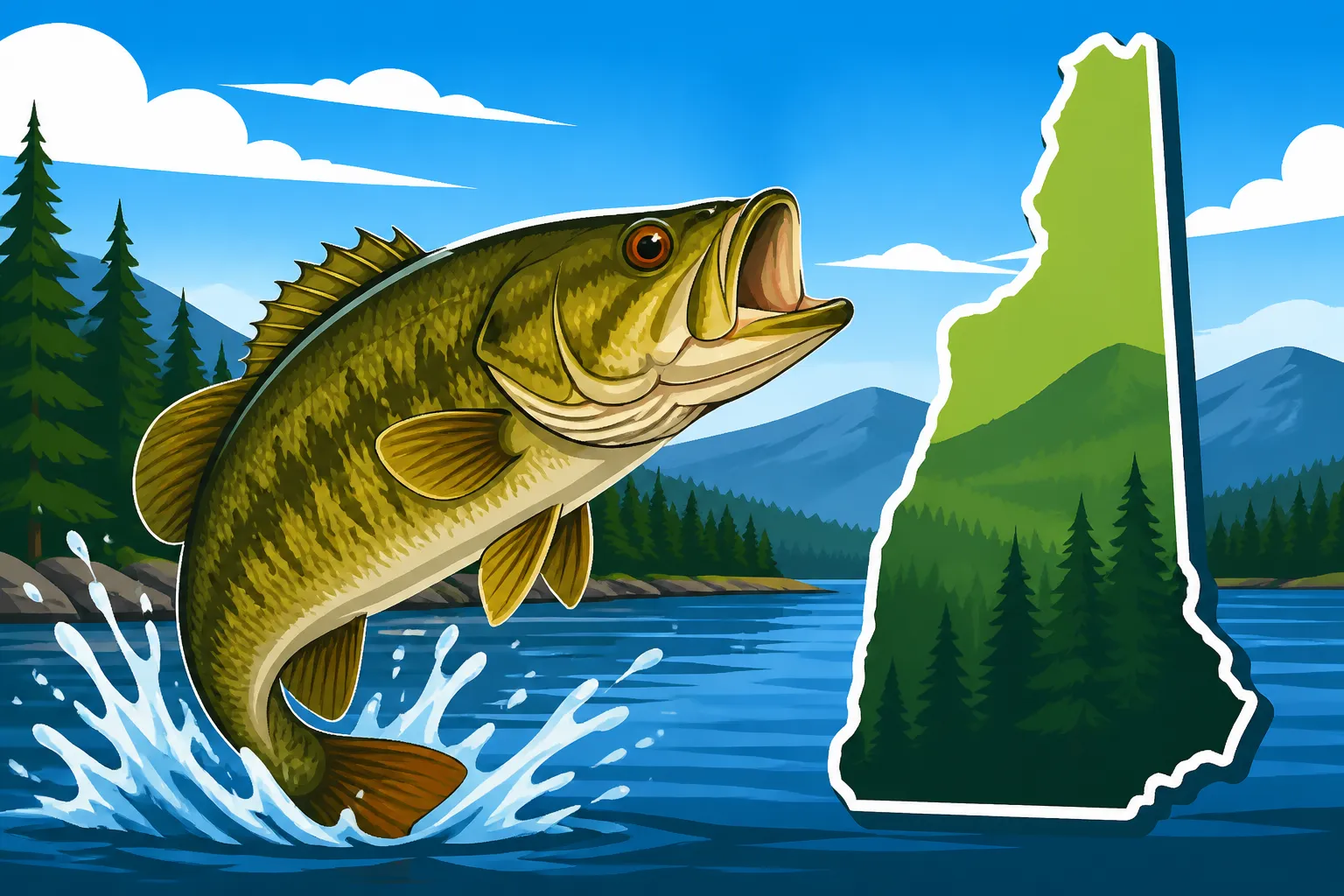
There’s nothing quite like the thrill of feeling that unmistakable thump, set, and then the powerful, acrobatic fight of a truly big smallmouth bass. For many anglers in New Hampshire, the quest for a trophy smallmouth is a year-round obsession, a dream of landing that bronze-backed leviathan that pushes the scales and tests your tackle. This guide is dedicated to helping you pinpoint those special lakes in the Granite State that consistently produce the kind of smallmouth bass dreams are made of, and how to increase your odds of catching one.
Understanding Trophy Smallmouth Bass in New Hampshire
Before we dive into specific lakes, it's important to understand what makes a smallmouth a "trophy" in New Hampshire, and what kind of environments these incredible fish call home. Many anglers consider a smallmouth over three pounds a respectable fish, but a true trophy often starts north of four pounds, sometimes reaching into the five or even six-pound range. These aren't just big fish; they're smart, powerful, and have survived many seasons in our often-challenging waters.
What Makes a Smallmouth "Trophy-Worthy"?
A trophy smallmouth isn't just about weight; it's about the entire experience. It's the brute strength, the aerial displays, and the sheer challenge of coaxing such a wary creature to bite. In New Hampshire, where fishing pressure can be significant on popular lakes, a smallmouth that has grown to a substantial size has done so by being exceptionally cunning. They've learned to avoid standard presentations and often inhabit specific, hard-to-reach structures. Catching one feels like a true accomplishment because it is.
The fight of a big smallmouth is legendary. Unlike largemouth that often try to bury themselves in weeds, smallmouth are open-water fighters, making powerful runs and spectacular jumps that can be heart-stopping. When you hook into a four-pound-plus smallie, your rod will double over, and your drag will sing. That's the kind of excitement that keeps us coming back for more, enduring cold mornings and tough bites, all for the chance at that one special fish.
Ideal Habitats and Forage for Big Smallmouth
Trophy smallmouth bass thrive in certain conditions. They love clear, cool, deep water with plenty of rocky structure. Think submerged humps, rock piles, ledges, points that drop off quickly, and expansive rocky shorelines. These areas provide ambush points for hunting and protection from predators. Unlike their largemouth cousins who prefer weeds and woody cover, smallmouth are kings of the rock and gravel bottom.
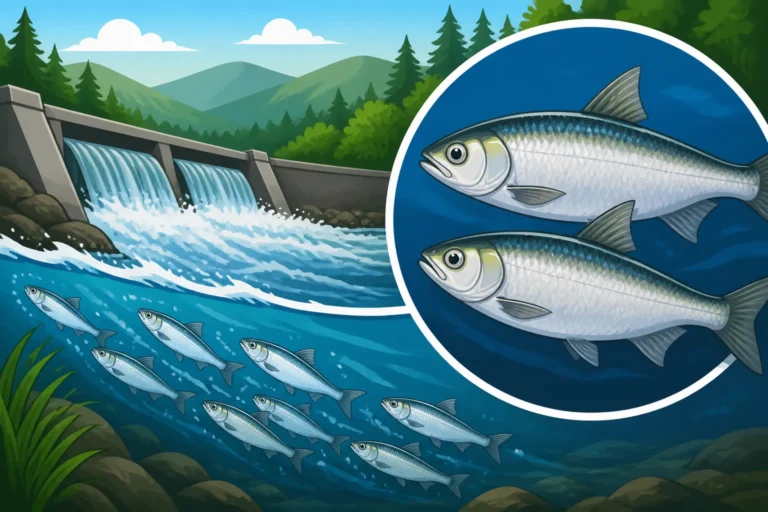
The availability of abundant forage is also crucial for growing big smallmouth. In many of New Hampshire's premier smallmouth lakes, this means a healthy population of rainbow smelt, crayfish, and various other baitfish. Smelt are especially important; they're a high-protein food source that allows smallmouth to grow quickly and attain impressive sizes. Crayfish, too, are a staple, often found scuttling among the rocks where smallmouth love to lurk. Understanding their diet helps you choose the right lures and presentations.
Top New Hampshire Lakes for Giant Smallmouth
New Hampshire is blessed with some incredible smallmouth bass fisheries. While nearly every lake with a healthy population can produce a good fish, a few stand out as consistent producers of truly trophy-sized smallmouth. These lakes offer the perfect combination of habitat, forage, and depth to sustain a population of giants.
Lake Winnipesaukee: The Smallmouth Mecca
If you ask any seasoned New Hampshire angler where to find the biggest smallmouth, Lake Winnipesaukee is almost always at the top of the list. This massive lake, with its countless islands, rocky shoals, and deep, clear water, is an absolute paradise for smallmouth bass. Its immense size means there's always new water to explore and plenty of untouched territory where big fish can grow undisturbed. Many of the lake’s smallmouth grow large by feeding on its abundant smelt population.
The key to unlocking Winnipesaukee's trophy smallmouth potential lies in focusing on its endless rocky points, submerged humps, and island shorelines that drop quickly into deeper water. These structures act as highways and feeding grounds for big bass. While fishing pressure can be high in some areas, the sheer scale of Winnipesaukee means you can always find solitude and productive water. Targeting these areas with specific techniques, especially during prime feeding windows, can lead to incredible results. You'll often find trophy smallmouth here in deeper water, even during the summer months, relating to structure. For more detailed tips, check out Lake Winnipesaukee Smallmouth Bass Fishing.
Squam Lake: Clear Waters, Hard Fights
Squam Lake, often overshadowed by its larger neighbor Winnipesaukee, is another gem for trophy smallmouth bass. Known for its crystal-clear waters and stunning scenery, Squam presents a unique challenge and reward. The clear water makes the fish incredibly wary, but it also means they are often very healthy and strong. These fish fight with an intensity that will leave your arms aching. The lake's structure is predominantly rocky, featuring steep drop-offs, underwater islands, and numerous ledges that smallmouth adore.
Success on Squam often comes down to stealth and precision. Long casts, light lines, and natural presentations are often the order of the day. The clear water allows you to sometimes spot fish relating to structure, making sight fishing a possibility on calm days. While largemouth bass are also present, Squam's reputation is firmly rooted in its exceptional smallmouth fishery. Anglers who take the time to learn its nuances are often rewarded with some of the biggest, hardest-fighting smallmouth in the state. Don't be afraid to try some deeper presentations here; the clear water means smallmouth often hold deeper than you might expect.
Newfound Lake: Deep and Diverse
Newfound Lake, one of New Hampshire's deepest and cleanest lakes, is another excellent destination for trophy smallmouth. Its deep, cold waters are ideal for sustaining a healthy smelt population, which in turn fuels the growth of large smallmouth bass. The lake features extensive rocky shoreline, numerous steep drop-offs, and several significant submerged rock piles and humps. These structural elements provide perfect ambush points and holding areas for big bass. Newfound Lake Fishing Guide can give you an overview of this diverse fishery.
The smallmouth in Newfound can be found from shallow rocky points in the spring and fall, to deep humps and ledges during the warmer summer months. Pay close attention to sudden depth changes and areas where rocky bottoms transition to sand or gravel. These subtle changes can hold significant numbers of baitfish, and consequently, big smallmouth. Anglers often find success by vertical jigging or slowly dragging baits across deeper structure. Patience and a good understanding of contour maps are vital on Newfound Lake.
Lake Sunapee: Landlocked Salmon's Lesser-Known Brother
While Lake Sunapee is renowned for its outstanding landlocked salmon and lake trout fishing, it also harbors an impressive population of trophy smallmouth bass that often get overlooked. This beautiful, deep, and clear lake offers excellent smallmouth habitat with its rocky shorelines, steep ledges, and deep-water structures. Like Winnipesaukee and Newfound, Sunapee supports a strong smelt population, providing ample food for smallmouth to grow to exceptional sizes. Many anglers focus on the salmon, giving the bass less pressure. For those who want to learn more about the lake's iconic fishery, read Sunapee Lake Landlocked Salmon Fishing.
Targeting smallmouth on Sunapee often means looking for similar structures as you would for its salmonid inhabitants: deep points, humps, and offshore reefs. The smallmouth here are accustomed to hunting in open water and often relate to deep structure. Jigging spoons, drop shots, and deep-diving crankbaits can be highly effective, especially when fished around areas that hold baitfish. Don't be surprised if you hook into a truly massive smallmouth while targeting other species; they are definitely there, strong and healthy.
Strategies for Targeting Trophy Smallmouth
Catching a trophy smallmouth isn't usually a fluke; it's often the result of careful planning, appropriate gear, and strategic execution. These larger fish are typically older and wiser, making them more challenging to fool. Understanding their seasonal movements and preferred presentations can dramatically increase your success rate.
Essential Gear for Big Smallmouth
Having the right tackle is paramount when chasing trophy smallmouth. You need gear that can handle the explosive power of these fish while still being sensitive enough to detect subtle bites.
For rods, a medium-heavy spinning or casting rod, 6'6" to 7'6" in length, with a fast action tip is ideal. This combination offers enough backbone for powerful hooksets and fighting big fish, while the sensitive tip allows for excellent feel.
Matching this with a quality spinning reel in the 2500-3000 size or a baitcasting reel with a smooth drag system is key. You can find excellent options for both rod and reel setups on Amazon, often with reviews from fellow anglers to guide your choice.
Line choice is also critical. Many anglers opt for 8-12 lb fluorocarbon as their main line for its low visibility and abrasion resistance, especially when fishing around rocks. Alternatively, a braided main line with a fluorocarbon leader (say, 10-15 lb braid to an 8-10 lb fluorocarbon leader) offers excellent casting distance and sensitivity.
When it comes to lures, a diverse tackle box is your best friend. Here's a quick breakdown:
| Lure Type | Best Use Case | Target Depth | retrieve/action |
|---|---|---|---|
| Jig Heads | Soft plastics, tubes, grubs, Ned rigs | All depths | Bottom bouncing, hopping, dragging |
| Drop Shot Rigs | Finesse fishing, targeting suspended fish, deep water | Mid to deep water | Subtle shaking, hovering bait off bottom |
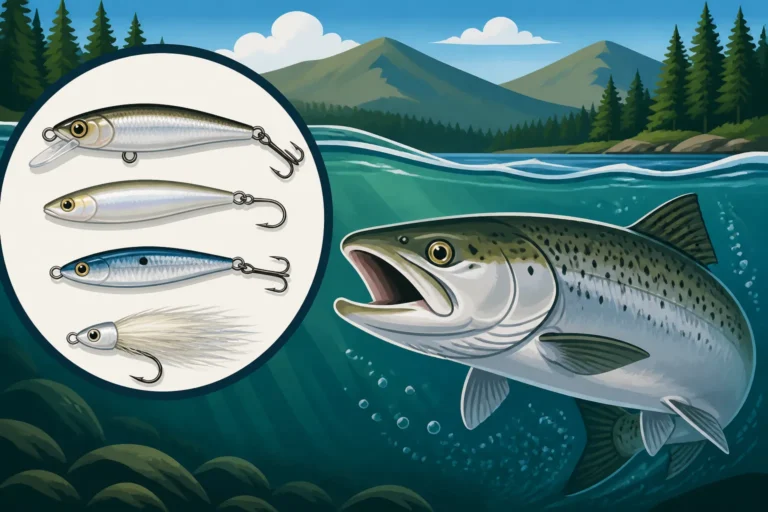
| Deep Diving Cranks | Covering water, targeting specific depth ranges | 8-20+ feet | Steady retrieve, occasional pause |
| Jerkbaits | Suspending fish, mimicking baitfish, cold water | 3-10 feet (suspend) | Twitch, pause, retrieve |
| Tube Jigs | Mimicking crayfish, bouncing rocky bottoms | All depths | Dragging, hopping, ripping off bottom |
| Swimbaits | Mimicking larger baitfish (smelt) | Mid to deep water | Steady retrieve, occasional jigging |
| Topwater | Low light, calm conditions, shallow water | Surface | Walking the dog, popping, chugging |
Remember, presentation is key. Even the "best" lure won't work if it's not fished correctly. Experiment with retrieve speeds, pauses, and actions until you find what the fish want. Having a good assortment of these lures, easily browsed and delivered from a reliable retailer like Amazon, will ensure you're ready for any condition. Consider bringing along a good pair of fishing pliers, too; they're invaluable for safely removing hooks from feisty smallmouth. Learn more about selecting your fishing gear in Best Tackle for New Hampshire Smallmouth Bass.
Seasonal Tactics for Success
The movements and feeding patterns of trophy smallmouth change dramatically throughout the year. Understanding these seasonal shifts is crucial for consistent success.
- Spring (Pre-spawn & Spawn): As the ice comes off and water temperatures begin to rise (45-55°F), smallmouth move shallower, often holding on rocky points and flats adjacent to deeper water. This is when they are actively feeding to prepare for the spawn. Jerkbaits, suspending stickbaits, and tube jigs fished slowly can be deadly. During the spawn itself (58-65°F), male smallmouth will guard nests on rocky or gravel bottoms. While targeting bedding fish is sometimes effective, many ethical anglers choose to leave them undisturbed to ensure future generations. Focus on areas just off the beds for pre-spawn females or post-spawn males.
- Summer (Post-spawn & Deep Water): Once the spawn is over and water temperatures warm (68-75°F+), smallmouth typically move deeper, seeking cooler, oxygenated water and relating to offshore structures. Think submerged humps, rock piles, deep points, and thermoclines where baitfish congregate. This is prime time for techniques like drop-shotting, vertical jigging with spoons or heavy tubes, and deep-diving crankbaits. Early morning and late evening can bring them shallower to feed, but during the bright midday sun, they'll be deep.
- Fall (Feeding Frenzy): As water temperatures begin to cool (65-45°F), smallmouth enter a major feeding period to fatten up for winter. They become incredibly aggressive and often move back to shallower rocky points and flats during the day, following schools of baitfish. Crankbaits, jerkbaits, and swimbaits become highly effective for covering water and triggering strikes. This is often considered one of the best times of year to catch truly large smallmouth, as they are actively gorging themselves. Don't miss out on this prime fishing window. You can get more details on prime fishing times in Best Months to Catch Smallmouth Bass in New Hampshire.
Reading the Water and Electronics
Successful trophy smallmouth anglers are experts at reading the water, both above and below the surface. This involves not just understanding physical features but also leveraging modern technology.
Above water, look for clues: baitfish jumping, birds diving, changes in wind direction, or surface disturbance. These can indicate the presence of bait and, consequently, hungry smallmouth. On large lakes, understanding how the wind affects current and baitfish movement can also be a huge advantage.
Below the surface, a good fish finder and detailed mapping are indispensable tools for locating trophy smallmouth. Modern fish finders with side imaging and down imaging capabilities can reveal subtle changes in bottom composition, identify rock piles, ledges, and even show individual fish holding on structure. Investing in a high-quality unit and learning how to interpret its readings will put you miles ahead of the competition. Digital mapping programs on your unit or phone can help you identify contours, sudden drop-offs, and potential offshore humps before you even get on the water. Spend time studying these maps, marking potential hot spots, and then verify them with your sonar. To learn more about selecting the right technology, check out Best Fish Finders for New Hampshire Lakes.
Conservation and Responsible Angling
Catching a trophy smallmouth is an amazing experience, but it comes with a responsibility to protect these incredible fish for future generations. Large smallmouth bass are often the most important breeders in a population, and their continued survival is vital for healthy fisheries. Practicing responsible angling ensures that the thrill of a trophy catch remains accessible to everyone.
Practicing Catch and Release for Future Trophies
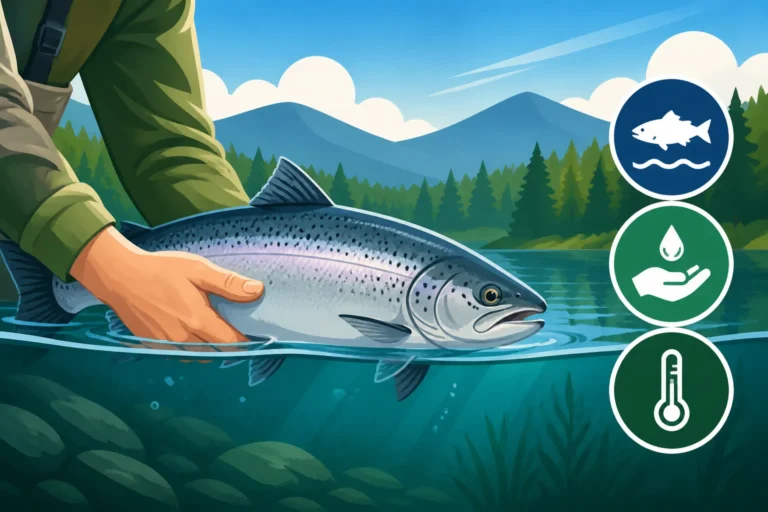
For trophy-sized smallmouth, catch and release is highly encouraged. These older, larger fish have already contributed significantly to the fishery, and allowing them to return to the water ensures they can continue to spawn and pass on their strong genetics. When practicing catch and release, handle the fish as gently and minimally as possible.
Here are some tips:
- Minimize Air Time: Keep the fish in the water as much as possible. If you must lift it for a photo, do so quickly and support its body horizontally.
- Use Proper Tools: A good pair of long-nosed pliers or a de-hooking tool can help remove hooks quickly and safely, minimizing damage to the fish. You can easily find these essential tools for responsible angling on Amazon.
- Avoid Squeezing: Never squeeze the fish's belly or gills, as this can cause internal damage.
- Revive Carefully: If a fish seems sluggish, hold it gently in the water, facing into the current (if any), until it regains its strength and can swim away on its own.
- Crimped Barbs: Consider crimping the barbs on your hooks to make hook removal easier and less traumatic for the fish.
Remember, a quick photo and a healthy release mean that magnificent smallmouth can live to fight another day, potentially growing even larger, and be caught by you or another angler again. Consider adding a bump board to your gear, easily purchased from Amazon, to quickly measure your catch without unnecessary handling.
Respecting Regulations and the Environment
Always familiarize yourself with the current New Hampshire Bass Limits and Slot Rules and other fishing regulations before you head out. These rules are in place to protect the fishery and ensure sustainability. Respecting creel limits, size restrictions, and season dates is not just about legality; it's about being a good steward of our natural resources.
Beyond regulations, also practice good environmental habits. Pack out everything you pack in, including any discarded fishing line, which can be harmful to wildlife. Be mindful of invasive species by cleaning your boat, trailer, and gear thoroughly between water bodies. Our lakes and rivers are precious, and it's up to all of us to keep them clean and healthy for generations of anglers to come.
Disclaimer
This article is for general informational purposes only and does not constitute professional advice. Laws, prices and regulations vary by location and change over time. Consult a qualified professional for guidance on your specific situation.