Newfound Lake Fishing Guide
Newfound Lake in New Hampshire is a true gem, but its crystal-clear, deep waters can be incredibly intimidating for anglers. Many arrive with high hopes, only to be confounded by the lake's unique challenges, from elusive salmon to finicky lake trout that seem to vanish into the abyss. This comprehensive guide will peel back the layers of Newfound Lake, helping you understand its distinct character, master the techniques needed to consistently catch fish, and transform your frustrations into triumphant fishing stories.
Unveiling Newfound Lake's Unique Character for Anglers
Newfound Lake isn't just another pretty face in New Hampshire; it's a deep, oligotrophic lake, meaning it has very low nutrient levels, leading to incredible water clarity. This beauty comes with its own set of challenges and opportunities for those looking to cast a line. Understanding these fundamental characteristics is the first step to unlocking its angling potential.
The Lake's Pristine Waters and Deep Structure
Imagine looking down into 30 or 40 feet of water and still seeing your lure. That's the kind of clarity Newfound Lake offers. Formed by glacial activity, it’s one of the deepest lakes in New Hampshire, plunging over 180 feet in some spots. This deep, cold, and highly oxygenated water is a haven for cold-water species like landlocked salmon and lake trout, allowing them to thrive even during the warmest summer months. However, this clarity also means fish are often very wary and easily spooked. Anglers need to be stealthy, use light lines, and often present baits naturally to avoid detection. You'll often find yourself having to adjust your boat's approach or your casting angle to avoid putting fish down before they even see your offering.
The lake's bottom structure is a fascinating maze of deep drop-offs, rocky ledges, underwater humps, and submerged timber, all carved out by ancient glaciers. For a fish like the lake trout, these deep structures are their year-round homes, offering shelter, ambush points, and access to deep, cold water. For smallmouth bass, rocky points and shallow shelves transition quickly into deeper water, providing perfect patrol routes. This complex topography means that while fish can be anywhere, understanding how to read your electronics and target these specific structural elements is absolutely critical to finding success. It’s not a lake where you just blindly cast; it demands thoughtful interpretation of your sonar and a good understanding of bathymetric maps.
Primary Fish Species Found in Newfound Lake
Newfound Lake is famous for its outstanding cold-water fishery, primarily centered around its magnificent salmonid populations, but it also offers exciting opportunities for warm-water species. Anglers visiting this lake usually have a few key targets in mind, each demanding different approaches and offering distinct thrills.
The crown jewel for many Newfound Lake anglers is the Landlocked Salmon. These powerful, acrobatic fish are a blast to catch, known for their incredible runs and aerial displays once hooked. They feed heavily on the lake's abundant rainbow smelt population, which dictates much of their behavior and where you'll find them. Targeting them often involves trolling specific smelt-imitating lures, particularly during dawn and dusk. For similar insights, you might want to read our guide on Landlocked Salmon Fishing in New Hampshire.
Next up are the ancient and formidable Lake Trout. These deep-water dwellers are built for the cold, dark depths of Newfound Lake. They're not as acrobatic as salmon but offer a stubborn, powerful fight, pulling hard for the bottom. Like salmon, they also key in on smelt, but their preferences for even deeper, colder water mean different presentation techniques are usually required. Finding them often involves meticulously working deep contours and structure with specialized gear.
Then there's the feisty Smallmouth Bass. While Newfound Lake isn't typically thought of as a bass powerhouse compared to some other lakes, its clear, rocky shorelines and ample forage provide excellent habitat for smallmouth. They are fantastic fighters on light tackle and can be found in shallower, rocky areas, especially during the warmer months. These fish offer a great change of pace if the salmon and lake trout are proving elusive. For those interested in pursuing them, understanding How to Catch Smallmouth Bass in New Hampshire Lakes can be a huge advantage.
Rounding out the main species are Rainbow Trout and native Brook Trout. Rainbows are regularly stocked by New Hampshire Fish and Game, providing a more accessible fishery, especially in spring and fall. Brook trout, while less common in the main lake, can be found in the cooler, oxygenated feeder streams and sometimes near their mouths, offering a unique opportunity for those willing to explore. You might also find other species like yellow perch, white perch, chain pickerel, and horned pout (bullhead), particularly in shallower coves and near weed lines, providing fun for families or when the primary targets aren't biting.
Mastering Landlocked Salmon Fishing on Newfound Lake
Chasing landlocked salmon on Newfound Lake is an experience steeped in tradition and technique. These fish are true predators, and their pursuit requires patience, precision, and an understanding of their habits in the lake's clear, deep environment.
Trolling Techniques for Elusive Salmon
Trolling is by far the most popular and effective method for consistently catching landlocked salmon on Newfound Lake. Because the water is so clear, these fish can see your boat and your gear from a distance. This means paying close attention to detail is paramount. You're typically looking to imitate rainbow smelt, the primary forage for salmon in this lake. Lures like spoons (e.g., Mooselook Wobblers, Suttons, or similar thin, flashy designs) in silver, blue/silver, or green/silver patterns are deadly. Small stickbaits that mimic smelt are also excellent choices, especially during low light conditions.
The key is presenting these lures at the right depth and speed. Salmon in Newfound Lake will suspend in the water column, often at depths anywhere from 15 to 50 feet, depending on the time of year and the location of their food. Using downriggers or lead core line is essential to get your lures into the strike zone. Your trolling speed is equally critical; a speed of 1.8 to 2.5 miles per hour is a good starting point, but you'll need to experiment to find what the fish prefer on any given day. Watch your rod tip action; you want your lure to have an enticing wobble, not just drag through the water. Many successful anglers on Newfound Lake will run multiple lines at different depths and with varied lures until they figure out the daily pattern. Don't be afraid to make wide turns; sometimes the outside or inside line will get hit as the lure changes speed and depth.
Seasonal Strategies for Landlocked Salmon
Landlocked salmon fishing on Newfound Lake is truly a year-round pursuit, though tactics change dramatically with the seasons.
Ice-Out (Late March to Early May): This is arguably one of the best times to target salmon. As the ice melts, salmon are often found near the surface, cruising the upper water column for newly available smelt. Trolling flat lines or planer boards with small stickbaits or spoons close to shore, especially near river mouths like the Newfound River, can be incredibly productive. The fish are often aggressive and feeding heavily after a long winter. This period requires vigilance, as weather can change quickly, but the rewards can be substantial. For tips on how to fish for salmon right after ice-out, you'll find great information in our article on How to Fish a River for Smallmouth Bass, which shares similar seasonal principles for aggressive fish.
Summer (June to August): As the lake warms, salmon retreat to the cooler, deeper waters, following the thermocline and concentrations of smelt. This is when downriggers become indispensable. You'll be trolling lures anywhere from 30 to 60 feet deep, often over major lake basins or deep underwater structure. Early mornings and late evenings remain prime times, but cloudy days can extend the bite. Don't overlook the middle of the day if you can consistently present lures in their preferred temperature zone.
Fall (September to November): As water temperatures begin to drop, salmon become more active throughout the water column and will often move shallower, especially as they begin to stage for spawning. Trolling spoons and stickbaits at varying depths, often shallower than summer, can be very effective. This is when salmon really put on weight, and catching a robust, hard-fighting fish is a distinct possibility. They become more aggressive as winter approaches, making for exciting strikes.
Winter (Ice Fishing – December to March): Ice fishing for landlocked salmon on Newfound Lake is a unique challenge. Anglers often target them with tip-ups baited with live smelt or shiners, set at various depths from just below the ice down to 50 feet or more. Jigging spoons or specialized ice fishing jigs can also entice strikes. Mobility is key; don't be afraid to move your shanty or set up new holes if you're not seeing action. Remember to check local regulations regarding ice thickness and shanty requirements, as well as specific New Hampshire Ice Fishing Regulations by Water Body.
Deepwater Delights: Targeting Lake Trout in Newfound Lake
Lake trout are the true denizens of the deep in Newfound Lake, preferring the cold, oxygen-rich waters that this glacial lake provides. Catching these powerful fish requires a different set of strategies, focusing on their deep-water habits and preferred forage.
Effective Lake Trout Lures and Presentations
When it comes to Newfound Lake lake trout, deepwater presentations are the name of the game. Trolling is highly effective, but often at slower speeds and deeper depths than for salmon. Heavy-bodied spoons, like larger Mooselook Wobblers, large Doctor Spoons, or even specialized trolling flies tipped with a piece of bait (like a shiner or smelt), are common choices. Colors that mimic smelt are excellent – silver, blue/silver, white, or chartreuse. The retrieve or trolling speed should allow the lure to have a subtle, enticing wobble, often slower than what you'd use for salmon. Downriggers are almost a necessity here to get your offerings consistently into the 60-100+ foot range where these fish often reside, especially during summer.
Vertical jigging is another highly productive method, especially when you mark lake trout on your sonar holding to specific deep structure like humps or ledges. Heavy jigging spoons, like Crippled Herring, Swedish Pimples, or tube jigs (often in white, silver, or glow colors), are dropped directly down to the fish. The retrieve involves lifting the rod tip sharply and letting the jig flutter back down, imitating an injured baitfish. Sometimes a more subtle jigging motion, like slowly raising and lowering the rod, can be more effective. Tipping your jig with a piece of cut bait or a whole smelt can significantly increase your strike rate. Understanding how to use your fish finder to pinpoint these deep-holding fish and present your lure accurately is crucial for success.
Understanding Lake Trout Habits and Habitat
Lake trout are creatures of habit, intrinsically linked to the coldest, deepest parts of Newfound Lake. They thrive in water temperatures generally below 55 degrees Fahrenheit, which means they'll often be found at depths of 50 to 120 feet, or even deeper, depending on the season and the lake's thermocline. Their preferred habitats include deep rocky humps, underwater points, steep ledges, and deep basin areas where they can ambush baitfish or scavenge for food. They often relate to the bottom or just above it, but can also suspend in open water if there's a dense school of smelt.
Their diet primarily consists of rainbow smelt, but they will also eat other smaller fish, crustaceans, and even insects when opportunities arise. This reliance on smelt means that finding concentrations of baitfish on your electronics often leads you directly to the lake trout. In spring and fall, as the surface waters cool, lake trout might move shallower, offering easier access for anglers. However, in the peak of summer, they retreat to the coldest depths, requiring specialized deep-water gear to reach them. Ice fishing also provides excellent opportunities, as lake trout can be caught by jigging or setting tip-ups with live bait over their deep-water haunts. Learning about Lake Trout Spawning Season in New Hampshire can also provide insights into their seasonal movements and where they might be found during different times of the year.
Battling Newfound Lake's Smallmouth Bass
While salmon and lake trout often steal the spotlight, Newfound Lake offers fantastic opportunities for smallmouth bass. These bronze beauties thrive in the lake's clear, rocky environments and provide a spirited fight that can be incredibly rewarding.
Top Techniques for Smallmouth Bass
Newfound Lake's clear waters and rocky bottom are tailor-made for specific smallmouth bass techniques. One of the most effective methods is drop-shotting. This finesse presentation allows you to present a small, soft plastic bait (like a minnow or worm imitation) neutrally buoyant above a weighted sinker, keeping it in the strike zone longer. This is particularly effective when fish are pressured or suspended over deeper rock piles or points. The clear water here means using light fluorocarbon leaders (6-8 lb test) is almost a must, as bass can easily see heavier lines.
Jerkbaits are absolute killers for Newfound Lake smallmouth, especially in the spring and fall, or any time the fish are actively chasing bait. Hard jerkbaits, retrieved with a "twitch, twitch, pause" cadence, can mimic a wounded baitfish perfectly, triggering aggressive strikes from nearby bass. Experiment with different pause lengths; sometimes a longer pause is what it takes for a hesitant fish to commit. For specific lure recommendations, our guide on Best Crankbaits for New Hampshire Smallmouth Bass might offer some useful ideas.
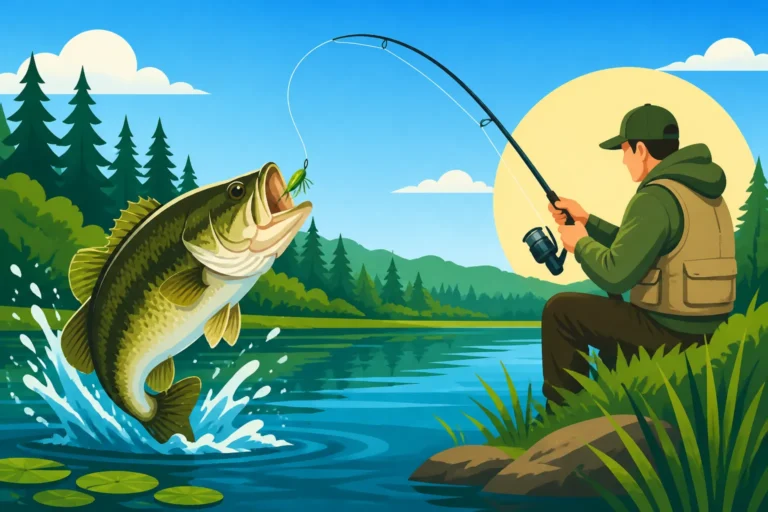
When the bass are active, especially during summer mornings and evenings, topwater lures provide some of the most exciting action. Poppers, walk-the-dog baits, and prop baits can be deadly when cast over rocky shoals, along weed lines, or near submerged timber. The visual strike of a smallmouth exploding on a surface lure is unforgettable. Don't forget crankbaits that dive to medium depths (5-15 feet) for covering water along rocky banks and points. Colors like crawfish patterns or those mimicking smelt and shiners tend to work well in Newfound's clear water.
Prime Smallmouth Hotspots and Seasons
Smallmouth bass on Newfound Lake tend to gravitate towards specific types of structure and habitat, and their locations shift with the seasons.
Hotspots: Look for areas with a concentration of rocky bottom, points that extend into deeper water, submerged humps, and the edges of any weed beds. The northern end of the lake, particularly around the river mouth where the Newfound River enters, can be productive, offering a mix of current and rocky structure. The eastern shore also has numerous rocky points and coves that hold good numbers of bass. Any area where shallow water transitions quickly to deep water, particularly with rock rubble or boulders, is a prime smallmouth hangout. Check out our detailed guide on Newfound Lake Smallmouth Bass Fishing for more specific locations and deeper insights.
Seasons:
- Spring (Pre-spawn & Spawn): After ice-out, smallmouth will begin to move shallower as water temperatures rise, staging on rocky flats and points adjacent to spawning areas. This is an excellent time for jerkbaits and jigs. Once water temperatures hit the mid-50s to low-60s, they'll be on their beds, primarily in protected coves and shallow, rocky flats. This period often sees aggressive fish, but remember to practice responsible catch-and-release to protect the spawning population.
- Summer: In the heat of summer, smallmouth might hold slightly deeper, around rocky points and humps in 15-30 feet of water during the day, moving shallower at dawn and dusk to feed on topwater. Drop-shotting and deep-diving crankbaits are effective during the day, while topwater action can be explosive early and late.
- Fall: As water temperatures drop, smallmouth become highly aggressive, feeding heavily in preparation for winter. They'll often be found shallower, chasing baitfish on rocky points and flats. Crankbaits, jerkbaits, and even larger soft plastics can be very productive during this time, often leading to some of the biggest fish of the year.
| Species | Primary Technique | Prime Season | Typical Habitat |
|---|---|---|---|
| Landlocked Salmon | Trolling, Ice Fishing | Ice-Out, Fall, Winter | Open water, near smelt schools |
| Lake Trout | Deep Trolling, Jigging | Year-Round | Deep humps, ledges, basins |
| Smallmouth Bass | Drop-shot, Jerkbaits, Topwater | Spring, Summer, Fall | Rocky points, coves, ledges |
| Rainbow Trout | Trolling, Bait Fishing | Spring, Fall, Winter | Stocked areas, shallower coves |
| Brook Trout (Native) | Fly Fishing, Light Spin | Spring, Summer | Feeder streams, river mouths |
| Yellow Perch | Bait Fishing, Jigging | Year-Round | Weed lines, shallow coves |
Beyond the Big Three: Other Species to Pursue
While salmon, lake trout, and smallmouth bass are the main draws, Newfound Lake offers a diverse fishery with opportunities to catch other species, providing fun for anglers of all skill levels and interests.
Rainbow and Brook Trout Opportunities
New Hampshire Fish and Game actively stocks Rainbow Trout into Newfound Lake, ensuring a healthy population for anglers. These stocked fish are often more accessible than their wild counterparts and can provide fast action, especially in the spring and fall. You'll typically find them cruising shallower areas, particularly near launch ramps, public access points, and the mouths of feeder streams. Light spinning tackle with small spoons, spinners (like Kastmasters or Mepps Aglias), or even simple bait setups using power bait or worms can be incredibly effective. Trolling small spoons or flies behind a lead core line or small split shot is also a popular method for targeting them in open water. They offer a lively fight and are a great option for those looking to bend a rod without needing specialized deep-water gear.
For those with a keen eye and a love for wild places, the elusive native Brook Trout can be found in the cold, oxygenated feeder streams that flow into Newfound Lake. While not typically a "lake" target, these small, beautifully colored fish are a true prize. Fly fishing with small dry flies, nymphs, or tiny streamers is the preferred method, often requiring a bit of hiking and stealth to access their pristine habitats. Near the mouths of these streams, particularly early in the season or after heavy rains, brook trout might venture into the main lake itself. It's a different kind of fishing, focused more on solitude and the pursuit of a truly wild fish, offering a stark contrast to the big lake's deep-water pursuits. If you are interested in fly fishing, you should explore Fly Fishing for Trout in New Hampshire.
Panfish and Other Catches
Newfound Lake isn't just for trophy hunters; it's also a fantastic place to introduce new anglers to the sport or enjoy a relaxing day chasing panfish. Yellow Perch and White Perch are abundant throughout the lake, particularly in shallower coves, around docks, and near weed lines. They are eager biters and offer consistent action. A simple setup with a bobber, a small hook, and a piece of worm, minnow, or a tiny jig can lead to a cooler full of delicious perch. They bite well year-round, making them an excellent target for ice fishing as well.
Chain Pickerel are another common inhabitant of Newfound Lake, especially in areas with aquatic vegetation and submerged wood. These aggressive predators will readily strike spoons, spinners, and even topwater lures. While not typically sought after for their table fare (though some do enjoy them), their aggressive strikes and sharp teeth provide exciting action. They can be a fun distraction, particularly for kids, when other species are slow. You might even encounter Horned Pout (Bullhead) in the muddier bottom sections of shallower coves, especially when bait fishing on the bottom. These bottom-feeders are excellent eating and put up a surprisingly strong fight. Targeting these "other" species often means fishing closer to shore, in shallower water, and with simpler tackle, making it an accessible and enjoyable experience for everyone. Our guide on Panfish Fishing in New Hampshire covers these species in more detail.
Essential Gear and Boating Considerations for Newfound Lake
Having the right equipment and understanding how to safely and effectively navigate Newfound Lake are crucial for a successful and enjoyable fishing trip. Its deep, clear waters and sometimes unpredictable weather demand a thoughtful approach to gear and boating.
Recommended Rods, Reels, and Line
The diverse fishery of Newfound Lake calls for a range of rod, reel, and line setups. For targeting Landlocked Salmon and Lake Trout, especially when trolling with downriggers or lead core, you'll want medium-heavy action rods (7-9 feet) designed for trolling. These rods need enough backbone to handle the weight of the downrigger ball or lead core, but also a sensitive tip to detect subtle bites. Reels should be baitcasting or line-counter reels with ample line capacity (200-300 yards of 10-20 lb monofilament or braid). Many anglers prefer braid as a main line for its sensitivity, often with a fluorocarbon or monofilament leader of 8-15 lbs to absorb shock and provide invisibility in the clear water. For jigging lake trout, a medium-heavy spinning or baitcasting rod (6'6" – 7'6") with a fast action and a sensitive tip, paired with a reel spooled with 15-20 lb braid and a fluorocarbon leader, works well.
For Smallmouth Bass, a lighter setup is usually preferred. Medium-light to medium action spinning rods (6'6" – 7'2") with fast actions are excellent for finesse techniques like drop-shotting and throwing jerkbaits. Pair these with 2500-3000 size spinning reels spooled with 8-10 lb braided line, topped with a 6-10 lb fluorocarbon leader. This combination offers sensitivity, casting distance, and enough power to handle a feisty smallmouth. If you prefer baitcasting for heavier presentations like larger crankbaits or topwaters, a medium-heavy baitcasting rod (6'8" – 7'4") with a fast action and a corresponding baitcasting reel spooled with 10-15 lb fluorocarbon or braid is ideal. For those pursuing trout with lighter tackle, a light to ultralight spinning rod (5'6" – 6'6") with a small 1000-2000 size reel spooled with 4-6 lb monofilament or fluorocarbon is perfect.
Navigating Newfound Lake by Boat and Kayak
Newfound Lake is a large body of water, and while beautiful, it can become challenging, especially on windy days. Powerboats are the most common way to access the deeper waters where salmon and lake trout reside. The main public boat launch is Wellington State Park in Bristol, offering ample parking and excellent facilities. There are also a few private launches available, but these often require a fee. For larger boats, ensure your vessel is capable of handling moderate chop, as the lake can get surprisingly rough, especially when afternoon breezes pick up. Always keep an eye on the weather forecast; sudden thunderstorms can develop, and navigating a large, deep lake in rough conditions can be dangerous. It's also critical to be familiar with New Hampshire Boating Laws for Anglers, including requirements for life jackets and other safety equipment.
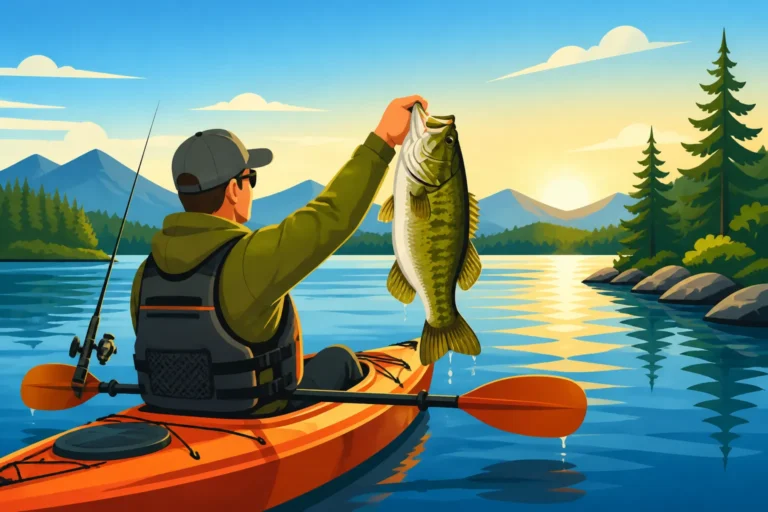
Kayak fishing on Newfound Lake offers a more intimate experience. While kayaks are limited in their ability to cover vast distances for deep-water trolling, they are fantastic for targeting smallmouth bass along the rocky shorelines, in quieter coves, and near the mouths of feeder streams. A stable sit-on-top fishing kayak is recommended for its comfort and storage capacity. Always wear your personal flotation device (PFD), even if you're an experienced paddler, as the water is cold and depths are significant. Using a portable fish finder can greatly enhance your kayak fishing experience, helping you locate structure and fish. Always have a visible flag or light, especially if you're out during low light hours, as the lake can be busy with powerboat traffic. An anchor system is also invaluable for holding position on a windy day or over a productive spot.
Navigating Regulations and Responsible Angling
Understanding and adhering to fishing regulations, along with practicing ethical angling, is paramount for preserving the quality fishery of Newfound Lake for generations to come. New Hampshire takes its natural resources seriously, and knowing the rules is part of being a responsible angler.
Understanding Newfound Lake Specific Regulations
While New Hampshire has overarching fishing regulations, specific water bodies often have their own unique rules, and Newfound Lake is no exception. It's absolutely crucial to consult the most current New Hampshire Freshwater Fishing Digest before you head out. This digest, published annually by the New Hampshire Fish and Game Department, details general rules as well as specific regulations for individual lakes and rivers. You can typically find a copy at license agents, sporting goods stores, or download the PDF from the NH Fish and Game website. Reading the New Hampshire Freshwater Fishing Digest is always a good idea.
For Newfound Lake, pay close attention to length limits and bag limits for key species like landlocked salmon and lake trout. These regulations are designed to manage fish populations, ensure sustainable harvest, and protect trophy fish. For instance, there might be specific slot limits for bass, or daily creel limits for trout. Always double-check if there are any specific tackle restrictions or seasonal closures that apply to Newfound Lake or its feeder streams. Fishing without a proper license or violating regulations can result in significant penalties, so staying informed is not just good practice, it's the law. For information on licenses, check out our guide on Where and How to Buy a New Hampshire Fishing License.
Practicing Conservation and Ethical Fishing
Beyond just following the law, ethical angling practices ensure that Newfound Lake remains a pristine and productive fishery. Catch and Release is a vital component of conservation, especially for species like landlocked salmon, lake trout, and larger smallmouth bass, many of which are part of managed populations. If you plan to release fish, handle them with care: minimize their time out of water, use wet hands when touching them, avoid squeezing them, and revive them gently before letting them go. Consider using barbless hooks to make unhooking easier and less stressful for the fish.
Leave No Trace principles are also critical. Pack out everything you pack in, including fishing line scraps, bait containers, and any other trash. Do not leave behind broken gear or discarded bait. Respect private property along the shoreline; always ensure you have permission before accessing private land. If you're on public land or using public access, be considerate of other anglers and outdoor enthusiasts.
Finally, if you're new to Newfound Lake or find yourself struggling, consider hiring a local fishing guide. Guides possess invaluable local knowledge, including current fish patterns, effective techniques, and secret spots. They are also excellent educators on local regulations and conservation practices. Websites like FishingBooker can connect you with experienced, licensed guides who specialize in Newfound Lake, offering tailored trips that maximize your chances of success while imparting essential local wisdom. Supporting local guides also helps support the local economy and expertise that keeps the New Hampshire fishing scene vibrant.
Disclaimer
The information provided in this guide is for general informational purposes only and is subject to change. Fishing regulations, seasons, and access points can vary and are updated periodically by the New Hampshire Fish and Game Department. Always consult the most current official New Hampshire Freshwater Fishing Digest or the NH Fish and Game website before planning your fishing trip to ensure compliance with all applicable laws and regulations. The author and publisher are not responsible for any incidents, accidents, or regulatory violations that may occur.