Best boat for fishing Lake Winnipesaukee
Choosing the perfect boat for fishing on Lake Winnipesaukee can feel like trying to solve a complex puzzle. This majestic lake, with its vast open waters, hidden coves, and diverse fishing opportunities, presents unique challenges and demands. This guide is here to help you navigate the myriad options, understand the nuances of various boat types, and ultimately help you make an informed decision so you can spend less time worrying and more time reeling in that trophy fish.
Understanding Lake Winnipesaukee's Unique Character
Lake Winnipesaukee isn't just a body of water; it's an experience, a challenge, and a fantastic fishery all rolled into one. Its sheer size and diverse conditions mean that a boat suitable for a small pond just won't cut it. Before we even talk about specific boats, let's really dig into what makes Winnipesaukee so unique and why it influences your boat choice so much.
The Vastness and Variability of Winnipesaukee's Waters
Imagine setting out on a seemingly calm morning, only for the winds to whip up in a matter of hours, turning those gentle ripples into formidable waves. That's Winnipesaukee for you! It's the largest lake in New Hampshire, spanning over 70 square miles with more than 250 islands. This isn't your average lake; it can feel more like an inland sea, especially when afternoon breezes decide to show up with a vengeance. You need a boat that can handle these conditions, providing stability and safety, whether you're chasing smallmouth bass in a rocky cove or trolling for lake trout in deeper waters. Trying to navigate these changing conditions in a small, underpowered craft isn't just uncomfortable; it can be downright dangerous. Many anglers have been caught off guard by Winnipesaukee's temperamental nature.
The vastness also means covering significant distances. You might want to fish the northern coves in the morning and then head south to hit a different structure in the afternoon. A boat that can get you there efficiently and comfortably, without burning through your entire fuel budget in an hour, becomes a critical consideration. Lake Winnipesaukee Fishing Guide offers a great overview of the various spots, which will help you visualize the distances involved.
Diverse Fishing Opportunities
Winnipesaukee is a multi-species angler's dream, but this diversity impacts your boat choice. Are you primarily focused on trolling for large lake trout and landlocked salmon in the deep, cold waters? Or do you prefer casting for smallmouth and largemouth bass around the countless islands and rocky shorelines? Perhaps ice fishing is more your winter passion, but for the open water season, you want to be ready for anything.
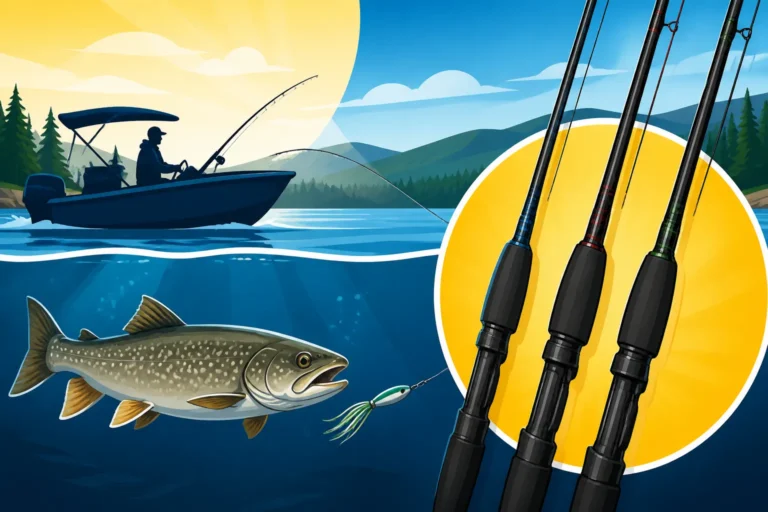
Each of these fishing styles places different demands on a boat. Trolling for salmon and trout often requires ample deck space for multiple rods, rod holders, and potentially downriggers, as well as a stable platform for navigating at slow speeds. Bass fishing, on the other hand, might prioritize maneuverability, a shallow draft to get into tight spots, and a powerful bow-mounted trolling motor. If you're hoping to do it all, you'll need a versatile vessel that offers a good compromise without sacrificing too much performance in any one area. Understanding what you want to target and how you want to fish is step one in finding your ideal boat.
Top Boat Types for Fishing Lake Winnipesaukee
When it comes to picking a boat for Winnipesaukee, there isn't a one-size-fits-all answer. Your ideal choice will hinge on your primary fishing style, how many people you typically bring along, and your comfort level with the lake's sometimes unpredictable waters. Let's break down the most popular options and see how they stack up for tackling the Big Lake.
Deep-V Aluminum or Fiberglass Fishing Boats
These are often the go-to choice for serious multi-species anglers on larger lakes, and for good reason. A deep-V hull is designed to cut through waves, providing a much smoother and drier ride in choppy conditions than flatter-bottomed boats. This is incredibly important on Winnipesaukee, where afternoon chop can quickly make other boats uncomfortable or even unsafe. The deeper hull also offers more interior depth, which translates to a more secure feeling onboard, especially with kids or pets.
Fiberglass deep-V boats tend to be heavier, offering an even more stable ride and better performance in rough water. They often have more customizable layouts, built-in storage, and livewells. Aluminum deep-V boats, like those from Lund or Alumacraft, are lighter, generally more fuel-efficient, and can be easier to trailer and launch. They're also incredibly durable, shrugging off bumps against docks or rocky shorelines. Both types excel at trolling for species like lake trout and landlocked salmon, providing ample space for rod holders and electronics. They also have enough power to get you across the lake quickly when needed. While they might not get into the absolute shallowest coves as easily as a flat-bottomed jon boat, their rough-water capabilities make them a strong contender for Winnipesaukee. If you're serious about chasing the bigger fish in the main lake, a deep-V is hard to beat. Best Trolling Gear for New Hampshire Lake Trout can help you outfit these boats.
Center Console Boats
Center console boats are another excellent option, particularly if you envision mixing fishing with other water sports or simply enjoying the lake with family and friends. Their design places the helm console in the center of the boat, allowing for 360-degree walk-around access, which is fantastic for fighting fish from any angle or for multiple anglers casting simultaneously. The open deck layout provides incredible versatility, easily accommodating different fishing setups.
Many center consoles have a modified-V hull, offering a good balance between stability at rest and wave-cutting ability. They're typically quite robust and capable of handling the larger waves Winnipesaukee can dish out. While often associated with saltwater fishing, their practicality makes them ideal for big freshwater lakes too. They usually offer plenty of storage, sometimes integrated livewells, and can be outfitted with all the necessary electronics. For those who want a capable fishing machine that also serves as a comfortable family cruiser for picnics on islands or sightseeing, a center console provides a wonderful blend of features.
Pontoon Boats (with a Fishing Package)
Now, you might be thinking, "A pontoon boat for serious fishing?" And traditionally, you'd have a point. But modern pontoon boats, especially those with dedicated fishing packages, have come a long way. They offer unparalleled deck space, incredible stability (especially important if you have young children or mobility considerations), and comfortable seating for a crowd. If your priority is a social fishing experience, perhaps with family or a group of friends, a pontoon boat really shines.
Fishing packages often include features like swivel fishing seats, livewells, rod holders, and even bow-mounted trolling motor pre-rigging. While they won't cut through large waves like a deep-V, their broad, flat deck tends to ride over the chop, and their stability means less rocking. They're generally not as fast as a V-hull, but for a leisurely day of fishing with plenty of room to move around, they are a fantastic option. They might not be the best choice for running full-throttle across the lake in a squall, but for calmer days or sticking to more protected areas, a fishing pontoon can offer a very enjoyable and comfortable experience. When researching accessories, you might even find some useful add-ons for your pontoon through online retailers like Amazon or at a Bass Pro Shops marine center.
Bass Boats
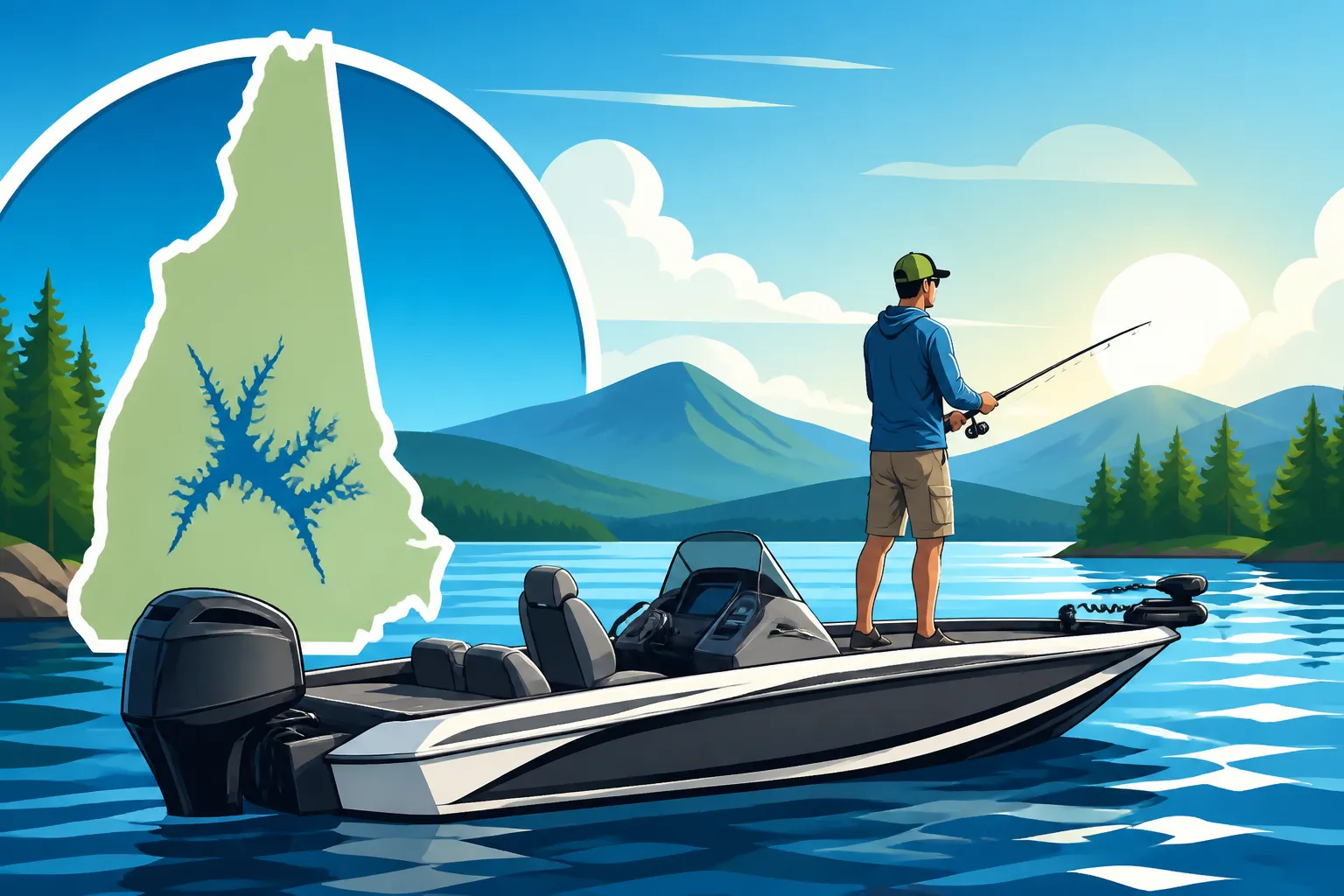
For the dedicated bass angler whose sole focus is targeting largemouth and smallmouth, a traditional bass boat might seem like the ultimate tool. With their powerful outboard motors, shallow draft, wide casting decks, and advanced electronics, they are engineered for efficiency and stealth in pursuit of bass. They can get you to your spot fast, and the bow-mounted trolling motor allows for precise positioning around structure. How to Catch Smallmouth Bass in New Hampshire Lakes will give you some great ideas for where to use such a boat.
However, on Lake Winnipesaukee, bass boats come with a significant caveat: rough water handling. Their flatter, wider hulls are designed for stability at rest and speed in calmer waters, not for pounding through the substantial chop that Winnipesaukee can generate. If you plan to fish primarily on calm days or stick to more protected coves and back bays, a bass boat could be great. But if you envision traversing the main lake in less-than-ideal conditions, you might find the ride jarring and wet. It's a trade-off: unmatched bass fishing efficiency in calm water versus comfort and safety in rougher conditions. Weigh your priorities carefully when considering a bass boat for Winnipesaukee.
| Boat Type | Pros for Winnipesaukee Fishing | Cons for Winnipesaukee Fishing | Ideal Scenario |
|---|---|---|---|
| Deep-V (Aluminum/Fiberglass) | Excellent rough water handling, stable ride, good for trolling, versatile for multi-species, durable. | Can be slower than bass boats, may not get into very shallow spots as easily. | Serious multi-species angler, frequent main lake fishing, comfort in chop. |
| Center Console | 360-degree fishability, robust, good rough water performance, versatile for fishing and family cruising. | Can be higher cost, less sheltered from elements than some other options. | Angler seeking versatility, social fishing, desire for open deck and easy movement. |
| Pontoon Boat (Fishing Pkg) | Unmatched deck space, excellent stability at rest, very comfortable, great for groups/family fishing. | Slower speeds, less capable in heavy chop, can be harder to trailer/launch, not ideal for stealth bass fishing. | Relaxed social fishing, family outings, calm days, protected areas, prioritizing comfort over speed. |
| Bass Boat | Extremely fast, excellent for targeting bass, shallow draft, precise trolling motor control, dedicated fishing features. | Poor rough water handling, very wet ride in chop, less versatile for other species/family outings. | Dedicated bass angler, prioritizing speed and stealth, fishing calmer waters/protected coves. |
Essential Features for a Winnipesaukee Fishing Boat
Once you've narrowed down the type of boat, it's time to drill down into the nitty-gritty: the features that truly make a difference when fishing New Hampshire's largest lake. These aren't just luxuries; they're vital components that enhance safety, comfort, and your overall fishing success.
Hull Design and Power
As we've touched on, the hull design is paramount on Winnipesaukee. A deep-V or modified-V hull will provide the best experience when the lake gets churned up. Look for boats with a sufficient deadrise (the V-angle of the hull at the transom) to ensure a smooth ride. A boat that's 18-20 feet or more is generally recommended for adequate safety and comfort, though smaller boats can work for dedicated anglers who stick to protected areas on calm days.
Power is another critical factor. You don't necessarily need the biggest engine available, but having enough horsepower to safely navigate the lake, get through chop, and get you back to the ramp if the weather turns is crucial. For an 18-20 foot boat, a 115-150 HP outboard is often a good starting point, offering a balance of power and fuel efficiency. If you plan on doing a lot of trolling for salmon and trout, a smaller "kicker" motor can be a fantastic addition. It allows you to troll at very slow speeds without putting hours on your main engine, saves fuel, and acts as a reliable backup power source. When you're far from shore, that kicker can be a real lifesaver.
Storage, Livewells, and Rod Holders
Fishing gear accumulates faster than you can say "tight lines," and a disorganized boat is a frustrating boat. Ample, well-designed storage is key. Look for dry storage compartments to keep your electronics, clothes, and safety gear safe from the elements. Tackle storage, especially lockable rod lockers, can protect your valuable rods and reels from damage and theft. If you're buying a boat from a retailer like Bass Pro Shops, they'll often highlight these storage features.
For anglers, a good livewell system is practically non-negotiable, especially if you plan on participating in tournaments or practicing catch-and-release with the intent of keeping fish alive for photos. Look for aerated livewells with good circulation to keep your catch healthy. The size and shape of the livewell are important too; some are designed specifically for bass, while others are better for trout or panfish. Finally, rod holders: you can never have enough! Flush-mount rod holders are great for trolling, while vertical holders keep spare rods out of the way. Consider adjustable rail-mount holders for versatility. Having designated spots for all your rods means less clutter and fewer broken tips.
Electronics and Navigation
Modern fishing is increasingly reliant on technology, and on a lake the size of Winnipesaukee, good electronics are invaluable. A reliable fish finder with GPS capabilities is essential. You'll want a unit that offers clear sonar imaging, preferably with side imaging or down imaging, to help you locate structure, baitfish, and game fish in the varied depths of the lake. The GPS feature will allow you to mark hot spots, navigate safely between islands, and find your way back to the launch in fog or low light. Best Fish Finders for New Hampshire Lakes will give you a detailed breakdown of what to look for.
A reliable marine radio (VHF) is also a smart safety investment, especially if you venture far from shore. Cell phone service can be spotty in some areas, and a VHF radio provides a direct line to emergency services and other boaters. Don't forget proper navigation lights, especially if you plan on fishing at dawn or dusk, and always check the New Hampshire Boating Laws for Anglers for specific requirements. A good set of electronic charts for Winnipesaukee loaded onto your fish finder or a separate chartplotter will help you avoid hazards and find productive fishing areas.
Budget and Ownership Considerations
The initial purchase price of a boat is often just the beginning. Owning a boat, especially one capable of handling Lake Winnipesaukee, comes with a host of other expenses and logistical challenges that you absolutely need to factor into your decision-making process. Thinking these through beforehand can save you a lot of headaches (and money) down the line.
Initial Costs vs. Long-Term Expenses
When you see the price tag on a new boat, that's just the tip of the iceberg. Beyond the boat itself, you'll need a trailer, and don't forget about sales tax, registration fees, and potentially financing costs. But the longer-term expenses are where many new boat owners get surprised. Fuel, especially with today's fluctuating prices, can add up quickly on a large lake like Winnipesaukee. Maintenance, including annual engine service, winterization, and unexpected repairs, is inevitable. These costs vary significantly depending on the boat's size, engine type, and complexity.
Then there's insurance. Just like a car, boat insurance is a must-have, protecting your investment and providing liability coverage. Storage is another big one: if you don't have space at home, you'll need to pay for a slip at a marina or dry storage, both of which can be substantial expenses, particularly around popular lakes like Winnipesaukee. When budgeting, it's wise to set aside a significant amount annually for these ongoing costs, not just the purchase price. A good rule of thumb is to expect annual operating costs to be around 10% of the boat's value.
Trailering, Launching, and Storage
Getting your boat to and from Lake Winnipesaukee is a crucial logistical consideration. You'll need a tow vehicle capable of safely hauling your boat and trailer. A larger, heavier boat will require a truck or a powerful SUV. Before you even buy, check your vehicle's towing capacity and ensure it can handle the combined weight of the boat, motor, trailer, and all your gear.
Launching and retrieving on Winnipesaukee can be busy, especially on weekends and holidays. Consider the size of your boat and your comfort level with maneuvering a trailer. Some of the ramps can be steep or have strong currents near their mouth. If you plan to leave your boat in the water, you'll need a slip at one of the many marinas around the lake. These often come with waiting lists and significant seasonal fees. Alternatively, dry storage facilities are available, where your boat is stored ashore and launched for you when you want to use it. Both options offer convenience but add to the overall cost of ownership. Make sure you also understand New Hampshire Boating Laws for Anglers and Life Jacket Requirements for New Hampshire Boaters before hitting the water.
Resale Value and Upgrades
While it might seem premature to think about selling your boat before you've even bought it, considering resale value is a smart financial move. Well-maintained boats from reputable manufacturers tend to hold their value better. Investing in quality initial setup and keeping up with maintenance will pay off when it's time to upgrade.
Many anglers also find themselves wanting to upgrade components over time. This could mean adding more powerful fish finders, a better trolling motor, or customizing storage solutions. Think about whether the boat you're considering has the flexibility and space to accommodate future upgrades. For instance, a basic package from a dealer might save you money upfront, but if you later want to add specific electronics or features, ensure the boat's electrical system and physical layout can support them without major overhauls. Companies like Bass Pro Shops or online retailers like Amazon can be excellent sources for these types of upgrades and accessories, from new rod holders to marine electronics.
Disclaimer
This article is for general informational purposes only and does not constitute professional advice. Laws, prices and regulations vary by location and change over time. Consult a qualified professional for guidance on your specific situation.