Pemigewasset River Fishing Guide
One of the most common frustrations for anglers in New Hampshire is knowing where to go to find truly rewarding fishing, especially on a river as diverse and storied as the Pemigewasset. It can feel like an overwhelming task to pinpoint the right spots, understand the seasonal changes, and know which techniques will actually put fish on your line. This comprehensive guide is here to cut through the confusion, offering a realistic, detailed roadmap for anyone looking to unlock the incredible fishing opportunities the Pemigewasset River has to offer.
Discovering the Pemigewasset River's Character
The Pemigewasset River, affectionately known as the "Pemi" by locals, is a true gem of New Hampshire, flowing approximately 100 miles from the heart of the White Mountains to its confluence with the Winnipesaukee River, forming the mighty Merrimack. It's a river of many faces, transitioning from a pristine, cold-water trout haven in its upper reaches to a broader, warmer river supporting a diverse range of species further downstream. This incredible variety is precisely what makes the Pemi such an exciting and sometimes challenging destination for anglers.
For newcomers, or even seasoned anglers who haven't explored the Pemi fully, understanding these distinct personalities is key. The river's character changes dramatically with elevation, surrounding landscape, and water temperature, dictating not only which fish species you'll encounter but also the best methods to target them. It's not a "one size fits all" river, and approaching it with that mindset will lead to much more success and enjoyment.
The Upper Pemigewasset: Coldwater Trout Sanctuary
Starting high in the Franconia Notch area, the Upper Pemigewasset is quintessential New England trout water. This section, roughly from its headwaters down through Lincoln and Woodstock, and stretching towards Plymouth, is characterized by its swift currents, rocky bottoms, and numerous riffles, runs, and deep pools. The surrounding forest canopy often provides excellent shade, helping to maintain cooler water temperatures, which are absolutely crucial for trout survival and activity.
Here, you’re looking at a classic coldwater fishery. The water is often crystal clear, especially during lower flows, making for exciting sight-fishing opportunities if you're stealthy. The river is narrower, more intimate, and lends itself perfectly to wading. You’ll find primarily brook trout, New Hampshire’s native trout, along with stocked brown and rainbow trout. These upper sections are particularly popular for fly fishing, but spin anglers can also find success with appropriate ultralight gear. It's a place where you can truly immerse yourself in the natural beauty of the White Mountains while pursuing some feisty fish. Just remember, these wilder sections often require a bit more effort to access, but the reward is often well worth the hike.
The Middle Pemigewasset: Transitioning Waters and Diverse Habitat
As the Pemigewasset flows south past Plymouth and into the Campton and Ashland areas, it begins to widen and slow down in certain stretches, marking the transition into its middle section. While still offering excellent trout fishing, particularly in the spring and fall or in cooler tributaries, this part of the river starts to introduce warmer water species. You'll find more developed riverbanks, occasional agricultural lands, and more varied bottom compositions, including gravel, sand, and even some muddy areas in slower pools.
This middle stretch offers a fantastic blend for anglers who enjoy targeting multiple species. It’s where you might start to consistently encounter smallmouth bass alongside trout, especially as you get further south and away from the immediate mountain influence. The increase in structure, like submerged logs, boulders, and undercut banks, provides prime habitat for these diverse fish populations. Access becomes a bit easier with more roads running parallel to the river, and there are often more public easements or parks where you can get to the water. This is a great area for those who enjoy drifting by kayak or canoe, allowing you to cover more water and explore different types of habitat within a single outing.
The Lower Pemigewasset: Warmwater Fishing Opportunities
The Lower Pemigewasset, from Franklin down to where it joins the Winnipesaukee River to form the Merrimack in Franklin, becomes a significantly different fishery. This section is much broader, deeper, and generally warmer, particularly during the summer months. The currents are slower, and there are more extensive stretches of flat water, often with muddy or silty bottoms and abundant aquatic vegetation. While coldwater fish are less common here, especially through summer, this area shines for its warmwater species.
Here, smallmouth bass truly come into their own, growing to impressive sizes. You'll also find a healthy population of largemouth bass, chain pickerel, various panfish like yellow perch and black crappie, and horned pout (bullhead). This lower section is also known to hold northern pike in certain backwater areas, offering a chance at a true freshwater predator. The slower flows make it more suitable for conventional boats, though kayaks and canoes remain excellent choices for exploring the numerous coves and weed beds. Bank fishing is also very popular here, with several parks and access points offering easy entry. This part of the Pemi is a fantastic option for family outings or for anglers looking for consistent action with a variety of readily catchable species.
Key Fish Species and Where to Find Them
Understanding the types of fish that inhabit the Pemigewasset River and their preferred environments is paramount to a successful trip. The river is a biological tapestry, hosting species that thrive in cold, fast-moving oxygenated water, as well as those that prefer warmer, slower, and more vegetated conditions. Matching your target species to the right section of the river will dramatically increase your chances of a memorable day on the water.
It's tempting to think you can catch everything everywhere, but the reality is that fish are creatures of habit and specific habitat. A good Pemigewasset River Fishing Guide understands this, and directs your efforts towards the areas where your chosen fish are most likely to be. This not only makes your fishing more productive but also helps you appreciate the diverse ecosystems along the river's length.
Trout: Brook, Brown, and Rainbow
The Pemigewasset River is renowned for its trout fishing, particularly in its upper and middle reaches.
- Brook Trout: As New Hampshire's native trout, brookies are often found in the colder, smaller tributaries and the pristine upper sections of the Pemi. They prefer clear, well-oxygenated water with plenty of overhead cover from vegetation or undercut banks. Look for them in pocket water, around submerged rocks, and in the tail-outs of pools. Their vibrant colors are a true reward for anglers who seek them out. Many of the smaller feeder streams off the main Pemi are excellent spots for wild brook trout, but be sure to check the New Hampshire Fishing Regulations Explained, as some of these waters may have special restrictions.
- Brown Trout: Known for their wary nature and often larger size, brown trout are stocked in many parts of the Pemi, especially in the upper and middle sections. They are more tolerant of slightly warmer water than brook trout and will often hold in deeper pools, under logjams, and along rip-rap where they can find cover and ambush prey. Browns can be challenging but incredibly rewarding to catch, often striking at larger flies or lures that imitate baitfish.
- Rainbow Trout: These acrobatic fighters are also widely stocked throughout the Pemi, offering exciting sport for both fly and spin anglers. Like browns, they are found in the upper and middle river, often occupying similar habitats. Rainbows tend to be a bit more active and will often cruise the open sections of pools or feed in riffles. They are strong fighters and can put on an impressive aerial display once hooked.
For all trout species, focus your efforts during the cooler parts of the day, especially in summer. Spring and fall are prime times when the entire river can offer fantastic trout fishing. Check the New Hampshire Fish and Game Department's trout stocking reports to find out which sections are regularly stocked, which can make a big difference, especially early in the season.
Smallmouth Bass: The River's Bronze Fighters
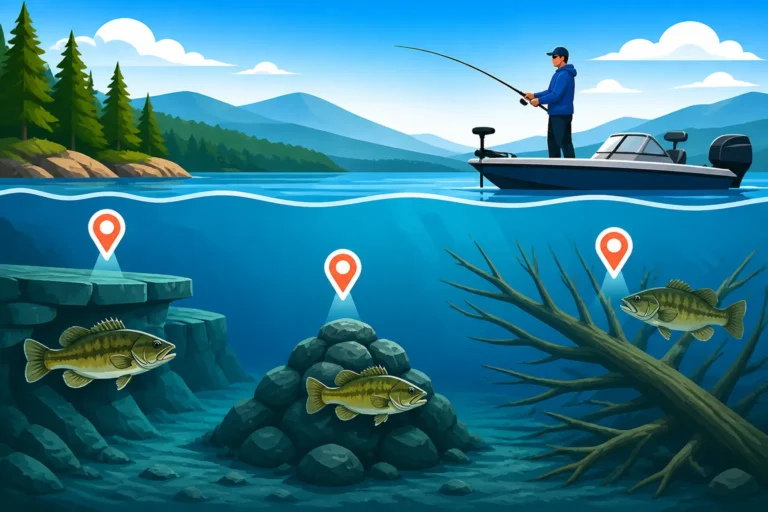
As you move downriver into the middle and lower sections of the Pemigewasset, smallmouth bass become a dominant and highly sought-after species. These aggressive fish thrive in the slightly warmer, rockier habitats found in these stretches. They love current, often positioning themselves behind boulders, in eddies, or along current breaks where they can ambush baitfish and crawfish.
Key areas for smallmouth include the transition zones where the river widens, around bridge pilings, and any section with significant rock structure or gravel bars. Look for them in depths ranging from a few feet to ten or more, depending on water temperature and time of day. In the summer, they'll often hold in deeper, cooler holes during midday, moving into shallower riffles and flats during dawn and dusk to feed. FishingBooker can be a great resource if you're looking to hire a local guide who knows these specific smallmouth haunts like the back of their hand. If you're wondering How to Catch Smallmouth Bass in New Hampshire Lakes, many of those same principles apply to river fishing, just with the added challenge and reward of current.
Other Notable Species
While trout and smallmouth bass are the main attractions, the Pemigewasset also holds a variety of other fish that can provide plenty of action:
- Largemouth Bass: Primarily found in the slower, weedier backwaters and oxbows of the lower Pemigewasset. These fish prefer heavy cover like lily pads, submerged timber, and dense grass beds. If you're exploring the calmer sections of the river, especially near the confluence with the Merrimack, don't be surprised to hook into a chunky largemouth.
- Chain Pickerel: These toothy predators are abundant in the same slow, vegetated areas as largemouth bass, especially in the middle and lower river. They are ambush predators and will readily strike at nearly any moving lure or live bait. While not typically targeted for their fighting prowess, they offer consistent action and can be a lot of fun on light tackle.
- Panfish (Yellow Perch, Black Crappie, Bluegill): These smaller, schooling fish are present throughout the middle and lower Pemi, offering fantastic fishing for beginners and families. They congregate around docks, submerged brush, and weed lines. They are eager biters and excellent table fare.
- Northern Pike: Though less common, pike have established populations in the lower Pemigewasset, particularly in the slow-moving, marshy sections. Catching a pike in the Pemi is a real trophy, often requiring larger baits and heavier tackle.
| Species | Preferred Pemi Section | Preferred Habitat | Common Techniques | Best Season |
|---|---|---|---|---|
| Brook Trout | Upper Pemi, Cold Tribs | Riffles, Pocket Water, Undercut Banks | Fly Fishing (dry flies, nymphs), Ultralight Spin | Spring, Fall |
| Brown Trout | Upper to Mid Pemi | Deep Pools, Logjams, Rip-rap, Current Breaks | Fly Fishing (streamers), Spin (spoons, spinners, stickbaits) | Spring, Fall, Cooler Summer Days |
| Rainbow Trout | Upper to Mid Pemi | Riffles, Runs, Open Pools | Fly Fishing (nymphs, dries), Spin (PowerBait, worms, small lures) | Spring, Fall |
| Smallmouth Bass | Mid to Lower Pemi | Rock Piles, Boulders, Current Breaks, Bridge Pilings | Spin (crankbaits, jigs, tubes), Topwater, Fly Fishing (streamers) | Summer, Late Spring, Early Fall |
| Largemouth Bass | Lower Pemi (backwaters) | Lily Pads, Submerged Timber, Dense Weed Beds | Spin (frogs, jigs, worms), Topwater | Summer |
| Chain Pickerel | Mid to Lower Pemi | Weed Lines, Submerged Vegetation, Shallow Flats | Spin (spoons, spinners, soft plastics), Live Bait | Year-round (open water) |
| Panfish | Mid to Lower Pemi | Docks, Brush Piles, Weed Lines, Slow Pools | Spin (tiny jigs, worms, small inline spinners) | Summer |
Essential Fishing Techniques for the Pemi
Successfully fishing the Pemigewasset River means adapting your techniques to the specific section you're in, the species you're targeting, and the prevailing conditions. The river demands versatility, as what works brilliantly in a fast-flowing riffle for trout won't necessarily be effective in a slow, deep pool holding bass. Having a good understanding of both fly fishing and spin fishing techniques will open up the most opportunities on this dynamic waterway. It's not about having the most expensive gear, but knowing how to effectively present your bait or lure.
Fly Fishing Strategies for Trout
The upper and middle sections of the Pemigewasset are a fly angler's paradise, especially for trout. The classic freestone river characteristics – varied currents, oxygenated riffles, and structure-rich pools – provide ideal conditions for fly fishing.
- Nymphing: This is arguably the most consistent method for catching trout on the Pemi, especially when fish aren't rising to surface insects. Trout spend the majority of their time feeding subsurface, so presenting a nymph imitation correctly is key. Use a weighted nymph pattern (e.g., Pheasant Tail, Hare's Ear, Prince Nymph) under an indicator, or try Euro nymphing techniques for a direct connection and subtle strike detection. Focus on drift through runs, seams, and the deeper parts of pools. A good resource for understanding this can be found in a guide on Fly Fishing for Trout in New Hampshire, which covers many of the same principles applicable to the Pemi.
- Dry Fly Fishing: When hatches occur, and trout are actively feeding on the surface, dry fly fishing offers some of the most exciting action. Keep an eye out for caddis, mayflies, and stoneflies, particularly during spring and early summer evenings, or on cloudy days. Matching the hatch is crucial here; having a selection of common New Hampshire patterns like Elk Hair Caddis, Adams, or various parachute patterns will serve you well. Presentation needs to be delicate and drift as natural as possible.
- Streamer Fishing: For larger trout, especially brown trout, streamer fishing can be incredibly effective. These patterns imitate baitfish or larger aquatic insects. Casting streamers (e.g., Woolly Bugger, Clouser Minnow, sculpin patterns) across and down current, then stripping them back, can trigger aggressive strikes from bigger, more predatory fish. This technique works well in deeper pools and along undercut banks where larger trout lurk.
Spin Fishing for Bass and Trout
Spin fishing offers incredible versatility on the Pemigewasset, allowing anglers to target both trout in the upper river and bass/panfish in the middle and lower sections with ease.
- For Trout: Ultralight spinning gear is your friend in the trout sections. Small inline spinners (e.g., Rooster Tails, Mepps Aglias), tiny spoons, or drifted natural baits like worms or PowerBait can be highly effective. The key is light line (4-6 lb test fluorocarbon or monofilament) and a delicate presentation. Cast upstream and allow your lure to drift naturally with the current, retrieving just fast enough to keep the spinner blades turning or the spoon wobbling. For stationary bait, use a very light sinker or none at all, letting the current carry your offering into prime holding spots.
- For Bass and Panfish: As you move downriver, slightly heavier tackle (6-10 lb test line) becomes more appropriate.
- Smallmouth Bass: Crankbaits that mimic crawfish or baitfish are excellent, especially around rocky areas and current breaks. Jigs (tube jigs, football jigs, Ned rigs) hopped along the bottom are deadly, particularly for finicky smallmouth. Topwater lures like poppers and walk-the-dog baits can provide explosive action during low light conditions or on cloudy days. Think about structures like bridge pilings, submerged logs, and significant rock formations – these are smallmouth magnets. For specific lure recommendations, refer to a guide on Best Tackle for New Hampshire Smallmouth Bass.
- Largemouth Bass & Pickerel: Focus on areas with heavy vegetation. Weedless frogs and soft plastic worms (Texas-rigged) can be worked over and through lily pads and grass mats. Spinnerbaits and chatterbaits are excellent for covering water quickly and drawing strikes from ambush predators. Live shiners are also extremely effective for both largemouth and pickerel.
- Panfish: Simple techniques work best. A small hook with a piece of worm, corn, or a tiny jig suspended under a bobber near submerged brush or weed lines will usually produce plenty of yellow perch, crappie, and bluegill.
Seasonal Considerations and Tactics
The Pemigewasset River changes dramatically with the seasons, and so too should your approach.
- Spring (Ice-out to early June): This is prime time for trout, as waters are cool and often well-oxygenated from snowmelt. Trout are active and feeding heavily. Spin fishing with bait (worms, PowerBait) or small spinners is very effective, especially right after stocking. Fly anglers will find good nymphing and often prolific caddis hatches. Smallmouth bass become active as water temperatures rise, hitting jerkbaits and jigs.
- Summer (June to August): Trout fishing can slow down in the main stem of the river as water temperatures rise, pushing fish into colder tributaries or deeper, oxygenated pools. Early morning and late evening become critical for trout. Smallmouth bass fishing, however, truly shines. They are aggressive and can be caught on a wide variety of lures, including topwater. Focus on current breaks and deeper structure during midday. Largemouth, pickerel, and panfish are also very active in the warmer, lower sections.
- Fall (September to November): A second prime season for trout, as waters cool and fish become active again before winter. Brown trout are especially aggressive as they prepare for spawning. Streamer fishing can be excellent. Smallmouth bass fishing remains strong until water temperatures drop significantly, with fish moving to deeper holes and feeding heavily before winter. This is a beautiful time to be on the river, with fewer crowds and vibrant foliage.
- Winter (December to March): Open water fishing on the Pemi during winter is extremely challenging due to ice formation and very cold water. However, some sections might remain open due to current. Ice fishing opportunities can exist in certain slow-moving backwaters or ponds connected to the river, targeting species like pickerel and perch. Always exercise extreme caution on the ice.
No matter the season, keeping an eye on water levels and clarity is crucial. Heavy rains can blow out the river, making it unfishable, while prolonged drought can lead to very low, clear, and warm conditions, stressing fish. Always check local conditions before heading out, perhaps using a site like FishingBooker to check local reports or connect with a guide for up-to-the-minute information.
Access Points and Navigating the River
One of the biggest hurdles for any angler new to a river like the Pemigewasset is figuring out where to actually get to the water. Unlike a lake with clear boat launches, river access can be fragmented, involving walking easements, state parks, town properties, and sometimes, just finding a safe spot to pull over. Knowing your access options is vital for planning your trip, whether you plan to wade, kayak, or use a small boat. Don't underestimate the importance of scouting ahead or consulting maps, as getting lost or encountering unexpected private property can quickly ruin a fishing day.
Public Access Points and Parking
The Pemigewasset River offers numerous public access points, though their type and ease of use vary significantly along its length.
- Upper River (Franconia Notch to Plymouth): Access in the very upper reaches is often through state parks and public lands within Franconia Notch. Popular spots include designated parking areas along Route 3 and I-93, particularly near Lincoln and Woodstock. Many of these spots are designed for hikers but offer excellent river access for wade fishing. Look for signage indicating public fishing access or trailheads. Towns like Thornton and Campton also have municipal access points, often small pulloffs or town parks. In Plymouth, there are several spots, including behind the university campus and at local parks, that allow access to the wider, but still trout-heavy, sections. These are generally great for wade fishermen, but be mindful of private property boundaries, which can be less obvious on a river.
- Middle River (Plymouth to Franklin): As the river widens, more public access points become available, often suitable for both wading and launching smaller craft like kayaks or canoes. Towns like Ashland, Holderness (near the Squam Lake outflow into the Pemi), and Bristol offer various points, including boat launches or public parks adjacent to the river. The area around Bristol and New Hampton, where the river flows slower, can be accessed through designated areas, sometimes with concrete ramps or sandy banks. Always look for official state or town signage; unofficial access might be trespassing.
- Lower River (Franklin to Merrimack Confluence): This section, being broader and slower, has more established boat launches, particularly suitable for larger kayaks, canoes, and small motorboats. The city of Franklin itself offers excellent access points, including boat ramps and public parks along the river, like those near Webster Lake or the confluence area. These are typically well-maintained and provide ample parking. Further downstream towards the Merrimack, additional municipal or state-maintained launches can be found. Keep an eye out for access points managed by the New Hampshire Fish and Game Department, which are specifically designed for anglers.
When looking for access, always respect "no trespassing" signs. New Hampshire has strict laws regarding private property, and fishing from unauthorized areas can lead to fines. Online mapping tools are invaluable for scouting potential access points from home before you go.
Boat and Kayak Launch Considerations
Choosing the right watercraft and launch point depends heavily on the section of the Pemi you're fishing.
- Kayaks and Canoes: These are arguably the most versatile craft for the Pemigewasset. They allow you to access tighter spots, navigate shallower waters, and drift through sections unreachable by larger boats.
- Upper and Middle Pemi: For the swift upper and middle sections, a durable whitewater or river-specific kayak is ideal due to rocky bottoms and potential rapids. Portaging around rapids or dams may be necessary. Launches are often informal – sandy banks, small gravel pulloffs. Remember to secure your vehicle downstream if you plan a float trip. If you're looking for recommendations, a guide on Best Kayaks for New Hampshire Fishing might be helpful, but prioritize stability and maneuverability for river conditions.
- Lower Pemi: The lower river is much more forgiving for recreational kayaks and canoes, even pedal-driven fishing kayaks. Formal boat ramps are more common here, making launches easier. The slower current allows for more relaxed paddling and fishing from the craft.
- Motorboats: Small motorboats (jon boats, smaller V-hulls) are generally best suited for the lower Pemigewasset, especially below Franklin, where the river is wider and deeper. There are fewer obstructions and formal ramps are available. Trying to use a motorboat in the upper or even much of the middle Pemi would be challenging due to shallow water, rocks, and rapids. Always check water levels before launching any motorboat; even the lower Pemi can have shallow spots during dry spells.
Regardless of your craft, always have a plan for upstream and downstream access, especially for float trips. Consider shuttle logistics with a friend or use a bicycle if feasible. And, of course, wear a life jacket, especially on moving water.
Wading Safety and River Etiquette
Wading is a primary method for fishing the upper and middle Pemigewasset, but it comes with its own set of safety concerns and rules of etiquette.
- Safety First:
- Waders and Boots: Invest in good quality breathable waders and sturdy wading boots with felt or studded soles for grip on slippery rocks. The Pemi's bottom can be very slick.
- Wading Staff: A collapsible wading staff is an absolute lifesaver. It provides a third point of contact, helping you maintain balance in current and probing depth before you step.
- Current Awareness: Never underestimate the power of moving water. Even seemingly shallow currents can sweep you off your feet. Always face upstream when wading, shuffling your feet rather than lifting them to avoid tripping. Avoid wading in sections with strong, turbulent currents or immediately below dams.
- Water Levels: Check stream flow gauges online before you go. High water from heavy rain or snowmelt can make wading extremely dangerous, even impossible.
- Life Jacket: For deeper, swifter sections, consider wearing an inflatable life jacket, even while wading. Accidents happen quickly.
- River Etiquette:
- Respect Other Anglers: The Pemi can get busy, especially on prime trout sections. Give other anglers plenty of space. Don't crowd them or wade directly in front of them, disrupting their fishing. If someone is already in a spot, move on to the next one.
- Minimize Disturbances: Wade carefully and quietly. Splashing around or kicking up silt will spook fish. Try to move along the edges of pools or stay out of the prime fishing lanes if possible.
- Leave No Trace: Pack out everything you pack in, including monofilament line, which can be deadly to wildlife. Pick up any trash you see, even if it's not yours. Keep the river clean for everyone.
- Private Property: Always be aware of property boundaries. Even if you're in the water, accessing the river through private land without permission is trespassing. Stick to designated public access points.
Following these guidelines ensures not only your safety but also a pleasant experience for all who come to enjoy the Pemigewasset River.
Regulations, Licenses, and Conservation
Navigating the rules and regulations for fishing in New Hampshire can sometimes feel like trying to untangle a particularly stubborn fishing knot. But trust me, understanding these guidelines isn't just about avoiding a hefty fine; it's about preserving the incredible fisheries we all cherish. The New Hampshire Fish and Game Department works tirelessly to manage fish populations and ensure sustainable angling opportunities for generations to come. So, before you even cast a line into the beautiful Pemigewasset River, make sure you've got your ducks in a row concerning licenses, limits, and responsible angling practices.
Understanding New Hampshire Fishing Regulations Explained
The New Hampshire Fish and Game Department's Freshwater Fishing Digest is your bible when it comes to understanding the specific rules for the Pemigewasset River and beyond. While many regulations are statewide, certain water bodies, or even specific sections of a river, can have unique rules regarding seasons, tackle, and catch limits.
- Statewide vs. Special Regulations: Most of the Pemigewasset will fall under general statewide regulations for species like trout, bass, and panfish. However, certain sections, particularly those managed for wild trout or those with specific conservation goals, might have "Special Regulations." These could include fly fishing only waters, catch-and-release requirements, or altered length/bag limits. Always consult the digest, specifically the sections pertaining to the Pemigewasset River and its tributaries, before you go. These are clearly marked and easily identifiable. Ignoring these special rules can result in penalties and, more importantly, can harm delicate fish populations.
- Season Dates: Different species have different open seasons. For instance, while trout fishing is generally year-round on many rivers, certain harvest seasons or specific rules might apply. Bass fishing typically has a "catch-and-release only" period in the spring before the full harvest season opens. Being aware of these dates, such as the New Hampshire Bass Catch-and-Release Season, Explained, prevents accidental violations and supports healthy spawning cycles. The digest outlines all season dates clearly.
- Bag and Possession Limits: These dictate how many fish of a certain species you can keep per day (bag limit) and how many you can have in your possession at any given time (possession limit). There are also often minimum or maximum length limits (slot limits) for certain species, like bass. For example, New Hampshire Bass Limits and Slot Rules are in place to protect larger breeding fish. Measure your fish carefully if you intend to keep them, and always release undersized or oversized fish immediately and gently.
Licensing Requirements
Before you can legally fish the Pemigewasset, you need a valid New Hampshire fishing license. This isn't just a formality; the revenue from license sales directly funds fisheries management, stocking programs, and enforcement, which benefits all anglers.
- Who Needs a License? Generally, anyone 16 years of age or older needs a license to fish in New Hampshire waters. There are exceptions for certain free fishing days or specific programs, but for regular angling, a license is mandatory. For all the details, you should definitely check out the New Hampshire Fishing License Guide for 2026.
- Resident vs. Nonresident: The cost of a fishing license varies depending on whether you are a New Hampshire resident or a nonresident. Residency requirements are clearly defined by the state. You'll need to purchase the appropriate license. If you're visiting, there are often short-term options, like 1-day or 3-day permits, which can be convenient for a quick fishing trip.
- Where to Buy: Licenses can be purchased easily online through the NH Fish and Game website, at numerous license agents (sporting goods stores, town clerks) across the state, or directly at the Fish and Game headquarters in Concord. Purchasing online is often the most convenient option, allowing you to print your license immediately or carry a digital copy on your phone.
- Combination Licenses: If you also enjoy hunting, New Hampshire offers combination hunting and fishing licenses, which can often be a cost-effective option.
Always carry your license with you while fishing, either a physical copy or a digital version accessible on your phone, as Fish and Game officers conduct checks to ensure compliance.
Catch and Release Practices and Local Conservation Efforts
Fishing is about more than just catching fish; it's about being a steward of the resource. Practicing responsible catch and release, especially for vulnerable species or those outside the legal harvest limits, is crucial for maintaining healthy fish populations in the Pemigewasset.
- Minimizing Harm:
- Barbless Hooks: Consider using barbless hooks, or crimp down the barbs on your hooks. They cause less damage and make release much quicker and easier.
- Proper Handling: Handle fish gently with wet hands. Avoid touching gills or eyes. Support the fish's body horizontally, especially larger fish, to prevent internal injury.
- Quick Release: Release fish as quickly as possible. Don't play them to exhaustion. If a fish is heavily stressed, hold it gently in the water, facing upstream, until it can swim away on its own.
- Keep 'Em Wet: Try to keep fish in the water as much as possible for photos. Excessive time out of water can be very detrimental.
- Supporting Conservation: The Pemigewasset River benefits from numerous conservation efforts, often spearheaded by local groups and the NH Fish and Game Department. These can include habitat restoration projects, pollution monitoring, and efforts to improve fish passage around dams. Anglers can support these efforts by purchasing licenses (which fund these initiatives), volunteering, or simply by adhering to all regulations and practicing ethical angling. The health of the Pemi's ecosystem is a shared responsibility, and every angler plays a part in its future.
By being informed and responsible, we can all ensure that the Pemigewasset River continues to be a fantastic fishing destination for years to come.
Disclaimer
The information provided in this guide is for general informational purposes only and is subject to change. Fishing regulations, season dates, and access points can vary and are updated periodically by the New Hampshire Fish and Game Department. Always consult the most current New Hampshire Freshwater Fishing Digest or the official NH Fish and Game website before heading out on your fishing trip to ensure compliance with all laws and to verify current conditions. Fishing involves inherent risks; always prioritize safety and be aware of your surroundings.