Lake Wentworth Fishing Guide
There's nothing quite like the feeling of heading out to a new lake, full of anticipation, only to find yourself scratching your head trying to figure out where the fish are hiding. We've all been there, staring at a beautiful expanse of water like Lake Wentworth, wondering what secrets it holds beneath its surface. This guide is dedicated to unraveling those mysteries, helping you understand this fantastic New Hampshire fishery so you can spend less time guessing and more time reeling in some memorable catches.
Lake Wentworth's Unique Charm for Anglers
Nestled in the quaint town of Wolfeboro, often called the "Oldest Summer Resort in America," Lake Wentworth offers a different kind of New Hampshire fishing experience than some of its larger, more bustling neighbors. It’s a place that combines stunning natural beauty with a diverse and thriving fish population, making it a favorite among those in the know. But what exactly makes it so special for us anglers?
Geographical Overview and Access Points
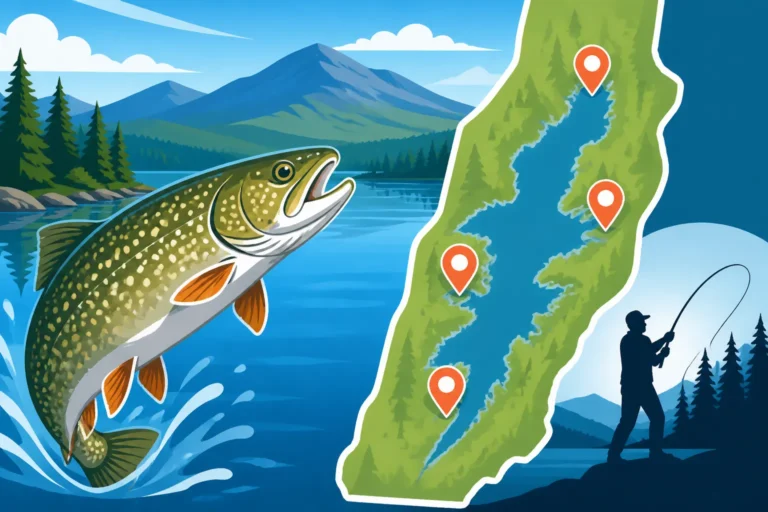
Lake Wentworth is a picturesque freshwater lake spanning approximately 3,000 acres, making it a respectable size without being overwhelmingly vast. While it’s not as deep as some of the other major lakes, with an average depth of around 25 feet and a maximum depth of about 50-60 feet, this relative shallowness actually contributes to its robust aquatic ecosystem. It warms up nicely in the spring, fostering excellent baitfish populations and active game fish. The lake boasts seven distinct islands and numerous coves, creating a labyrinth of fish-holding structure that's a joy to explore.
One of the most convenient ways to access Lake Wentworth is via the public boat launch located right in Wolfeboro. This makes it incredibly easy to launch your boat, kayak, or canoe and get straight into the action. You’ll find ample parking, though it can get busy during peak summer weekends, especially around the Fourth of July. For those who prefer to fish from shore, there are limited public access points, particularly around the Wolfeboro town docks and some small parks. A significant feature is its connection to Crescent Lake, allowing for a broader area to explore if you’re looking to extend your day on the water. However, always be mindful of local boating rules and speed limits, particularly in the channels connecting these two bodies of water.
What Makes Wentworth a Premier Fishing Destination
Lake Wentworth truly stands out as a premier fishing destination due to its incredible diversity and healthy fish populations. Unlike some lakes that might be known primarily for one species, Wentworth offers a smorgasbord of opportunities. You'll find strong numbers of smallmouth and largemouth bass, which are a blast to catch, especially when they're actively feeding. Beyond the bass, it's home to some fantastic panfish, including yellow perch, white perch, and even black crappie, often referred to locally as "calico bass." These panfish provide consistent action, particularly for families or those just looking for a fun day out.
What’s more, Lake Wentworth also supports populations of brook trout and rainbow trout, which are stocked by New Hampshire Fish and Game. While not the primary focus for most anglers, these trout add an exciting element, especially in the cooler months or deeper sections. The presence of chain pickerel also adds to the excitement, offering a feisty fight and a chance to tangle with a toothy predator. The relatively clear waters and varied bottom structure – from rocky points and ledges to sprawling weed beds and sandy flats – create an ideal habitat for all these species, ensuring that there’s always something biting if you know where to look. It’s not uncommon to find yourself switching between targeting different species throughout the day, keeping your fishing experience fresh and engaging.
Targeting Lake Wentworth's Premier Fish Species
When you hit the waters of Lake Wentworth, you're stepping into an arena where multiple species thrive, each offering a unique challenge and reward. Knowing what to target and where to find them is half the battle, and Wentworth definitely caters to a wide range of angling preferences.
Smallmouth and Largemouth Bass Action
Lake Wentworth is a bass angler's paradise, boasting robust populations of both smallmouth and largemouth bass. These aren't just any bass; they’re often chunky, healthy fish that put up an incredible fight.
Smallmouth Bass: If you're after smallmouth, think rocky. These bronze beauties love rocky points, submerged humps, ledges, and transition areas where rock meets sand or gravel. In the spring, immediately after ice-out, they'll often be found shallower, staging for the spawn. Look for them around rocky shorelines and shallow, protected coves. As the water warms into summer, they'll typically move to deeper structure, often holding on the offshore humps or along drop-offs. Early mornings and late evenings are prime times for topwater action, but during the day, jigging tubes, drop-shotting worms, or dragging a football jig can be incredibly effective. Smallmouth in Lake Wentworth are aggressive, so don't be afraid to experiment with faster retrieves or more erratic presentations. If you want to dive deeper into techniques, check out our guide on How to Catch Smallmouth Bass in New Hampshire Lakes.
Largemouth Bass: For largemouth, shift your focus to the lake's abundant weed beds, lily pads, and fallen timber. They are ambush predators and love to hide in cover, waiting to strike unsuspecting prey. The numerous coves and back bays of Lake Wentworth offer ideal largemouth habitat. In spring, they’ll be shallow, cruising the warmer weed lines. During summer, they’ll bury themselves deep in the thickest cover, requiring precise casts with weedless lures like Texas-rigged plastics, frogs, or heavy jigs. Flipping and pitching into dense vegetation is a classic technique here. Don't overlook dock pilings and shaded areas where they can escape the midday sun. Topwater frogs or buzzbaits can be exhilarating when fished over lily pads at dawn or dusk.
The Allure of Lake Trout and Landlocked Salmon
While Lake Wentworth might not be as renowned for its coldwater species as, say, Lake Winnipesaukee or Sunapee, it does offer opportunities for lake trout and landlocked salmon, particularly in its deeper basins. These species are much less common than the bass and panfish, but catching one is a real trophy.
Lake Trout: These ancient predators prefer cold, deep water. In Lake Wentworth, this means you'll need to focus on the deepest parts of the lake. They often feed on smelt and other baitfish. Your best bet for lake trout will typically be during the cooler months, such as early spring after ice-out or late fall before ice-in. Trolling with downriggers or lead core line is the most effective method, presenting spoons, plugs, or live bait (like smelt) at depths where the water is consistently cold. During the summer, they'll be hunkered down in the thermocline. For more in-depth techniques, consult our guide on How to Catch Lake Trout in New Hampshire.
Landlocked Salmon: Similar to lake trout, landlocked salmon are coldwater species that require specific conditions. They are acrobatic fighters and highly prized. While not a primary fishery on Wentworth, some individuals are caught, usually through trolling efforts. They follow baitfish, often rainbow smelt, in the open water. Early spring and late fall are your best chances, as they will be closer to the surface then. Trolling small spoons, stickbaits, or flies can entice a strike. If you're keen on chasing these magnificent fish, you might find more consistent success on other, larger New Hampshire lakes, but a surprise salmon on Wentworth is certainly a possibility and a thrilling experience. Read up on How to Catch Landlocked Salmon in New Hampshire for more tips.
Panfish and Pickerel Opportunities
For consistent action and a great day with the family, Lake Wentworth's panfish and chain pickerel fishery is tough to beat.
Panfish: This includes yellow perch, white perch, and black crappie (calico bass). These species are abundant throughout the lake and provide endless fun. Yellow perch are often found in schools, hanging around weed lines, rocky areas, and drop-offs. White perch tend to prefer open water but will also congregate around structure. Black crappie are usually associated with submerged timber, brush piles, and weed edges. A simple worm on a bobber, small jigs tipped with bait, or tiny spinners are all highly effective. They’re excellent eating, too! Children especially love the constant action panfish provide.
Chain Pickerel: These toothy predators are widespread in Lake Wentworth, especially in the weedy coves and shallow bays. They are incredibly aggressive and will readily strike nearly anything that moves, from shiny spoons and spinnerbaits to live minnows. They're a blast to catch but handle them with care due to their sharp teeth. They often provide exhilarating topwater strikes and are active even in cooler water, making them a reliable target when other fish are slow.
Seasonal Strategies for Lake Wentworth Fishing
Fishing Lake Wentworth isn't a static endeavor; it's a dynamic puzzle that changes with the seasons. Understanding these seasonal shifts in fish behavior is absolutely critical to consistently finding and catching fish. From ice-out to ice-in, each part of the year presents unique opportunities and challenges.
Springtime Tactics for Hungry Fish
Ah, spring! The ice has finally melted, the air is crisp, and the fish in Lake Wentworth are waking up with a serious appetite. This is a truly fantastic time to be on the water. As the water temperatures begin to rise, usually from the low 40s into the 50s Fahrenheit, fish become incredibly active.
Post-Ice Out Bass: Right after the ice leaves, smallmouth and largemouth bass will be relatively shallow, moving into sun-warmed bays and protected coves. They're hungry and looking to replenish energy lost over winter. Look for them around rocky shorelines, dark bottom areas that absorb heat, and the shallower edges of weed beds. Jerkbaits, suspending stickbaits, and slow-rolled spinnerbaits can be deadly effective. As the water warms a bit more, they’ll start to think about spawning, often staging in slightly deeper water adjacent to prime spawning flats.
Trout and Salmon Near the Surface: For any lake trout or landlocked salmon present, spring offers a golden window. The entire water column is still cool, allowing these coldwater species to roam much shallower than they will in summer. Trolling spoons or stickbaits close to the surface, especially near deeper drop-offs or over the main basin, can yield results. They'll be feasting on newly emerged baitfish.
Panfish Explosion: Spring is also fantastic for panfish. Yellow perch, white perch, and crappie will school up in the shallow, warmer areas, often near developing weed growth or submerged brush. A small jig tipped with a piece of worm, a tiny plastic grub, or even just a bare hook with a minnow under a bobber can lead to non-stop action. This is a perfect time for family fishing, as the bites come frequently.
Summer's Deep Water Challenges and Rewards
Summer on Lake Wentworth brings glorious sunshine and warm water, but it also means a shift in tactics, especially for game fish. As surface temperatures climb, many species, particularly the cold-water inhabitants and even some bass, will move deeper to find more comfortable conditions.
Deep-Water Bass: Smallmouth bass will transition to offshore structure: humps, ledges, and deep points. This is where your electronics become invaluable, helping you locate these features and any baitfish schools nearby. Drop-shot rigs, Ned rigs, football jigs, and deep-diving crankbaits are excellent choices. Mornings and evenings might still offer shallow topwater action, but during the bright midday sun, you'll need to go deep. Largemouth bass will often retreat into the densest weed beds, under docks, or into shaded cover. Flipping and pitching heavy jigs or Texas-rigged soft plastics into these hideouts is key.
Trolling for Coldwater Fish: For lake trout and landlocked salmon, summer means one thing: depth. They will be in the thermocline, often 30-50 feet down or even deeper. This is prime time for dedicated trolling with downriggers, lead core line, or heavy sinkers to present your lures at the exact depth where these fish are holding. Spoons and plugs that mimic smelt are top choices. Patience is crucial for these deep-water pursuits.
Consistent Panfish: Panfish remain a reliable target throughout the summer. While some might go deeper, many will still be found around weed lines, docks, and submerged structures in moderate depths. Early mornings and late evenings are best, but they can be caught all day, especially in shaded areas or on cloudy days.
Fall Turnover and Feeding Frenzies
Fall is arguably one of the most exciting times to fish Lake Wentworth. As air temperatures drop and the lake water cools, a phenomenon known as "turnover" occurs. This process mixes the entire water column, bringing cooler, oxygenated water to the surface and pushing warmer, less oxygenated water deeper. This re-energizes fish, making them incredibly active as they stock up on food for the coming winter.
Aggressive Bass: Both smallmouth and largemouth bass go on a feeding binge. Smallmouth will often move shallower again, chasing baitfish schools onto rocky points and flats. Crankbaits, jerkbaits, and spinnerbaits retrieved aggressively can be incredibly effective. Largemouth will similarly push into shallower coves and weed edges, often in pursuit of baitfish. Topwater lures can still draw violent strikes, and jigs, swimbaits, and chatterbaits are great for covering water.
Trout and Salmon Resurface: Lake trout and landlocked salmon will also become much more accessible as the entire water column cools. They'll be chasing baitfish (like rainbow smelt) closer to the surface. Trolling spoons and stickbaits without downriggers, or with minimal weight, can be highly productive, especially during low light conditions. This is a prime time to catch a trophy-sized coldwater fish.
Panfish Galore: Panfish will be everywhere, gorging themselves. Find schools of yellow perch or crappie around any remaining green weeds, rocky areas, or baitfish concentrations, and you can fill a cooler. Use small jigs, spoons, or live bait. The action can be fast and furious.
Ice Fishing Adventures on Wentworth
When winter blankets Lake Wentworth in ice, a whole new world of angling opens up. Ice fishing is a beloved tradition in New Hampshire, and Wentworth offers some fantastic opportunities for those willing to brave the cold. Check out our comprehensive guide on Ice Fishing in New Hampshire for general tips.
Reliable Panfish: Yellow perch and white perch are the bread and butter of Lake Wentworth ice fishing. They often school up in specific areas, so once you find them, the action can be non-stop. Small jigs (like tungsten jigs) tipped with a grub, a piece of worm, or a tiny minnow are incredibly effective. Look for them over moderate depths (15-30 feet) near structure.
Pickerel in the Weeds: Chain pickerel remain active under the ice, often found lurking in the shallower, weedy bays. Tip-ups set with live shiners are a classic and highly effective method for these toothy critters. Their aggressive nature makes for exciting flag-ups!
Deep-Water Lake Trout: For the determined ice angler, lake trout can be targeted in the deepest parts of Lake Wentworth. Jigging spoons, vertical jigs, or setting tip-ups with large live bait (like smelt) over deep structure can entice a laker. This requires patience and often a good fish finder to locate them. Remember to review the New Hampshire Lake Trout Ice Fishing Season Dates before you head out. Always prioritize safety on the ice; ensure it’s at least 4 inches thick for individual foot travel and thicker for vehicles.
| Species | Spring (Ice Out – May) | Summer (June – August) | Fall (September – Nov) | Winter (Ice Fishing) |
|---|---|---|---|---|
| Smallmouth Bass | Shallow rocks, points, coves | Deep structure, humps, drop-offs | Rocky points, baitfish schools | Less active, deep structure |
| Largemouth Bass | Shallow weeds, dark bottom coves | Dense weeds, lily pads, docks | Weed edges, shallow coves | Very slow, deep cover |
| Lake Trout | Near surface, main basin | Deepest thermocline (30-50ft+) | Main basin, chasing smelt | Deep structure, vertical jigging |
| Landlocked Salmon | Near surface, main basin | Deepest thermocline (30-50ft+) | Main basin, chasing smelt | Rare, very deep |
| Yellow Perch | Shallow weeds, warmer bays | Moderate depths, weed lines | Weed lines, rocky areas | Schooling over moderate depths |
| Black Crappie | Submerged timber, brush piles | Docks, brush piles, submerged wood | Brush piles, weed edges | Slow, suspended near structure |
| Chain Pickerel | Shallow weedy areas | Dense weeds, lily pads, coves | Weedy coves | Shallow weeds, live bait on tip-ups |
Essential Gear and Techniques for Success on Lake Wentworth
Having the right gear and understanding how to use it can make all the difference between a frustrating day and a fantastic one on Lake Wentworth. From the rods and reels to the specific baits and lures, tailoring your tackle to the lake's conditions and target species will significantly boost your success.
Recommended Rods, Reels, and Lines
For a lake like Wentworth, versatility is key. You'll likely encounter a mix of species, so having a couple of different setups can be beneficial.
For Bass and Pickerel:
- Medium-Heavy Spinning or Baitcasting Combo: A 6'6" to 7' medium-heavy fast action rod paired with a 2500-3000 size spinning reel or a reliable baitcasting reel is ideal. This setup gives you the power to handle larger bass and pickerel, yet enough sensitivity for various techniques.
- Line: For spinning reels, 10-15 lb braided line with a 8-12 lb fluorocarbon leader is a fantastic all-around choice. The braid offers sensitivity and strength for fishing around cover, while the fluorocarbon provides invisibility. For baitcasters, 15-20 lb fluorocarbon or even straight braid (30-40 lb) is good if you're punching through heavy cover for largemouth.
For Panfish and Trout (Lighter Setup):
- Light or Ultralight Spinning Combo: A 6' to 6'6" light or ultralight rod with a sensitive tip is perfect for feeling subtle bites from perch or crappie. Pair this with a 1000-2000 size spinning reel.
- Line: 4-6 lb monofilament or light braided line with a 4 lb fluorocarbon leader will be more than sufficient. The lighter line allows for longer casts of small lures and better presentation.
For Trolling (Lake Trout/Salmon):
- Medium-Action Trolling Rod: If you're specifically targeting deep lake trout or salmon, a dedicated trolling rod (often 7-9 feet in length, medium action) can be helpful, especially if you're using downriggers or lead core.
- Line: Lead core line (18-27 lb test) for achieving specific depths without downriggers, or a heavy braid (30-50 lb) with a monofilament or fluorocarbon leader for downrigger setups.
Baits and Lures That Get Bites
Lake Wentworth's diverse fishery means a varied tackle box will serve you well. Here's a breakdown by species:
Bass (Smallmouth & Largemouth):
- Soft Plastics: Senkos, trick worms, swimbaits, creature baits, and tube jigs are all phenomenal. Texas-rigging, Carolina-rigging, Wacky-rigging, and drop-shotting are essential techniques. Green pumpkin, black, and natural baitfish colors are always reliable.
- Jigs: Football jigs, casting jigs, and bladed jigs (ChatterBaits) work wonders for both species. Tip them with a soft plastic trailer.
- Crankbaits: Medium to deep-diving crankbaits in baitfish patterns (shad, perch) or crawfish colors. Square bills for shallower cover.
- Topwater Lures: Poppers, walk-the-dog baits (like Heddon Super Spook), and buzzbaits for exhilarating surface strikes, especially during low light.
- Spinnerbaits & Jerkbaits: Excellent search baits for covering water and triggering reaction strikes, especially in spring and fall.
Lake Trout & Landlocked Salmon:
- Spoons: Classic trolling spoons like Mooselook Wobblers, Sutton Spoons, and DB Smelt in silver, copper, or blue/silver patterns.
- Plugs: Stickbaits and shallow-diving plugs that mimic smelt (e.g., Rapala Countdown or J-Spec) are also effective, particularly in spring and fall.
- Live Bait: Smelt, if legally caught and used, can be irresistible.
Panfish (Perch, Crappie):
- Small Jigs: Tiny 1/32 to 1/8 oz jigs tipped with small plastic grubs, tubes, or live bait (worms, minnows).
- Bobbers: A classic bobber setup with a small hook and a piece of worm or grub.
- Small Spinners: Rooster Tails or similar inline spinners in sizes 00-1.
Chain Pickerel:
- Spoons: Shiny spoons (silver, gold, five of diamonds) retrieved erratically.
- Spinnerbaits: Chartreuse, white, or black spinnerbaits.
- Live Minnows: Under a bobber or fished with a retrieve.
Boating and Kayak Considerations
Lake Wentworth is a fantastic lake for a variety of watercraft, from powerboats to kayaks and canoes. Each offers its own advantages for fishing.
Powerboats: A small to medium-sized bass boat, multi-species boat, or even a pontoon boat can effectively cover the lake. A good fish finder/chart plotter is almost essential for locating deeper structure, understanding bottom contours, and identifying baitfish schools, especially when targeting bass offshore or coldwater species. Utilize your trolling motor for quietly navigating weed lines and covering productive shoreline. Having a reliable marine battery, like those from Trojan or Optima, will ensure your electronics and trolling motor run all day.
Kayaks and Canoes: Lake Wentworth is particularly well-suited for kayak and canoe fishing, especially if you enjoy exploring the quieter coves, shallow bays, and areas around the islands that larger boats can't easily access. A stable sit-on-top fishing kayak, like those offered by Wilderness Systems or Old Town, provides a great platform. You can stealthily approach prime bass and pickerel habitat, and it's easy to maneuver into tight spots. Don't forget a Best Kayaks for New Hampshire Fishing guide to pick the right one. A lightweight anchor system is invaluable for holding your position in a breeze, and a good PFD (Personal Flotation Device) is mandatory for safety.
Regardless of your vessel, always carry a valid New Hampshire boat registration if required, and adhere to all New Hampshire boating laws for anglers, including life jacket requirements. Knowing where to launch and where to find gas is also a good idea. Remember, local fishing guides often have the most up-to-date information on hot spots and techniques, and services like FishingBooker can connect you with experienced charters on Lake Wentworth.
Navigating Regulations and Conservation Efforts on Lake Wentworth
Fishing is a privilege, and with that comes the responsibility of understanding and adhering to the rules, as well as contributing to conservation. New Hampshire Fish and Game works tirelessly to manage our fisheries, and Lake Wentworth is no exception. Ignoring these guidelines can not only lead to penalties but also harm the very resource we love.
Key New Hampshire Fishing Regulations to Know
Before you even cast a line, make sure your paperwork is in order. A valid New Hampshire fishing license is required for anyone 16 years of age and older. You can easily purchase one online, at local town clerks, or at authorized agents throughout the state. It's a simple process, but one that can quickly derail your day if overlooked. For all the specifics, check out the New Hampshire Fishing License Guide for 2026.
Beyond the license, it’s crucial to familiarize yourself with the species-specific regulations. These include:
- Bag Limits: The maximum number of fish of a certain species you can keep in a single day. These vary by species and sometimes by water body. For example, understanding New Hampshire Bass Limits and Slot Rules is vital, as there are often length restrictions on bass, especially during certain times of the year, to protect spawning fish.
- Possession Limits: The maximum number of fish you can have in your possession at any given time, including those from previous days.
- Length Limits: Minimum or maximum lengths for certain species to be legally harvested. This is very common for bass, trout, and salmon.
- Season Dates: Some species have specific seasons when they can be harvested or even targeted. While many species on Wentworth are open year-round, others like trout and salmon might have specific open water and ice fishing seasons. Always consult the official New Hampshire Freshwater Fishing Digest for the most current information, which details New Hampshire Fishing Season Dates and Closures.
It's also important to be aware of any special regulations that might apply specifically to Lake Wentworth. While often standard state rules apply, occasionally a particular water body will have unique rules to protect a specific fishery or address a management concern. Always double-check the latest digest, which you can often find online as a PDF, to ensure you’re fully compliant. Violations, even accidental ones, can result in fines and loss of fishing privileges.
Supporting Lake Wentworth's Healthy Ecosystem
Conservation is more than just following the rules; it’s about actively protecting the lake for future generations of anglers and wildlife. Lake Wentworth is part of a precious natural environment, and our actions as anglers directly impact its health.
- Practice Catch and Release: While it’s perfectly fine to keep legal limits of fish for a meal, consider practicing catch and release, especially for larger breeding fish or species that aren't intended for the dinner table. Handle fish gently, minimize their time out of water, and use appropriate tools like de-hookers to ensure a high survival rate.
- Prevent the Spread of Invasive Species: This is incredibly important. Before launching your boat or kayak, always "Clean, Drain, Dry" your vessel and gear. Remove all visible plant fragments and debris, drain all water from your bilge, live wells, and engine, and allow your boat to dry thoroughly before moving to another water body. Invasive species like Eurasian watermilfoil can devastate native ecosystems and fishing opportunities.
- Proper Waste Disposal: Pack out everything you pack in. This includes fishing line, bait containers, food wrappers, and any other trash. Fishing line, in particular, can be incredibly harmful to wildlife. Utilize designated recycling bins where available.
- Respect Private Property: Much of Lake Wentworth’s shoreline is privately owned. Be mindful of where you access the water and avoid trespassing. Always ask for permission if you intend to fish from private land.
- Support Conservation Organizations: Consider joining or donating to local lake associations or statewide groups like the New Hampshire Fish and Game Department's conservation efforts. These organizations play a vital role in monitoring water quality, managing fish populations, and educating the public.
By being responsible and ethical anglers, we can all contribute to keeping Lake Wentworth the vibrant and productive fishery that it is, ensuring that its beauty and bounty can be enjoyed for years to come.
Planning Your Lake Wentworth Fishing Trip
A successful fishing trip to Lake Wentworth involves more than just knowing where the fish are; it’s also about planning the logistics, understanding local resources, and making the most of your time in this beautiful region. Whether you’re coming for a day or a week, a little foresight goes a long way.
Local Amenities and Accommodations
Wolfeboro, the charming town nestled on the shores of Lake Wentworth (and Winnipesaukee), offers a range of amenities that make it an ideal base for your fishing adventure.
- Lodging: You'll find a variety of options, from quaint bed-and-breakfasts and charming inns to larger hotels and vacation rental properties. Booking in advance, especially during peak summer season (June-August) or fall foliage season, is highly recommended. Some popular spots like the Wolfeboro Inn offer comfortable stays right near the lake.
- Dining: Wolfeboro boasts a diverse culinary scene, from casual diners to upscale restaurants, many offering fresh, local fare. After a long day on the water, you won’t have trouble finding a great meal.
- Supplies: There are several bait and tackle shops in and around Wolfeboro where you can pick up last-minute lures, fresh bait, and even get local fishing reports. Larger grocery stores are also available for stocking up on provisions. For any boat maintenance or fuel, there are marinas that can assist you.
- Other Activities: If you're bringing family who might not be as keen on fishing every minute, Wolfeboro offers plenty of other attractions, including boutiques, art galleries, historic sites, and beautiful walking trails. The nearby Lake Winnipesaukee, just a short drive away, also has its own Lake Winnipesaukee Fishing Guide and countless recreational opportunities.
Utilizing Guides and Charters
For anglers who want to maximize their time, learn the nuances of Lake Wentworth, or simply enjoy a hassle-free day on the water, hiring a local guide or charter service is an excellent option.
- Local Expertise: A good fishing guide lives and breathes the local waters. They have an intimate knowledge of Lake Wentworth’s hotspots, current fish patterns, and the most effective techniques for the season. They can quickly put you on fish, saving you valuable time experimenting.
- Specialized Gear: Guides typically provide all the necessary fishing gear, from rods and reels to specialized lures and electronics, often tailored specifically for the lake and target species. This means you don't have to worry about bringing your own extensive tackle.
- Learning Opportunity: Fishing with a guide is an incredible learning experience. They can teach you new techniques, how to read the water, interpret your fish finder, and improve your casting or presentation.
- Hassle-Free Experience: No need to worry about launching the boat, navigating, or even cleaning the fish afterwards. A charter offers a stress-free day focused purely on fishing and enjoyment.
When looking for a guide, consider using reputable platforms like FishingBooker. They list experienced local guides for Lake Wentworth and the surrounding areas, complete with reviews, trip details, and pricing, making it easy to find a service that fits your needs and budget. Whether you're a seasoned angler looking to learn new tricks or a beginner hoping for your first big catch, a guide can significantly enhance your Lake Wentworth fishing experience.
Disclaimer
Please remember that fishing regulations and conditions can change. Always consult the most current New Hampshire Fish and Game Department regulations before heading out on the water. This guide provides general information and recommendations, but it is your responsibility to be aware of and comply with all applicable laws.