Conway Lake Fishing Guide
It can be incredibly frustrating to hear about a great fishing spot, only to find outdated or vague information online when you try to plan a trip. You want to know the real deal: what fish are truly biting, where to launch your boat, and what gear to bring. That's exactly why we’re diving deep into Conway Lake, a beautiful and productive body of water nestled in the heart of New Hampshire. This comprehensive guide will arm you with everything you need to know for a successful and enjoyable fishing adventure on Conway Lake.
Understanding Conway Lake's Unique Fishery
Conway Lake isn't just another pretty face in the vast array of New Hampshire's waterways. It possesses distinct characteristics that make it a truly special place for anglers, particularly those targeting warm-water species. Located in Eaton, New Hampshire, within Carroll County, this lake offers a diverse habitat that supports a healthy and vibrant ecosystem.
Lake Overview and General Characteristics
Conway Lake is a sizable body of water, covering approximately 1,316 acres, making it large enough to explore for days but not so vast that it feels overwhelming. Its maximum depth hovers around 55-60 feet, with an average depth closer to 15-20 feet. This moderate depth profile creates a varied underwater landscape, featuring both shallow, weed-choked coves and deeper, rocky drop-offs. The water clarity is generally good, especially away from the more developed areas, which means fish can be spooky, but also that sight fishing can be a possibility in certain conditions. The lake is fed by several small brooks and drains into the Saco River, maintaining a healthy flow and nutrient exchange. The surrounding area is a mix of residential properties, untouched forests, and some recreational facilities, all contributing to its accessible yet wild feel. This unique blend provides diverse fishing opportunities, from targeting structure-oriented bass to drifting for panfish in quieter bays.
Primary Game Fish Species
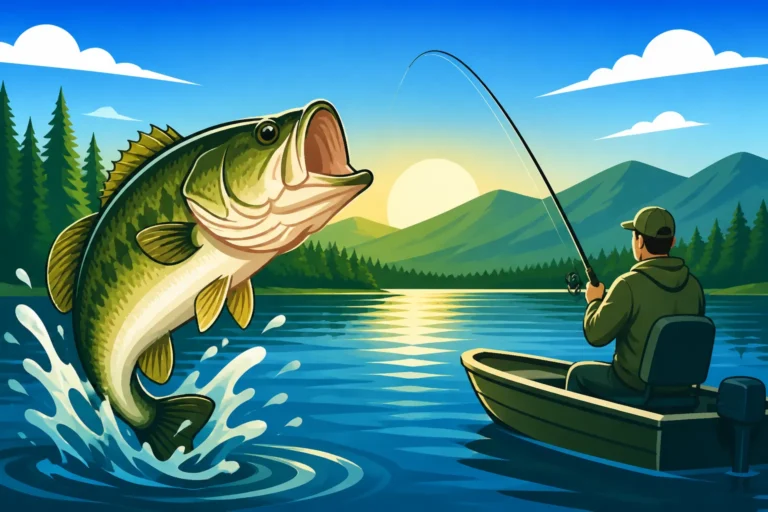
While New Hampshire is famous for its trout and salmon fisheries in bigger lakes, Conway Lake shines as a prime destination for warm-water species. The undisputed kings of Conway Lake are the Smallmouth Bass and Largemouth Bass. These two species thrive in the lake's diverse habitats. Smallmouth bass gravitate towards rocky points, ledges, and deeper offshore structures, particularly during the warmer months. They're known for their powerful fights and acrobatic jumps, making them a favorite among sport anglers. Largemouth bass, on the other hand, prefer the shallower, weedy coves, lily pads, and submerged timber, where they ambush unsuspecting prey. Beyond the bass, Conway Lake is also home to a robust population of Chain Pickerel, a feisty predator that can provide exhilarating strikes, especially in cooler water. And for those looking for consistent action and excellent table fare, the lake boasts abundant Yellow Perch, White Perch, Black Crappie, and Pumpkinseed Sunfish. While some brook trout stockings occur, Conway Lake is primarily a warm-water fishery, so adjust your expectations and gear accordingly.
Forage Base and Ecosystem
Understanding what the fish eat is a crucial step in predicting where they'll be and what lures they'll strike. Conway Lake's ecosystem supports a rich and varied forage base, which in turn fuels its healthy fish populations. The primary food sources for the lake's predatory fish include various baitfish species like golden shiners, common shiners, and juvenile perch. Crayfish are also a significant food source for both smallmouth and largemouth bass, especially those inhabiting rocky areas. Insect larvae, aquatic invertebrates, and frogs also contribute to the diet of many fish, particularly panfish and smaller bass.
The presence of extensive weed beds, lily pads, and submerged timber provides ideal ambush points and protective cover for both baitfish and juvenile game fish, creating a complex food web. This rich ecosystem means that fish generally have plenty to eat, leading to good growth rates and strong, healthy specimens. The diversity of the forage base also gives anglers a wide array of options when it comes to lure selection, from crankbaits imitating baitfish to soft plastics mimicking crawfish.
Prime Fishing Spots and Access Points on Conway Lake
One of the biggest hurdles when visiting a new lake is simply figuring out where to start. Conway Lake, thankfully, offers several clear and convenient access points, along with a multitude of productive fishing areas once you're on the water. Knowing these key locations can save you valuable fishing time and point you towards where the fish are most likely to be holding.
Public Boat Launches and Ramps
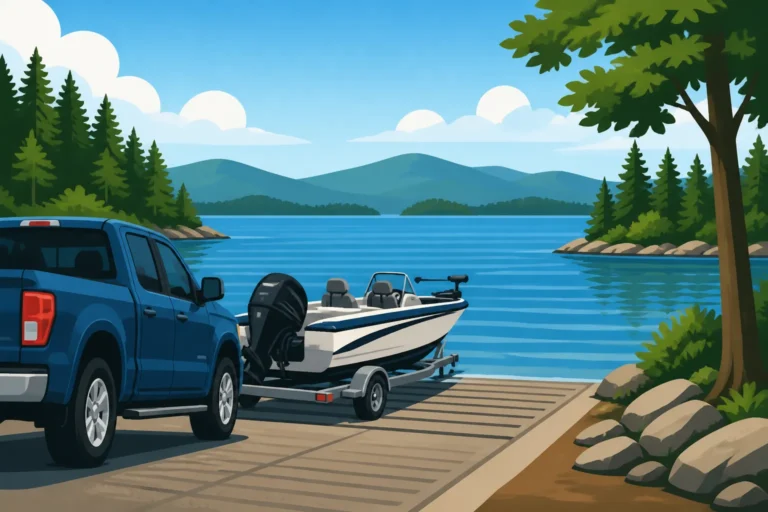
For anglers looking to launch a boat, the Conway Lake State Boat Launch is the primary and most convenient option. Located on the northern end of the lake off Mill Street, this paved ramp provides ample parking for trailers and vehicles. It’s well-maintained and typically accessible for most boat sizes, from small fishing boats to larger pontoon vessels. There are usually restrooms available, which is always a plus for a full day on the water. Given its popularity, especially during peak summer weekends, arriving early is often a good strategy to secure parking and avoid a queue at the ramp. Before you head out, it's always a good idea to refresh your knowledge on New Hampshire Boating Laws for Anglers, to ensure you're in compliance with all regulations, including life jacket requirements and proper vessel registration.
Once launched from the northern end, you have immediate access to several interesting areas. The channel leading into the main body of the lake from the launch area can hold fish, especially early or late in the season. Moving south, you'll encounter numerous rocky points and islands that are prime smallmouth bass habitat. Remember to always be courteous and aware of other boaters and paddlers, as Conway Lake is popular for various recreational activities.
Shore Fishing Opportunities
While Conway Lake is fantastic for boaters, not everyone has access to a vessel, and that’s perfectly fine! There are still worthwhile shore fishing opportunities, especially for those targeting panfish and smaller bass. One of the best spots for shore anglers is near the state boat launch itself, where there are often areas along the bank or near small docks where you can cast. This area can be productive for yellow perch, sunfish, and even some largemouth bass lurking in the weed lines close to shore.
Another option, though more limited, can be found near some of the smaller public access points or town beach areas if they allow fishing outside of designated swimming times. Always check local signage to ensure you are fishing legally and respecting private property. These spots are often best for a relaxed morning or evening, perhaps with a bobber and some worms, offering a peaceful experience for families or casual anglers. For specific locations that might offer limited shore access, consulting a detailed map of the lake is advisable.
Kayak and Canoe-Friendly Zones
Conway Lake is an absolute gem for kayak and canoe anglers. Its numerous coves, shallower backwaters, and the connection to Little Carroll Pond via a navigable channel make it ideal for paddlecraft. Launching a kayak or canoe is easy from the main state boat ramp, but many paddlers prefer quieter, less formal access points if they can find them. The shallow, weedy bays, particularly along the eastern and western shores, are perfect for silently slipping into prime largemouth bass territory. Look for areas with lily pads, submerged logs, and overhanging trees.
The channel connecting Conway Lake to Little Carroll Pond is a fantastic stretch to explore by kayak. It often holds good numbers of chain pickerel and largemouth bass, especially in the slower-moving sections. This area provides a different feel than the main lake, often feeling more secluded and wild. Kayaks also allow you to get into tighter spots around the many small islands and rocky outcrops that dot the lake, giving you a stealthy approach to smallmouth bass. When planning your paddle fishing trip, consider what makes a great Best Kayaks for New Hampshire Fishing and ensure you have all the necessary safety equipment, especially if venturing out on windier days.
| Location Type | Primary Species | Best for | Notes |
|---|---|---|---|
| Conway Lake State Launch | Bass, Perch, Sunfish | Boaters, limited shore fishing | Paved ramp, ample parking, restrooms. Can be busy. |
| Rocky Points & Islands | Smallmouth Bass, Pickerel | Boaters, experienced kayakers | Structure-oriented fishing. Great for casting and trolling. |
| Shallow Weedy Coves | Largemouth Bass, Pickerel, Panfish | Kayakers, canoeists, bank fishing (limited) | Ambush points, lily pads, submerged timber. |
| Channel to Little Carroll Pond | Largemouth Bass, Pickerel | Kayakers, canoeists | Secluded, slower current, good cover. |
| Deep Water Ledges | Smallmouth Bass | Boaters with electronics | Offshore structure, best with fish finders for suspended bass. |
Targeting Key Species: Techniques and Seasonal Strategies
Conway Lake's primary draw for many anglers is its superb bass fishing, both smallmouth and largemouth. However, overlooking the aggressive chain pickerel and plentiful panfish would be a mistake. Each species requires slightly different approaches, and understanding their seasonal movements and preferred habitats will significantly increase your chances of success.
Smallmouth Bass Tactics
Smallmouth bass in Conway Lake are true fighters and are often found relating to specific structures. During the spring, after ice-out, they'll often be found in shallower rocky areas, sunning themselves and preparing for the spawn. Jerkbaits, spinnerbaits, and tube jigs worked slowly can be incredibly effective during this time. As the water warms in summer, the smallmouth tend to move deeper, congregating around offshore humps, rock piles, and sharp drop-offs. This is where a good fish finder becomes invaluable. Drop-shot rigs with small worms, Ned rigs, and football jigs are excellent choices for targeting these deep-water smallmouth. Topwater lures like poppers and walk-the-dog baits can also produce explosive strikes early in the morning or late in the evening when smallmouth come up to feed. Fall sees them moving back into shallower rocky points, aggressively feeding before winter, making crankbaits and lipless crankbaits strong options. For a deeper dive into how to fool these bronze bombers, check out our guide on How to Catch Smallmouth Bass in New Hampshire Lakes.
Largemouth Bass Strategies
The largemouth bass of Conway Lake are typically found in the exact opposite environments from their smallmouth cousins. They are creatures of cover, preferring the dense weed beds, lily pads, submerged timber, and brush piles that characterize the shallower coves and calmer sections of the lake. Spring is prime time for largemouth in these shallow areas as they move in to spawn. Pitching jigs, Texas-rigged worms, or creature baits into heavy cover is a classic and effective strategy. As summer progresses, they will remain in these areas, often burying themselves deep within the vegetation to escape the heat and ambush prey. Topwater frogs and hollow-body lures fished over lily pads or dense weeds can be incredibly exciting. Buzzbaits and spinnerbaits are also excellent for covering water along weed edges. In fall, they'll continue to feed aggressively in these same areas before retreating to deeper pockets within the coves for winter. Our article on How to Catch Largemouth Bass in New Hampshire provides even more detailed strategies for these fantastic fish.
Targeting Panfish and Chain Pickerel
While bass often get all the glory, Conway Lake's panfish and chain pickerel offer consistent action and can be fantastic targets for anglers of all skill levels.
Panfish: Yellow perch, white perch, black crappie, and sunfish are abundant throughout the lake. These species are often found in schools, especially yellow and white perch, and can provide non-stop fun. For crappie, look for submerged brush piles, docks, and bridge pilings in slightly deeper water, where small jigs or minnows under a bobber are deadly. Yellow and white perch will readily strike small jigs, worms, or pieces of cut bait fished near the bottom in various depths, from shallow flats to moderate drop-offs. Sunfish, including pumpkinseeds, are almost universally found in shallow, weedy areas and are easily caught on tiny hooks baited with worms, crickets, or even small pieces of bread. This makes them perfect targets for young anglers or those looking for a relaxing day of consistent bites. You can learn more about general strategies in our Panfish Fishing in New Hampshire guide.
Chain Pickerel: These slender, toothy predators are a blast to catch and are found throughout Conway Lake, often lurking in the same shallow, weedy cover as largemouth bass. They are aggressive biters and will strike a wide variety of lures with gusto. Spinnerbaits, spoons, jerkbaits, and even topwater plugs can all elicit vicious strikes from pickerel. They are especially active during cooler water periods, like early spring and late fall, but can be caught year-round. While they are known for their sharp teeth, making a wire or heavy fluorocarbon leader a wise choice, they provide a strong fight and add an exciting element to a day on the water. For more specific advice, our article on Chain Pickerel Fishing in New Hampshire is a valuable resource.
Essential Gear and Rigging for Conway Lake
Approaching Conway Lake with the right gear can make all the difference between a frustrating day and a fantastic one. While you don't need a boatload of specialized equipment, having a thoughtful selection of rods, reels, and tackle tailored to the lake's dominant species will significantly enhance your experience.
Rod, Reel, and Line Recommendations
For the diverse fishing opportunities on Conway Lake, a versatile rod and reel setup is key.
- Bass Fishing (Smallmouth & Largemouth): A medium-heavy power, fast-action spinning rod (6'6" to 7'0") paired with a 2500 or 3000 series spinning reel is a great all-around choice. This setup offers enough backbone for solid hooksets and handling bigger fish, while still being sensitive enough for subtle bites. Spool it with 10-15 lb braided line, using a 6-10 lb fluorocarbon leader for abrasion resistance and stealth in the clear water. For those who prefer baitcasting, a medium-heavy baitcasting rod (6'8" to 7'4") with a quality baitcasting reel spooled with 15-20 lb fluorocarbon or braided line (with a fluorocarbon leader) is ideal for pitching jigs and working heavier cover. For more specific choices, check out our guide on Best Fishing Rods for New Hampshire Lakes.
- Panfish: An ultralight or light power spinning rod (5'6" to 6'6") with a small 1000 or 2000 series spinning reel is perfect for panfish. Spool it with 4-6 lb monofilament or braided line with a light fluorocarbon leader. This setup allows for casting tiny jigs and baits, and every panfish feels like a giant!
- Chain Pickerel: While your medium-heavy bass setup will work, if you’re specifically targeting pickerel in heavy cover, a slightly heavier medium-heavy rod might be preferred. The key is using a wire or thick fluorocarbon leader (20-30 lb) to prevent bite-offs from their razor-sharp teeth.
Lure and Bait Selection
Your tackle box for Conway Lake should reflect the predominant species and their feeding habits.
- For Smallmouth Bass:
- Soft Plastics: Tube jigs (green pumpkin, watermelon), Ned rigs (TRD worms), small swimbaits, drop-shot worms.
- Hard Baits: Jerkbaits (silver, perch patterns), small crankbaits (shad, crawfish colors), lipless crankbaits, topwater poppers or walk-the-dog lures.
- Jigs: Football jigs, hair jigs (white, black).
- For Largemouth Bass:
- Soft Plastics: Texas-rigged worms and creature baits (black, green pumpkin, junebug), senkos, soft plastic frogs.
- Hard Baits: Spinnerbaits (white, chartreuse), buzzbaits, shallow crankbaits (perch, bluegill patterns), hollow-body frogs.
- Jigs: Flipping and pitching jigs (black & blue, green pumpkin).
- For Panfish:
- Live Bait: Worms (nightcrawlers, red wigglers), small minnows, crickets.
- Artificials: Tiny jigs (1/32 to 1/16 oz) in various colors (chartreuse, white, black), micro spoons, small inline spinners.
- For Chain Pickerel:
- Artificials: Spinnerbaits (white, chartreuse), spoons (silver, gold, red & white), jerkbaits, topwater plugs. They are not picky!
- Live Bait: Shiners or minnows fished under a bobber can be very effective.
Remember to always have a selection of hooks (worm hooks, crappie hooks), sinkers (bullet weights, split shots), and bobbers (slip bobbers for deeper water, fixed bobbers for shallow) on hand. And don't forget pliers or a jaw spreader for easier unhooking, especially with toothy pickerel!
Boating and Safety Equipment
Safety on the water is paramount. Conway Lake, while generally calm, can experience wind chop, and being prepared is essential.
- Vessel Type: Anything from a kayak to a pontoon boat can be effective. For serious bass anglers, a dedicated bass boat offers speed and fishing features. For family outings or leisurely fishing, a pontoon is perfect.
- Motors: There are no horsepower restrictions on Conway Lake, but always be mindful of wake and common sense safety.
- Safety Gear: Ensure you have enough US Coast Guard-approved life jackets for everyone on board. Children under 13 must wear a life jacket when underway on a boat in New Hampshire. A fire extinguisher, sound-producing device (horn or whistle), and navigational lights (if operating after sunset) are also mandatory. Always carry an anchor, paddles or oars, and a bailing device.
- Navigation: While Conway Lake isn't enormous, having a basic map or GPS on your phone or fish finder can help you navigate especially if you're exploring new areas or fishing at night. Knowing the locations of submerged rocks or shallow areas will help you avoid prop damage. For those considering larger vessels, it’s wise to understand New Hampshire Boat Registration Requirements before you hit the water.
Navigating Regulations and Conservation Efforts
Fishing regulations in New Hampshire are designed to protect fish populations and ensure sustainable angling for future generations. While many rules are statewide, certain lakes can have specific nuances. Being a responsible angler means not only catching fish but also understanding and adhering to these vital guidelines.
Key New Hampshire Fishing Regulations for Conway Lake
Before you even cast a line, securing a valid fishing license is your first step. You can easily purchase a New Hampshire Fishing License Guide for 2026 online, from a local license agent, or directly from the New Hampshire Fish and Game Department. Generally, anyone 16 years or older needs a license.
For Conway Lake, general statewide regulations for warm-water species usually apply, unless specific rules are posted or updated in the annual New Hampshire Freshwater Fishing Digest. However, it’s always best to consult the most current digest published by the New Hampshire Fish and Game Department each year for precise details, as rules can change. Here are some common regulations you should be aware of:
- Bass Seasons: New Hampshire has specific seasons for bass, often including a catch-and-release-only period in the spring before the full harvest season opens. Be sure to know the dates for New Hampshire Bass Catch-and-Release Season, Explained and when you can legally harvest them.
- Length and Bag Limits:
- Largemouth and Smallmouth Bass: There are typically minimum length limits (e.g., 12 inches) and daily bag limits (e.g., 5 fish in total). Always verify the current New Hampshire Bag and Possession Limits by Species.
- Chain Pickerel: Often, there is no minimum length limit for pickerel, but a daily bag limit might apply.
- Panfish (Perch, Crappie, Sunfish): These species usually have very generous or no daily bag limits, making them excellent targets for harvesting.
- Prohibited Activities: Spear fishing for certain species, ice fishing without proper identification on shanties (if applicable), and using certain types of nets are typically prohibited. Always consult the digest for comprehensive rules.
Staying informed about these regulations ensures you're fishing legally and contributing to the health of Conway Lake's fishery.
Conservation and Responsible Angling Practices
Beyond following the rules, responsible angling involves actively participating in conservation efforts. Conway Lake's beauty and productivity depend on the choices anglers make on and off the water.
- Catch and Release: Practicing responsible catch and release, especially for larger bass or any fish you don’t intend to eat, helps maintain healthy breeding populations. Handle fish gently, minimize their time out of water, and use de-hooking tools when possible. Wet your hands before handling fish to protect their slime coat.
- Preventing Invasive Species: New Hampshire lakes, including Conway, are susceptible to invasive species. Always "Clean, Drain, and Dry" your boat, trailer, and gear after every outing. This means removing all weeds and organisms from your boat and trailer, draining all water from your livewell, bilge, and engine, and allowing everything to dry thoroughly before launching into another body of water. This simple act is crucial in preventing the spread of harmful species like Eurasian milfoil or zebra mussels.
- Respect the Environment: Pack out everything you pack in. Leave no trash behind. Be mindful of wildlife and local residents. If you see something concerning, like illegal fishing activity or pollution, report it to the New Hampshire Fish and Game Department. By being proactive, we can all help preserve the pristine nature of Conway Lake for generations of anglers to come.
Planning Your Conway Lake Fishing Trip
A successful fishing trip to Conway Lake isn't just about knowing where to cast or what bait to use; it's also about timing and leveraging local knowledge. A little planning goes a long way in ensuring your day on the water is as productive and enjoyable as possible.
Best Times of Day and Year to Fish
Understanding the seasonal patterns and daily movements of fish is key to maximizing your catch rates on Conway Lake.
- Spring (Ice-out through May): This is arguably one of the best times to fish Conway Lake. As the ice recedes, fish become very active and move into shallower areas, feeding aggressively. Largemouth bass will be in warming coves, and smallmouth bass will be found on rocky points. Water temperatures are cooler, making fish generally more active throughout the day.
- Summer (June through August): Summer can be fantastic, but often requires an earlier start or late evening session, especially for bass. During the heat of the day, fish tend to retreat to deeper, cooler water or dense cover. Early mornings and evenings are prime times for topwater action and shallow water bass. Panfish can be caught consistently throughout the day in various depths.
- Fall (September through November): Fall is another excellent time, similar to spring. Fish are in a feeding frenzy, bulking up for winter. Smallmouth bass will be active on rocky structures, and largemouth will be in thick cover, often more willing to chase larger baits. Cooler temperatures mean fish can be active all day.
- Winter (December through March): Conway Lake typically freezes over, offering good Ice Fishing in New Hampshire opportunities. Yellow perch, crappie, pickerel, and even some bass can be caught through the ice. Always exercise extreme caution on the ice, checking thickness regularly.
Regardless of the season, the best times of day are usually dawn and dusk when fish are most actively feeding. Overcast days can also extend the prime fishing window, as direct sunlight often pushes fish deeper or into heavier cover. Understanding Best Time of Year to Fish in New Hampshire can give you an edge no matter which lake you choose.
Local Resources and Accommodations
Even with all the detailed information, nothing beats local knowledge. Tapping into local resources can provide real-time updates on fishing conditions and help with logistical planning.
- Tackle Shops: Before or during your trip, visit local tackle shops in towns like Conway or North Conway. These shops are goldmines of information. The staff often have up-to-the-minute reports on what's biting, where, and on what lures. They can also recommend specific baits that are working locally, which might not be widely known. Plus, it's a great way to support the local economy!
- Fishing Guides: If you're serious about maximizing your time or learning the lake quickly, consider hiring a local fishing guide. A guide can teach you the nuances of the lake, show you productive spots, and help you refine your techniques. Many professional guides operate on Conway Lake and offer services for all skill levels. You can often find reputable guides through platforms like FishingBooker, which connect anglers with local experts who know Conway Lake inside and out. They are excellent resources for understanding the ever-changing conditions.
- Accommodations: Conway Lake is surrounded by vacation rentals, cabins, and hotels, especially given its proximity to the popular White Mountains region. Whether you're looking for a rustic lakeside cabin or a more upscale hotel, there are options to suit various budgets and preferences. Booking well in advance, especially during peak summer and fall foliage seasons, is highly recommended. Using services like FishingBooker can sometimes help bundle guide services with local lodging suggestions, making your planning even smoother.
- New Hampshire Fish and Game Department: Always a reliable source for official regulations, stocking reports, and general information about the state's fisheries. Their website and publications are indispensable.
By taking advantage of these local resources, you'll not only enhance your fishing trip but also connect with the vibrant angling community that makes Conway Lake such a special place to fish.
Disclaimer
The information provided in this guide is for general informational purposes only and is subject to change. Fishing regulations, season dates, and local conditions can vary. Always consult the official New Hampshire Fish and Game Department website or their most current fishing digest for the most accurate and up-to-date regulations before heading out on the water. Safety on the water is paramount; always wear appropriate safety gear and be aware of your surroundings.