Best fishing spots on the Lamprey River
The Lamprey River in New Hampshire, while perhaps not as widely known as some of the larger lakes or more famous fly fishing destinations, can be a real head-scratcher for anglers trying to find reliable information. Many people assume smaller rivers don't hold much promise or are too tricky to navigate, leading them to overlook this beautiful waterway. This guide is designed to cut through that confusion, giving you the inside scoop on the best fishing spots along the Lamprey River, along with practical advice on what to fish for and how to catch them, ensuring your next outing is productive and enjoyable.
Unveiling the Charms of the Lamprey River Fishery
The Lamprey River is a truly unique gem in New Hampshire, a designated National Wild and Scenic River that winds its way through forests, farmlands, and small towns before emptying into Great Bay. This designation speaks volumes about its ecological health and scenic beauty, making it not just a fishing destination, but an experience in itself. Its varied character, from rocky, fast-flowing sections in its upper reaches to wide, slow-moving tidal flats closer to the bay, creates a diverse range of habitats supporting an impressive array of fish species. It's a river that consistently surprises anglers with its potential, offering everything from native trout to hard-fighting bass.
The River's Dynamic Character
From its headwaters near Northwood to its mouth in Newmarket, the Lamprey River undergoes a significant transformation. Upstream, you'll find classic freestone river characteristics: cold, clear water tumbling over rocks and gravel, providing ideal conditions for trout. As it moves downstream, the river widens, the current slows, and the substrate often changes to sand and silt, creating deeper pools and oxbows perfect for warmwater species. Closer to Great Bay, the river becomes tidal, bringing in a mix of freshwater and saltwater influences, and with it, migratory fish during certain times of the year. Understanding this dynamic shift is crucial for successful fishing, as different sections call for different approaches and target species. It’s not a one-size-fits-all river, which is precisely what makes it so interesting to explore.
A Sanctuary for Diverse Fish Species
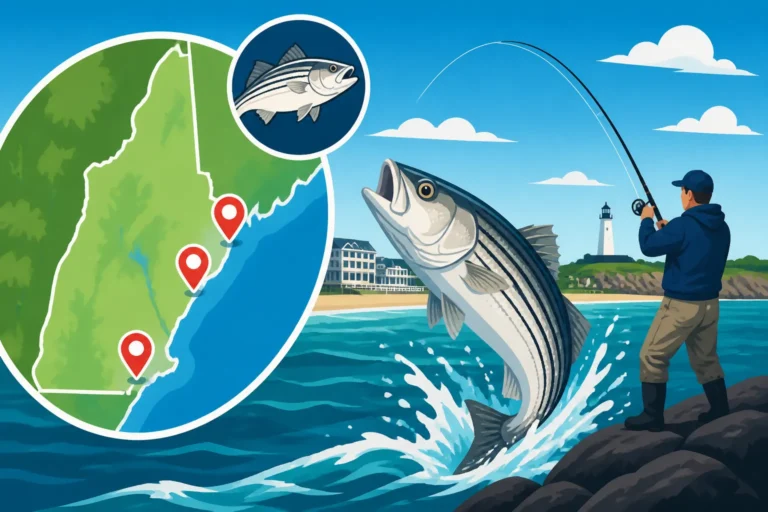
The Lamprey River boasts a surprisingly rich fish population. For trout enthusiasts, the upper and middle sections are often stocked with rainbow and brook trout, providing ample opportunity for a successful day. Beyond stocked fish, pockets of wild brook trout can still be found in the colder, cleaner tributaries and headwaters, a true testament to the river's health. The river also harbors a robust population of warmwater species. Smallmouth bass thrive in the rocky, current-swept areas, while largemouth bass prefer the slower, weedier sections. You'll also encounter plenty of panfish, like yellow perch and black crappie, offering consistent action, especially for younger anglers or those simply looking for a relaxing day. During their seasonal migrations, anadromous species like alewives and river herring ascend the Lamprey, followed closely by striped bass seeking an easy meal. This diverse ecosystem means there’s almost always something biting, regardless of the season or your preferred fishing style.
Navigating the River's Distinct Sections: Upper, Middle, and Lower Reaches
To truly unlock the Lamprey River's fishing potential, it helps to break it down into its distinct geographical sections. Each stretch offers unique challenges and rewards, catering to different fishing preferences and species. Knowing where you are along the river is the first step to choosing the right gear and technique. It's not uncommon for anglers to have completely different experiences within just a few miles, so don't be afraid to explore.
The Upper Lamprey: Trout Territory and Rocky Runs
The upper reaches of the Lamprey River, particularly those sections flowing through areas like Northwood, Nottingham, and Raymond, are primarily coldwater fisheries. Here, the river is narrower, faster, and often features a rocky bottom with numerous riffles, runs, and small pools. This is prime territory for trout. New Hampshire Fish and Game regularly stocks these areas with rainbow and brook trout, especially in the spring and fall, providing excellent opportunities for both fly and spin anglers. If you're looking for an authentic trout experience, this is where you'll want to focus your efforts.
You'll often find success targeting the deeper pockets behind boulders, current seams, and the ends of riffles where trout ambush drifting food. Access in these areas can sometimes involve short walks through wooded areas, but the reward of pristine water and eager fish is well worth it. Keep an eye out for smaller feeder streams; these can hold native brook trout and are often less pressured. Remember to check the New Hampshire Fishing Regulations Explained and specific New Hampshire Trout Stocking and Fishing Rules for these sections, as special regulations might apply.
The Middle Lamprey: Bass Haven and Mixed Species
As the Lamprey River progresses through towns like Epping and Lee, it begins to widen and slow down, transitioning into a more diverse fishery. This middle section is a fantastic spot for warmwater species, particularly smallmouth and largemouth bass. The river here often features a mix of rocky areas, gravel bars, and emergent vegetation along its banks. Deeper pools and slower bends provide excellent habitat for larger bass, as well as yellow perch, sunfish, and chain pickerel.
Access can be a bit easier here, with some bridge crossings and designated parking areas. Kayak and canoe anglers will particularly appreciate this section, as it allows for quiet exploration of many productive stretches that are harder to reach from shore. Look for submerged logs, weed lines, and current breaks as prime holding spots for bass. This area truly shines during the warmer months, offering consistent action for a variety of species. If you're new to the area or unsure where to start, considering a guided trip with a local expert through platforms like FishingBooker can provide invaluable insight into these nuanced waters.
The Lower Lamprey: Tidal Influence and Migratory Opportunities
The lowest section of the Lamprey River, as it flows through Durham and into Newmarket before joining Great Bay, becomes distinctly tidal. The water level fluctuates with the ocean tides, and the river broadens considerably, forming wide flats and deeper channels. This area is unique because it offers a blend of freshwater and brackish fishing. While warmwater species like largemouth bass, perch, and pickerel are still prevalent, especially in the upstream-most parts of this section, the major draw here is the seasonal migration of anadromous fish.
In spring, you can find significant runs of river herring and alewives ascending the river to spawn, which in turn attract predatory fish. Following these baitfish are often schools of striped bass, pushing into the brackish waters of the lower Lamprey in search of an easy meal. This makes for exciting, fast-paced fishing, particularly around the turning tides. Shore access can be good in some spots, especially around public docks and parks in Durham and Newmarket. Kayak anglers can also explore the extensive marshy areas and smaller creeks that feed into the main river, often finding less pressured fish. Remember that fishing for migratory species, especially striped bass, comes with specific regulations, so always consult the New Hampshire Fishing Regulations Explained for current limits and seasons.
Targeting the Lamprey's Diverse Fish Population
Fishing the Lamprey River successfully means adapting your techniques and tackle to the specific species you're pursuing and the section of river you're in. From delicate dry flies for rising trout to robust spinning setups for aggressive bass, versatility is key to maximizing your catch.
Trout Tactics for the Upper River
For trout in the upper Lamprey, presentation is paramount. Given the often clear water and potentially spooky fish, a stealthy approach pays dividends.
- Fly Fishing: If you're a fly angler, the upper Lamprey offers classic trout stream opportunities. Standard dry flies like Adams, Elk Hair Caddis, and Blue-Winged Olives work well during hatches. For subsurface action, small nymphs such as Pheasant Tail, Hare's Ear, and San Juan Worms, fished with a strike indicator, are highly effective. Streamers can also entice larger trout, especially after rain or during periods of low light. Many parts of the Lamprey are perfect for Best Fly Fishing Rivers in New Hampshire techniques.
- Spin Fishing: Spin anglers should opt for ultralight or light spinning gear paired with 2-4 pound test line. Small inline spinners (Mepps, Panther Martin) in silver, gold, or brass colors are deadly. Miniature spoons and very small stickbaits or soft plastics rigged on jig heads can also produce. Focus on casting upstream and retrieving just faster than the current, or allowing your lure to drift naturally through promising pools. PowerBait, worms, or corn fished on a small hook with minimal weight can also be effective, particularly for recently stocked trout.
Bass and Panfish Strategies for Middle and Lower Sections
The middle and lower sections of the Lamprey River demand a different approach, one geared more towards covering water and tempting active predatory fish.
- Smallmouth Bass: In the rocky, current-heavy areas, smallmouth bass are kings. They often hold near structure like submerged rocks, fallen trees, and current seams. For these bronze beauties, consider using small crankbaits that mimic crawfish or baitfish, tube jigs, grub-style soft plastics, or inline spinners. Topwater lures like poppers or walk-the-dog baits can provide explosive strikes during low light conditions or warmer weather. When fishing from a kayak, it's easy to cover prime habitat. For more specific advice on lures, check out Best smallmouth bass lures for Winnipesaukee in summer which can also apply here.
- Largemouth Bass & Pickerel: In the slower, weedier backwaters and oxbows, largemouth bass and chain pickerel reign. These fish love cover, so target lily pads, dense weed beds, and overhanging brush. Spinnerbaits, chatterbaits, plastic worms (Texas or Carolina rigged), and jig-and-trailer combos are excellent choices. Topwater frogs or hollow-body lures skipped into tight cover can be incredibly exciting. For pickerel, spoons and flashy inline spinners often draw aggressive strikes.
- Panfish: For consistent action, especially for beginners or kids, panfish are abundant. Simple bobber setups with worms, crickets, or small pieces of PowerBait are highly effective for yellow perch, black crappie, and sunfish. Small jigs tipped with a grub or a piece of worm also work wonders. Look for panfish around docks, fallen trees, and weed edges.
Seasonal and Migratory Species Considerations
The Lamprey River also offers some incredible seasonal opportunities that savvy anglers won't want to miss.
- Striped Bass: In late spring and early summer, striped bass push into the lower Lamprey following baitfish. Light tackle can offer a thrilling fight. Soft plastic paddle-tail swimbaits, weighted bucktail jigs, and even poppers can be effective, especially around bridges, tidal rips, and areas where baitfish are congregating. Fishing the incoming or outgoing tide around dawn or dusk often yields the best results. If you're keen to catch these elusive fish, considering a local charter through a service like FishingBooker can significantly increase your chances of success, as guides know the patterns and prime locations.
- River Herring/Alewives: While not typically targeted for sport, the presence of these baitfish during their spring spawning run is crucial for the entire ecosystem and a clear indicator that larger predators might be in the area. Anglers often fish near areas of concentrated herring to capitalize on the feeding frenzy that ensues.
Here's a quick reference table for targeting species on the Lamprey:
| Species | Preferred Lamprey Section | Preferred Habitat | Best Lures/Baits | Key Techniques |
|---|---|---|---|---|
| Brook Trout | Upper River | Cold, clear runs, pools, rocky bottom | Nymphs, dry flies, small spinners, worms | Fly fishing, ultralight spin, drift fishing |
| Rainbow Trout | Upper River | Stocked areas, deeper pools, current seams | Inline spinners, PowerBait, worms, nymphs | Spin fishing, fly fishing, bait fishing |
| Smallmouth Bass | Middle River | Rocky runs, current breaks, submerged structure | Crankbaits, tube jigs, soft plastics, topwater | Cast & retrieve, jigging, topwater |
| Largemouth Bass | Middle/Lower River | Weed beds, lily pads, fallen trees | Spinnerbaits, plastic worms, jigs, frogs | Pitching, flipping, topwater, casting |
| Yellow Perch | Middle/Lower River | Near docks, weed edges, submerged structure | Worms, small jigs, minnows | Bobber fishing, ultralight jigging |
| Chain Pickerel | Middle/Lower River | Dense weeds, shallow coves | Spoons, inline spinners, large minnows | Casting, retrieve through cover |
| Striped Bass | Lower River (seasonal) | Tidal channels, bridge pilings, baitfish schools | Swimbaits, bucktail jigs, poppers | Casting, retrieve with current, tidal fishing |
Accessing the Lamprey: Public Points and Considerations
Getting to and on the Lamprey River requires a bit of planning, as much of the shoreline is private land. However, several excellent public access points allow anglers to enjoy this beautiful waterway.
Popular Shore Fishing and Wading Access Points
For anglers who prefer to keep their feet on solid ground or wade into the current, there are several reliable spots.
- Wiswall Falls Mill Site (Durham): This is a popular and relatively easy-to-access spot in the lower river. It features a scenic waterfall and offers opportunities for shore fishing, particularly for warmwater species and migratory fish during their runs. The surrounding park allows for comfortable casting and exploring.
- Piscataquog River & Lamprey River Confluence (Newfields/Epping): While technically a little further west, this general area and the stretches upstream from it on the Lamprey provide good wading access for trout and smallmouth bass, especially during lower water conditions. Always be mindful of private property signs and respect landowners.
- Town Parks and Road Crossings (Raymond, Epping, Lee): Many small towns along the Lamprey have parks or public access points near bridge crossings. These can be excellent starting points for exploring. For example, the Folsom Memorial Park in Epping provides easy access to the river. Before heading out, a quick online map search for "Lamprey River public access" in specific towns can often reveal hidden gems.
- Smith Chapel Road (Deerfield): Upstream in Deerfield, this area offers some access for wading, often for trout. It's a bit more remote and less developed, offering a more tranquil experience. Be prepared for varied terrain.
Boat and Kayak Launch Options
For those who want to cover more water or reach less-pressured areas, launching a boat or kayak is the way to go. Kayak fishing is particularly well-suited to the Lamprey, allowing silent navigation of its varied currents and tight spots. You can read more about Best Kayak Fishing Spots in New Hampshire to see how the Lamprey fits in.
- Newmarket Launch (Newmarket): Located in the lower, tidal section of the river, the Newmarket public boat launch offers access for small motorboats and kayaks/canoes. This is your gateway to the Great Bay system and the lower Lamprey's brackish opportunities, including striped bass.
- Durham Town Landing (Durham): Also in the lower river, the Durham Town Landing provides excellent access for kayaks and canoes, often used by students and local anglers. It's a great spot to launch for exploring the broader sections of the Lamprey near the University of New Hampshire campus.
- Lee Five Corners Boat Launch (Lee): Further upstream in the middle section of the river, this launch is ideal for kayaks and canoes, providing access to slower, deeper sections perfect for bass and panfish. It's a quieter launch, perfect for a peaceful paddle.
- Other Informal Access: Many bridge crossings along the middle and upper river allow for informal kayak or canoe put-ins, though parking might be limited. Always scout these areas first to ensure safe access and egress.
When planning your trip, consider the river conditions. Water levels can fluctuate, especially after heavy rains or during prolonged dry spells, impacting both wading safety and boat navigation. Always wear a life jacket, even if you’re a strong swimmer, and be aware of obstacles like fallen trees or rapids, particularly in the upper river. A good pair of Best Waders for New Hampshire Trout Streams is essential for those who want to get into the river itself for trout fishing. Finally, remember that anyone over the age of 16 needs a fishing license, so be sure to pick up your New Hampshire fishing license age requirements before you head out!
Conservation and Best Practices on the Lamprey River
Fishing the Lamprey River is not just about catching fish; it's about appreciating and protecting this remarkable natural resource. As a Wild and Scenic River, its health is paramount, and every angler plays a role in its conservation. Adhering to responsible fishing practices helps ensure that the Lamprey remains a vibrant fishery for generations to come.
Practicing Responsible Angling
Responsible angling goes beyond simply following regulations; it's about adopting an ethos of stewardship. This includes being mindful of the impact you have on the environment and the fish populations.
- Catch and Release: While harvest is permitted for many species, consider practicing catch and release, especially for larger breeding fish or for sensitive species like wild brook trout. When releasing fish, handle them gently with wet hands, minimize their time out of water, and use de-barbed hooks to reduce harm. Understanding the New Hampshire Bass Catch-and-Release Season, Explained can help you decide when to keep or release your bass.
- Leave No Trace: Pack out everything you pack in, and perhaps even a little extra if you spot discarded litter. This includes fishing line, bait containers, and food wrappers. Litter not only detracts from the river's beauty but can also be harmful to wildlife.
- Respect Private Property: Much of the land bordering the Lamprey River is privately owned. Always respect "No Trespassing" signs and ensure you are accessing the river only through designated public access points. Building good relationships with landowners helps keep access open for everyone.
- Prevent Invasive Species: Before and after each fishing trip, clean, drain, and dry your boat, kayak, waders, and gear. This simple step helps prevent the spread of aquatic invasive species that can devastate native fish populations and habitats.
Understanding and Adhering to Regulations
New Hampshire Fish and Game Department sets specific rules for fishing the Lamprey River to manage fish populations and protect the ecosystem. These regulations cover everything from license requirements to specific daily limits and tackle restrictions.
- Licensing: Remember that almost everyone over the age of 16 needs a valid New Hampshire fishing license to fish the Lamprey River. There are options for residents, non-residents, and even short-term licenses, which you can easily purchase online or from local vendors.
- Season Dates and Limits: Pay close attention to season dates and bag limits for different species. For instance, trout seasons might vary from bass seasons, and there might be special regulations for specific sections of the river, or for migratory species. Always consult the most current version of the Reading the New Hampshire Freshwater Fishing Digest for the most accurate and up-to-date information.
- Tackle Restrictions: Some areas or seasons might have specific tackle restrictions, such as "fly fishing only" sections or limitations on bait use. Being aware of these rules before you go will prevent any issues and ensure you're fishing legally.
- Conservation Zones: Be aware of any designated conservation zones or areas with special rules, such as those protecting spawning grounds or sensitive habitats. These areas are crucial for the long-term health of the river.
By embracing these responsible angling practices and staying informed about the regulations, you're not just enjoying a day on the water; you're actively contributing to the preservation of the Lamprey River's wild and scenic character, ensuring that its diverse fishery thrives for future generations of anglers.
Disclaimer
Please note that fishing conditions and regulations can change frequently. Always consult the latest New Hampshire Fish and Game Department official regulations before heading out on the water. This guide is for informational purposes only and should not replace official sources.