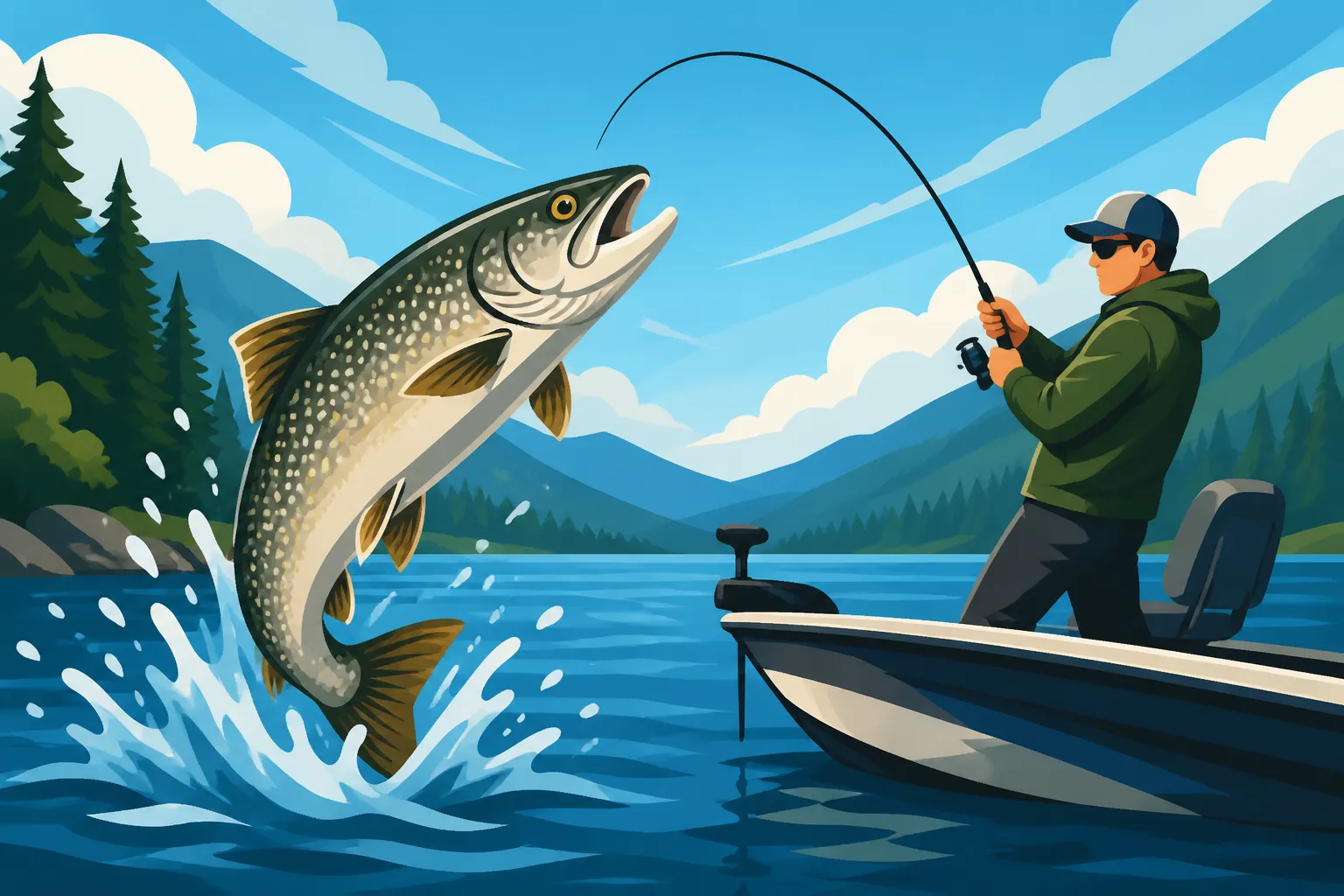
The Broads Lake Winnipesaukee lake trout fishing
Lake Winnipesaukee is a truly magnificent body of water, but its sheer size can feel incredibly daunting, especially when you're targeting a deep-dwelling species like lake trout in a specific, vast area like The Broads. It's easy to feel overwhelmed by the expanse and wonder where on earth to even begin, let alone how to consistently hook up with those elusive lakers. This guide is here to break down the complexities of lake trout fishing in The Broads, offering seasoned advice and practical strategies to help you navigate its depths and find success.
Understanding The Broads of Lake Winnipesaukee
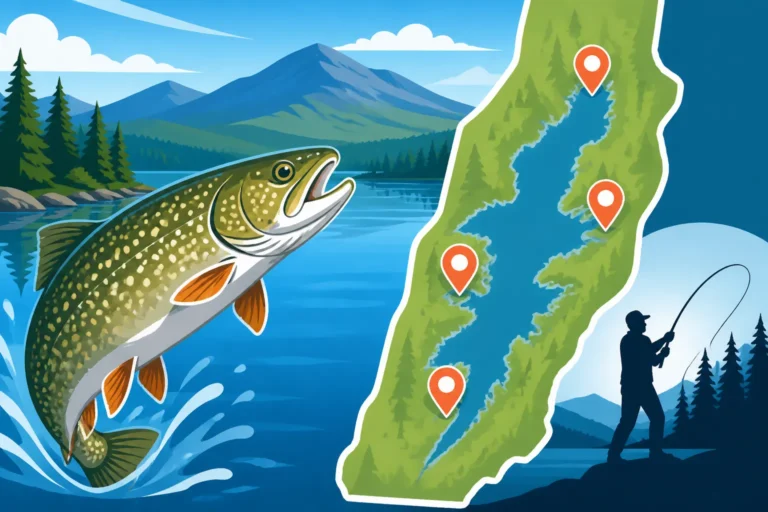
The Broads, often referred to as the heart of Lake Winnipesaukee, is exactly what its name suggests: a vast, deep, open expanse of water that forms the central basin of the lake. Unlike the countless islands, intricate coves, and shallow bays that characterize much of Winnipesaukee's shoreline, The Broads is largely devoid of visible structure, making it a unique challenge and a prime habitat for lake trout.
This section of the lake is distinguished by its incredible depth, with many areas plummeting to over 100 feet, and even reaching depths of around 180 feet in certain spots. This deep, cold water is precisely why lake trout thrive here. They are a cold-water species, preferring temperatures in the mid-40s to low-50s Fahrenheit, which they find consistently in the deeper reaches of The Broads, especially during the warmer months.
The primary forage for lake trout in The Broads, and indeed much of Winnipesaukee, is the rainbow smelt. These small, schooling baitfish are the lakers' main food source, and understanding their movements is absolutely critical to locating and catching lake trout. Smelt tend to suspend in open water, often relating to temperature changes (thermoclines) or subtle underwater structures that might not show up on conventional maps. During different seasons, their depth and schooling patterns will shift, directly influencing where the lake trout will be.
Seasonal Strategies for Lake Trout in The Broads
Fishing for lake trout in The Broads isn't a one-size-fits-all endeavor. The techniques and locations change dramatically with the seasons, dictated by water temperature, smelt movements, and the trout's own biological imperatives. Successfully targeting these fish means adapting your approach throughout the year.
Ice-Out to Early Summer
The period immediately following ice-out, typically late April into May, is one of the most exciting times to target lake trout in The Broads. As the ice recedes, the entire water column is roughly the same temperature, allowing lake trout to roam relatively shallow, often in the 20 to 50-foot range, though they might still be deeper. This is when they are actively feeding after a long winter and are often quite aggressive.
During this time, lake trout might be found cruising near the edges of the deeper basins, or even pushing up onto shallower humps or points that drop quickly into deep water around The Broads. The key is to find schools of smelt that are also active in these shallower depths. Trolling is a highly effective method, using stickbaits, spoons, or small streamer flies that imitate smelt. You don't necessarily need downriggers early in the season, as the fish might be higher in the water column, but planer boards or simply long-lining can cover a lot of water. As the water warms slightly into early June, the fish will start to push deeper, often following the thermocline as it establishes itself, typically between 40 and 70 feet.
Mid-Summer Deep Water Action
By mid-June through August, The Broads truly becomes a deep-water game. Surface temperatures soar, driving lake trout down to the cooler, oxygen-rich depths where they find their preferred temperatures and abundant smelt. This usually means targeting fish in 60 to 120 feet of water, sometimes even deeper. This is where a good fish finder and precise trolling gear become absolutely indispensable.
Downriggers are the bread and butter for summer lake trout in The Broads. They allow you to present your lures at exact depths, precisely where you're marking fish and bait on your sonar. Look for subtle underwater humps, ledges, or simply areas where large schools of baitfish are congregating. These often appear as "clouds" on your sonar screen. When you see concentrations of bait and then some distinct arches (the lake trout), you've found a promising spot. Popular summer lures include large spoons, flashy cowbells, or dodgers paired with a smelt imitation fly or small plastic bait. The boat speed for trolling should typically be slow, around 1.5 to 2.5 miles per hour, but experiment to find what the fish prefer on any given day. You can even find professional guides specializing in summer laker fishing on platforms like FishingBooker, which can be invaluable for learning the ropes on such a vast and deep lake.
Fall Feeding Frenzy and Pre-Spawn
As the days shorten and water temperatures begin to drop in September and October, lake trout in The Broads enter a pre-spawn feeding frenzy. The water column starts to cool and mix, allowing fish to become more active and move into a wider range of depths, though they still favor colder water. This is an excellent time to catch large, aggressive lake trout.
In early fall, you might still find them deep, but as the water cools further, they can move into shallower areas, especially rocky shoals and ledges where they will eventually spawn. Trolling with large spoons, minnow plugs, or even jigging vertically over structure can be incredibly effective. Pay close attention to current temperatures, as the fish will follow the baitfish as they react to the changing conditions. This is often when you can catch some of the largest lake trout of the year before they begin their spawning rituals. Remember that New Hampshire Fishing Regulations Explained should always be consulted for specific season dates and catch limits, especially around spawning periods.
Essential Gear and Techniques for The Broads
Successfully fishing for lake trout in The Broads requires specialized gear and a methodical approach. Given the depths and the size of the lake, having the right tools is half the battle.
Deep Water Trolling Setups
Trolling is arguably the most consistent method for catching lake trout in The Broads, especially during summer. This involves using specialized equipment to present lures at precise depths while the boat is in motion.
- Rods and Reels: You'll want stout trolling rods, typically 7-9 feet in length, with a medium-heavy to heavy action. These need to handle the weight of downriggers or heavy lead core lines. Pair them with large capacity baitcasting reels, capable of holding several hundred yards of line. For Best Trolling Gear for New Hampshire Lake Trout, look for reels with a line counter, which is absolutely invaluable for accurately setting your depths.
- Line: Many anglers opt for braided line as their main line due to its strength and lack of stretch, which provides excellent sensitivity. A 20-30 lb test braid is common. However, for the last 15-30 feet, a fluorocarbon leader (12-20 lb test) is highly recommended. Fluorocarbon is nearly invisible underwater and provides abrasion resistance. For deeper presentations without downriggers, lead core line is another option, though it's less precise.
- Downriggers: These are mechanical devices that use a heavy ball to carry your fishing line (and lure) to a specific depth. Your line is clipped to a release mechanism on the downrigger ball, and when a fish strikes, the line pops free, allowing you to fight the fish directly. Quality downriggers from brands like Cannon or Scotty are common.
- Lures: As mentioned, spoons are a staple for lake trout. Popular brands include Sutton, Mooselook, and Northern King, often in silver, blue, green, or even chartreuse patterns that imitate smelt. Stickbaits like Rapala or Bomber are also effective, especially in natural baitfish colors. Flashers and dodgers, which create enticing action and vibration, are often used in front of a shorter leader with a spoon or a fly.
Vertical Jigging and Electronics
While trolling covers vast areas, vertical jigging can be incredibly effective when you've located a concentrated school of lake trout, often suspended over deep structure or a baitball. This is particularly useful during ice fishing season as well, as detailed in the New Hampshire Lake Trout Ice Fishing Season Dates guide.
- Jigging Rods and Reels: A medium-heavy spinning or baitcasting rod, around 6-7 feet, with good sensitivity is ideal. Pair it with a smooth-operating reel spooled with 15-20 lb braided line and a fluorocarbon leader.
- Jigs: Heavy jigging spoons (like Swedish Pimples, Crippled Herrings, or similar flutter spoons) in 1 to 3 oz sizes are popular. Also, vertical jigs designed to imitate injured baitfish, often with a flashy finish, work well. Some anglers will tip their jigs with a piece of cut bait, like a small smelt or minnow, for added attraction.
- Fish Finders and Sonar: This is arguably the most critical piece of equipment for fishing The Broads. A high-quality fish finder with down imaging, side imaging, and traditional 2D sonar is essential. Brands like Humminbird and Lowrance offer excellent options. You need to be able to identify baitfish schools, individual fish arches, and subtle bottom structure in deep water. Understanding how to interpret your sonar readings is a skill developed over time, but it's crucial for efficiently locating lake trout in such a large, deep environment. For more on this, check out guides on Best Fish Finders for New Hampshire Lakes.
Strategic Considerations for The Broads Lake Trout
Beyond the gear and techniques, there's an art to consistently catching lake trout in The Broads. It involves patience, observation, and a willingness to adapt.
Reading the Water and Your Electronics
The vastness of The Broads means you can't just randomly cast and expect results. You need to actively hunt for the fish.
- Targeting Forage: Lake trout will always be where their food is. Focus your search on areas where you're marking dense schools of rainbow smelt. Often, these schools will be suspended at specific depths or relating to subtle underwater features.
- Identifying Thermoclines: During summer, the thermocline (the boundary between warm surface water and cold deep water) is critical. Lake trout will often be found just above, within, or just below this layer, as it provides their preferred temperature and concentrates baitfish. Your fish finder should be able to help you identify these temperature breaks.
- Charting and GPS: Use your boat's GPS and detailed lake charts (like those from Navionics or Garmin) to mark waypoints where you've caught fish, seen good bait concentrations, or identified promising deep-water structure. Over time, these waypoints will form a valuable database.
Boat Control and Trolling Patterns
Precise boat control is paramount when trolling for lake trout.
- Maintain Speed: Keep a consistent trolling speed. Use your boat's GPS speed rather than relying solely on your speedometer, as currents can affect true ground speed.
- Turn Patterns: Don't just troll in straight lines. Gentle turns can cause your lures to change depth and speed, often triggering strikes from following fish. S-curves or figure-eights can be very effective.
- Wind and Waves: The Broads can get very choppy on windy days. Learn how to maintain your trolling speed and direction in varying conditions. A good autopilot or electric trolling motor can be a huge asset.
When a Guide is a Game-Changer
For anglers new to Lake Winnipesaukee or deep-water lake trout fishing, hiring a local fishing guide can drastically shorten the learning curve. These professionals spend countless hours on the water and possess an intimate knowledge of The Broads, including where fish are holding, what lures they prefer, and how to operate the specialized deep-water equipment.
A guide can teach you how to properly deploy downriggers, read your sonar effectively, identify prime lake trout habitat, and even provide insight into Lake Winnipesaukee Lake Trout Fishing patterns specific to current conditions. Websites like FishingBooker make it easy to find and book experienced New Hampshire fishing guides, offering a wide range of options from half-day trips to full-day excursions. It's an investment that can significantly improve your success and enjoyment on this challenging but rewarding lake.
| Season | Typical Depth Range (feet) | Primary Techniques | Recommended Lures/Baits | Key Considerations |
|---|---|---|---|---|
| Ice-Out (Apr-May) | 20-50 (can be deeper) | Trolling, Casting | Stickbaits, Spoons, Smelt Flies | Fish actively feeding, often shallower, entire water column cold |
| Early Summer (Jun) | 40-70 | Trolling (downriggers) | Spoons, Smelt Imitations | Thermocline begins to form, fish push deeper |
| Mid-Summer (Jul-Aug) | 60-120+ | Trolling (downriggers), Jigging | Large Spoons, Dodgers/Flies, Heavy Jigs | Deepest fishing, precise depth crucial, locate smelt schools |
| Fall (Sept-Oct) | 30-100 | Trolling, Jigging | Large Spoons, Minnow Plugs, Heavy Jigs | Pre-spawn feeding frenzy, fish can be more aggressive, wider depth range |
| Winter (Ice Fishing) | 40-100+ (over deep water) | Jigging, Tip-ups | Jigging Spoons, Live Smelt, Dead Bait | Access requires safe ice, use electronics to mark fish |
Other Important Considerations
Fishing in The Broads also involves general preparedness and adherence to regulations. Always check the New Hampshire Fishing Regulations Explained before heading out, as rules can change seasonally or for specific water bodies. Lake Winnipesaukee is a large, potentially dangerous body of water, so ensure your boat is properly equipped with all necessary safety gear, including life jackets for everyone on board. If you're looking for other great places to catch trout, perhaps for a different experience, consider exploring some Best Trout Ponds in New Hampshire or Best Fly Fishing Rivers in New Hampshire.
Ultimately, lake trout fishing in The Broads of Lake Winnipesaukee is a rewarding pursuit that combines skill, patience, and a deep understanding of the lake's unique ecosystem. With the right approach and a bit of persistence, you'll be well on your way to battling one of New Hampshire's most magnificent freshwater game fish.
Disclaimer
The information provided in this guide is for general informational purposes only and should not be considered legal advice. Fishing regulations, season dates, and safety guidelines can change. Always consult the official New Hampshire Fish and Game Department website or their latest Freshwater Fishing Digest for the most current and accurate rules and information before engaging in any fishing activities. Personal safety should always be your top priority when on the water.