How rainbow smelt affect New Hampshire lake fisheries
For anyone who loves casting a line into New Hampshire's pristine waters, understanding what goes on beneath the surface is just as crucial as the bait you choose. One tiny, silvery fish, the rainbow smelt, plays an enormous and often overlooked role in the health and productivity of our beloved lake fisheries. This guide will dive deep into how these unassuming baitfish truly impact the entire ecosystem, from the smallest zooplankton to the trophy lake trout and landlocked salmon we all dream of catching.
The Essential Role of Rainbow Smelt in New Hampshire's Ecosystems
It's easy to dismiss a small baitfish, but in the grand scheme of an aquatic ecosystem, rainbow smelt are often the linchpin. They're a critical energy transfer point, converting microscopic organisms into a meal substantial enough for larger predators. Without them, many of our most sought-after game fish would struggle to reach their impressive sizes.
Smelt as a Primary Forage Fish
Imagine a bustling underwater cafeteria, and the rainbow smelt are the most popular item on the menu. These small, slender fish are incredibly important as a primary forage species, especially in New Hampshire's deeper, colder lakes. They tend to school in large numbers, making them an efficient food source for predators that need to consume a lot of calories to grow. Their high fat content, particularly before spawning, makes them an especially nutritious meal, fueling the growth of our state's most iconic sportfish.
Think about a hungry lake trout patrolling the depths of Lake Winnipesaukee. It's not chasing after individual insects; it's looking for schools of protein-packed smelt. The same goes for landlocked salmon, which are famously piscivorous – meaning fish-eating – and rely heavily on smelt for their diet. The availability and health of the smelt population directly correlate to the condition and growth rates of these larger, predatory fish. A boom in smelt often means a boom in the game fish that eat them, creating a vibrant and exciting fishery for anglers. It's a delicate balance, and any shift in the smelt population can have ripple effects throughout the entire aquatic food web.
The Life Cycle of New Hampshire Rainbow Smelt
The life cycle of the rainbow smelt is a fascinating annual event that's deeply ingrained in the rhythm of our New Hampshire lakes. As winter gives way to spring, typically around late March to May, these small fish undertake an incredible migration. Driven by an instinctual urge to reproduce, they move from the deeper waters of the lakes into tributary streams and shallow shoreline areas to spawn. This is a spectacle for those who know where to look, with vast schools of smelt rushing upstream or congregating in shallow coves.
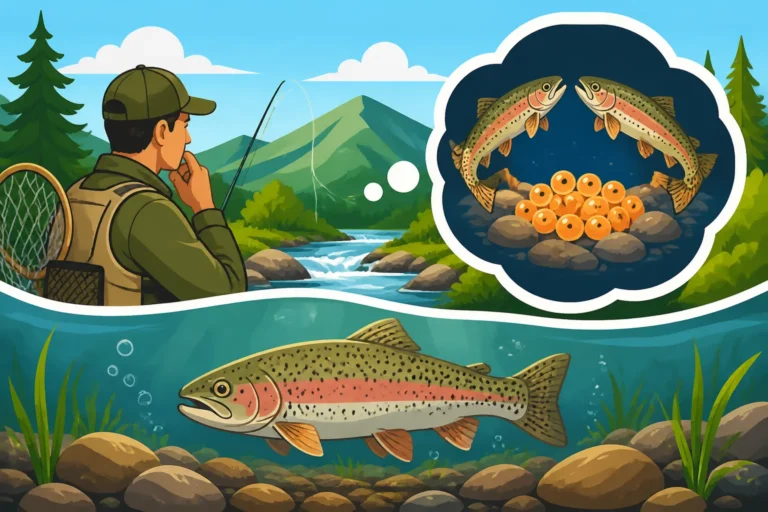
During these spring runs, female smelt lay their sticky eggs on rocks, gravel, and submerged vegetation, where they are then fertilized by the males. This period is not only crucial for the next generation of smelt, but it also makes them particularly vulnerable. They become easy targets for everything from larger fish to birds of prey, and historically, humans have taken advantage of these runs for "smelt dipping" with nets – though strict regulations now govern this practice. After spawning, the adult smelt return to the deeper, cooler waters of the lake, where they will spend the rest of the year growing and continuing their role as a vital forage base. Understanding these seasonal movements can even give anglers clues about where their target species might be feeding.
Positive Impacts of Rainbow Smelt on New Hampshire Fisheries
The presence of a robust rainbow smelt population is undeniably a huge boon for New Hampshire's coldwater fisheries. They are the engine that drives the growth and vitality of many of our most prized game fish. Without them, the fishing experience in our larger lakes would be dramatically different.
Fueling Trophy Fish Growth
Let's be honest, most of us dream of hooking a true trophy fish – that monster lake trout or powerful landlocked salmon that tests our gear and our resolve. A huge part of what allows these fish to reach such impressive sizes is the consistent availability of high-quality forage, and for many New Hampshire lakes, that forage is rainbow smelt. Smelt are packed with the necessary fats and proteins that larger predators need to grow quickly and maintain their health. When smelt populations are thriving, the lake trout and salmon have an abundant, readily available food source, allowing them to pack on pounds and reach those "photo op" dimensions.
For instance, lakes like Winnipesaukee, Sunapee, and Newfound Lake, renowned for their exceptional trout and salmon fisheries, almost invariably boast strong smelt populations. If you're wondering how to catch Lake Trout Fishing in New Hampshire or want to understand Landlocked Salmon Fishing in New Hampshire, knowing where the smelt are is often the first step. Anglers will often mimic smelt with their lures and baits because they know it's what the big fish are looking for. The condition factor – a measure of how "fat" a fish is for its length – for these predators is directly tied to the health of the smelt stocks. Without this critical link in the food chain, our trophy fisheries simply wouldn't be what they are today.
Supporting Diverse Predator Populations
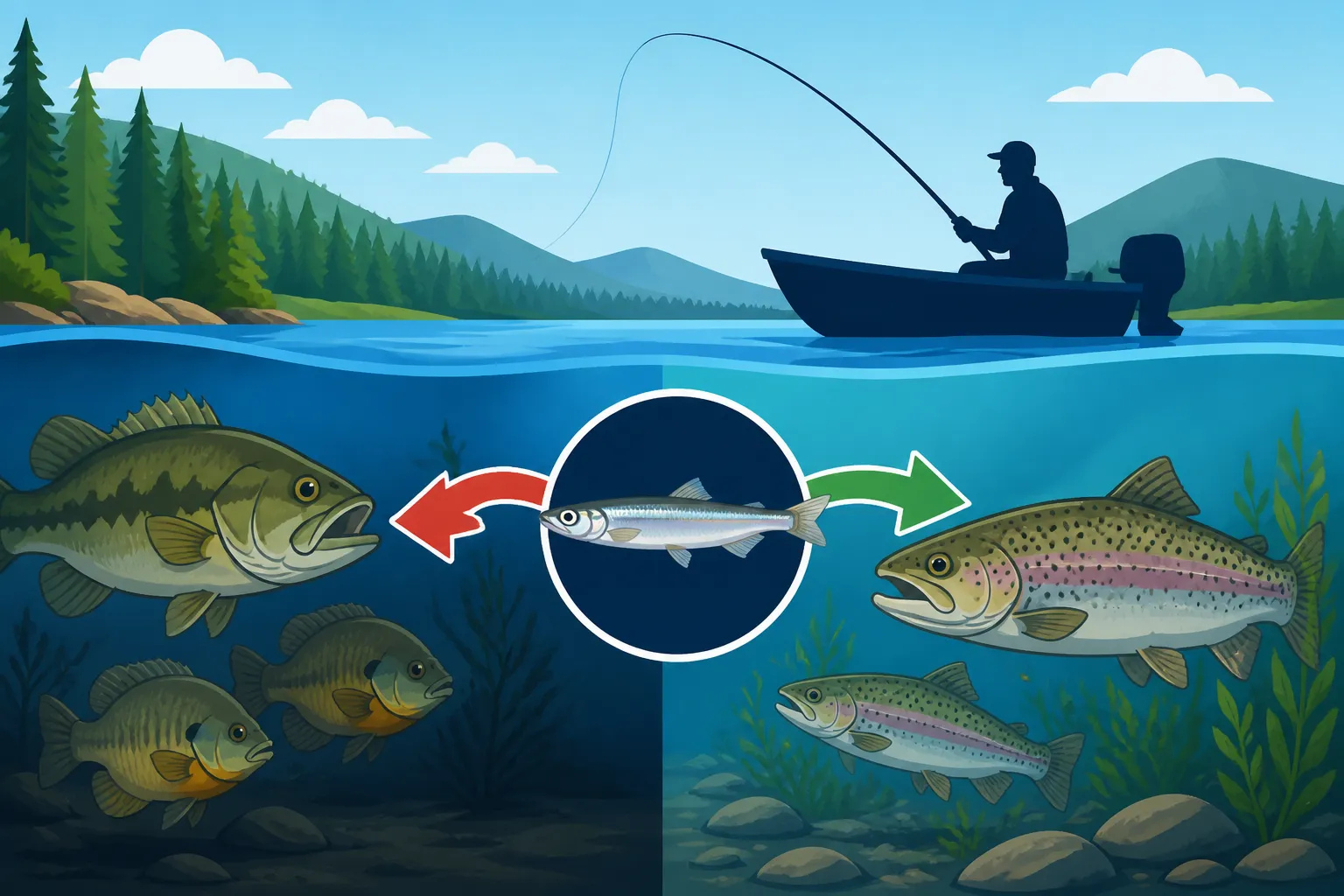
While lake trout and landlocked salmon might be the most obvious beneficiaries of healthy smelt populations, their impact extends much further, supporting a more diverse array of predatory fish within our lakes. Other species, even those typically associated with warmer waters, will readily take advantage of a smelt buffet when available. Larger smallmouth bass, for example, especially those in deep, clear lakes, aren't above preying on schools of smelt. Chain pickerel, known for their opportunistic feeding habits, will also consume smelt when they can ambush them.
This broad appeal helps create a more balanced and resilient ecosystem. When multiple predator species rely on the same abundant food source, it can lead to healthier, more vigorous fish across the board. It’s not just about supporting the glamour species; it's about the overall ecological health. A robust smelt population suggests a productive aquatic environment, which in turn supports the entire food web, from the tiny zooplankton they eat to the apex predators. This interconnectedness is a key factor in why some of our Best Fishing Lakes in New Hampshire are so productive, offering excellent fishing for a variety of species.
Potential Negative Impacts and Challenges Posed by Smelt
While we've highlighted the crucial positive role of rainbow smelt, it's also important to acknowledge that in the complex world of lake ecosystems, nothing is ever entirely black and white. There are situations where rainbow smelt, particularly if their populations become overly dominant or introduce new factors, can pose challenges to other species and the overall fishery.
Competition with Other Forage Fish
One of the more nuanced challenges with a thriving rainbow smelt population is the potential for competition with other native forage fish. In some ecosystems, smelt can become so dominant that they outcompete other smaller species like various minnows or even the juvenile stages of certain game fish for food resources, primarily zooplankton. This competition can sometimes lead to a reduction in the diversity or abundance of other native baitfish that might be important for different predatory species or for the overall stability of the food web.
Consider a scenario where a lake has historically supported a mixed bag of forage species. If smelt become exceptionally abundant, they might consume a disproportionate share of the available food, leaving less for other small fish. This could potentially impact the diet of certain trout species, for example, if their preferred alternative food sources decline. While rainbow smelt are generally beneficial for Trout Fishing in New Hampshire, an imbalance in the forage base can lead to subtle shifts in the overall health and population dynamics of a lake.
Disease Transmission and Habitat Alteration
Another concern, though less common, revolves around the potential for disease transmission and even subtle habitat alteration. Any dense population of fish, including smelt, can theoretically act as a vector for diseases. While there's no widespread endemic issue specific to smelt in New Hampshire, it's a general ecological consideration that high densities of any species can sometimes facilitate the spread of pathogens.
Beyond disease, there's the question of habitat. During their spawning runs, very large numbers of smelt congregating in small streams or shallow areas can have a localized impact. Their presence and activity could potentially disrupt the spawning beds of other species if those habitats overlap. While these effects are generally localized and often minor in New Hampshire's vast and diverse waters, they are factors that fisheries biologists consider when monitoring the health of an entire lake ecosystem. The delicate balance of nature means every species, no matter how small, plays multiple roles, and an overabundance in one area can sometimes lead to unforeseen consequences elsewhere.
Managing Smelt Populations for a Healthy Fishery
Given their foundational role, managing rainbow smelt populations isn't just about the smelt themselves; it's about managing the entire fishery that depends on them. This involves careful monitoring, scientific assessment, and a collaborative effort between state agencies and knowledgeable anglers.
The Role of New Hampshire Fish and Game
The New Hampshire Fish and Game Department plays a critical role in overseeing the health of our state's aquatic ecosystems, and that absolutely includes monitoring rainbow smelt. Biologists conduct regular surveys, sometimes using specialized netting techniques or acoustic surveys, to estimate smelt population sizes and health. They look for trends in abundance, age structure, and overall condition to assess if the smelt population is robust enough to support the predators that rely on it, or if there are signs of decline or overpopulation.
These assessments directly inform management decisions related to New Hampshire Trout Stocking and Fishing Rules and New Hampshire Bag and Possession Limits by Species. For instance, if smelt populations are low in a particular lake, the stocking rates or size limits for landlocked salmon or lake trout might be adjusted to prevent over-predation. Conversely, if smelt are abundant, it might indicate a strong year for growth in those game fish. The Department also publishes vital information in resources like the Reading the New Hampshire Freshwater Fishing Digest, which often contains data or implications related to forage fish. They're constantly trying to maintain that delicate balance that keeps our lakes thriving.
Angler Practices and Conservation
As anglers, we also have a role to play in the conservation of rainbow smelt and the fisheries they support. First and foremost, adhering to all New Hampshire Fishing Regulations Explained is paramount. While direct smelt dipping is regulated, many indirect actions can impact them. Understanding catch and release practices, especially for juvenile game fish that might compete with smelt for food, is part of responsible angling.
Beyond regulations, being observant on the water can provide valuable insights. Noticing large smelt schools, or conversely, a lack thereof, can be helpful information for fisheries managers. Many anglers also rely on gear designed to target specific species, helping to reduce incidental catches. For example, if you're targeting bass, you might use specific lures you found on Amazon that imitate different baitfish, rather than those designed for deep-water smelt. Supporting conservation efforts, reporting unusual observations, and practicing ethical angling are all ways we contribute to the long-term health of our lakes and the vital smelt populations within them.
Regional Variations and Specific Lake Dynamics
It’s important to remember that New Hampshire's lakes are incredibly diverse, and the specific impact and behavior of rainbow smelt can vary significantly from one water body to another. What holds true for a massive glacial lake might be entirely different for a smaller, shallower pond.
Smelt Dynamics in Large Lakes
In large, deep lakes like Lake Winnipesaukee, Lake Sunapee, or Newfound Lake, rainbow smelt thrive because these environments provide the ideal conditions: vast expanses of cold, oxygen-rich water. In these deep basins, smelt can find refuge from predators and ample zooplankton to feed on. Their populations in these waters tend to be more stable and robust, acting as a consistent, abundant food source for the iconic coldwater predators. The sheer size of these lakes means that changes in smelt populations usually occur gradually, making them reliable forage bases.
For anglers fishing Lake Winnipesaukee Fishing Guide, understanding the smelt's movements is key. In the warmer months, smelt retreat to deeper, cooler water, and that's often where the lake trout and salmon follow. During winter, smelt are still active, leading to excellent opportunities for Best Ice Fishing Lakes in New Hampshire where anglers target the fish that are feeding on them. The scale of these large lake ecosystems means that smelt form the very foundation of their food webs, influencing everything from the health of the game fish to the success of an angling season.
Smelt in Smaller Water Bodies
The story of rainbow smelt can be quite different in smaller water bodies, particularly those that are shallower or have less consistent coldwater habitat. While some smaller lakes might have healthy smelt populations, they can be more susceptible to environmental changes or intense predation. In these more confined areas, smelt populations can sometimes be more volatile, experiencing more pronounced boom-and-bust cycles. A harsh winter, a prolonged heatwave, or increased pressure from predators can have a more immediate and noticeable impact on their numbers.
In some of our Best Trout Ponds in New Hampshire where trout are regularly stocked, smelt might not be the primary forage or may only exist in smaller, less significant numbers. The ecological balance is often simpler, with trout relying more on insects, smaller native minnows, or even the food they were raised on before stocking. However, in smaller lakes that do sustain smelt, an imbalance in their population can have a more direct and sometimes dramatic effect on the local game fish. This is why fisheries management is often hyper-local, with different strategies tailored to the unique characteristics of each individual lake and its fish populations.
How Smelt Are Harvested in New Hampshire
While the primary focus of smelt's impact is their role as forage, it's worth noting that rainbow smelt are also a target species for some anglers in New Hampshire. Historically, and to some extent still today, people have participated in smelt dipping and fishing for them directly, often for bait or consumption.
Traditional Smelt Dipping
Smelt dipping is a long-standing tradition in New Hampshire, particularly during the spring spawning runs when the fish move into shallow tributaries. In the past, this was a much more widespread activity, with people gathering along streams to scoop up vast numbers of smelt using dip nets. This activity provides a unique connection to nature and a chance to gather food, but it also highlights the vulnerability of smelt during this critical reproductive period.
Today, smelt dipping is strictly regulated by the New Hampshire Fish and Game Department to ensure sustainable practices. Rules govern everything from the types of nets allowed to daily limits and specific seasons and locations where dipping is permitted. Anglers interested in participating must check the current New Hampshire Fishing Season Dates and Closures and specific regulations in the fishing digest. It's an opportunity to engage with the fishery in a different way, but always with an eye toward preserving the resource for future generations and for the predator fish that rely on them. For those needing specific gear for this, a quick search on Amazon might yield appropriate dip nets or buckets, but always ensure they comply with local regulations.
Smelt Fishing for Bait and Table
Beyond dipping, some anglers actively fish for smelt throughout the year, often using very light tackle, tiny jigs, or specialized rigs. Smelt are excellent baitfish for larger predators when fished live or as cut bait, and some anglers prefer to catch their own fresh bait, believing it gives them an edge. This practice is particularly common for targeting large lake trout or landlocked salmon.
Furthermore, rainbow smelt are considered a delicacy by many, especially when pan-fried fresh from the cold New Hampshire waters. Their delicate flavor makes them a prized catch for personal consumption. Whether you're catching them for bait or for the dinner table, the act of targeting smelt offers a different perspective on their abundance and availability in our lakes. Like all fishing, it requires an understanding of their habits and adherence to limits, which can often be found in the latest Reading the New Hampshire Freshwater Fishing Digest.
| Aspect of Smelt | Positive Impact | Negative Impact (Potential) |
|---|---|---|
| Forage Role | Fuels growth of trophy lake trout and salmon; supports diverse predator populations. | Can outcompete other native baitfish for food resources. |
| Life Cycle | Spawning runs provide accessible food source for birds/animals. | Vulnerable during spawning runs, requiring careful management; dense schools could facilitate disease spread. |
| Abundance | Contributes to robust, healthy game fish populations. | Overabundance might lead to localized competition or stress on other species. |
| Angler Use | Provides opportunities for direct harvest (dipping/fishing) for bait or consumption. | Requires strict regulation to prevent overharvest during vulnerable periods. |
Understanding how rainbow smelt affect New Hampshire lake fisheries is truly foundational to appreciating the vibrant aquatic ecosystems that make our state a fishing paradise. From fueling the growth of our trophy lake trout and landlocked salmon to playing a vital, if sometimes complex, role in the overall health of the food web, these small fish are immensely significant. As anglers and stewards of these waters, recognizing their importance helps us all contribute to a sustainable and thriving future for New Hampshire fishing.
Disclaimer
This article is for general informational purposes only and does not constitute professional advice. Laws, prices and regulations vary by location and change over time. Consult a qualified professional for guidance on your specific situation.