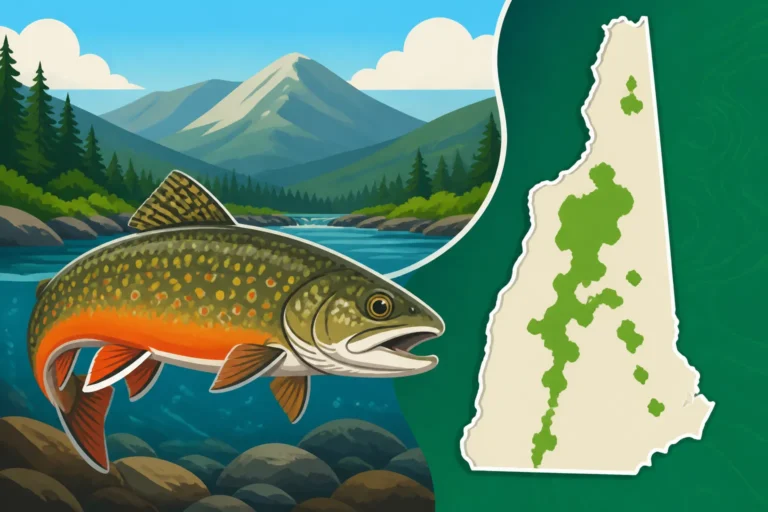
What a holdover trout is
It can be incredibly exciting to think about hitting New Hampshire's beautiful waters for some trout fishing, but sometimes the lingo can get a bit confusing. You hear seasoned anglers talk about "holdovers" and you might wonder, "What exactly is a holdover trout?" This comprehensive guide will demystify this term, explain what sets these fish apart, where you might find them in the Granite State, and how you can increase your chances of catching one.
Understanding the Elusive Holdover Trout
When you're out on a New Hampshire lake or stream, you're likely to encounter trout that fall into a few categories: freshly stocked, truly wild, and then there are the fascinating "holdovers." These fish are a special breed, representing resilience and adaptability in the angling world, and understanding them is key to becoming a more effective angler.
Defining a Holdover: Survival of the Fittest
At its heart, a holdover trout is simply a fish that was stocked by the New Hampshire Fish and Game Department but managed to survive beyond the initial "put-and-take" period. Most trout stocked into New Hampshire waters are intended to provide immediate fishing opportunities and are typically caught within weeks or months. But some, whether through luck, smarts, or simply finding a prime piece of habitat, elude anglers and predators and continue to live in the water body. These are your holdovers.
They've adapted to their environment, learned to forage for natural food sources, and developed a keen sense of self-preservation that their newly released brethren often lack. Think of them as the graduates of "Trout Survival School." They've faced cold winters, warm summers, and countless lures, flies, and baits, yet they're still there. This prolonged survival imbues them with characteristics that make them highly sought after by anglers looking for a more challenging and rewarding experience. They're often bigger, stronger, and much warier than their fresh-off-the-truck counterparts.
Why Holdovers Are Different from Freshly Stocked Fish
The difference between a freshly stocked trout and a holdover is often stark, like comparing a domesticated pet to a wild animal. Newly stocked fish often come from hatcheries, where they've been accustomed to a steady diet of pellets and a relatively safe, confined environment. When they're released into a lake or river, they can be disoriented, less wary of predators (including human anglers), and often have noticeable fin damage from their time in crowded tanks. They're primarily focused on finding food, and their instinct for survival in a wild setting is still developing.
Holdovers, on the other hand, have seen it all. They've learned to recognize danger, hide from ospreys and eagles, and discern natural insects and baitfish from brightly colored artificial offerings. Their fins, which might have been tattered when first stocked, often heal and become fully formed, giving them a more natural appearance. They grow by feasting on the natural abundance of their new home, developing richer colors and firmer flesh. While both are technically "stocked" fish at one point, the holdover has undergone a profound transformation, becoming a much more formidable and intelligent quarry. For more insights into how these fish fit into the larger picture, check out New Hampshire Trout Stocking and Fishing Rules.
How to Identify a Holdover Trout in New Hampshire
Spotting a holdover trout isn't always easy, and sometimes it's more of an educated guess based on a combination of visual cues and behavior. However, knowing what to look for can definitely improve your confidence in identifying these special fish. It's a bit like being a detective on the water, observing the subtle differences that tell a bigger story.
Physical Characteristics and Visual Clues
The most telling sign of a holdover trout is often its appearance. Freshly stocked fish, especially those released straight from hatchery trucks, frequently exhibit what's known as "fin erosion." This means their fins, particularly the dorsal and caudal (tail) fins, can appear worn, frayed, or even partially missing due to rubbing against other fish or tank surfaces in the hatchery. A holdover, having spent months or even years in a natural environment, will typically have fully healed, perfectly formed fins. Their tail fins will be square or slightly forked, and their dorsal fins will be erect and complete. This is a crucial indicator that the fish has adapted and thrived in the wild.
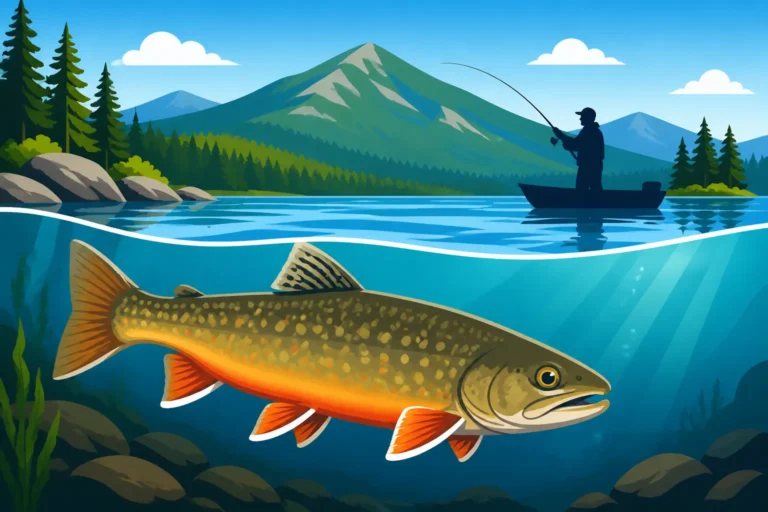
Beyond fin condition, look at the fish's overall body shape and coloration. Hatchery trout often have a somewhat uniform, paler color due to their pellet diet. Holdovers, however, tend to develop much more vibrant, natural hues, reflecting the specific water body they inhabit and the natural food they consume. A brook trout holdover, for instance, might display incredibly vivid red spots with blue halos and a deep orange belly. Their bodies will also be leaner and more muscular, built for navigating currents and evading predators, rather than the often softer, more "football-shaped" bodies of recently stocked fish. For a deeper dive into distinguishing different trout, refer to Difference between wild and stocked trout in New Hampshire.
Behavioral Patterns that Give Them Away
Beyond looks, a holdover's behavior is often a dead giveaway. Newly stocked trout can be surprisingly easy to catch. They're often less wary, might school in open water, and can be quite aggressive towards readily available baits or lures simply because they associate them with food. It’s not uncommon to catch multiple stocked fish quickly after a release.
Holdovers are different. They've developed a natural caution and wariness. They'll often hold in deeper, more complex cover – under submerged logs, in rock crevices, or beneath undercut banks – places where they feel safe. They might be spooked by shadows, loud noises, or unnatural presentations of your bait or lure. Their feeding can be more opportunistic and selective, meaning they're not just grabbing anything that passes by. Instead, they're often keying into specific insect hatches or baitfish movements. Catching a holdover often requires more patience, stealth, and a refined technique, making the reward all the sweeter. You might even notice them "porpoising" on the surface during a hatch, an activity rarely seen in newly released fish.
Distinguishing from Truly Wild Trout
This is where it gets a little trickier, especially with brook trout, New Hampshire's native trout. While holdovers have adapted and taken on many wild characteristics, truly wild trout are those born and raised in the stream or lake, having never seen the inside of a hatchery. They are the epitome of natural selection, perfectly suited to their environment.
The main difference often comes down to subtle details in fin structure (even wild fins can sometimes have minor nicks, but rarely the severe erosion of a hatchery fish), overall body proportions, and sometimes even scale patterns. Wild trout typically have perfect, unblemished fins. Their coloration is usually exceptionally vibrant and perfectly camouflaged for their specific water. Their bodies are streamlined and powerful. For example, a wild brook trout from a small, clear mountain stream might be significantly smaller but possess an intensity of color and perfect finnage that makes it unmistakable. The distinction between a holdover and a wild trout can be incredibly nuanced, often requiring a good eye and familiarity with the specific water you're fishing. Learning about Do Trout Reproduce Naturally in New Hampshire Streams? can shed more light on truly wild populations.
Comparison of Trout Types
| Feature | Freshly Stocked Trout | Holdover Trout | Truly Wild Trout |
|---|---|---|---|
| Fin Condition | Often frayed, eroded, or damaged | Generally fully healed, intact fins | Perfect, unblemished fins |
| Body Shape | Often plump, softer, sometimes "football-shaped" | Leaner, more muscular, streamlined | Highly streamlined, adapted to environment |
| Coloration | Paler, less vibrant, uniform | Vibrant, natural hues, often darker | Exceptionally vibrant, camouflaged |
| Waryness | Low, easily caught | High, cautious, selective | Very high, incredibly elusive |
| Diet | Hatchery pellets, then opportunistic | Natural insects, baitfish, crustaceans | Entirely natural diet, highly selective |
| Growth Rate | Rapid initially, then slower if surviving | Sustained natural growth | Slower, natural growth influenced by environment |
| Survival Rate | Low post-stocking | Medium to high (post-initial survival) | High, naturally sustained population |
Where to Seek Out New Hampshire's Holdover Trout
Finding holdover trout isn't about blindly casting into any water. It requires a bit of detective work and an understanding of the conditions that allow these fish to thrive beyond the stocking truck. Not all stocked waters are created equal when it comes to supporting a holdover population.
Lakes and Ponds with Sustained Holdover Populations
The best lakes and ponds for holdovers are typically those with good depth, plenty of cold, well-oxygenated water, and abundant natural food sources. These conditions allow trout to survive the warmer summer months and find refuge from predators. Waters that have a strong population of baitfish like smelt, or a healthy insect population, provide the sustenance holdovers need to grow large and healthy. Larger lakes like Lake Winnipesaukee, Newfound Lake, or Lake Sunapee, while known for their salmon and lake trout, also have areas where stocked rainbows or browns can hold over. Even smaller, deeper ponds can be excellent holdover spots if they maintain cold water throughout the year.
Look for areas with submerged structure – rock piles, drop-offs, weed lines (especially those near deep water), and sunken timber. These provide cover from predators and ambush points for feeding. Points and islands with adjacent deep water can also be productive. These are the places where a holdover trout, having learned the ways of the wild, will establish its territory. Check out Best Trout Ponds in New Hampshire for ideas on where to start looking.
Rivers and Streams Offering Prime Holdover Habitat
Rivers and streams present a different challenge and opportunity for holdovers. The key here is consistent flow, cold water temperatures, and plenty of varied habitat. Rivers with deep pools, strong currents, undercut banks, and large rocks or boulders are ideal. These features provide protection from both terrestrial and avian predators, as well as sanctuary from fluctuating water levels and temperatures.
The larger river systems in New Hampshire, particularly the upper stretches of rivers like the Connecticut River tributaries or the Swift River, can hold impressive numbers of holdover brown and rainbow trout. These fish thrive in the complexity of riverine environments, often growing quite large by feeding on aquatic insects, crustaceans, and smaller fish. Look for seams where faster current meets slower water, behind large boulders, or in the deep troughs of runs. Fly anglers, in particular, often target these more challenging river holdovers. To learn more about specific river locations, explore Best Fly Fishing Rivers in New Hampshire. It's crucial to remember that some river sections might also be designated as New Hampshire Catch and Release Fly Fishing Only Waters, where holdover populations are intentionally managed for quality angling.
Angling Strategies for Holdover Trout
Catching holdover trout demands a shift in strategy compared to targeting freshly stocked fish. They're wiser, pickier, and often require a more subtle and patient approach. You can't just throw out a bright power bait and expect instant success; these fish have seen it all before.
Adapting Your Approach: Lures, Baits, and Flies
For holdovers, presentations that mimic natural food sources are often the most effective. Forget the neon-colored hatchery pellets; these fish are eating insects, small baitfish, and crustaceans.
- Lures: Small, natural-colored spoons, spinners, and jerkbaits that imitate common baitfish like smelt or minnows can be deadly. Think subtle silver, gold, olive, or brown patterns. Work them slowly and erratically, mimicking an injured baitfish. Some anglers find success with suspending jerkbaits paused for extended periods, especially in colder water. Brands like Rapala or Phoebe can be found on Amazon.
- Baits: If you're using bait, live shiners, nightcrawlers, or even small chunks of cut bait can be effective. Present them as naturally as possible, with minimal weight, allowing them to drift freely in currents or suspend over structure. Holdovers are often hesitant to chase, so a slow, deliberate presentation is key.
- Flies: Fly fishing truly shines for holdovers. Matching the hatch with dry flies, nymphing with imitations of aquatic insects like Caddis, Mayflies, or Stoneflies, and stripping streamers that mimic baitfish are all highly effective. For rivers, focus on patterns that dive deep into pools and runs. Understanding the insect life cycle of your target water will greatly improve your success. For specific tactics, consider articles like Spring Trout Fishing Techniques for New Hampshire Ponds.
Gear Recommendations for Success
When targeting holdovers, precision and stealth are paramount, which means your gear choices become more important.
- Rods: Opt for lighter action spinning rods (light to medium-light) around 6 to 7 feet for good casting distance and sensitivity. For fly fishing, a 4 to 6-weight fly rod will handle most holdover trout in New Hampshire's waters.
- Line: Spool your reels with lighter line – 4 to 6-pound test monofilament or fluorocarbon for spinning gear, or appropriate weight-forward fly lines for fly rods. A fluorocarbon leader is a must, as its low visibility in clear water can make a huge difference with wary fish. You can find a good selection of quality fluorocarbon leaders on Amazon.
- Terminal Tackle: Keep your swivels and snaps as small and inconspicuous as possible. Use sharp, fine-wire hooks that are appropriate for your bait or lure size. Holdovers have tougher mouths and are better fighters than freshly stocked fish, so strong, sharp hooks are essential.
- Other Gear: Consider using polarized sunglasses to spot fish and structure, and a good landing net to safely handle and release these valuable fish, especially if you plan to practice catch and release. For a comprehensive list of equipment, check out Best Gear for New Hampshire Trout Fishing. Remember, practicing responsible Landlocked salmon catch and release survival tips applies to all trout and helps these holdovers continue to grow.
Conservation and Management
Holdover trout are a testament to the quality of New Hampshire's waters and the effectiveness of management strategies. They represent a more naturalized fishery experience, offering a different kind of challenge and reward. The presence of holdovers indicates that the water body has the necessary ecological components to support trout long-term, even if they aren't reproducing naturally. This is why it's so important to adhere to New Hampshire Fishing Regulations Explained, including bag limits and season dates, to ensure these fish continue to thrive. Respecting these regulations helps maintain the balance and provides opportunities for all anglers to enjoy the unique experience of catching a hard-earned holdover trout.
Disclaimer
This article is for general informational purposes only and does not constitute professional advice. Laws, prices and regulations vary by location and change over time. Consult a qualified professional for guidance on your specific situation.