Life span of a lake trout in New Hampshire lakes
When you're out on the deep, clear waters of a New Hampshire lake, battling a powerful lake trout, you might wonder just how old that magnificent fish is. It's a question many anglers ponder, especially when they land a truly impressive specimen. Understanding the lifespan of these freshwater giants is more than just curiosity; it helps us appreciate their resilience, the health of our lakes, and the impact of our own fishing practices. This guide will dive deep into the factors that determine how long lake trout live in New Hampshire's pristine waters, from environmental conditions to human interactions, and help you recognize the signs of a truly ancient laker.
The Natural Longevity of Lake Trout
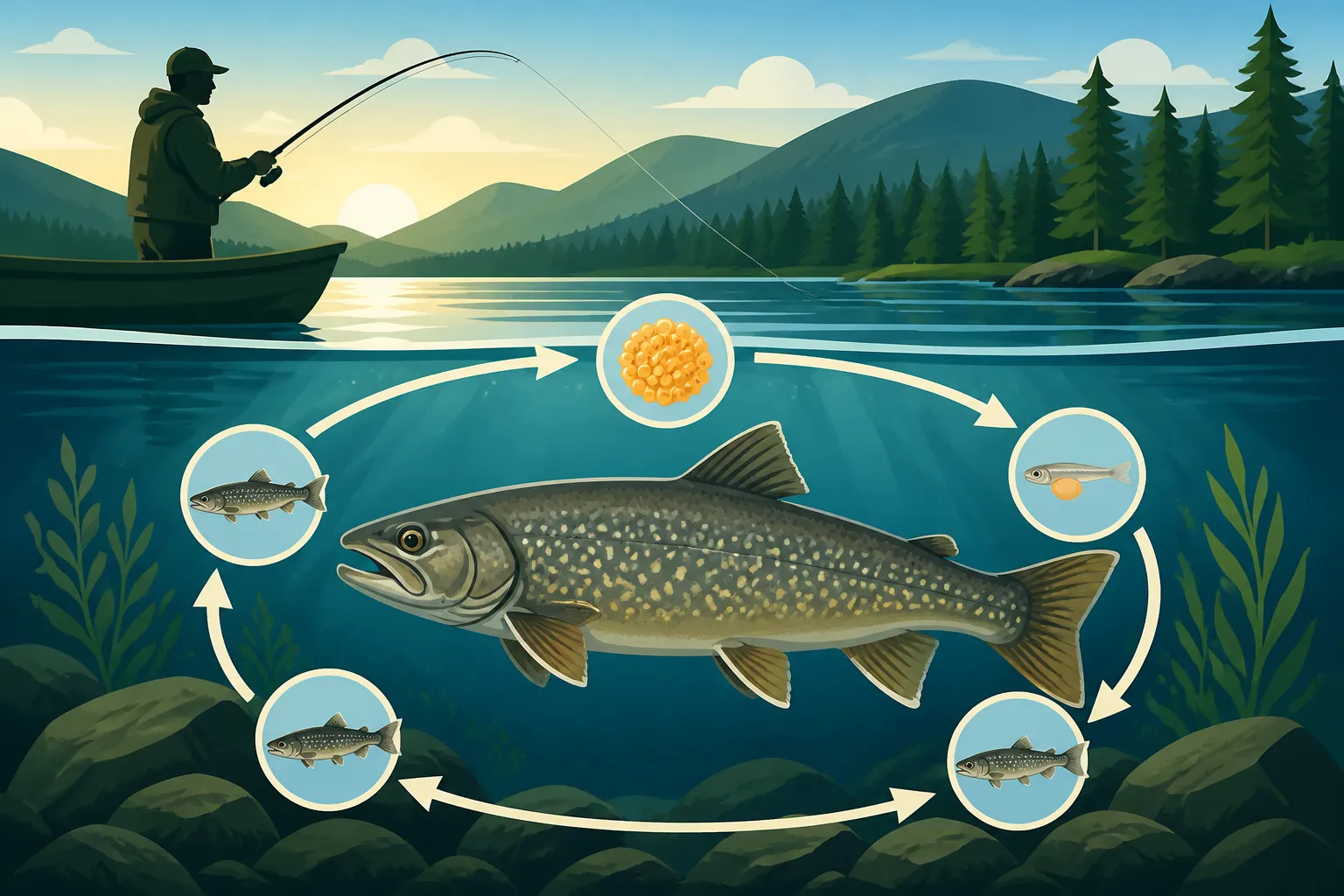
Lake trout ( Salvelinus namaycush ) are known for their impressive size and the relatively long lives they can lead, especially in the cold, deep, and nutrient-rich environments they prefer. Unlike many other trout and salmon species, lake trout mature slowly and can continue to grow for many years. In ideal conditions, these fish can truly become patriarchs of the deep, outliving many of the anglers who pursue them. It's not uncommon for anglers to hear tales of lake trout living for decades, becoming legends in their own right, and the science largely backs up these anecdotes.
What Influences a Lake Trout's Lifespan?
The lifespan of a lake trout isn't a fixed number; it's a dynamic range influenced by a cocktail of factors. Think of it like a human lifespan: genetics play a role, but so does diet, lifestyle, and environment. For lake trout, the primary drivers are the water body's specific characteristics, the availability of food, and, unfortunately, fishing pressure. A deep, cold, oligotrophic lake with an abundant forage base and limited angling will generally produce older, larger fish. Conversely, shallower, warmer lakes with less food or high fishing pressure will see shorter lifespans. It's a delicate balance, and any shift can impact these fish profoundly.
For instance, a lake like Winnipesaukee, with its vast depths and varied structure, offers plenty of prime habitat for lake trout to grow old. In contrast, smaller, less deep lakes might not provide the consistent cold-water refuge these fish need throughout the year, especially during warmer months. The specific characteristics of each lake create a unique "life story" for the trout within it. You can explore more about these magnificent fish in our comprehensive guide to Lake Trout Fishing in New Hampshire.
Growth Rates and Age Indicators
Lake trout are slow growers, especially in their early years. They don't have the rapid growth spurts you might see in some other fish species. This slow and steady growth contributes to their longevity. Scientists often determine a lake trout's age by examining its otoliths (ear bones) or scales, which show annual growth rings much like tree rings. Each ring represents a year of life, with wider rings indicating periods of good growth (plenty of food, favorable conditions) and narrower rings signifying tougher times.
While size isn't always a perfect indicator of age – a 20-pound lake trout in one lake might be 15 years old, while in another, it could be 25 years old due to different growth rates – there's a general correlation. The truly massive lake trout, those pushing the upper limits of state records, are almost certainly very old fish, having navigated countless seasons and dodged many hooks. Understanding these growth patterns helps wildlife managers make informed decisions about stocking and harvest limits, ensuring that these incredible fish have the opportunity to reach their full potential.
Environmental Factors Affecting Longevity
New Hampshire's diverse landscape offers a range of habitats for lake trout, but not all are created equal when it comes to supporting a long, healthy life for these cold-water specialists. The environment dictates everything from food availability to thermal refuge, both critical for sustained growth and survival. Without the right conditions, even the most robust lake trout stock will struggle to achieve its potential lifespan.
Habitat Quality and Deep-Water Sanctuaries
Lake trout absolutely depend on cold, oxygen-rich water. This is why you'll almost exclusively find them in New Hampshire's deeper, colder lakes. These depths provide a crucial sanctuary, especially during the warmer summer months when surface waters can become dangerously warm for them. Lakes with extensive deep-water zones that maintain stable temperatures and high oxygen levels year-round are vital for long-lived lake trout. Think of lakes like Winnipesaukee, Sunapee, or Newfound Lake – they have the necessary "real estate" for lake trout to thrive and find refuge.
Conversely, lakes that stratify poorly, or have limited deep, cold water habitat, will stress lake trout, potentially shortening their lives. When water temperatures climb, lake trout must retreat to cooler depths, and if those depths are also low in oxygen (a common problem in some lakes), it creates an environmental squeeze that can be detrimental. Protecting these deep-water habitats from pollution and maintaining water quality is paramount to supporting robust and long-lived lake trout populations. You might be interested in knowing more about how deep these fish go in summer in How deep lake trout go in summer.
Forage Base and Diet Impact
What a lake trout eats directly impacts how fast it grows and, by extension, how long it can live. A plentiful and nutritious forage base is like a healthy diet for humans – it supports robust development and overall health. In many New Hampshire lakes, the primary food source for larger lake trout is smelt, particularly rainbow smelt. These small, schooling fish provide the high-energy, protein-rich diet necessary for lake trout to reach impressive sizes.
If the smelt population declines, perhaps due to overharvest or environmental changes, the lake trout will suffer. They might switch to less efficient food sources, grow slower, and be less resilient to disease or stress, ultimately leading to shorter lifespans. This interconnectedness of species within an ecosystem highlights why a healthy forage base is so critical. A fisherman considering tackle can even find many excellent resources on Amazon for specific lures that imitate these critical baitfish, helping to tempt even the most discerning lake trout. Learning about What lake trout eat in New Hampshire lakes can provide more insights into their dietary needs.
Water Temperature and Oxygen Levels
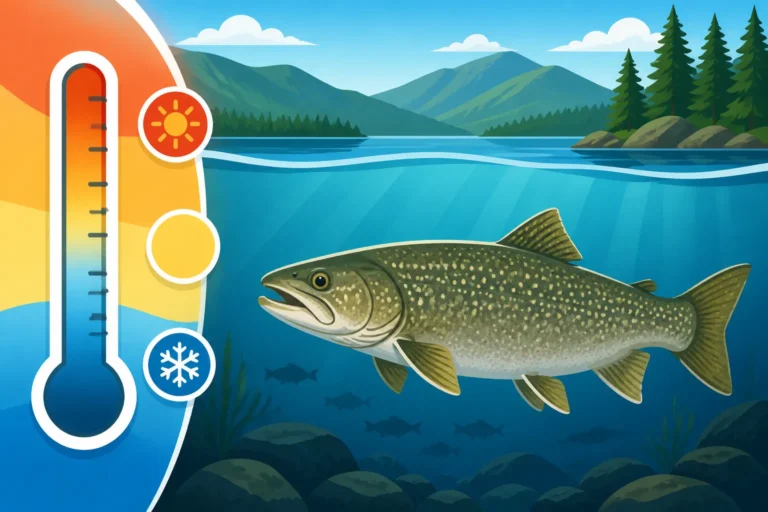
These two factors are the lifeblood for lake trout. Lake trout are stenothermic, meaning they prefer a narrow range of cold temperatures, typically between 45 and 55 degrees Fahrenheit. Anything significantly outside this range causes stress. During the summer, as surface waters warm, lake trout retreat to the deepest, coldest parts of the lake. However, these deep zones must also have sufficient dissolved oxygen.
If a lake experiences eutrophication (excessive nutrient enrichment), decaying organic matter in the deep water can consume oxygen, creating an anoxic (oxygen-depleted) zone. This forces lake trout into a narrower "squeeze" between warm surface water and oxygen-poor deep water, significantly stressing them and making them more susceptible to disease and mortality. Climate change, with its potential for warmer waters and longer stratification periods, poses a long-term threat to the deep, cold, and oxygen-rich habitats that lake trout absolutely need to survive and thrive for decades.
Human Impact on Lake Trout Lifespan
While natural factors play a huge role, let's be real – we, as humans, also have a significant impact on how long lake trout get to live in our New Hampshire lakes. Our actions, from the regulations we abide by to the gear we choose, all contribute to the story of these fish. It’s a responsibility we carry as stewards of these beautiful waterways and the species that call them home.
Fishing Pressure and Harvest Regulations
Unregulated or heavy fishing pressure can dramatically reduce the average age and size of lake trout in a lake. If too many fish are harvested before they reach maturity or have a chance to reproduce multiple times, the population's structure can shift towards younger, smaller fish. This is why agencies like New Hampshire Fish and Game implement strict New Hampshire Lake Trout Limit and Possession Rules, including daily limits, minimum sizes, and specific season dates. These regulations are designed to protect the breeding stock and allow a healthy number of fish to reach older ages.
For example, a lake with a slot limit might allow anglers to keep smaller fish but require releasing larger, older fish that are crucial for spawning. Anglers must be vigilant and ethical, practicing responsible catch-and-release techniques when targeting trophy fish they intend to return to the water. A good quality landing net, available through retailers like Amazon, with knotless, rubberized mesh can greatly reduce harm to a released fish, improving its chances of survival and thus its potential lifespan. It's not just about catching fish; it's about ensuring future generations have the same opportunity.
Stocking Programs and Genetic Diversity
Many New Hampshire lake trout fisheries are supported by stocking programs, where hatchery-raised fish are released into lakes. These programs aim to supplement natural reproduction, especially in lakes where conditions might not be optimal for successful spawning or where fishing pressure is high. While stocking provides immediate fishing opportunities and bolsters populations, it also has potential implications for lifespan.
Hatchery fish are often genetically less diverse than wild populations, and their survival instincts might not be as sharp. They can also have different growth rates or disease resistances compared to their wild counterparts. Over-reliance on stocking without addressing underlying habitat or forage issues can create a "put-and-take" fishery where fish don't live as long as naturally reproducing populations would. Managers work to balance stocking efforts with maintaining the health and genetic integrity of wild lake trout stocks. Learning more about New Hampshire Trout Stocking and Fishing Rules can give you a deeper understanding of these efforts.
Understanding Catch-and-Release Mortality
We all love the thrill of catching a big lake trout, but if we plan to release it, it's critical to do so responsibly. Catch-and-release mortality refers to the percentage of fish that die after being caught and released, even if they swim away seemingly healthy. Factors like how long a fish is fought, how deep it's hooked, water temperature, and handling time all play a role. A fish caught quickly in cold water, handled minimally with wet hands, and released promptly has a much higher chance of surviving and continuing its long life.
Deep-hooked fish, especially those bleeding from the gills, have a much lower survival rate. It's often recommended to cut the line rather than try to remove a deeply embedded hook. When fishing in deep water, barotrauma (pressure changes) can also be an issue for lake trout, causing their swim bladder to expand. Utilizing proper descending devices, many of which can be found on Amazon, can help return fish safely to depth, increasing their chances of survival. Our efforts after the catch are just as important as our efforts to catch the fish in the first place.
Spotting an Older Lake Trout
There's something truly special about landing a lake trout that you know has seen many seasons pass. These venerable fish carry the marks of their long journey, and recognizing them can add another layer of appreciation to your angling experience. It's a connection to the wildness and history of New Hampshire's lakes.
Physical Characteristics of Mature Fish
Older lake trout often develop distinct physical characteristics that differentiate them from their younger counterparts. While younger fish tend to be sleeker and more streamlined, older, mature lake trout can have a more robust, sometimes almost 'hump-backed' appearance, especially around the shoulders. Their heads might appear proportionally smaller relative to their thick bodies, and their jaws can become more prominent, particularly in males during spawning season.
The coloration can also be a clue. While variable by lake, very old lake trout might exhibit deeper, more intense coloring, or conversely, a somewhat faded, mottled look, depending on their specific environment and genetic makeup. Their fins might show signs of wear and tear from years of navigating rocky lake bottoms or rubbing against cover. These aren't just aesthetic differences; they're battle scars and badges of honor from a long life in the depths.
The Trophy Hunt: Age vs. Size
For many anglers, the "trophy hunt" for lake trout is about size. While a giant lake trout is almost certainly an old lake trout, it's important to remember that size isn't the only indicator of age. A 10-pound lake trout from a particularly productive lake might be younger than a 10-pound lake trout from a less fertile or more pressured water body. However, those truly massive fish, the ones that make your heart pound when they hit your lure, are undoubtedly wise old veterans.
Anglers targeting these older, larger fish often employ specific techniques, such as deep-water trolling with heavy gear or jigging large baits. If you're serious about targeting these grand old fish, researching Best Techniques for Deep Water Summer Lake Trout or Best Lures for Lake Trout Trolling can give you an edge. Many anglers take great pride in catching a truly ancient lake trout, recognizing the incredible journey that fish has undertaken. The table below illustrates the general relationship between lake trout size and estimated age in a typical New Hampshire lake, though these numbers can vary.
| Length (inches) | Weight (pounds) | Estimated Age (years) | Notes |
|---|---|---|---|
| 15-20 | 1-3 | 3-6 | Actively growing, often stocked fish |
| 20-25 | 3-6 | 6-10 | Mature, reproducing fish |
| 25-30 | 6-12 | 10-15 | Good size, reaching prime |
| 30-35 | 12-20+ | 15-25+ | Trophy class, very old, experienced fish |
Note: These are general estimates; actual age and growth vary significantly by lake and individual fish.
Remember that chasing these older fish comes with a greater responsibility for careful handling and release, ensuring they can continue their legacy in New Hampshire's lakes. Enjoy your time on the water, respect these ancient dwellers of the deep, and keep learning about the amazing fish we share our waters with. You can find more useful information by checking out our articles on Lake Winnipesaukee Lake Trout Fishing and even How to Catch Lake Trout in New Hampshire for practical tips. For those who enjoy the thrill of ice fishing for these giants, don't forget to read up on New Hampshire Lake Trout Ice Fishing Season Dates to plan your winter adventures.
Disclaimer
This article is for general informational purposes only and does not constitute professional advice. Laws, prices and regulations vary by location and change over time. Consult a qualified professional for guidance on your specific situation.