Difference between wild and stocked trout in New Hampshire
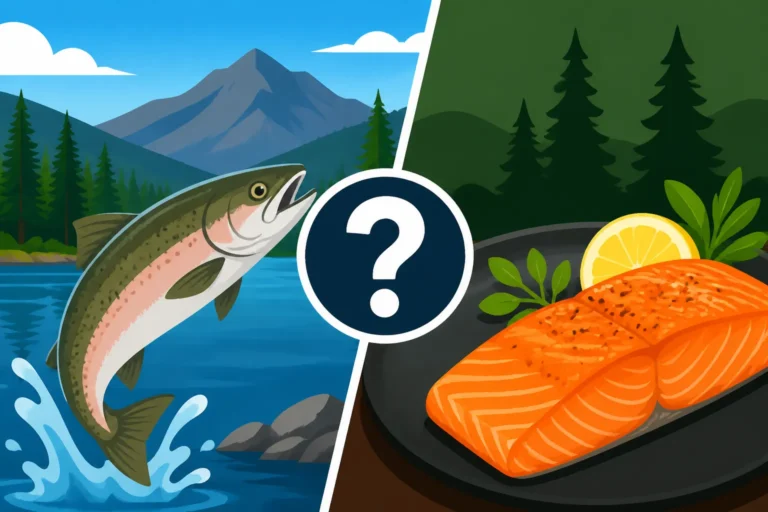
There’s a common moment of confusion many anglers experience in New Hampshire, especially when they're new to a stream or pond: "Is this fish wild, or was it stocked?" It’s a perfectly natural question, and honestly, sometimes even seasoned anglers pause to consider it. The distinction between a wild trout—born and raised in its natural environment—and a stocked trout—bred in a hatchery and released—can seem subtle at first glance, but understanding these differences can profoundly impact your fishing approach and appreciation for our beautiful New Hampshire waters. This guide will help you understand how to tell them apart, what it means for the fish, and how it might change the way you cast your line.
The Tale of Two Trout: Understanding Their Origins
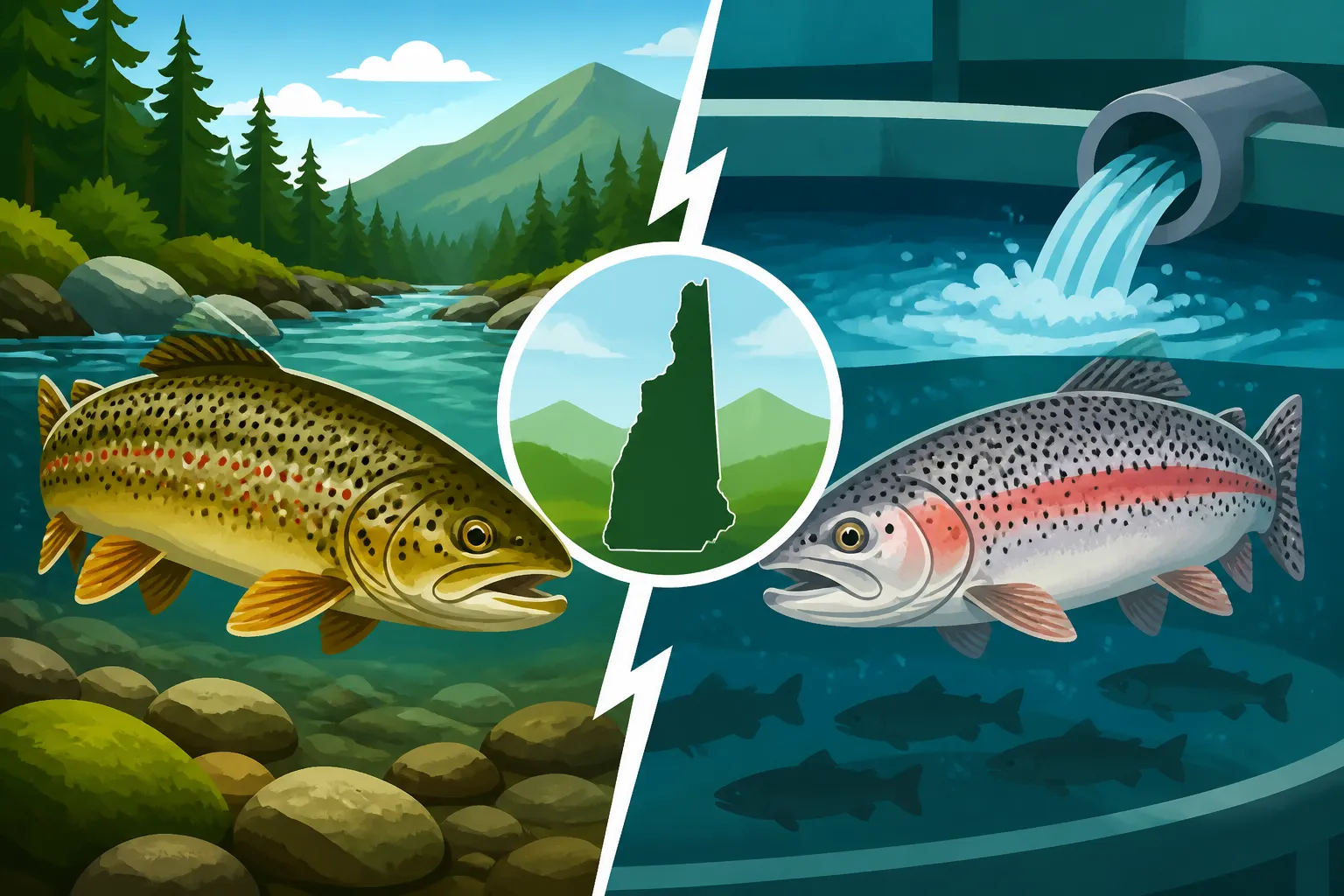
Imagine two siblings, one raised in the bustling city and the other in the quiet countryside. They might share some family traits, but their experiences and habits would be vastly different, wouldn't they? That's a bit like the difference between a stocked trout and a wild trout in New Hampshire. Their fundamental upbringing dictates so much about who they are.
What Defines a Wild Trout?
A wild trout is a true survivor, a fish born from eggs laid naturally in the gravel beds of a stream or lake. Its entire life cycle, from hatching as a tiny alevin to growing into a mature adult, plays out within its native environment. These fish are products of natural selection, honed by generations of adapting to local water conditions, predator pressures, and food sources. Their genetic makeup is a testament to the specific challenges and opportunities presented by their home waters, giving them a unique resilience and vibrancy.
For example, consider a brook trout living deep in a remote stream in the White Mountains. This fish has likely never seen a human, let alone been fed by one. Its fins are pristine, its colors vivid, reflecting the clean, cold, oxygen-rich water and the varied diet of aquatic insects it forages for. It's an integral part of the local ecosystem, a predator and prey, contributing to the stream's delicate balance. Every flicker of its tail, every dart for cover, is an instinct honed over countless generations, passed down through its wild lineage. These are the fish that represent the pure essence of Brook Trout: New Hampshire's Native Trout, embodying the rugged beauty of our state's wilderness. Their very existence is a sign of healthy, thriving aquatic habitats, making their conservation incredibly important.
The Purpose and Process of Stocking
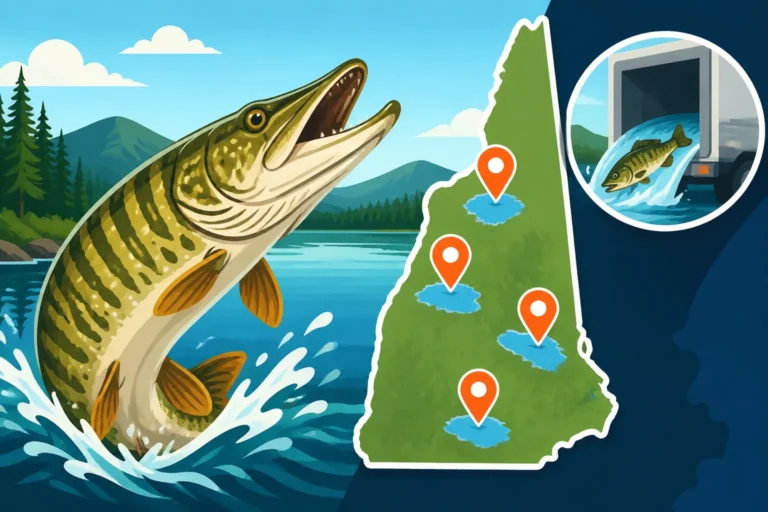
On the flip side, stocked trout begin their lives in a much more controlled environment: a hatchery. The New Hampshire Fish and Game Department, like many state agencies, operates hatcheries across the state to raise various trout species, primarily rainbow and brown trout, but also some brook trout. The primary purpose of stocking is to enhance fishing opportunities for anglers, especially in waters that can't support natural trout reproduction due to habitat limitations, warmer temperatures, or heavy fishing pressure. Think of it as supplying a demand, ensuring that there are plenty of fish for people to catch, particularly during popular seasons like spring.
The process involves raising thousands, sometimes hundreds of thousands, of trout from eggs to a catchable size in concrete raceways and ponds. These fish are fed a commercial diet, protected from predators, and live in a relatively stress-free environment until they are ready for release. When it's time, large trucks carrying specialized tanks full of oxygenated water transport these fish to designated stocking locations—lakes, ponds, and rivers across New Hampshire. You might have seen these trucks yourself, pulling up to a public boat launch or bridge, and watched as eager Fish and Game personnel or volunteers release hundreds of fish into the water. This effort is crucial for maintaining popular fishing spots, making fishing accessible for families, and supporting tourism in many areas. You can always find out more about where these fish are going by checking the New Hampshire Trout Stocking Report and Map.
Spotting the Differences: Physical and Behavioral Cues
So, how do you tell these two apart once they're in the water? It’s not always obvious, especially if a stocked fish has been in the wild for a while, but there are definitely some key indicators. It's like trying to tell a farm-raised chicken from a wild pheasant – one just looks and acts a bit different.
Visual Distinctions: The "Tell-Tale Signs"
The most immediate differences often lie in their physical appearance. Wild trout, constantly navigating currents, evading predators, and foraging for natural food, tend to be lean, muscular, and have perfectly formed fins. Their fins, particularly the dorsal and caudal (tail) fins, will be sharp, undamaged, and well-proportioned. Their coloration is usually more vibrant and camouflaged, reflecting their specific environment. For instance, a wild brook trout from a dark, tannin-stained stream might have deeper greens and reds, while one from a clear, rocky river could be lighter with more defined speckles. Their bodies are typically torpedo-shaped, built for speed and agility.
Stocked trout, on the other hand, often bear the marks of their hatchery upbringing. Because they live in crowded raceways and are constantly bumping into each other and concrete walls, their fins can be noticeably worn down, frayed, or stubby. This is especially true for the pectoral and caudal fins. Their bodies might appear a bit plumper or less streamlined due to a consistent, abundant diet and less need to fight currents. Their colors can sometimes seem duller or less intense, a more uniform silver or olive, as they haven't had to develop the same intricate camouflage patterns as their wild counterparts. If you were to catch a hatchery rainbow trout and a wild brook trout side-by-side, the difference in fin quality and overall "wildness" of appearance would likely be striking. For more details on what these fish look like, you might want to consult a Trout Species Identification Guide for New Hampshire.
Here's a quick comparison:
| Feature | Wild Trout | Stocked Trout |
|---|---|---|
| Fins | Perfect, sharp, undamaged, full | Often frayed, stubby, rounded, or visibly worn |
| Coloration | Vibrant, intense, diverse, camouflaged for habitat | Often duller, more uniform, sometimes paler |
| Body Shape | Lean, muscular, streamlined, torpedo-like | Often plumper, less streamlined, sometimes "blocky" |
| Markings | Distinct, well-defined spots/patterns | Sometimes faded or less distinct markings |
| Snout | Typically pointed, often cleaner | Can be slightly blunter, sometimes scarred |
Behavioral Quirks: How They Act Differently
Beyond looks, how these fish behave once they're hooked or even observed in the water can be a dead giveaway. Wild trout are inherently cautious. They've learned from birth to be wary of shadows, sudden movements, and anything out of the ordinary. They're masters of concealment, darting into pockets of cover at the slightest disturbance. When hooked, they tend to fight with an explosive, determined power, using the current and their natural agility to their advantage, often making multiple runs and leaps. Their feeding habits are also more refined; they're selective eaters, keying into specific insect hatches or natural forage.
Imagine stalking a small, clear stream in the early morning for Brook Trout: New Hampshire's Native Trout. You cast your fly with utmost stealth, ensuring no shadow falls over the water. A wild brook trout, tucked under an undercut bank, might hesitantly rise to inspect your offering, but if it detects anything amiss, it'll vanish in a flash.
Stocked trout, by contrast, can sometimes be less discerning and more accustomed to an easy meal. Having been fed pellets in a hatchery, they might be more aggressive towards a wide variety of baits and lures, sometimes even appearing naive. When you approach a stocked pond, you might see them swimming more openly, less concerned with overhead threats. Their fight, while still exciting, can sometimes feel less sustained or strategic than a wild fish, often a more brute force struggle rather than a finessed escape attempt. They might make a few strong initial runs but tire more quickly, especially if they haven't been in the wild long. This isn't to say they don't provide a fun fight—they absolutely do!—but it’s often a different kind of battle than with a wily wild fish.
The Impact on Fishing: What Anglers Need to Know
Understanding the difference between wild and stocked trout isn't just an academic exercise; it has real, practical implications for how you approach your fishing. Knowing what you're likely to encounter can help you choose the right gear, location, and technique, maximizing your enjoyment and success on the water.
Fishing for Wild Trout: The Challenge and Reward
Fishing for wild trout, especially in smaller streams and remote ponds, is often described as a more challenging but incredibly rewarding experience. These fish demand a higher level of stealth, skill, and patience. You're not just trying to catch a fish; you're trying to outsmart a creature perfectly adapted to its wild environment. This often means using lighter tackle, delicate presentations, and "matching the hatch" with fly patterns that mimic the natural insects available. For example, if you're Fly Fishing for Trout in New Hampshire on a pristine river, you might spend more time observing the water for insect activity before even making a cast.
Success often isn't measured in the number of fish caught, but in the quality of the experience, the beauty of the surroundings, and the satisfaction of fooling a truly wild creature. Anglers often practice catch and release with wild trout to help preserve these precious populations and the health of their ecosystems. It's about respecting the resource and understanding that these fish are crucial to the natural balance. You'll often find yourself bushwhacking to secluded spots or wading carefully through rocky terrain, which means having the right Best Gear for New Hampshire Trout Fishing, including good waders and boots, is essential. When you finally land a brilliantly colored wild brook trout, its fins perfect, its fight spirited, there's a profound sense of connection to nature that’s hard to replicate.
Fishing for Stocked Trout: Accessibility and Opportunity
Fishing for stocked trout is often much more accessible and provides fantastic opportunities for anglers of all skill levels, especially beginners and families. These fish are released into easily reachable lakes and ponds, often near population centers, making a quick fishing trip a real possibility. Because they are often less wary and accustomed to a pelleted diet, they can be caught using a wider range of techniques and baits, from worms and PowerBait to spinners and spoons. You don't always need specialized gear; a simple spinning rod and reel combo will often do the trick. If you're looking for an affordable and effective setup, you can often find great beginner combos on online retailers like Amazon.
Think of a bustling Saturday morning at a popular stocked pond. Kids are excitedly reeling in rainbow trout, parents are helping them bait hooks, and laughter echoes across the water. This is where many people fall in love with fishing. The higher catch rates associated with stocked waters mean that the chances of a child catching their first fish are significantly increased, creating lifelong memories. While some anglers still practice catch and release, many stocked trout waters are managed as "put-and-take" fisheries, meaning anglers are encouraged to harvest their catch within daily limits. This is a great way to enjoy a fresh trout dinner. You'll find many popular spots for this type of fishing, especially during the Spring Trout Fishing Techniques for New Hampshire Ponds season. Whether you need new lures or a comfortable fishing chair, platforms like Amazon offer a huge selection, making it easy to gear up for your next outing.
Conservation and Management: Protecting New Hampshire's Trout
Both wild and stocked trout play vital roles in New Hampshire's angling landscape, but their management requires different considerations. Understanding the conservation efforts behind them helps us appreciate the work done by the New Hampshire Fish and Game Department and how we, as anglers, can contribute to healthy fisheries for generations to come.
The Importance of Wild Trout Conservation
Wild trout populations are incredibly sensitive indicators of environmental health. Their presence signifies clean, cold water, intact habitat, and a balanced ecosystem. Conserving wild trout is fundamentally about preserving these pristine environments. This means protecting riparian zones (the land bordering streams and rivers) from development and pollution, maintaining healthy forest cover to keep water temperatures cool, and ensuring adequate water flow. It's a continuous battle against habitat degradation and climate change.
New Hampshire Fish and Game biologists meticulously monitor wild trout streams, often implementing special regulations like catch-and-release only or artificial lures only in certain waters to reduce angling pressure on these vulnerable populations. For example, many of our pristine mountain streams are managed to protect the native brook trout that thrive there. Anglers who frequent these wild trout waters become unofficial stewards, advocating for their protection and practicing ethical angling to minimize impact. Every time you release a wild trout carefully, you're contributing to its chance to reproduce and ensure the future of its lineage, understanding Do Trout Reproduce Naturally in New Hampshire Streams? is key to appreciating this. The responsibility often falls on anglers to use proper techniques and gear, such as nets with rubber mesh, which are less damaging to fish scales and slime coats, and readily available from places like Amazon.
Sustainable Stocking Practices
Stocking, while providing abundant fishing opportunities, also needs to be managed sustainably. New Hampshire Fish and Game carefully considers which waters to stock, which species to introduce, and at what numbers. They distinguish between "put-and-take" fisheries, where trout are stocked for immediate harvest, and "put-grow-and-take" programs, where smaller trout are stocked to grow larger before being caught. They also consider the potential ecological impacts of stocked fish on wild populations, ensuring that hatchery-raised fish don't outcompete or introduce diseases to native species in sensitive areas.
The goal is to balance angler demand with ecological responsibility. Stocking allows for robust fishing seasons in waters that might otherwise have limited trout populations, taking pressure off sensitive wild trout habitats. It also creates economic benefits through tourism and fishing-related purchases. The New Hampshire Trout Stocking and Fishing Rules are constantly reviewed and updated based on scientific data and public input to ensure these programs remain effective and responsible. By supporting these programs, adhering to regulations, and even volunteering at local stocking events, anglers play a direct role in maintaining the diverse fishing opportunities that make New Hampshire such a fantastic place to cast a line.
Disclaimer
This article is for general informational purposes only and does not constitute professional advice. Laws, prices and regulations vary by location and change over time. Consult a qualified professional for guidance on your specific situation.