Yellow Perch in New Hampshire Lakes
It's easy to overlook yellow perch, isn't it? Many anglers, especially those new to New Hampshire's fantastic fishing scene, might dismiss them as just another panfish, often struggling to locate them consistently or realizing too late what a truly fun and delicious species they are. You might find yourself wondering why some days you catch a bunch and others, nothing at all. This guide is here to unravel the mysteries of yellow perch in our beautiful New Hampshire lakes, delving into their fascinating habits, preferred habitats, and the most effective techniques to catch them, ensuring you don't miss out on one of the state's most accessible and rewarding fishing experiences.
Understanding Yellow Perch in New Hampshire's Waters
Yellow perch are a cornerstone of many freshwater fisheries across North America, and New Hampshire is no exception. They might not get the same glamour as a trophy bass or a leaping salmon, but their abundance, willingness to bite, and excellent table fare make them a beloved target for anglers of all ages and skill levels. Understanding these striped beauties is the first step to consistently filling your cooler.
What Makes Yellow Perch So Common and Resilient?
Yellow perch are incredibly adaptable fish, thriving in a wide range of aquatic environments, from large, deep lakes to smaller ponds and slow-moving rivers. This adaptability is a huge reason why they are so prevalent throughout New Hampshire. They're not particularly picky about water temperature or clarity, as long as there's a good food source and some protective cover. Their schooling behavior also contributes to their success; safety in numbers helps them avoid predators and efficiently find food. They’re prolific spawners, laying thousands of eggs in gelatinous strands, which further bolsters their populations. It’s this combination of resilience, adaptability, and reproductive success that makes them a reliable species for anglers year after year.
They are, in many ways, the everyman's fish – democratic in their distribution and approachable for anyone with a rod and reel. Unlike some of the more finicky species that demand specific conditions, perch often bite even on days when other fish are shut down. This resilience means they can recover quickly from fishing pressure and environmental changes, maintaining robust populations across the state, ensuring that there's always an opportunity to target them.
Identifying Yellow Perch: Key Characteristics
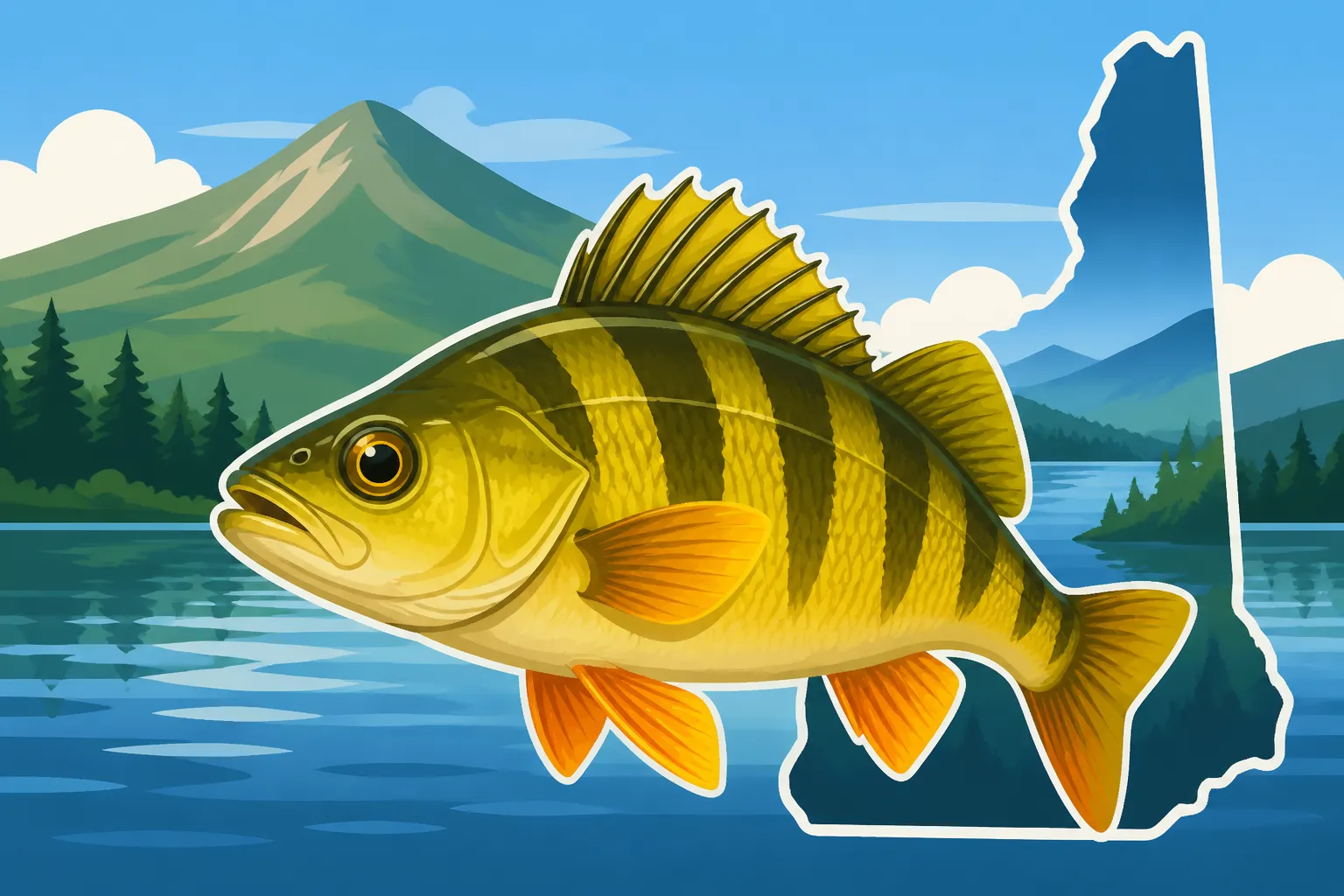
You'll quickly learn to spot a yellow perch once you've caught a few. They have a distinct and handsome appearance that sets them apart from other panfish. Their bodies are typically elongated, with a greenish-yellow to golden-yellow color along their sides, fading to a whitish belly. The most striking feature, however, is the series of 6 to 8 dark, vertical bars that run down their flanks. These bars are usually wider at the top and taper towards the belly, giving them a "tiger stripe" look. Their fins are often tinged with orange or red, especially the lower pectoral and pelvic fins, which adds a beautiful splash of color, particularly on larger specimens.
They possess two dorsal fins; the first is spiny, and the second is soft-rayed. Their mouth is moderately sized, with small, sharp teeth, perfect for snatching up insects, crustaceans, and small baitfish. When you're out on the water, especially if you're pulling up a variety of panfish, knowing these specific features helps you easily distinguish your perch from, say, a black crappie or a sunfish. For a broader look at common panfish in our state, check out Panfish Species Identification Guide for New Hampshire.
The Ecological Role of Yellow Perch in Lake Ecosystems
Yellow perch play a crucial and often underestimated role in the complex food webs of New Hampshire's aquatic environments. They sit right in the middle of the food chain, serving as both predator and prey. As predators, juvenile perch feed heavily on zooplankton and aquatic insects, helping to control these populations. As they grow larger, their diet expands to include larger insects, crayfish, and even smaller fish, including the young of other game fish species. This predatory role helps maintain balance within the ecosystem by preventing overpopulation of certain forage species.
Conversely, yellow perch are a vital food source for many of New Hampshire's prized game fish. Large lake trout, landlocked salmon, northern pike, and both smallmouth and largemouth bass all rely on perch as a significant part of their diet. This makes them a critical forage fish, channeling energy up the food chain to support those larger, more sought-after species. Without a healthy yellow perch population, the overall health and productivity of many of our lakes and ponds would suffer. Anglers targeting these larger predators often "match the hatch" by using lures and baits that imitate yellow perch.
Where to Find Yellow Perch Across the Granite State
One of the great joys of fishing for yellow perch in New Hampshire is their widespread availability. You don't always need a fancy boat or a secret spot; they're often found in popular fishing locations. However, knowing their preferred habitats and seasonal movements will significantly increase your success rate, turning a random catch into a productive outing.
Preferred Habitats: Structure and Depth
Yellow perch are structure-oriented fish, meaning they like to hang out around features that offer cover, food, and protection. Think weed lines, submerged logs, rock piles, docks, bridge pilings, and even subtle changes in bottom contour like drop-offs. These areas provide ambush points for feeding and refuge from larger predators. During warmer months, you'll often find them along the edges of weed beds in relatively shallow water, especially during dawn and dusk. As the water cools, they tend to move deeper, seeking out structure on humps or along submerged points.
The key is to understand that perch are schooling fish. If you find one, chances are there are many more nearby. They'll often school by size, so once you start catching, you might continue to pull in fish of similar dimensions. Their schooling behavior makes them a prime target for anglers, as a single spot can yield a dozen or more fish in quick succession. Look for those transition areas where shallow water drops off into deeper sections, especially if there's vegetation or rocky rubble. These zones are often highways for forage and offer diverse conditions that perch love.
Top New Hampshire Lakes for Yellow Perch
While yellow perch are widespread, some New Hampshire lakes are particularly renowned for their abundant and healthy populations. Lake Winnipesaukee, of course, is a prime example. Its vast size, varied structure, and diverse forage base support an incredible number of perch. You'll find them in its numerous coves, around islands, and along its extensive shorelines. Winnisquam Lake is another fantastic spot, known for its consistent perch fishing, especially during the ice fishing season. Squam Lake, while famous for its smallmouth bass, also holds a healthy population of perch that can be found in its clearer waters around structure.
Smaller lakes and ponds throughout the state, like Pawtuckaway Lake, Newfound Lake, and even some of the local municipal ponds, can offer excellent perch opportunities. These smaller bodies of water often warm up faster in the spring and cool down quicker in the fall, influencing perch behavior and making them easier to pattern. Don't overlook the potential of a local hidden gem; sometimes, the best perch fishing is just a short drive away. Always consult the New Hampshire Freshwater Fishing Digest for specific regulations that might apply to individual water bodies.
Seasonal Movements of Perch
Yellow perch movements are highly dictated by water temperature and the availability of food, changing significantly throughout the year. In spring, after ice-out, perch often move into shallow waters (5-15 feet) to spawn, typically around weed beds, submerged brush, or rocky areas. They'll be actively feeding and can be caught in good numbers. As summer progresses and water temperatures rise, many perch retreat to deeper, cooler waters, often suspending over structure or near thermoclines, though some larger individuals might still be found in shallower weeds during low light conditions. You might need to adjust your depth if you're out there during the dog days of August.
Fall is another fantastic time for perch fishing. As waters cool, perch become incredibly active, feeding aggressively in preparation for winter. They'll often school up in larger groups and move back into shallower to mid-depth ranges (10-30 feet), making them easier to locate. Finally, during winter, under the ice, perch congregate in large schools, often relating to deep flats, humps, or drop-offs, making them a primary target for ice anglers. Understanding these general patterns is crucial for consistently finding them, no matter the season. For more on cold weather opportunities, take a look at New Hampshire ice fishing season for pickerel and perch.
Essential Gear and Techniques for Perch Fishing
While yellow perch aren't notoriously difficult to catch, having the right gear and employing effective techniques will vastly improve your catch rate and overall enjoyment. You don't need a boatload of expensive equipment, but a thoughtful setup makes a big difference.
Rods, Reels, and Line for Light Tackle Action
For yellow perch, light tackle is the name of the game. A light or ultralight spinning rod between 5'6" and 6'6" long is ideal. This rod action allows you to feel the subtle bites of perch and provides a fun fight, even with smaller fish. Pair it with a small spinning reel (size 1000 or 2000) spooled with 4 to 6-pound test monofilament or fluorocarbon line. Monofilament is a good all-around choice due to its stretch and ease of handling, while fluorocarbon offers excellent sensitivity and is nearly invisible underwater, which can be an advantage in clear New Hampshire lakes. Some anglers prefer a very thin braided line with a fluorocarbon leader for maximum sensitivity, especially when ice fishing.
The sensitivity of ultralight gear truly lets you feel every twitch and tap, transforming what might otherwise be a missed bite into a solid hookset. Plus, fighting a feisty perch on such light gear is simply a blast. You can find a wide array of reliable ultralight spinning combos on platforms like Amazon, offering excellent value for anglers of all levels. For specific recommendations, our guide on Best ultralight rod for panfish offers some great insights.
Best Baits and Lures for Hungry Perch
Yellow perch are not particularly finicky eaters, which is good news for anglers. However, some baits and lures consistently outperform others. Live bait is often the most effective choice. Small minnows (especially shiners), nightcrawlers (cut into pieces), and red worms are perennial favorites. You can rig these under a bobber in shallow water or on a simple drop-shot or bottom-rig in deeper areas.
When it comes to artificial lures, small jigs are king. Think 1/32 to 1/8 ounce jigs tipped with a small plastic grub, tube jig, or a piece of soft plastic shaped like a minnow. Colors like chartreuse, white, orange, and natural baitfish patterns are excellent starting points. Small spoons, like Kastmasters or Swedish Pimples, can also be deadly, especially when jigged vertically. Tiny crankbaits and inline spinners will also tempt aggressive perch, particularly in shallower waters. Don't forget that a small piece of worm or grub on a jig can dramatically increase its appeal, adding scent and natural action.
Effective Fishing Techniques for All Seasons
The best way to catch yellow perch depends heavily on the time of year and their location. In open water, fishing around weed lines and structure with a slip bobber and live bait is a classic and highly effective method. This allows you to present your bait at a precise depth where the perch are holding. Drifting with the wind or using a trolling motor to slowly work these areas can cover more ground. Light jigging with small spoons or soft plastics is also deadly, especially when you mark schools of fish on your fish finder. A slow, subtle lift-and-drop motion is often all it takes.
During the fall, as perch school up, trolling small jigs or spoons can be effective, allowing you to quickly locate active schools. Once you find them, you can often stop and jig vertically. Remember, perch are visual feeders, but also responsive to scent and subtle movements, so mixing up your presentation until you find what they prefer on any given day is key. Consistency and patience will often be rewarded with a cooler full of delicious perch. For broader strategies on catching these smaller but mighty fish, explore Best Techniques for Panfish in New Hampshire.
Ice Fishing for Yellow Perch: A Winter Tradition
New Hampshire's frozen lakes and ponds offer some of the most exciting yellow perch fishing opportunities, making ice fishing a cherished winter tradition for many anglers. When the ice gets thick enough, perch fishing truly shines, providing consistent action and a great way to enjoy the crisp winter air.
Setting Up for Success on the Ice
Preparation is key for a successful ice fishing trip for perch. You'll need an ice auger (manual or powered) to drill holes, and a skimmer to keep them clear of slush. A tip-up or two can be set for passive fishing, but for perch, a jigging rod is often more productive. An ultralight ice fishing rod, typically 24-30 inches long, paired with a small spinning reel, is perfect. Spool it with 2-4 pound test monofilament or specialized ice line that resists freezing. A small ice shanty or portable shelter can make a huge difference in comfort, especially on windy or very cold days, and many options are available on Amazon. Remember to pack warm clothing, sturdy boots, and hand warmers. Safety is paramount on the ice, so always check ice thickness and local conditions.
A portable fish finder or flasher is an invaluable tool for locating perch schools and determining their depth. These devices help you understand if fish are actively feeding or just passing through, preventing wasted time over barren ice. Knowing if fish are near the bottom or suspended mid-water allows you to adjust your presentation accordingly, maximizing your chances of a bite.
Jigging Strategies and Presentation
Jigging is arguably the most effective technique for ice fishing yellow perch. Small tungsten jigs, often called "Tungsten Tear Drops" or "Ice Jigs," are popular due to their heavy weight-to-size ratio, which allows them to drop quickly through the water column. These are typically 1/16 to 1/32 ounce and can be tipped with a small piece of live bait like a mouser (wax worm), spike (maggot), or a small piece of worm. Plastic baits designed for ice fishing, such as tiny grub tails or micro-plastics, also work wonders.
The key to successful jigging is to experiment with your presentation. Start by dropping your jig to the bottom, then lift it a foot or two and gently jig. Try different actions: subtle quivers, small lifts and drops, or letting it rest completely still for a few seconds. Perch often hit on the pause. If you mark fish on your flasher, try to present your bait just above them, as fish usually look up to feed. Don't be afraid to change colors or bait if a particular spot isn't producing. For specific strategies on tempting winter perch, our guide Jigging for Perch Through the Ice offers detailed advice.
Safety Tips for Ice Anglers
Ice fishing, while incredibly rewarding, carries inherent risks. Your safety is paramount. Always check ice thickness before venturing out, and continue to do so as you move across the lake. A good rule of thumb is at least 4 inches of clear, solid ice for safe foot travel, but this can vary. Avoid areas with currents, pressure ridges, or near inlets and outlets, as ice can be thinner there. Fish with a buddy, and let someone know your plans and expected return time.
Carry essential safety gear, including ice picks worn around your neck, a rope, and a floatation device. A good pair of ice cleats can prevent nasty slips and falls on slick surfaces. Be mindful of changing weather conditions; a warm spell or heavy snow can rapidly degrade ice quality. While chasing those schooling perch, never let your excitement overshadow common sense when it comes to ice safety. Understanding and respecting the environment will ensure your winter adventures are both successful and safe.
Yellow Perch as Table Fare and Conservation
Beyond the thrill of the catch, yellow perch are highly regarded for their culinary qualities. Their flaky, white meat is delicious, making them a popular choice for a fresh fish fry. But with their popularity comes the responsibility of practicing good conservation to ensure healthy populations for future generations of anglers.
Preparing and Cooking Your Catch
Yellow perch are, quite simply, excellent table fare. Their meat is firm, white, and has a mild, sweet flavor that is never "fishy." They are a favorite for frying, often referred to as "poor man's walleye" due to their similar taste and texture. Cleaning perch is straightforward: many anglers prefer to fillet them, removing the skin, which leaves you with boneless, delicious fillets. Even smaller perch can be cleaned efficiently by filleting.
Once filleted, you can dust them in seasoned flour or cornmeal and pan-fry them until golden brown and crispy. They are also fantastic baked, broiled, or even grilled in foil packets with herbs and butter. Imagine a fresh batch of pan-fried perch, straight from a New Hampshire lake, served with coleslaw and hushpuppies – it's a truly classic and satisfying meal that makes the effort of catching them all the more worthwhile. They freeze well too, making it possible to enjoy them long after your fishing trip.
Best Practices for Sustainable Perch Fishing
As abundant as yellow perch are, practicing sustainable fishing ensures that these populations remain healthy and plentiful for years to come. This means adhering to bag and possession limits set by the New Hampshire Fish and Game Department. These limits are in place to prevent overharvesting and allow fish to reproduce effectively. It's also a good idea to only keep what you intend to eat, releasing the rest, especially if you're catching a lot of smaller fish.
When releasing fish, handle them gently. Wet your hands before touching them to avoid removing their protective slime coat, and try to minimize their time out of the water. If you're targeting perch primarily for sport, consider using artificial lures with single, barbless hooks, which can reduce harm to fish you intend to release. Spreading your fishing effort across different areas of a lake rather than always pounding the same spot can also help reduce localized pressure on perch populations. These simple actions make a big difference.
New Hampshire Regulations on Yellow Perch
Understanding and following New Hampshire's fishing regulations is not just about compliance; it's a crucial part of responsible angling and conservation. While yellow perch are generally abundant, they are still subject to specific rules. These regulations typically cover bag limits (how many fish you can keep in a day) and sometimes possession limits (how many you can have on hand at any given time). Unlike some game fish, perch often don't have strict size limits, but it's always wise to confirm.
These rules can occasionally vary slightly by water body, so it’s always a good practice to consult the current New Hampshire Fishing Regulations Explained or the official New Hampshire Fish and Game Department website before you head out. Ignorance of the law is never an excuse, and violating regulations can result in fines and other penalties. By staying informed, you not only protect the resource but also ensure your fishing adventures are worry-free and enjoyable.
Disclaimer
This article is for general informational purposes only and does not constitute professional advice. Laws, prices and regulations vary by location and change over time. Consult a qualified professional for guidance on your specific situation.