Chain Pickerel Habits in New Hampshire Ponds
There's nothing quite like the sudden, aggressive strike of a chain pickerel when you're casting in a quiet New Hampshire pond. While some anglers might view them as a "toothy nuisance" or bycatch, understanding these sleek, predatory fish can actually transform your fishing experience, turning an ordinary outing into an exhilarating pursuit. This comprehensive guide will pull back the curtain on the intriguing habits of chain pickerel in New Hampshire's ponds, helping you appreciate their unique place in our waterways and boost your chances of a thrilling encounter.
Understanding the Chain Pickerel
The chain pickerel ( Esox niger ) is a fascinating freshwater fish native to eastern North America, and it's quite common in many of our beloved New Hampshire ponds and slower-moving rivers. They are members of the pike family, a lineage known for its formidable predatory prowess. While they might not reach the massive sizes of their northern pike cousins, they more than make up for it with their aggressive nature and impressive speed in the water. For many of us, encountering a pickerel is a rite of passage, often surprising us with their distinctive looks and fierce fighting spirit.
Identifying Chain Pickerel
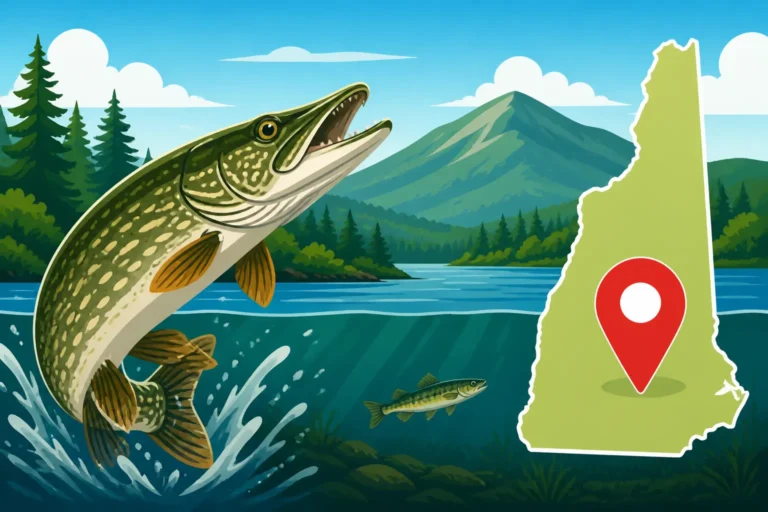
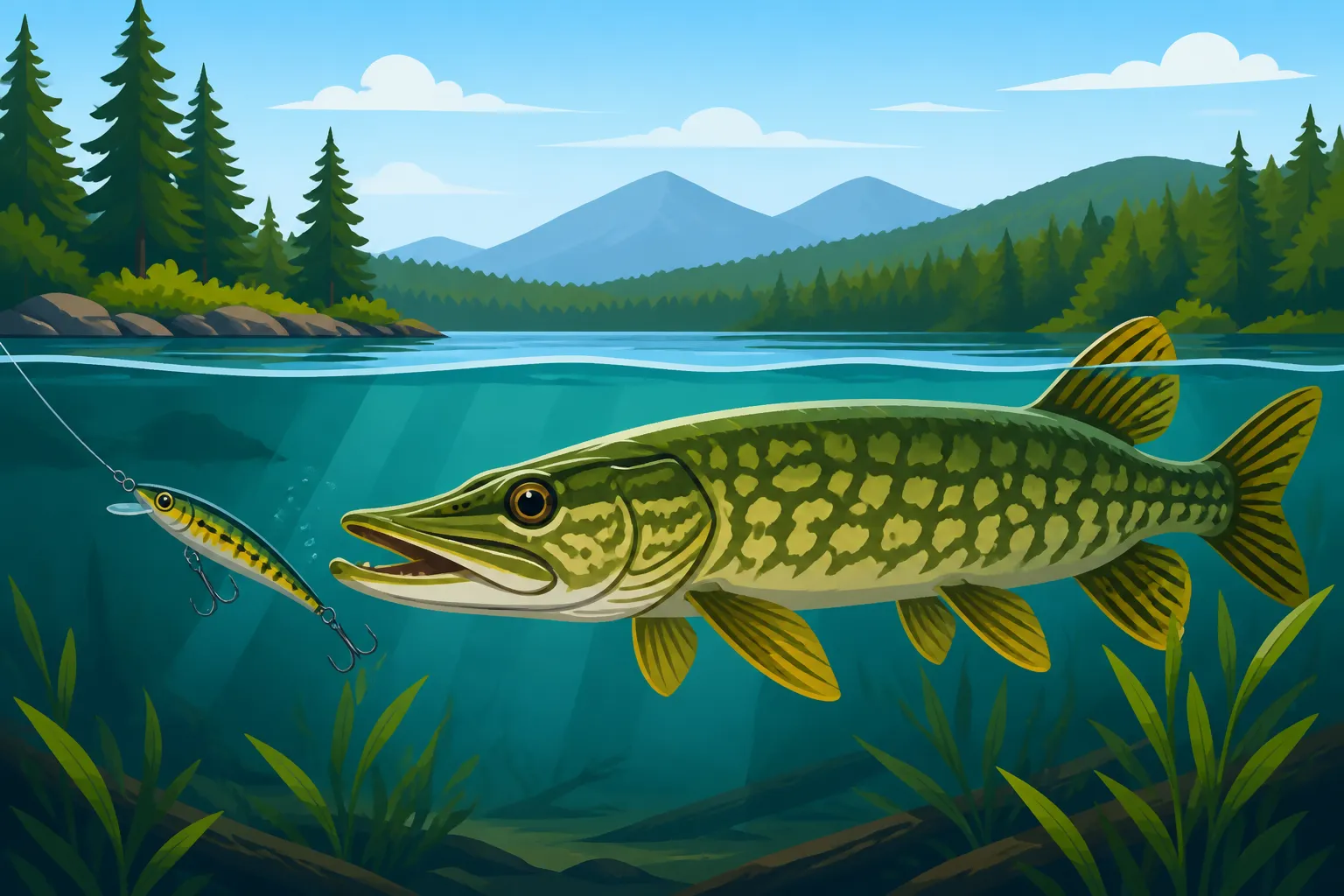
Spotting a chain pickerel is usually pretty straightforward once you know what to look for. Their name comes from the distinctive chain-like pattern of dark markings on their olive-green to yellowish-green bodies. This intricate, reticulated pattern really makes them stand out. They have a long, slender, torpedo-shaped body, perfectly designed for quick bursts of speed to ambush unsuspecting prey. Their snout is elongated and duck-bill shaped, packed with numerous sharp, backward-pointing teeth – a true predator's grin.
You'll also notice their dorsal fin is set far back on their body, close to the tail, which is another characteristic feature of the pike family. This fin placement, along with their powerful tail, allows them to accelerate rapidly from a standstill. They typically range from 15 to 25 inches in length in New Hampshire ponds, though some lunkers can push past that. Their eyes are usually golden, giving them an almost reptilian stare. If you're wondering how to tell a pickerel from a small pike, remember the chain-like pattern and that pickerel usually have fully scaled cheeks and gill covers, whereas northern pike have scales only on the upper half of their gill covers.
The Pickerel's Role in the Ecosystem
Chain pickerel are apex predators in the smaller, weedy pond ecosystems they inhabit. They play a crucial role in maintaining the balance of these environments by preying on smaller, less desirable fish species, as well as insects, frogs, and even small mammals or birds that venture too close to the water's edge. Without predators like the pickerel, certain prey populations could explode, leading to an imbalance in the food web. They help keep panfish populations in check, for instance, preventing stunting and promoting healthier growth rates among the remaining panfish.
However, their presence can also have an impact on other desirable game fish. For example, in ponds with abundant pickerel, young trout or bass might face increased predation pressure. It's a delicate balance, and New Hampshire Fishing Regulations Explained help manage these populations for overall ecological health and angler enjoyment. Despite their sometimes "nuisance" reputation, they're a vital part of many New Hampshire ponds, offering an exciting challenge for anglers who embrace their fierce nature.
Where Chain Pickerel Live in New Hampshire Ponds
Chain pickerel aren't picky about their address as long as it offers what they need: cover, food, and somewhat temperate water. In New Hampshire, you'll find them thriving in a multitude of ponds, small lakes, and slower sections of rivers. They're particularly fond of environments where they can blend in and ambush their prey, a strategy they've perfected over millennia.
Ideal Pond Characteristics
When we talk about ideal pickerel habitat, think "weedy." These fish are masters of camouflage, and dense aquatic vegetation is their natural hunting ground. Ponds with extensive beds of lily pads, submerged grasses, cattails along the shore, and fallen timber are prime pickerel territory. These features provide not only excellent ambush points but also protection from larger predators (if any are present) and harsh sunlight. Look for ponds that have a good mix of shallow, vegetated areas and slightly deeper pockets nearby, offering them places to retreat during different times of the day or year.
They also tend to prefer waters that are somewhat stained or murky, though they can be found in clearer ponds too. Water clarity isn't as critical as the presence of cover. Generally, warmer, shallower ponds with soft bottoms are more likely to hold robust pickerel populations. They're incredibly resilient and can tolerate a wider range of water quality conditions than some other game fish, which is one reason they are so widespread in our region. Many smaller, unnamed ponds tucked away in New Hampshire's landscape are often teeming with them.
Common Pickerel Ponds in NH
While I can't give you a real-time list, based on typical pickerel preferences, you'd be wise to explore ponds throughout the state known for their abundant vegetation and panfish populations. Smaller, less pressured ponds often hold some real trophy pickerel simply because they've had less angler attention. Pawtuckaway Lake in Nottingham and Pleasant Lake in Deerfield are examples of larger bodies of water where pickerel thrive in their weedy bays and coves. Even some of the state parks might have ponds with healthy pickerel populations, like those in Bear Brook State Park.
Your local bait shop, or even conversations with other local anglers, can often reveal hidden gems where pickerel fishing is excellent. Don't overlook the smaller, unassuming bodies of water that might not be famous for bass or trout; these are often pickerel havens. Before heading out, always check the New Hampshire Fishing Regulations Explained for any specific rules pertaining to the waterbody you plan to fish, as some ponds might have unique seasonal closures or limits.
Seasonal Movements in Ponds
Pickerel don't typically undertake long migrations, but they do have seasonal patterns of movement within a pond, largely dictated by water temperature and prey availability. In the spring, right after ice-out, they're often found in very shallow, sun-warmed bays and flats, actively feeding and preparing to spawn. This is a fantastic time to target them with aggressive presentations.
As summer progresses and water temperatures rise, they'll retreat to slightly deeper water, often seeking out the cooler zones within the weed beds or moving to the deeper edges of those flats. They'll still be close to cover, but perhaps not right in the extreme shallows unless it's early morning or late evening. Come fall, as water temperatures drop, pickerel become incredibly active again. They'll gorge themselves on baitfish, moving back into shallower, albeit still weedy, areas. This pre-winter feeding frenzy makes for some exciting action. Even in winter, under the ice, they remain active, often positioning themselves near weed lines or structure where prey fish are likely to congregate, making them a popular target for Ice Fishing in New Hampshire.
Chain Pickerel Behavior and Feeding Habits
If you want to catch chain pickerel, understanding their behavior and how they hunt is key. These fish are true opportunists and highly efficient predators, always on the lookout for an easy meal. Their entire design, from their camouflage to their fin placement, screams "ambush hunter."
Ambush Predators of the Shallows
Chain pickerel are masters of stealth. They don't typically chase prey over long distances like a trout in a river current. Instead, they prefer to lie in wait, perfectly still and camouflaged within dense aquatic vegetation or alongside fallen logs and stumps. Their chain-like pattern helps them blend seamlessly into the dappled light and shadows of the weed beds, making them virtually invisible to unsuspecting baitfish, frogs, or even insects skimming the surface.
When a prey item swims within striking distance, the pickerel explodes from its cover with incredible speed, often snatching the victim in a lightning-fast lunge. This burst of acceleration is why you often feel such a jarring strike when a pickerel hits your lure. They'll typically grab their prey sideways, then quickly reorient it headfirst before swallowing. This ambush strategy means that successful pickerel fishing often involves targeting areas with plenty of cover where they can hide. Think casting along weed lines, into pockets in lily pads, or parallel to submerged timber.
What Chain Pickerel Eat in New Hampshire Ponds
Chain pickerel are not particular eaters; if it moves and they can fit it in their mouth, it's fair game. Their diet in New Hampshire ponds primarily consists of smaller fish. Minnows, yellow perch, sunfish, and juvenile versions of other game fish are all on the menu. They also have a fondness for frogs and will readily strike at anything that resembles one splashing near the surface. You might even find crayfish, leeches, or large aquatic insects in their stomach contents. Occasionally, if you're fishing with live bait, a pickerel might even try to eat another pickerel if it's smaller!
This broad diet makes them somewhat easy to trick with a variety of lures and baits. Knowing What chain pickerel eat in New Hampshire ponds helps you select the right presentation. Mimicking their natural prey with shiner imitations, frog lures, or even simple panfish-sized jigs can be highly effective. They're aggressive eaters, especially during their peak feeding periods, which makes them a fun target for anglers who enjoy a strong strike.
Impact of Water Temperature on Activity
Like all cold-blooded fish, a pickerel's metabolism and activity levels are heavily influenced by water temperature. They thrive in cooler to moderate water temperatures, typically becoming most active when the water is between 50 and 70 degrees Fahrenheit. This is why spring and fall often offer the most consistent action.
In the dead of winter, under the ice, their metabolism slows down, but they remain active enough to feed regularly. This makes them a prime target for ice anglers, as they are one of the most reliable biters through the hard water. During the heat of summer, when pond temperatures soar, pickerel might become a bit more lethargic during the brightest, warmest parts of the day. They'll often seek out deeper, cooler water within their vegetated strongholds or feed more actively during the cooler hours of dawn and dusk. Understanding these temperature preferences can help you pinpoint the best times and locations to target them.
Fishing for Chain Pickerel in New Hampshire Ponds
Targeting chain pickerel in New Hampshire ponds is a fantastic way to spend a day on the water, offering plenty of action and often a good fight. You don't need highly specialized gear, and they can be incredibly forgiving for beginner anglers.
Effective Lures and Baits
Pickerel are not shy, and they'll strike at a wide array of lures and baits. The key is to present something that mimics their natural prey or triggers their aggressive, predatory instincts.
- Spinnerbaits and Inline Spinners: These are pickerel magnets. The flash and vibration mimic fleeing baitfish, and pickerel just can't resist. Chartreuse, white, and yellow are often top colors. A simple Mepps or Rooster Tail spinner can be incredibly effective.
- Spoons: Wobbly spoons, especially those with some flash, are excellent for casting or trolling along weed edges. Silver, gold, or red and white patterns are classic choices.
- Jerkbaits and Stickbaits: These lures, when retrieved with a twitch-twitch-pause action, can perfectly imitate a struggling baitfish. Pickerel often hit them aggressively on the pause.
- Soft Plastics: Swimbaits, flukes, or even grub tails rigged on a jig head can be very productive, especially when worked slowly through submerged vegetation.
- Topwater Lures: During low light conditions or when pickerel are actively hunting shallow, frog imitations or small poppers can lead to explosive strikes that get your heart racing.
- Live Bait: There's arguably nothing more effective than a lively shiner or minnow fished under a bobber or slowly retrieved. Pickerel find it almost impossible to resist. When fishing with live bait, be mindful of local regulations regarding baitfish collection and use.
For some additional tips, you might want to look into Best Techniques for Winter Pickerel if you're planning an ice fishing trip.
Essential Gear for Pickerel Anglers
You don't need a high-end setup to catch pickerel, but having the right basic gear will enhance your experience and ensure you can handle these toothy critters safely.
- Rod and Reel: A medium-light to medium power spinning rod, about 6 to 7 feet long, paired with a matching spinning reel spooled with 8-12 lb monofilament or braided line is perfect. The sensitivity of this setup will allow you to feel those sometimes subtle takes, and the backbone will help you pull them out of thick cover. If you're looking for a reliable setup without breaking the bank, there are many great options on Amazon for a good all-around spinning combo.
- Leaders: This is crucial! Pickerel have razor-sharp teeth that can easily cut through monofilament or fluorocarbon main lines. Always use a steel or heavy fluorocarbon leader (20-30 lb test, about 6-12 inches long) to prevent bite-offs. You can find pre-tied leaders or materials to make your own on Amazon.
- Pliers/Forceps: Due to those teeth, direct hand contact with a pickerel's mouth is a no-go. Long-nosed pliers or fishing forceps are essential for safely removing hooks. A good pair of these is a must-have for any pickerel angler and readily available on Amazon.
- Net: A small to medium-sized landing net can be very helpful for safely bringing a lively pickerel into the boat or onto the bank, especially when fishing from a kayak or canoe.
- Tackle Box: A well-organized tackle box or bag with a selection of the lures mentioned above, extra leaders, hooks, and sinkers. Check out Best Tackle Box Setup for New Hampshire Anglers for ideas on what to pack.
Remember that New Hampshire Bag and Possession Limits by Species apply, so always be aware of the daily limits and length requirements for chain pickerel.
Handling and Releasing Pickerel
Handling pickerel requires a little caution due to their sharp teeth.
- Approach with Care: Once landed, avoid putting your hands near their mouth.
- Use Pliers: Grip the hook firmly with long-nosed pliers or forceps and gently back it out. If the hook is deeply set, it's often better to cut the line and leave the hook in, as trying to force it out can cause more harm.
- Support the Fish: If you plan to release, support the fish horizontally, especially if it's a larger one. Hold it gently but firmly behind the head and under the belly. Don't grip it by the eye sockets or gill plates.
- Quick Release: Get the fish back into the water as quickly as possible. If it seems stunned, hold it gently in the water, facing into a slight current if possible, until it swims away on its own.
Chain pickerel are quite hardy, and with proper handling, their survival rate after release is generally high. Practicing catch and release, especially for larger fish, helps ensure healthy pickerel populations for future anglers.
Chain Pickerel Through the Seasons
The joy of fishing for pickerel is that they offer year-round opportunities in New Hampshire. Their behavior changes with the seasons, but their aggressive nature remains constant.
Springtime Pickerel Action
Spring is a prime time for pickerel fishing. As the ice recedes and water temperatures slowly begin to rise, pickerel become incredibly active. They move into shallow, sun-warmed bays and flats, often in water just a few feet deep, to feed heavily and prepare for spawning. This post-spawn feeding frenzy makes them easy targets.
Look for them in the thickest cover available – newly emergent weeds, submerged brush, and around docks or fallen trees. Aggressive retrieves with spinnerbaits, spoons, and jerkbaits can be highly effective. The key is to cover water, casting to every piece of visible cover, because when they hit, they usually hit hard. It's an exciting time to be out, as you're often among the first anglers of the open water season.
Summer Strategies
Summer fishing for pickerel can be excellent, though you might need to adjust your approach as water temperatures climb. During the hottest parts of the day, pickerel will often retreat to deeper, cooler sections of their weed beds or near drop-offs that still offer plenty of cover. They might also be more active during the cooler hours of early morning or late evening.
When fishing in summer, consider slowing down your retrieve slightly, or focus on presentations that stay in the strike zone longer. Topwater lures can be incredibly effective during low light conditions, especially over weed mats or lily pads, as pickerel will readily erupt through the vegetation to strike. Flipping jigs or soft plastics into dense cover can also entice strikes from lethargic fish. Remember, even in summer, they rarely stray far from some form of ambush cover.
Fall Feeding Frenzy
Fall is another fantastic season for pickerel. As the leaves change and water temperatures begin to drop, pickerel go on a serious feeding binge in preparation for winter. They become incredibly aggressive and can be found in a wider range of depths, often moving back into shallower water, especially on sunny days.
This is a great time to throw larger, more aggressive lures, as the pickerel are eager to pack on calories. Spinnerbaits, large spoons, and even muskie-sized bucktail spinners can draw ferocious strikes from bigger fish. Focus on the edges of remaining green weed beds, rocky points, and areas where baitfish are schooling up. The crisp air and vibrant foliage make fall pickerel fishing one of the most enjoyable times to be on the water.
Ice Fishing for Pickerel in New Hampshire
When New Hampshire's ponds freeze over, the fishing doesn't stop for pickerel; in fact, it often heats up! New Hampshire Ice Fishing Regulations by Water Body will be important here. Pickerel are one of the most popular species to target through the ice because they remain active and willing to bite throughout the winter. They are often found patrolling the weed lines and drop-offs, similar to their open-water habits.
Jigging spoons, small rattle baits, and especially live bait (like shiners) fished under a tip-up are incredibly effective for ice fishing pickerel. When using tip-ups, be ready for a fast flag! Pickerel often hit hard and run with the bait. Ensure your ice fishing gear includes a good pair of insulated gloves, an ice auger, and a warm ice shanty if you plan on extended outings. For specific techniques, check out Best Techniques for Winter Pickerel. Don't forget those steel leaders, as even in cold water, their teeth are just as sharp!
Conservation and Management of Chain Pickerel
While not typically seen as a trophy species by all, chain pickerel are a valuable part of New Hampshire's freshwater fisheries. They provide exciting angling opportunities and play an important ecological role. As responsible anglers, understanding their conservation status and the regulations designed to manage their populations is key.
Pickerel in the NH Fishery
Chain pickerel are abundant throughout New Hampshire's warmwater pond and lake systems. They are a resilient species, capable of thriving in various conditions, and their populations are generally stable. The New Hampshire Fish and Game Department manages pickerel as a game fish, acknowledging their contribution to recreational fishing. While there are specific regulations regarding their harvest, they are not typically stocked like trout or salmon in the same way, as their natural reproduction is usually sufficient to maintain healthy populations.
They provide a readily accessible fishing experience, particularly for families and new anglers, due to their willingness to bite and their widespread distribution. For many, catching a pickerel is an introduction to the thrill of fishing, and they often become a lifelong favorite target.
Regulations and Limits
Like all game fish in New Hampshire, chain pickerel are subject to specific fishing regulations that are outlined in the state's Freshwater Fishing Digest. These regulations are designed to ensure sustainable populations for future generations of anglers. While specifics can vary, general regulations usually include daily bag limits and sometimes minimum or maximum length limits. For instance, there's a New Hampshire chain pickerel limit that anglers need to be aware of.
It's crucial to consult the most current New Hampshire Freshwater Fishing Digest before each fishing season, as rules can change. You can usually find this digest online or at licensed bait and tackle shops. Adhering to these regulations is not just about legality; it's about being a good steward of our natural resources and ensuring that future generations can enjoy the thrill of catching a chain pickerel in a New Hampshire pond.
Disclaimer
This article is for general informational purposes only and does not constitute professional advice. Laws, prices and regulations vary by location and change over time. Consult a qualified professional for guidance on your specific situation.