Best Cooler for a Fishing Boat
There's nothing quite like a glorious day out on New Hampshire's shimmering lakes or winding rivers, reeling in some impressive catches. But let's be honest, the excitement can quickly fade when you realize your hard-won fish are starting to warm up, or your carefully packed lunch is no longer cool and refreshing. Anglers often face the frustrating challenge of keeping their catch and provisions perfectly chilled throughout a long day under the New Hampshire sun. This comprehensive guide is here to tackle that head-on, helping you navigate the world of fishing boat coolers to ensure your food stays cool, your drinks stay cold, and your fish stay fresh from the moment they hit the deck until they hit your frying pan.
Why a Quality Cooler Matters More Than You Think on New Hampshire Waters
When you're out on Lake Winnipesaukee chasing smallmouth bass or navigating the Pemigewasset River for trout, a cooler might seem like just another piece of gear. But trust me, a good cooler isn't just a luxury; it's an essential tool that can make or break your fishing experience, especially when you consider the varying temperatures and conditions we experience here in the Granite State. From sizzling summer days to chilly spring mornings, having reliable cold storage is paramount.
Keeping Your Catch Fresh and Safe
Imagine landing a beautiful landlocked salmon from Newfound Lake, a true trophy. You want to preserve that fish in its prime condition. A cheap, flimsy cooler might struggle to hold ice for more than a few hours, especially if it's sitting in direct sunlight on your boat deck. Warm temperatures can quickly degrade the quality of your catch, leading to mushy flesh or, worse, spoilage. Nobody wants to spend hours on the water, battling a feisty fish, only for it to be less than perfect by the time you get home. A high-quality cooler acts like a portable refrigerator, rapidly chilling your fish and maintaining that low temperature, which is crucial for both food safety and culinary quality. It also minimizes bacterial growth, ensuring that your efforts on the water translate into a delicious meal on the table.
Beyond just the taste, proper chilling is vital for adherence to regulations. If you're planning to keep fish, some species, particularly trout and salmon, benefit immensely from being kept on ice immediately. This is not just a preference; it’s a best practice that prevents valuable protein from going to waste. Think about those hot August days; without adequate insulation, even a short ride back to the dock can compromise your catch.
Preserving Your Provisions and Hydration
Fishing is hard work, and staying hydrated and fueled is crucial for an enjoyable and safe day on the water. Hauling in a big lake trout or paddling against the current can take a lot out of you. You'll want plenty of cold water, sports drinks, and a refreshing lunch. There's nothing worse than reaching for a lukewarm sandwich or a bottle of water that feels like bathwater when the sun is beating down on you. A well-insulated cooler means your sandwiches stay crisp, your fruit remains cool, and your beverages are always ready to quench your thirst.
This is especially true for longer trips, perhaps a full day exploring the coves of Squam Lake or fishing the vastness of Winnipesaukee. You might be out for eight, ten, or even twelve hours. Your cooler needs to be up to the task of keeping everything refreshingly cold throughout that entire duration. Plus, if you're bringing snacks for the family or friends, a reliable cooler prevents items like cheese or yogurt from spoiling, ensuring everyone stays happy and healthy. Having a dedicated space for your food and drinks also keeps them separate from your fish, avoiding any cross-contamination issues and preserving the cleanliness of your provisions.
The Durability Factor for Rough New Hampshire Conditions
New Hampshire's lakes and rivers can sometimes be a bit rugged. From bumping around in a jon boat on a shallow river to navigating choppy conditions on a large lake during a windy afternoon, your gear takes a beating. A cheap cooler might crack if it takes a tumble, its latches could break, or its hinges might give out under regular use. Investing in a durable cooler means it can withstand the bumps, scrapes, and splashes that come with boat fishing. Many anglers even use their coolers as casting platforms or extra seating, making structural integrity even more important.
Look for coolers with sturdy construction, reinforced hinges, and robust latches that can handle repeated opening and closing. High-quality materials, often rotomolded plastic, are designed to endure years of exposure to sun, water, and the general wear and tear of a fishing boat environment. This isn't just about saving money on replacements; it's about reliability. You don't want to be halfway through a fishing trip on the Connecticut River, only to discover your cooler is leaking or won't stay shut, jeopardizing your day's catch and provisions. Best Boats for New Hampshire Lakes and Rivers discusses how different boat types handle various conditions, and your cooler should be just as resilient.
Types of Coolers: Finding the Right Fit for Your Fishing Style
The world of coolers has expanded dramatically over the years, moving far beyond the simple blue or red box many of us grew up with. Today, there's a cooler for almost every conceivable fishing scenario and personal preference. Understanding the different types available is the first step in choosing the best companion for your New Hampshire fishing adventures. Each type comes with its own set of advantages and disadvantages, tailored to specific needs, budgets, and fishing styles.
Hard-Sided Coolers: The Workhorses of the Water
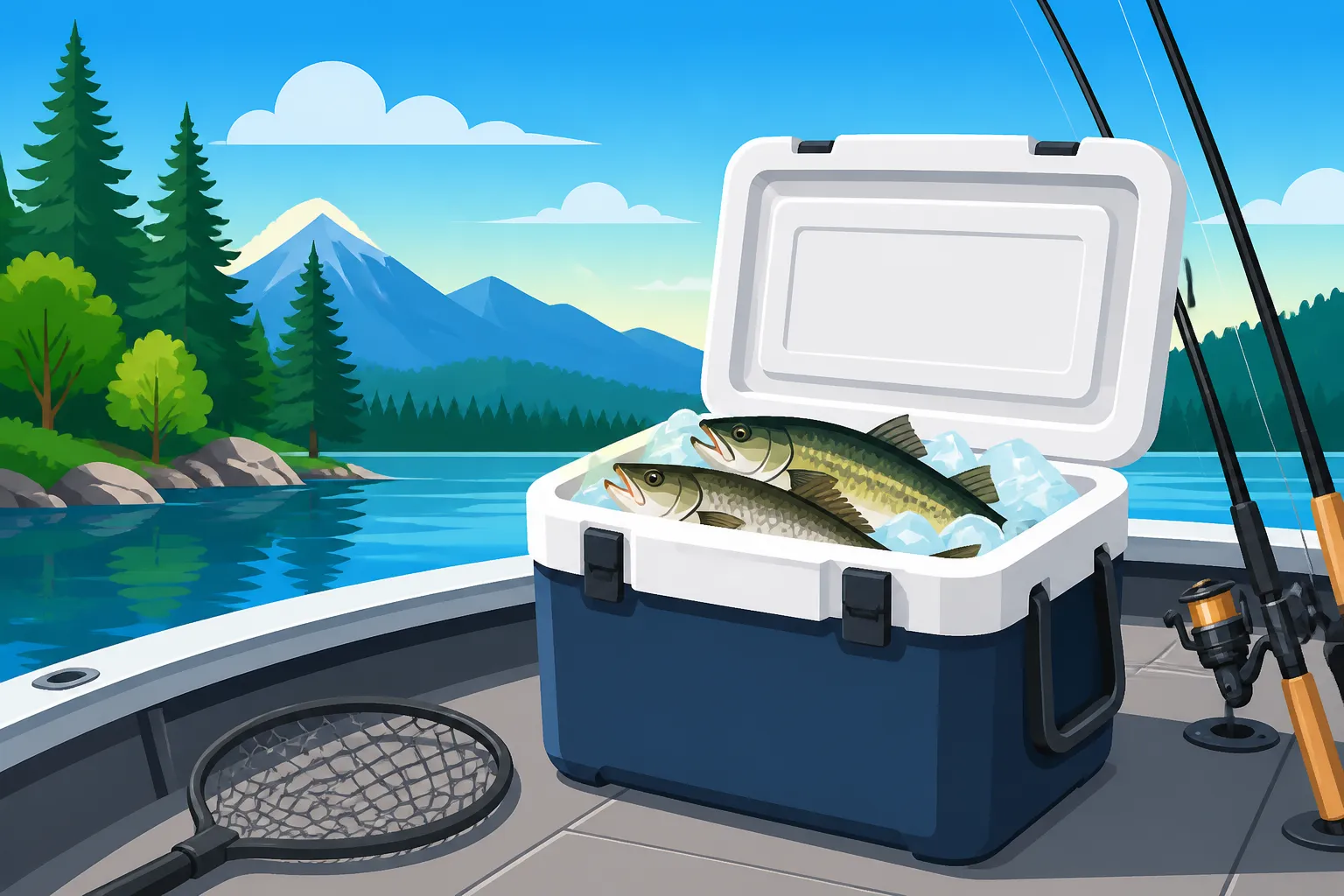
When most anglers think of a fishing cooler, they picture a hard-sided model. These are the tried-and-true workhorses, known for their superior ice retention and rugged durability. Modern hard-sided coolers, especially those using rotomolded construction (a process that creates a single, seamless, extremely tough piece of plastic), are designed to keep ice frozen for days, not just hours. This makes them ideal for multi-day fishing trips or long hauls on big water bodies like Lake Winnipesaukee. You can often find a wide selection of these at stores like Bass Pro Shops, allowing you to see and feel the robust construction firsthand.
Their robust build means they can withstand being tossed around in a boat, used as a seat or a casting platform, or even dropped without fear of immediate damage. Many models feature thick insulation in the walls and lid, heavy-duty latches that keep the lid securely sealed, and robust handles for transport. They come in a vast range of sizes, from small personal coolers to massive ice chests capable of holding an entire day's limit of impressive catches. While they tend to be heavier and bulkier than soft-sided options, their performance in keeping things cold and their sheer resilience make them a top choice for serious anglers. They are also generally easier to clean thoroughly after storing fish, which is a huge plus for hygiene.
Soft-Sided Coolers: Portability and Convenience
For those shorter fishing excursions, or when space and weight are at a premium, soft-sided coolers shine. These coolers are typically made from durable fabrics like nylon or polyester, often with waterproof liners and insulation layers. Their main advantages are their lighter weight and increased portability. Many soft-sided coolers come with shoulder straps, making them easy to carry from your vehicle down to the boat, or even to a remote fishing spot accessible only by foot. If you're kayak fishing on a smaller pond, a soft-sided cooler can be tucked neatly into a hatch or strapped to the deck, taking up less space than a rigid hard-sided model.
While their ice retention usually can't match that of high-end hard-sided coolers, many modern soft-sided options offer impressive performance for a full day of fishing. They are perfect for packing lunch, drinks, and a few smaller fish, like a stringer of brook trout from a mountain stream. Some also fold flat or collapse when empty, making storage back home much easier. While perhaps not as indestructible as their hard-sided counterparts, quality soft-sided coolers from reputable brands are surprisingly tough and built to withstand the elements. You might look for models on Amazon with good reviews focusing on their leak-proof qualities and insulation effectiveness.
Electric Coolers: A Different Approach to Refrigeration
Electric coolers, also known as thermoelectric coolers, offer a fascinating alternative by operating without ice. These units plug into your boat's 12V power outlet (or a standard wall outlet with an adapter) and actively cool their contents. They use a Peltier effect system to draw heat away from the interior, essentially acting as a miniature refrigerator. This eliminates the need for ice, which means more usable space inside for your catch or provisions, and no messy melted water to deal with.
They are fantastic for longer trips where you have a consistent power source, or if you prefer to simply chill items without worrying about ice runs. Imagine heading out for an extended camping and fishing trip; an electric cooler keeps everything consistently cool as long as it's plugged in. However, they do have some limitations. Most thermoelectric coolers can only cool to a certain temperature below the ambient air temperature (e.g., 40°F below ambient), which might not be cold enough on a scorching New Hampshire summer day. They also consume power, so you need to be mindful of your boat's battery if you're not running the engine. They are typically less rugged than hard-sided coolers and can be more expensive. They're best suited for those who prioritize convenience over extreme cold retention or absolute ruggedness, or for specific uses like keeping bait fresh without ice melt.
| Cooler Type | Ice Retention | Durability | Portability | Best Use Case | General Cost Shape |
|---|---|---|---|---|---|
| Hard-Sided | Excellent (multiple days) | Very High | Moderate to Low | Long trips, heavy use, trophy fish, seating/platform | Higher |
| Soft-Sided | Good (1-2 days) | Moderate to High | High | Day trips, kayak fishing, packed lunches, light loads | Moderate |
| Electric | Constant Cooling (no ice) | Moderate | Moderate | Consistent power access, no ice needed, longer trips | Higher (plus power use) |
Key Features to Look for in a Fishing Boat Cooler
Once you've decided on the general type of cooler that suits your New Hampshire fishing adventures, it's time to dive into the specific features that separate a good cooler from a truly great one. These details can significantly impact performance, usability, and longevity, making your time on the water much more enjoyable and effective. Don't overlook these seemingly small elements, as they often contribute the most to angler satisfaction.
Ice Retention: The Holy Grail of Cooler Performance
Let's face it, the primary job of a cooler is to keep things cold, and that usually means keeping ice frozen. Excellent ice retention is paramount, especially during the warmer months when the sun beats down on your boat on a big lake. The longer a cooler can hold ice, the fresher your catch will stay and the colder your drinks will remain, reducing the need to constantly replenish ice. This is particularly important if you're out for a full day of fishing for How to Catch Lake Trout in New Hampshire or planning an overnight trip.
What contributes to superior ice retention? It's typically a combination of factors:
- Insulation Thickness: Thicker walls and lids generally mean more insulation material, which better prevents heat transfer. Look for coolers with pressure-injected polyurethane foam.
- Lid Seal: A tight, freezer-grade gasket around the lid is crucial. This seal prevents cold air from escaping and warm air from entering. A poorly sealing lid is the quickest way to melt your ice.
- Construction: Rotomolded construction in hard-sided coolers often results in superior insulation performance due to its uniform wall thickness and seamless design, which eliminates weak points where heat can enter.
- Latches: Heavy-duty, robust latches ensure the lid stays securely shut, maintaining that critical seal. Flimsy latches that pop open easily are a red flag.
When reading product descriptions or reviews (which you can find extensively on sites like Amazon), pay close attention to claims about "ice retention days." While these are often laboratory tested under ideal conditions, they provide a good comparative benchmark. Aim for a cooler that promises several days of ice retention if you plan on extended trips or fish in hot weather.
Size and Capacity: Not Too Big, Not Too Small
Choosing the right size is a delicate balance. A cooler that's too small won't hold all your fish, food, and drinks, leaving you frustrated. One that's too large can be cumbersome to move, take up valuable space on your boat, and be inefficient at holding ice if it's not adequately filled. Cooler capacity is often measured in quarts or liters, or sometimes by the number of cans it can hold.
Consider the typical length of your fishing trips and the number of people usually with you.
- Solo Day Tripper: A 20-35 quart cooler might be perfect for your lunch, drinks, and a few small fish from the Merrimack River.
- Couple or Small Family Day Trip: A 45-65 quart cooler gives you enough room for provisions for two to three people, plus space for a decent catch of bass or panfish.
- Serious Angler or Multi-Day Trip: For larger species, or longer excursions on big water like Lake Winnipesaukee where you might keep a few bigger lake trout or salmon, you might look at 75-120+ quart coolers. These also work well for family outings where you need to pack a lot of food and drinks.
Remember that actual usable space is always a bit less than the stated capacity once you account for ice. A good rule of thumb is to aim for a 2:1 ratio of ice to contents for optimal cooling. Also, measure the available space on your boat where the cooler will sit, paying attention to height, width, and depth to ensure a good fit. You don't want a cooler that obstructs your movement or prevents you from accessing other essential gear.
Durability and Construction Materials
A fishing boat cooler lives a tough life. It gets exposed to sun, salt (if you venture to the coast for striped bass in Great Bay), freshwater, bait, fish slime, and constant movement. Durability is non-negotiable.
- Rotomolded Polyethylene: For hard-sided coolers, this is the gold standard. The rotomolding process creates a seamless, extremely robust, and impact-resistant product. These coolers can withstand drops, bumps, and even serve as sturdy seating without fear of cracking.
- Heavy-Duty Latches: Look for T-Rex style rubber latches or sturdy cam latches that are easy to operate but hold the lid tightly. Metal latches, if used, should be corrosion-resistant.
- Strong Hinges: Integrated hinge systems or heavy-duty pin hinges are far superior to flimsy plastic ones that can snap over time.
- Non-Slip Feet: Rubberized, non-slip feet are essential for keeping the cooler from sliding around on a wet boat deck, especially when underway or in choppy conditions. This prevents damage to the cooler and, more importantly, keeps it from becoming a tripping hazard.
- UV Protection: Prolonged exposure to the sun can degrade plastics. Many quality coolers incorporate UV inhibitors into their material to prevent fading and cracking over time.
Think of your cooler as an investment. A well-built cooler, though it might cost more upfront, will save you money and headaches in the long run by not needing frequent replacement. When you're browsing options online or at a store like Bass Pro Shops, don't be afraid to give the cooler a good inspection – check the hinges, latches, and the overall feel of the construction.
Practical Features for Anglers
Beyond the core functions, several thoughtful design elements can make a cooler much more user-friendly for fishing:
- Drain Plugs: A large, easy-to-use drain plug is a blessing. It allows you to quickly empty melted ice water without having to tip over a heavy cooler. Some plugs are even designed to be leak-proof and remain attached so you don't lose them. Look for threaded plugs for extra security and a tight seal.
- Tie-Down Slots: If you plan to secure your cooler to your boat (which is often a good idea, especially on larger, faster vessels), integrated tie-down slots are invaluable. These allow you to strap the cooler down securely without obstructing the lid or handles.
- Fish Measuring Ruler: Some coolers come with a molded-in or stick-on ruler on the lid, which is incredibly handy for quickly checking if your catch meets New Hampshire Bag and Possession Limits by Species before deciding to keep or release it.
- Basket or Divider Options: Internal baskets keep dry items (like sandwiches or tackle) out of the ice water, while dividers can help separate different species of fish or keep food separate from fish.
- Cup Holders: While not critical, integrated cup holders on the lid can be a nice convenience for keeping drinks stable on a rocking boat.
- Comfortable Handles: For smaller to medium-sized coolers, comfortable, non-slip handles are important for transport. For larger coolers, sturdy rope handles with rubber grips or integrated molded handles make moving them easier, especially when full.
Sizing Your Cooler for Common New Hampshire Fishing Trips
Choosing the right size cooler isn't a "one size fits all" decision in New Hampshire. The perfect cooler for a quick evening trip targeting panfish in a local pond might be entirely inadequate for a full day of trolling for landlocked salmon on Lake Sunapee. It's about matching the cooler's capacity to the demands of your specific fishing adventure, taking into account the duration, the number of anglers, and, crucially, the type and quantity of fish you anticipate keeping.
Day Trips on a Small Lake or River
For those spontaneous day trips to smaller water bodies, perhaps a tranquil stream in the White Mountains for brook trout or a quiet pond for largemouth bass, a more modest-sized cooler is usually ideal. You're likely just packing lunch, some drinks, and expect to keep a few modest-sized fish. Overpacking with a huge cooler only adds unnecessary weight and bulk to your boat, especially if you're in a kayak or a smaller jon boat where space is precious.
A 20-45 quart cooler is often the sweet spot here. It's manageable for one or two people, easy to load and unload, and doesn't take up too much deck space. For example, if you're hitting the Swift River for trout, a compact soft-sided cooler might even be preferable due to its portability if you need to carry it some distance from your parking spot to the water's edge. This size is also perfect for those quick after-work trips to a local spot near Manchester or Concord. You can easily fit a few waters, sandwiches, and the daily limit of trout without feeling like you're hauling a refrigerator. For light and mobile fishing, like exploring Best Kayak Fishing Spots in New Hampshire, a smaller, more nimble cooler is a blessing.
Longer Excursions on Major Lakes (Winnipesaukee, Squam)
When you're planning a serious, full-day assault on one of New Hampshire's giants like Lake Winnipesaukee, Squam Lake, or Newfound Lake, your cooler needs to step up its game. These are vast bodies of water, and you might be out there for 8-12 hours, potentially keeping multiple large fish like lake trout, salmon, or robust smallmouth bass. You'll also need more provisions to sustain yourself and any companions throughout such an extensive trip.
For these scenarios, a 65-120 quart hard-sided cooler is often a better choice. The increased capacity allows for ample ice to last the entire day (and often into the next), plenty of food and drinks for a small crew, and sufficient space to lay out larger fish without bending them. Remember, a larger cooler with good ice retention also means you can pre-chill it effectively and pack it strategically to maintain cold for longer. If you're planning on Lake Winnipesaukee Lake Trout Fishing, you know those fish can be substantial, requiring significant space to keep them properly chilled. The robust construction of a larger hard-sided cooler also means it can double as an extra seat or a stable casting platform, which can be invaluable on a bigger boat where space is still a premium for different activities.
Specific Needs for Different Species (Trout vs. Bass)
The type of fish you target can also influence your cooler choice. Some species are larger, while others are caught in greater numbers, requiring different cooler considerations.
-
Trout and Salmon: Species like brook trout, rainbow trout, brown trout, landlocked salmon, and lake trout often require immediate chilling to maintain their delicate flesh quality. While brook trout from a small stream might fit in a modest cooler, a 20-pound lake trout from Winnipesaukee needs substantial space. For many trout and salmon, anglers prefer to lay the fish flat, which necessitates a longer, wider cooler rather than just a deep one. If you're fishing specially stocked trout ponds, you might bring home a decent quantity, so a medium-sized cooler (45-65 quart) is generally a good all-around choice. New Hampshire Trout Stocking and Fishing Rules often result in good numbers of fish caught, so plan accordingly.
-
Bass and Panfish: Largemouth and smallmouth bass are hardy fish, but still benefit greatly from being kept on ice. A 45-75 quart cooler is typically sufficient for a limit of New Hampshire bass. For panfish like perch or crappie, which you might catch in larger quantities, a similar size works well, though you can often get away with a slightly smaller one if you're primarily keeping panfish and less concerned about laying them perfectly flat. The key is to have enough ice. Since bass fishing can be quite active, moving around the boat, a cooler that stays put with non-slip feet is a huge advantage.
Consider the dimensions of the fish you're targeting. A long, slender salmon needs a different internal shape than a thick-bodied largemouth bass, even if their weights are similar. Always err on the side of slightly larger rather than too small; you can always fill extra space with more ice, but you can't magically expand a cooler.
Maximizing Your Cooler's Performance on the Water
Having the best cooler for your fishing boat is only half the battle. To truly get the most out of your investment and ensure your catch stays pristine and your provisions remain frosty, you need to employ some smart strategies for preparation, packing, and ongoing maintenance. Even the most high-performance cooler can underperform if not used correctly.
Pre-Chilling and Ice Management
This is perhaps the most overlooked step, but it makes a monumental difference in ice retention. Don't just toss your ice into a warm cooler right before you head out. Your cooler's walls will absorb a significant amount of the cold from that fresh ice just to bring themselves down to temperature, leading to rapid initial melting.
- Pre-Chill the Night Before: The ideal method is to pre-chill your cooler by filling it with sacrificial ice (or frozen water bottles) the night before your trip. Let it sit in a cool place, like your garage or basement. The next morning, dump out the melted water and the remaining ice. This brings the cooler's internal temperature down, so your fresh ice doesn't have to work as hard.
- Use Quality Ice: Not all ice is created equal. Block ice melts much slower than cubed ice because it has less surface area exposed to warmer air. A combination of block ice (for longevity) and cubed ice (to fill gaps and provide immediate cold) is often the best strategy. You can even make your own block ice by freezing large containers of water.
- Minimize Air Space: An empty cooler space will melt ice faster. If you don't fill your cooler with contents, fill the remaining space with extra ice, newspapers, or towels to reduce air circulation.
- Keep it Covered: When not in use, keep your cooler lid closed tight. Every time you open it, warm air rushes in. Position your cooler in a shaded area of your boat if possible, or cover it with a towel or blanket to reflect sunlight and add an extra layer of insulation.
By taking these proactive steps, you significantly extend the life of your ice, meaning colder drinks and fresher fish for the entire duration of your New Hampshire fishing trip, whether it's an afternoon on Lake Winnisquam or a full day on Lake Sunapee.
Strategic Packing for Optimal Cold Retention
How you pack your cooler is just as important as how much ice you put in it. A poorly packed cooler will struggle to maintain cold temperatures, leading to quicker ice melt and potentially compromised contents.
- Layering is Key: Start with a layer of ice at the bottom. Then, place your items that need to stay coldest or are least affected by sitting in water (like bottled drinks or fish you plan to keep). Add more ice, then your more sensitive food items (like sandwiches or fruits, ideally in waterproof containers or dry bags). Finish with a final layer of ice on top. Cold air sinks, so having ice on top helps keep the entire contents cold.
- Pack Contents Cold: Don't put warm drinks or food directly into your cooler. Pre-chill everything in your refrigerator before packing. This prevents the cooler's ice from being used to bring down the temperature of your provisions.
- Separate Fish from Food: For hygiene and taste, it’s always best to keep your fresh catch separate from your food and drinks. Many anglers use one cooler for fish and another for provisions. If you only have one cooler, use heavy-duty Ziploc bags or dedicated fish bags for your catch to prevent fish slime and blood from contaminating your food. Internal baskets can also help keep dry items separate.
- Fill Gaps: As mentioned for ice management, minimize air space. Use ice, towels, or even crumpled newspaper to fill any voids. This reduces air circulation, which can warm up the cooler's contents.
A thoughtfully packed cooler will not only keep everything colder for longer but also make it easier to find what you're looking for without prolonged rummaging, further preserving the internal temperature. This careful preparation is vital for maximizing your cooler's performance when you're targeting everything from Smallmouth Bass Fishing in New Hampshire to Landlocked Salmon Fishing in New Hampshire.
Cleaning and Maintenance for Longevity
A good cooler is an investment, and like any good piece of gear, it needs proper care to last. Neglecting your cooler can lead to odors, mold, and premature wear and tear.
- Immediate Cleaning: As soon as you get home from your fishing trip, empty your cooler of any remaining ice, water, fish, or food. Rinse it thoroughly with fresh water.
- Deep Clean for Fishy Odors: If you've been storing fish, you'll likely have some lingering odors. Wash the interior with warm, soapy water and a brush. For persistent smells, a diluted bleach solution (one part bleach to ten parts water), baking soda paste, or a specialized cooler cleaner can work wonders. Be sure to rinse very thoroughly after using any cleaning agents.
- Air Dry Completely: This is critical to prevent mold and mildew. Leave the lid propped open, or even upside down, in a well-ventilated area until the interior is completely dry. Storing a damp cooler with the lid closed is an invitation for mold to grow.
- Check Seals and Latches: Periodically inspect the lid gasket for cracks or tears, and ensure latches are still functioning properly. Replacements are often available for higher-end coolers.
- Store Properly: When not in use, store your cooler in a cool, dry place with the lid slightly ajar to allow for air circulation. Avoid storing it in direct sunlight for extended periods, as UV rays can degrade the plastic over time, even with UV inhibitors.
By taking these simple steps, your fishing boat cooler will remain in top condition for many seasons, always ready for your next adventure on New Hampshire's beautiful waters, whether you're heading out for New Hampshire Fishing Seasons by Month or just a spontaneous outing.
Disclaimer
This article is for general informational purposes only and does not constitute professional advice. Laws, prices and regulations vary by location and change over time. Consult a qualified professional for guidance on your specific situation.