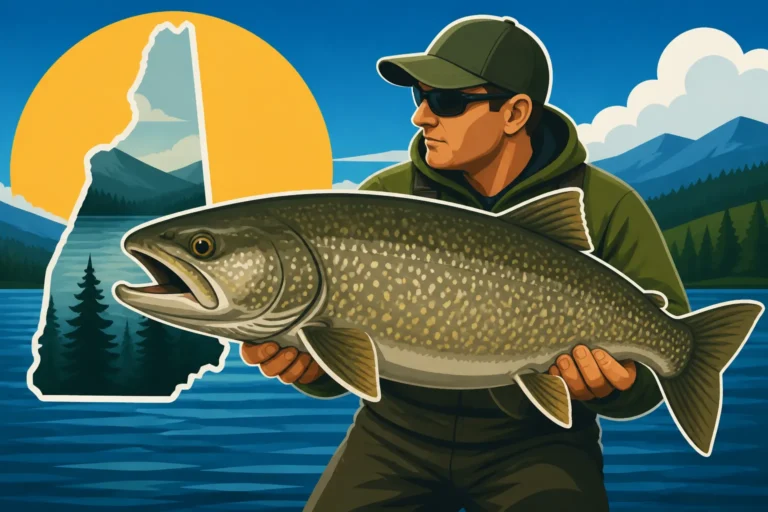
What a splake is
There's a special kind of fish swimming in some of New Hampshire's waters that often sparks a bit of confusion, even among seasoned anglers. It's not quite a brook trout, and it's not exactly a lake trout, yet it has characteristics of both. This guide will unravel the mystery of the splake, explaining what this unique fish is, why it's found in our lakes, and how you might go about catching one.
Understanding the Splake: A Hybrid Trout
Imagine taking the best traits of two beloved fish and combining them into one. That's essentially the story of the splake. They're a fascinating example of fisheries management creating a fish designed to thrive and provide exciting angling opportunities.
The Unique Lineage: Brook Trout Meets Lake Trout
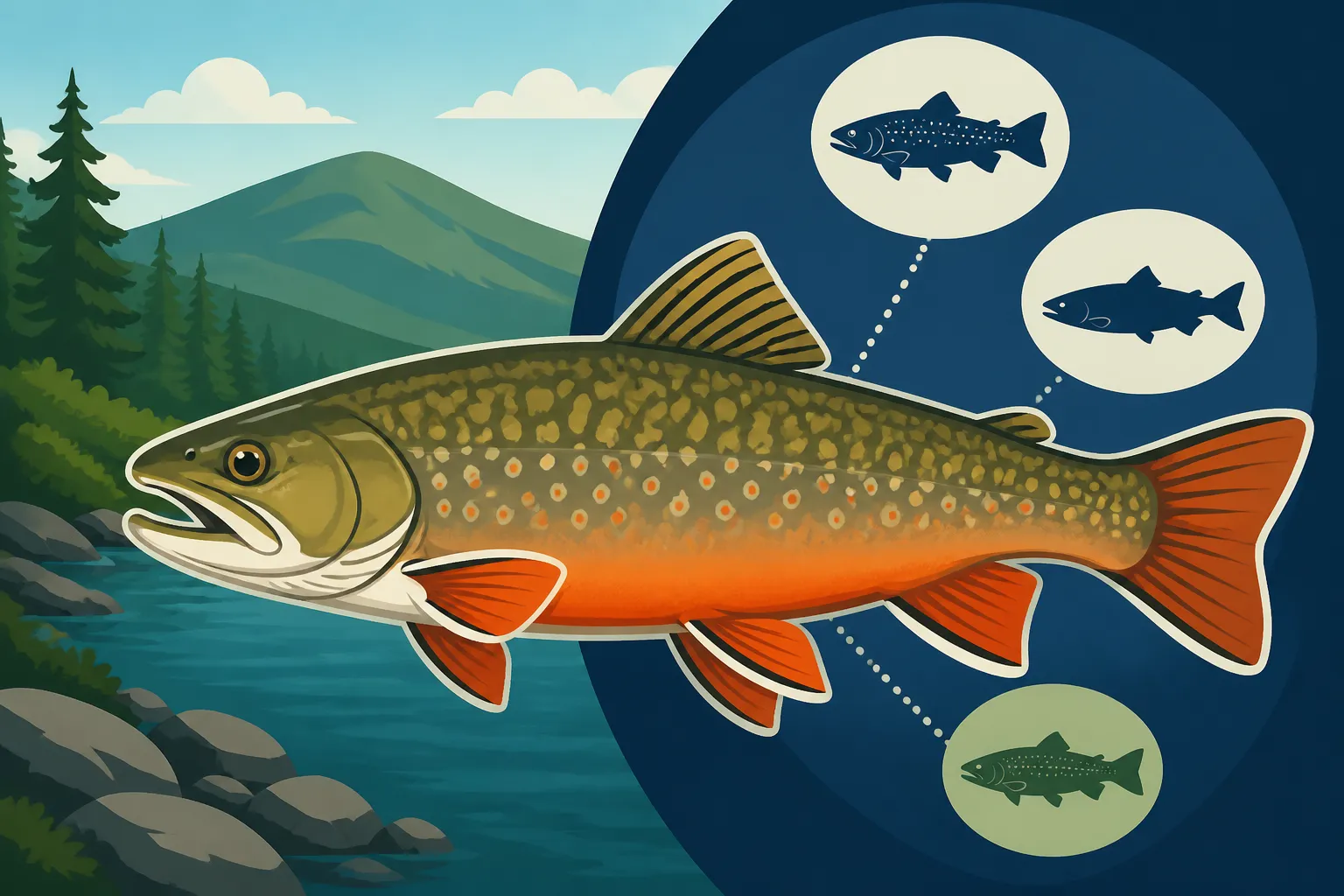
At its heart, a splake is a hybrid fish, a cross between a male brook trout and a female lake trout. This isn't a naturally occurring phenomenon in the wild; it's something that fisheries biologists carefully cultivate in hatcheries. The intention behind this cross-breeding is to combine the best attributes of both parent species. The brook trout is known for its relatively fast growth, vibrant colors, and willingness to strike a lure, while the lake trout brings impressive size potential, longevity, and a preference for deeper, colder waters. The name "splake" itself is a portmanteau, cleverly combining "spotted" (from speckled trout, another name for brook trout) and "lake trout." It's a handy shorthand for this distinct hybrid.
The creation of splake dates back many decades, as fisheries departments sought a fish that could adapt to certain lake conditions where neither brook trout nor lake trout thrived optimally. In New Hampshire, where we have a diverse range of water bodies, from small ponds to vast, deep lakes, having a versatile species like the splake can be a real advantage. They offer a unique angling experience, different from targeting either of their parent species individually, and often fill a specific niche in the aquatic ecosystem.
Physical Characteristics and Identification
When you pull a splake from the water, you might do a double-take. It genuinely looks like a mix of its parents, and telling it apart from a purebred brook or lake trout can be tricky if you don't know what to look for. Generally, a splake will have a body shape that's more streamlined and elongated than the chunky brook trout, but not as torpedo-like as a truly massive lake trout. Their caudal fin, or tail, is one of the key identifiers; it's typically slightly forked, a characteristic inherited from the lake trout. A brook trout, by contrast, has a square or only very slightly emarginate tail, while a large lake trout will have a deeply forked tail.
Coloration is another good clue. Splake often display the beautiful worm-like markings, called vermiculation, on their backs that are so characteristic of brook trout. However, their flanks might also have the lighter spots against a darker background, similar to a lake trout, though sometimes the spots can be red-haloed like a brook trout's. It's a real mixed bag, which is why identifying them can be a fun challenge. Understanding these subtle differences is important, especially when you're out fishing in waters where both parent species and splake might be present, as Trout Species Identification Guide for New Hampshire can further explain. Remember, regulations for each species can vary, so a correct ID is always helpful.
| Feature | Brook Trout (Parent) | Lake Trout (Parent) | Splake (Hybrid) |
|---|---|---|---|
| Tail Shape | Square or very slightly emarginate | Deeply forked | Slightly forked |
| Back Pattern | Pronounced vermiculations | Few vermiculations, light spots | Vermiculations present, often less pronounced than brook trout |
| Body Spots | Red spots with blue halos | Light, often white/cream spots | Mixed, sometimes red-haloed, sometimes just light |
| Body Shape | Stocky, robust | Elongated, torpedo-like | Intermediate, more streamlined than brook trout |
| Lower Fins | White leading edge, often with black line | Plain or lightly spotted | White leading edge, sometimes faint black line |
| Preferred Temp | Colder streams/ponds | Very cold, deep lakes | Prefers cold, deeper waters, more tolerant than lake trout |
The "Why" Behind Stocking Splake in New Hampshire
So, why go through the effort of creating and stocking a hybrid fish when we have native brook trout and impressive lake trout already? The answer lies in optimizing fisheries and providing diverse angling opportunities. Splake are often stocked in lakes that might be too warm or lack the specific deep, oxygen-rich conditions that lake trout absolutely demand for long-term survival and reproduction. They can tolerate slightly warmer temperatures than lake trout but still prefer the cold, deep parts of a lake, making them suitable for certain waters where lake trout might struggle.
Additionally, splake tend to grow faster than brook trout and can reach larger sizes in these intermediate habitats, offering a more robust fighting fish for anglers. They also tend to mature earlier than lake trout, meaning they can provide a quicker return on investment for stocking programs. This makes them an excellent "put-grow-and-take" species, meaning they are stocked, grow to a catchable size, and are primarily intended to be harvested by anglers, rather than becoming a self-sustaining population, though some natural reproduction has been observed in very rare instances. They provide a unique challenge for anglers, bridging the gap between stream trout and their larger, deeper-dwelling cousins.
Where to Find Splake in New Hampshire Waters
Knowing what a splake is just the first step; the real fun begins when you figure out where to actually cast a line for them. New Hampshire's diverse aquatic landscape provides various opportunities for anglers to encounter this fascinating hybrid.
Preferred Habitats and Water Conditions
Splake, being a hybrid of brook and lake trout, inherit a preference for cold water. They're typically found in deeper, cooler lakes and ponds, especially those with good oxygen levels throughout the water column. While they can tolerate slightly warmer conditions than true lake trout, you're not going to find them lingering in shallow, warm coves during the heat of summer. Instead, look for them suspending over deeper basins, along underwater points, or near structures that offer access to colder water. These fish are opportunistic feeders, so areas with abundant baitfish, like smelt, will often hold concentrations of splake. They're built for chasing, so a good food source is paramount.
During spring and fall, when lake temperatures are cooler throughout, splake might be found shallower, cruising near shorelines or around rocky structures. However, as the water warms in summer, they retreat to the cooler, deeper sanctuaries. For ice fishing, they will again be more spread out, often cruising at various depths looking for food. The availability of consistent cold water is the primary factor in where these fish are stocked and where they choose to live, making deep, clear lakes their preferred domain.
New Hampshire's Stocking Program and Target Waters
Because splake are hybrids that rarely reproduce effectively in the wild, the populations in New Hampshire are almost entirely supported by stocking efforts from the New Hampshire Fish and Game Department. These programs strategically place splake into specific lakes and ponds where they are expected to thrive and provide good angling opportunities. The goal is to create a put-grow-and-take fishery, adding a new dimension to New Hampshire's freshwater offerings.
While specific stocking lists can change year to year, typically you'll find splake in larger, deeper lakes that can sustain a cold-water fishery but may not be ideal for wild lake trout reproduction. These include some of the mid-sized lakes that have sufficient depth and forage. Keeping an eye on the New Hampshire Trout Stocking Report and Map is your best bet for the most up-to-date information on which waters have recently received splake. Checking these reports allows you to plan your trips to waters where you have the best chance of encountering these exciting fish, ensuring you're fishing where the action is.
Fishing for Splake: Techniques and Best Practices
Now that you know what a splake is and where they generally hang out, let's talk about how to actually get one on the end of your line. Fishing for splake combines tactics used for both brook trout and lake trout, making it a versatile and often rewarding pursuit.
Seasonal Strategies and Timing
Splake fishing success often hinges on understanding their seasonal movements, which are heavily dictated by water temperature.
- Ice-Out (Early Spring): This is prime time! As the ice recedes and surface waters are still very cold, splake will often be found shallower, cruising near shorelines, inlets, and rocky points where they actively feed. Trolling small spoons, stickbaits, or casting jigs can be very effective. This period offers some of the best opportunities to catch them before they retreat to deeper water.
- Late Spring to Early Summer: As the water column begins to stratify and surface temperatures rise, splake will start to move deeper. This is when trolling becomes a dominant strategy. Using downriggers or lead core line to get lures down to their preferred depths (often 20-50 feet or more) is key. Look for them around underwater humps, drop-offs, and main lake basins.
- Mid-Summer: During the warmest months, splake will be in their deepest, coldest haunts. This means very deep trolling, often using electronics to locate baitfish schools and structure where the splake are likely holding. Vertical jigging over deep structure can also be effective if you can pinpoint their location.
- Fall: As water temperatures cool and the lake "turns over," splake will once again become more active and might move shallower. Similar to spring, trolling and casting near points and structure can produce good results. This can be another fantastic time to target them before winter sets in.
- Ice Fishing: Splake are a favorite target for New Hampshire ice anglers. They are typically active under the ice, often cruising at various depths. Using tip-ups baited with live or dead smelt, or jigging with small spoons and Kastmasters, can be highly effective. The deeper, colder lakes that hold splake during open water months become ice fishing hotspots. For more specialized winter fishing, consider exploring New Hampshire Ice Fishing Regulations by Water Body.
Recommended Gear and Baits
Having the right gear makes a huge difference when targeting splake.
- Rods and Reels: For open water trolling, a medium-light to medium-action spinning or baitcasting rod, about 6.5 to 7.5 feet long, paired with a reliable reel spooled with 8-12 lb monofilament or fluorocarbon line is a good starting point. If you're using lead core or downriggers, specialized rods might be preferred. For casting, a sensitive medium-light spinning setup is ideal. You can find many excellent options for these setups on Amazon, whether you're looking for a beginner combo or a more advanced trolling rod. If you're hitting the hardwater, Best Ice Fishing Gear for New Hampshire will provide an excellent overview of essential equipment.
- Lures: Splake are often aggressive and will hit a variety of lures.
- Spoons: Classic trolling spoons in silver, gold, or vibrant colors (like orange and green) are highly effective. Try sizes that imitate small baitfish.
- Stickbaits/Minnow Imitations: These are great for casting in shallower water or trolling. Patterns that mimic smelt or other local forage are excellent choices.
- Jigs: Small jigs tipped with a grub or a piece of bait are excellent for vertical jigging through the ice or in deep open water. Metal jigs like Swedish Pimples or blade baits also work wonders, especially in winter.
- Flies: While less common for splake, larger streamers can entice them, particularly when they are shallower.
- Bait: Live bait, especially minnows or smelt, can be incredibly effective, especially when fished under a bobber or on a tip-up during ice fishing. Cut bait can also work. Always check local regulations regarding baitfish use.
- Electronics: A good fish finder is invaluable for locating depth, structure, and baitfish schools, especially when splake are holding deep. Portable units are great for kayaks, while larger units are essential for powerboats. This is another area where you can find a wide array of options, from basic models to advanced side-imaging units, on Amazon, to help you pinpoint those elusive fish.
Catch and Release vs. Harvest Considerations
New Hampshire's splake fishery is primarily a "put-grow-and-take" operation, meaning these fish are stocked for anglers to catch and harvest. Unlike some native trout populations where catch and release is heavily encouraged for conservation, harvesting splake is generally acceptable and often desirable as it supports the management goals of the stocking program. They are known for their excellent table fare, often described as having a rich, flavorful flesh similar to a brook trout or salmon.
However, anglers should always be mindful of current regulations. Always check the latest New Hampshire Freshwater Fishing Digest for bag limits, length limits, and any other specific rules for the waters you're fishing. Even when harvesting, responsible angling practices are important. If you choose to release a splake, handle it gently, minimize its time out of water, and ensure it's revived before letting it go. Proper handling helps ensure the fish has the best chance of survival. For general guidance on managing your catch, considering New Hampshire Bag and Possession Limits by Species can be helpful.
The Future of Splake in New Hampshire Fishing
The continued presence of splake in New Hampshire waters is a testament to adaptive fisheries management and the desire to provide diverse angling experiences. Their role in the ecosystem and for anglers is carefully considered.
Management Goals and Angler Impact
New Hampshire Fish and Game manages splake populations with clear objectives: to provide a robust recreational fishery where natural reproduction of other cold-water species might be limited. This often means consistent stocking schedules and careful monitoring of growth rates and angler harvest. The department relies heavily on angler feedback, creel surveys, and scientific studies to determine the success of these programs and make adjustments as needed. If splake are growing well, providing good catch rates, and not negatively impacting other species, the program is generally considered a success. Your input as an angler, whether through voluntary surveys or simply reporting your catches, contributes to this ongoing management. This collaboration between anglers and management ensures a healthy and productive fishery for years to come.
Understanding that these fish are generally not self-sustaining populations in New Hampshire is key. They are a managed resource, and responsible fishing, including adherence to regulations, helps sustain the program. The aim is to offer a unique, exciting angling opportunity without disrupting the delicate balance of the state's natural fish populations.
Conservation and Sustainable Fishing
While splake themselves are a managed, stocked species, the broader principles of conservation and sustainable fishing still apply. Practicing good stewardship means minimizing your impact on the environment, properly disposing of trash, and being aware of the health of the waters you fish. It also means understanding the difference between stocked fish like splake and wild populations of native brook trout, which require different conservation approaches. For instance, Brook Trout: New Hampshire's Native Trout provides insight into preserving these precious species.
By enjoying the splake fishery responsibly, anglers contribute to the overall health of New Hampshire's aquatic environments. This includes understanding the impact of your gear, practicing ethical angling, and supporting efforts to maintain clean, healthy waters. Whether you're targeting splake with lures you found on Amazon, or hand-tying flies, your actions on the water contribute to the bigger picture of conservation in the Granite State. The goal is to ensure that future generations can also experience the thrill of catching these unique hybrid fish in New Hampshire's beautiful lakes and ponds.
Disclaimer
This article is for general informational purposes only and does not constitute professional advice. Laws, prices and regulations vary by location and change over time. Consult a qualified professional for guidance on your specific situation.