Are Splake Stocked in New Hampshire Lakes?
Have you ever caught a fish in a New Hampshire lake that just looked… different? Maybe it had some markings of a brook trout but the body shape of a lake trout, leaving you scratching your head at the boat launch. Well, you're not alone! Many anglers wonder about the diverse fish species in our beautiful state, and today we're diving deep into the fascinating world of splake, confirming their presence and exploring what makes them such a unique catch.
Are Splake Really in New Hampshire Waters?
The short answer to whether splake are stocked in New Hampshire lakes is a resounding "yes!" These unique, fast-growing hybrids are definitely part of our freshwater fishery, offering an exciting and sometimes surprising catch for anglers across the state. It's easy to mistake them for other trout species, but once you learn their tell-tale signs, you'll be able to identify these feisty fish.
The Short Answer: Yes, and They're a Blast to Catch!
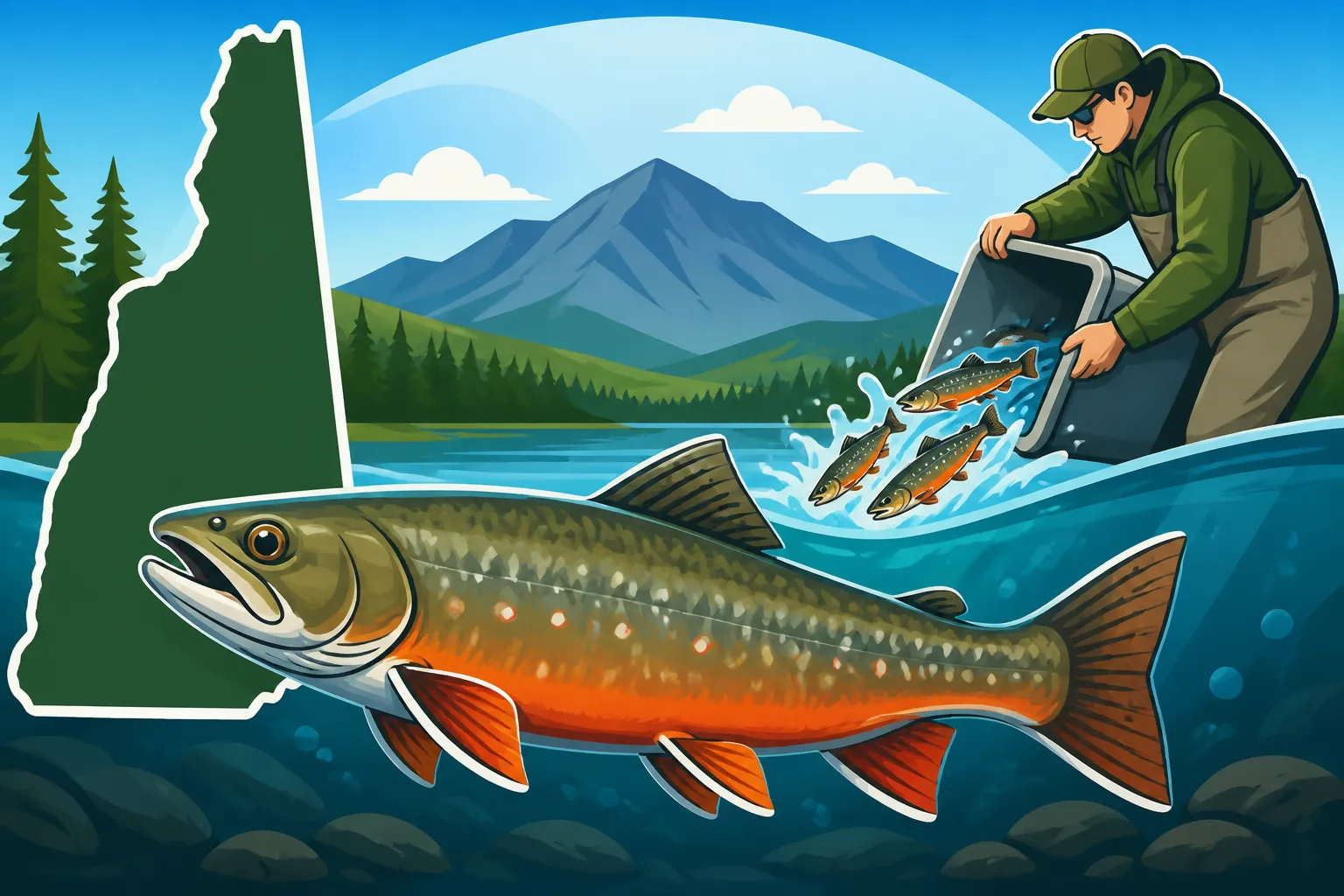
For years, New Hampshire Fish and Game has utilized splake as part of its diverse stocking program, aiming to enhance fishing opportunities and provide a different kind of challenge for anglers. They're not found everywhere, but in specific waters chosen for their suitability, splake thrive and provide excellent fishing, particularly during the colder months. Imagine pulling up a fish on the ice that has the aggressive fight of a brook trout but the heft of a small lake trout – that's the splake experience! This stocking effort provides a fantastic addition to our already rich fishing landscape, giving both resident and visiting anglers another species to target.
Why New Hampshire Stocks This Unique Hybrid
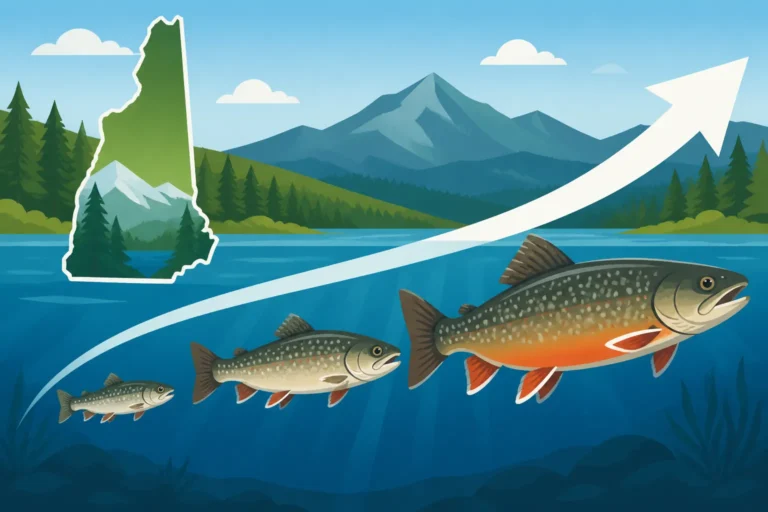
So, why splake? It's all about strategic fishery management. Splake are a hybrid cross between a brook trout and a lake trout. This unique pairing gives them some incredible advantages for a stocked fishery. They grow faster than brook trout and are often more aggressive feeders, making them a popular target. Crucially, they also tend to tolerate warmer water temperatures better than brook trout, extending their viability in certain lakes further into the season. However, they typically don't live as long or get as large as true lake trout.
The idea is to create a "put-and-take" fishery that offers a quick return for anglers. Instead of waiting years for a fish to grow, stocked splake reach a catchable size relatively quickly, providing immediate enjoyment. They fill a specific niche in the aquatic ecosystem, often in waters where native brook trout might struggle to thrive due to habitat changes or competition, but where a full-blown lake trout population isn't feasible or desired. It's a clever way to maximize angling opportunities for everyone. For those interested in the specifics, our article on Splake Stocking in New Hampshire Lakes goes into more detail about these programs.
Understanding the Splake: A Unique Hybrid Trout
The very nature of the splake is what makes it so interesting to anglers and fishery biologists alike. It's not a naturally occurring species; rather, it's a carefully crafted cross that blends the best traits of its parent species. This genetic cocktail results in a fish that often outperforms its cousins in certain environments.
The "How" Behind the Splake
A splake is born from the intentional cross-breeding of a male brook trout (Salvelinus fontinalis) and a female lake trout (Salvelinus namaycush). This isn't something that happens spontaneously in the wild; it requires human intervention in hatcheries. The result is a hybrid that often inherits a blend of characteristics from both parents. Think of it like crossing two different types of apples to get a new, desirable variety. In the case of splake, the goal is typically to combine the brook trout's fighting spirit and vibrant coloration with the lake trout's size potential and adaptability to deeper, colder waters. The What a splake is article delves deeper into their biological makeup.
What Makes Splake Different?
Genetically, splake are indeed a hybrid, and while they can be fertile, their offspring are often less viable than purebred trout, meaning they don't typically establish self-sustaining populations in the wild. This is a key reason why they are primarily a "stocked" species. From an angler's perspective, this means you're almost always catching a fish that was introduced into the water, rather than one that reproduced naturally there. This also impacts conservation strategies; management focuses on stocking numbers and locations rather than protecting spawning habitats for this specific species. You'll often find that the Growth rate of stocked splake in New Hampshire is quite impressive, making them a popular target.
Where You Might Find Splake in New Hampshire
New Hampshire's diverse waters offer opportunities for many species, and while splake aren't universal, they are stocked in specific lakes and ponds throughout the state, particularly those that offer suitable habitat and good public access.
Popular Waters for Splake Fishing
New Hampshire Fish and Game carefully selects waters for splake stocking. These are often lakes and larger ponds that have sufficient cold, deep water habitat to support them, especially during the warmer summer months. While specific stocking schedules can vary by year, some traditional splake waters might include larger, deeper lakes that can sustain a coldwater fishery. They are often stocked in waters that also hold lake trout or brook trout, adding another layer of excitement to your fishing trip. These locations are frequently chosen for their accessibility, ensuring that anglers from all over can enjoy the unique experience of targeting splake. Checking the annual New Hampshire Freshwater Fishing Digest or the Fish and Game website is always your best bet for the most current stocking information. Our guide to the Best Fishing Lakes in New Hampshire might feature some of these locations.
Factors Influencing Stocking Locations
The decision to stock splake in a particular water body isn't random. Fisheries biologists consider several factors. They look at the water's temperature profile, especially through the summer, ensuring it remains cool enough for splake to thrive. The availability of forage (food) is also crucial, as splake, like their lake trout parents, can grow to a decent size and need a robust food source. Additionally, the existing fish populations are assessed to prevent undue competition with native species. The goal is to maximize the success of the stocked splake while maintaining the ecological balance of the lake. For instance, a pond that might be too warm for a robust brook trout population but not quite deep enough for a large, self-sustaining lake trout population could be an ideal candidate for splake. This scientific approach ensures that the state's resources are used effectively to create the best angling experiences.
Identifying Splake: Key Differences from Native Trout
One of the biggest challenges for anglers, and sometimes even for experienced biologists, is telling a splake apart from its parent species, especially brook trout and lake trout. It's not always straightforward, but knowing what to look for can make a huge difference in identifying your catch accurately.
Visual Cues: Spotting a Splake
Splake often display a blend of characteristics from both their brook trout and lake trout parents. Here are some visual cues to look for:
- Tail Shape: This is often the most reliable indicator. Brook trout have a square or slightly emarginate (slightly forked) tail. Lake trout have a distinctly deeply forked tail. Splake usually have a moderately forked tail, a kind of compromise between the two. It's not as deep as a lake trout's, but definitely more forked than a brook trout's.
- Coloration and Spots: Splake typically have light spots on a darker body, similar to brook trout and lake trout. However, the spots on a splake tend to be a mix: some worm-like (vermiculations) patterns on the back like a brook trout, combined with more isolated, rounder spots on the sides like a lake trout. Their overall color can range, but often has some of the vibrant hues of a brook trout, particularly around the fins, but without the distinct blue halos and red spots often seen on brook trout.
- Pectoral and Pelvic Fins: Like brook trout, splake may have white leading edges on their lower fins (pectoral, pelvic, and anal fins), often outlined in black. Lake trout usually lack these prominent white edges.
- Body Shape: Splake generally have a more streamlined, torpedo-like body similar to a brook trout, but they can be a bit bulkier than an average brook trout of the same length, leaning more towards the lake trout's robustness.
Remember, variation exists, so sometimes it takes a keen eye to make a definitive identification. Consulting our Trout Species Identification Guide for New Hampshire might help further.
Splake vs. Brook Trout vs. Lake Trout Comparison
To make things a bit clearer, here's a quick comparison table to help distinguish these three beautiful species you might encounter in New Hampshire waters:
| Feature | Splake | Brook Trout (Salvelinus fontinalis) | Lake Trout (Salvelinus namaycush) |
|---|---|---|---|
| Parentage | Brook Trout x Lake Trout hybrid | Native to New Hampshire | Native to New Hampshire's deep, cold lakes |
| Tail Shape | Moderately forked | Square or slightly emarginate | Deeply forked |
| Body Shape | Streamlined, somewhat robust | Streamlined, slender | More elongated and cylindrical |
| Spotting | Mix of worm-like & distinct round spots | Worm-like (vermiculations) on back, red spots with blue halos | Light spots on darker body, sometimes pale yellow |
| Lower Fins | Often white leading edges, sometimes black outlined | Prominent white leading edges with black outline | Typically no distinct white leading edges |
| Size Potential | Medium (often larger than brook trout, smaller than lake trout) | Small to medium (up to a few pounds) | Large (can reach over 20 pounds) |
| Habitat | Stocked in deeper, colder ponds/lakes | Cold, clear streams and ponds | Deep, cold, oxygen-rich lakes |
Understanding these differences is not just for bragging rights; it's also crucial for adhering to specific fishing regulations, as limits and rules can vary by species.
Tips for Catching New Hampshire Splake
So you've identified the presence of splake and know what to look for—now comes the fun part: catching them! Splake are known for being aggressive and putting up a good fight, making them a rewarding target for anglers. Their hybrid vigor really shines when they hit your line.
Best Times and Techniques
Splake, inheriting traits from both brook and lake trout, can be targeted using a variety of methods. They often prefer colder water, so spring and fall can be prime times. During the warmer summer months, they'll retreat to deeper, cooler sections of lakes and ponds.
Ice Fishing: This is arguably one of the most popular and effective ways to target splake. When the ice is thick enough, splake are often found cruising at various depths. Jigging with small spoons, soft plastics, or vertically jigged baitfish imitations can be very productive. You might find them suspended in the water column or relating to structure near the bottom. Many anglers targeting splake during winter will use a fish finder to locate schools of baitfish or the splake themselves, which gives them a real edge. For those venturing out, make sure to read our guide on Ice Fishing in New Hampshire. Tools for ice fishing, from augers to shelters, can be found readily on sites like Amazon.
Open Water: In spring and fall, when water temperatures are cool, splake can be found closer to the surface or around shallower structures.
- Trolling: Using small spoons, stickbaits, or dodgers with a trailing fly can be effective, especially at slower speeds. Focus on areas near drop-offs, points, or submerged structures.
- Casting & Retrieving: From shore or a boat, casting small Kastmasters, Phoebes, or Mepps spinners can entice a strike. Live bait, such as shiners or worms, fished under a bobber or on the bottom, can also be very effective.
- Fly Fishing: While less common than for brook trout, splake can be caught on streamers or nymphs, especially in waters with good forage.
Recommended Gear and Lures
Choosing the right gear can make all the difference when targeting splake.
- Rods and Reels: A light to medium-light action spinning rod (5-7 feet) paired with a 1000-2500 series spinning reel is a versatile setup. This will give you enough sensitivity for subtle bites and enough backbone for a good fight. For ice fishing, a medium-light ice rod (24-30 inches) will be perfect. You can find a wide selection of these on Amazon, often bundled as a beginner-friendly combo.
- Line: Spool up with 4-8 lb monofilament or fluorocarbon line. Braided line with a fluorocarbon leader can also be a great choice for added sensitivity and abrasion resistance, especially when fishing near structure.
- Lures:
- Spoons: Classic choices like Little Cleo, Kastmaster, and Swedish Pimple are highly effective, especially for jigging through the ice or trolling. Silver, gold, and vibrant colors (like orange or chartreuse) often work well.
- Jigs: Small bucktail jigs, marabou jigs, or soft plastic swimbaits rigged on a jig head can be deadly. White, chartreuse, and natural baitfish colors are good starting points.
- Stickbaits: For trolling or casting, Rapala Original Floaters, Husky Jerks, or similar shallow-diving stickbaits can imitate baitfish.
- Spinners: In-line spinners like Mepps Aglia or Rooster Tail are always a solid choice, particularly in smaller sizes.
- Live Bait: Shiners, worms, or even cut bait can be irresistible to splake. Rig them on a plain hook (size 6-10) with a split shot or a small jig head.
Don't be afraid to experiment with different presentations and depths until you find what the splake are biting on that particular day. Keeping a selection of these lures, easily purchased through retailers like Amazon, will prepare you for varying conditions.
Conservation and Regulations for Splake Fishing
As with all fishing in New Hampshire, understanding and adhering to regulations is paramount. While splake are a stocked hybrid, managing their populations ensures sustainable fishing opportunities for everyone. Ignorance of the rules is never an excuse, and responsible angling benefits all.
Understanding Splake-Specific Rules
Because splake are a managed species, there might be specific regulations regarding their harvest. These can include daily bag limits, minimum length limits, and even season dates that differ from other trout species. For instance, a lake might have a general trout limit, but a specific, separate limit for splake. These rules are put in place by the New Hampshire Fish and Game Department to control the harvest and ensure that the stocked fish provide sustained angling pleasure throughout their season. Always make sure to consult the most current New Hampshire Freshwater Fishing Digest before heading out. This invaluable resource will provide exact details on New Hampshire Fishing Regulations Explained, including any specific rules for waters where splake are stocked. Sometimes, rules can vary by water body, so checking for "special regulations" on a particular lake or pond is crucial.
Responsible Angling for This Hybrid
Even though splake are a stocked, hybrid species, practicing responsible angling is still incredibly important. This means more than just following the regulations; it encompasses ethical behavior on the water.
- Catch and Release Best Practices: If you plan to release a splake, handle it gently. Minimize its time out of water, use wet hands to protect its slime coat, and remove hooks quickly with pliers. If the fish is deeply hooked, consider cutting the line rather than trying to rip the hook out.
- Respecting the Environment: Always pack out what you pack in. Leave no trace of your visit, and be mindful of litter, especially fishing line which can be harmful to wildlife.
- Reporting Your Catches (if requested): Sometimes, Fish and Game might ask anglers to report certain catches or tag returns. This data is invaluable for their management programs, helping them understand the success of stocking efforts and make informed decisions for future seasons. Your participation can directly contribute to better fishing for everyone.
- Checking for Advisories: Be aware of any fish consumption advisories for specific waters, as these can impact whether you should keep and eat your catch. While not always common, it's a good practice to be informed.
By being a responsible angler, you're not just ensuring your own enjoyment but also contributing to the health and longevity of New Hampshire's cherished fishing resources, allowing future generations to experience the thrill of catching a feisty splake.
Disclaimer
This article is for general informational purposes only and does not constitute professional advice. Laws, prices and regulations vary by location and change over time. Consult a qualified professional for guidance on your specific situation.