New Hampshire state record lake trout weight
Every angler who's ever cast a line into New Hampshire's deep, pristine lakes dreams of it: the fight of a lifetime, the bending rod, the splash of a truly colossal fish breaking the surface. There's a natural curiosity that goes hand-in-hand with this dream, an urge to know just how big these giants can get. If you've found yourself wondering about the absolute biggest lake trout ever pulled from the Granite State's waters, you're in the right place. This guide will not only reveal the impressive weight of the New Hampshire state record lake trout but also explore the world of these magnificent fish and what it takes to pursue such a legendary catch.
The Monumental Catch: New Hampshire's State Record Lake Trout
For many, the idea of a state record fish is almost mythical – a once-in-a-lifetime achievement born of skill, patience, and perhaps a little bit of luck. The New Hampshire state record for lake trout is a testament to the incredible angling opportunities available in our state's vast, cold-water lakes. It's a weight that sets the bar high, inspiring countless hours on the water.
The current New Hampshire state record lake trout stands at a staggering 28 pounds, 8 ounces. This magnificent fish wasn't just big; it was a true leviathan, representing the pinnacle of growth for this species within our state's aquatic ecosystems. Catching a fish of this size is a moment etched forever in an angler's memory, a true benchmark of a lifetime spent pursuing the thrill of the chase. While the specific details surrounding every record catch can sometimes fade into angling lore, the sheer size of this fish ensures its place in New Hampshire fishing history. It tells us that our lakes hold the potential for truly world-class encounters. For more on other impressive catches, check out our guide on New Hampshire State Fish Records by Species.
The Significance of a Record-Breaking Trout
What makes a 28-pound lake trout so significant? It's not just the number on the scale; it's what that number represents. Lake trout are long-lived fish, and reaching such an immense size takes decades of survival, avoiding predators, finding ample food, and navigating the changing conditions of their deep-water homes. A record-breaker like this often means it's an apex predator, thriving in an environment rich with forage and undisturbed for many years. It's a symbol of a healthy, mature fishery, showcasing the natural potential of New Hampshire's cold-water habitats. Imagine the dedication of the angler who spent the time and effort to locate and land such a beast – it wasn't a casual catch, but likely the culmination of extensive knowledge and persistent effort.
Chasing the Dream: What it Takes
While most anglers might never break a state record, the pursuit of large lake trout is a driving force for many. Understanding what factors contribute to a fish reaching such an enormous size can help us all become better anglers, even if our personal best remains a few pounds shy of the record. It requires a deep understanding of lake trout behavior, their preferred habitats, and the most effective techniques to entice them. It also highlights the importance of respecting these elder fish, whether you choose to keep them or release them to fight another day and continue their genetic legacy.
Where Giants Roam: Understanding New Hampshire's Lake Trout Habitats
Lake trout, often called "lakers" by those who pursue them, are truly creatures of the deep. To reach record-breaking sizes, these fish need specific conditions that only a handful of New Hampshire's largest and deepest lakes can provide. These aren't your typical pond fish; they thrive in a very particular environment.
The Ideal Lake Trout Environment
For a lake trout to grow to 28 pounds, it needs a stable, cold, and highly oxygenated environment year-round. New Hampshire is blessed with several such lakes, characterized by their significant depth and crystal-clear waters. These deep basins act as natural refrigerators, maintaining consistently cold temperatures even during the warmest summer months. This is crucial because lake trout are extremely sensitive to warm water; they need that chill to survive and thrive. Think about the massive lakes in New Hampshire – the ones with incredible depths and expansive cold-water zones. These are the nurseries and hunting grounds for true trophy lakers.
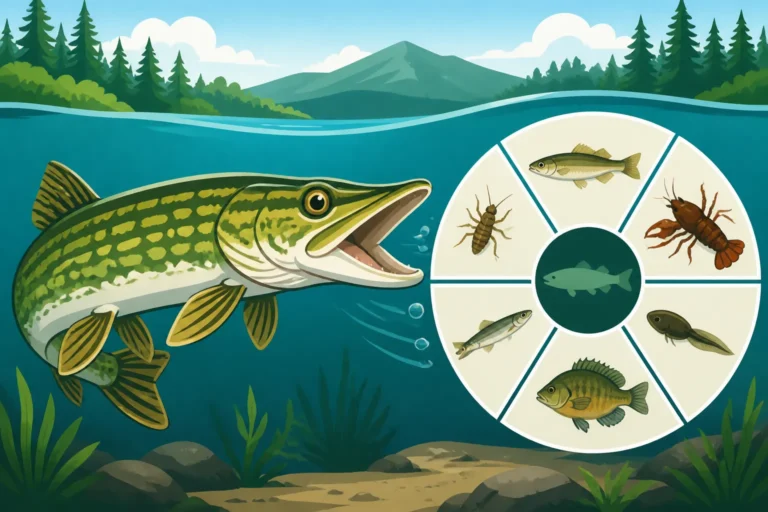
Beyond temperature, these lakes must also possess ample forage. Lake trout are voracious predators, and their diet is a key factor in their growth rate. In many of New Hampshire's prime lake trout waters, species like rainbow smelt are the primary food source. These small, schooling baitfish provide the rich, fatty meals that allow lake trout to pack on the pounds and reach impressive sizes. A lake with a robust population of smelt or other suitable baitfish is often a lake with the potential for massive lake trout. We delve more into their diet in What lake trout eat in New Hampshire lakes.
The Longevity of Lake Trout and Their Growth Potential
One of the fascinating aspects of lake trout is their longevity. Unlike some species that grow quickly and die young, lake trout can live for many decades, some even exceeding 30 or 40 years in pristine conditions. This extended lifespan is a critical component in their ability to reach truly monumental sizes. Imagine a fish that has spent twenty, thirty, or even more years growing, continuously adding mass season after season. Each year it survives, it grows a little larger, pushing closer to that record-breaking potential.
Their growth isn't always linear; it's influenced by food availability, water temperature, and genetic factors. A lake trout that experiences consistent access to abundant forage and ideal environmental conditions throughout its life has the best chance of becoming a truly massive specimen. Understanding their lifecycle is key to appreciating their size; for a deeper dive into their habits, you can learn more about Lake Trout Spawning Season in New Hampshire. These fish embody the term "old growth," silently patrolling the depths, year after year, until they become living legends beneath the waves. For more about pursuing these giants, take a look at our full Lake Trout Fishing in New Hampshire guide.
The Quest for a Trophy: Techniques and Gear for Monster Lake Trout
Catching a lake trout of any size is a rewarding experience, but targeting the kind of fish that could rival a state record requires a specialized approach. These deep-water giants don't just jump on any hook; they demand specific techniques, robust gear, and an understanding of their deep-water habits.
Specialized Techniques for Deep-Water Giants
When it comes to pursuing truly massive lake trout, trolling is arguably the most effective and widely used technique. Trolling involves dragging lures or bait behind a boat, covering vast expanses of water and targeting specific depths where lake trout are likely to be feeding. Given that record-class lake trout often inhabit depths far beyond the reach of standard casting, specialized equipment like downriggers or lead core lines are essential. Downriggers allow anglers to precisely control the depth of their lures, presenting them directly in the strike zone, often hundreds of feet below the surface.
Another effective technique, especially during certain times of the year or when lake trout are concentrated in specific areas, is deep jigging. This involves using heavy jigs, often tipped with bait, and vertically working them near the bottom or suspended fish. This method requires excellent boat control and a keen sense of touch to detect subtle bites from fish in deep water. Mastering either of these techniques takes time and practice, but they are your best bet for connecting with the largest lakers.
Essential Gear for Trophy Lake Trout Anglers
To stand a chance against a potential record-breaking lake trout, your gear needs to be up to the task. We're talking heavy-duty everything. Your rod needs to have enough backbone to handle a powerful fight, capable of absorbing runs and lifting a heavy fish from considerable depths. Paired with this, a stout reel with a high line capacity is non-negotiable. Lake trout make powerful, sustained runs, and you'll need plenty of line to let them go without risking a snap.
Modern braided lines, often paired with fluorocarbon leaders, are popular choices for their strength, minimal stretch, and abrasion resistance. When trolling, you'll need a selection of large spoons, deep-diving crankbaits, or even rigged whole baitfish (like smelt imitations) that can withstand the pressure of deep-water retrieves and the violent strikes of a large laker. Many anglers source these specialized items from online retailers like Amazon, often comparing different brands and reading reviews to find the most durable and effective lures and line. You might also find that Amazon is a convenient place to look for heavy-duty trolling rods and reels that can handle the extreme stress of fighting a large, deep-dwelling fish.
Electronic fish finders are also absolutely critical for serious lake trout anglers. These devices allow you to read the underwater topography, locate schools of baitfish, and most importantly, pinpoint the exact depth where lake trout are holding. Without a good fish finder, you're essentially fishing blind in a vast, dark world. Investing in a quality unit, which you can research extensively on platforms like Amazon, can significantly increase your chances of finding these elusive giants. For a full breakdown of what you'll need, check out our guide on Best Trolling Gear for New Hampshire Lake Trout and Best Fish Finders for New Hampshire Lakes.
| Gear Type | Description | Why it's Important for Trophy Lakers |
|---|---|---|
| Rod | Heavy to extra-heavy action, 7-9 feet | Power to set hooks deep, absorb runs, and lift heavy fish. |
| Reel | Large capacity, strong drag (e.g., conventional or heavy spinning) | Holds hundreds of yards of line for long runs, provides stopping power. |
| Line | 20-50 lb braid with fluorocarbon leader (15-30 lb) or lead core | Braid for sensitivity and strength, leader for stealth/abrasion, lead core for depth. |
| Downrigger/Lead Core | Mechanical or electronic system to deploy lures to precise depths | Essential for reaching lake trout holding in very deep water. |
| Lures | Large spoons, deep-diving crankbaits, tube jigs, swimbait, smelt imitations | Mimic natural forage, durable enough for powerful strikes. |
| Electronics | High-quality fish finder/sonar | Locates fish, bait schools, and underwater structure in deep water. |
| Landing Net | Large, deep basket, durable handle | Safely secures large fish for measuring, weighing, and potential release. |
Patience and Persistence
Ultimately, connecting with a fish that rivals the state record comes down to more than just gear and technique; it's about patience and persistence. Lake trout fishing can often involve long hours of trolling or jigging without a single bite. But it's those moments of quiet anticipation, combined with a deep understanding of the waters you're fishing and the habits of the fish you seek, that make the eventual reward so profound. Every angler who sets out on the water hoping for a record knows that it's a marathon, not a sprint, and that sometimes the greatest catches come when you least expect them.
Certifying Greatness: The State Record Process
Catching a potential state record lake trout is one thing, but getting it officially recognized by the state of New Hampshire is another entirely. The New Hampshire Fish and Game Department has a strict set of protocols to ensure that all state records are legitimate and accurately documented. It's a process designed to uphold the integrity of these prestigious angling achievements.
The Steps to Official Recognition
If you are fortunate enough to land a fish that you believe could be a state record, the first and most crucial step is to handle the fish with care. While the excitement might be overwhelming, you need to ensure the fish remains in good condition for official verification. This often means getting it to an official weigh station as quickly and safely as possible.
Here's a general outline of the process:
- Keep the fish alive if possible: While not always feasible for deep-water fish or for the eventual record verification, initial care is important. However, for a state record, the fish must be presented for official weighing, often meaning it cannot be immediately released.
- Locate an official weigh station: This is typically a certified scale at a tackle shop, marina, or other designated location. The scales must be inspected and certified for accuracy. The New Hampshire Fish and Game Department can provide a list of such locations.
- Contact the NH Fish and Game Department: As soon as you suspect you have a record, you should contact the NH Fish and Game Department. They will guide you through the specific requirements and may send a representative to witness the weighing.
- Official Weighing and Measuring: The fish must be weighed on a certified scale in the presence of witnesses. Its length and girth will also be measured. Photographs are often required, showing the angler and the fish, and sometimes the measurement process itself.
- Species Identification: A qualified biologist or Fish and Game representative must verify the species of the fish. This is crucial to ensure there's no misidentification.
- Complete the Official Application: You will need to fill out an application form provided by the Fish and Game Department, detailing the catch location, date, method, and other relevant information.
The entire process is designed to eliminate doubt and celebrate truly exceptional catches. It's not just about the angler; it's about the fish and the fishery it came from. Detailed regulations regarding harvest and possession limits, which would naturally apply to any record catch, are outlined in resources like the New Hampshire Freshwater Fishing Digest.
The Importance of Ethical Angling and Documentation
Even in the thrill of a potential record, ethical angling practices remain paramount. While a state record often means the fish is kept, modern angling encourages catch and release, especially for large, spawning-aged fish that are vital to the health of the fishery. However, for a state record, the fish must be preserved for verification. It's a balancing act between the desire for recognition and the conservation of our resources.
Proper documentation is key to the entire process. Having reliable witnesses, clear photographs, and accurate measurements ensures that your claim is verifiable. Without adhering strictly to these guidelines, even a truly massive fish might not be recognized as an official state record. This careful approach ensures that when we talk about the 28-pound, 8-ounce New Hampshire state record lake trout, we know it's a fact, not just a fishing tale. It’s part of the extensive framework of New Hampshire Fishing Regulations Explained that helps manage and protect our fisheries.
Disclaimer
This article is for general informational purposes only and does not constitute professional advice. Laws, prices and regulations vary by location and change over time. Consult a qualified professional for guidance on your specific situation.