New Hampshire state record rainbow trout weight
It’s an age-old question that sparks the competitive spirit in every angler who casts a line in the Granite State: what’s the biggest one caught? When it comes to rainbow trout, those vibrant, hard-fighting beauties that leap and splash, setting a new state record in New Hampshire isn’t just about the fish; it’s about a moment of pure angling glory. If you've ever dreamt of seeing your name in the record books, or simply want to appreciate the truly monumental fish that have come out of our waters, you're in the right place. This guide will dive deep into the current benchmark, what it takes to catch a lunker, and how such a magnificent fish gets officially recognized.
The Benchmark: New Hampshire's State Record Rainbow Trout
Let's cut right to the chase, because I know you're eager to find out. The current New Hampshire state record for a rainbow trout is a truly impressive specimen, weighing in at 12 pounds, 14 ounces. Imagine pulling a fish like that out of the water! It’s the kind of catch that legends are made of, a testament to both the angler's skill and the rich, healthy waters of New Hampshire.
When and Where the Record Was Set
This magnificent rainbow trout was caught way back in 1993 by an angler named Robert Johnson. The exact location often becomes a bit of a local legend, but the official record states it came from the beautiful waters of Lake Sunapee. Lake Sunapee is renowned for its deep, cold waters, which are ideal for holding larger trout and salmon species. It's not uncommon for anglers to dream of similar catches coming from its depths, which also holds impressive Landlocked Salmon Fishing in New Hampshire. Knowing the specific lake gives us a glimpse into the potential of certain fisheries in New Hampshire for producing truly exceptional fish. It wasn't just a lucky cast; it speaks to the conditions and forage available in that lake at that time.
The Significance of a Long-Standing Record
The fact that this record has stood since 1993 is pretty remarkable, isn't it? It means that despite all the advancements in fishing tackle, techniques, and the sheer number of dedicated anglers hitting the water every season, no one has yet managed to top that nearly 13-pound mark. This isn't to say there haven't been other fantastic rainbow trout caught, but for a fish to be officially recognized, it has to meet stringent criteria, not just in weight but in how it was caught and verified. It underscores just how special Robert Johnson's catch was and the perfect storm of conditions it must have taken to grow such a fish and then bring it to the net. It serves as an inspiration for every angler hoping to make their own mark in the state's fishing history.
What Makes a Record-Breaking Rainbow Trout So Special?
Catching a state record isn't just about luck, though a little bit of good fortune never hurts! It’s typically the culmination of several factors aligning perfectly: the right fish, the right water, the right conditions, and the right angler at the right time. A rainbow trout that grows to nearly 13 pounds is truly a unique individual in its environment.
The Role of Genetics and Environment
Just like people, fish have genetic potential. Some rainbow trout are simply predisposed to grow larger than others. But genetics alone aren't enough. They need a thriving environment to reach that potential. In New Hampshire, many of our lakes and rivers are excellent habitats. A record-breaking rainbow trout typically comes from waters that offer:
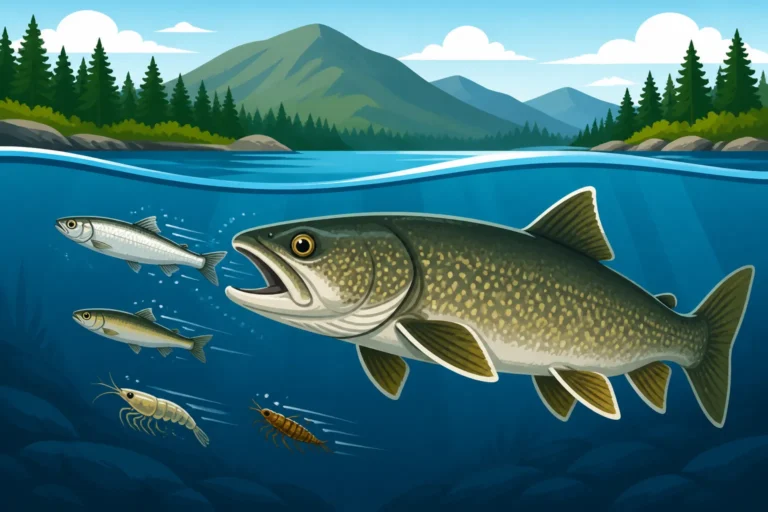
- Abundant Food Sources: A massive trout needs a lot of fuel. This means a rich forage base of baitfish like rainbow smelt, or perhaps plenty of insects and crustaceans. Lakes with healthy populations of these prey species allow trout to pack on the pounds efficiently. You can learn more about this by checking out Rainbow Smelt as Forage Fish in New Hampshire Lakes.
- Cold, Oxygenated Water: Rainbow trout, especially large ones, thrive in cool, well-oxygenated water. Deep lakes or fast-flowing rivers that maintain low temperatures, even through the summer, are crucial. This helps them stay healthy and grow without the stress of warm water.
- Low Fishing Pressure (for that specific fish): A trout has to survive for many years to reach record size. Waters with areas that offer refuge from anglers or where that particular fish has been lucky to avoid being caught contribute to its longevity.
- Growth Rate: Not all rainbow trout grow at the same rate. Factors like water temperature, diet, and even the individual fish's metabolism play a role. A fish that grows quickly and efficiently will reach record size faster.
Age and Size of Trophy Trout
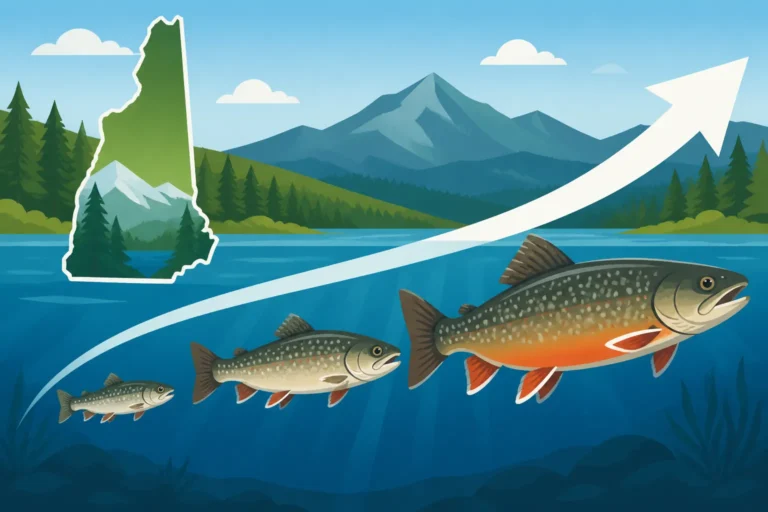
A 12-pound, 14-ounce rainbow trout is not a young fish by any stretch. While exact age varies greatly depending on the water body and conditions, a fish of this size would likely be several years old, possibly 5 to 10 years or even more in some very cold, nutrient-rich environments. These older, larger fish are often solitary predators, masters of their domain, and incredibly wary. They've learned to avoid dangers, including anglers, which is part of what makes catching one such a monumental feat. Understanding the age and size potential of various trout species in the state can be explored further in Trout Species Identification Guide for New Hampshire.
Strategies for Targeting a Trophy Rainbow Trout in New Hampshire
If you're dreaming of breaking that 12-pound, 14-ounce record, you'll need more than just hope; you'll need strategy, patience, and the right approach. While many anglers enjoy the thrill of catching smaller, feisty rainbows, landing a true trophy requires a different mindset.
Knowing Where to Look
The first step is always location, location, location. While the record came from Lake Sunapee, other large, deep lakes in New Hampshire also hold the potential for massive rainbow trout. These might include:
- Lake Winnipesaukee: New Hampshire's largest lake, with incredible depth and a vast forage base, is a known producer of large lake trout and salmon, and certainly has the potential for large rainbows.
- Newfound Lake: Another deep, clear lake known for its cold-water fishery.
- Big Squam Lake: Famous for its stunning scenery and deep, clear waters, it’s home to a variety of cold-water species.
These larger lakes often receive regular stockings of rainbow trout as part of the state's fishery management. To really increase your odds, always check the New Hampshire Trout Stocking Report and Map to see which waters are getting the attention. However, remember that truly record-sized fish are often older, "holdover" trout that have survived multiple seasons, grown large, and learned to forage effectively.
Essential Gear and Techniques
Landing a giant rainbow trout is going to test your gear. You don't want to be caught unprepared.
Rods, Reels, and Line
For trophy rainbow trout, especially in larger lakes, you'll want a medium-heavy spinning or casting setup with a smooth drag system.
- Rods: A 7 to 8-foot medium-heavy rod provides the backbone needed to fight a large fish and cast longer distances. Look for a rod with a sensitive tip but plenty of power in the butt section.
- Reels: A sturdy spinning reel in the 3000-4000 series or a baitcasting reel designed for larger fish will hold enough line and provide reliable drag.
- Line: You’ll want tough line. Many anglers opt for 10-15 lb test monofilament or fluorocarbon as a main line, or even braided line of similar strength with a fluorocarbon leader for abrasion resistance and stealth in clear water. You can find excellent options for specialized lines and reels on Amazon.
Baits and Lures
Trophy rainbow trout often feed on larger prey, so scale up your offerings.
- Trolling Lures: Flashy spoons, stickbaits, and even small plugs can be deadly when trolled behind a boat, especially at depths where baitfish are schooling. Colors that mimic smelt or other local forage are often very effective.
- Live Bait: Live smelt, shiners, or even worms can entice a wary, large trout. Presenting them naturally, either suspended under a float or on a bottom rig, is key.
- Flies: While fly fishing for giant rainbows can be challenging, large streamer patterns that imitate baitfish can work. Often, this is done with sinking lines in deep water. You can explore Best Fly Rods for New Hampshire Trout Streams if you're keen on the fly route.
For a comprehensive look at what to use, check out Best Gear for New Hampshire Trout Fishing. And don't forget to stock up on a variety of lures and tackle. Amazon is a great place to browse and find highly-rated gear that other successful anglers recommend.
Seasonal Considerations
Rainbow trout can be caught year-round in New Hampshire, but certain seasons offer better opportunities for trophy fish.
- Ice-Out (Spring): Right after the ice leaves the lakes, trout are often cruising shallower water, hungry and active. This is a prime time for shore fishing or trolling.
- Fall: As water temperatures drop, trout become more active and can be found in a wider range of depths. They’re often putting on weight before winter, making them aggressive feeders.
- Ice Fishing: During winter, brave anglers hit the hard water. Large rainbows can be caught through the ice, often by jigging or setting tip-ups with live bait. See Ice Fishing in New Hampshire for more on this.
Certifying Your Potential State Record
So, you've done it. You've landed a rainbow trout that looks like a behemoth, a fish that might just be bigger than 12 pounds, 14 ounces. What next? The New Hampshire Fish and Game Department has a strict process for certifying state records to ensure fairness and accuracy. This isn't just about showing off; it's about adhering to established rules.
Immediate Steps After Catching a Potential Record
If you think you have a contender, act quickly and carefully:
- Do NOT Clean or Alter the Fish: The fish must be presented in its natural state.
- Keep it Alive if Possible: If you plan to release the fish after weighing, keep it in a livewell or similar container to ensure its best chance of survival. However, to be officially weighed for a record, the fish often needs to be taken to a certified scale, which might unfortunately mean mortality for the fish. This is a tough call many record seekers face.
- Get it Weighed on a Certified Scale: This is absolutely critical. The fish must be weighed on a scale that has been certified by the New Hampshire Department of Agriculture (or similar weights and measures authority). This usually means bringing it to a reputable tackle shop, a butcher, or a grocery store that has such a scale.
- Have it Witnessed: Ideally, at least one witness, preferably two, should be present during the weighing to verify the process.
- Take High-Quality Photos: Get clear photos of the fish, especially on the scale, with the weight clearly visible. Photos of the fish with the angler are also helpful for documentation.
Submitting Your Claim and Documentation
Once you have the weight, you’ll need to contact the New Hampshire Fish and Game Department. They will provide specific forms and instructions. You’ll need to provide:
- Official Weight and Length: Exact measurements are crucial.
- Date and Location of Catch: Be as precise as possible about where and when you caught it.
- Angler Information: Your full name, contact details, and fishing license number. (Make sure your New Hampshire Fishing License Guide for 2026 is up to date!)
- Witness Information: Names and contact details of anyone who witnessed the weighing.
- Photos: As mentioned, clear photographic evidence is vital.
- Gear Used: Details about the rod, reel, line, and lure/bait used.
The Fish and Game Department may also require a biologist to inspect the fish to verify its species and ensure no foul play. The integrity of the state record system is paramount, so they take these steps seriously. Submitting a record is an exciting but formal process, and attention to detail is key. If you're looking for more general information on how various species records are handled, you can check out New Hampshire State Fish Records by Species.
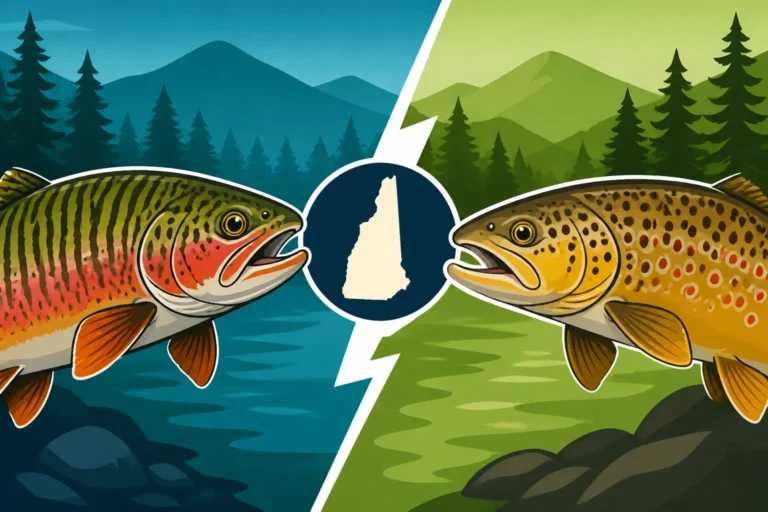
New Hampshire Trout Records Overview
While we've focused on the rainbow trout, it's worth noting that New Hampshire is home to several other incredible trout species, each with its own state record. This table gives you a snapshot of the impressive catches from our waters.
| Species | Weight (Pounds & Ounces) | Year Caught | Location |
|---|---|---|---|
| Rainbow Trout | 12 lbs, 14 oz | 1993 | Lake Sunapee |
| Lake Trout | 28 lbs, 8 oz | 1958 | Lake Winnipesaukee |
| Brook Trout | 6 lbs, 8 oz | 1968 | Lake Winnipesaukee |
| Brown Trout | 12 lbs, 2 oz | 1982 | Pemigewasset River |
| Splake | 10 lbs, 4 oz | 2005 | Echo Lake |
As you can see, the waters of New Hampshire hold some truly remarkable fish. Each of these records represents a special moment in time and a testament to the robust fisheries we have here. If you're interested in pursuing other species, learning about their records can be a great motivator! You can delve deeper into Lake Trout Fishing in New Hampshire or explore Brook Trout: New Hampshire's Native Trout to target these magnificent fish.
The pursuit of a record fish, or even just a personal best, is one of the most exciting aspects of angling. While Robert Johnson's rainbow trout from Lake Sunapee has held the crown for decades, there's always a chance that the next cast, in the next lake, could yield a new champion. Be prepared, fish smart, and keep dreaming big!
Disclaimer
This article is for general informational purposes only and does not constitute professional advice. Laws, prices and regulations vary by location and change over time. Consult a qualified professional for guidance on your specific situation.