Best Techniques for Low Clear Water Conditions
There’s nothing quite as frustrating as showing up at your favorite New Hampshire fishing spot only to find the water level has dropped significantly, revealing every rock and pebble on the bottom. When rivers run low and clear, or lakes settle into a gin-clear state, fish become incredibly wary, making them tough to entice. This comprehensive guide will walk you through the specialized techniques, gear adjustments, and mental shifts you need to successfully navigate and catch fish in these challenging low and clear water conditions across the Granite State.
Understanding Low, Clear Water Conditions in New Hampshire
Fishing in low, clear water isn't just about spotting more fish; it's about acknowledging that the fish can also spot you more easily. This heightened visibility fundamentally alters fish behavior, demanding a complete shift in an angler's strategy. New Hampshire's diverse waterways, from the freestone streams of the White Mountains to the sprawling lakes of the Lakes Region, can all experience these conditions, often influenced by dry spells or seasonal changes.
Causes and Effects on Waterways
Low water levels in New Hampshire can stem from a variety of factors. A prolonged period without significant rainfall, common during the late summer and early fall, is a primary culprit. Snowmelt runoff in spring can also be unusually low if winter snowfall was light. Additionally, some rivers and streams might see reduced flow due to dam operations or water withdrawals for municipal use or irrigation, though this is often regulated by specific flow regimes. The impact of these lower levels is immediately apparent: water clarity increases dramatically because there's less sediment suspended in the flow, and the overall volume of water decreases, concentrating fish in smaller, often deeper pools or along specific current seams.
The clearer the water, the further light can penetrate, which can make fish feel exposed, especially during bright sunny days. Predation risk increases for them, both from airborne predators like eagles and ospreys, and from shoreline threats like anglers. This heightened sense of vulnerability makes fish incredibly skittish. They become more attuned to vibrations, shadows, and any unnatural movement on the bank or in the water. For an angler, this means your usual approach, cast, and retrieve might be far too aggressive, sending fish darting for cover before your lure even hits the water.
Behavioral Changes in Fish Species
Fish don't just become "smarter" in clear, low water; their entire demeanor shifts. For species like brook trout and rainbow trout in smaller streams, they'll often retreat to the deepest, most oxygenated pockets, or tuck themselves tightly under undercut banks and submerged logs. They'll be less willing to venture into open, shallow runs to feed, instead waiting for food to drift directly into their safe zones. This requires an angler to be exceptionally precise with their presentation. Similarly, smallmouth bass in the lakes, typically aggressive feeders, might hold tighter to structure – rocks, ledges, or submerged timber – in deeper water, only venturing out during very low light periods.
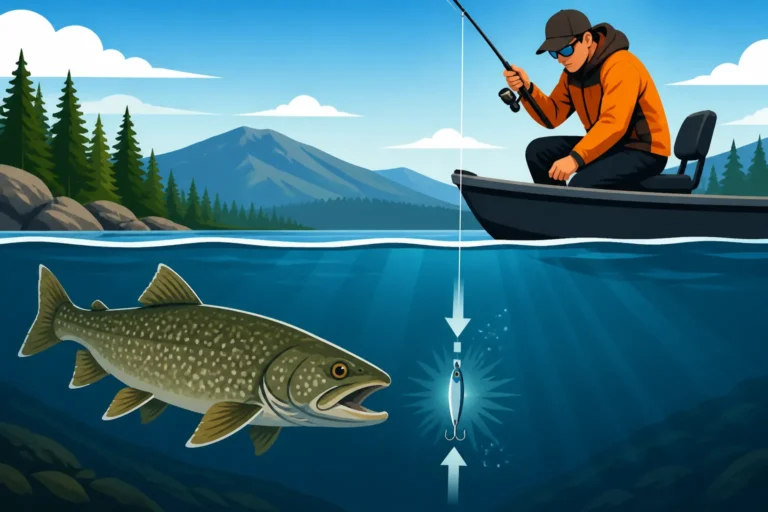
Landlocked salmon and lake trout, which typically inhabit deeper, cooler waters in New Hampshire's larger lakes, are also affected, albeit differently. While their deep-water haunts might remain stable, their willingness to rise to the surface or move into shallower feeding grounds, especially around dawn and dusk, can be severely curtailed. They become more discerning, inspecting offerings with extreme caution. Any flash of a heavy swivel, an unnaturally thick leader, or a brightly colored lure can be enough to send them bolting. Understanding these subtle behavioral changes is the first step in formulating a successful strategy.
Adapting Your Gear for Clear Water Success
When the water turns exceptionally clear, every piece of your tackle becomes magnified in the eyes of the fish. What might be perfectly acceptable in stained or turbulent water can become a glaring red flag under bright, clear conditions. This is where the old adage "less is more" often rings true, especially concerning line visibility and terminal tackle.
Finer Lines and Fluorocarbon Leaders
The most significant adjustment for clear water fishing is often to your line and leader setup. Thicker, more visible lines can instantly put fish on alert. This is why many experienced New Hampshire anglers switch to lighter test lines and, crucially, incorporate fluorocarbon leaders. Fluorocarbon has a refractive index very close to water, making it nearly invisible beneath the surface. For trout fishing on crystal-clear rivers like the Swift River or Ellis River, a 4-6 lb fluorocarbon leader is often standard. For bass and salmon in lakes like Winnipesaukee or Squam Lake, you might still use your regular braided mainline for casting distance and sensitivity, but a 6-10 lb fluorocarbon leader, sometimes even longer than usual (6-8 feet), becomes essential.
Remember, the goal isn't just to fool the fish into biting, but to get your offering to them without detection. A long, thin fluorocarbon leader allows your bait or lure to move more naturally, unimpeded by the stiffness or weight of a heavier line. You can find a wide range of high-quality fluorocarbon leader materials on Amazon, from brands like Seaguar and Berkley, ensuring you have the right strength and diameter for the species you're targeting. When tying your leader, ensure your knots are strong and neat; messy knots can collect debris and become more visible. Learning to tie a strong double uni-knot or FG knot to connect your mainline to your leader is a worthwhile investment of your time. If you're looking to learn more about different types of fishing lines, you might find our guide on "Best Fluorocarbon Line for Clear Lake Water" to be particularly insightful.
Rod and Reel Sensitivity for Subtle Bites
In low, clear water, fish often bite very subtly. They might mouth a bait or nip at a lure without fully committing, especially if they're suspicious. This makes rod and reel sensitivity paramount. A fast-action rod with a light tip will allow you to detect these faint takes more easily. Graphite rods, known for their excellent sensitivity, are often preferred over fiberglass in these situations. For spinning setups, a lightweight reel that balances well with your rod further enhances sensitivity, allowing you to feel every bump and tick.
Consider downsizing your reel as well; a smaller reel often means a lighter overall setup, reducing hand fatigue and allowing for more delicate presentations. For fly fishing, a softer-action rod can aid in delicate presentations of small flies, protecting light tippets from snapping on sudden takes. The goal here is not necessarily to fight a trophy fish, but to feel when a wary fish has even slightly investigated your offering. This sensitivity is crucial for setting the hook quickly before the fish realizes its mistake and spits the bait.
Minimizing Terminal Tackle
Clunky, oversized terminal tackle is a dead giveaway in clear water. Heavy swivels, large snaps, and bright weights stand out like sore thumbs. The key is to minimize everything:
- Weights: Use the smallest weight possible to get your lure or bait to the desired depth. Split shots or fine-wire worm weights are often preferred. If current is an issue in a river, use an inline sinker or a small, camouflaged pinch weight that blends in with the bottom.
- Hooks: Opt for fine-wire hooks that are as small as you can get away with while still being strong enough to handle your target species. Circle hooks, which allow for a better hookup in the corner of the fish's mouth, are also less likely to be swallowed whole, aiding in catch and release.
- Swivels/Snaps: If you absolutely need a swivel, choose the smallest, darkest barrel or ball bearing swivel available. Many clear water anglers prefer to tie directly to their leader or use a small, low-profile snap for quick lure changes, avoiding swivels entirely if possible.
The less hardware visible to the fish, the better your chances of getting a strike. Every component should be chosen with the mindset of stealth and natural presentation.
Lure and Bait Selection for Suspicious Fish
When fish have perfect visibility, they scrutinize everything. This means your lure or bait needs to be as natural and unassuming as possible, both in appearance and action. Forget the flashy, noisy offerings you might throw in murky water; subtlety is the name of the game here.
Natural Colors and Smaller Profiles
In clear water, fish have ample time to inspect your offering, and unnatural colors or oversized presentations will quickly turn them off. The best approach is to "match the hatch" or imitate local forage.
- Colors: Lean towards natural, muted tones. Greens, browns, grays, black, clear/transparent, and silver are excellent choices. If fishing for trout, consider patterns that mimic common aquatic insects like caddis, mayflies, or stoneflies. For bass, think about crawfish, minnows, or smaller baitfish. Even a slight hint of iridescent flash can be enough to draw attention without being overwhelming.
- Sizes: Downsize, downsize, downsize! If you typically throw a 4-inch worm for bass, try a 3-inch version. For trout, go from a size 12 fly to a size 16 or 18. Smaller lures and baits appear less threatening and are more likely to be consumed by wary fish. This applies to everything from soft plastics and jigs to crankbaits and spoons. A smaller lure often has a more subtle action, which further enhances its appeal in clear conditions.
Consider the clarity and how light penetrates. On very bright, sunny days, even a subtle flash can be too much. On overcast days, a slightly more reflective or contrasting color might be tolerated, but always err on the side of natural and understated.
Subtle Baits and Presentations
Aggressive, erratic movements in your retrieve can scream "fake" to a cautious fish. Instead, focus on subtle, lifelike presentations.
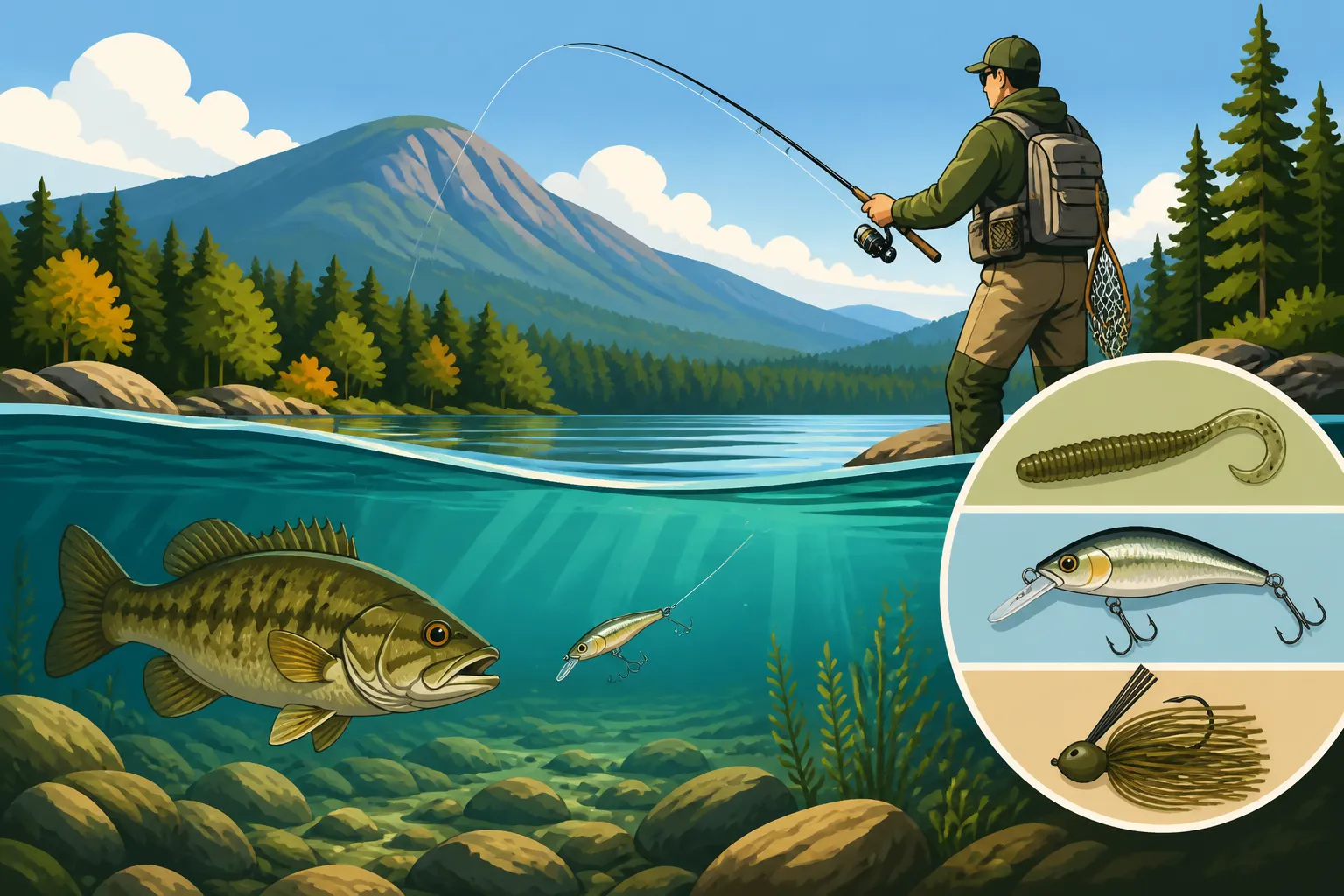
- Soft Plastics: Weightless wacky-rigged worms, small finesse worms on a Ned rig, or tiny tubes fished slowly along the bottom can be deadly for bass. The natural wobble and slow fall are irresistible. Colors like "green pumpkin" or "watermelon seed" are clear-water staples.
- Jigs: Small hair jigs, marabou jigs, or tiny bucktail jigs, especially in black, brown, or olive, can imitate struggling baitfish or insects. Fish them with a slow, gentle jigging motion, allowing them to flutter naturally on the fall. For jigging for perch through the ice, these subtle jigs often outperform larger, flashier options.
- Flies: If fly fishing, focus on smaller nymphs, emergers, and dry flies that perfectly imitate the current insect activity. Delicate presentations are key; "Fly Patterns for New Hampshire Trout Streams" offers some excellent suggestions. Even streamers should be scaled down and fished with less aggressive stripping.
- Spoons/Spinners: If using hardware, opt for small, thin spoons or inline spinners with subdued finishes (matte silver, brass, copper) that have a tight wobble or flash, rather than a wide, aggressive one. A simple Panther Martin or Mepps spinner in a small size can be very effective for stream trout if retrieved at just the right speed to keep it fluttering without overly agitating the water.
Live Bait Advantages
Sometimes, nothing beats the real thing, especially when fish are highly pressured and wary. Live bait, with its natural scent, movement, and texture, can often convince the most finicky fish.
- Worms/Nightcrawlers: A small piece of a nightcrawler on a tiny hook, drifted naturally down a clear stream or suspended under a small float in a lake, is a timeless trout catcher. The natural wiggling is often too tempting to resist.
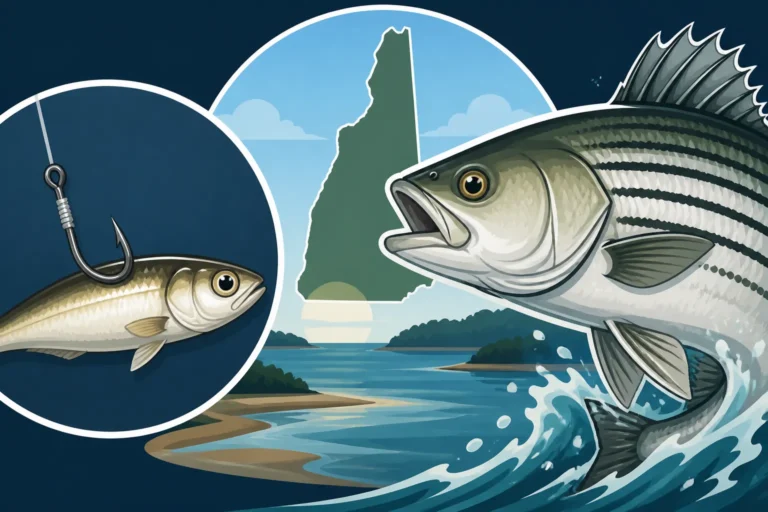
- Minnows/Shiners: Small minnows or shiners, hooked delicately through the lips or dorsal fin, can be incredibly effective for smallmouth bass, pickerel, and even lake trout or salmon. They mimic the natural forage perfectly. When using live bait, avoid heavy weights that hinder natural movement. A light split shot a foot or two above the bait is often all you need. Ensure your bait is lively and fresh, as sluggish bait is less appealing.
- Crayfish/Hellgrammites: These natural food sources, found in many New Hampshire waterways, are excellent choices for larger trout and smallmouth bass. Fished on the bottom with minimal weight, their natural movements can trigger strikes when artificials fail. Remember to check New Hampshire's fishing regulations regarding the use and transport of live bait to ensure compliance.
Stealth and Presentation in Low, Clear Conditions
Even with the perfect lure, if you stomp to the water's edge in a brightly colored jacket, you've likely blown your chances. Stealth is paramount in low, clear water. Fish will see you, feel your vibrations, and hear you long before you cast.
The Approach: Seeing Without Being Seen
Before you even make a cast, observe your surroundings and consider your approach.
- Stay Low and Keep Your Distance: Avoid standing tall on the bank. Crouch, kneel, or even crawl into position. Utilize natural cover like trees, bushes, and large rocks to break up your silhouette. The goal is to present as small and non-threatening a profile as possible. Think like a hunter stalking prey. This is particularly crucial on smaller trout streams where fish have very limited escape routes.
- Wear Subdued Clothing: Bright, contrasting colors (white, neon, highly reflective gear) will make you stand out. Opt for natural, earthy tones – greens, browns, grays, and camouflage patterns. This helps you blend into the natural environment and minimizes your visibility to wary fish.
- Walk Softly: Heavy footsteps on the bank send vibrations through the ground and into the water, alarming fish. Tread lightly, especially near the water's edge. Avoid dropping gear or making unnecessary noise. If you’re wading, move slowly and deliberately, disturbing the water as little as possible. Our guide on "Best Waders for New Hampshire Trout Streams" can help you choose comfortable and stealthy wading gear.
- Watch Your Shadow: Your shadow cast across the water is an instant warning sign for fish. Always try to approach with the sun in front of you, or position yourself so your shadow falls behind you or onto the bank, not over the water you intend to fish. On sunny days, this can be one of the most critical aspects of a stealthy approach.
Precise Casting and Retrieve
Once you're in position, your casting and retrieve need to be equally subtle and accurate.
- Long, Accurate Casts: The further you can cast, the less likely you are to spook fish. Practice your casting to deliver your lure or fly precisely where you want it on the first try, minimizing false casts or repeated attempts that can alarm fish. Sidearm casts or roll casts can help keep your line lower to the water, reducing the profile of your rod and line overhead. For fly anglers, the art of a delicate presentation with minimal splash is vital.
- Upstream or Up-Current Presentation: Whenever possible, cast upstream or up-current and allow your lure or bait to drift naturally downstream past the fish. This mimics how natural food items typically arrive, and it presents your line to the fish after the bait, making it less visible. This tactic is especially effective in New Hampshire’s many rivers like the Merrimack River or Connecticut River. For stillwaters, cast beyond your target zone and retrieve into it, so your lure approaches the fish from a non-threatening angle.
- Controlled, Natural Retrieve: Forget erratic jerks or fast retrieves unless you're trying to cover water quickly for scouting. In clear water, a slow, steady, and natural retrieve is usually best. Let the current work your bait, or impart minimal action with your rod tip. Think about how a real minnow or insect would behave – a gentle flutter, a slow swim, or a dead drift. Any sudden, unnatural movements can immediately send fish fleeing. Be ready for a strike on the initial fall of your bait, as curious fish might investigate immediately.
Reading the Water for Opportunities
Low, clear water conditions make reading the water even more crucial. You're looking for prime holding spots that offer fish both cover and access to food.
- Deep Pools and Eddies: These areas provide refuge from current and overhead predators. Fish will congregate here, especially in rivers. Cast to the edges of these pools, allowing your bait to drift into the deepest sections. Eddies behind large rocks or logs offer a brief respite from the current, making them excellent ambush points.
- Undercut Banks and Overhanging Vegetation: These offer excellent overhead cover. Fish will often tuck tightly against them. Precise casts that place your lure right under the bank or into the shade of overhanging branches are often rewarded.
- Submerged Structure: Rocks, logs, weed beds, and even man-made structures provide vital cover and ambush points. In clear water, you can often see these structures more clearly. Target your casts to the shady side or directly alongside the structure, anticipating where a fish might be hiding.
- Current Seams: The line where fast water meets slow water is a prime feeding lane. Fish can hold in the slower water, expending minimal energy, while waiting for food to be carried past in the faster current. These seams are visible even in low water and are always worth targeting with a well-placed cast. Understanding these holding patterns will dramatically increase your success, turning what seems like an empty stretch of water into a potential hotspot.
Species-Specific Tactics for Low, Clear Water
Different fish species react uniquely to low, clear water. Tailoring your approach to their specific behaviors is key to consistent success.
Trout in Gin-Clear Streams
New Hampshire's trout streams, from the smallest mountain brooks to the larger rivers like the Pemigewasset River, can become exceptionally challenging when flows are down and visibility is high. Trout become incredibly spooky and selective.
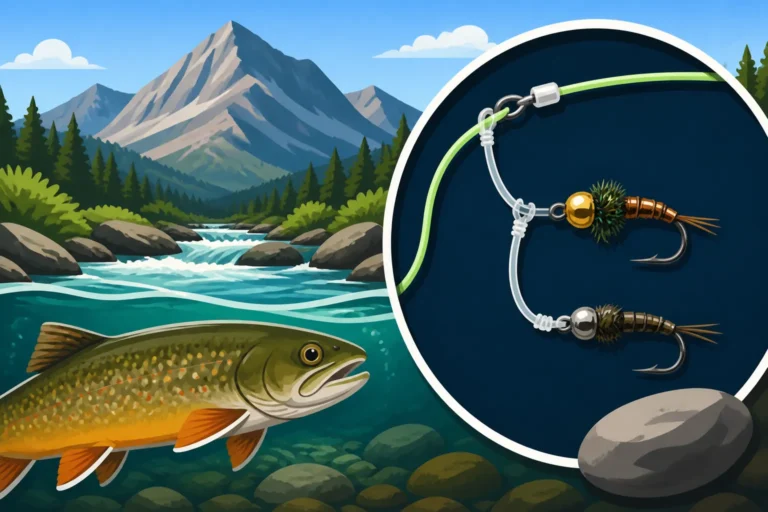
- Brook Trout: Our native brook trout are perhaps the most sensitive. In gin-clear mountain streams, they will hug the bottom, hide under banks, or dart into deep plunge pools. For them, think tiny flies (sizes 18-22) in natural colors like olive or black, presented on exceptionally light tippet (6x or 7x). A dead drift is paramount. Approaching from downstream, casting upstream, and keeping a very low profile are non-negotiable. Sometimes, a tiny garden worm drifted naturally is the only thing they'll touch.
- Rainbow and Brown Trout: These stocked trout and their wild counterparts in larger streams also become wary. Nymphing with very small, weighted nymphs (like a pheasant tail or hare's ear) under a tiny indicator can be effective, presented with a long leader to allow a natural drift. In the late evening, as light fades, they might become more willing to rise to small dry flies or emerger patterns. For deeper pools, try small, lightly weighted streamers in olive or black, retrieved with minimal action. Always aim for precise casts that land softly, minimizing splash. You'll find many useful tips in our "Fly Fishing for Trout in New Hampshire" guide.
Wary Bass in Shallow Lakes
Smallmouth and largemouth bass in New Hampshire's lakes, such as Lake Winnipesaukee or Pawtuckaway Lake, will adjust their habits in low, clear conditions. They might not be as active or aggressive as usual, retreating to deeper or more heavily structured areas during the brightest parts of the day.
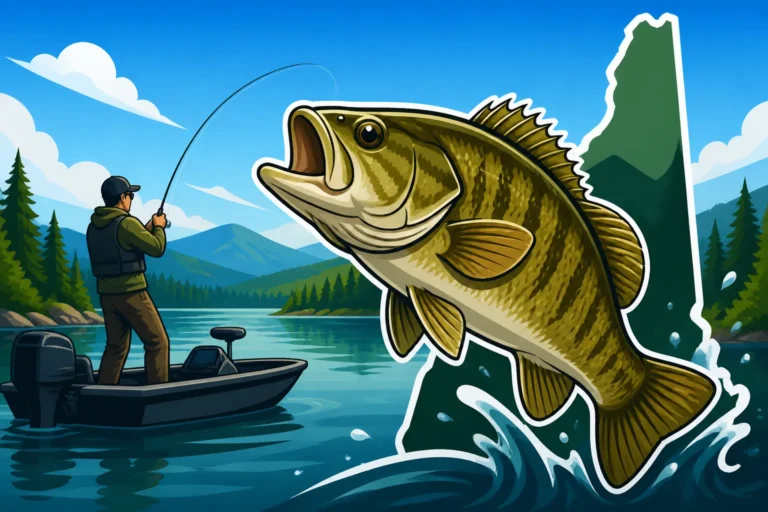
- Smallmouth Bass: Known for their eyesight, smallmouth become particularly skittish in clear water. They’ll often hold on deep rock piles, ledges, or submerged points. Drop-shot rigs with small, natural-colored worms (greens, browns, clear with flake) or tube jigs fished slowly on the bottom are highly effective. A technique called "finesse fishing" is key – subtle twitches, long pauses, and slow retrieves. Topwater baits can still work during low light periods (dawn, dusk, heavily overcast days) but will require longer pauses between twitches. Target shady areas, docks, and rocky shorelines where they can ambush prey without being exposed. Check out "How to Catch Smallmouth Bass in New Hampshire Lakes" for more specific advice.
- Largemouth Bass: Largemouth in clear water will often relate tightly to dense cover – thick weed beds, lily pads, fallen trees, or docks. They rely on these structures for ambush. Pitching small jigs, finesse worms, or tiny creature baits into the heart of this cover is often necessary. The key is to get your bait into their sanctuary without making a commotion. Slowly working a weightless Senko-style bait around the edges of cover can also be highly productive. Natural colors are best; think bluegill or crawfish imitations.
Elusive Salmon and Lake Trout
In larger, deep-water bodies, landlocked salmon and lake trout are less affected by surface clarity, but their behavior near the surface or in shallower feeding grounds will change.
- Landlocked Salmon: These powerful fish become very line-shy in clear water, especially if they are cruising near the surface. Trolling with long leaders (10-20 feet) of light fluorocarbon is crucial. Small spoons or stickbaits in natural baitfish patterns (smelt, shiner, rainbow trout) are effective. If they are holding deeper, using a downrigger with a light leader attached via a snubber can help present your lure naturally. Their prime feeding times often shift to low-light conditions. Our guide on "How to Catch Landlocked Salmon in New Hampshire" has more in-depth strategies.
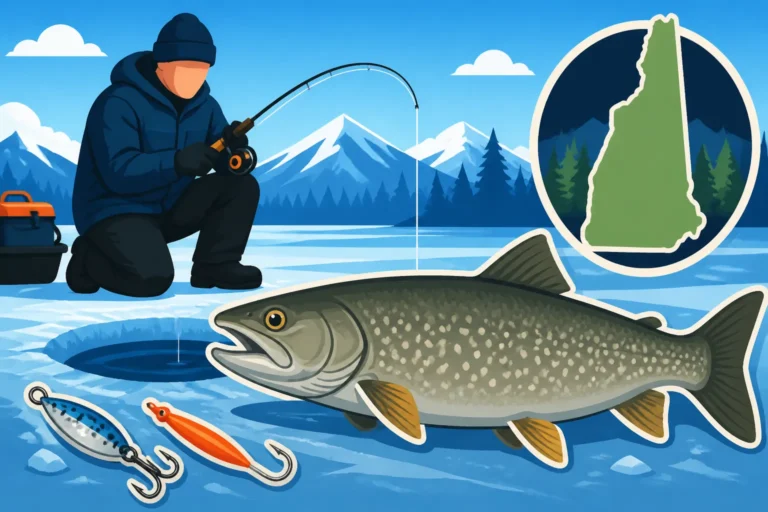
- Lake Trout: While often found deep, lake trout will still be affected by water clarity if they venture shallower, particularly during spring and fall. For deep-water vertical jigging, the same principles of natural colors and smaller profiles apply. Use white, silver, or glow jigs that mimic baitfish. If trolling, again, long fluorocarbon leaders and natural-colored spoons or dodgers with a small fly are effective. Patience and careful observation of your fish finder for suspended fish are key. Learn more about targeting these deep-water giants in "How to Catch Lake Trout in New Hampshire."
| Condition Type | Lure/Bait Characteristics | Retrieve Style | Line/Leader Recommendations | Stealth Level |
|---|---|---|---|---|
| Low, Clear Water | Small profile, natural colors (green, brown, clear, silver), subtle flash | Slow, gentle, dead drift, long pauses | Light mono (4-8 lb), long fluorocarbon leader (4-10 lb) | Extreme: Low profile, quiet, long casts |
| Stained/Murky Water | Larger profile, bright colors (chartreuse, orange, firetiger), heavy vibration | Aggressive, erratic, faster retrieve | Heavier braid/mono (8-20 lb), shorter leaders (mono/fluoro) | Moderate: Less sensitive to movement/noise |
Time of Day and Weather Considerations
The impact of low, clear water is often amplified by other environmental factors like time of day and prevailing weather conditions. Understanding how these elements interact can give you a significant edge.
Low Light: Dawn, Dusk, and Overcast Days
Bright sunlight, combined with clear water, creates the most challenging fishing conditions. The sun allows fish to see everything, and the lack of cover leaves them feeling exposed. This is why low light periods become your most valuable window of opportunity.
- Dawn and Dusk: As the sun rises or sets, the angle of light changes, creating long shadows and reducing the overall light penetration into the water. This makes fish feel much safer moving out from cover to feed. These periods are prime for targeting wary trout with dry flies or small nymphs, and for bass anglers, topwater lures or shallow-running crankbaits can be surprisingly effective. The reduced visibility for fish means they're less likely to scrutinize your line or presentation. It's often the best time of day to catch landlocked salmon, which become more active at the surface.
- Overcast Days: A thick cloud cover acts like a giant diffuser, softening the light and reducing glare on the water. This can make fish feel more comfortable throughout the day, even in clear conditions. While not as good as dawn or dusk, an overcast day offers a significantly better chance than bright sunshine. You might find fish holding in slightly shallower water and being more willing to chase a subtle lure. On such days, don't be afraid to try a slightly more aggressive retrieve or a lure with a bit more flash, as long as it still adheres to the natural color palette.
Post-Front Conditions and Pressure Drops
Weather fronts, particularly cold fronts, can dramatically impact fishing, especially in clear water. A strong cold front often brings high, stable barometric pressure, clear skies, and cooler temperatures. This combination typically shuts down fishing, making already wary fish even more lethargic and tight-lipped.
- The Calm Before the Storm: Often, the best fishing in relation to a front occurs before it arrives, during the period of dropping barometric pressure. Fish sense the approaching change and may feed actively. If you can time your trip during this window, you might find even clear-water fish more cooperative.
- The Post-Front Blues: After a cold front, when the skies are clear and the pressure is high, fish are usually very inactive. They'll hug the bottom or heavy cover and be very reluctant to chase. This is when the most extreme finesse tactics are necessary. Think slow, small, and subtle. Long pauses, delicate presentations, and sometimes just letting a live worm sit motionless on the bottom are your best bets. This is a time for extreme patience and minimal expectations. During these challenging times, anglers often opt for the New Hampshire bass catch-and-release season, focusing on the sport rather than the harvest, as fish are less likely to bite aggressively.
Remember, fishing in New Hampshire is a year-round pursuit, and adapting to conditions is part of the fun. Keeping an eye on the weather forecast and understanding how "New Hampshire Fishing Seasons by Month" impact water levels and clarity will help you plan your excursions for optimal success, especially when battling clear, low water.
Disclaimer
Fishing inherently involves risks, including but not limited to adverse weather conditions, slippery surfaces, and sharp objects. Always prioritize safety, wear appropriate personal flotation devices when boating, and be aware of your surroundings. Fishing regulations can change; always consult the most current New Hampshire Fish and Game Department rules and regulations before heading out to fish. The information provided in this guide is for informational purposes only and does not constitute professional advice.