Best nymph rig for high mountain streams
There’s nothing quite like the allure of chasing wild trout in the crisp, clear waters of New Hampshire’s high mountain streams. But let’s be honest, those beautiful, wild places can also be incredibly challenging, making it tough to get your fly down to where the fish are holding in swift currents and pocket water. This guide is all about helping you understand and master the best nymph rigs to tackle these unique conditions, so you can increase your success and enjoy those stunning mountain fishing adventures even more.
Understanding High Mountain Streams in New Hampshire
Before we even talk about specific gear, it's crucial to grasp what makes New Hampshire's high mountain streams so different from, say, a wide, slow-moving river or a stocked pond. These aren't your typical fishing spots, and what works there often won't cut it in the mountains. We're talking about places like the upper reaches of the Pemigewasset River or some of the smaller, higher-elevation tributaries in the White Mountains, where the water is pristine but unforgiving.
Unique Challenges of Mountain Streams
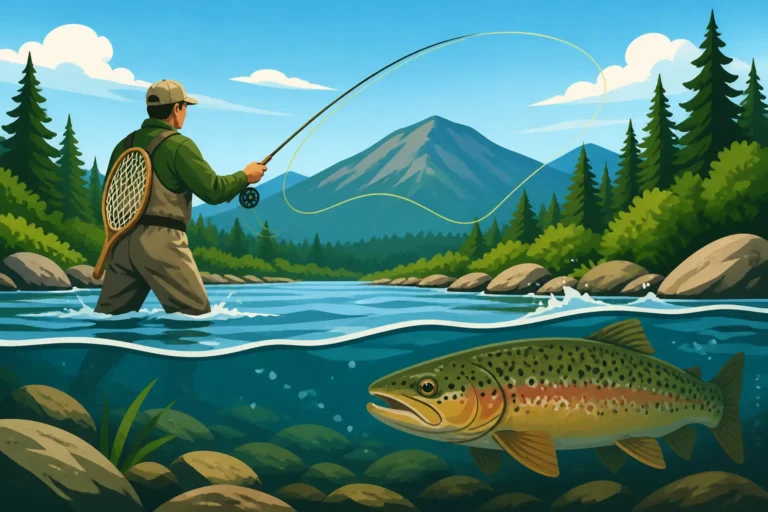
Imagine standing knee-deep in a pristine stream, the water rushing by, carving out deep pockets, riffles, and small waterfalls. This isn't a gentle float; it's a dynamic environment that demands specific tactics. The currents are often swift and turbulent, making it incredibly difficult to get a natural drift with your nymphs. You’ll find constantly changing depths, from shallow runs over bedrock to deep, dark pools behind boulders, all within a few feet. Navigating these varied structures, especially if you're exploring some of the more remote sections you might find by consulting a guide like Best High-Elevation Trout Streams in the White Mountains, requires adaptability.
Beyond the current and structure, the water in these streams is typically crystal clear, especially after a period of stable weather. While beautiful, this clarity means the trout are often incredibly spooky. They have excellent eyesight and can easily detect a poorly presented fly, a heavy leader, or even your shadow if you're not careful. The water temperature is usually colder, too, which can make the fish less active and less willing to move far for a meal. All these factors combine to create a challenging but ultimately rewarding fishing experience.
The Importance of a Stealthy Approach
Given the clear water and often skittish fish, stealth isn't just a good idea—it's absolutely essential. High mountain stream trout, particularly native brook trout, are wary. A clumsy approach will send them darting for cover before you even make your first cast. This means being mindful of your silhouette against the skyline, moving slowly and deliberately along the banks or wading carefully, and avoiding splashing. Every ripple you create, every shadow you cast, can telegraph your presence.
A stealthy approach also extends to your presentation. You want your nymph to enter the water gently, mimicking a natural insect dislodged from the streambed, not a clumsy plop that alerts every fish in the vicinity. Your leader and tippet choices become paramount here, needing to be long and fine enough to fool discerning trout but strong enough to handle potential snags. Ultimately, mastering the art of a quiet entry and a natural drift is often the difference between a memorable day of catching beautiful fish and a frustrating exercise in casting to empty water. Many anglers find practicing their Wading Techniques for New Hampshire Trout Streams to be an invaluable skill for these conditions.
Components of an Effective Nymph Rig
Building the right nymph rig for high mountain streams is a bit like engineering a specialized tool: every component has a specific job, and they all need to work together seamlessly. You're trying to get a small, weighted fly down to the fish quickly, keep it in the strike zone, and detect subtle takes—all in challenging water. This is where attention to detail really pays off, transforming a frustrating experience into a productive one.
Rod, Reel, and Line Selection
For high mountain nymphing, your rod choice can make a huge difference. Generally, you’ll want a rod that's sensitive and has a faster action, allowing for quick, accurate casts in tight quarters and immediate strike detection. Many anglers opt for rods in the 2- to 4-weight range, from 9 to 10.5 feet long. The longer rods, especially those around 10 feet, are fantastic for Euro Nymphing New Hampshire Trout Streams, as they provide better reach, line control, and shock absorption when fighting a strong fish on light tippet. For smaller streams with lots of overhead cover, a shorter 8.5 to 9-foot rod might be more practical.
Your reel doesn't need to be a high-tech drag monster; it's primarily a line storage device for nymphing. However, a lightweight reel that balances your rod well is a plus, reducing fatigue during long days of casting and mending. The fly line itself is critical. For traditional indicator nymphing, a weight-forward floating line that matches your rod weight is standard. But for tightline or Euro nymphing, many dedicated anglers use specialized nymphing lines or even just a level monofilament line, which is much thinner and lighter than traditional fly line, reducing sag and increasing sensitivity. You can find a good selection of specialized lines and rods on sites like Amazon, or by visiting a local fly shop that understands the nuances of Best Fly Rods for New Hampshire Trout Streams.
Leader and Tippet
This is arguably the most crucial part of your nymph rig for mountain streams. For traditional indicator nymphing, a long, tapered leader (9-12 feet) ending in a fine tippet (5X-7X) is common. The taper helps transfer casting energy and turn over your weighted flies. However, for Euro nymphing, the leader system is often much longer and non-tapered, sometimes 20 feet or more of specialized monofilament with a colored sighter section built-in for strike detection. This very long, light leader minimizes drag and allows nymphs to sink quickly.
Regardless of the rig, fluorocarbon tippet is almost universally preferred for nymphing in clear mountain waters. Why? Two main reasons: it sinks faster than monofilament, helping your nymphs get to depth, and it has a lower refractive index, making it nearly invisible underwater. This invisibility is key when fish are wary. You'll want a range of tippet sizes, from 4X for heavier flows or larger fish down to 7X for the most finicky trout in thin water. Remember to check local New Hampshire Fishing Regulations Explained for any tippet strength restrictions, though these are rare.
The Nymphs Themselves
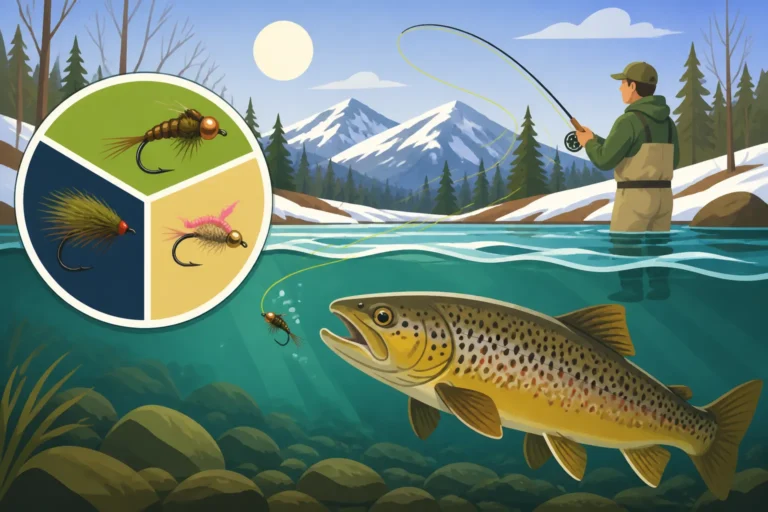
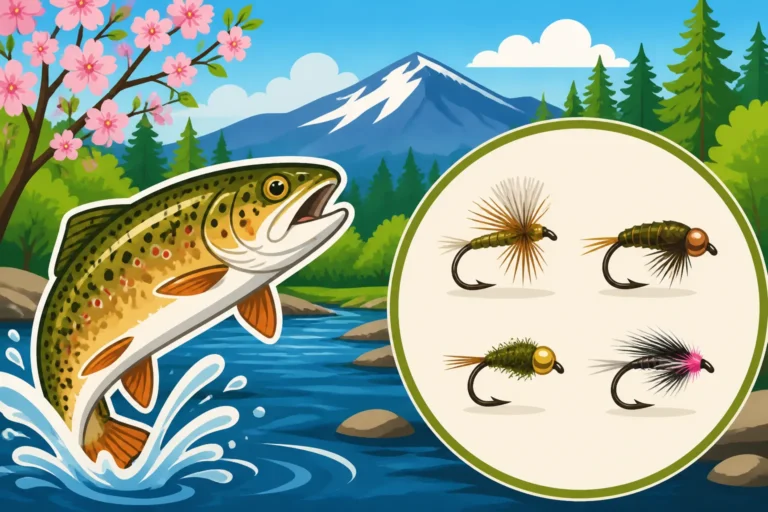
Choosing the right nymphs is an art form. For New Hampshire's mountain streams, you're typically imitating aquatic insects like mayfly nymphs, caddisfly larvae, stonefly nymphs, and midge larvae. Sizes usually range from tiny #18s and #20s for midges up to #12s or #10s for stoneflies. The key is to match the hatch, or at least the general profile and color of insects present in the stream. Consulting a guide like Fly Patterns for New Hampshire Trout Streams can give you a head start.
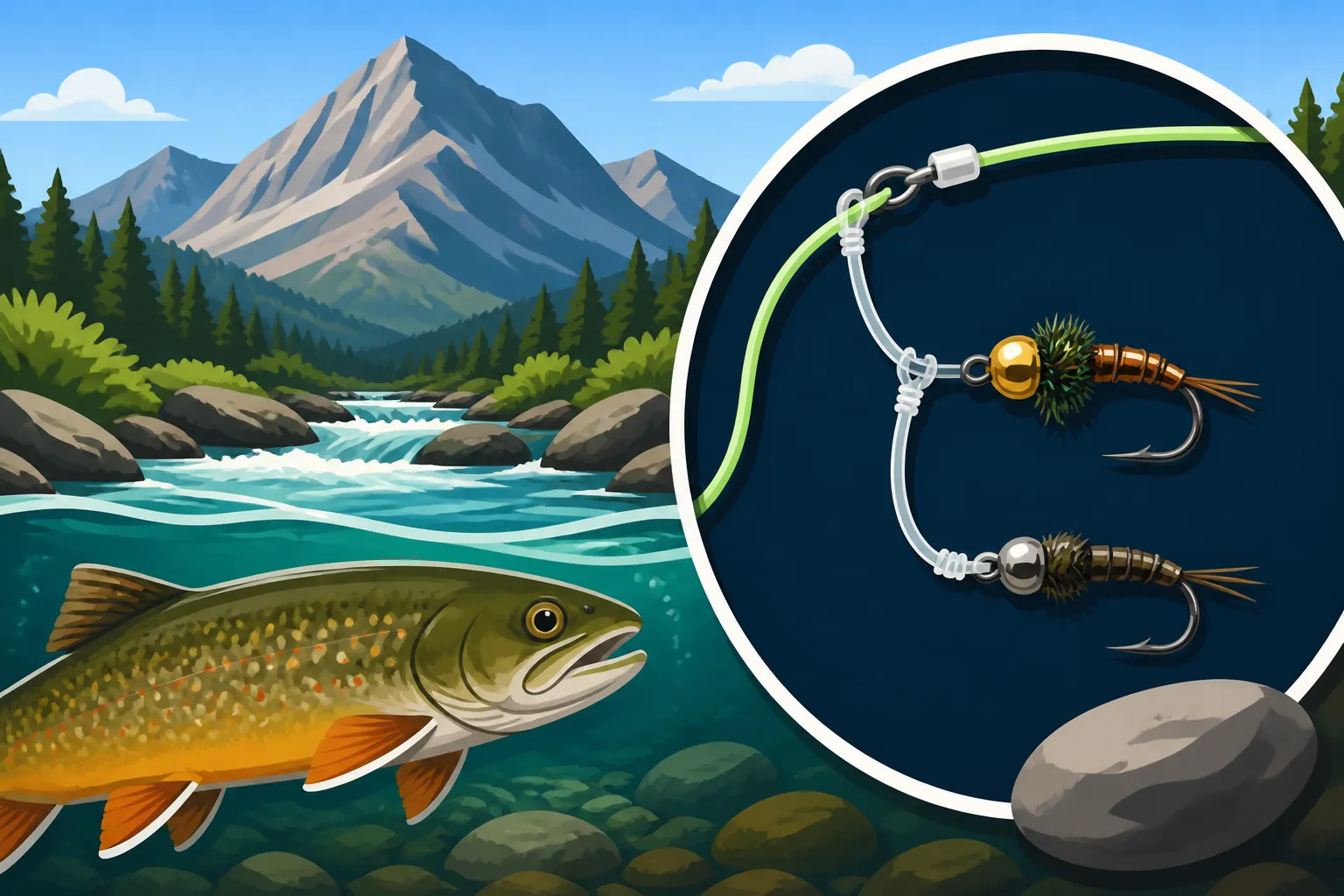
Weighting is also critical. Many effective mountain stream nymphs are tied with tungsten beads or lead wraps to help them sink quickly in swift currents. Patterns like Hare’s Ear, Pheasant Tail, Prince Nymph, and various stonefly imitations (e.g., Pat’s Rubber Legs) are perennial favorites. Don’t be afraid to experiment with different weights and sizes until you find what the fish are keying in on. Sometimes, a heavily weighted "anchor" nymph followed by a lighter, unweighted "dropper" nymph can be incredibly effective.
Popular Nymphing Rigs for New Hampshire Mountain Waters
Alright, now that we've covered the components, let's look at how to put them together. There isn't a single "best" nymph rig, but rather a few highly effective options, each with its strengths depending on the specific water you're fishing and your personal style. Understanding these variations will allow you to adapt on the fly, a crucial skill when fishing dynamic mountain environments.
The Traditional Indicator Rig
This is probably the most familiar nymphing setup for many anglers. It involves a strike indicator (a small bobber-like device) attached to your leader, with one or two weighted nymphs suspended below it. The indicator's job is twofold: it keeps your nymphs at a desired depth and, critically, signals even the most subtle takes from a trout.
The advantage of a traditional indicator rig is its simplicity and ease of casting, especially if you're already comfortable with a standard fly cast. It's often effective in moderate currents and in pools where you need your flies to suspend for a longer period. However, in the turbulent, broken water of high mountain streams, an indicator can be a liability. It creates drag, pulling your nymphs unnaturally, and the constant splashing and bobbing can make it hard to differentiate a true strike from just water movement. For this reason, many experienced mountain anglers reserve this rig for slower sections or larger, deeper pools where a stealthier, drag-free drift is easier to achieve.
Euro Nymphing (Tightline Nymphing)
If you've spent any time researching specialized nymphing techniques, you've likely heard of Euro nymphing, also known as tightline nymphing. This technique has exploded in popularity, and for good reason—it is incredibly effective, especially in the very conditions found in New Hampshire's high mountain streams. The core principle is direct contact. You eliminate the strike indicator and instead use a long, specialized leader system (often with a colored "sighter" section) to maintain direct contact with your nymphs as they drift. The rod tip is held high, and you essentially "lead" your flies through the water, feeling for every bump and tick.
The benefits for mountain streams are immense. Without an indicator, you dramatically reduce drag, allowing your nymphs to sink faster and drift more naturally. The direct contact means you detect strikes much more quickly, often feeling the fish before it has a chance to spit the fly. This precision and sensitivity make it ideal for dissecting complex currents and fishing small pockets and runs that other methods might miss. It requires a different casting stroke and more active line management, but once you get the hang of it, it's a game-changer for wild trout in places like New Hampshire. Many of the specialized rods and leaders for this technique can be found online through retailers like Amazon, making it easier to acquire the specific components needed to perfect your Euro nymphing approach.
The Dry-Dropper Rig
Sometimes, the trout in mountain streams aren't exclusively looking down for food. There might be sporadic hatches, or simply fish willing to come up for a dry fly. This is where the dry-dropper rig shines, offering the best of both worlds. It combines a buoyant dry fly on the surface with a weighted nymph tied off the bend of the dry fly's hook (the "dropper"). The dry fly acts as your strike indicator for the nymph and also presents an attractive meal to surface-feeding trout.
This rig is incredibly versatile and often my go-to when I'm unsure what the fish are doing or when fishing pocket water. The dry fly helps suspend the nymph at a consistent depth, and its buoyancy often makes it easier to achieve a natural, drag-free drift in choppy water compared to a traditional indicator. The added bonus is the chance to catch a fish on the dry fly! It's a fantastic choice for scouting new water, for fishing when trout are looking both up and down, or for adding a bit of visual excitement to your nymphing. Just ensure your dry fly is big enough and buoyant enough to support the weight of your nymph without sinking. Consider pairing a high-floating attractor dry fly with a smaller nymph, such as a Brook Trout: New Hampshire's Native Trout might find irresistible.
Techniques for Presenting Your Nymphs
Having the right rig is only half the battle; knowing how to present it effectively is the other, equally critical piece. In high mountain streams, presentation often boils down to precision, stealth, and achieving that elusive drag-free drift. These techniques are honed through practice, but understanding the fundamentals will give you a solid foundation for success.
Reading the Water
Before you even make a cast, take a moment to "read the water." This means identifying potential holding lies—the places where trout are most likely to conserve energy and find food. Look for seams where fast water meets slow water, the upstream and downstream sides of large boulders, deep pockets, undercut banks, and the tails of pools. These are the trout's dining rooms and bedrooms. Understanding how to Fish a Run and Pool Trout Stream is fundamental to success.
In mountain streams, trout often tuck themselves into surprisingly small areas. A pocket no bigger than a bathtub behind a boulder can hold a trophy fish. Don't overlook the obvious, but also train your eye to spot the subtle nuances of the current and structure that indicate a fishy spot. The clearer the water, the more critical it is to make your first cast count, as a poor presentation can spook the fish for good.
The Importance of the Drift
A natural, drag-free drift is the holy grail of nymphing. Trout in clear, mountain waters are incredibly picky and will almost always reject a fly that isn't moving at the same speed as the surrounding current. Any unnatural drag, where your fly line or leader pulls on the fly, makes it look suspicious and sends the fish packing. Achieving this involves a combination of casting accuracy, line management, and mending.
With a traditional indicator rig, you're trying to cast upstream and allow the indicator to drift naturally, keeping slack out of the line but not pulling the indicator. For Euro nymphing, your focus is on keeping just enough tension to feel the fly but not so much that you pull it unnaturally. For a dry-dropper, the dry fly acts as your visual cue for a natural drift. The goal is always to present your nymph as if it were a helpless insect, tumbling along with the current.
Mending and Strike Detection
Mending is the act of repositioning your fly line on the water to correct for drag and extend your drift. If your line is being pulled downstream faster than your fly, you'll need to mend upstream to put a belly of slack line above your fly. If it's lagging, you might mend downstream. This constant adjustment is crucial for maintaining that drag-free presentation, especially in complex mountain currents. Practice your mends on the water; it's a skill that improves rapidly with experience.
Strike detection, particularly in nymphing, is often more about feel and intuition than seeing a huge splash. With an indicator rig, any twitch, hesitation, or sudden movement of the indicator should be met with a firm, quick hookset. With Euro nymphing, you're looking for subtle pauses in the sighter, feeling for taps or bumps, or even seeing a flash of white as a fish turns. Many times, the "strike" is merely a brief weightlessness or a slight increase in tension. When in doubt, set the hook! It's always better to set on a phantom strike than to miss a real fish. Remember, even a trout barely the size of your hand can feel like a monster on light tippet, so be prepared for a fight, especially in New Hampshire Catch and Release Fly Fishing Only Waters.
Nymphing Rig Comparison Table
To help you decide which rig might be best for your next mountain stream adventure, here's a quick comparison of the three primary nymphing setups we've discussed:
| Rig Type | Ideal Conditions | Key Advantages | Disadvantages |
|---|---|---|---|
| Traditional Indicator | Moderate currents, deeper pools, slower runs | Easy to cast, visual strike detection, good for beginners | Can cause drag, less sensitive, struggles in turbulent water |
| Euro Nymphing | Swift, complex currents, shallow riffles, pocket water | Maximum sensitivity, excellent drag control, precise depth control | Steeper learning curve, specialized gear, requires close proximity to fish |
| Dry-Dropper | Mixed conditions, sporadic hatches, searching new water | Versatile, dual fly presentation, good visual indicator for nymph | Dry fly must support nymph weight, can be harder to cast, less direct contact than Euro |
Conclusion
Nymphing in New Hampshire's high mountain streams is a truly rewarding experience, offering the chance to connect with wild, beautiful trout in some of the most stunning natural settings. While it certainly presents its challenges, having the right nymph rig and understanding how to present it effectively can transform your success rate. Whether you opt for the familiar traditional indicator, embrace the precision of Euro nymphing, or go for the versatile dry-dropper, remember that stealth, accurate casting, and a drag-free drift are your keys to unlocking these waters. So grab your gear, maybe pick up some new tippet from Amazon, and get out there and explore! Those wild brookies and rainbows are waiting.
Disclaimer
This article is for general informational purposes only and does not constitute professional advice. Laws, prices and regulations vary by location and change over time. Consult a qualified professional for guidance on your specific situation.