Bank Fishing Techniques for New Hampshire Lakes
It’s easy to feel like you're missing out on the best fishing spots in New Hampshire if you don't own a boat, a kayak, or even a fancy float tube. Many anglers assume the "good" fish are always out in the middle of the lake, unreachable from shore. But that's simply not true! This guide is here to empower you with proven bank fishing techniques for New Hampshire lakes, helping you find those productive spots and reel in some fantastic catches, all from solid ground.
Understanding the Bank Fishing Advantage
Bank fishing often gets a bad rap, seen as a lesser alternative to boat fishing. But as a seasoned angler, I can tell you it comes with a unique set of advantages that, when leveraged correctly, can make you just as successful, if not more so, than your boat-bound counterparts. It’s about working with what you have and sharpening a different set of skills.
Accessibility and Simplicity
One of the most immediate benefits of bank fishing is, quite frankly, its accessibility. Not everyone has the means, the storage, or the desire to own a boat, and that's perfectly fine. New Hampshire boasts countless lakes and ponds with public access points, parks, bridges, and even roadside pull-offs that allow easy access to fishable waters. This simplicity means less gear to haul, no boat ramp lines to contend with, and often, less expense. You can decide to go fishing on a whim, grab your rod, a small tackle bag, and be on the water in minutes, enjoying the tranquility that often comes with finding a quiet spot along the shoreline. It also encourages a more minimalist approach to fishing, focusing on essential techniques and baits rather than an arsenal of expensive equipment.
Stealth and Observation
When you're walking the bank, you naturally move slower and quieter than someone roaring across the water in a motorboat. This inherent stealth is a huge advantage, especially when targeting wary fish like bass or trout that might spook easily from overhead noise and shadows. You have the opportunity to approach a promising spot cautiously, observe the water for signs of activity—like rising fish, baitfish schools, or insects—and then make your first cast with minimal disturbance. This observational period is critical for success; you can learn so much about where fish might be holding just by watching the water, scanning for structure, and noticing changes in depth or current. A boat angler might cruise right past these subtle clues, whereas you, on foot, are much more attuned to the nuances of the immediate shoreline.
Focusing on Productive Zones
Boat anglers sometimes get caught up in covering vast expanses of water, often neglecting the crucial near-shore zones where a lot of fish activity actually happens. From the bank, your focus is naturally drawn to these productive areas: weed lines, submerged logs, rock piles, docks, culverts, and drop-offs that are within casting distance. These are ambush points and feeding grounds for many species, providing cover, food, and protection. By concentrating your efforts on these high-percentage spots, you increase your chances of finding fish. Furthermore, many of the insect hatches and baitfish migrations that attract game fish occur closer to the shore, making your bankside position a prime vantage point. Learning to identify these "fishy" spots from shore is a skill that will serve you well, no matter where you fish.
Essential Gear for New Hampshire Bank Anglers
Just because you're fishing from the bank doesn't mean you can skimp on your gear. Having the right tools for the job can make a world of difference in your success and enjoyment. Thankfully, you don't need to break the bank to get set up for a productive day on New Hampshire's shores.
Rod, Reel, and Line Selection
For general bank fishing in New Hampshire lakes, versatility is key. A good all-around setup will allow you to cast a variety of lures and baits, from light panfish jigs to heavier bass plastics.
- Rod: I usually recommend a medium-light to medium power spinning rod, anywhere from 6 to 7 feet long. This length provides enough leverage for casting longer distances from shore and has enough backbone to handle most freshwater species you'll encounter, from feisty panfish to a decent-sized bass or trout. A moderate-fast action is a great choice as it offers a good balance of sensitivity for detecting subtle bites and enough flex to absorb runs from larger fish without pulling the hook. If you're focusing solely on trout in smaller streams or ponds, a lighter action, shorter rod might be more enjoyable, but for lake bank fishing, versatility wins. You can find excellent budget-friendly options on Amazon that perform surprisingly well. If you're a beginner looking for a reliable setup, check out guides like Best Rod and Reel Combo for Beginners.
- Reel: Pair your rod with a matching spinning reel in the 2000-3000 size range. This size will balance well with the rod and provide sufficient line capacity. Look for a reel with a smooth drag system, which is crucial for fighting fish effectively and preventing line breaks, especially when you might not have the ability to chase a running fish like you would in a boat.
- Line: For most bank fishing scenarios, a good quality monofilament line in 6-10 pound test is a fantastic choice. It's affordable, has good knot strength, and offers a bit of stretch, which can be forgiving when a fish makes a sudden run or if your drag is set a little too tight. However, if you're targeting bass around heavy cover, consider a braided line of 15-20 pound test with a fluorocarbon leader (6-10 pound test) for better abrasion resistance and sensitivity. Fluorocarbon is also nearly invisible underwater, which can be a huge advantage in clear New Hampshire waters. You can learn more about specific line choices in articles like Best Fluorocarbon Line for Clear Lake Water.
Tackle Box Essentials: Baits and Lures
Your bank fishing tackle box should be streamlined but effective. You won't have the luxury of a dozen different tackle trays, so focus on proven fish catchers for the species you're most likely to encounter.
- Soft Plastics: These are incredibly versatile. Senko-style worms (Wacky rigged or Texas rigged) for bass, small grubs or tube jigs for panfish and smallmouth, and curly-tail worms are all must-haves. Colors like green pumpkin, black, and natural crawfish patterns are always reliable.
- Jigs: Jig heads in various weights (1/16 oz to 1/4 oz) paired with plastic trailers are excellent for bass, perch, and crappie. Small marabou jigs are fantastic for trout.
- Spinners and Spoons: Inline spinners (like Mepps or Rooster Tail) are irresistible to trout, perch, and even smallmouth bass. Small casting spoons can also be effective for these species, especially if they are feeding on baitfish.
- Crankbaits and Jerkbaits: A few shallow-diving crankbaits or jerkbaits can be deadly for bass, particularly in the spring and fall. Choose natural colors that mimic baitfish found in New Hampshire lakes.
- Live Bait: Don't underestimate the power of live bait! Worms (nightcrawlers, red wigglers) are universal fish magnets, appealing to everything from panfish to trout and bass. Small shiners or minnows, if legal and available, can be excellent for larger game fish. A simple bobber, a few split shot weights, and some hooks complete your live bait setup. For specific panfish tactics, you might want to read Best Tackle for Panfish.
- Terminal Tackle: Hooks (assorted sizes, offset worm hooks, Aberdeen hooks), split shot weights, small swivels, and bobbers (clip-on or slip bobbers) are essential. Don't forget a small pair of pliers for removing hooks and a line clipper.
| Bait/Lure Type | Target Species | Retrieval Style | Notes |
|---|---|---|---|
| Soft Plastics | Bass, Panfish, Pickerel | Slow retrieve, twitching, bottom hopping, wacky style | Mimics worms, crawfish, baitfish. Very versatile. |
| Inline Spinners | Trout, Perch, Smallmouth Bass | Steady retrieve, varying speed | Flash and vibration attract aggressive feeders. |
| Small Spoons | Trout, Perch, Smallmouth Bass | Erratic jigging, steady retrieve | Mimics injured baitfish. Good for deeper water near banks. |
| Shallow Crankbaits | Largemouth Bass, Smallmouth Bass | Steady retrieve, stop-and-go | Ideal for covering water near shore, bumping off structure. |
| Live Worms/Nightcrawlers | All species | Still fishing under a bobber, slow retrieve on bottom | Universal appeal, often the most effective for picky eaters. |
| Jig Heads + Plastics | Panfish, Bass, Trout | Jigging, slow swimming, bouncing along bottom | Excellent for precise presentations in cover or structure. |
Comfort and Safety Gear
While bank fishing is often simple, preparing for comfort and safety ensures a more enjoyable and successful outing.
- Comfortable Footwear: You'll be doing a lot of walking, often on uneven terrain. Sturdy, waterproof hiking boots or comfortable athletic shoes are a must.
- Weather-Appropriate Clothing: New Hampshire weather can change rapidly. Layers are your friend. A good rain jacket is invaluable, even on a sunny forecast day. You can find quality Best Rain Gear for New Hampshire Anglers options on major retailers like Amazon.
- Hat and Sunglasses: Protect yourself from the sun. Polarized sunglasses are not just for comfort; they dramatically reduce glare on the water, allowing you to spot submerged structure and even cruising fish.
- Water and Snacks: Stay hydrated and energized, especially during longer sessions.
- First-Aid Kit: A small kit with essentials like band-aids, antiseptic wipes, and pain relievers is always a good idea for minor cuts or scrapes.
- Bug Spray: Especially in the warmer months, mosquitoes and black flies can be relentless.
- Small Backpack or Sling Pack: To carry all your essentials comfortably, leaving your hands free for casting and walking.
Key Techniques for Productive Bank Fishing
Bank fishing isn't just about casting into the water and hoping for the best. It's about strategic thinking, understanding fish behavior, and precise presentations. Mastering these techniques will elevate your success from shore.
Scouting and Locating Fish from Shore
Before you even make your first cast, take some time to "read" the water. This is where your stealth and observation skills truly shine. Fish, especially in lakes, are highly structure-oriented, meaning they relate to changes in their environment.
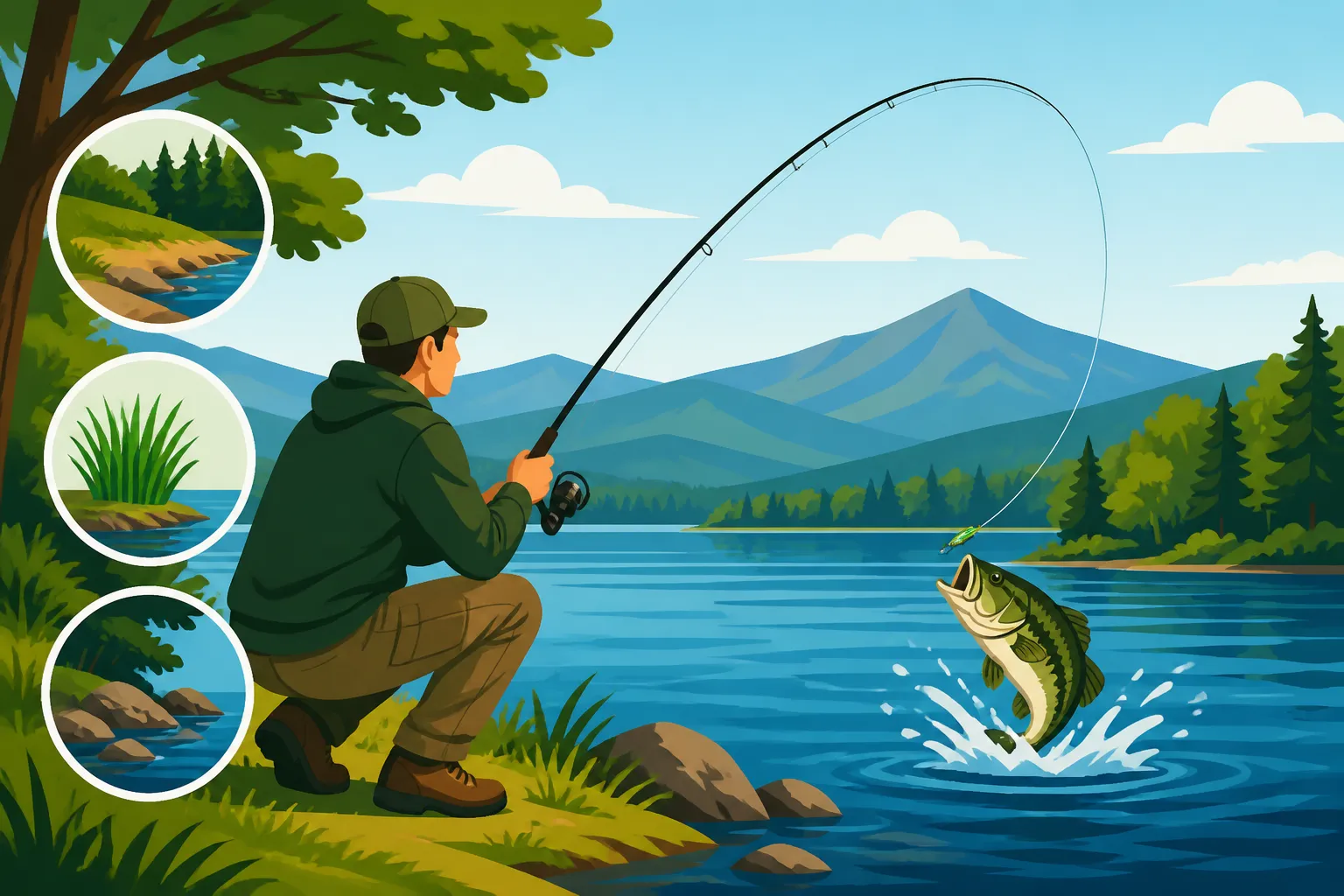
- Look for Visible Structure: Keep an eye out for fallen trees, submerged logs, rock piles, docks, boat lifts, and even man-made debris. These provide cover from predators, ambush points for feeding, and shade from the sun. Fish often congregate around these areas.
- Identify Transition Zones: Where does shallow water meet deep water? Where does a sandy bottom transition to rocky or weedy? These "edges" are prime locations for fish. A point of land extending into the lake, a sharp drop-off visible through clear water, or a distinct weed line can be fish magnets.
- Observe Water Features: Look for anything that creates a current or concentrates food. Inflows from small streams or culverts bring in nutrients and cooler water. Areas where baitfish are jumping or swirling indicate predator activity nearby. Even subtle ripples or changes in water color can offer clues.
- Scan for Cover and Shade: On sunny days, fish will often seek shade. Look for overhanging trees, bridge shadows, or the shaded side of docks. During the heat of summer, cooler, deeper water near shore access points can also hold fish. When scouting, think about where you'd hide or find food if you were a fish. Many anglers find the article Best Shore Fishing Spots in New Hampshire incredibly helpful for getting started.
Casting Strategies for Different Depths and Cover
Since you're fixed in one spot, your casting accuracy and range become paramount. You need to be able to reach those productive zones without spooking the fish.
- Fan Casting: This is your bread and butter. Start by casting directly in front of you, then gradually move your casts in a fan-like pattern, covering a wide arc of water from left to right (or vice-versa). This ensures you thoroughly cover the area within your reach, increasing the odds of encountering a fish.
- Targeting Structure Directly: Once you've identified a promising piece of cover like a submerged log or a dock, make precise casts to it. Don't be afraid to cast past the structure and retrieve your lure through it, or drop your bait right up against it. Sometimes, the fish are tucked in tight.
- Varying Casting Distances: Don't just cast as far as you can every time. Start with shorter casts to cover the immediate shallow water, then gradually increase your distance. Fish can often be surprisingly close to shore, especially in low-light conditions or if there's good cover nearby.
- Skipping and Pitching: For getting under docks or overhanging brush, practice skipping soft plastics or jigs across the water's surface. This low-trajectory cast gets your lure into hard-to-reach spots where fish often feel safe. Similarly, pitching is a quiet, accurate underhand cast for close-quarters presentations.
Presentation and Retrieval Methods
How you present your bait or lure is just as important as where you cast it. Different species and conditions call for different approaches.
- Slow and Steady: For many New Hampshire species, especially when the water is cold (early spring or late fall), a slow, deliberate retrieve is often best. Bass, trout, and panfish might be lethargic and less willing to chase a fast-moving lure. Allow your bait or lure to sink, twitch it, and pause.
- Varying Retrieval Speed and Action: Don't be afraid to experiment. One cast might be a steady retrieve, the next a stop-and-go, followed by an erratic twitch-and-pause. Fish can be finicky, and finding the cadence they prefer on a given day is key.
- Bottom Bouncing: For species like lake trout (if you can reach deep enough from shore) or even bass feeding on crawfish, a jig or soft plastic fished along the bottom can be incredibly effective. Cast out, let it sink, then slowly hop or drag it along the bottom, mimicking a foraging critter.
- Suspended Baits with Bobbers: For panfish, trout, and even smaller bass, a simple bobber rig with live bait (worm, minnow) or a small jig suspended at a specific depth is often deadly. This is especially effective when fish are holding at a particular depth and not actively chasing. Learn more about Spring Trout Fishing Techniques for New Hampshire Ponds where bobber fishing is often highlighted.
- Working Current: If you're fishing near an inflow or an area with subtle current, use it to your advantage. Cast upstream and let your bait drift naturally downstream, allowing it to present itself to fish holding in the current breaks.
Targeting Specific Species from the Bank
New Hampshire's diverse lakes offer a fantastic array of fish species that are readily catchable from shore. Knowing what you're targeting and tailoring your approach can dramatically increase your success.
Bass (Largemouth and Smallmouth)
Both largemouth and smallmouth bass are prevalent in many New Hampshire lakes and offer thrilling bank fishing opportunities. They are aggressive feeders and often relate to shoreline cover.
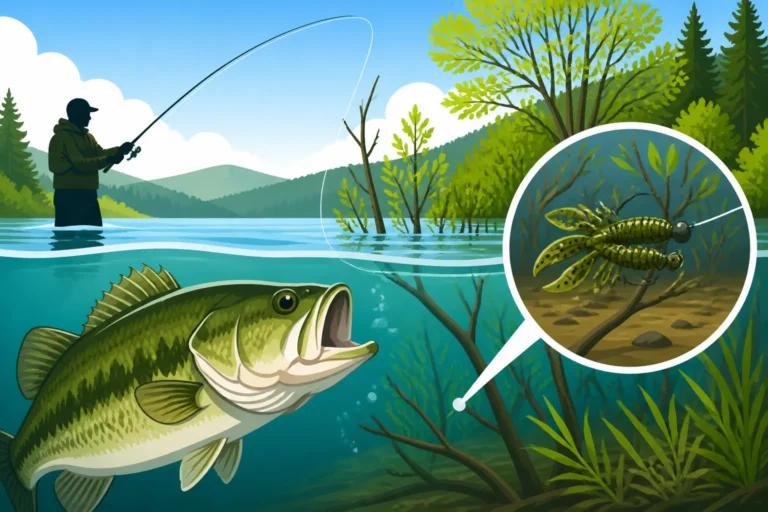
- Largemouth Bass: These "greenbacks" love cover. From the bank, focus your efforts on areas with dense weed beds, lily pads, fallen trees, docks, and thick brush. Cast soft plastics (Texas-rigged worms, Senkos, creature baits) directly into or along the edges of this cover. A topwater frog or popper can be explosive around lily pads in warmer months, especially during low light. When you're learning How to Catch Largemouth Bass in New Hampshire, remember that stealth is crucial, as largemouth can be spooked by heavy footfalls or shadows.
- Smallmouth Bass: Known for their fighting prowess, smallmouth prefer rocky bottoms, ledges, and transition areas from rock to sand. From shore, look for rocky points, riprap shorelines, and areas with scattered boulders. Smallmouth often cruise these areas looking for crawfish and baitfish. Effective bank baits include tube jigs, small crankbaits that mimic crawfish, Ned rigs, and inline spinners. In deeper, clearer lakes like Lake Winnipesaukee, focus on bluff walls or steeper rock banks where you might be able to reach deeper water. For more specific tactics, check out How to Catch Smallmouth Bass in New Hampshire Lakes. Always be aware of the New Hampshire Bass Limits and Slot Rules before you head out.
Panfish (Perch, Crappie, Bluegill)
Panfish are the perfect targets for beginners and seasoned anglers alike, offering consistent action and a great way to introduce kids to fishing. They are abundant in almost all New Hampshire lakes.
- Yellow Perch: These striped beauties are often found in schools, frequenting areas with moderate weeds, drop-offs, and near docks. Small jigs tipped with a grub or a piece of worm, small inline spinners, or a simple worm under a bobber are highly effective. If you catch one, keep casting in the same area; there are usually more.
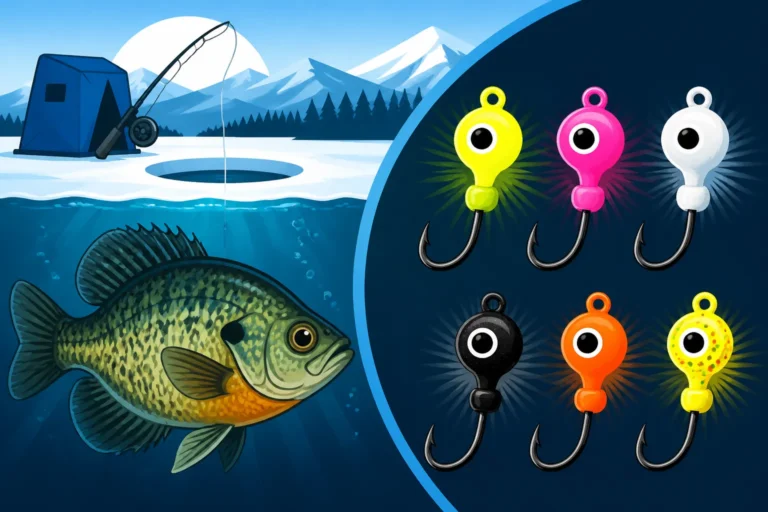
- Black Crappie: Crappie love structure and tend to hang out around submerged brush, fallen trees, and bridge pilings. They often suspend at a certain depth. Small jigs (1/32 to 1/16 oz) with tiny plastic tubes or curly-tail grubs are crappie magnets. Fish them slowly, often under a sensitive bobber, just above the cover.
- Bluegill (Sunfish): The most common and often the most eager biters, bluegill are found almost everywhere, especially in shallower, weedy areas and around docks. A tiny piece of worm on a small hook (size 8-12) under a bobber is virtually foolproof. Fly fishing with small poppers or nymphs can also be incredibly fun for bluegill from the bank. For a deeper dive into these fun species, explore Panfish Fishing in New Hampshire.
Trout (Stocked Ponds and Lake Access)
While many trout fisheries are riverine, New Hampshire has numerous stocked ponds and lakes with excellent bank access for trout anglers.
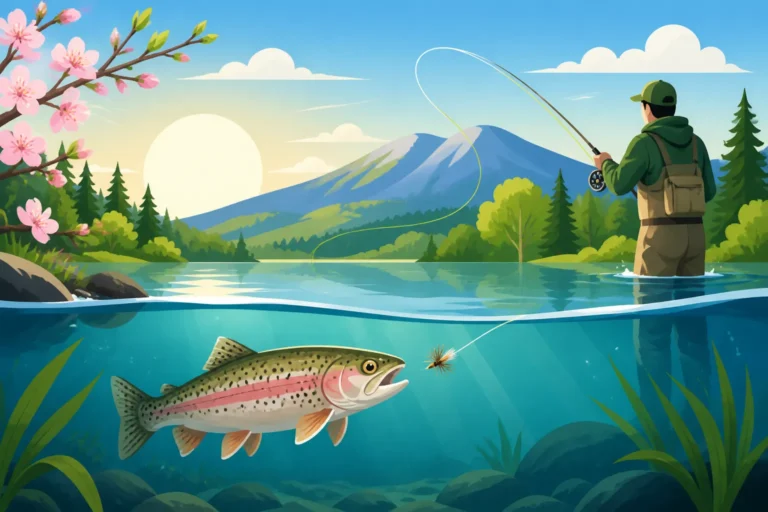
- Stocked Ponds: The New Hampshire Fish and Game Department regularly stocks ponds and lakes across the state, and many of these have ample public shore access. Early spring, right after ice-out and initial stockings, is a prime time for bank fishing. PowerBait, worms, corn, or small marshmallows fished on the bottom with a minimal weight, or suspended under a bobber, are classic trout getters. Small inline spinners and spoons also work wonders. You can often find the New Hampshire Trout Stocking Report and Map online to see which waters have been recently stocked.
- Lake Access: In larger lakes that hold trout (like Lake Winnipesaukee or Sunapee), targeting trout from the bank can be more challenging but not impossible. Focus on deep points that extend into the main lake, or areas near cold water inlets, especially in the spring and fall. Long casts with heavy spoons or retrieving bait on the bottom can sometimes reach these deeper holding areas. Always be mindful of the New Hampshire Trout Limit and Possession Rules for the specific water body you're fishing.
Seasonal Considerations for Bank Fishing
The changing seasons in New Hampshire dramatically impact fish behavior, and knowing how to adapt your bank fishing techniques accordingly is key to year-round success.
Spring: Post-Ice Out and Spawning Season
Spring is a time of renewed life and, for anglers, renewed hope. As the ice recedes from New Hampshire lakes, fish become more active, moving into shallower waters for feeding and spawning.
- Ice Out and Early Spring: Immediately after ice-out, the water is still very cold, but fish are hungry. Trout in stocked ponds will be very active and catchable near shore. Bass will be slowly moving from deeper wintering grounds to shallower areas, often seeking the warmest water they can find, which tends to be in shallow, dark-bottomed coves. Focus on slow presentations with jigs, suspending jerkbaits, or live bait. The fish are often lethargic but will hit if the bait is presented slowly enough right in front of them.
- Pre-Spawn and Spawn: As water temperatures rise into the 50s and 60s Fahrenheit, bass and panfish begin their pre-spawn and spawning rituals. This is an excellent time for bank anglers! Largemouth bass will be on the hunt for food near developing weed lines and shallow flats, while smallmouth will patrol rocky points and gravel beds. Panfish will build nests in shallow, protected areas. You can often spot these beds from shore, making sight fishing possible. Target bass with soft plastics, shallow crankbaits, and spinnerbaits near spawning areas (but be respectful of fish on beds – many anglers practice catch and release for bedding fish). For panfish, anything from worms to tiny jigs will work as they guard their nests. Remember, it's a vulnerable time for these fish, so handle them with care if you choose to target them.
Summer: Early Morning and Evening Bites
New Hampshire summers are glorious, but the midday heat can make fishing tough from the bank. Fish often retreat to deeper, cooler water or dense cover during the brightest parts of the day.
- Low Light Periods: Your best bet for summer bank fishing is during the early morning hours, just after sunrise, and the late evening, leading up to and after sunset. These low-light periods provide cooler temperatures and more comfortable conditions for fish to feed actively in shallower water. Topwater lures for bass can be incredibly exciting at dawn and dusk.
- Deep Water Access: If you can find bank access to deeper water, such as a bridge, a dam, or a steep drop-off near shore, these can be productive during the heat of the day. Fish will school up in cooler, deeper zones. Consider using heavier jigs or spoons that can reach these depths, or a slip bobber rig to present live bait at a precise depth.
- Shady Spots and Cover: During the day, concentrate on heavily shaded areas, dense weed beds, or the darkest parts of docks and fallen trees. Fish will hide here, ambushing anything that swims by. Pitching and skipping jigs or Texas-rigged worms into these shadows can yield results.
Fall: Feeding Frenzy Before Winter
Fall in New Hampshire brings cooler temperatures, beautiful foliage, and often, some of the best fishing of the year. Fish enter a "feeding frenzy" to bulk up for the lean winter months.
- Cooling Waters: As water temperatures drop, fish become more active throughout the day, not just during low light. Baitfish start to school up, and predatory fish like bass, trout, and pickerel will follow them into shallower coves and flats to feed heavily.
- Migration to Shallower Depths: Many species, including smallmouth bass and perch, will migrate from their deep summer haunts into shallower rock piles and points to feed. This makes them much more accessible to bank anglers. Use crankbaits, jerkbaits, and swimbaits to imitate baitfish, or try jigs and soft plastics for a slower presentation.
- Trout and Salmon: Fall is also a fantastic time for trout and landlocked salmon in certain lakes, as they become more active with the cooling water. Some trout streams also see fall stocking. Anglers targeting these species from the bank can have great success with spoons, spinners, or egg patterns where appropriate. This is also a good time to consider how to prepare for the upcoming ice fishing season; you might find some useful tips in Best Ice Fishing Lakes in New Hampshire.
Navigating Regulations and Etiquette
Before you cast a line in any New Hampshire lake, it's crucial to understand the rules and respect the environment and other people around you. This ensures a pleasant experience for everyone and protects our precious natural resources.
Understanding New Hampshire Fishing Regulations
The New Hampshire Fish and Game Department sets the rules, and they are designed to protect fish populations and ensure fair chase. Ignorance of the law is not an excuse, and penalties for violations can be steep.
- Fishing License: The most fundamental requirement is a valid New Hampshire fishing license. Almost everyone aged 16 and older needs one. You can easily purchase them online, at licensed agents, or directly from the NH Fish and Game Department. Make sure to check out the New Hampshire Fishing License Guide for 2026 for the most up-to-date information on how to obtain yours.
- Season Dates and Bag Limits: New Hampshire has specific open and closed seasons, as well as daily bag and possession limits for different species. These can vary not only by species but also by water body. For instance, bass might have a catch-and-release only period in spring, or a different trout limit on certain special regulation waters. Always consult the current New Hampshire Freshwater Fishing Digest (available online or at license agents). A comprehensive overview is available in New Hampshire Fishing Regulations Explained.
- Special Regulations: Some lakes and ponds have "Special Regulations" that supersede general statewide rules. These might include fly-fishing-only waters, length limits, or specific bait restrictions. Always check the digest for the specific body of water you intend to fish.
- Lead Tackle Ban: New Hampshire has restrictions on the use of lead fishing tackle to protect loons and other wildlife. Lead sinkers weighing one ounce or less, and lead jigs weighing less than one ounce, are prohibited in freshwater. Ensure your tackle box complies with these regulations. Many anglers purchase lead-free alternatives directly from Amazon or other tackle retailers.
Respecting Private Property and Fellow Anglers
Bank fishing often means you're sharing space with others, whether it's private landowners, other anglers, or general park users. Good etiquette goes a long way.
- Know Your Access Points: Just because you can see water doesn't mean you can fish there. Always verify that you are on public land or have explicit permission from a private landowner before accessing the shore. Trespassing is illegal and can lead to fines and a bad reputation for anglers. Look for designated public access areas, state parks, or town-owned properties.
- Leave No Trace: This is paramount. Whatever you bring in, take out. This includes all your trash, discarded fishing line, bait containers, and any other litter. Leaving a clean spot for the next person is a mark of a responsible angler. Discarded fishing line is particularly dangerous for wildlife.
- Give Space: If another angler is already at a spot, especially one that looks productive, give them ample space. Don't crowd them, cast over their line, or disturb their fishing. A friendly wave and an inquiry about their success is usually welcome, but respect their solitude if they seem to prefer it.
- Noise and Disturbance: Be mindful of your noise levels. Loud conversations, barking dogs, or disruptive behavior can scare fish and annoy other people trying to enjoy nature.
- Handle Fish Carefully: If you plan to release a fish, do so as quickly and gently as possible. Minimize its time out of water, use wet hands when handling, and if possible, use a net with a rubberized mesh to reduce damage to its slime coat and fins.
Disclaimer
Fishing regulations and conditions in New Hampshire can change. Always consult the latest New Hampshire Fish and Game Department regulations before heading out. This guide is for informational purposes only and should not replace official sources.