Best Techniques for New Hampshire Bass Season Opener
That electric anticipation leading up to the New Hampshire bass season opener can be both exhilarating and a little overwhelming, right? You've spent the off-season dreaming of explosive topwater strikes and solid hooksets, but the reality of early season fishing can often be a fickle beast, leaving many anglers scratching their heads about where the bass went and what they're actually biting. This guide is here to cut through that confusion, providing you with battle-tested techniques and strategies to confidently approach the highly anticipated New Hampshire bass season opener, ensuring you're not just casting, but truly fishing with purpose.
Understanding the New Hampshire Bass Season Opener
The bass season opener in New Hampshire isn't just a date on the calendar; it's a dynamic period influenced by lingering cold water, changing fish behavior, and specific regulations that every angler needs to understand. Getting a handle on these foundational elements is crucial before you even tie on your first lure.
Key Dates and Regulations
First things first: you absolutely must know the rules. New Hampshire has a distinct bass season structure that can catch even experienced anglers off guard if they're not paying attention. Generally, there's a catch-and-release only season for bass that precedes the full harvest season. This means that from January 1st until roughly June 15th (the precise date can vary slightly year to year, always check), you can fish for bass, but any you catch must be immediately released unharmed. Then, typically around June 15th, the full harvest season kicks in, allowing you to keep bass within specific New Hampshire Bass Limits and Slot Rules.
This dual-phase season is designed to protect bass during their critical spawning period. Trying to keep a bass during the catch-and-release only period isn't just against the rules; it can lead to significant penalties. Always consult the official New Hampshire Freshwater Fishing Digest each year to confirm the exact dates, specific bag limits, and any special regulations that might apply to the particular lake or river you plan to fish. Some water bodies, especially those managed for trophy bass, might have unique rules, so don't assume statewide regulations apply everywhere.
The frustration of seeing big bass on beds and not being able to harvest them is real, but respecting these regulations ensures healthy bass populations for future seasons. It forces us to adapt our techniques and focus on the thrill of the catch and the careful release, rather than the cooler.
The Importance of Water Temperature
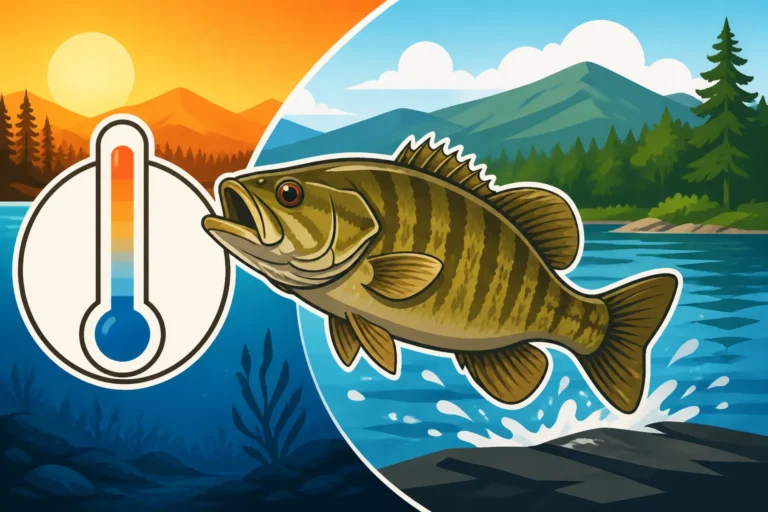
If there's one single factor that dictates bass behavior more than any other during the opener, it's water temperature. Unlike the consistent patterns of mid-summer, early season water temperatures can fluctuate wildly, sometimes even several degrees within a single day due to sun exposure or cold fronts. Bass are cold-blooded creatures, and their metabolism, activity levels, and where they choose to position themselves are directly linked to the water temperature.
In early spring, when water temperatures might still be in the 40s or low 50s Fahrenheit, bass are often lethargic. They'll hug tight to cover or structure, seeking out slightly warmer pockets of water, and won't chase baits aggressively. As the water warms into the mid-50s, bass enter their pre-spawn phase. They start moving towards shallower areas, particularly those with dark bottoms that absorb sunlight, like rock flats or shallow coves, to feed heavily and prepare for spawning. Once the water consistently hits the 60s, spawning activity begins in earnest, and bass will be found on visible beds in very shallow water.
Understanding this temperature progression is your key to success. A warm, sunny day might pull bass into 3-5 feet of water, while a cold, rainy day could push them back down to 10-15 feet. Continuously monitoring surface water temperature with a good thermometer is a habit that will pay huge dividends. Many modern fish finders, even those available on Amazon, come equipped with reliable temperature sensors, making it easier than ever to track this crucial data point.
Locating Bass in Early Season
Finding bass during the New Hampshire opener isn't about blind casting; it's about understanding their seasonal movements and preferred habitats. The fish aren't randomly distributed; they're strategically positioned based on temperature, food, and spawning instincts.
Targeting Pre-Spawn and Spawning Areas
When the ice has finally retreated from New Hampshire's larger lakes and ponds, bass begin their slow migration from their deeper wintering grounds towards shallower areas. This is the pre-spawn phase, and it's a fantastic time to catch some of the biggest bass of the year. During pre-spawn, look for bass to stage on transition areas where deep water meets shallow water. Think about points that extend out into a lake, the edges of humps, or submerged creek channels leading into spawning coves. These are the highways bass use, and they'll often hold on these structures, ambushing baitfish as they move in and out of the shallows.
A classic New Hampshire example would be the rocky points and humps found on lakes like Winnipesaukee or Newfound Lake. These spots warm up faster than deeper main lake basins and offer easy access to deeper water if a cold front pushes bass back. As water temperatures continue to climb and approach the 60s, bass will move into actual spawning areas. These are typically protected, shallow coves, flats, or pockets with a mix of gravel, sand, and submerged vegetation. Look for visible beds – circular, cleared-out depressions on the bottom, usually guarded by a male bass.
For largemouth bass, these might be weedy back coves on places like Pawtuckaway Lake or some of the smaller, shallower ponds throughout the state. Smallmouth bass, meanwhile, often prefer hard-bottomed areas, like gravel flats or rocky shorelines in slightly clearer water, for spawning. Understanding these preferences will help you narrow down your search immensely.
The Role of Cover and Structure
Bass, especially in the early season, are rarely found just suspended in open water. They relate heavily to some form of cover or structure. Cover refers to physical objects like fallen trees (laydowns), docks, rocks, boulders, and aquatic vegetation (if it's started to grow). Structure, on the other hand, refers to changes in bottom contour, such as drop-offs, ledges, humps, points, and channel swings.
During the pre-spawn, bass will often stage on deeper structural elements adjacent to prime spawning areas. Think about a sharp drop-off near a spawning flat or a submerged rock pile on a point. As they move shallower for spawning, they'll use cover for protection and ambush points. Docks are absolute magnets for bass in early spring – they provide shade, cover from predators, and often have a hard bottom underneath that warms quickly. Laydowns and brush piles offer similar benefits. Even sparse patches of early emerging lily pads or submerged milfoil can hold a significant number of fish.
A prime example is the numerous docks and rocky shorelines around Lake Winnipesaukee. Bass will use these for thermal refuge and ambush points. In smaller, more intimate ponds, finding that single submerged tree or a distinct rock pile can be the key to unlocking a bite. Don't be afraid to slow down and thoroughly work any piece of cover or structure you find. Bass are often holding tight, conserving energy in the cooler water, and might not move far to strike.
Essential Lures and Baits for the Opener
Choosing the right lure is paramount, and during the New Hampshire bass season opener, a "one size fits all" approach simply won't cut it. You need a diverse arsenal that caters to lethargic, cold-water fish and those moments when bass decide to become more aggressive.
Finesse Presentations for Cold Water
When the water temperatures are on the cooler side (let's say below 55 degrees Fahrenheit), bass are often reluctant to chase fast-moving baits. This is where finesse techniques truly shine. The goal here is to present a small, subtle bait that mimics an easy meal, requires minimal effort for the bass to consume, and stays in the strike zone for an extended period.
- Ned Rigs: This might be the king of cold-water finesse. A small mushroom-shaped jig head paired with a short, buoyant soft plastic (like a Z-Man Finesse TRD, easily found on Amazon) creates a bait that stands straight up off the bottom. It's incredibly subtle, perfect for rocky bottoms, and bass absolutely gobble it up. Fish it with long pauses, short drags, and barely perceptible shakes.
- Neko Rigs: This variation of a wacky rig involves inserting a nail weight into one end of a Senko-style worm, causing it to fall nose-first and quiver enticingly. It's a fantastic choice for working around docks, brush piles, or along weed lines. The subtle shimmy on the fall and when twitched is irresistible to hesitant bass.
- Drop Shots: When bass are suspended or holding tight to vertical structure, a drop shot rig is unparalleled. It allows you to present a small plastic bait (like a minnow imitation or small worm) at a precise depth, independent of your weight. Just nose-hook your bait, drop it down, and gently shake the rod tip to impart action without moving the bait away from the bass. This is incredibly effective when you've spotted bass on your fish finder.
The beauty of these techniques is their ability to entice bites from bass that are otherwise shut down. Remember, in colder water, bass often just "mouth" the bait, so a sensitive rod and braided line with a fluorocarbon leader are crucial for detecting those subtle taps.
Reaction Baits for Active Fish
While finesse often dominates the opener, there are certainly times when a reaction bait will trigger strikes, especially during warming trends or on particularly sunny days when bass activity levels pick up. These baits are designed to elicit an impulsive strike rather than a deliberate feeding response.
- Lipless Crankbaits: These baits, like a Rat-L-Trap or a Bill Lewis Lures Rat-L-Trap (a classic, also available via Amazon), are excellent for covering water quickly and locating active fish. The loud rattles and tight wobble can draw strikes from bass holding on shallow flats or grass edges. Vary your retrieve speed – a "yo-yo" retrieve (letting it sink, then ripping it up) can be particularly effective in cooler water.
- Jerkbaits: A suspending jerkbait is a phenomenal tool for early season smallmouth and largemouth. Its ability to dart, suspend, and then "hang" motionless in the water column is what makes it so deadly. Bass often strike jerkbaits during the pause. Experiment with pause lengths; sometimes a 10-20 second pause is necessary to trigger a bite. Colors mimicking baitfish like shiners or perch are always a good bet.
- Spinnerbaits: When bass are in dirty or stained water, or around submerged timber and sparse vegetation, a spinnerbait can be a killer. The flash and vibration make it easy for bass to locate. A slow roll with a large Colorado blade can be effective in colder water, while a faster retrieve with willow leaf blades works when fish are more active. Look for chartreuse, white, or firetiger patterns.
The key to reaction baits in early spring is to be observant. If you're getting short strikes or no bites on finesse, but the water's warming, it might be time to pick up a jerkbait or lipless crankbait and try to provoke a reaction.
Live Bait and Soft Plastics
Never underestimate the power of live bait, especially when bass are finicky. Shiners, nightcrawlers, or even small salamanders (where legal and permissible) can often convince the most hesitant bass to bite. Present them naturally on a small hook with minimal weight, either under a bobber or free-lined near cover.
Soft plastics, beyond the finesse options, also hold a critical place in your early season tackle box.
- Senko-Style Worms: These stick baits, fished weightless and wacky rigged or Texas rigged, have an incredible subtle fall that drives bass wild. The slow, horizontal shimmy as they sink is often all it takes. Cast them to docks, submerged logs, or shallow pockets and let them fall on a slack line.
- Creature Baits/Craw Imitations: As bass prepare to spawn, they become more territorial and also feed on crayfish. A Texas-rigged or Carolina-rigged creature bait or craw imitation pitched into cover or dragged along rocky bottoms can be highly effective. The bulkier profile can sometimes draw a more aggressive strike from a larger bass.
- Tube Jigs: Tubes are another fantastic versatile bait, especially for smallmouth bass. They mimic crayfish or small baitfish and can be fished by jigging, dragging, or even skipped under docks. Their hollow body makes them collapse easily, leading to solid hooksets.
Choosing between live bait and soft plastics often comes down to personal preference and confidence, but both can be absolutely deadly during the opener, particularly when bass are in transition zones or holding tight to cover.
Strategic Approach and Presentation Tactics
Simply having the right lures isn't enough; you need a strategic approach to present them effectively. Early season bass demand patience, precision, and an willingness to adapt your tactics to the conditions.
Slow and Steady Wins the Race
This mantra cannot be overstated for the New Hampshire bass season opener. Unlike the fast-paced power fishing often associated with summer, early season bass fishing requires a deliberate, methodical approach. Their metabolism is still relatively slow, and they're not going to expend much energy chasing down a fast-moving meal.
This means you need to slow everything down. When fishing a Ned rig or a Neko rig, let it sit for extended periods on the bottom – sometimes 10, 20, or even 30 seconds before imparting a subtle twitch or drag. If you're using a jerkbait, those long pauses between twitches are where most of your bites will come from. For spinnerbaits, a slow-roll retrieve, just fast enough to keep the blades turning, is far more effective than burning it through the water.
Thoroughness is also key. Don't just make a couple of casts to a promising piece of cover and move on. Bass might be tucked deep into a brush pile or hugging the shady side of a dock post. Make multiple casts from different angles, varying your retrieve path and speed slightly each time. Fan casting an entire flat or point, making sure to hit every foot of water, can help you pinpoint exactly where the fish are holding on a given day. Sometimes, it's that fifth or sixth cast to the exact same spot that finally coaxes a lethargic bass into biting. Patience isn't just a virtue; it's a critical early season strategy.
Reading the Water and Adjusting
New Hampshire's weather in early spring is notoriously unpredictable. What starts as a sunny, warming day can quickly turn into a cloudy, cold, and rainy afternoon. Successful anglers are constantly reading the water and making real-time adjustments.
- Water Clarity: If the water is clear, bass will often be more skittish and visible, sometimes requiring longer casts and more subtle presentations. If the water is stained or muddy (common after spring runoff), bass will rely more on vibration and profile, making spinnerbaits, chatterbaits, or even dark-colored jigs more effective.
- Baitfish Activity: Keep an eye out for signs of baitfish, such as shiners or perch, especially in shallow coves or around docks. Bass are never far from their food source. If you see baitfish jumping or schools on your electronics, you're in a good area.
- Surface Temperature: As mentioned, this is critical. A change of just a few degrees can trigger a move or a change in feeding behavior. If the water warms, try moving shallower or switching to a slightly more aggressive bait. If it cools, retreat to deeper staging areas and reach for your finesse gear.
Using a good fish finder is invaluable here. It allows you to see changes in depth, locate submerged structure like brush piles or rock formations, and even mark individual fish or schools of bait. Modern units, many of which can be found on Amazon with advanced features, provide side imaging and down imaging, giving you an almost photographic view of the bottom. Don't just drive over spots; use your electronics to understand what's beneath the surface and how bass might be relating to it.
Boat vs. Shoreline Techniques
Whether you're fishing from a high-tech bass boat, a versatile kayak, or simply walking the bank, your approach needs to be tailored to your platform.
- Boat Anglers: Having a boat, especially one equipped with a trolling motor and fish finder, offers the ultimate flexibility. Use your trolling motor to slowly cruise along contour lines, points, and coves, methodically dissecting the area. Keep an eye on your electronics for structure and temperature changes. Anchor or spot-lock on promising areas to thoroughly work them. Don't be afraid to pull off main lake points and investigate adjacent shallow coves, especially if they are protected from wind. Remember that New Hampshire Boating Laws for Anglers apply, so ensure all your safety equipment is onboard and in working order.
- Shoreline Anglers: Don't despair if you don't have a boat! Many New Hampshire lakes and ponds offer excellent bank access. Focus on accessible points, docks (where allowed), and transition areas that are close to shore. Long casts are often beneficial to reach deeper water or cover. Consider a bait that can cover water, like a lipless crankbait, or one you can let sit, like a wacky-rigged Senko. Look for public access points, bridges, or causeways that often create current or structure. For public access information, checking a guide like Best Shore Fishing Spots in New Hampshire could be very helpful.
- Kayak Anglers: Kayaks offer a fantastic blend of stealth and access, allowing you to reach tight coves or shallow areas that larger boats can't. You can quietly paddle into prime spawning coves or along rocky shorelines. The key is efficient use of space and smart tackle management. Many Best Kayaks for New Hampshire Fishing are designed with stability and storage in mind. A small anchor or a stake-out pole can be invaluable for holding your position in the wind or current while you thoroughly work a spot.
Gear Considerations for Early Season Success
Having the right rod, reel, and line can significantly impact your ability to detect subtle bites and successfully land early season bass. You wouldn't use a sledgehammer to drive a finish nail, and the same principle applies to your fishing gear.
Rod, Reel, and Line Selection
Matching your gear to your technique is crucial for maximizing your effectiveness, especially with finicky, cold-water bass.
- Finesse Setups: For Ned rigs, Neko rigs, and drop shots, a medium-light to medium power spinning rod (6'6" to 7'2" in length) with a fast action tip is ideal. This combination offers the sensitivity needed to feel subtle bites and the backbone to handle decent-sized bass. Pair it with a 2000 or 2500 series spinning reel spooled with 10-15 lb braided line (like PowerPro or Seaguar Smackdown, both widely available). The no-stretch braid provides superior sensitivity. Always tie on a 6-8 lb fluorocarbon leader (6-10 feet long) using an FG or double Uni knot. Fluorocarbon is nearly invisible underwater and offers excellent abrasion resistance, which is important when fishing around rocks or wood.
- Reaction Bait Setups: For jerkbaits, spinnerbaits, and lipless crankbaits, a medium to medium-heavy baitcasting rod (6'6" to 7'6" in length) with a moderate-fast to fast action is generally preferred. The moderate action allows for better casting of treble-hooked baits and helps keep fish pinned during the fight. A high-quality baitcasting reel with a gear ratio around 6.3:1 to 7.1:1 provides versatility. Spool it with 12-17 lb fluorocarbon line for excellent sensitivity and stealth, or 12-15 lb monofilament for topwater or when more stretch is desired. Brands like Shimano, Daiwa, and Abu Garcia offer excellent options, and their products are readily available, including through Amazon. For general purpose bass fishing, a Best Spinning Rods for Smallmouth Bass or similar setup will serve you well.
- All-Around Options: If you're just starting out or prefer a minimalist approach, a 7-foot medium power, fast action spinning rod paired with a 2500 series reel and 15 lb braid to an 8-10 lb fluorocarbon leader can handle a wide variety of early season techniques. For a more in-depth look, exploring options like Best Fishing Rods for New Hampshire Lakes can offer valuable insights.
Essential Accessories and Safety
Beyond your rod and reel, a few key accessories can make your early season outing safer and more enjoyable.
- Polarized Sunglasses: These are absolutely essential for spotting bass on beds, seeing changes in bottom contour, and identifying submerged cover. They cut glare, allowing you to "see into" the water.
- Good Pliers/Forceps: You'll inevitably catch fish with hooks deep in their mouths. A pair of long-nose pliers or hemostats (forceps) is crucial for quick, safe hook removal, minimizing stress on the fish. This is especially important during the catch-and-release season.
- Landing Net: A rubber-coated landing net is a game-changer for landing bass quickly and safely, reducing the risk of dropping a fish or injuring it on the bank. Look for a net with a wide hoop and shallow basket, like those discussed in Best Landing Net for Trout or Best Landing Net for Lake Trout, which often work for bass too.
- Cold Weather Gear: Early spring in New Hampshire can be chilly. Dress in layers, including a good waterproof and windproof outer shell. A warm hat and gloves are non-negotiable, especially on boat rides. Hypothermia is a real risk if you're not prepared.
- Life Jacket: Always, always wear a life jacket, especially if you're in a small boat, kayak, or on potentially cold water. Accidents happen fast, and cold water immersion can quickly incapacitate you. New Hampshire has specific Life Jacket Requirements for New Hampshire Boaters, so make sure you're compliant.
- First-Aid Kit: A basic first-aid kit for minor cuts, scrapes, or hook pokes is always a good idea to have in your boat or tackle bag.
Investing in these accessories not only enhances your fishing experience but also ensures you're prepared for the unexpected, allowing you to focus on the joy of the catch.
Species-Specific Insights: Largemouth vs. Smallmouth
While both largemouth and smallmouth bass are present in New Hampshire, they often have distinct preferences for habitat and, consequently, slightly different behavioral patterns during the opener. Understanding these differences can help you refine your approach.
Largemouth Bass Strategies
New Hampshire's largemouth bass are typically found in shallower, warmer, and often more vegetated environments. During the season opener, you'll want to focus your efforts on these types of areas.
- Habitat Preference: Look for largemouth in protected coves, shallow flats, and areas with significant submerged or emergent vegetation. They absolutely love dense cover like lily pads (even early growth), weed beds, brush piles, fallen trees (laydowns), and docks. These areas warm up quickly and provide ambush points. Ponds like Pawtuckaway Lake, Silver Lake, or some of the shallower sections of Lake Winnipesaukee with ample weed growth will hold largemouth.
- Early Season Behavior: Largemouth are generally less inclined to venture into open, cold water than smallmouth. They'll often be tucked tightly into the heaviest cover they can find, particularly during cooler periods. As the water warms, they'll begin cruising the edges of these cover areas, eventually moving onto beds in shallow, protected pockets.
- Preferred Baits and Presentations: Given their affinity for cover, pitching and flipping techniques are excellent for largemouth. A Texas-rigged creature bait or jig can be punched into thick cover. Weightless wacky-rigged Senkos are deadly around docks and sparse vegetation. In slightly warmer water, a bladed jig (ChatterBait) or a spinnerbait can be effective for covering the edges of weed lines or submerged brush. Remember, a slower, more deliberate retrieve is key. For more tailored advice, consider consulting a guide like How to Catch Largemouth Bass in New Hampshire.
Smallmouth Bass Strategies
New Hampshire's smallmouth bass, often referred to as "bronzebacks," typically prefer clearer, rockier, and often deeper water than their largemouth cousins. They're often found in the state's larger, deeper lakes and clear rivers.
- Habitat Preference: Focus on rocky points, humps, ledges, steep drop-offs, and main lake flats with gravel or rock bottoms. Smallmouth also relate to current in river systems. Lakes like Winnipesaukee, Newfound Lake, and Sunapee Lake are renowned for their smallmouth populations. They thrive in areas with good rock structure and access to deeper, cooler water.
- Early Season Behavior: Smallmouth tend to be more active in cooler water than largemouth, though they still require a slow presentation. They'll stage on those rocky points and humps during pre-spawn, moving onto shallower gravel flats for spawning when conditions are right. They're often more willing to suspend over deeper water or chase a bait a short distance.
- Preferred Baits and Presentations: Finesse techniques are extremely effective for smallmouth. Drop shots, Ned rigs, and tube jigs worked slowly along rocky bottoms are staples. Suspending jerkbaits are also incredibly potent, especially when worked with long pauses over rocky points or along breaklines. Small crankbaits that dive to match the depth of the structure you're fishing can also draw strikes. For specific techniques, our How to Catch Smallmouth Bass in New Hampshire Lakes guide offers a deeper dive.
Remember that many New Hampshire lakes, like Lake Winnipesaukee, hold both species. Understanding their distinct preferences allows you to target one or the other, or adapt your strategy on the fly if you're getting bites from a particular species.
Bass Species Comparison for the Opener
| Feature | Largemouth Bass | Smallmouth Bass |
|---|---|---|
| Primary Habitat | Shallow, weedy coves, wood cover, docks, muddy bottoms | Rocky points, humps, ledges, gravel flats, clear water |
| Early Season Depth | 3-10 feet, tight to heavy cover | 5-20 feet, relating to rock structure or main lake points |
| Typical Behavior | More lethargic in cold water, ambushes from heavy cover | More active, willing to chase short distances, often school |
| Key Baits | Texas-rigged plastics, jigs, wacky-rigged Senkos, spinnerbaits | Drop shots, Ned rigs, tube jigs, suspending jerkbaits, small crankbaits |
| Ideal Water Temp | 55-65°F for most activity/spawning | 50-60°F for most activity/spawning |
| Best Presentation | Pitching, flipping, slow retrieve along cover, dead sticking | Dragging, subtle shaking, long pauses, vertical jigging |
Disclaimer
Fishing conditions and regulations in New Hampshire can change. Always check the latest New Hampshire Fish and Game Department regulations before heading out on the water. This guide is for informational purposes only and does not constitute legal advice. Adhere to all local, state, and federal laws and practice safe angling and boating techniques.