Best flies for White Mountains brook trout
Trying to figure out which flies to tie on when you're standing in a crystal-clear White Mountains stream, with those elusive brook trout darting in and out of view, can feel like a real puzzle. It's frustrating to cast beautiful dries or perfectly weighted nymphs only to get no love from those vibrant fish, especially when you know they're there. This comprehensive guide is all about equipping you with the insider knowledge on the very best flies for White Mountains brook trout, ensuring you spend less time guessing and more time experiencing those unforgettable bites and catches in New Hampshire's stunning backcountry.
Understanding White Mountains Brook Trout Behavior
Before we even talk about specific fly patterns, it's crucial to understand the fish themselves. White Mountains brook trout aren't just any trout; they're often wild, wily, and incredibly attuned to their environment. These native fish, often considered the crown jewels of New Hampshire's coldwater fisheries, demand a nuanced approach that starts with knowing what makes them tick. Getting a feel for their natural habits will profoundly impact your fly selection and presentation. If you're looking for more general information on these incredible fish, our guide on Brook Trout: New Hampshire's Native Trout is a great place to start.
Habitat Preferences and Diet
White Mountains brook trout thrive in cold, highly oxygenated water. You'll typically find them in the smaller, higher-elevation streams and tributaries that tumble down the mountainsides, often characterized by a mix of riffles, runs, and deeper plunge pools. These environments offer plenty of cover in the form of submerged rocks, undercut banks, and fallen timber, which brook trout use for ambush points and protection from predators. They are opportunistic feeders, with their diet primarily consisting of aquatic insects like mayflies, caddisflies, and stoneflies in all their life stages (nymphs, emergers, adults). However, they're also not shy about munching on terrestrial insects that fall into the water, such as ants, beetles, and grasshoppers, especially during the warmer months.
Their diet can also include smaller fish, crayfish, or even leeches, particularly for larger, more aggressive specimens. Understanding this varied menu is key to selecting the right imitation. The clear, pristine waters of the White Mountains mean these brookies can be quite discerning, making presentation as important as the pattern itself. They're often found hugging the bottom or hiding in current seams, waiting for food to drift by. Knowing where they hold will help you choose whether a dry, nymph, or streamer will be most effective.
Seasonal Feeding Patterns
Just like us, brook trout change their eating habits with the seasons, and this directly impacts what flies will work best. In early spring, right after ice-out, the water is cold, and fish are often sluggish. Nymphs and streamers are typically the most productive choices as fish remain near the bottom, conserving energy and waiting for easy meals. As spring progresses and water temperatures rise, insect hatches become more prolific. This is when you'll start to see more surface activity, making dry flies incredibly exciting to use. Our guide on Spring Trout Fishing Techniques for New Hampshire Ponds offers insights that can be adapted to streams, too.
Summer brings warmer water, and while hatches can still be strong in the mornings and evenings, brook trout will often seek out cooler, oxygenated water in deeper pools or faster riffles during the heat of the day. Terrestrial patterns become super effective as grasshoppers, ants, and beetles are abundant. Come fall, brook trout become increasingly aggressive as they prepare for spawning. This is a prime time for streamers and larger nymphs, as they feed heavily to build up energy reserves. The vibrant colors of fall also make for some of the most picturesque fishing trips.
Reading the Water
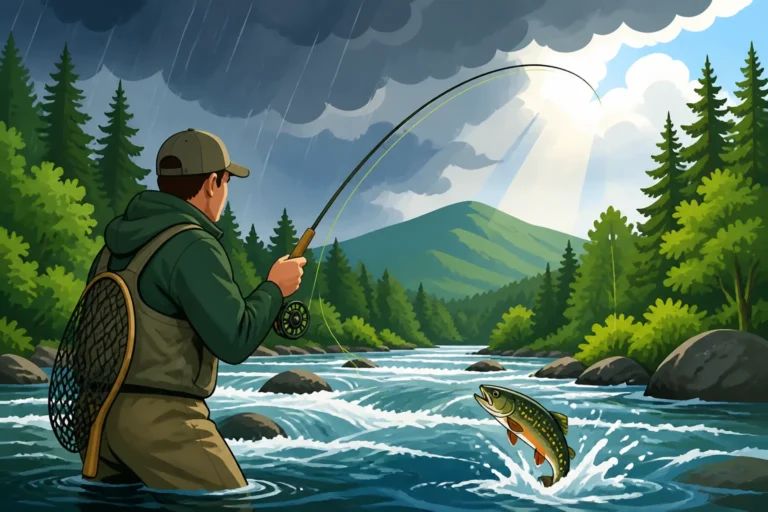
Successfully catching brook trout in the White Mountains isn't just about the fly; it's about understanding where to put it. These streams are a mosaic of different water types, and each holds fish differently. Riffles, those shallow, fast-moving sections, are excellent places for nymphs, as the current dislodges insects. Look for pockets of slower water within a riffle, behind rocks or logs, where trout can rest out of the main current while still having food delivered to them.
Runs are deeper, more uniform stretches of flowing water. Here, trout will often hold along the bottom or in current seams where fast and slow water meet, creating natural food lanes. Deeper pools, especially those with undercut banks or submerged cover, are classic holding areas for larger trout. This is where nymphs and streamers can be particularly deadly, fished close to the bottom. Don't overlook the turbulent water at the head of a pool, where food is swept in, or the calmer tailout, where insects often collect before drifting into the next section. Mastering Wading Techniques for New Hampshire Trout Streams is crucial for accessing these prime spots safely.
Essential Dry Flies for White Mountains Brook Trout
There's something truly magical about seeing a brook trout rise to a dry fly on the surface. It's often what fly anglers dream of, and in the White Mountains, those dreams can become a reality. Dry flies are your go-to when trout are actively feeding on adult insects on the surface, or when you want to use an attractor pattern to pique their curiosity. Having a solid collection of these in your fly box is non-negotiable for anyone serious about Dry Fly Fishing New Hampshire Mountain Streams.
Imitating Common Hatches
Brook trout in the White Mountains will key in on specific hatches throughout the season. Having patterns that mimic these common insects is vital. The Elk Hair Caddis is a quintessential fly, representing a wide variety of adult caddisflies. It floats well, is easy to see, and fish love it. Sizes 12-18 are usually sufficient. Caddis hatches can occur from spring through fall, often in the late afternoon or evening. Similarly, the Parachute Adams is an incredibly versatile pattern, mimicking many different mayfly species. Its parachute hackle allows it to sit flush in the water's surface film, making it appear very natural. Sizes 14-20 will cover most situations, from small baetis to larger sulfurs.
Another crucial pattern is the Blue-Winged Olive (BWO), especially in smaller sizes (18-22), effective during overcast days or in the cooler parts of spring and fall. These tiny mayflies can bring even the most finicky trout to the surface. Having a few Light Cahills (sizes 12-16) is also a good idea for those creamy-colored mayfly hatches that often appear in early summer evenings. Stocking up on a variety of sizes for these patterns is key, and you'll find comprehensive selections available on platforms like Amazon.
Go-To Attractor Patterns
Sometimes, the trout aren't keying in on a specific hatch, or perhaps you just want to get their attention. That's where attractor patterns shine. These flies don't precisely imitate any single insect but rather suggest a juicy meal, often with vibrant colors or a buggy profile that triggers a strike. The Stimulator is a fantastic all-around attractor, representing stoneflies, caddis, or even a large terrestrial. Its bushy profile and hackle make it float high and visible, which is great for prospecting faster water or when you need a fly you can easily track. Yellow, orange, and olive Stimulators in sizes 10-16 are excellent choices.
Another classic attractor is the Royal Wulff. With its white calf tail wing and red floss body, it's easily spotted on the water and has an irresistible buggy appearance to trout. Sizes 12-16 are generally the most useful. For terrestrial insects, especially during the summer, a Hi-Vis Foam Ant or a Chubby Chernobyl can be incredibly effective. Ants are almost always present in streamside environments, and trout are accustomed to seeing them. A well-placed foam ant, often in black or cinnamon in sizes 14-18, can elicit strikes when nothing else will. The Chubby Chernobyl, a larger foam pattern, is great for imitating big grasshoppers or even just creating a commotion that attracts attention. For a more in-depth look at options, you might check out Fly Patterns for New Hampshire Trout Streams.
When and How to Present Dry Flies
Dry flies are best presented when you see fish rising, indicating they are feeding on the surface, or when you suspect insects are hatching. They are also excellent prospecting flies in faster, broken water where fish have less time to inspect the fly. A dead-drift presentation, where the fly floats naturally with the current without drag, is usually the most effective. This often requires careful upstream casts and precise line management to avoid pulling the fly unnaturally.
In slower, clearer pools, a longer leader and tippet, such as a 5X or 6X, can be crucial to avoid spooking wary brook trout. For those tiny, technical presentations, knowing your Best fly line for small mountain streams can make all the difference. When fishing faster runs or pocket water, a slightly shorter, heavier leader can help turn over larger, bushier dries. Don't be afraid to experiment with slight twitches or skating the dry fly across the surface, especially with caddis imitations, as this can sometimes trigger an aggressive response from an otherwise hesitant trout. Remember to apply floatant regularly to keep your dry flies riding high on the water.
Productive Nymphs for Subsurface Success
While dry fly fishing is undeniably exciting, nymphing is often the most consistent way to catch brook trout, especially in the clear, cold waters of the White Mountains. The vast majority of a trout's diet consists of subsurface insects, so presenting a well-tied nymph in the right feeding lane can be incredibly productive. Learning to effectively nymph means you'll consistently catch fish even when there's no visible surface activity. Techniques like Euro Nymphing New Hampshire Trout Streams have become incredibly popular for their effectiveness.
Matching Aquatic Insects
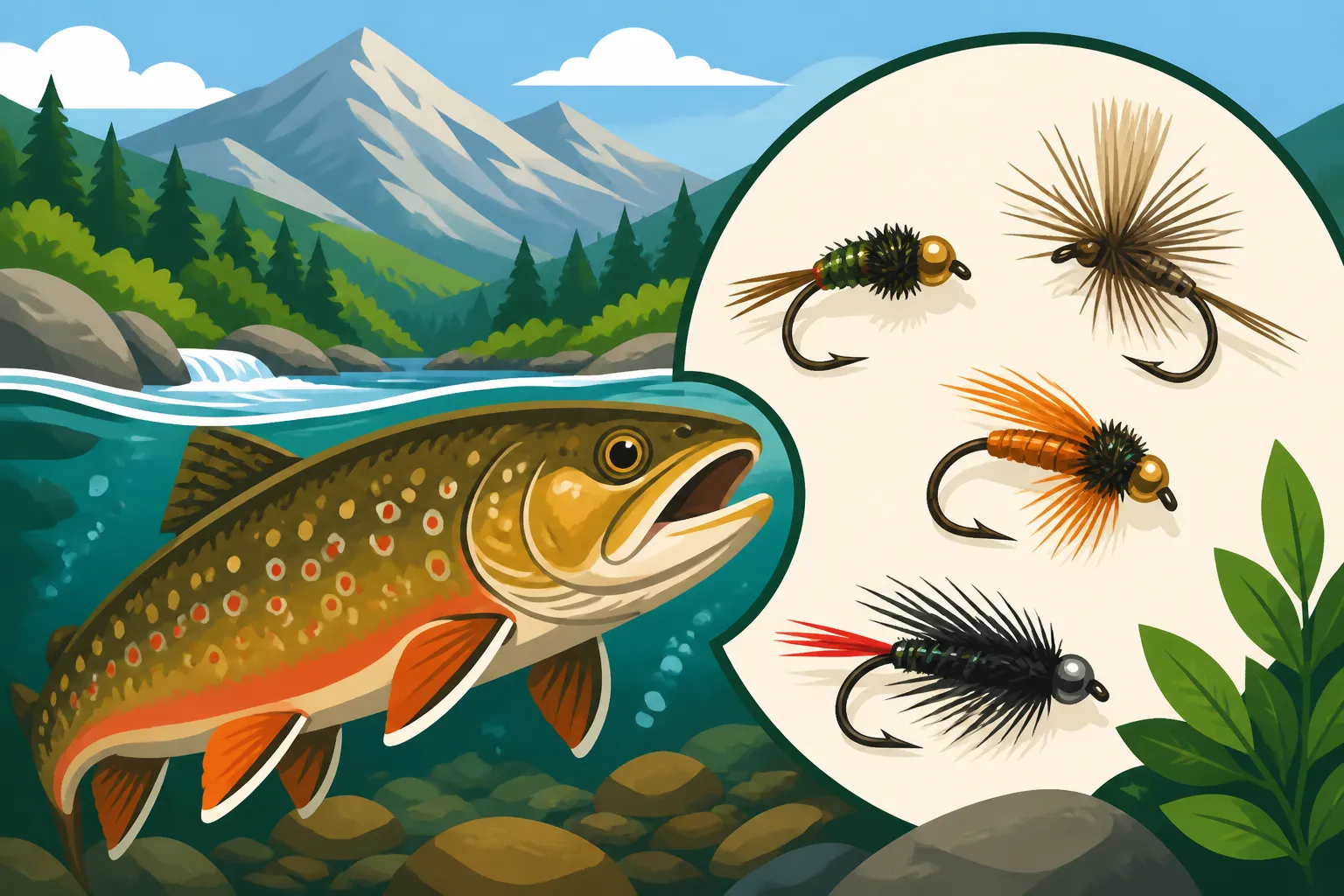
Just like with dry flies, having nymphs that imitate the common aquatic insects is paramount. The Pheasant Tail Nymph is a classic for a reason. It's an excellent imitation for a wide variety of mayfly nymphs and can be fished effectively in almost any water condition. Sizes 14-20 are typically what you'll need. Similarly, the Hare's Ear Nymph is another versatile pattern, mimicking a range of mayfly and caddisfly nymphs. Its buggy, shaggy appearance is irresistible to trout. Again, sizes 14-18 are usually spot-on.
For stoneflies, which are present in many White Mountains streams, a Pat's Rubber Leg in black or brown (sizes 8-14) can be deadly. These larger nymphs are great lead flies in a multi-nymph rig and effectively represent a substantial meal. In certain conditions, particularly when fish are feeding on midges, tiny Zebra Midges (sizes 18-22) can be incredibly effective, often fished as a dropper off a larger nymph. Always consider the local insects present; turning over a few rocks in the stream can give you valuable clues as to what the trout are eating. Many anglers rely on shops that source their fly tying materials or pre-tied flies from larger retailers like Amazon for convenience.
Versatile Attractor Nymphs
Sometimes, an exact imitation isn't necessary; a fly that simply looks buggy and appetizing will do the trick. Attractor nymphs are designed to grab a trout's attention with their flash, color, or suggestive profile. The Prince Nymph is a prime example. With its peacock herl body, biots for wings, and white wing case, it doesn't exactly match anything specific but consistently catches fish. Sizes 12-18 are good to have. Its flash and movement are particularly appealing in slightly stained or fast water.
Another excellent attractor nymph is the Copper John. Its bead head and copper wire body give it weight to sink quickly and a healthy dose of flash that can draw strikes. Available in various colors, copper, red, and black in sizes 12-18 are often the most productive. These can be fished effectively as a point fly or as part of a dropper rig. The key with attractor nymphs is often to present them where fish are holding, letting their inherent appeal do the work. Remember, the right leader setup for your nymphs can drastically improve your presentation, so checking out our guide on Best nymph rig for high mountain streams is highly recommended.
Effective Nymphing Techniques
Nymphing success in the White Mountains hinges on getting your flies down to the fish's feeding level and presenting them naturally. The most common technique is the dead drift, where your nymph tumbles along the bottom at the same speed as the current. This often requires a strike indicator to detect subtle takes and appropriate weighting on your leader or fly. Split shot or weighted flies are often needed to achieve the correct depth.
Tight-line nymphing (often associated with Euro nymphing) is another incredibly effective method, particularly in faster, complex pocket water. This technique uses a long leader, specialized fly line, and no indicator, with the angler maintaining direct contact with the flies to feel strikes. It's particularly useful when you're targeting specific holding lies, such as those described in our Best technique for fishing pocket water guide. High-stick nymphing, where you hold your rod tip high to minimize line on the water, helps reduce drag and allows for a more natural drift. Whichever technique you choose, the goal is always to make your nymph look like a real insect drifting helplessly downstream. Knowing the Best time to nymph for trout on White Mountains streams will also boost your success.
Streamers and Wet Flies for Aggressive Brookies
While dry flies and nymphs cover the bulk of a brook trout's diet, sometimes these feisty fish are looking for a bigger meal. This is when streamers and wet flies come into play. These patterns are designed to imitate baitfish, leeches, or larger aquatic invertebrates, and they can often provoke an aggressive, territorial strike from bigger brook trout that might ignore smaller offerings. Even though the focus might traditionally be on brown trout for streamers, our discussion on Best streamer patterns for New Hampshire brown trout can easily be adapted to brook trout, especially in larger streams or ponds.
Imitating Baitfish and Larger Prey
When brook trout are on the hunt for something substantial, a well-presented streamer can be absolutely deadly. The Woolly Bugger is arguably the most versatile streamer pattern ever created, and for good reason. Its chenille body, marabou tail, and hackle create a lifelike movement in the water that can imitate a leech, baitfish, or even a large nymph. Black, olive, and brown Woolly Buggers in sizes 8-12 are indispensable. Adding a conehead or beadhead version helps them sink faster and adds flash.
Another excellent pattern for imitating baitfish, especially in the clearer waters of the White Mountains, is the Clouser Minnow. While often associated with saltwater, smaller versions (sizes 8-12) in white/chartreuse or grey/white can be fantastic for brook trout, mimicking sculpins or small shiners. Its weighted eyes give it an irresistible jigging action. For a more impressionistic baitfish look, especially in low light or stained water, a Muddler Minnow (sizes 8-14) with its deer hair head is a classic. It pushes water and can be fished near the surface or weighted to get deeper.
Swinging and Stripping Techniques
Unlike dead-drifting nymphs or dries, streamers are typically fished with active retrieves that mimic the movement of prey. Swinging a streamer involves casting across or slightly downstream and allowing the current to carry the fly in an arc across the river. As the fly swings, it presents a broadside profile to the fish, often triggering a strike at the end of the swing or as it begins to rise in the current. This technique is particularly effective in runs and at the heads of pools.
Stripping a streamer involves casting out and then retrieving the fly in short, erratic pulls, making it dart and pause like a wounded baitfish. Vary your retrieve speed and length of strips until you find what the fish are responding to. Sometimes a slow, steady retrieve works, while other times a fast, jerky strip is more effective. Adding pauses can be crucial, as many strikes occur when the fly appears vulnerable. When targeting larger brookies, using a heavier leader, perhaps 3X or 4X, can help handle aggressive takes and prevent break-offs.
When to Opt for Larger Patterns
Streamers truly shine in specific situations where brook trout are more aggressively feeding or are looking for a substantial meal. They are particularly effective in higher water conditions, such as after a rain, when the water is slightly off-color and fish are less wary. This is also a great time to target the edges of strong currents or deeper pools where larger fish will lie in wait.
Early morning, late evening, and overcast days are prime times for streamers, as these low-light conditions make fish feel more secure hunting larger prey. During the fall spawning season, when brook trout are at their most aggressive, streamers can be incredibly effective at eliciting territorial strikes from male brookies defending their redds. They are also a good choice when you've tried dry flies and nymphs without success, indicating that fish might be less active or looking for a different type of food. Don't be afraid to go big; sometimes a larger, more imposing pattern is exactly what it takes to tempt a trophy brook trout out of its lair.
Here's a quick reference for some of the best flies for White Mountains brook trout:
| Fly Pattern | Type | Primary Imitation | Best Time/Conditions | Key Tip |
|---|---|---|---|---|
| Elk Hair Caddis | Dry | Adult Caddisfly | Spring-Fall, hatches, evenings | Carry in various sizes (12-18); great for fast water. |
| Parachute Adams | Dry | Various Mayflies | General purpose, especially clear water | Very versatile; excellent for discerning fish; try sizes 14-20. |
| Stimulator | Dry | Stonefly, Caddis, Terrestrial | Prospecting, faster water, larger fish | High visibility, floats well; try yellow or orange. |
| Hi-Vis Foam Ant | Dry | Terrestrial Ant | Summer, warm days, subtle rises | Small (14-18), black or cinnamon; deadly when nothing else works. |
| Pheasant Tail Nymph | Nymph | Mayfly Nymph | All seasons, universal | Classic subsurface pattern; fish near bottom; sizes 14-20. |
| Hare's Ear Nymph | Nymph | Mayfly/Caddisfly Nymph | All seasons, universal | Buggy profile; excellent all-around nymph; sizes 14-18. |
| Pat's Rubber Leg | Nymph | Stonefly Nymph | High water, larger fish, lead fly | Weighted, buggy; great as a searching pattern; sizes 8-14. |
| Woolly Bugger | Streamer | Leech, Baitfish, Large Nymph | All seasons, aggressive fish, low light | Very versatile; strip or swing; black, olive, brown are staples; sizes 8-12. |
| Clouser Minnow | Streamer | Sculpin, Baitfish | Clear water, aggressive feeders, deeper spots | Smaller sizes (8-12); jigging action; white/chartreuse or grey/white. |
Choosing Your Gear Wisely
Having the right flies is only half the battle; proper gear helps you present them effectively and enjoy your time on the water. For the smaller streams and tight quarters often found in the White Mountains, a shorter, lighter fly rod is usually preferred. A 7'6" to 8'6" rod in a 3 or 4-weight is ideal for casting smaller flies and protecting light tippets, while still having enough backbone to handle a feisty brook trout. You can find excellent options for Best Fly Rods for New Hampshire Trout Streams at various outdoor retailers, including online platforms like Amazon.
Don't forget proper attire! Waders are essential for staying dry and comfortable in cold mountain streams. Breathable chest waders are often the best choice, allowing for freedom of movement and versatility across seasons. Pair them with reliable wading boots, preferably with sticky rubber soles for grip on slippery rocks. If you need a good starting point, check out advice on Best Waders for New Hampshire Trout Streams and also Best Wading Boots for Rocky Streams. A good quality fishing vest or chest pack will keep your fly boxes, tippet, and tools organized and easily accessible.
Disclaimer
The information provided in this guide is for general informational purposes only and is not a substitute for official New Hampshire Fish and Game Department regulations. Always consult the most current New Hampshire fishing regulations before heading out to fish, as rules, seasons, and limits can change. Adhere to all local, state, and federal laws. Fish responsibly and practice Leave No Trace principles.