New Hampshire trout stocking dates for spring
One of the most exciting times of the year for any New Hampshire angler is when the fresh trout start hitting our local ponds, lakes, and rivers. But trying to figure out exactly when those magical stocking trucks roll through can feel like cracking a secret code! It's a common frustration, especially when you're itching to get out there after a long winter. This comprehensive guide will pull back the curtain on New Hampshire's spring trout stocking program, helping you understand how to find the latest information and make the most of those prime fishing opportunities.
Understanding New Hampshire's Spring Trout Stocking Program
New Hampshire is blessed with an abundance of beautiful waterways, and the New Hampshire Fish and Game Department (NHFG) works incredibly hard to ensure fantastic fishing opportunities for everyone. The spring trout stocking program is a cornerstone of this effort, aimed at providing access to quality fishing throughout the state.
The Goal of Spring Stocking
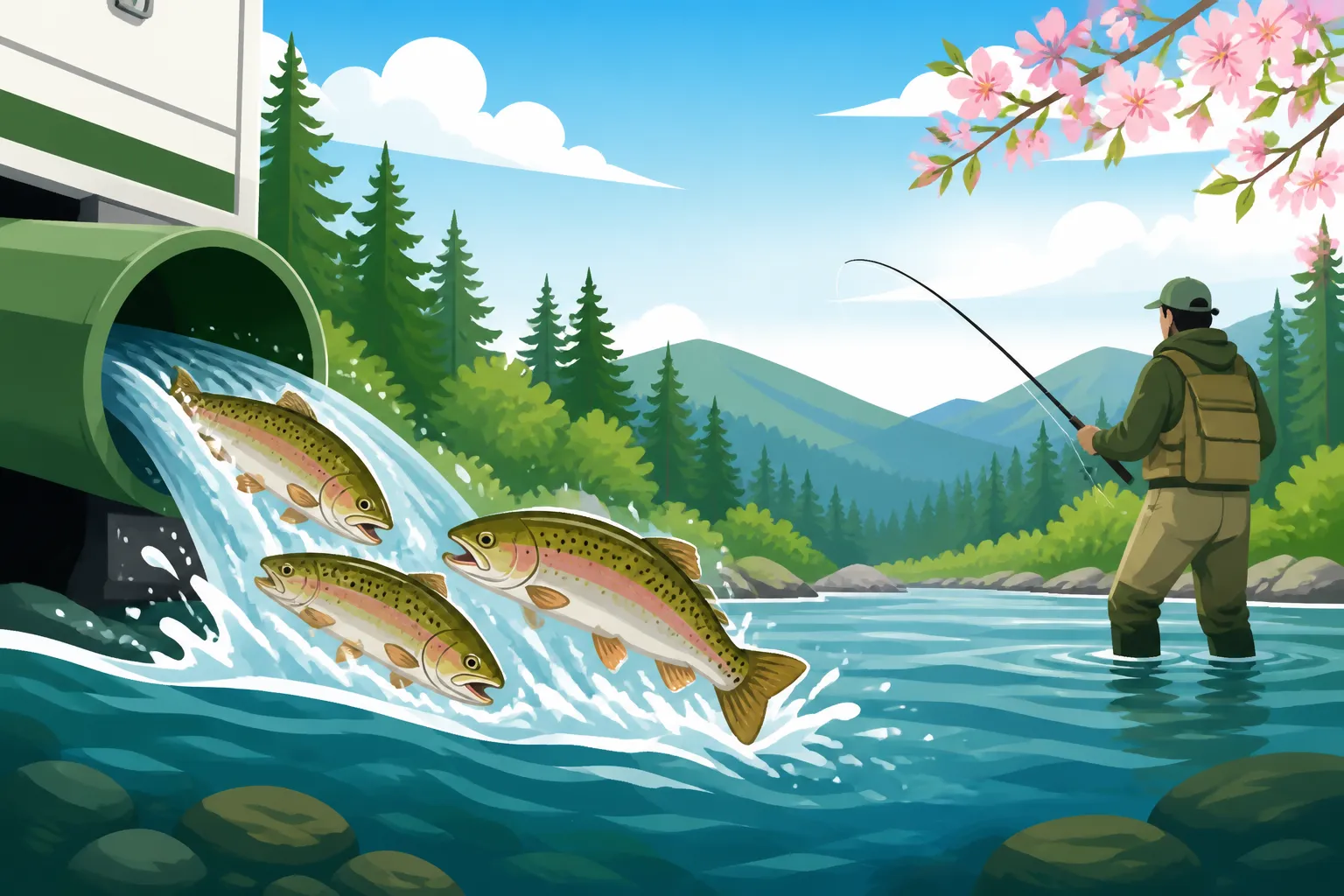
The primary goal of spring trout stocking in New Hampshire is straightforward: to enhance recreational fishing. Many of our smaller ponds, community fishing spots, and even some river stretches don't have robust enough wild trout populations to sustain heavy angling pressure, especially after the long winter. That's where stocking comes in. NHFG hatches and raises millions of fish each year – primarily brook trout, rainbow trout, and brown trout – in their state-of-the-art hatcheries. These fish are then distributed across suitable waters, offering a boost to angler success and providing a fantastic opportunity for families, beginners, and seasoned pros alike to enjoy a productive day on the water. It’s about ensuring there’s plenty of fish to go around, supporting both the sport and the local economies that benefit from fishing tourism.
How Stocking Dates are Determined
It might seem like a mystery, but the timing of trout stocking isn't arbitrary. Several critical factors influence when those fish hit the water. First and foremost are environmental conditions. Water temperature is paramount; fish need water that's not too cold (right after ice-out, for example) and not too warm, to minimize stress and ensure good survival rates. Ice-out on ponds and lakes is a major trigger, as trucks can’t access many locations until the ice has fully receded. The readiness of the fish at the hatcheries also plays a role. They need to be a certain size and health before they're transported. Lastly, logistics like truck availability, road conditions, and staffing all contribute to the schedule. This is why exact, weeks-in-advance predictions are tough to come by. The NHFG is constantly monitoring conditions and adapting their plans, which is why the official stocking report is truly your best friend.
The Importance of the Stocking Report
If you want to know when and where trout are being stocked, the New Hampshire Fish and Game Department's online stocking report is the authoritative source. Forget the rumors, the whispers at the bait shop, or even what you think you remember from last year. This real-time, frequently updated report provides the most accurate and recent information available. It's an indispensable tool for any angler looking to target freshly stocked fish. Without it, you're essentially guessing, and nobody wants to spend precious fishing time wondering if the fish are even there! Learning how to access and interpret this report is the single most important step in planning a successful spring trout outing. We’ll dive into how to do exactly that next.
Navigating the New Hampshire Fish and Game Trout Stocking Report
For those of us who live and breathe New Hampshire fishing, the annual wait for the first spring stocking reports can feel like an eternity. But once they start rolling in, knowing how to quickly find and understand the information is key. This report isn't just a list; it's your treasure map to some of the best early-season action.
Where to Find the Official Report
Locating the official New Hampshire Fish and Game Department (NHFG) stocking report is simpler than you might think, but you need to go directly to the source. Head straight to the NHFG website. Once there, you'll typically find a section dedicated to "Fishing" or "Wildlife & Fisheries." Within that section, look for links related to "Trout Stocking," "Fish Stocking Reports," or a similar title. The NHFG maintains a dedicated page, often updated several times a week during the active stocking seasons. I cannot stress enough that this is the only place to get the most accurate, up-to-the-minute details. Any other list you find elsewhere is likely outdated or incomplete. It's also a good idea to familiarize yourself with the broader New Hampshire Fishing License Guide for 2026 and New Hampshire Fishing Regulations Explained which are also easily found on the NHFG site, as stocking locations often have specific rules.
Deciphering the Report's Information
Once you've navigated to the New Hampshire trout stocking report, you'll see a wealth of information presented in a clear, often tabular, format. Here's what you can expect to find and how to make sense of it:
- Water Body Name: This is the specific pond, lake, or river section that was stocked. It will be clearly listed, so you know exactly where to go.
- Town: The municipality where the water body is located. This is incredibly helpful for planning your drive and finding public access points.
- Species: This indicates the type of trout stocked – commonly Rainbow Trout, Brook Trout, or Brown Trout. Knowing the species can help you select appropriate tackle and techniques.
- Number of Fish: The quantity of fish released into that particular water body. While this number might seem large, remember that pressure can quickly reduce availability.
- Date of Stocking: This is the most crucial piece of information. The report typically shows the date the stocking occurred, which means it’s usually historical information. However, by monitoring it regularly, you'll quickly discern patterns. For instance, if you see a particular pond stocked every Tuesday, you can anticipate when the next load might arrive.
Anglers primarily use this report to see what has been stocked recently. If you see a favorite pond was stocked yesterday or the day before, you know that’s a prime target for a fishing trip. You might not get an exact "future date," but consistent monitoring allows you to predict general windows for specific locations. Also, don't forget to check out the New Hampshire Trout Stocking Report and Map, as a visual aid can sometimes be even more helpful in identifying promising spots near you.
Common Spring Stocking Windows
While exact dates vary, we can talk in generalities about when spring stocking typically occurs in New Hampshire. The season generally kicks off in late March or early April in the southernmost parts of the state, coinciding with initial ice-out and rising water temperatures. As spring progresses and the snowmelt recedes, stocking moves northward and into higher elevations. You can expect the bulk of the spring stocking to occur through April and May, often extending into early June, especially for waters that are slower to warm up or those in the White Mountains.
Waters in southern New Hampshire like those around Manchester, Nashua, or Concord will often see fish before waters in Coos County or higher up in the mountains. Keep an eye on the weather and local ice conditions – once the ice is gone and things start to green up, the stocking trucks aren't far behind. For an even deeper dive into specific regulations, including daily limits and possession rules, checking out the New Hampshire Trout Limit and Possession Rules is always a good idea, as these can vary by water body.
| Region of New Hampshire | Typical Spring Stocking Start | Peak Stocking Period | End of Spring Stocking | Primary Trout Species Stocked |
|---|---|---|---|---|
| Southern NH | Late March / Early April | April – Early May | Mid-May | Rainbow, Brook, Brown |
| Central NH | Mid-April | Mid-April – Late May | Late May / Early June | Rainbow, Brook, Brown |
| Northern NH / Mountains | Late April / Early May | May – Early June | Mid-June | Brook, Rainbow, Brown |
Note: These are general guidelines. Always consult the official NH Fish and Game stocking report for the most accurate and current information.
Tips for Maximizing Your Spring Trout Fishing Success Post-Stocking
Getting out there right after a stocking is exciting, but it's not always as simple as dropping a line and reeling in fish. You'll encounter other anglers, and the trout themselves will behave differently as they adjust to their new environment. A little strategy can go a long way in ensuring a successful and enjoyable trip.
Timing Your Visits for Freshly Stocked Trout
There's a definite advantage to being one of the first anglers on the water after a stocking. Freshly stocked trout, having just come from a hatchery, are often less wary and more aggressive towards common baits. They haven't yet learned to associate shadows or unusual movements with danger. This can lead to some incredible action for a day or two post-stocking. However, this also means these popular spots can become quite crowded. If you prefer a bit more solitude, consider waiting a few days. The trout might be a little more cautious, but the crowds will thin out, and you can still find plenty of willing biters. Just remember to check the New Hampshire Bag and Possession Limits by Species before you go, so you know how many you can keep!
Weekdays, especially early in the morning, are often less busy than weekends, giving you a better chance at a prime spot. If you’re able to be flexible with your schedule, a Tuesday or Wednesday morning after a Monday stocking can be a golden opportunity.
Effective Techniques and Baits
Stocked trout aren't usually picky eaters initially, which is great news for anglers of all skill levels. Here are some tried-and-true methods and baits that consistently work for spring trout in New Hampshire:
- PowerBait: This artificial, scented bait is a staple for stocked trout. Dough balls, nuggets, and Power Worms in bright colors (chartreuse, orange, rainbow) are very effective. Rig it on a small hook with a sinker and let it float just off the bottom. You can find a wide variety of PowerBait options on sites like Amazon, making it easy to stock up before your trip.
- Worms and Live Bait: Good old nightcrawlers or garden worms are always a hit. A small piece of worm suspended under a bobber or fished slowly along the bottom is irresistible. Small minnows can also work, especially for larger holdover trout.
- Corn: Believe it or not, kernel corn is incredibly effective. It's soft, smells appealing, and is easy for trout to digest. Just hook a few kernels on a small hook.
- Spinners and Spoons: Small inline spinners (like Mepps, Rooster Tail, or Panther Martin) and tiny casting spoons (like Kastmaster or Little Cleo) are excellent for actively searching for trout. These mimic small baitfish or insects and can trigger aggressive strikes. Check Amazon for a great selection of these classic lures.
- Flies: Fly fishing can be incredibly rewarding. For freshly stocked trout, simple nymph patterns (like Prince Nymph, Hare's Ear), Woolly Buggers, or even small wet flies often work wonders. As hatches start, dry flies become more effective. If you're new to fly fishing, a guide to Spring Trout Fishing Techniques for New Hampshire Ponds might be a great next step.
Don't be afraid to experiment. If one bait isn't working, switch it up. Vary your retrieve speed with lures, or try fishing at different depths with bait.
Finding the Best Stocked Waters
The NHFG stocking report gives you the names of water bodies, but how do you pick the best ones?
First, consider accessibility. Many stocked ponds and rivers have designated public access points, boat launches, or shore fishing areas. Look for spots with easy parking and relatively open banks.
Second, think about the size of the water body. Smaller ponds are often easier to fish, as the trout are more concentrated. Larger lakes might require a boat or more knowledge of depths and structure.
Third, consider your personal preference. Are you looking for a quiet, secluded spot or a popular, family-friendly pond? The NHFG often stocks state park ponds and waters known for easy access. For specific recommendations, our guide on the Best Trout Ponds in New Hampshire is a great resource. You might also want to consult a map for public lands or check the New Hampshire State Park Fishing Guide if you prefer a more developed fishing experience. Many local sporting goods stores, like those found with a quick search on Amazon for "New Hampshire fishing gear," can also offer local insights into popular spots and what tackle is moving.
Essential Regulations and Responsible Angling Practices
Before you even think about casting a line in New Hampshire, it’s absolutely critical to understand and adhere to the state’s fishing regulations. Not only does this keep you out of trouble, but it also ensures the sustainability of our beautiful fisheries for future generations.
License Requirements and Bag Limits
The most fundamental rule is this: almost everyone needs a New Hampshire fishing license to fish in the state. There are very few exceptions, such as during designated New Hampshire Free Fishing Days, Explained or for very young children. A common question we get is, "Do Kids Need a Fishing License in New Hampshire?" and the answer often depends on their age, so always check the current regulations.
You can purchase a license easily online through the NHFG website, at authorized license agents (like many sporting goods stores), or directly from the NHFG headquarters. Make sure your license is valid for the current year. Once you have your license, remember that you’re responsible for knowing the bag and possession limits for the species you’re targeting, especially trout. These limits can vary not only by species (brook, rainbow, brown trout) but also by the specific water body. Always consult the official New Hampshire Bag and Possession Limits by Species or the annual New Hampshire Freshwater Fishing Digest. Keep your license with you at all times while fishing, whether it's a physical copy or you're Printing or Carrying a Digital Fishing License in New Hampshire.
Catch and Release Considerations
While many anglers enjoy keeping a few trout for the pan, practicing catch and release is vital, especially for wild populations or if you've already met your bag limit. When practicing catch and release, the goal is to minimize stress and injury to the fish, giving it the best chance of survival.
Here are some quick tips:
- Handle Fish Gently: Use wet hands or a wet net to handle fish. Dry hands can remove the fish's protective slime coat, making it vulnerable to disease.
- Minimize Air Exposure: Keep the fish in the water as much as possible. A quick photo is fine, but avoid keeping them out of the water for extended periods.
- Use Barbless Hooks: Barbless hooks are much easier to remove, causing less damage to the fish's mouth. If you don't have barbless hooks, you can crimp down the barb on a regular hook with pliers.
- Proper Hook Removal: Use a hemostat or needle-nose pliers to carefully remove the hook. If the fish is deeply hooked, it might be best to cut the line as close to the hook as possible rather than tearing internal organs.
- Revive the Fish: If a fish seems sluggish after release, gently hold it upright in the water, facing into the current, until it regains strength and swims away on its own.
Being a Responsible Angler
Beyond licenses and limits, being a responsible angler means respecting the environment, other users, and the fish themselves. Always adhere to the "Leave No Trace" principles: pack out everything you pack in, including discarded fishing line, bait containers, and any other trash. This preserves the natural beauty of our fishing spots and protects wildlife from entanglement or ingestion.
Respect private property by knowing where public access is allowed and avoiding trespassing. Be mindful of other anglers – give them space, especially in popular areas, and keep noise levels down. If you notice any suspicious activity, such as poaching or environmental damage, report it to the New Hampshire Fish and Game Department. By following these simple guidelines, you help maintain the integrity of New Hampshire's fishing tradition for everyone.
Disclaimer
The information provided in this guide is for general informational purposes only and is subject to change. While we strive to offer accurate and up-to-date content, fishing regulations, stocking schedules, and local conditions can vary. Always consult the official New Hampshire Fish and Game Department website or relevant authorities for the most current and precise information before planning any fishing trip.