New Hampshire required boater education certificate rules
Ever feel like the rules and regulations for enjoying New Hampshire's beautiful waters are a maze? You're not alone! Many anglers and recreational boaters find themselves scratching their heads over what's actually required to operate a vessel safely and legally. This comprehensive guide is here to clear up all the confusion surrounding the New Hampshire boater education certificate rules, ensuring you can navigate the Granite State's lakes and rivers with confidence and compliance.
Understanding New Hampshire's Boater Education Certificate
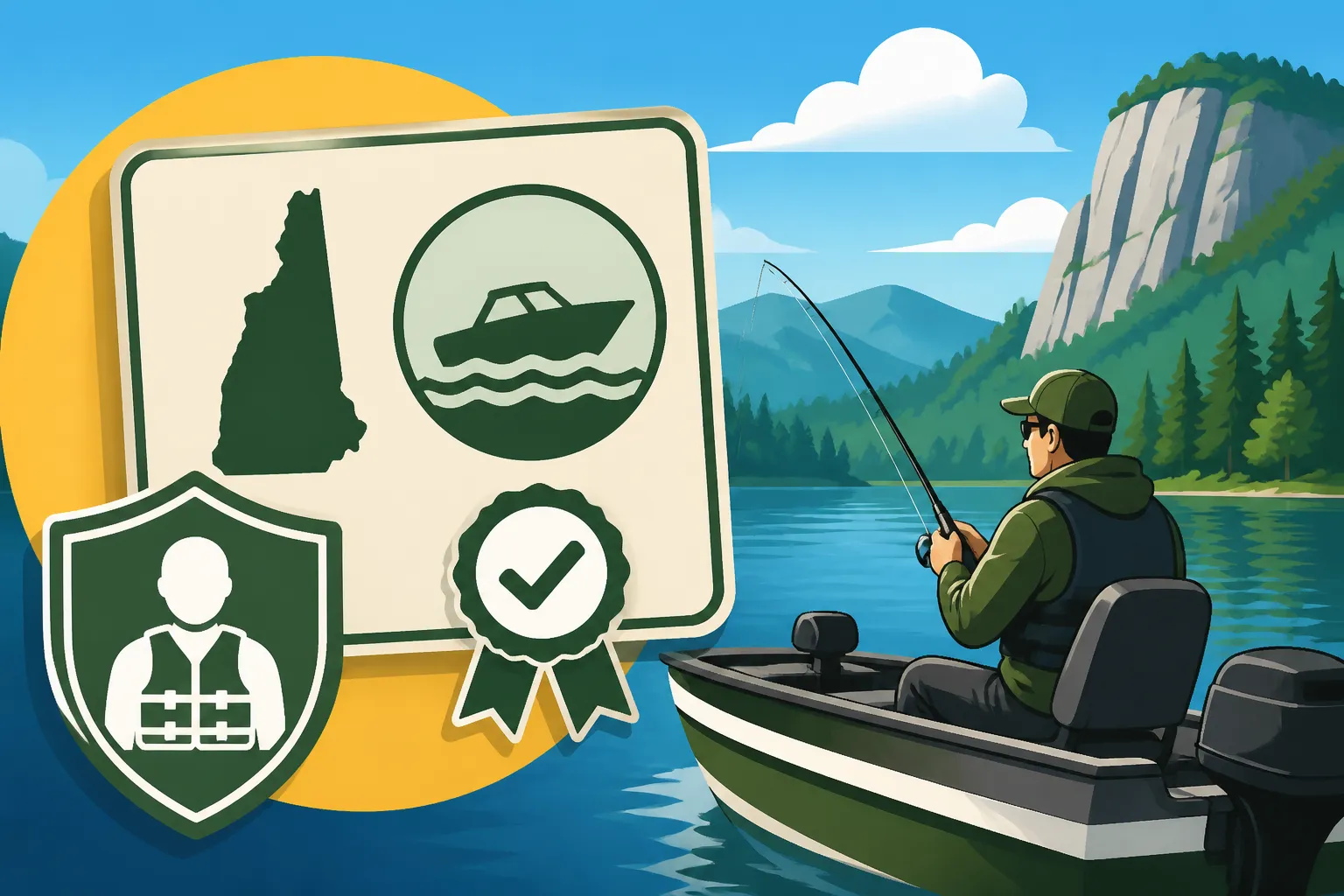
The New Hampshire Boater Education Certificate, often colloquially called a "boating license" by many, isn't just another piece of paper; it's a vital credential designed to ensure that anyone operating a motorboat or personal watercraft (PWC) on the state's public waters possesses fundamental knowledge of boating safety and navigation rules. This isn't about being a seasoned captain; it's about making sure every operator understands the basics to protect themselves, their passengers, and everyone else enjoying the water. The waters of New Hampshire, from the vast expanses of Lake Winnipesaukee to the winding currents of the Merrimack River, are shared spaces, and safety is paramount.
The requirement for this certificate stems from a long-standing effort to reduce boating accidents and fatalities. For decades, recreational boating saw a rise in incidents, many of which were attributed to a lack of operator knowledge about rules of the road, proper equipment, and basic emergency procedures. New Hampshire, like many other states, recognized the need for a standardized education program. This led to the establishment of the current certification system, which aims to equip boaters with the necessary skills to prevent accidents before they happen. It's a proactive measure, not just a punitive one, and it reflects the state's commitment to preserving the safety and enjoyment of its precious waterways. Think of it as driver's ed for the water; it's designed to give you the foundational understanding you need.
Beyond just preventing collisions, the certificate also covers crucial aspects like environmental responsibility and the specific regulations unique to New Hampshire. For instance, understanding no-wake zones, proper waste disposal, and how to protect sensitive aquatic habitats is all part of the curriculum. It’s not just about avoiding trouble with the New Hampshire Marine Patrol, but about being a good steward of the environment and a courteous fellow boater. This comprehensive approach means that obtaining your certificate isn't just a hurdle to jump, but a valuable learning experience that genuinely makes you a safer and more responsible participant in New Hampshire's vibrant boating community.
Who Needs a Boater Education Certificate in New Hampshire
The rules around who exactly needs a boater education certificate in New Hampshire can sometimes feel a bit convoluted, especially with age cutoffs and different vessel types. Let's break it down so you know exactly where you stand. Essentially, anyone born after January 1, 1983, who operates a motorboat over 25 horsepower or any personal watercraft (PWC) on New Hampshire public waters, needs to have this certificate in their possession. This age cutoff is critical and often the source of confusion for many. If you were born in 1982 or earlier, you are generally exempt from this specific requirement, although knowing the rules of the road is always a smart idea for anyone on the water.
Now, let’s talk about those personal watercraft, often called Jet Skis or Sea-Doos. The law is quite strict here: if you're operating any PWC, regardless of its horsepower, and you fall into that "born after January 1, 1983" category, you must have the certificate. There are no exemptions for PWC operators based on horsepower. This reflects the reality that PWCs, due to their speed and maneuverability, are often involved in more accidents if operated by inexperienced individuals. The state really wants to ensure that anyone zipping around on these vessels has a solid grasp of safety protocols. You can find more specific details on age requirements and PWC operation in the guide on New Hampshire PWC operator minimum age.
What about non-residents? This is a common question, especially for those visiting New Hampshire from neighboring states like Massachusetts, Maine, or Vermont for a vacation. The good news is that New Hampshire offers reciprocity for boater education certificates. If you hold a valid boater education certificate issued by another state or Canadian province that meets the National Association of State Boating Law Administrators (NASBLA) requirements, New Hampshire generally accepts it. However, it's always a good idea to carry that certificate with you, along with your photo ID, when operating a vessel here. If you don't have a NASBLA-approved certificate from your home state, then you'd be subject to New Hampshire's requirements if you fall within the age bracket.
Here's a quick summary table for clarity:
| Operator Born | Vessel Type | Horsepower Limit | Certificate Required? | Notes |
|---|---|---|---|---|
| Before 1/1/1983 | Any motorboat | No limit | No | Always recommended to know safety rules. |
| Before 1/1/1983 | Any Personal Watercraft (PWC) | No limit | No | But operating any PWC requires caution and knowledge. |
| On or After 1/1/1983 | Motorboat | > 25 HP | Yes | Must carry certificate when operating. |
| On or After 1/1/1983 | Personal Watercraft (PWC) | Any HP | Yes | Must carry certificate when operating. |
| Any Age | Motorboat (Electric only) | Any HP | No | Certificate not required for electric motors regardless of HP. |
| Any Age | Sailing Vessel | No motor | No | Certificate not required for non-motorized vessels. |
It’s also important to note that while supervision might allow younger individuals to operate, the certified supervisor must be readily available and able to take immediate control of the vessel. For example, if you're supervising a younger family member who falls within the age requirement, you, as the certified operator, need to be actively engaged and responsible for their actions. This applies to things like teaching your teenager how to operate your fishing boat on Lake Winnipesaukee. While we’re on the topic of regulations, remember that New Hampshire Boating Laws for Anglers cover many more aspects of safe operation, including speed limits, navigation rules, and equipment requirements, so it's worth a thorough read before you head out.
Pathways to Certification: How to Get Your Boater Ed Card
So, you've figured out you need the certificate. Great! Now, how do you actually go about getting it? New Hampshire, through the New Hampshire Fish and Game Department and its Marine Patrol Bureau, offers several approved avenues for boater education. The most common and flexible options today are online courses and traditional in-person classroom courses. Both options cover the same essential material but cater to different learning styles and schedules.
Online courses have become incredibly popular because of their convenience. You can complete the coursework at your own pace, from the comfort of your home, and often on any device. Websites like Boat-Ed.com or BoatingSafety.com offer NASBLA-approved New Hampshire courses. These platforms are interactive, with modules covering everything from navigation rules and aids (like buoys and markers) to emergency procedures, weather awareness, and responsible environmental practices. They often include quizzes after each section to reinforce your learning, culminating in a comprehensive final exam. This flexibility makes it easy for busy individuals to fit the training into their lives. You could even browse for study guides and practice tests on Amazon to supplement your online course material, giving you an extra edge before the final exam. Once you pass, you typically receive a temporary certificate, with the official, wallet-sized card mailed to you shortly after.
For those who prefer a more structured, in-person learning environment, traditional classroom courses are still available. These courses are often taught by certified instructors, including members of the New Hampshire Marine Patrol, U.S. Coast Guard Auxiliary, or U.S. Power Squadrons. The benefits of a classroom setting include direct interaction with instructors, the opportunity to ask questions in real-time, and learning alongside other boaters. These courses usually run over several sessions or a full weekend, culminating in a proctored exam. While they require a fixed schedule, many find the hands-on instruction and group discussions invaluable. Check the New Hampshire Fish and Game website for a schedule of upcoming in-person classes across the state. Whether online or in person, the material covered is robust, encompassing everything from basic boat handling to recognizing distress signals and understanding New Hampshire required boat safety equipment checklist.
The cost for these courses can vary. Online courses typically range from $20 to $50, while in-person courses might have a slightly higher fee to cover materials and instructor time. Once you pass your exam, the certificate itself is valid for life – you don't need to renew it annually, which is a huge relief compared to something like your vehicle registration. Should you ever lose your certificate, replacing it is usually a straightforward process. You can often order a replacement online through the same provider where you took the course, or contact the New Hampshire Fish and Game Department directly. Keeping a digital copy on your phone or in the cloud is also a smart backup, though Marine Patrol typically requires a physical copy if requested.
Consequences of Non-Compliance and Safe Boating Practices
Operating a vessel in New Hampshire without the required boater education certificate can lead to some rather unpleasant consequences. The New Hampshire Marine Patrol takes boating safety very seriously, and they actively patrol the state's lakes, rivers, and coastal waters to ensure compliance with all boating laws. If you are stopped and found to be operating a motorboat over 25 horsepower or any PWC, and you fall within the age group requiring a certificate but don't have one, you could face a fine.
The penalties for operating without a certificate typically involve a monetary fine, which can start around $100 and go up depending on the specific circumstances and if it's a repeat offense. It's not just a slap on the wrist; it’s a significant deterrent. Beyond the financial hit, there's also the inconvenience of being stopped, having your day on the water interrupted, and potentially even having to end your boating trip if the Marine Patrol deems it necessary. While the penalties for not having a boater education certificate might not be as severe as, say, New Hampshire boating under the influence penalties, which can lead to significant fines, loss of boating privileges, and even jail time, they are still something you absolutely want to avoid. It’s far better to invest a little time and money upfront to get certified than to risk a fine and a ruined day.
But beyond legal consequences, the biggest risk of non-compliance is safety. The boater education course exists for a reason: to teach you how to be safe on the water. Without that fundamental knowledge, you're not just risking a ticket, you're risking accidents that could lead to injury, property damage, or even fatalities. Imagine a scenario where you're boating on Lake Winnipesaukee, and sudden bad weather rolls in. If you haven't learned about proper docking, anchoring in rough water, or reading weather patterns, you and your passengers could be in serious trouble. Or consider navigating a busy area; understanding the "rules of the road" – who has the right-of-way, how to safely pass another vessel – is crucial to avoiding collisions.
Being a responsible boater means more than just having the certificate; it means actively practicing safe habits. Always make sure you have the proper Life Jacket Requirements for New Hampshire Boaters for everyone on board, and that children are wearing theirs at all times. Check the weather before you leave the dock, tell someone your float plan, and avoid alcohol while operating your vessel. Even if you don't technically need the certificate due to your birth year, taking an approved boating safety course is an excellent idea for any boater. Knowledge truly is power when it comes to staying safe on the water. There are many essential items to keep on your vessel, and you can easily find various safety kits, first aid supplies, and even personal flotation devices on Amazon to ensure you're fully prepared for any situation. Being equipped and educated makes all the difference for a stress-free and enjoyable experience on New Hampshire's stunning waters.
Disclaimer
The information provided in this guide is intended for general informational purposes only and does not constitute legal advice. While we strive to keep the information accurate and up-to-date, boating laws and regulations in New Hampshire can change. It is always recommended to consult the official New Hampshire Fish and Game Department website or contact the Marine Patrol Bureau directly for the most current and specific regulations pertaining to boater education certificates and all other boating laws.