Best crappie lakes in New Hampshire
It's incredibly frustrating when you're itching for some fast-paced panfish action, specifically targeting those delicious crappie, only to feel like New Hampshire's vast waters keep their secrets locked away. You hear whispers of great crappie fishing, but pinpointing the exact lakes or even the best spots within them can feel like searching for a needle in a haystack. This guide is here to cut through that mystery, revealing the Granite State's hidden gems and well-known hotspots where you can find some fantastic crappie fishing.
Unraveling the Appeal of Crappie Fishing in New Hampshire
Crappie are truly a gem of New Hampshire's freshwater fisheries. They might not get the same glamour as landlocked salmon or trophy lake trout, but for pure fun, consistent action, and fantastic table fare, crappie are hard to beat. They're often overlooked, which means less pressure on some of their prime locations. Whether you're a seasoned angler looking for a new challenge or a family trying to get kids hooked on fishing, crappie offer an accessible and rewarding experience.
Why Crappie Make for Fantastic Fishing
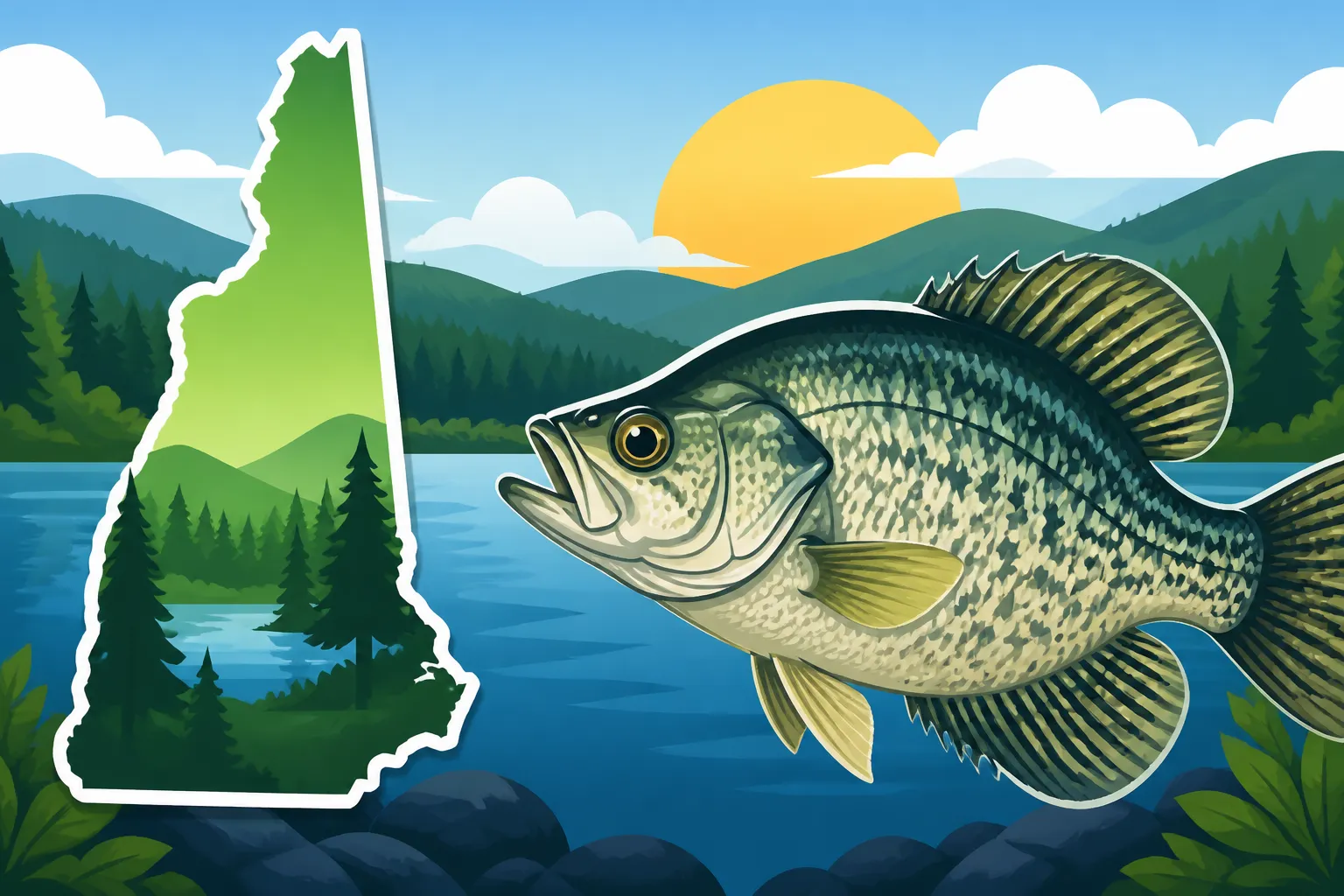
Let's be honest, sometimes you just want to catch fish. And crappie deliver! They're schooling fish, which means if you find one, you're very likely to find more. This makes for exciting, continuous action, perfect for keeping spirits high, especially with younger anglers. They're also relatively easy to catch once you understand their habits, responding well to simple techniques and baits. Plus, they're beautiful fish – especially the black crappie with their mottled patterns – and they put up a surprisingly spirited fight on light tackle. Many anglers also agree that crappie are among the best-eating freshwater fish, offering sweet, flaky white meat. It's a win-win situation, from the bite to the dinner plate.
Understanding Crappie Behavior in New Hampshire Waters
Crappie, both black and white species (though black crappie are far more prevalent in New Hampshire), are highly structure-oriented fish. They love cover: submerged timber, brush piles, docks, bridge pilings, weed lines, and even changes in bottom contour. They're also quite sensitive to light, preferring shadier areas or deeper water during bright sunny days. Their behavior changes significantly with the seasons. In spring, they move into shallow areas to spawn, often congregating in protected coves or around emergent vegetation. During summer, they typically retreat to deeper, cooler waters, often suspending over structure or along thermoclines. Fall sees them schooling up and actively feeding, often moving shallower again before winter sets in. And yes, they are a fantastic target during the ice fishing season, often found in large schools over deeper humps or weed edges. Understanding these seasonal shifts is key to consistent success.
Top Crappie Lakes and Ponds for Your Next Trip
New Hampshire might be renowned for its trout and salmon, but it boasts a surprising number of waters teeming with crappie. Many of these spots offer excellent access, making it easy for anglers of all skill levels to get out and enjoy. While some lakes are well-known, others are smaller, quieter ponds where you might have the crappie all to yourself.
Southern New Hampshire Crappie Hotspots
Southern New Hampshire, with its higher population density, also tends to have a good concentration of accessible crappie waters, often close to major towns and cities. This convenience makes them popular destinations for a quick afternoon trip or a full day out.
- Pawtuckaway Lake (Nottingham): This is arguably one of New Hampshire's premier crappie destinations. Pawtuckaway is known for both its numbers and the quality of its black crappie. The lake is quite diverse, with plenty of coves, islands, and submerged timber, all of which crappie absolutely love. Look for them around the many islands, especially those with submerged brush or fallen trees, and in the calmer, shallower coves during the spring and fall. The lake's irregular shoreline provides endless opportunities for anglers exploring from a boat or kayak. You can find excellent Pawtuckaway Lake bass fishing spots too, as crappie often share similar habitats.
- Massabesic Lake (Manchester/Auburn): While primarily a water supply for Manchester, Massabesic is also a fantastic fishing lake with specific regulations due to its primary use. It holds a healthy population of crappie, often overlooked by anglers targeting the lake's bass and trout. Look for crappie around the deeper weed lines, submerged humps, and any artificial structure. Always check the specific New Hampshire fishing regulations explained for Massabesic before heading out, as some areas may have restrictions.
- Canobie Lake (Salem): A smaller, but productive lake, Canobie is another southern New Hampshire gem for crappie. Its relatively clear waters and good aquatic vegetation make it an attractive habitat. Focus your efforts around the docks, submerged brush, and weed edges, especially those that drop off into deeper water. Canobie can be quite busy during peak seasons, so early mornings or weekdays are often best for a more tranquil experience.
Central New Hampshire Crappie Havens
As you move northward into the Lakes Region and central parts of the state, the crappie fishing continues to be strong, often in larger lakes that offer a different kind of fishing experience. These lakes might require a bit more exploration, but the rewards can be significant.
- Winnisquam Lake (Laconia/Tilton): Part of the Winnipesaukee watershed, Winnisquam is a large, diverse lake with excellent crappie fishing. It has numerous coves, varying depths, and plenty of submerged structure. Anglers often find success targeting crappie around the many docks and boat houses, especially those with brush piles sunk nearby. The areas around the mouths of incoming streams in spring can also be highly productive. For those interested in a full day on the water, you can also explore the Winnisquam Lake Fishing Guide for other species.
- Lake Sunapee (Sunapee/Newbury): While best known for its landlocked salmon and lake trout, Lake Sunapee also harbors a surprisingly good population of crappie. They tend to be found in the shallower, warmer coves, particularly those with significant weed growth or timber. This can be a great lake for targeting crappie early in the season or in the fall when they are more active in shallower zones. It’s also a beautiful lake to explore, perfect for a peaceful day on the water.
- Silver Lake (Hollis): This smaller, quieter lake offers excellent crappie fishing and is a fantastic spot for kayak or canoe anglers. Silver Lake features plenty of shoreline cover, lily pads, and submerged vegetation that crappie adore. It’s a classic panfish lake where light tackle and patience can yield impressive results. It's often less crowded than some of the larger lakes, offering a more intimate fishing experience.
Northeastern and Western New Hampshire Gems
Even as you venture further north or west, away from the major population centers, crappie still thrive in many of New Hampshire's more remote and pristine waters. These locations often require a bit more travel but offer solitude and fantastic natural beauty.
- Connecticut River (Various Access Points): The Connecticut River, particularly its slower-moving sections and oxbows, can hold excellent populations of crappie. The backwaters and eddies, especially those with fallen trees and brush, are prime crappie habitat. Access can be found in various towns along the river, from Claremont up to Lebanon and beyond. Remember that New Hampshire fishing license reciprocity on Connecticut River boundary waters applies, so be aware of which side of the river you are on.
- Moore Reservoir (Littleton/Monroe): While often thought of for its smallmouth bass and trout, Moore Reservoir on the Connecticut River is also a good spot for crappie. The broad, impounded sections offer plenty of deep-water structure and submerged cover. Finding the crappie here might involve more electronics to locate schools in deeper water, but once you do, the action can be furious.
When planning your trip, you can often find information on local guides or detailed lake maps through services like FishingBooker, which can help you pinpoint specific crappie hotspots and even book a guided trip if you prefer a local expert to show you the ropes.
Mastering Crappie Fishing Techniques and Tackle
Catching crappie isn't overly complicated, but a few specific techniques and the right gear can significantly boost your success rate. These fish are finicky feeders sometimes, so presentation matters.
Essential Gear for Crappie Anglers
Crappie have relatively delicate mouths and often prefer smaller baits, so using appropriate gear is crucial.
- Rods and Reels: An ultralight or light action spinning rod, typically 5 to 7 feet long, paired with a small spinning reel (500 to 1000 size) spooled with 4-6 lb test monofilament or fluorocarbon line is ideal. The softer tip allows for better bite detection, and the light action protects their tender mouths. For those who prefer a more hands-on approach, a longer jigging pole (like a cane pole or a specialized crappie pole) can be fantastic for dipping baits into tight cover.
- Terminal Tackle: Small jigs are the bread and butter of crappie fishing. Think 1/32 oz to 1/16 oz jig heads, often tipped with a soft plastic grub, tube, or minnow imitation. Colors like white, chartreuse, black, and pink are perennial favorites. Live bait, especially small minnows, is incredibly effective. You can rig them under a bobber or on a small hook (size 4-8) with a split shot. Tiny spoons and crappie-specific crankbaits also have their place, especially when trolling. For a deeper dive into general panfish setups, check out our guide on Best Tackle for Panfish.
- Electronics (Optional but Helpful): A portable fish finder can be invaluable, especially when searching for crappie schools in deeper water or around submerged brush. It helps you identify structure and locate schools of fish quickly, saving you precious fishing time.
Tried-and-True Crappie Fishing Techniques
Once you have your gear, knowing how to present your bait is the next step to consistent crappie catches.
- Jigging: This is perhaps the most popular and effective method. Cast your small jig to a likely looking spot (like a dock, brush pile, or weed edge) and let it sink. Work it back with a slow, gentle retrieve, occasionally twitching the rod tip to give the jig action. Crappie often hit on the fall or when the jig is barely moving. Vertical jigging directly over schools you've located with a fish finder is also incredibly effective, especially during summer and ice fishing.
- Bobber Fishing: This is a classic, easy technique, especially for beginners and kids. Rig a small jig or a live minnow under a bobber. Adjust the depth so your bait is suspended just above or in the middle of the crappie's suspected holding depth. Cast it out and let it sit. The bobber provides a clear visual strike indicator. This method is great around docks, lily pads, and submerged brush.
- Trolling: On larger lakes, slow trolling with small jigs, crappie crankbaits, or even live minnows can be very productive for covering water and finding schools of crappie. Use a very slow speed, just enough to give your lure action. Multiple rod setups, sometimes with planer boards, can help spread out your presentation. Many anglers utilize a service like FishingBooker to find charters that specialize in trolling for various species, including crappie, on larger lakes.
- Ice Fishing: Crappie are a prime target for ice anglers in New Hampshire. Look for them over deep weed beds, humps, or suspended over open water basins. Small tungsten jigs tipped with a grub, a wax worm, or a small piece of plastic are incredibly effective. Often, a tiny spoon or a Swedish Pimple can also entice a bite. They're often found in large schools, so if you catch one, drill a few more holes nearby! Our guide on Ice Fishing in New Hampshire provides more comprehensive information.
| Lake/Pond Name | Primary Crappie Species | Key Features for Crappie | Best Access Type | Notable Tips |
|---|---|---|---|---|
| Pawtuckaway Lake | Black Crappie | Islands, submerged timber, coves | Boat, Kayak, Shore | Target brush piles, spring coves |
| Massabesic Lake | Black Crappie | Deep weed lines, humps | Boat, Shore (restricted) | Check specific regulations, fish deeper structure |
| Canobie Lake | Black Crappie | Docks, brush, weed edges | Boat, Shore | Early mornings, target docks |
| Winnisquam Lake | Black Crappie | Coves, docks, varying depths | Boat, Kayak, Shore | Fish around boat houses, stream mouths |
| Lake Sunapee | Black Crappie | Shallow coves, weed growth | Boat, Kayak | Spring/Fall in warmer coves |
| Silver Lake | Black Crappie | Lily pads, submerged vegetation | Kayak, Canoe, Shore | Excellent for light tackle, quiet fishing |
| Connecticut River | Black Crappie | Backwaters, eddies, fallen trees | Boat, Kayak, Shore | Focus on slower sections, check reciprocity |
| Moore Reservoir | Black Crappie | Deep structure, humps | Boat, Kayak | Use electronics to find schools |
Maximizing Your Crappie Fishing Experience in New Hampshire
To ensure a successful and enjoyable crappie fishing adventure, it's wise to consider a few extra details, from understanding local rules to making the most of your time on the water.
Navigating Regulations and Seasonal Opportunities
Before you even wet a line, it's critical to be aware of New Hampshire's fishing regulations. While crappie generally have generous limits, specific waters might have special rules, and it's always best to be informed.
- Fishing Licenses: Everyone aged 16 and older needs a New Hampshire fishing license. You can easily purchase one online through the New Hampshire Fish and Game Department website, or from various local vendors. Our detailed guide on New Hampshire Fishing License Guide for 2026 covers all the essentials, including Where and How to Buy a New Hampshire Fishing License.
- Bag and Possession Limits: New Hampshire generally has a liberal daily bag limit for crappie, typically 25 fish, with no minimum length. This makes them a great target for harvesting a meal. However, always double-check the latest New Hampshire Bag and Possession Limits by Species in the current fishing digest.
- Seasonal Fishing: Crappie can be caught year-round in New Hampshire. Spring (post-ice out through June) is often the easiest time to target them as they move shallow for spawning. Summer requires finding them deeper, often suspending. Fall sees them schooling up and actively feeding, and winter ice fishing can be incredibly productive for large numbers of fish. Consider consulting our Best Time of Year to Fish in New Hampshire article for a broader overview of seasonal opportunities.
Planning Your Crappie Adventure
A little planning goes a long way, especially when you're exploring new waters.
- Research Current Conditions: Water levels, temperatures, and recent stocking reports (though crappie are usually wild populations) can all impact fishing success. The New Hampshire Fish and Game Department website is an excellent resource for up-to-date information. If you're looking for an even more localized feel, a quick search on FishingBooker can sometimes reveal recent angler reports or even local guides who offer crappie trips, giving you invaluable current insights.
- Accessibility: Consider your preferred mode of fishing. Many crappie lakes offer good shore access, while others are best fished from a boat or kayak. If you're a kayak angler, our guide to the Best Kayaks for New Hampshire Fishing can help you pick the perfect vessel for exploring crappie haunts. New Hampshire State Parks often provide excellent fishing access points; check out the New Hampshire State Park Fishing Guide for locations.
- Conservation: While crappie limits are generous, practicing selective harvest can help ensure healthy populations for years to come. Consider releasing the larger breeding fish and keeping smaller to mid-sized ones for the table. Always dispose of fishing line and litter properly, and be mindful of invasive species by cleaning your boat and gear.
Crappie fishing in New Hampshire offers a fantastic opportunity for anglers of all stripes. With a little knowledge of where to go and what to use, you'll be enjoying fast action and delicious meals in no time!
Disclaimer
Fishing regulations and conditions can change rapidly. Always consult the latest New Hampshire Fish and Game Department regulations before you head out on the water. This guide is for informational purposes only and does not constitute legal advice.