Float Fishing the Connecticut River
The sheer size and varied currents of the Connecticut River can feel daunting to even seasoned anglers, making it tough to figure out where to even begin, let alone how to effectively present a bait or lure. If you've ever stood on its banks or floated its waters, wondering how to best tempt the diverse fish species beneath, you're not alone. This guide aims to demystify the rewarding technique of float fishing on the Connecticut, offering practical advice to help you drift your way to a successful day on this magnificent waterway.
Understanding the Connecticut River's Unique Character
The Connecticut River is a true gem, a vast and wild waterway that forms a significant portion of New Hampshire's western border. It’s not just a river; it's a living, breathing ecosystem with countless moods and distinct personalities along its length. From the remote, wild stretches up north to the more accessible, agricultural lands further south, it demands respect and understanding from every angler. What works in one section might be completely ineffective just a few miles downstream, which is why a nuanced approach to float fishing here is so crucial.
The Varied Flow and Structure
One of the biggest challenges and, frankly, one of the greatest appeals of the Connecticut River is its incredible diversity in flow and structure. You’ll encounter everything from fast-flowing riffles and rapids, particularly in the upper reaches and below certain dams, to wide, slow-moving sections and deep, meandering pools. This ever-changing landscape creates a multitude of habitats for various fish species, from cold-water lovers like trout and salmon to warm-water stalwarts like bass, pike, and panfish.
When you're float fishing, understanding these transitions is key. Fast water often means aggressive fish looking for an easy meal swept downstream, while slower, deeper pools can hold larger, more cautious fish that prefer to ambush prey. You'll find intricate underwater structures too: submerged logs, rock gardens, current seams where fast and slow water meet, and weed beds along the calmer edges. These aren't just pretty features; they're prime holding spots for fish, offering shelter from the current and ambush points for feeding. As you float downriver, constantly scanning the water for these changes and adapting your presentation is what separates a good day from a great one. The river's character means your float setup might need to change from section to section, demanding versatility and keen observation.
Boundary Waters and Reciprocity Considerations
Fishing the Connecticut River isn't just about New Hampshire; it's a shared resource with Vermont. This means you're often fishing boundary waters, which can lead to confusion if you're not prepared. For New Hampshire residents, your standard freshwater license generally covers you on the main stem of the Connecticut River, provided you're fishing from the New Hampshire shore or in the main channel. However, if you plan to launch from the Vermont side, fish directly in Vermont tributaries, or land on the Vermont shore, you'll likely need a Vermont license as well.
It's absolutely critical to understand the nuances of New Hampshire fishing license reciprocity on Connecticut River boundary waters. This isn't just a suggestion; it’s a legal requirement. Ignorance of the law is no excuse, and wardens patrol both sides of the river. The New Hampshire Fish and Game Department and Vermont Fish and Wildlife Department work together on enforcement, and their regulations can sometimes differ on details like bag limits or specific season dates for certain species, even within the same body of water. Before you head out, always double-check the latest regulations from both states, especially if you plan to venture beyond the main channel or cross state lines. You can usually find up-to-date information on their respective websites or by picking up a physical copy of the fishing digest when you Where and How to Buy a New Hampshire Fishing License.
Essential Gear for Float Fishing the Connecticut River
Float fishing, at its heart, is about presenting your bait or lure naturally with the current. But the Connecticut River isn't a small, gentle brook. It requires robust, reliable gear that can handle strong currents, powerful fish, and the occasional snag. Investing in the right tools will make your experience more enjoyable and far more successful. Think of it as preparing for a wilderness adventure, not just a casual day at the pond.
Rods, Reels, and Line Selection
For float fishing the Connecticut, you’ll want a rod with enough backbone to handle larger fish, but also enough sensitivity in the tip to detect subtle bites when your float barely bobs. A medium to medium-heavy power spinning rod, anywhere from 7 to 9 feet in length, is often ideal. The longer length helps with casting lighter floats, mending your line to control the drift, and managing fish in current. Brands like St. Croix, Fenwick, or even some of the higher-end Ugly Stik models offer great options that balance durability with performance. You can find a good selection of these on Amazon, often with helpful reviews. While this guide focuses on river fishing, some of the principles for selecting Best Fishing Rods for New Hampshire Lakes can certainly apply, especially regarding overall power and action.
Pair your rod with a reliable spinning reel in the 2500-4000 series size. Look for a smooth drag system, which is paramount when fighting a strong fish in current, and good line capacity. Shimano, Daiwa, and Penn make excellent reels that can stand up to the river's demands.
As for line, a good quality monofilament or fluorocarbon main line in 8-12 lb test is usually sufficient. Monofilament offers some stretch, which can be forgiving with aggressive strikes, while fluorocarbon is nearly invisible underwater and sinks, which can be an advantage in certain presentations. For leaders, fluorocarbon in 6-10 lb test is highly recommended for its abrasion resistance and low visibility, especially in the clearer sections of the river. You might want to consider going up or down in line size depending on the target species – lighter for panfish, heavier for pike or larger bass.
Floats, Weights, and Terminal Tackle
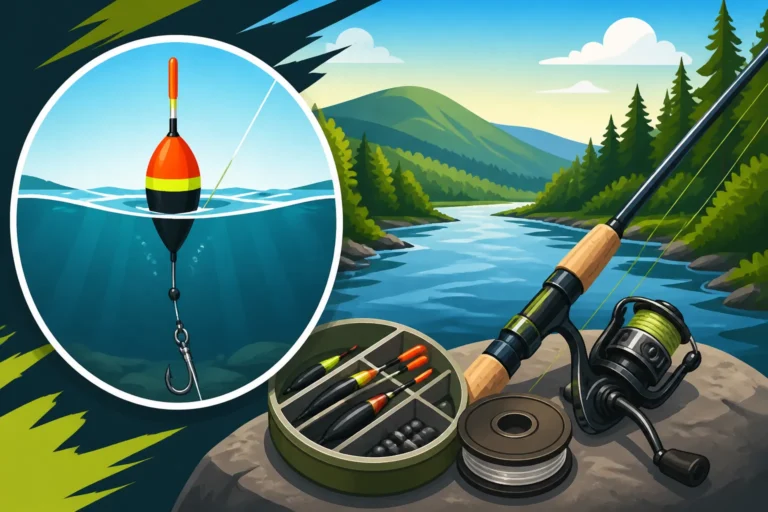
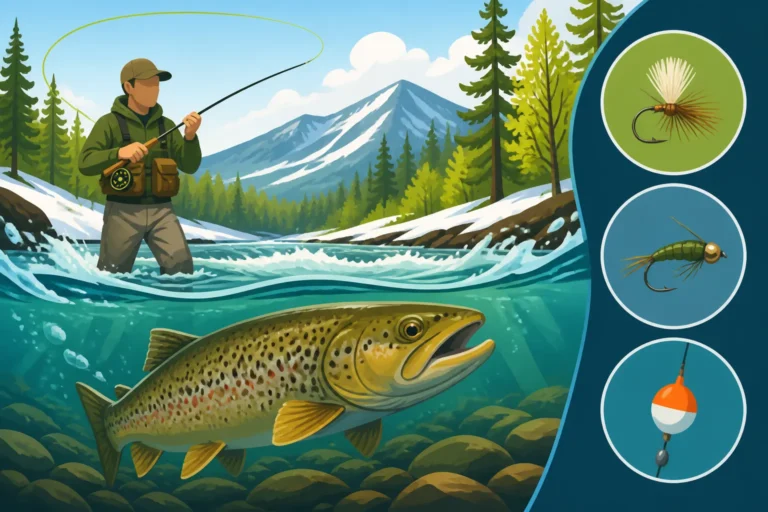
The "float" in float fishing is obviously crucial, and you'll want a variety. Depending on the current speed and the depth you're trying to achieve, you'll need different sizes and styles.
- Slip Floats: These are incredibly versatile for the Connecticut. They allow your line to slide freely through them, meaning you can adjust your fishing depth without being limited by rod length. This is invaluable when fishing deep pools or trying to present bait precisely above structure. Brands like Thill, Raven, and Drennan offer excellent slip floats, readily available on Amazon. They come in various sizes, so grab a few different ones to match varying current speeds and the weight of your bait.
- Fixed Floats: For shallower water (usually less than your rod length) or slower currents, fixed floats (like classic bobbers) can be effective. They offer simplicity and quick setup.
- Weighting: You'll need an assortment of split shot or small, pencil-style sinkers to get your bait down and to balance your float. The goal is to use just enough weight so your float sits properly in the water, indicating even the lightest bite, but not so much that it pulls the float under or inhibits a natural drift. Carry a variety of sizes, from tiny BB shot to heavier styles, to fine-tune your presentation.
- Hooks: Circle hooks are fantastic for live bait, promoting jaw hookups and increasing the chances of a clean release, especially important when targeting species with specific New Hampshire Bass Catch-and-Release Season, Explained regulations. Sizes 4-1/0 are common for targeting bass and panfish. For trout, smaller baitholder or octopus hooks in sizes 8-12 might be more appropriate. Always have a good selection, and make sure they are sharp.
Boats, Kayaks, and Wading Equipment
Accessing the best float fishing spots on the Connecticut River often means getting on the water.
- Boats: A small jon boat, a V-hull aluminum boat, or even a drift boat are excellent choices for covering significant stretches of the river. Make sure your boat is properly registered and equipped with all necessary safety gear, including personal flotation devices (PFDs) for everyone on board, as per Life Jacket Requirements for New Hampshire Boaters. Always consult New Hampshire Boating Laws for Anglers before heading out.
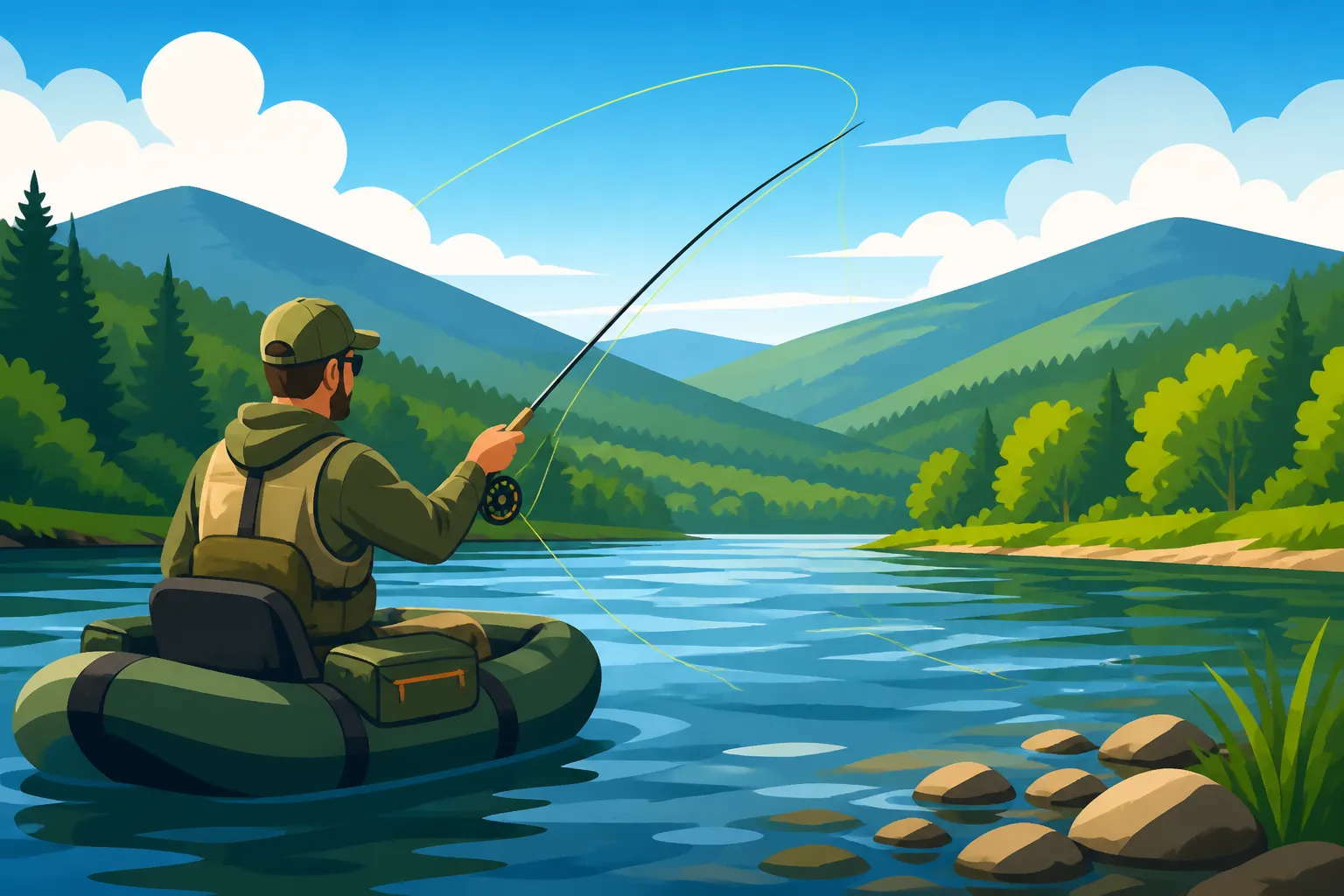
- Kayaks and Canoes: For a more stealthy approach or accessing shallower sections, a fishing kayak or canoe can be outstanding. They allow you to quietly drift through prime holding water and get into spots a motorboat might spook. Look for stable models designed for fishing, with ample storage. If you're considering a kayak, some models are better suited for river current than others. You might find some good recommendations in a guide about the Best Kayak for River Fishing in New Hampshire. Remember to wear your PFD at all times in a kayak or canoe, even if you’re a strong swimmer.
- Wading: In many sections, especially during lower water periods, wading can be very effective. This allows you to fish specific runs and riffles with precision. You'll need good quality waders (chest waders are often best for the Connecticut's varying depths) and sturdy wading boots with good grip. The river bottom can be slick and uneven, so Best Wading Boots for Rocky Streams are a must. A wading staff is also a highly recommended safety item, providing stability and helping you probe the bottom before committing your weight.
Targeting Key Species While Float Fishing
The Connecticut River is a biological powerhouse, supporting a fantastic diversity of fish. Float fishing allows you to effectively present baits to many of these species, tapping into their natural feeding behaviors as food drifts by. Being prepared for different species means having a range of baits and adjusting your presentation accordingly.
Trout and Salmon Tactics
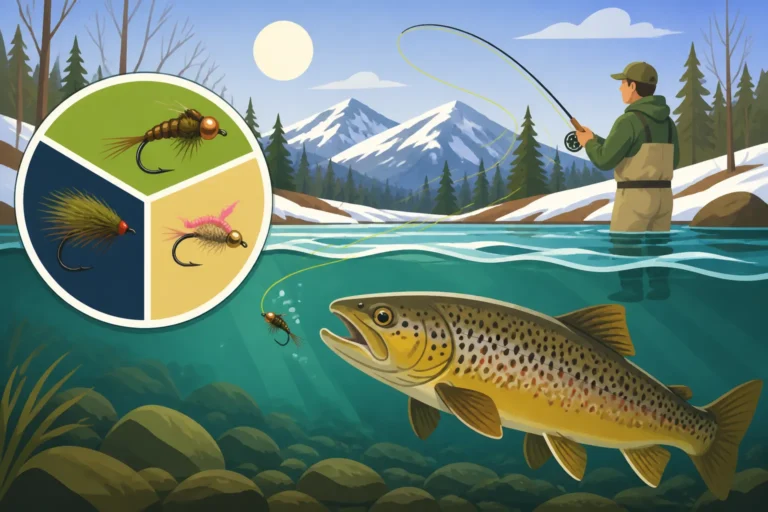
The Connecticut River is home to both wild and stocked trout, including brook, brown, and rainbow trout, particularly in its colder, upper reaches and below certain impoundments. Landlocked salmon also make runs into specific sections, offering a thrilling challenge. The Connecticut River trophy trout section is particularly renowned for its larger specimens.
When float fishing for trout and salmon, the key is a natural, drag-free drift. These fish are often very finicky and will ignore anything that looks unnatural.
- Baits: Live worms (nightcrawlers or garden worms) are perennial favorites and hard to beat. They wiggle enticingly and are a natural food source. Small shiners or smelt can also be deadly, especially for larger trout and landlocked salmon. PowerBait, particularly in bright colors, can be effective immediately after stocking events.
- Lures: Small inline spinners (like Mepps Aglias or Panther Martins) or tiny spoons (like Kastmasters or Phoebe) can be fished effectively under a float, especially if you give them a gentle twitch to impart action. Drift tiny jigs tipped with a grub or a piece of worm.
- Presentation: Use a sensitive float that accurately telegraphs even the lightest bite. Set your depth so your bait is drifting just above the river bottom or through the middle of the water column where fish are actively feeding. Often, trout and salmon will hold in current seams, behind rocks, or in the slower water adjacent to faster currents, waiting for food to be delivered to them. You might also want to check out the New Hampshire Trout Stocking and Fishing Rules to understand when and where trout are most abundant.
Bass and Panfish Strategies
As you move into the broader, warmer sections of the Connecticut River, especially south of its northern reaches, smallmouth and largemouth bass become more prominent. Panfish like yellow perch, crappie, and sunfish are also abundant, offering consistent action for anglers of all skill levels.
Float fishing for these species can be incredibly productive, often providing more aggressive strikes than the subtle takes of trout.
- Smallmouth Bass: These hard-fighting fish love rocky areas, current seams, and submerged timber.
- Baits: Live shiners, crawfish, or even large nightcrawlers drifted under a slip float are incredibly effective. Smallmouth often smash these baits with gusto.
- Lures: Soft plastic tubes, grubs, or small swimbaits rigged on a jig head can be drifted under a float. Giving the rod a subtle twitch during the drift can make the lure "dance" and attract attention.
- Largemouth Bass: You'll find largemouth in the slower, weedier backwaters, oxbows, and sloughs off the main river channel.
- Baits: Frogs, larger shiners, or even big clumps of worms presented under a float near lily pads or weed edges are fantastic.
- Lures: Topwater poppers or small shallow-diving crankbaits can be fished under a float in a "stop-and-go" retrieve, mimicking injured prey.
- Panfish (Perch, Crappie, Sunfish): These are often found in schools in calmer waters, near docks, brush piles, or weed lines.
- Baits: Small pieces of worm, mealworms, wax worms, or tiny minnows.
- Lures: Micro jigs tipped with a small plastic grub, fished under a sensitive fixed float.
- Presentation: For bass and panfish, often a slightly slower, more deliberate drift is effective, especially around cover. Keep an eye out for submerged structure and cast your float just upstream, allowing it to drift naturally into the strike zone. You might need to adjust your depth frequently until you find where the fish are holding.
Pike and Other Predators
While less common to specifically target with float fishing, chain pickerel and northern pike do inhabit certain sections of the Connecticut River, particularly in the slower, weedier backwaters and coves. Catching one on a float can be an unexpected thrill!
- Baits: Large live shiners or other baitfish are the go-to for these toothy predators. Use a heavier leader (fluorocarbon in 20-30 lb test or even a wire leader) to prevent bite-offs.
- Lures: If you're specifically targeting them, large lipless crankbaits or even spinnerbaits can be fished under a very robust float, providing enough bulk to attract their attention.
- Presentation: Focus on areas with significant weed growth or submerged wood. Pike and pickerel are ambush predators, so drifting your bait slowly through these cover-rich areas, allowing it to pause occasionally, can trigger a strike. Be prepared for a powerful fight and remember to handle these fish with care due to their sharp teeth.
Mastering Float Fishing Techniques for Different River Sections
Float fishing isn't a one-size-fits-all approach, especially on a river as diverse as the Connecticut. Adapting your technique to the specific type of water you're fishing is paramount. What works in a roaring riffle will fail miserably in a lazy, deep pool.
Drifting Baits and Lures in Runs and Riffles
Runs and riffles are those shallower, faster-moving sections of the river where the water tumbles over rocks and gravel. These areas are oxygen-rich and often hold actively feeding fish, especially trout and smallmouth bass, which position themselves in current breaks, waiting for food to be swept downstream.
- The "Dead Drift": This is the bread and butter of float fishing in these sections. The goal is to make your float and bait drift at the exact same speed as the natural current, completely without drag. Cast your float upstream and slightly across the current, then immediately begin "mending" your line. Mending involves lifting your rod tip and flipping any slack line that’s bowing in the current back upstream, essentially straightening your line to your float. This prevents the current from pulling your line and accelerating your float unnaturally.
- Reading the Water: Look for seams where faster water meets slower water, often indicated by a slight line or difference in surface texture. Fish frequently hold in these transition zones. Also, target the calmer water behind large rocks or logs; these are classic holding lies.
- Depth Control: In shallower riffles, you’ll want your bait to drift just off the bottom. In slightly deeper runs, experiment with depths to find where fish are holding. A slip float is invaluable here, allowing you to quickly adjust depth without re-tying.
- Casting Accuracy: Accuracy is key. You want to land your float gently, just upstream of your target zone, giving your bait enough time to sink to the desired depth and achieve a natural drift through the strike zone. If you're using live bait, ensure it has enough freedom to move naturally, mimicking an injured or disoriented food item.
Working Seams and Eddies
Current seams and eddies are goldmines for river anglers. A current seam is where two different current speeds meet, creating a natural conveyor belt of food. Eddies are pockets of reverse or slower current, often found behind large obstructions like points of land, large boulders, or bridge abutments. These are prime resting and feeding areas for a variety of fish.
- Fishing Current Seams: These require precise presentations. You want your float to travel right down the seam, where fish are often positioned to snatch passing food. This means casting upstream of the seam and carefully managing your line with quick mends to keep your float perfectly aligned with the current. This often means your line might be in slower water, while your float is in faster water, or vice-versa, necessitating constant micro-adjustments to prevent drag.
- Eddy Lines: The line where the main current meets the swirling water of an eddy is another fantastic spot. Fish will often sit just on the edge of the faster current, darting out to grab food that gets swept past. Cast your float into the faster water upstream and let it drift into the eddy line, then let it continue to drift slowly within the eddy itself. Don't be afraid to let your bait spend some time in the calmer water of the eddy; fish aren't always actively chasing in the main current.
- Targeting the Back of Eddies: Deeper, calmer eddies often have areas where debris collects. These spots can hold larger, less active fish, or even schools of panfish. A slower, more vertical presentation with a slip float, allowing your bait to sink slowly through the water column, can be very effective here. You might even find it useful to experiment with small jigs or soft plastics under your float in these areas.
Navigating Deeper Pools and Structure
Deeper pools are often found at river bends, below rapids, or where the river widens and slows considerably. These areas can hold some of the river's largest fish, including trophy trout, landlocked salmon, big bass, and even pike. Submerged structure – deep rock piles, old timber, bridge pilings – acts as vital cover and ambush points.
- Slip Float for Depth: This is where the slip float truly shines. You can easily set your depth to get your bait down 10, 15, or even 20 feet if needed, allowing your bait to drift through the bottom half of the water column where larger fish often reside. Cast well upstream of the structure or the deepest part of the pool, allowing your bait ample time to sink to the desired depth before it reaches the target zone.
- Slow and Steady: In deep, slow water, your drift should also be slow and natural. Fish here might be less aggressive, scrutinizing your bait for longer before deciding to strike. Avoid any jerky movements or unnatural speed.
- Fan Casting: If you're unsure of the exact location of fish or structure in a large pool, use a fan-casting approach. Make several casts, each time changing your angle slightly, to cover the entire area systematically. Pay close attention to any changes in depth you detect through your float or rod tip.
- Probing the Depths: For especially deep or intricate areas, consider adding a small depth finder to your boat or kayak. Even a basic portable fish finder available on Amazon can help you identify deeper channels, submerged logs, and even baitfish schools, guiding your float fishing efforts more precisely. Remember to use heavier weights if necessary to ensure your bait gets to the bottom quickly in deep water, especially if there's still a significant current.
Navigating the Connecticut River: Safety and Access
The Connecticut River is a magnificent resource, but its size and natural power demand respect. Safety should always be your top priority, whether you’re fishing from shore, wading, or using a boat. Knowing where you can legally and safely access the river is equally important for a successful and stress-free trip.
Boat Ramps and Public Access Points
Accessing the Connecticut River can be straightforward, but planning ahead is crucial. The river flows through numerous towns and rural areas, and while there are many public access points, some are better suited for specific types of craft or fishing styles than others.
- Designated Boat Ramps: You’ll find several public boat ramps along the New Hampshire side of the river, particularly in towns like Hinsdale, Charlestown, Claremont, and Wilder (though this one is technically on the Vermont side, it offers easy access). These ramps are generally well-maintained and suitable for trailered boats. Before heading out, always check the New Hampshire Fish and Game Department's website or local town resources for a list of Connecticut River Fishing Access in New Hampshire, including launch conditions and any fees.
- Kayak and Canoe Launches: For smaller craft, informal launch points or designated kayak/canoe put-ins are often available. These might be gravel paths or small clearings that are not suitable for larger boats. These offer a great way to access quieter, more remote stretches of the river without the hassle of a busy boat ramp.
- Shoreline Access: Many bridges and roadside pull-offs offer opportunities for shore fishing. However, always be mindful of private property signs and respect landowners' rights. Never trespass. State parks or wildlife management areas along the river often provide excellent, legal shore fishing access.
- Planning Your Trip: If you're floating downriver from one point to another, always plan your take-out point in advance. Ensure it's a legal and accessible spot, and consider arranging a shuttle if you're not going solo. The last thing you want is to be miles downriver with no way to get your vehicle.
Understanding Currents and River Hazards
The Connecticut River, while beautiful, is a powerful force of nature. Its currents can be deceptively strong, even in seemingly calm sections.
- Varying Currents: The current speed can change dramatically based on recent rainfall, dam releases, and the river's gradient. After heavy rains or during spring snowmelt, the river can become a raging torrent, making fishing from a boat or wading extremely dangerous. Always check river levels and flow rates before you go. Websites like the USGS National Water Information System provide real-time data for many river gauges.
- Submerged Hazards: The river bottom hides numerous dangers: submerged logs, rock piles, old bridge pilings, and even debris from past floods. These can snag your line, damage your boat, or create dangerous eddies and strainers for waders and kayakers. Be vigilant, especially in unfamiliar waters.
- Dams and Impoundments: There are several dams along the Connecticut River, such as those at Bellows Falls, Wilder, and Vernon. Always maintain a safe distance from dams, both upstream and downstream. The water near dams can be turbulent, unpredictable, and subject to sudden, strong surges from generation schedules. Heed all warning signs, buoys, and audible signals.
- Wading Safely: If you plan to wade, a sturdy wading staff is non-negotiable. It helps you maintain balance and probe the bottom for drop-offs or slippery rocks. Always wade with extreme caution, facing upstream, and never wade alone. The rule of thumb for wading is generally if the water is above your knees and the current is strong, it's too dangerous. Even in calm sections, a sudden slip can be deadly.
Key Safety Precautions for River Anglers
Beyond understanding the river itself, personal safety habits are crucial.
- Wear a PFD: This cannot be stressed enough. Whether you're in a boat, kayak, or even wading in certain sections, wearing a properly fitted PFD (Personal Flotation Device) is your best defense against accidental drowning. Even strong swimmers can be overcome by cold water shock or disoriented by current if they fall in.
- Tell Someone Your Plan: Always let someone know where you're going, what time you expect to return, and what your float plan is if you're on the water. This allows rescuers to narrow their search if you don't return on time.
- Check the Weather: New England weather can change rapidly. A sunny morning can turn into a thunderstorm with high winds in a matter of hours. Check the forecast before you leave and be prepared for sudden changes. Carry appropriate rain gear and extra layers.
- Hydration and Nutrition: Especially during warmer months, staying hydrated is vital. Carry plenty of water and snacks.
- First Aid Kit: A basic first aid kit should always be part of your gear, for minor cuts, scrapes, or other emergencies.
- Emergency Communication: Carry a fully charged cell phone in a waterproof bag. Consider a satellite messenger for more remote areas where cell service might be spotty.
- Know the Regulations: Seriously, this is a safety and legal point. Make sure you understand all New Hampshire Fishing Regulations Explained and those for Vermont if you're crossing lines. This includes bag limits, slot limits, and any special regulations for specific stretches of the river. A little preparation goes a long way in ensuring a safe, legal, and enjoyable day on the Connecticut.
Seasonal Considerations for Successful Float Fishing
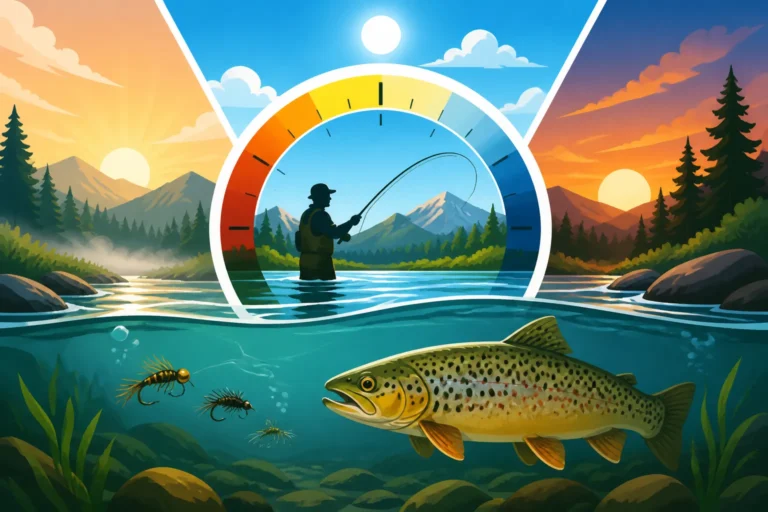
The Connecticut River is a dynamic fishery, and its character, and thus the fish's behavior, changes dramatically with the seasons. A savvy float angler understands these shifts and adjusts their tactics accordingly. What works wonders in spring might be completely useless in the dead of summer.
Spring Melt and High Water Fishing
Spring on the Connecticut River is a time of awakening, but it also presents unique challenges for float anglers. As the snow melts and spring rains fall, the river often swells, becoming cold, fast, and often muddy.
- Understanding the Challenges: High, fast water makes accurate casting and controlling your drift incredibly difficult. The cold water also means fish are often less active and slower to react. The turbidity (muddiness) reduces visibility, making visual cues less effective for fish.
- Where to Focus: Don't despair! High water can concentrate fish in certain areas. Look for eddies, slower backwaters, and the calm water behind large obstructions or along inside bends of the river. These spots offer refuge from the strong current and often act as natural traps for food.
- Presentations:
- Heavier Floats and Weights: You'll need larger, more buoyant floats and heavier split shot to get your bait down through the powerful current. The goal is to present your bait deep and slow.
- Scent and Vibrations: With reduced visibility, fish rely more on scent and lateral line detection. Use live bait (worms, shiners) or scented artificials. Jigs or lures with good vibration (like a subtle spinnerblade under a float) can also be effective.
- Bright Colors: Sometimes, a bait with a bit of flash or a bright color (like chartreuse or orange PowerBait) can stand out better in murky water, especially for recently stocked trout.
- Safety First: Be extremely cautious during high water. Wading can be dangerous or impossible. If you're in a boat or kayak, understand the greatly increased risks from strong currents and submerged debris. Always wear your PFD.
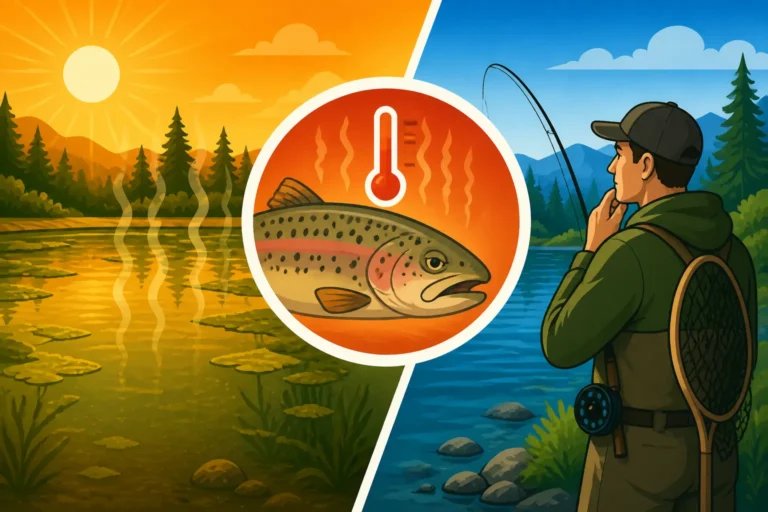
Summer Lows and Warm Water Strategies
As summer progresses, the river often settles into lower, warmer flows. The water can become clearer, and vegetation grows along the banks and in shallower areas. This is a prime time for smallmouth and largemouth bass, as well as panfish.
- Understanding the Opportunities: Lower flows mean easier wading and more manageable boat control. Clearer water can make fish spookier but also allows for more visual presentations. The warmer water means fish are generally more active and aggressive.
- Where to Focus:
- Shade and Cover: During bright, sunny days, fish will seek shade under overhanging trees, docks, or bridges. They also love to hold in the cover of submerged logs, rock piles, and weed beds.
- Oxygenated Water: Even in summer, look for areas with current or bubbling water, which provides higher oxygen levels, often attracting active fish.
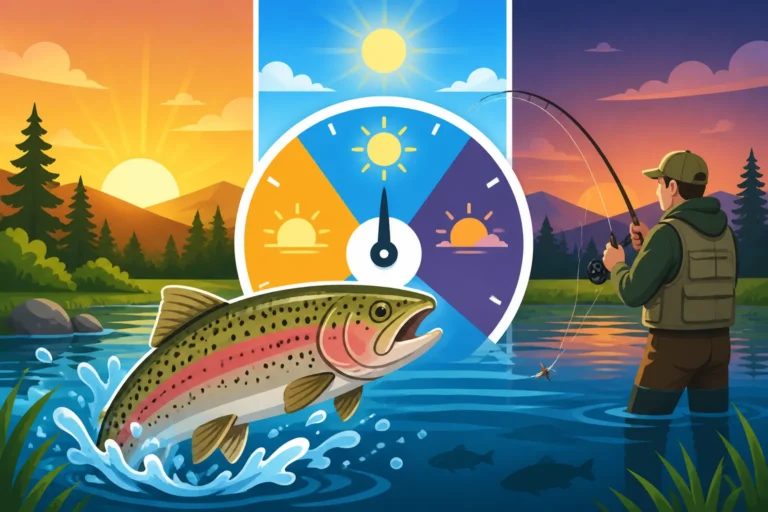
- Early Morning/Late Evening: These are often the prime times for active feeding, especially for bass, as water temperatures are cooler and light levels are lower.
- Presentations:
- Lighter Floats and Leaders: With clearer water and potentially spookier fish, use smaller, less intrusive floats and lighter fluorocarbon leaders (6-8 lb test is often ideal).
- Natural Baits and Colors: Focus on baits that mimic natural prey like crawfish, minnows, or insects. Natural color patterns for lures are often best.
- Topwater Action: In the early morning or late evening, small poppers or topwater plugs fished under a float (or just cast directly) can be incredibly exciting for bass.
- Weed Edges: Drift your float along the edges of weed beds, allowing your bait to just tick the tops of the vegetation. This is a classic largemouth strategy.
- Hydration and Sun Protection: Remember to stay hydrated and protect yourself from the sun with hats, sunglasses, and sunscreen. The reflection off the water can be intense.
Fall Feeds and Pre-Winter Tactics
Fall is a truly magical time to float fish the Connecticut River. The leaves change color, water temperatures begin to drop, and many fish species enter a "feeding frenzy" as they prepare for winter.
- Understanding the Shift: The cooling water invigorates trout and salmon, making them more active. Bass also undergo a major feeding period as they bulk up. Baitfish often school up, making them an easy target.
- Where to Focus:
- Deep Pools and Runs: Trout and salmon will often move into deeper pools and runs as water temperatures continue to drop, and they prepare for spawning.
- Baitfish Concentrations: Look for signs of schooling baitfish (like dimples on the surface or diving birds) and focus your efforts around these areas. Larger predators won't be far behind.
- Structure: Submerged wood, rock piles, and drop-offs continue to be prime holding spots.
- Presentations:
- Larger Baits and Lures: Many fish are looking for bigger meals to pack on calories. Don't be afraid to use larger shiners, crawfish, or even bigger jigs and swimbaits under your float.
- Varying Depths: Fish can be anywhere in the water column as they chase bait. Start by probing different depths until you find where the fish are holding.
- Trolling/Drifting Jigs: While strictly float fishing, slow-drifting jigs tipped with plastic or bait can be deadly in deeper pools, especially for smallmouth bass and lake trout.
- Focus on Spawning Areas: For trout and salmon, certain areas become active as they prepare to spawn. While it’s often illegal to target spawning fish directly, knowing these areas can help you find fish that are staging nearby. Always check the specific regulations, as New Hampshire Fishing Season Dates and Closures can apply.
Float fishing the Connecticut River offers an incredible range of experiences throughout the year. By understanding the seasonal changes and adapting your approach, you can unlock its potential and enjoy consistent success on one of New England's most magnificent waterways.
| Feature | Spring (High, Cold Water) | Summer (Low, Warm Water) | Fall (Cooling, Moderate Flow) |
|---|---|---|---|
| Water Level | High, often surging after rain/melt | Low, stable | Moderate, often dropping slowly |
| Water Clarity | Often turbid/muddy | Clear to slightly stained | Clear |
| Target Species | Trout, early-season bass, suckers | Smallmouth Bass, Largemouth Bass, Panfish | Trout, Landlocked Salmon, Smallmouth Bass, Pike |
| Preferred Areas | Eddies, slow pockets, behind obstructions | Shade, current breaks, weed beds, submerged structure | Deep pools, runs, baitfish concentrations, structure |
| Float Type | Larger, more buoyant slip floats | Smaller, sensitive fixed or slip floats | Medium to large slip floats |
| Weighting | Heavier split shot to penetrate current | Minimal weight for natural drift | Varied, heavier for deep presentations |
| Bait/Lure | Live worms, scented baits, bright jigs, minnows | Live shiners, crawfish, soft plastics, topwater baits | Large shiners, crawfish, worms, jigs, larger spoons/spinners |
| Key Technique | Deep, slow, drag-free drift in calmer water | Precise casts to cover, subtle twitches, natural presentations | Aggressive targeting of feeding fish, depth exploration |
| Safety Note | Extreme caution with high currents, wear PFD always | Stay hydrated, sun protection, watch for thunderstorms | Be aware of hunting season, dress in layers |
Disclaimer
Please remember that fishing regulations are subject to change. Always consult the latest New Hampshire Fish and Game Department regulations before heading out. This guide is for informational purposes only and does not constitute legal advice. Adherence to all local, state, and federal laws is the responsibility of the angler.