When New Hampshire trout ponds get too warm to fish
There's nothing quite like the excitement of hitting your favorite New Hampshire trout pond, especially when the weather starts to warm up. But oh, that sinking feeling when you realize the water might be getting a little too toasty for our finicky trout friends. It's a real frustration, knowing your chances are slim and, more importantly, that you might be doing more harm than good to these beautiful fish. This comprehensive guide is here to help you understand exactly when New Hampshire trout ponds become too warm to fish, how to spot the signs, and what you can do to fish responsibly or find better alternatives.
Understanding Trout and Water Temperature Needs
Let's be honest, trout are prima donnas when it comes to water temperature. They thrive in cold, oxygen-rich environments, and once those conditions start to shift, they get stressed, sluggish, and often, quite literally, fight for their lives. Understanding why this happens is the first step to becoming a more responsible and successful angler.
The Biology of Trout and Cold Water Needs
Trout, including the beloved native brook trout, as well as stocked rainbow and brown trout found across New Hampshire, are cold-water fish. This isn't just a preference; it's a biological necessity. Their bodies are optimized for lower temperatures, which means everything from their metabolism to their oxygen intake operates best in cooler water.
Think of it this way: colder water holds more dissolved oxygen. As water temperatures rise, its capacity to hold oxygen significantly decreases. For trout, this is like trying to breathe thin air. Their gills have to work harder, their heart rate increases, and they expend more energy just to survive. This increased stress makes them far more vulnerable to disease and, crucially for us anglers, severely reduces their ability to recover from the physical exertion of being caught. A trout released in warm water might swim away, but the chances of it surviving are dramatically reduced, sometimes as low as 10-20% in truly hot conditions. We're talking about their very survival here, not just whether they'll bite your lure.
Identifying Ideal vs. Dangerous Temperature Ranges
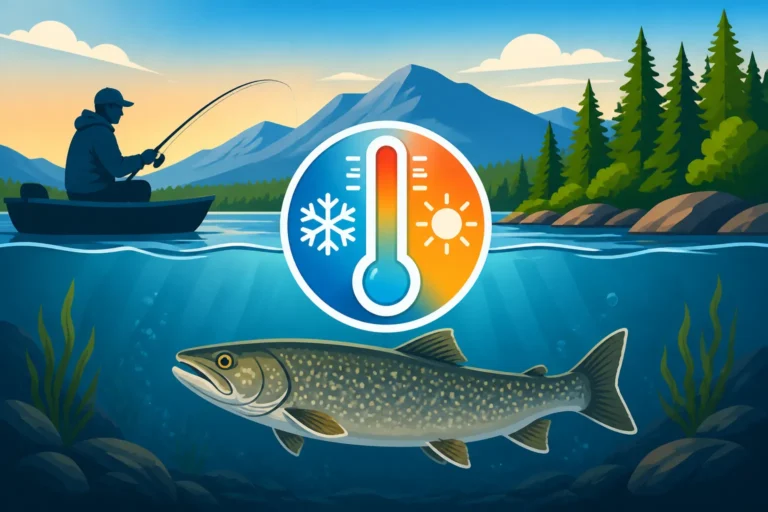
Knowing the numbers can really help you make informed decisions. While there's a bit of variation between species, a general rule of thumb for trout fishing is to keep an eye on that thermometer.
- Ideal Range (50-60°F / 10-15.5°C): This is the sweet spot. Trout are active, feeding, and relatively unstressed. Their metabolism is humming along, and they can recover well from a fight.
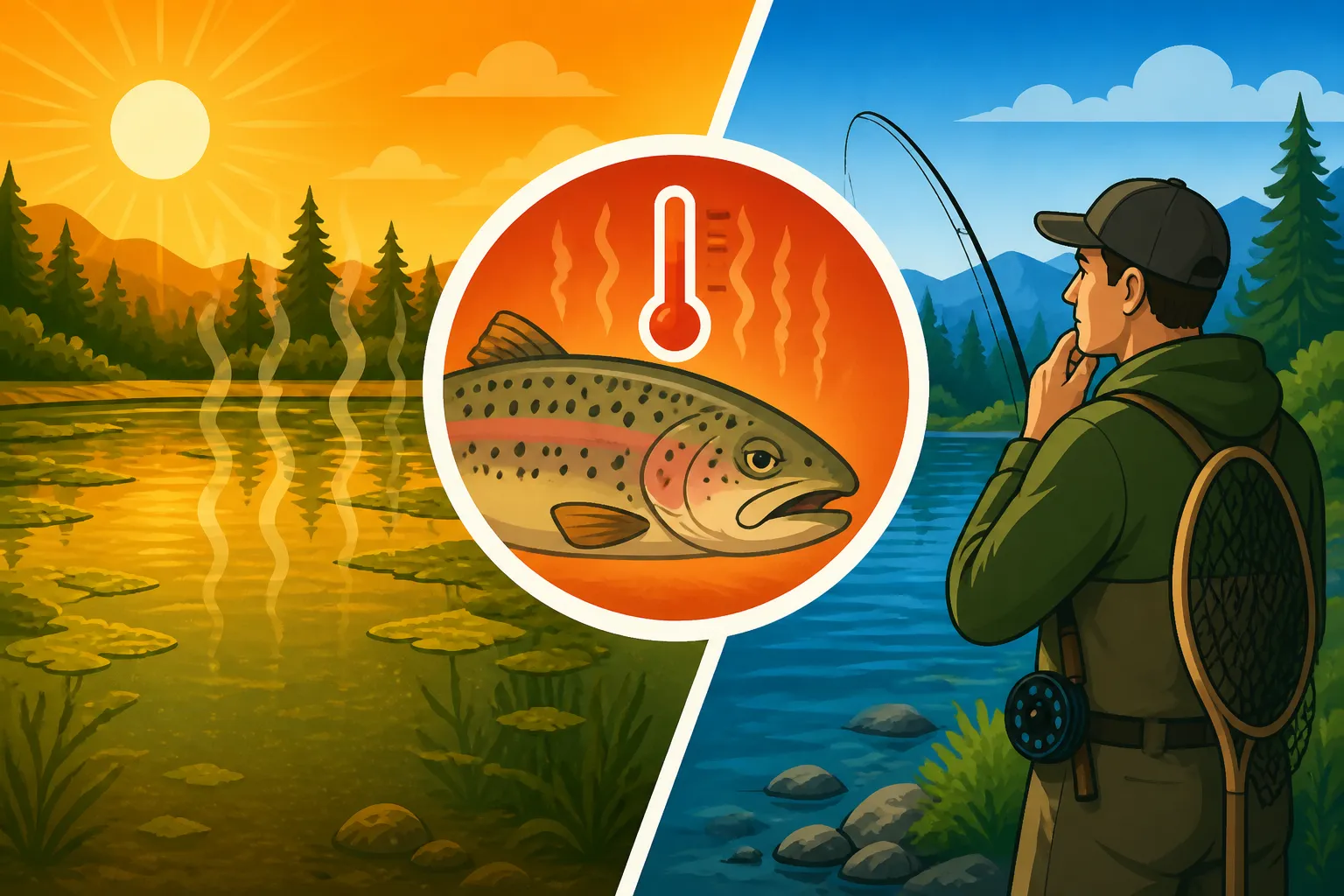
- Stress Zone (60-67°F / 15.5-19.5°C): This is where caution becomes key. Trout start to feel the heat. Oxygen levels are lower, and their metabolism is working overtime. Catch-and-release success rates start to drop significantly. If you're fishing in this range, keep fights short, handle fish minimally, and release them quickly.
- Dangerous / Lethal Zone (68°F / 20°C and above): When water temperatures hit this mark, or even nudge close to it, it's time to pack it in. Fishing in these conditions is often considered unethical and incredibly detrimental to trout populations. The fish are often already fighting for survival, and the added stress of being hooked and landed can easily be fatal, even with the most careful release. This is especially true for our precious brook trout, which are less tolerant of warmth than rainbow or brown trout.
It's not just about the absolute temperature, but also how long the water stays at these elevated levels. Prolonged periods of warm water can decimate a pond's trout population, even if the peak temperature isn't immediately lethal. These fish rely on cooler water to keep thriving, and when that's gone, so are they.
Signs a Trout Pond is Too Warm to Fish
You don't always need a thermometer to know when a pond is getting too warm, though it certainly helps. There are plenty of visual cues and environmental indicators that can give you a heads-up before you even cast a line. Being observant is a key skill for any angler, and it's never more important than when considering the well-being of the fish.
Visual Cues and Environmental Indicators
A warm pond often looks and feels different. Pay attention to these tell-tale signs:
- Lack of Surface Activity: If you're used to seeing trout rise or chase insects near the surface in cooler conditions, and suddenly there's nothing, it could mean they've retreated to deeper, cooler water, or are simply too stressed to feed actively. Their metabolism slows down in higher temperatures, making them less inclined to chase a meal.
- Stagnant or Murky Water: Ponds that are warmer often experience reduced water circulation, leading to stagnant conditions. You might notice the water has a dull, almost "soupy" appearance, especially in areas with poor flow. Murkiness can also indicate increased algal growth, which thrives in warmer water and further depletes oxygen when it decomposes.
- Algae Blooms and Pond Scum: This is a huge red flag. Excessive algae growth, often appearing as green mats or thick scum on the surface or along the edges, is a direct result of warmer water temperatures and increased nutrient loads. These blooms consume vast amounts of oxygen, especially at night or when they start to die off, creating suffocating conditions for trout. If you see this, turn around.
- Dead Fish: This is the most obvious and heartbreaking sign. If you see dead or dying fish, especially trout, floating near the surface or washed ashore, it's a clear indication of severe oxygen depletion or thermal stress. This is a critical situation, and fishing should absolutely be avoided.
- Changes in Insect Activity: While some insects thrive in warmer conditions, many of the aquatic insects that trout feed on are sensitive to temperature. You might notice a decrease in hatches or a change in the types of insects present, indicating an ecosystem under stress.
These visual cues, combined with a string of hot, sunny days, should immediately raise a red flag. When you're heading out to your favorite pond, especially during the summer, make it a habit to check for these signs. Our comprehensive guide, "Spring Trout Fishing Techniques for New Hampshire Ponds" highlights the early season conditions when these issues are less prevalent, but it's vital to adapt as summer progresses.
How to Measure Water Temperature Accurately
While visual cues are helpful, nothing beats a reliable water thermometer. It's an indispensable tool for responsible trout fishing, especially when you're targeting specific areas or during shoulder seasons when temperatures can fluctuate.
You can find a good, accurate water thermometer on Amazon or at any well-stocked local tackle shop like Saco River Sports Shop or Kittery Trading Post. They come in various forms, from simple handheld models to those integrated into fish finders or even dedicated submersible units.
Here's how to get an accurate reading:
- Get a dedicated water thermometer: Don't rely on air temperature or guesswork. A good thermometer designed for water will give you the most precise reading.
- Measure in the fishing zone: Don't just dip it in near shore. If you're fishing from a boat, measure at the depth you plan to fish. If you're wading, measure in the current or area where you'll be presenting your lure or fly. Remember, temperatures can vary greatly at different depths and in different parts of a pond.
- Allow time for stabilization: Submerge the thermometer for at least 2-3 minutes to allow it to acclimate to the water temperature and give an accurate reading.
- Check multiple spots: If you're in a larger pond, check temperatures in various locations, especially if you suspect areas of colder water, like near spring inlets or deeper channels.
- Record and observe: Keep a small log of water temperatures, along with air temperature and fishing success. This will help you learn the patterns of your local ponds and better predict when conditions will be too warm.
Having a thermometer in your tackle box is a simple, inexpensive step that makes a huge difference in protecting New Hampshire's trout populations.
| Trout Species | Ideal Temperature Range | Stress / Avoid Range | Lethal Temperature |
|---|---|---|---|
| Brook Trout | 45-60°F (7-15.5°C) | 60-65°F (15.5-18°C) | > 68°F (20°C) |
| Rainbow Trout | 50-65°F (10-18°C) | 65-70°F (18-21°C) | > 72°F (22°C) |
| Brown Trout | 55-68°F (13-20°C) | 68-72°F (20-22°C) | > 75°F (24°C) |
Note: These are general guidelines. Individual fish and specific water conditions can cause variations.
Strategies for Fishing During Warmer Periods
Okay, so the mercury is rising, but you're still itching to fish. What are your options? The key here is not just about catching fish, but about being a responsible angler. Sometimes, the best strategy is to not fish at all. But when conditions allow, there are ways to minimize stress on trout.
Early Morning and Late Evening Windows
When pond temperatures are pushing into the stress zone, your best bet for trout fishing will almost always be during the cooler parts of the day: early mornings and late evenings. These are not just "prime feeding times" but "prime survival times" for trout when the surface water has had a chance to cool down.
- Before Dawn: Get out there early. I'm talking about arriving at the pond before the sun even kisses the horizon. The overnight hours allow the water to cool significantly, and dissolved oxygen levels will be at their highest. This is when trout are most likely to be active and feeding near the surface before they retreat to deeper, cooler refuges as the sun rises.
- Dusk and Into the Night: As the sun dips below the tree line, the air cools, and the water surface begins to lose its heat. Trout will often move into shallower areas and become more active as night falls. This can be a great time for some exciting dry fly fishing or casting small spinners. However, be mindful that even if the surface cools, deeper water might still be warm, and fish can still be stressed.
When fishing these windows, aim for quick fights and gentle handling. Many anglers turn to lighter tackle available on Amazon or at local shops, allowing for a better fight with less exhaustion on the fish. Use barbless hooks, keep the fish in the water as much as possible, and revive them gently before release. If you find fish are barely moving after being released, it's a strong sign the water is still too warm. Consider checking out our guide on "New Hampshire Trout Stocking and Fishing Rules" to understand local regulations that might influence your approach during these specific times.
Targeting Cooler Water Refuges
Trout aren't stupid. When the main body of a pond heats up, they'll seek out any available cooler water. Your job, as an angler, is to find those refuges.
- Spring-Fed Areas: Many ponds in New Hampshire are fed by underground springs, which introduce colder water. Look for areas with noticeably clearer water, unique vegetation, or small inlets that might indicate a spring. These spots can concentrate trout even when the rest of the pond is warm.
- Deep Pockets and Structure: The deepest parts of a pond will almost always be the coolest. If a pond has significant depth variations, trout will often suspend in these cooler thermoclines. This means adjusting your presentation to get your lure or bait down to them. Look for ledges, humps, or old creek channels using a fish finder if you have one.
- Shaded Spots: Areas shaded by tall trees, cliffs, or even bridges can offer temporary relief from the sun's direct heat. Trout might hold in these pockets during the day, waiting for cooler temperatures to become more active.
Fishing these refuges requires a different approach. You might need to use heavier jigs, sink-tip fly lines, or incorporate techniques like bottom-bouncing to reach the fish. Remember, even in cooler pockets, trout can still be stressed, so handle them with care.
When to Simply Put the Rod Down
This is perhaps the hardest, but most important, strategy: knowing when to stop fishing. We all love to cast a line, but our passion shouldn't come at the expense of the fish we cherish.
- When Temperatures are Consistently High: If your thermometer reads 68°F or higher for trout, especially for brook trout, it's time to find another activity. Even if you manage to catch a fish, its chances of survival are incredibly low.
- If Fish Show Signs of Stress: If the trout you catch are sluggish, lethargic, or take a long time to revive after a short fight, it's a clear signal they are under severe stress. This is your cue to call it a day, or at least shift to waters with different species that tolerate warmth better.
- During Prolonged Heatwaves: After several days of intense heat and little rainfall, even traditionally cooler ponds can heat up significantly. This is a critical period where all trout fishing should likely cease in smaller, shallower ponds. You might find some excellent insights into different strategies for various species in our "New Hampshire Fishing Regulations Explained" article, but the ethical choice always trumps personal desire in these extreme conditions.
Being a responsible angler means prioritizing the health of the fishery. Sometimes, the best way to ensure there are fish to catch tomorrow is to leave them undisturbed today.
Finding Cooler Water Alternatives in New Hampshire
Just because your local trout pond is too warm doesn't mean your fishing season is over! New Hampshire offers a fantastic diversity of fishing opportunities, and often, there are cooler water options nearby if you know where to look. Diversifying your fishing portfolio is not only fun but also crucial for sustainable angling.
High-Elevation Streams and Rivers
One of the most reliable ways to find cooler water when ponds are heating up is to head for the mountains. New Hampshire's White Mountains and other higher-elevation areas are crisscrossed with countless streams and rivers that remain cold year-round.
- The Science: Streams at higher elevations benefit from several factors. They often originate from snowmelt or springs, receive more shade from dense forest canopies, and their shallower, faster-moving water tends to stay cooler and more oxygenated than stagnant pond water.
- Prime Locations: Look for popular fly fishing destinations in the White Mountains such as sections of the Swift River, Ellis River, and many smaller tributaries. These waters are often home to native brook trout, which, while sensitive to warmth, thrive in these cold, pristine environments. Many areas are managed for wild trout, offering a truly unique angling experience. Our "Best Fly Fishing Rivers in New Hampshire" guide provides an excellent starting point for exploring these gems.
- Techniques: Fly fishing is often the most productive and enjoyable method in these streams, but light spin tackle with small inline spinners or worms can also be effective. Focus on pocket water, riffles, and shaded pools.
- Considerations: Access can sometimes involve a hike, and stream fishing requires different techniques than pond fishing. Always consult the "Reading the New Hampshire Freshwater Fishing Digest" for specific regulations, as some mountain streams have special rules (e.g., fly fishing only, catch-and-release).
Deeper Lakes with Lake Trout or Landlocked Salmon
If stream fishing isn't your style, consider shifting your focus to New Hampshire's larger, deeper lakes that host species like lake trout and landlocked salmon. These fish are true cold-water specialists and will seek out deep, cold water when the surface warms.
- Lake Trout: These ancient fish thrive in the frigid depths of New Hampshire's biggest lakes, such as Lake Winnipesaukee, Squam Lake, Newfound Lake, and Sunapee Lake. While the surface might be bathwater warm in July, the lake trout will be hugging the bottom in 50-100 feet of water where temperatures remain in their ideal range (typically 45-55°F).
- Techniques: To reach them, you'll need specialized gear like downriggers for trolling spoons or bait, or heavy jigging setups. Learning "How to Catch Lake Trout in New Hampshire" involves understanding thermoclines and deep-water presentation.
- Landlocked Salmon: These powerful, acrobatic fish also prefer cold, clear water and are found in many of the same large lakes as lake trout. They often cruise higher in the water column than lake trout but still rely on those deep, cold sections during summer.
- Techniques: Trolling with flashy spoons, stickbaits, or baitfish imitations using downriggers or lead core line is common. Early mornings can also see them near the surface for a brief period. Our in-depth guide to "Landlocked Salmon Fishing in New Hampshire" offers more detailed strategies.
While these deeper lakes offer excellent summer fishing for cold-water species, remember that even they have limits. If a prolonged heatwave significantly warms even the deeper layers, these fish can also become stressed. Always be aware of the conditions and practice careful catch-and-release.
Disclaimer
Always consult the most current New Hampshire Fish and Game Department regulations before heading out. Fishing conditions can change rapidly, and it is your responsibility to ensure you are fishing legally and ethically.