Best setup for float fishing the Connecticut River
There’s nothing quite like the Connecticut River, is there? Its sheer size, the powerful currents, and the incredible diversity of fish can be both exhilarating and, let’s be honest, a little intimidating. Many anglers feel overwhelmed trying to piece together the right setup to effectively fish its waters, especially when the goal is to achieve that perfect, natural drift. This comprehensive guide is here to cut through the confusion and walk you through building the ideal float fishing setup for tackling the mighty Connecticut River, ensuring you spend less time fumbling with gear and more time landing fish.
Understanding the Connecticut River's Nuances for Float Fishing
The Connecticut River, forming much of New Hampshire’s western border, is a dynamic and fascinating fishery. It's not a uniform stretch of water; rather, it’s a tapestry of varied habitats, each presenting unique opportunities and challenges for the float angler. Understanding these nuances is the first step to assembling a truly effective setup.
Diverse Habitats and Target Species
From its winding headwaters in Pittsburg down to the broader, slower sections further south, the Connecticut River offers a smorgasbord of fishing environments. You'll encounter swift riffles and rapids, deep, slow-moving pools, meandering runs, and countless eddies and backwaters. Each of these zones can hold different species, and the fish behave differently depending on where they are in the current.
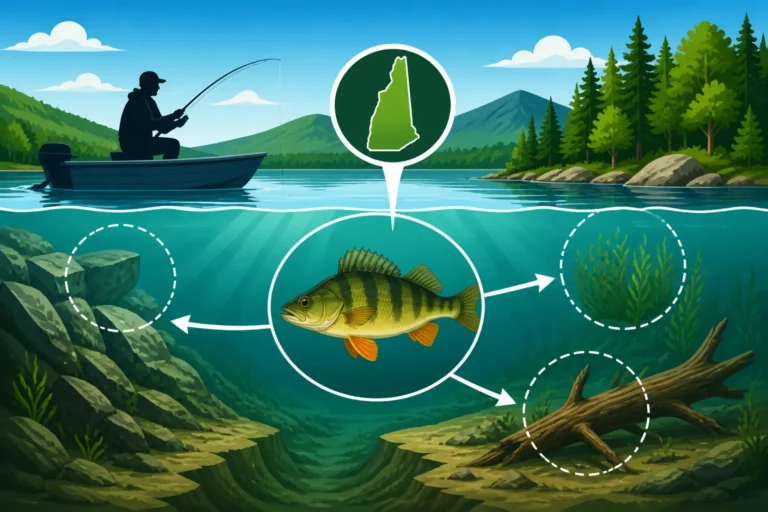
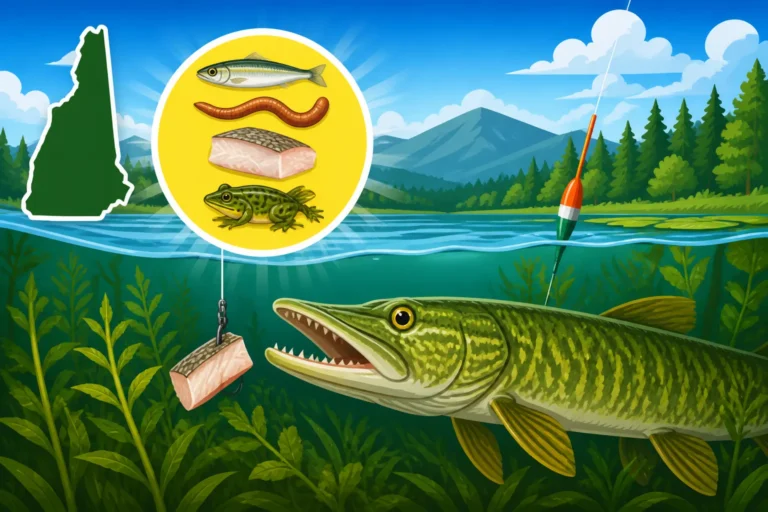
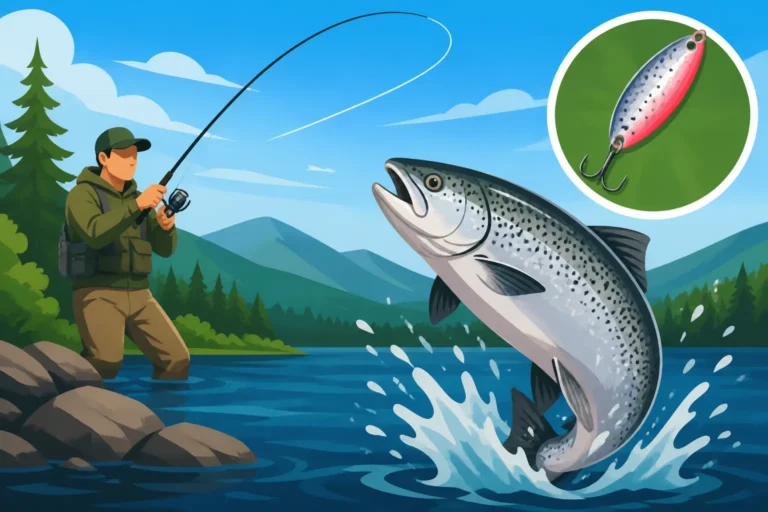
For example, the upper reaches, particularly north of Colebrook, are renowned for their wild trout populations, including brook, brown, and rainbow trout. Here, you'll find them holding in seams behind rocks, in plunge pools, and along undercut banks. Further downstream, as the river widens and warms, smallmouth bass become a dominant species, often found around rocky structures, current breaks, and submerged timber. You might also encounter largemouth bass in slower backwater areas. Panfish like yellow perch and black crappie inhabit calmer stretches, and even northern pike can be found lurking in weedy areas.
Your target species and the specific section of the river you plan to fish will significantly influence your float fishing setup. A delicate presentation for wild trout in a smaller tributary or an upper river section will require a much lighter approach than targeting robust smallmouth bass in a wider, stronger current. It's always wise to consult the New Hampshire Bass Limits and Slot Rules and New Hampshire daily trout limit before you head out, as regulations can vary by species and water body. Knowing what you're fishing for helps you dial in your gear appropriately.
Current Strength and Water Levels
Perhaps the most critical factor when float fishing the Connecticut River is understanding its ever-changing current strength and water levels. This river can be a gentle giant one day and a raging torrent the next, heavily influenced by rainfall, snowmelt, and upstream dam releases.
Float fishing relies on achieving a natural, drag-free drift of your bait or lure with the current. If your float is being pulled faster or slower than your bait, it looks unnatural to the fish, and you'll get fewer bites. Stronger currents demand different float types and weighting strategies to ensure your bait sinks quickly to the desired depth and travels at the same speed as the water around it. High water conditions often mean faster, murkier water, pushing fish to the banks or into eddies where they can escape the main force of the flow. Conversely, low, clear water might make fish spookier, requiring longer leaders and more subtle presentations.
Monitoring local conditions is paramount. Websites like the USGS provide real-time streamflow data, which can be invaluable. Fishing after a heavy rain on New Hampshire rivers often means adapting to increased flow and reduced clarity, perhaps opting for brighter baits or larger profiles. For very specific scenarios, like early season, you might want to delve into Best technique for high water spring conditions. Always prioritize safety when dealing with strong currents; never wade into water that feels too powerful or beyond your comfort zone.
Essential Rod, Reel, and Line Setup for Success
Now that we've covered the crucial environmental factors, let's dive into the core components of your float fishing setup: the rod, reel, and line. These three elements work in harmony to allow for accurate casting, precise drift control, and effective fish fighting.
Rod Selection: Length, Power, and Action
When float fishing the Connecticut River, especially from the bank or while wading, a longer rod is often your best friend. Why? A longer rod, typically ranging from 7 to 9 feet, gives you several distinct advantages:
- Improved Line Management: It allows you to keep more line off the water, minimizing drag from surface currents that can pull your float unnaturally. This is crucial for achieving that perfect, drag-free drift.
- Superior Casting Distance and Accuracy: A longer rod can load up more effectively for longer casts, which is often necessary on a wide river like the Connecticut. It also helps with precise placement of your float and bait, especially when targeting specific current seams or structures.
- Better Hooksets: The extra length provides more leverage, translating into more positive hooksets, particularly at longer distances.
- Enhanced Fish Fighting: A longer rod acts as a better shock absorber, protecting lighter lines and making it easier to control powerful fish in current.
For power, a light to medium-light rating is generally ideal. This offers enough backbone to handle a decent-sized smallmouth or trout, while still being sensitive enough to detect subtle bites from panfish. The action should lean towards moderate-fast or fast. A moderate-fast action offers a good balance of casting performance and fish-fighting forgiveness, bending more through the mid-section. A faster action, bending mostly in the tip, provides maximum sensitivity and quick hooksets, which can be beneficial when fishing with smaller baits or for finicky fish.
Brands like St. Croix, Fenwick, and Ugly Stik all offer excellent spinning rods in these length and power ranges. You can often find a great selection of these on Amazon, making it easy to compare features and prices.
Reel and Line Pairing
For float fishing, especially with lighter rigs and baits, a spinning reel is almost always the preferred choice. They are user-friendly, excel at casting light presentations, and offer excellent line control.
When selecting a spinning reel, consider a size that balances well with your chosen rod. For most Connecticut River float fishing, a 2000 to 3000 series reel (e.g., a Shimano Sedona 2500 or a Daiwa BG 2000) will be adequate. These sizes offer a good line capacity without being overly heavy, ensuring your setup remains comfortable for long periods of casting and holding. If you're targeting larger species or fishing heavier current, you might step up to a 4000 series, but generally, the lighter options are preferred for the finesse required in float fishing. For more insight into reel choices, you might check out a guide on Best spinning reel size for lake smallmouth.
Line choice is equally critical:
- Main Line (Monofilament): Monofilament is an excellent choice for float fishing due to its buoyancy and stretch. Its buoyancy helps the line stay on the surface, reducing drag on your float. The stretch acts as a shock absorber, which is particularly helpful when using lighter leaders or fighting strong fish. A high-visibility mono (like clear blue or yellow) in 6-8 lb test is ideal, as it allows you to easily track your line and detect subtle bites.
- Leader (Fluorocarbon): While mono is great for your main line, a fluorocarbon leader is often indispensable. Fluorocarbon is nearly invisible underwater, extremely abrasion-resistant (great for rocky river bottoms), and sinks faster than mono, helping your bait get down to depth. A 4-6 lb test fluorocarbon leader, typically 18-36 inches long, is a good starting point for most trout and bass applications. For spooky fish in clear water, a longer, lighter leader, like those recommended in Best fluorocarbon leader length for spooky trout, can make a significant difference.
Float (Bobber) Choices and Their Applications
The float itself is, naturally, a star of the show in float fishing. There's a wide variety of floats available, and choosing the right one for the Connecticut River's specific conditions is crucial for success.
-
Slip Floats: These are arguably the most versatile for river fishing. A slip float slides freely up and down your main line, with its depth controlled by a small bobber stop (a piece of string or rubber) cinched onto your line.
- Advantages: Allows you to fish any depth, even depths much greater than your rod length, which is vital for targeting deep pools or runs. They cast easily without tangling.
- Application: Perfect for most situations on the Connecticut River, especially when fishing deeper sections or when you need to quickly adjust your fishing depth.
-
Fixed Floats: As the name suggests, these floats are fixed at a specific spot on your line.
- Advantages: Simple to use and set up. They provide excellent sensitivity for very light bites.
- Application: Best for shallower water (typically less than your rod length) or when you're fishing very specific, consistent depths in smaller eddies or slow runs.
-
Weighted vs. Unweighted Floats:
- Weighted Floats: These have weight built into the bottom of the float, helping them cast further and stand up straighter in the water.
- Unweighted Floats: These require you to add all the necessary weight (split shot, sinkers) to your line, allowing for more fine-tuned adjustments to achieve a neutral buoyancy and a natural drift.
- Application: For the Connecticut River, a mix is often best. Weighted slip floats are great for casting distance and general use. However, for a super-sensitive presentation in moderate currents, an unweighted float where you control all the split shot can be superior.
-
Float Shapes and Materials:
- Cigar/Pencil Floats: Long, slender floats that offer minimal resistance to the current, making them excellent for a natural drift in moderate flows. They are very sensitive.
- Round/Oval Floats: More buoyant and visible, good for rougher water or when you need to suspend heavier baits. They offer more resistance.
- Balsa Wood/Foam Floats: Balsa is traditionally sensitive, while foam is durable and often brighter.
- Application: A longer, slender float will generally give you a better drift on the Connecticut River, especially in current. Look for options with a bright, visible top (often fluorescent orange or chartreuse) for easy tracking. Brands like Thill, Drennan, and Comal make excellent floats available at most tackle shops or online retailers like Amazon.
Terminal Tackle and Bait Strategies
With your rod, reel, and line sorted, it’s time to focus on what goes at the business end of your line. Terminal tackle and bait choices are where you truly customize your setup for the specific conditions and target species of the Connecticut River.
Hook, Weight, and Swivel Selection
These small components play a huge role in your success. Don't overlook the details here!
- Hooks: Always use sharp hooks. The Connecticut River holds robust fish, and a dull hook means lost opportunities.
- Size: Match your hook size to your bait and target species. For worms or small minnows targeting trout and panfish, a size 8 to 12 light wire hook is usually perfect. For larger minnows or artificials aimed at smallmouth bass, sizes 4 to 6 are more appropriate. Circle hooks are excellent for catch-and-release fishing, as they often hook fish in the corner of the mouth, reducing gut-hooking.
- Type: Aberdeen hooks are popular for live bait due to their fine wire, which allows bait to move naturally and bend out if snagged. Baitholder hooks have small barbs on the shank to keep worms from sliding down.
- Weight (Split Shot): This is crucial for getting your bait down to the desired depth and balancing your float.
- Placement: Generally, you want to place most of your split shot about 6-12 inches above your hook. This allows the bait to drift more naturally below the weight. Sometimes, a smaller "tell-tale" shot just a few inches above the hook can help detect very light bites.
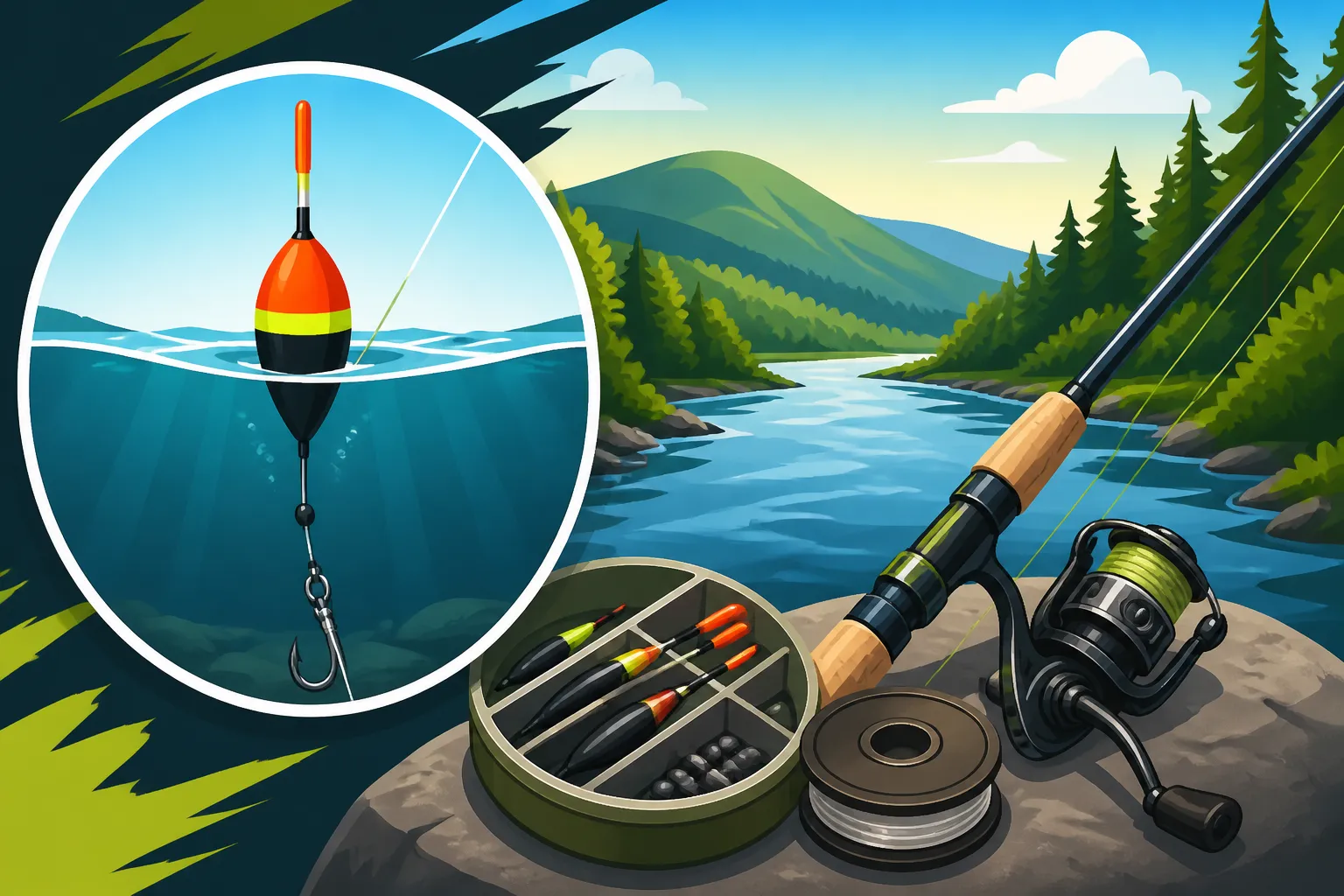
- Amount: Add just enough weight to cock your float properly, leaving only the brightly colored tip visible. Too little weight, and your float won't stand up; too much, and it will sink, or your bait will travel too fast. Experimentation is key to balancing the float perfectly.
- Swivels: While not always necessary, a small barrel or triple swivel can be beneficial, especially if your line tends to twist (which can happen with certain baits or presentations). Place it above your leader, between your main line and fluorocarbon leader. A good quality, small swivel helps prevent line twist and acts as a connection point for your leader.
Live and Artificial Baits for the Connecticut River
The Connecticut River offers a smorgasbord of dining options for its fish, so having a varied bait strategy is wise.
- Live Baits: These are often irresistible and frequently outperform artificials, especially for finicky fish.
- Worms: Nightcrawlers, garden worms, and even smaller red wigglers are perennial favorites. They work for virtually everything in the river – trout, bass, perch, bullhead. Hook them lightly through the head or several times along the body, allowing them to wriggle naturally. For opening day trout in New Hampshire, worms are almost always a go-to choice, as they are mentioned in many traditional fishing guides.
- Minnows: Live shiners or other local baitfish are deadly for smallmouth bass, chain pickerel, and larger trout. Hook them gently through the lips or dorsal fin, allowing them to swim naturally. Be sure to check New Hampshire Fishing Regulations Explained regarding the use of live bait, as rules can vary.
- Leeches: Often overlooked, leeches are fantastic bait for smallmouth bass and even large trout. They are tough, lively, and fish find them very appealing.
- Artificial Baits: Sometimes, artificials are more practical, or specific conditions call for them.
- Small Jigs: Tiny jigs (1/32 to 1/8 oz) tipped with a small plastic grub, soft plastic worm, or even a piece of live bait (like a single mealworm) can be incredibly effective when suspended under a float. They imitate insects or small forage fish.
- Flies: If you're into fly fishing, a float can be used to suspend nymphs or small streamers in the current, presenting them naturally. This is essentially a "strike indicator" technique, and it's highly effective for trout.
- PowerBait/Corn: For recently stocked trout in slower sections or ponds feeding into the Connecticut, these can be very effective, especially if you're fishing areas that see a lot of pressure. For details on what the bass prefer, consult Best live bait for smallmouth bass.
Rigging Techniques for Optimal Drift
Achieving a "drag-free" drift is the holy grail of float fishing. This means your float, line, and bait are all moving at the exact same speed as the current around them, making your offering look completely natural to the fish.
-
Slip Float Rig (for deeper water or versatile depth changes):
- Start by threading your main line through a small bobber stop, then add a small bead. The bead prevents the bobber stop from pulling through the float.
- Next, thread the main line through the eye of your slip float.
- Tie on a small barrel swivel to the end of your main line.
- To the other end of the swivel, tie your fluorocarbon leader (typically 18-36 inches).
- Add your chosen hook to the end of the leader.
- Distribute split shot on your leader, above the hook, until the float stands upright with only its tip showing. Adjust the bobber stop up or down the line to set your desired fishing depth. This rig is fantastic for covering varying depths in the Connecticut River.
-
Fixed Float Rig (for shallower, consistent depths):
- Attach your fixed float directly to your main line at the desired depth (usually with a spring clip or by sliding it onto the line).
- Tie your hook directly to your main line, or use a short leader if preferred.
- Add split shot below the float to balance it, ensuring your bait drifts naturally at the set depth. This rig is simpler but less versatile for depth changes.
Key to an Optimal Drift:
- Mend Your Line: After casting, if your line forms a bow upstream of your float, "mend" it by lifting your rod tip and flipping the line upstream to remove the slack and ensure the line above the float is also flowing at the current's speed.
- Match the Current Speed: Continuously watch your float. If it's speeding up or slowing down compared to the surrounding current, it's dragging. Adjust your casting angle, line mends, or even your weighting until you achieve that perfect, natural glide.
- Depth Control: Your bait should be drifting just above the bottom or at the depth where fish are actively feeding. If you're constantly snagging, you're too deep. If you're not getting bites, you might be too shallow.
Safety and Practical Considerations for River Anglers
Fishing the Connecticut River is an incredible experience, but its size and power demand respect. Beyond your fishing gear, there are crucial safety and practical items you need to consider for a successful and safe outing.
Wading and Bank Fishing Safety
The Connecticut River can have strong currents, slippery rocks, and sudden drop-offs. Always prioritize safety, especially when wading.
- Footwear: Invest in high-quality wading boots with good ankle support. Felt soles offer superior grip on slick, algae-covered rocks, though some areas might restrict felt due to invasive species concerns (check local regulations). Rubber soles with studs or aggressive treads are a good alternative.
- Wading Staff: A collapsible wading staff is an absolute non-negotiable for river fishing. It provides an extra point of contact and helps you probe the riverbed for sudden drop-offs or unstable footing. It’s an invaluable tool for maintaining balance in current. For advice on these, you can look up guides like Best wading staff for fast mountain streams.
- Personal Flotation Device (PFD): If you plan on wading in deeper or faster water, or fishing from a kayak or canoe, always wear a PFD. It could save your life if you slip or lose your footing.
- Know Your Limits: Never wade into water that feels too strong or too deep. If the current is pushing against your legs, or the water is above your knees in strong current, it's time to find a safer spot or stick to bank fishing.
- Buddy System: Whenever possible, fish with a buddy. If something goes wrong, you'll have someone there to help.
- Check Conditions: Always check weather forecasts, water levels, and current speeds before heading out. High water or recent heavy rains can dramatically change river conditions and make wading unsafe.
Essential Gear for a Day on the River
Beyond your core fishing setup, a few additional items will make your day on the Connecticut River much more comfortable and productive.
- Pliers/Forceps: Essential for removing hooks, especially if a fish is deeply hooked or has sharp teeth (like a pickerel). Look for a sturdy pair with a line cutter.
- Landing Net: A rubber-coated mesh net is ideal for catch-and-release, as it's gentle on fish scales and slime coats, and hooks don't easily get tangled. A long-handled net is helpful for reaching fish from the bank or when wading.
- Tackle Bag/Vest: A small, organized tackle bag or fishing vest will keep your essential terminal tackle (hooks, weights, floats, spare line) readily accessible. A sling bag can be particularly convenient for bank fishing or wading, offering easy access without impeding movement. You can find many great options, including the Best sling bag for bank fishing, on Amazon.
- Sun Protection: Sunglasses (polarized are highly recommended for cutting glare and seeing into the water), a wide-brimmed hat, and sunscreen are crucial, especially during longer outings.
- Hydration and Snacks: Always bring plenty of water and some energy-boosting snacks. You'll be surprised how much energy a day of fishing can expend.
- First-Aid Kit: A small kit with essentials like band-aids, antiseptic wipes, and pain relievers is always a good idea for minor scrapes or cuts.
- New Hampshire Freshwater Fishing Digest: Always have a copy, physical or digital, of the current Reading the New Hampshire Freshwater Fishing Digest. It’s your go-to source for all regulations, season dates, and specific water body rules.
Float fishing the Connecticut River is an incredibly rewarding experience. By taking the time to understand the river's character, assembling the right rod, reel, and line, meticulously choosing your terminal tackle and baits, and prioritizing safety, you'll be well on your way to enjoying countless successful days on this magnificent New Hampshire waterway.
| Float Type | Key Characteristics | Ideal Connecticut River Application | Pros | Cons |
|---|---|---|---|---|
| Slip Float | Slides freely on line, depth set by bobber stop. | Most versatile. Deep pools, varying depths, long drifts in runs, fishing from elevated banks. | Fishes any depth, casts easily, versatile for diverse conditions. | Requires bobber stop & bead, slightly more setup. |
| Fixed Float | Attached directly to line at a set depth. | Shallow runs, small eddies, slower sections where depth is consistent and less than rod length. | Simple, quick setup, very sensitive for light bites. | Limited to shallow depths, can be harder to cast long distances. |
| Weighted Float | Weight built into the bottom. | Long casts, windy conditions, faster currents where quick setup & deeper presentation needed. | Casts far, stands up quickly, good for rougher water. | Less sensitive to light bites, less adjustable weighting. |
| Unweighted Float | Requires external split shot for balance. | Finesse presentations, clear water, moderate currents where precise balancing is critical. | Max sensitivity, highly customizable weighting for natural drift. | Can be harder to cast, requires careful balancing with split shot. |
| Cigar Float | Long, slender shape. | Moderate to fast currents, subtle bites, targeting trout & smallmouth in current seams. | Excellent for drag-free drifts, very sensitive. | Less buoyant, harder to see in choppy water. |
| Round/Oval Float | Shorter, fatter shape. | Slower currents, rougher surface conditions, suspending heavier baits for bass or pike. | High visibility, good buoyancy, stable in choppy water. | More resistance to current, can cause drag if not managed well. |
Disclaimer
Please note that fishing regulations, including license requirements, season dates, and bag limits, can change. Always consult the most current New Hampshire Fish and Game Department regulations before heading out on the water. This guide is for informational purposes only and does not supersede official state regulations.