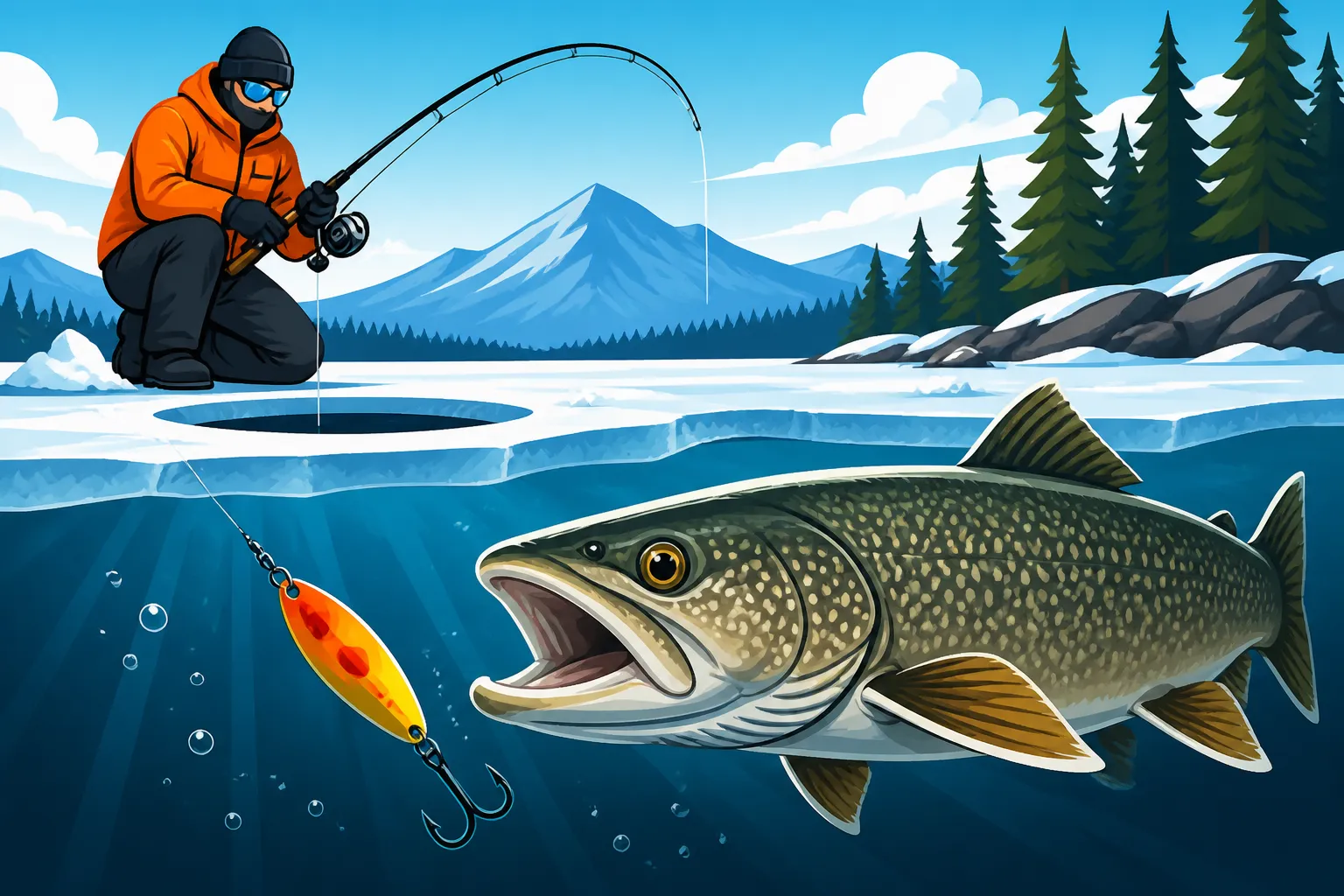
Best technique for ice fishing lake trout
Winter in New Hampshire can feel like a long stretch of cold, but for those of us who love to fish, it opens up a whole new world: ice fishing. If you've ever dreamt of battling a powerful lake trout through a small hole in the ice, but felt intimidated by where to start or what techniques actually work, you're not alone. This guide is here to break down the best strategies, gear, and tips to make your lake trout ice fishing adventures successful and incredibly rewarding.
Understanding New Hampshire Lake Trout in Winter
Before we even think about dropping a line, it's crucial to understand how lake trout behave once the ice locks up our favorite New Hampshire waters. These are not your average panfish; lake trout are formidable predators that spend their lives in deep, cold water. During the winter, their metabolism slows a bit, but they still actively feed, often moving between different depths and structures.
Lake Trout Habitat and Behavior Under Ice
When the lakes freeze over, lake trout tend to concentrate in areas where they can find both food and comfortable water temperatures. This often means deeper sections of large lakes, but they will also patrol underwater points, humps, and sudden depth changes. They are constantly on the lookout for their primary forage, which in many New Hampshire lakes, includes smelt and other baitfish. If you can find the bait, you're usually not far from the lake trout.
It's not uncommon for lake trout to suspend in the water column, sometimes halfway down to the bottom, sometimes closer to structure. Their movements are often subtle, so paying attention to your fish finder is key. They might just be cruising slowly, or they could dart in for a quick strike. Understanding these patterns is the first step toward successful ice fishing. For specific season dates and regulations, you'll want to check the New Hampshire Lake Trout Ice Fishing Season Dates and the New Hampshire Ice Fishing Regulations by Water Body for the waters you plan to visit.
Best Times and Conditions for Lake Trout
While lake trout can be caught throughout the ice fishing season, certain times and conditions tend to be more productive. Early ice, right after the lake has safely frozen, is often phenomenal. The fish haven't seen much pressure, and they're still relatively active from the open water season. Late ice, just before spring thaw, can also be excellent as fish start to become more active with increasing daylight and subtle temperature shifts.
Mid-season can be tougher, especially during periods of heavy snow cover which blocks light and can make fish lethargic. Overcast days are often preferred over bright, sunny days, as lake trout are sensitive to light. Don't let a little snow or cold deter you; some of the best lake trout fishing happens when the weather is less-than-pleasant for the angler, so bundling up is a must!
Essential Gear for Ice Fishing Lake Trout
You can't just head out with a hand auger and a jig stick if you're serious about lake trout. These fish demand robust gear, both for safely accessing their deep habitats and for successfully landing them. Investing in the right tools makes a huge difference in enjoyment and success.
Rods, Reels, and Line
For lake trout, you'll want dedicated ice fishing rods that have enough backbone to handle a powerful fish, but also a sensitive tip to detect subtle bites. A medium-heavy to heavy power rod, typically 30 to 42 inches long, is a good starting point. Pair this with a sturdy spinning reel or a baitcasting reel designed for ice fishing. The reel should have a smooth drag system, as lake trout can make strong runs.
When it comes to line, a strong braided main line (around 20-30 lb test) is ideal because of its low stretch, which helps with hook sets in deep water, and its incredible sensitivity. You'll want to add a fluorocarbon leader (10-20 lb test, depending on water clarity and fish size) of about 4-6 feet. Fluorocarbon is nearly invisible underwater, which is a huge advantage for wary lake trout, and it's abrasion-resistant, protecting your line from their sharp teeth or rough ice edges. This setup can handle the deep dives and powerful fights these fish are known for. Many anglers find great options for these specialized rods, reels, and lines on platforms like Amazon.
Augers, Shelters, and Electronics
Accessing lake trout spots means drilling through potentially thick ice, so a reliable auger is paramount. A gas-powered or a powerful electric auger is almost a necessity for the larger holes (8-10 inches) you might need for big lake trout. While some intrepid anglers might use a hand auger, a powered option makes life much easier and quicker, allowing you to move around more efficiently to find active fish. You can find more information on choosing the right one in our guide to Best Ice Auger for New Hampshire Lakes.
An ice shelter, whether a portable flip-over or a pop-up hub style, provides crucial protection from the biting New Hampshire winds and keeps you comfortable for long hours on the ice. Staying warm and dry directly impacts your focus and endurance. For electronics, a good fish finder (flasher or LCD sonar) is non-negotiable for lake trout. It allows you to see your lure, detect fish, and monitor their reactions in real-time, which is incredibly helpful in deeper water. Many experienced anglers also use an underwater camera to identify species or observe how fish react to their presentation. If you're looking for comfort, consider checking out our guide on the Best Ice Shanty for New Hampshire Lakes.
Here's a quick overview of essential gear:
| Category | Essential Items | Key Features | Why It's Important |
|---|---|---|---|
| Rods/Reels | Medium-Heavy Ice Rod (30-42"), Spinning/Baitcasting Reel | Strong backbone, sensitive tip, smooth drag | Handles powerful fish, detects subtle bites |
| Line | 20-30lb Braid (main), 10-20lb Fluorocarbon (leader) | Low stretch, high sensitivity, abrasion resistance | Strong hooksets, invisible leader, fights big fish |
| Auger | Gas or Electric Powered Auger (8-10 inch) | Quick, powerful, cuts large holes | Efficient access, allows for bigger fish |
| Shelter | Portable Flip-Over or Pop-Up Hub | Wind protection, warmth, comfort | Extends fishing time, improves focus |
| Electronics | Flasher/LCD Fish Finder, Underwater Camera | Real-time fish/lure detection, visual confirmation | Locates fish, tracks reactions, identifies species |
| Safety | Ice Picks, Spud Bar, Flotation Suit | Self-rescue, ice thickness testing, buoyancy | Essential for personal safety on the ice |
Lures and Baits
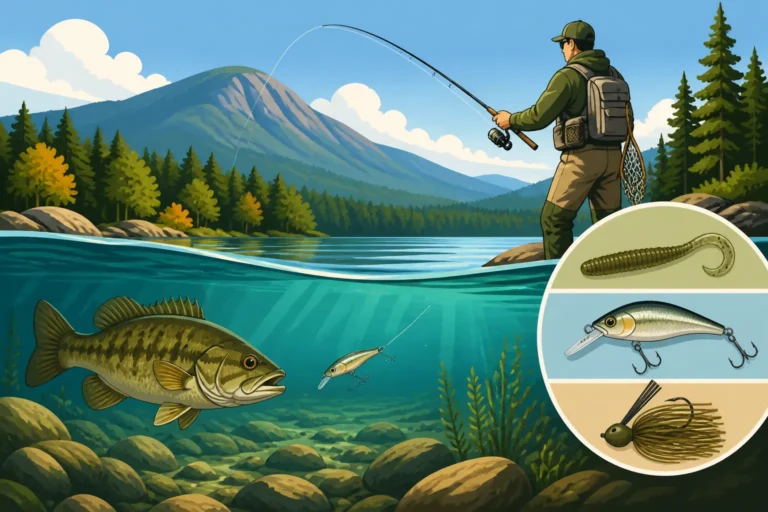
Lake trout are primarily predatory, so lures that imitate their forage base are generally most effective. Heavy jigging spoons, like the popular Swedish Pimple or Acme Kastmaster, in silver, gold, or glow colors, are staples. They sink fast and provide a lot of flash and vibration. Blade baits and lipless crankbaits can also be very effective, especially when fished aggressively.
Many anglers also have great success with soft plastics, particularly tube jigs or paddle-tail swimbaits, rigged on heavy jig heads. These mimic baitfish very well and can be deadly when fished with a more subtle presentation. Don't forget live bait: a lively shiner or smelt, rigged on a tip-up or under a bobber, is often irresistible to a hungry lake trout. Make sure to check the New Hampshire Fishing Regulations Explained for any bait restrictions on your chosen lake.
Top Ice Fishing Techniques for Lake Trout
Once you're geared up and on the ice, how do you actually target these elusive cold-water predators? It's all about presentation, depth, and a bit of patience.
Aggressive Jigging
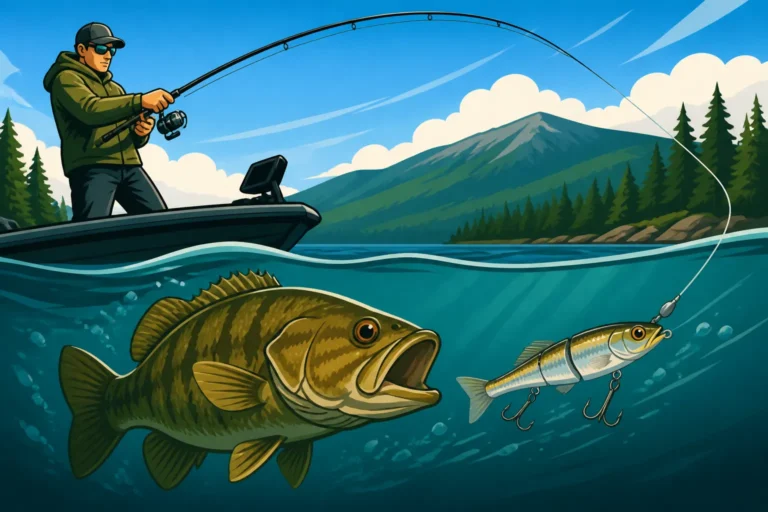
One of the most popular and effective techniques for lake trout through the ice is aggressive jigging. This involves using heavy jigging spoons, blade baits, or lipless crankbaits and working them with sharp, upward rips of your rod, followed by a controlled fall. The idea is to trigger a reaction strike. Lake trout are often attracted to the flash and commotion, but they typically hit on the pause or as the lure is falling.
Vary your jigging cadence until you find what the fish prefer. Some days they want big, aggressive rips that send your lure flying up several feet, while other days a more subtle lift-and-drop might be the ticket. Always keep a close eye on your fish finder; you'll often see the trout come up from the bottom or move in from the side to investigate your lure. Be ready to set the hook quickly when you feel that tell-tale tap or an unexpected weight. This active approach can be incredibly exciting when you get it right.
Deadsticking and Tip-Ups
While aggressive jigging is active, sometimes a more passive approach is what's needed, especially if the fish are finicky or during slower periods. This is where deadsticking and tip-ups come into play. A deadstick is simply a rod left in a rod holder, with a baited hook or small jig sitting motionless or barely moving in the water column. Often, a live shiner or smelt hooked lightly through the back is incredibly effective. The struggling baitfish provides natural action that can entice even the most cautious lake trout.
Tip-ups are another fantastic tool for covering more water and offering a natural bait presentation. You can set up multiple tip-ups (adhering to the New Hampshire Bag and Possession Limits by Species for rod/line limits, of course), each with a live baitfish at a different depth or location. When a fish takes the bait, the flag pops up, alerting you to the strike. This allows you to aggressively jig one hole while keeping an eye on your other lines. For a deeper dive into the species you're targeting, consider our guide on Lake Trout Fishing in New Hampshire.
Locating Deep-Water Structure
Lake trout are inherently structure-oriented, even under the ice. While they might cruise open water, they often relate to underwater features. Start by studying bathymetric maps (depth maps) of the lake before you even head out. Look for deep humps, underwater points that extend far out into the lake, sudden drop-offs, or even old submerged river channels. These are prime areas where lake trout will ambush baitfish or rest.
Once on the ice, use your electronics to confirm these structures and identify baitfish schools. Drill a series of holes along a contour line or across a prominent structure to quickly determine fish presence. Don't be afraid to move if you're not seeing any activity. Lake trout are often found in specific zones, and covering ground (or ice) is essential. Finding a good fishing spot is often the biggest challenge and the biggest reward of ice fishing, so mastering this skill will serve you well. Our guide to the Best Ice Fishing Lakes in New Hampshire can help you identify promising locations.
Safety and Advanced Tips for New Hampshire Lake Trout
Ice fishing, especially for larger species like lake trout, requires not only skill but also a strong emphasis on safety and environmental awareness. Never compromise your safety for a fish.
Ice Safety Best Practices
The most critical aspect of ice fishing is safety. Always check ice thickness before venturing out. A good rule of thumb is at least 4 inches of clear, solid ice for walking, and more for snowmobiles or vehicles. Always go with a buddy, especially on larger, unfamiliar bodies of water. Carry ice picks around your neck for self-rescue, and a spud bar to test ice thickness as you go. Conditions can change rapidly, so be aware of current, springs, or areas with thinner ice.
Never assume the ice is safe because someone else is out there. They might be taking risks you shouldn't, or they might know conditions specific to that spot. Dress in layers, wear proper insulated footwear, and consider a flotation suit for added safety. For detailed information on ice safety, including how thick ice needs to be, check out How thick ice needs to be before New Hampshire anglers fish it.
Cold Weather Comfort and Preparedness
Being cold and uncomfortable will cut any fishing trip short. Proper layering is key, starting with moisture-wicking base layers, insulating mid-layers (fleece or down), and a waterproof, windproof outer shell. Warm hats, gloves or mittens, and insulated boots are non-negotiable. Chemical hand warmers and foot warmers can be a game-changer on bitter days.
Bring plenty of hot beverages in a thermos and high-energy snacks. A portable heater in your ice shanty can make a world of difference for warmth and drying out gear. Always pack extra dry clothes, just in case you get wet. A comfortable angler is a focused angler, and that often leads to more success on the ice. For a broader overview of ice fishing in the state, take a look at our Ice Fishing in New Hampshire guide.
Catch and Release Considerations
Many New Hampshire anglers practice catch and release for lake trout, especially for the larger, older fish that are crucial to the fishery. If you plan to release fish, minimize their time out of the water. Have a good pair of jaw spreaders and long-nosed pliers on hand to quickly and safely remove hooks. Wet your hands before handling the fish to protect their slime coat, and support their body horizontally.
If a fish is deeply hooked or appears stressed, consider keeping it if within legal limits. Always know the New Hampshire lake trout limit and possession rules for the specific water body you are fishing. Ethical angling ensures that these magnificent fish continue to thrive for future generations. For those curious about all things lake trout, our guide on Best Techniques for Ice Fishing Lake Trout provides even more in-depth advice.
Embarking on a New Hampshire ice fishing adventure for lake trout is an experience unlike any other. It combines the thrill of a deep-water hunt with the challenge of winter conditions. By understanding their behavior, equipping yourself with the right tools—many of which can be conveniently found on Amazon—and employing effective techniques, you'll be well on your way to hooking into some truly memorable fish. Remember to prioritize safety above all else, and enjoy the serene beauty of a frozen New Hampshire lake.
Disclaimer
This article is for general informational purposes only and does not constitute professional advice. Laws, prices and regulations vary by location and change over time. Consult a qualified professional for guidance on your specific situation.