Best bait for chain pickerel at ice-out
That first hint of open water after a long New Hampshire winter is enough to send a shiver of excitement down any angler's spine. But ice-out fishing for chain pickerel can be a bit tricky, with the water still cold and fish sometimes sluggish. This guide is all about helping you understand what makes these toothy predators tick when the ice melts and, most importantly, the best baits and techniques to put more pickerel on your line during this prime season.
Understanding Chain Pickerel Behavior at Ice-Out
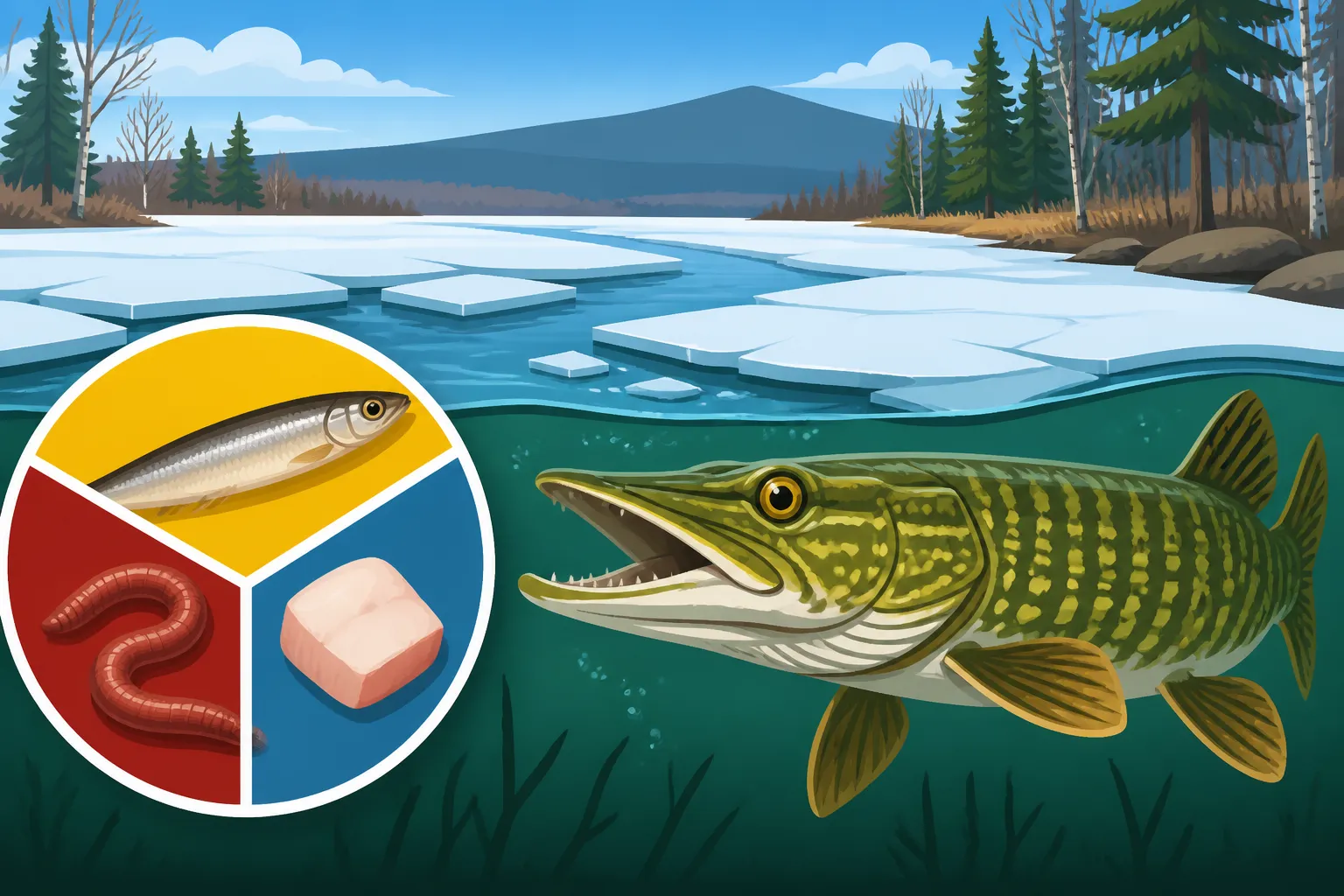
As the frigid grip of winter loosens its hold on New Hampshire's lakes and ponds, a subtle shift occurs beneath the surface. For anglers targeting chain pickerel, this "ice-out" period is nothing short of magical, but it also demands a specific approach because the fish aren't quite in their full summer feeding frenzy mode. Understanding their behavior during this transitional phase is key to consistent success.
Why Ice-Out is Prime Time for Pickerel
The end of ice fishing season marks a critical moment for chain pickerel. After months of restricted movement and often slower metabolism under a sheet of ice, these fish are suddenly presented with new opportunities. Their internal clocks are telling them it's time to feed and regain energy. While not yet as aggressive as they'll be in the warmer summer months, they are actively looking for a meal, often the easiest one they can find. This increased hunger, coupled with specific environmental changes, makes ice-out a fantastic time to target them. The sudden influx of sunlight to areas previously shaded by ice also begins to warm the water just enough to stimulate both the pickerel and their primary food sources, like baitfish. You might also find it useful to check out general information on Chain Pickerel Fishing in New Hampshire to get a broader understanding of the species.
Preferred Habitats as Ice Recedes
Pickerel are ambush predators, and their strategy doesn't change much at ice-out, only their preferred ambush points. As the ice first pulls away from the shorelines, shallow, sun-drenched coves and feeder creeks become absolute hotspots. These areas are the first to warm up, often by several crucial degrees, which in turn attracts baitfish seeking warmth and emerging insect life. Look for submerged vegetation, fallen trees, old dock pilings, and any other cover that offers both shelter and a strategic ambush point. Areas with dark, muddy bottoms will also absorb more sunlight and warm faster, drawing in both prey and predator. As the ice recedes further, understanding New Hampshire Ice Fishing Regulations by Water Body can provide clues about where ice fishing might have just ended, indicating new open water.
Top Baits for Aggressive Ice-Out Pickerel
When the ice has just lifted, pickerel are often hungry, but they're not necessarily going to chase down a fast-moving bait in still-cold water. The key is to present something that's either irresistibly natural or offers enough flash and vibration to grab their attention without requiring them to expend too much energy in pursuit.
Live Minnows: The Unbeatable Choice
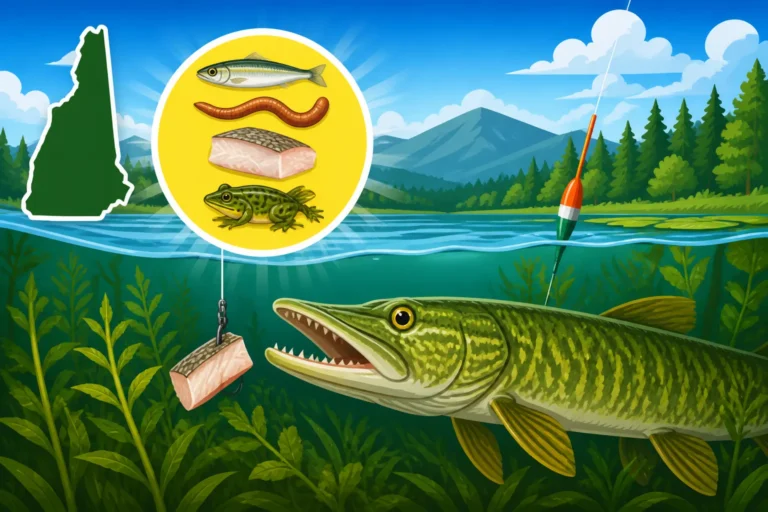
If there's one bait that consistently outshines almost everything else for ice-out pickerel, it's live minnows. The natural movement, scent, and vulnerability of a struggling baitfish are simply too much for a hungry pickerel to resist. They're programmed to conserve energy, and an easy meal swimming right in front of them is the ultimate prize.
You can present live minnows in a couple of ways. A simple setup with a small bobber, a split shot, and a hook will allow the minnow to swim freely above any bottom snags, right in the strike zone. You can also free-line them, especially in shallower water, letting the minnow's natural movements entice a strike. For bigger pickerel, consider using larger shiners. Keeping your minnows lively is crucial, so a good quality bait bucket and aerator, perhaps something you can easily pick up from Amazon, can make a huge difference in your success rate on the water. Remember, the more natural the presentation, the better.
Scented Soft Plastics and Jerkbaits
When live bait isn't an option or you prefer artificials, scented soft plastics and jerkbaits come into their own. The cold water means fish rely more on their sense of smell, and the added scent on these lures can trigger strikes from pickerel that might otherwise ignore a scentless offering.
Paddle tail swimbaits, particularly those with a realistic profile and subtle tail action, can be highly effective. Rig them on a jig head and retrieve them slowly, with occasional pauses and twitches. The goal is to mimic a stunned or injured baitfish. Worm-style plastics, fished weightless or with a light Texas rig, can also be worked slowly through emerging weeds.
Jerkbaits are another excellent choice, especially suspending models. Their erratic, darting action can draw attention, and the ability to pause them in the water column for several seconds allows lethargic pickerel time to commit to a strike without having to chase. Look for natural baitfish colors, but don't shy away from brighter patterns on overcast days or in stained water. Many anglers swear by particular brands and models, and a quick search on Amazon will show you the vast array of options available for these types of lures.
Spoons and Spinnerbaits: Flash and Vibration
Sometimes, you need to literally grab a pickerel's attention, and that's where spoons and spinnerbaits excel. The flash and vibration these lures produce can be irresistible, especially in waters that might still have some turbidity from melting snow or spring runoff.
Wobbling spoons, such as the classic Dardevle or the weedless Johnson Silver Minnow, are fantastic for covering water and penetrating shallow cover. Their erratic flutter on the fall can often trigger a strike. Keep your retrieve slow and steady, with occasional lifts and drops to impart more action.
Spinnerbaits, with their rotating blades, create a distinct vibration and flash that pickerel can detect from a distance. They are also remarkably snag-resistant, making them ideal for fishing through and around emerging weed beds and fallen timber where pickerel love to hide. Again, a slow retrieve is key. You're not trying to outrun the fish; you're trying to present an easy target. Consider larger blades for more vibration, and a combination of silver and gold blades can often be effective in varied light conditions.
Presentation Techniques for Ice-Out Success
Having the right bait is only half the battle; knowing how to present it effectively for cold, ice-out pickerel is just as crucial. Their metabolism isn't running at full speed, so your approach needs to cater to their more deliberate hunting style.
Slow and Steady Wins the Race
This is perhaps the single most important piece of advice for ice-out pickerel fishing. Forget those lightning-fast retrieves you might use in summer. At ice-out, the water is still cold, and pickerel are conserving energy. A bait whizzing past them is more likely to be ignored than chased.
Instead, think slow. Very slow. Whether you're using live bait or artificials, a methodical, deliberate retrieve is key. If you're using a spoon or spinnerbait, crank it just fast enough to get the lure's action working, then slow down. Incorporate frequent pauses and subtle twitches. These hesitations can often be what triggers a strike, making the lure appear injured or disoriented—an easy target. For soft plastics and jerkbaits, long pauses are especially effective. Let that suspending jerkbait hang in the water column for five to ten seconds. That extended "look time" gives the pickerel ample opportunity to decide if they want to strike.
Targeting Structure and Cover
Pickerel are ambush predators through and through, and this instinct is heightened in colder water where they prefer to hide and wait rather than actively pursue. Therefore, your casts should always be aimed at potential ambush points.
Focus on the edges of remaining ice sheets, as these areas often have newly exposed weeds or other structure. Cast parallel to emerging weed lines, working your bait along the length of the cover. Fallen trees, brush piles, submerged logs, and old dock pilings are all prime real estate. Make multiple casts to these spots from different angles. Remember that pickerel will often position themselves to face open water, waiting for unsuspecting prey to swim by. If you're fishing from a kayak, knowing the Best Kayaks for New Hampshire Fishing can help you silently approach these shallow, fish-holding areas. Even subtle changes in bottom contour, like a slight drop-off near shore, can hold fish.
Rigging Considerations for Pickerel Teeth
One thing you'll quickly learn about chain pickerel is their mouth is full of sharp, needle-like teeth. A standard monofilament or fluorocarbon leader will be shredded in an instant, leading to lost fish and lost lures – a frustrating experience for any angler.
To prevent this, using a steel leader is almost always a good idea. Small, dark wire leaders are virtually invisible in the water and will withstand repeated assaults from pickerel teeth. If you're hesitant about wire, a very heavy fluorocarbon leader (say, 30-50 lb test) can sometimes suffice, but it's still a risk. Fluorocarbon is more abrasion-resistant than mono, but it's not foolproof against those teeth. For live bait, consider a quick-strike rig, which uses two hooks to ensure a solid hook-up without deep swallowing, making for easier release and less chance of the pickerel biting through your line. Ensure all your knots are strong, as the sudden, aggressive strikes of a pickerel can put a lot of pressure on your tackle.
Essential Gear and Safety for Ice-Out Fishing
Beyond the baits and techniques, having the right gear and, more importantly, prioritizing safety, will make your ice-out pickerel fishing experience much more enjoyable and productive.
Rods, Reels, and Line for Pickerel
For targeting pickerel, you don't need highly specialized gear, which is great for beginners or those on a budget. A medium-light to medium power spinning rod, typically in the 6 to 7-foot range, is ideal. This setup offers enough backbone to handle a feisty pickerel while still providing the sensitivity needed to detect subtle bites in cold water. Pair it with a matching spinning reel spooled with 8-12 lb monofilament or braided line.
Monofilament is a classic choice, offering good knot strength and stretch, which can be forgiving. Braided line, on the other hand, offers superior sensitivity and strength for its diameter, making it excellent for detecting light bites and pulling fish out of thick cover. If you opt for braid, always add a leader (steel or heavy fluorocarbon) to combat those sharp teeth. Finding a reliable rod and reel combo is easy, and there are many great, affordable options available on Amazon that are perfect for New Hampshire waters. Don't forget to maintain your gear, as a smooth drag is crucial when fighting a good-sized pickerel.
Ice-Out Safety Precautions
This cannot be stressed enough: ice-out conditions are incredibly dangerous. The ice is melting, becoming unstable, and can give way without warning. Never assume ice is safe simply because it looks solid. Even seemingly thick ice can be honeycombed and weak. This is precisely why it's so important to understand How thick ice needs to be before New Hampshire anglers fish it before venturing out, even as it melts.
Always prioritize open water fishing during ice-out. If you are fishing near lingering ice, maintain a safe distance. Always fish with a buddy, and ensure someone knows where you are going and when you expect to return. Personal flotation devices (PFDs) are non-negotiable; wear one even if you're fishing from shore near precarious ice. It's also wise to carry ice picks (worn around your neck for easy access) and a throw rope in case of an emergency. Remember, no fish is worth risking your life. Reviewing general Life Jacket Requirements for New Hampshire Boaters is also a good habit, even for shore anglers.
Other Helpful Items
Beyond the rod and reel, a few other items will significantly improve your ice-out pickerel experience.
- Pliers: Those sharp teeth we talked about? They make unhooking a pickerel a tricky business. A good pair of long-nosed pliers is essential for safely removing hooks without injuring yourself or the fish. Having the Best Pliers for Unhooking Pickerel in your tackle box is a smart move.
- Fishing License: It goes without saying, but make sure your New Hampshire Fishing License Guide for 2026 is current and readily available. Conservation officers are often out and about, especially during popular seasons like ice-out.
- Warm Clothing Layers: Even though the ice is out, spring in New Hampshire can still be quite chilly, especially with wind and lingering cold water. Dress in layers, including waterproof outer shells, to stay comfortable throughout the day.
- Tackle Box/Bag: Keep your baits organized and easily accessible. A well-stocked Best Tackle Box Setup for New Hampshire Anglers with extra leaders, hooks, and a variety of lures means you won't be fumbling when the bite is on.
Here's a quick comparison of popular ice-out pickerel baits:
| Bait Type | Pros | Cons | Best Ice-Out Use |
|---|---|---|---|
| Live Minnows | Unbeatable natural action and scent; high success rate. | Requires special care (aerator, bait bucket); can be expensive. | Slow presentations in shallow, warmer pockets. |
| Scented Soft Plastics | Versatile; can be fished slowly; scent attracts fish. | Less natural action than live bait; requires specific retrieve. | Working through emerging weeds and around structure. |
| Jerkbaits (Suspending) | Erratic action triggers strikes; long pauses allow fish to commit. | Can be snagged in heavy cover; requires active rod work. | Targeting edges of cover and open water adjacent to structure. |
| Spoons | Excellent flash and vibration; covers water well. | Can be prone to snags in thick weeds; action dependent on retrieve. | Fan casting open pockets and retrieving slowly. |
| Spinnerbaits | Great vibration and flash; weedless design. | Action can be too aggressive if retrieved too fast; limited depth control. | Through thick cover and murky water. |
Ice-out for chain pickerel in New Hampshire offers some of the most exciting fishing of the year. By understanding their post-winter behavior and adapting your bait and presentation, you'll be well on your way to a successful day on the water. Just remember to stay safe, keep warm, and enjoy the unique thrill of early spring fishing!
Disclaimer
This article is for general informational purposes only and does not constitute professional advice. Laws, prices and regulations vary by location and change over time. Consult a qualified professional for guidance on your specific situation.