Best kayak fishing technique for lake smallmouth
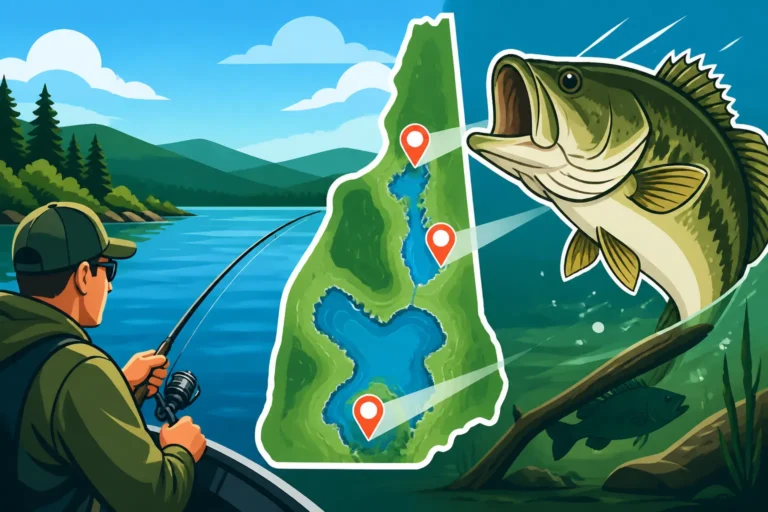
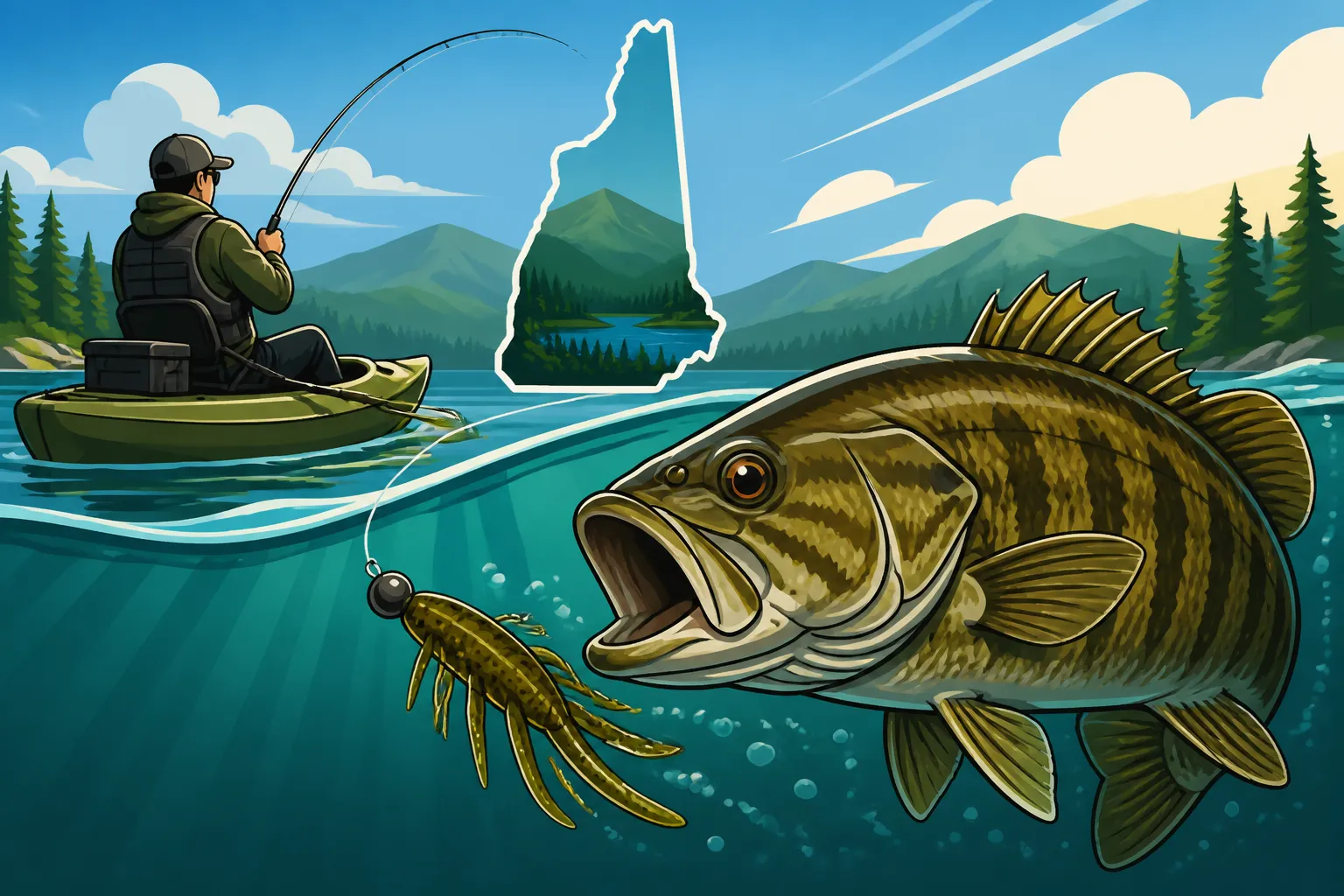
There's nothing quite like the thrill of chasing smallmouth bass from the intimate vantage point of a kayak on New Hampshire's stunning lakes. However, these feisty, hard-fighting fish can be notoriously tricky to pin down, especially when you're limited to paddle or pedal power and navigating diverse lake environments. This guide is dedicated to helping you master the art of kayak fishing for smallmouth bass in the Granite State, offering practical techniques and strategies to increase your success and make the most of your time on the water.
Understanding New Hampshire Lake Smallmouth Behavior from a Kayak
Before you even launch your kayak, understanding the habits and preferences of New Hampshire's lake smallmouth bass is crucial. These are not your lazy largemouth; smallmouth are often on the move, chasing bait, and holding tight to specific structures in clear, cold water. From a kayak, your ability to quietly approach these areas can be a game-changer.
Seasonal Movement and Structure Preference
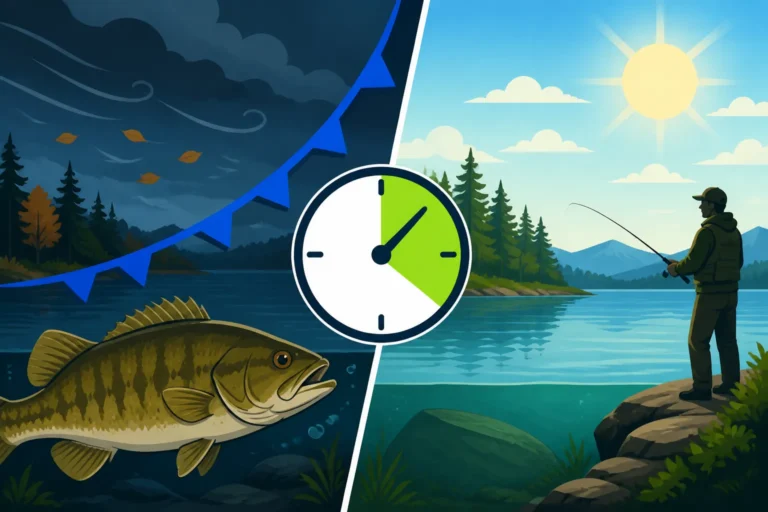
Smallmouth bass in New Hampshire lakes exhibit distinct seasonal patterns, largely driven by water temperature and spawning cycles. Knowing where they're likely to be at different times of the year allows you to focus your efforts and maximize your chances from a kayak.
- Spring (Pre-Spawn & Spawn): As ice-out occurs and water temperatures climb into the 40s and 50s, smallmouth begin to move from deep wintering grounds towards shallower, rocky spawning areas. Look for them on northern shorelines that warm faster, rocky points, gravelly flats, and sandy-rocky bottoms in 5-15 feet of water. This is when they become incredibly aggressive as they feed up for the spawn and protect their nests. Your kayak allows you to silently sneak into these shallow zones that larger boats might spook. During the spawn itself, which typically happens when water temps hit the mid-60s, males will be guarding nests on hard bottoms, and while they'll often strike out of aggression, it's good practice to minimize disturbing them to ensure successful reproduction.
- Summer (Post-Spawn & Deep Water): Once the spawn is over and water temperatures rise into the 70s, smallmouth transition to deeper, cooler waters. They'll often relate to offshore structures like rock piles, humps, ledges, and deep points, especially those adjacent to sharp breaks. The thermocline, a layer of water where temperature changes rapidly, becomes a key factor, as bass often suspend just above or within it, chasing baitfish. This is where a good fish finder on your kayak becomes invaluable for locating these subtle changes in depth and structure. They also continue to use rocky shorelines, but usually those with deeper access, and often feed during low-light hours.
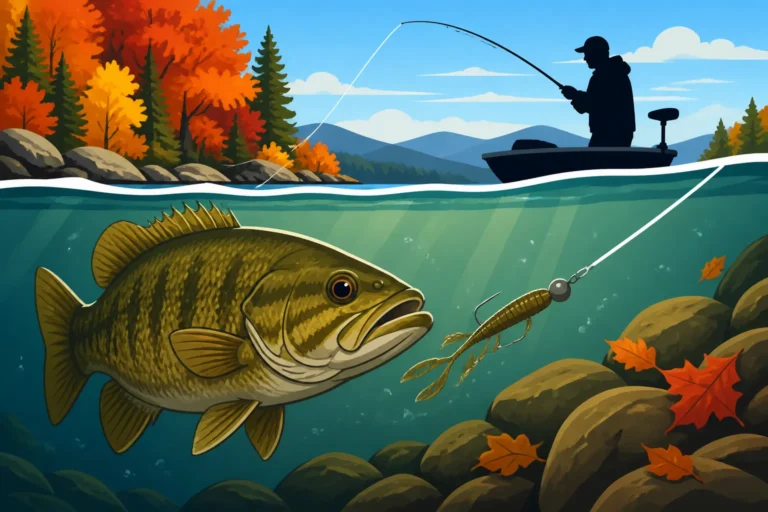
- Fall (Feeding Frenzy): As autumn approaches and water temperatures begin to drop back into the 50s and 60s, smallmouth experience a "fall feeding frenzy." They aggressively chase baitfish, fattening up for winter. You'll find them moving between deeper offshore structures and shallower transition areas, often following schools of bait like rainbow smelt or yellow perch into large coves, river mouths, and along rocky main lake points. The kayak is perfect for stealthily navigating these areas, especially when bass are actively busting on the surface. Understanding New Hampshire Fishing Seasons by Month can give you a more precise calendar for these movements.
Forage and Feeding Habits
New Hampshire lake smallmouth are opportunistic predators with a diet that heavily influences where and how you'll find them. Their primary forage includes rainbow smelt, various minnow species, yellow perch, and crayfish.
- Baitfish Domination: Lakes like Winnipesaukee, Squam, and Newfound Lake are rich in rainbow smelt, a highly prized food source for smallmouth. Bass will actively patrol areas where smelt congregate, often suspending in open water or staging on deep structure near bait balls. Your lures should mimic these slender, silver baitfish. On the other hand, many smaller ponds and lakes have abundant yellow perch and minnow populations.
- Crayfish Connection: Crayfish are another critical food source, especially in rocky habitats. Smallmouth will actively hunt them around rocks, boulders, and rubble bottoms. Lures that imitate crayfish, with their natural browns, greens, and oranges, can be incredibly effective when crawled along the bottom. The clarity of New Hampshire waters means bass rely heavily on sight, making realistic lures and subtle presentations key. Understanding what smallmouth bass eat on Winnipesaukee or other specific lakes can really fine-tune your approach.
Water Clarity and Kayak Stealth
Most of New Hampshire's major smallmouth lakes, such as Lake Winnipesaukee, Squam Lake, and Newfound Lake, are known for their exceptional water clarity. This crystal-clear environment presents both opportunities and challenges for the kayak angler.
- Advantage of Stealth: The inherent stealth of a kayak is a massive advantage in clear water. Unlike noisy powerboats, a kayak allows you to approach fishing spots with minimal disturbance, preventing spooky bass from scattering. Use this to your advantage by paddling quietly, avoiding sudden movements, and making long casts to prevent spooking fish directly under or near your boat.
- Presentation is Key: In clear water, smallmouth can be incredibly discerning. Your lure choice, line visibility, and presentation need to be impeccable. Using fluorocarbon leaders, which are nearly invisible underwater, is highly recommended. Pay attention to lure colors that match natural forage and retrieve speeds that entice strikes without appearing unnatural. Long casts and subtle bait movements are often more effective than aggressive, splashy presentations.
Essential Kayak Gear and Rigging for Smallmouth Bass
Outfitting your kayak properly for smallmouth bass fishing on New Hampshire lakes is about maximizing efficiency, comfort, and stealth. The right gear can significantly enhance your experience and success.
Kayak Selection and Stability
Choosing the right kayak for New Hampshire's diverse waterways means balancing stability, speed, and fishability. The variety of lakes, from vast Winnipesaukee to smaller, more protected ponds, will influence your choice.
- Sit-on-Top (SOT) vs. Sit-in: For fishing, SOT kayaks are generally preferred due to their superior stability, open deck space for gear, and ease of re-entry if you happen to go for an unexpected swim. They also offer a higher seating position for better visibility and casting. Many dedicated fishing kayaks are SOT designs. If you're looking for a kayak specifically for larger, windier lakes, a stable SOT is a must. For detailed advice, you might check out a guide on the Best Kayak for Winnipesaukee.
- Stability for Standing and Casting: One of the biggest advantages in kayak bass fishing is the ability to stand and cast. This greatly improves casting distance, accuracy, and your ability to spot fish or structure. Look for kayaks with wide, flat hulls designed for standing stability. Brands like Hobie, Old Town, and Bonafide offer excellent platforms. However, even with a stable kayak, practice standing in calm conditions before attempting it in rougher water.
- Pedal vs. Paddle Drives: Pedal-drive kayaks, such as those by Hobie (MirageDrive) or Old Town (Sportsman PDL), offer hands-free propulsion, which is a game-changer for fishing. You can maintain position against wind or current, troll slowly, and maneuver while keeping your hands free to cast and retrieve. This is especially useful when fighting a fish or when fishing long stretches of shoreline. While more expensive, the advantage of hands-free fishing is often worth the investment for serious anglers. Paddle kayaks are more budget-friendly and great for smaller, calmer waters or for those who enjoy the physical exercise.
Rods, Reels, and Line Choices
Having the right rod and reel setups, along with smart line choices, will make a huge difference in your ability to detect subtle bites, fight strong smallmouth, and manage your lures effectively from a kayak.
- Rod and Reel Setups: A medium-light to medium power spinning rod (6'6" to 7'2") paired with a 2500-3000 size spinning reel is a versatile setup for most smallmouth techniques. This allows for lighter line, finesse presentations, and longer casts with smaller lures. For heavier presentations or when fishing around thick cover, a medium to medium-heavy casting rod (6'8" to 7'6") with a corresponding baitcasting reel can be more effective. Consider rods with a fast action tip for sensitivity and quicker hook sets. Having two to three different setups rigged with different lures allows for quick changes without retying. To understand more about what to use, see a guide on the Best Tackle for New Hampshire Smallmouth Bass.
- Fluorocarbon Leaders for Clear Water: In New Hampshire's clear lake waters, line visibility can make or break a day. A fluorocarbon leader (6-10 lb test, 18-36 inches long) tied to a braided main line is almost essential. Fluorocarbon is nearly invisible underwater, extremely abrasion-resistant, and has low stretch, providing a direct connection to your lure. This is crucial for finesse presentations where smallmouth might otherwise shy away from visible line. For more specifics, check out information on Best Fluorocarbon Line for Clear Lake Water.
- Braided Main Line for Sensitivity and Strength: A braided main line (10-20 lb test) offers superior sensitivity, allowing you to feel even the lightest bites or subtle changes in bottom composition. Its lack of stretch provides powerful hook sets, and its strength is invaluable when fighting bass near structure. The bright colors of braid are also easy to see above water, helping you detect line movement and bites. Pair it with a fluorocarbon leader using a strong knot like an FG or Alberto knot.
Electronics and Storage Solutions
Outfitting your kayak with the right electronics and smart storage solutions will dramatically improve your efficiency and ability to locate and land smallmouth bass.
- Compact Fish Finders: A good fish finder is arguably the most important piece of electronics for kayak bass fishing, especially for understanding offshore structure and locating baitfish and bass in New Hampshire's deeper lakes. Look for compact units with CHIRP sonar, down imaging, and side imaging capabilities from brands like Humminbird, Lowrance, or Garmin. Mount it securely to your kayak, ensuring the transducer is properly deployed for clear readings. It will help you identify submerged humps, rock piles, and ledges where smallmouth congregate, as well as locate bait balls. For more information on selecting the right unit, read about the Best Fish Finders for New Hampshire Lakes.
- Rod Holders and Tackle Management: Kayaks have limited space, so efficient tackle management is key. Install flush-mount or rail-mounted rod holders to keep rods secure while paddling, motoring, or fighting a fish. A tackle crate or a waterproof bag is essential for organizing lures, tools, and other essentials. Many kayak anglers use a rectangular crate in the tankwell behind their seat, customized with PVC rod holders and bungee cords to keep it secure. Check out various options on Amazon to find what fits your kayak and fishing style best.
- Anchor Systems for Positioning: The ability to hold your position is critical, especially when fishing a specific piece of structure or in windy conditions. A simple drag chain anchor can slow your drift, while a small folding anchor or a stake-out pole can hold you in shallower water. For more precise positioning, a "Power-Pole" Micro Anchor or a similar shallow water anchoring system can be a game-changer, allowing you to instantly deploy and retrieve an anchor at the touch of a button. Alternatively, a conventional anchor with a proper rope cleat on your kayak is essential. Even a simple Best Anchor System for River Fishing can be adapted to hold your kayak in subtle lake currents or light wind.
Top Kayak Fishing Techniques for New Hampshire Lake Smallmouth
The beauty of kayak fishing for smallmouth is the ability to employ a wide range of techniques, from subtle finesse to aggressive power fishing, all from a stable, stealthy platform. Here are some of the most effective strategies for New Hampshire lakes.
Finesse Fishing in Clear Water
When the water is gin-clear, the bite is tough, or smallmouth are pressured, finesse techniques shine. Your kayak's ability to remain quiet and allow precise bait placement makes these methods incredibly effective.
- Drop Shots for Deep Structure: The drop shot rig is arguably the king of finesse for deep smallmouth. It allows you to present a small, soft plastic bait (like a minnow imitation, worm, or fluke) off the bottom, keeping it in the strike zone longer. Ideal for vertical fishing over deep rock piles, humps, and ledges. From your kayak, use your fish finder to pinpoint bass or structure, then drop your rig directly on top of them. Subtle shakes of the rod tip will impart action to the bait. Pair it with an ultralight spinning rod for maximum sensitivity.
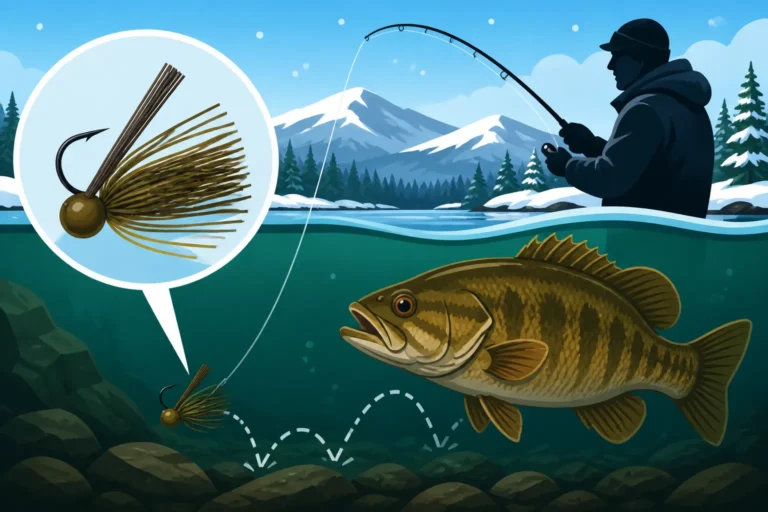
- Ned Rigs for Bottom Dwelling Bass: The Ned rig, a small mushroom-head jig paired with a buoyant stick bait, is a fantastic bottom-contact presentation. It stands upright on the bottom, mimicking a foraging baitfish or crayfish, and is incredibly effective for smallmouth that are hugging structure. Cast it out, let it sink, and retrieve it with short hops or drags along the bottom. The kayak's stealth allows you to work these areas thoroughly without spooking fish. This bait is especially good when bass are feeding on crayfish or when the bite is slow.
- Weightless Worms and Flukes for Shallow Bites: When smallmouth are cruising in shallower water or suspending just off rocky banks, a weightless soft plastic worm or a fluke-style bait can be deadly. Rigged weedless, these baits have a natural, undulating fall that mimics a dying baitfish. Cast them near submerged rocks, weed lines, or transitions, and let them sink slowly. Twitch them occasionally to impart action. This technique is particularly effective during the pre-spawn and early summer when bass are in shallower zones, and your kayak can get you into spots inaccessible to bigger boats.
Covering Water with Reaction Baits
While finesse is key, there are times when smallmouth are aggressive and willing to chase down a fast-moving bait. Reaction baits are excellent for covering water quickly and eliciting a strike from active fish.
- Crankbaits for Depth and Structure: Crankbaits are workhorses for smallmouth, especially those designed to dive to specific depths. Choose baits that dive to the depth you're targeting – shallow runners for rocky banks and points, medium divers for ledges, and deep divers for offshore humps and rock piles. Match colors to local forage (smelt, perch, crayfish). Cast them out and retrieve them steadily, bumping them off structure whenever possible. The deflection off rocks often triggers a violent strike. From a kayak, you can troll crankbaits as you paddle or use a Best Trolling Motor for a Fishing Kayak to cover larger areas efficiently, mimicking fleeing baitfish.
- Jerkbaits for Early Spring and Fall: Jerkbaits are a cool-water staple for smallmouth bass. Their erratic, darting action perfectly imitates a wounded baitfish, and the long pauses you can build into the retrieve often prove irresistible. Cast them near rocky points, drop-offs, and over submerged cover. Retrieve with a "twitch, twitch, pause" cadence, varying the length of the pauses until you find what triggers bites. Brands like Rapala, Megabass, and Lucky Craft make excellent jerkbaits. These are especially effective during the pre-spawn and fall feeding frenzies.
- Spinnerbaits and Chatterbaits for Aggressive Fish: When smallmouth are actively feeding and aggressive, especially in slightly stained water or during overcast conditions, spinnerbaits and chatterbaits can be incredibly effective. Their flash, vibration, and bulk draw attention from a distance. Cast them parallel to rocky banks, over submerged vegetation, or near brush piles. Vary your retrieve speed and depth until you find what the bass are keying on. These baits are also great for covering water quickly to locate schools of active fish, allowing you to use your kayak to move swiftly from spot to spot.
Topwater and Surface Presentations
There are few thrills in fishing quite like a smallmouth exploding on a topwater lure. These techniques are often most effective during low-light conditions or specific times of the year in New Hampshire.
- Poppers and Walk-the-Dog Baits: Poppers (like a Pop-R or Chug Bug) create a splash and gurgle, while walk-the-dog baits (like a Zara Spook or Whopper Plopper) sashay back and forth across the surface. Both are fantastic for drawing aggressive strikes from smallmouth feeding on the surface. Target shallow rocky areas, points, and coves during dawn, dusk, or overcast days when bass are looking up. The quiet approach of a kayak allows you to get close to prime topwater zones without disturbing the water. Cast them out, let the ripples settle, and then begin your retrieve, pausing frequently.
- Frog and Hollow Body Baits for Weeds: While smallmouth typically prefer rocky environments, they will occasionally venture into weed edges, especially if baitfish or cover are present. Hollow-bodied frogs or rat imitations, fished over lily pads or dense submerged vegetation, can draw incredible strikes. Rigged weedless, they can be retrieved through the heaviest cover where other lures would snag. This is more of a niche technique for smallmouth but can be explosive when conditions are right.
- Pencil Poppers and Larger Baits: For bigger smallmouth, especially those feeding on larger baitfish, don't be afraid to throw larger topwater presentations. Pencil poppers, often used for saltwater, can be incredibly effective on big lake smallmouth, particularly when they are chasing schools of smelt on the surface. The larger profile and commotion can call up bigger fish from deeper water. Focus on areas where baitfish are actively being busted or along expansive, rocky shorelines.
Strategic Approach and Kayak Control on New Hampshire Lakes
Mastering the art of kayak fishing for smallmouth in New Hampshire is as much about strategy and boat control as it is about lure selection. Your ability to read the water, position your kayak effectively, and prioritize safety will set you up for success.
Reading the Water and Interpreting Sonar
From the unique perspective of a kayak, reading the water and effectively using your sonar becomes an intimate dance with the lake's hidden features.
- Identifying Key Structure: Smallmouth bass are almost always associated with structure. As you paddle, look for visible cues like rocky shorelines, points jutting into the lake, or the entrances to coves. But the real game-changer is what's beneath the surface. Your fish finder will reveal submerged humps, rock piles, ledges, deep break lines, and changes in bottom composition from hard rock to soft mud. Learn to interpret these images; a sudden rise in depth or a cluster of returns on the screen could indicate a prime smallmouth hangout.
- Locating Baitfish and Predatory Arcs: Beyond just structure, look for baitfish schools. Smallmouth will rarely be far from their food source. Your sonar will display baitfish as clouds or tightly packed balls, especially in open water. Larger, stronger arch returns usually indicate predator fish, like smallmouth. If you see baitfish and larger arches nearby, you've found a high-probability spot. Keep an eye out for birds diving, which can indicate active baitfish on the surface, or subtle surface boils where bass are pushing bait.
- Using Mapping Features: Many modern fish finders come with detailed mapping, or you can use apps like Navionics on your phone or tablet. These maps reveal contours, depths, and known structures, allowing you to plan your attack before you even launch. From your kayak, use these maps to identify offshore humps, deep points, and channel swings that smallmouth will use as travel routes or ambush points. Your kayak allows you to trace these contours precisely, making targeted casts.
Mastering Positioning and Drifting
Kayak control is paramount for effective smallmouth fishing. Your ability to hold position, drift naturally, or move stealthily will dictate your success.
- Using Wind and Current to Your Advantage: Instead of fighting the elements, learn to use them. If there's a gentle breeze, position your kayak so it drifts over a promising piece of structure, allowing you to make repeated casts. On rivers or lakes with noticeable current (like portions of the Connecticut River or areas near lake outflows), understand how the current will move your kayak and bait. Cast upstream and let your lure drift naturally downstream into likely holding spots. This natural presentation is often irresistible.
- Precise Anchor Deployment: For working a specific rock pile or a tight pocket, precise anchoring is essential. A conventional anchor with a proper anchor trolley system allows you to deploy the anchor from the bow or stern, holding your kayak perfectly in place, regardless of wind or current direction. This is crucial when you've located a school of fish on your sonar and need to stay on top of them. For shallow water, a stake-out pole or a drag anchor can be deployed quickly and silently.
- Trolling Motors for Hands-Free Control: For serious kayak anglers covering larger New Hampshire lakes, a trolling motor (electric motor) is a game-changer. Brands like Minn Kota and MotorGuide offer transom-mount or bow-mount options. They provide hands-free propulsion, allowing you to focus on casting, retrieving, and fighting fish. This is invaluable for holding position against wind, silently patrolling shorelines, or slow trolling. Many models come with GPS spot-lock features, which automatically keep you on a specific point, essentially an electronic anchor. Check out a guide on the Best Trolling Motor for a Fishing Kayak if you're considering this upgrade.
Safety and Preparedness on the Water
Even on calm New Hampshire lakes, safety should always be your top priority. From a kayak, you're more exposed to the elements, and preparedness is key.
- Always Wear a PFD: This is non-negotiable. A properly fitted personal flotation device (PFD) can save your life. Modern fishing PFDs are comfortable, lightweight, and designed with pockets and attachment points for gear, so there's no excuse not to wear one. The law states that children under 13 must wear one at all times on New Hampshire waters, but adults should too. For more information, you can read up on Life Jacket Requirements for New Hampshire Boaters.
- Tell Someone Your Float Plan: Before heading out, especially on a large or remote lake, let someone know where you're going, when you expect to return, and what your backup plan is. This simple step can be life-saving if something unexpected happens.
- Carry Essential Safety Gear: Beyond a PFD, always carry a whistle for signaling, a sharp knife, a small first-aid kit, a headlamp (even for day trips, just in case), and a spare paddle. A dry bag (many affordable options on Amazon) is essential for keeping your phone, keys, and other valuables dry.
- Monitor Weather Conditions: New Hampshire weather can change rapidly. Before and during your trip, monitor weather forecasts for wind, thunderstorms, and temperature changes. Strong winds can quickly make paddling difficult and dangerous, especially on large, open lakes. If you see dark clouds or feel a sudden drop in temperature, it's often best to head back to shore.
| Season | Primary Smallmouth Locations | Key Kayak Fishing Techniques | Top Lure Types |
|---|---|---|---|
| Spring | Rocky banks, points, gravel flats (5-15ft) | Finesse, shallow cranking, jerkbaits | Ned rigs, drop shots, shallow crankbaits, suspending jerkbaits |
| Summer | Deep rock piles, humps, ledges (15-40ft+) | Deep finesse, vertical jigging, trolling | Drop shots, Ned rigs, tubes, deep diving crankbaits, spoons |
| Fall | Offshore structure, rocky points, coves, baitfish schools | Reaction baits, deep finesse, topwater (early fall) | Crankbaits, jerkbaits, swimbaits, drop shots, poppers |
Remember, New Hampshire's lakes are a precious resource, and responsible angling ensures their health for future generations. Always be aware of New Hampshire Bass Limits and Slot Rules and practice catch and release, especially for larger breeding fish, to help maintain healthy populations. Tight lines and happy paddling!
Disclaimer
The information provided in this guide is for general informational purposes only and is subject to change. Always consult the official New Hampshire Fish and Game Department regulations before engaging in any fishing activities to ensure compliance with current laws and safety guidelines. Fishing can be a dangerous activity, and participation is at your own risk.