Best time to fish after a cold front
Ah, the dreaded cold front! There's nothing quite like planning a perfect day out on the water, only for a sudden shift in weather to send air temperatures plummeting and fish straight into a case of lockjaw. It's frustrating, to say the least, to watch what was a promising bite turn completely off. But don't despair – fishing after a cold front in New Hampshire isn't about giving up; it's about understanding how these atmospheric changes impact our finned friends and adjusting your approach. This guide will help you navigate those tricky post-front conditions, so you can still find success when others are packing up their gear.
Understanding What a Cold Front Really Means for New Hampshire Fishing
When a cold front rolls through, it’s not just the air temperature that changes. It’s a cascade of environmental shifts that radically alter the underwater world and, consequently, how fish behave. Many anglers just see "cold" and think fish disappear, but it's more nuanced than that.
The Immediate Impact on Fish Behavior
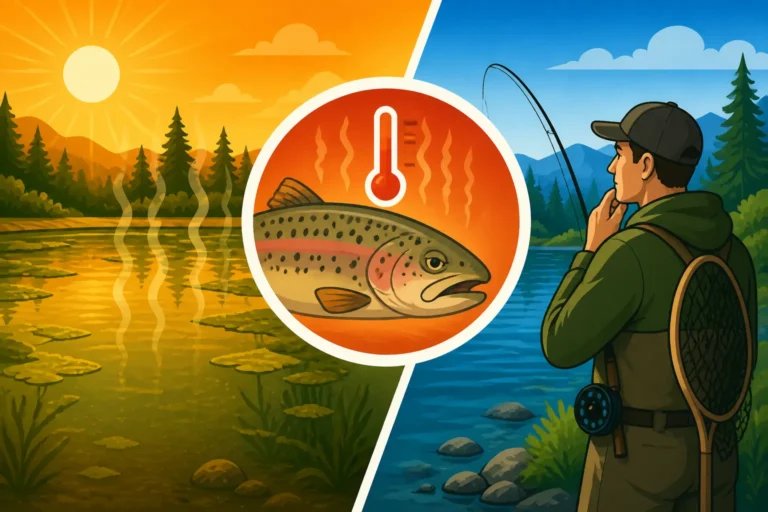
Imagine yourself suddenly plunged into a colder, brighter, and noisier environment – you'd probably hunker down, too! That's a bit like what happens to fish after a strong cold front. The most immediate and noticeable effect is often a sudden drop in water temperature, which can slow down a fish's metabolism. They become more lethargic, less inclined to chase fast-moving prey, and generally less active.
Coupled with the temperature drop is often a significant rise in barometric pressure. Fish, especially those in shallower waters, are incredibly sensitive to these pressure changes. It can make them uncomfortable, sometimes even causing their swim bladder to shrink slightly, which can drive them deeper. Clearer skies and brighter sunlight, which often follow a cold front, also play a role. Fish that were actively feeding in lower light conditions might now seek darker, deeper water or dense cover to avoid predators and bright light. This is particularly true for species like trout and landlocked salmon, which prefer cooler, darker environments even on normal days. Bass, both largemouth and smallmouth, might simply become spookier and less willing to expose themselves.
Why Fish Get "Lockjaw" After a Front
The term "lockjaw" is apt because it truly feels like fish simply stop opening their mouths. It's not usually that they aren't hungry; it's that their priorities shift. Their physiological systems are adjusting to the new conditions. Their metabolism slows, meaning they don't need to feed as aggressively or as often. Their digestive process might also slow down, making them feel full for longer periods.
Beyond the physical, there’s a strong behavioral component. A sudden environmental change can trigger a survival instinct. They feel exposed, vulnerable, and less secure. Rather than expending energy chasing food or risking exposure, they'll often hold tight to cover or structure, conserving energy and waiting for conditions to stabilize. This means your usual fast-moving, flashy lures that worked yesterday might be completely ignored today. They're not looking for a chase; they're looking for an easy, low-effort meal that doesn't require them to stray far from safety. It takes a certain patience and a different set of tactics to entice these cautious, post-front fish.
Timing Your Return to the Water: When the Bite Turns On Again
Understanding why fish react to a cold front is the first step; the next is knowing when they start to recover. It's not always a lost cause, but the timing is crucial.
The Window of Opportunity: Hours, Not Days
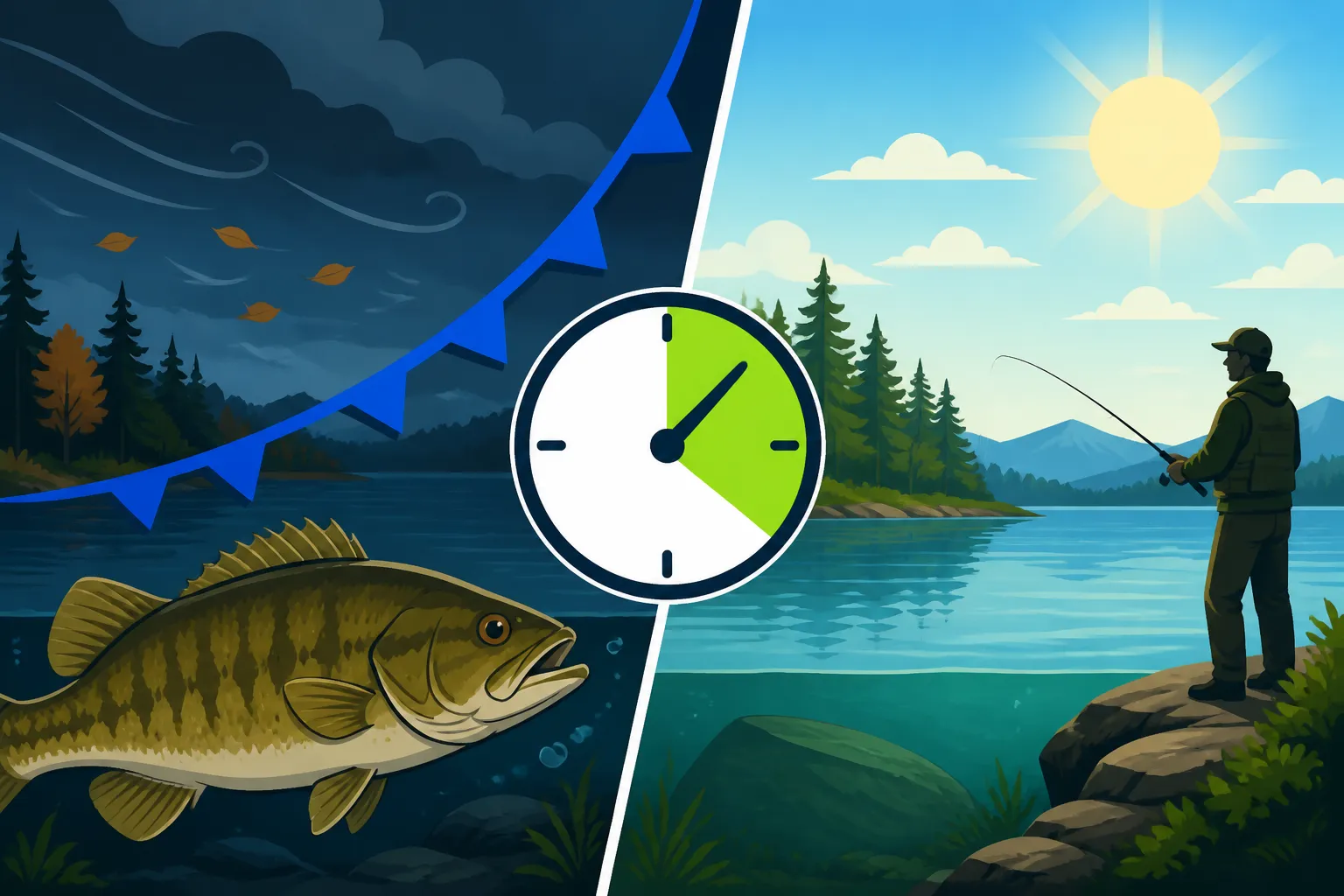
While the initial hours directly following a strong cold front can be incredibly tough, the good news is that the fish don't stay in lockjaw mode forever. Often, the best time to fish after a cold front is not immediately after it hits, but once the system has passed and the conditions begin to stabilize, even slightly. This often means waiting a day or two, but sometimes, a "window of opportunity" opens up just a few hours after the initial shock wears off.
Look for the warmest part of the day, typically mid-afternoon, especially if the sun has been out for a few hours. This allows surface water temperatures to rise a degree or two, and the fish might feel a little more comfortable moving and feeding. For species like smallmouth bass in Lake Winnipesaukee, this might mean they move slightly shallower from their deep post-front haunts, or become more active on deep structure. Even if it's just a subtle shift, that little bit of comfort can be enough to trigger a brief feeding spell. Don't expect a frantic bite, but a diligent angler can pick off a few fish during this period.
Observing Subtle Environmental Cues
Being a successful post-front angler means becoming a keen observer of your environment. Don't just look at the thermometer; pay attention to the little things. Are the air temperatures slowly rising throughout the day? Is there a gentle breeze that helps oxygenate the water and perhaps stirs up some subsurface activity? Are insects starting to hatch or move around? Even a few struggling terrestrial insects on the surface can signal to trout that it's safe to look up.
Watch the water itself. Are you seeing any subtle rises or swirls, indicating fish activity? Are baitfish scattering, suggesting a predator might be nearby? Sometimes, just seeing a few minnows darting around in the shallows is a better sign than any weather app could give you. These subtle cues tell you that the ecosystem is slowly returning to a more normal state, and with it, the fish's confidence might be improving. Patience is key, but so is being attuned to these small environmental whispers that hint at a returning bite.
Adjusting Your Strategy: Tactics for Post-Cold Front Success
Since fish are less aggressive and more cautious after a cold front, your usual high-speed, reaction-strike techniques often won't cut it. This is when finesse fishing truly shines.
Slowing Down and Finesse Tactics
When fish are lethargic and hunkered down, they're not going to chase. Your presentation needs to be slow, subtle, and right in their face. Think of it as tempting them with an easy meal they can't refuse, rather than exciting them into a bite. This means scaling down your gear and slowing down your retrieve.
For bass, consider techniques like a weightless Texas-rigged worm or a Ned rig fished excruciatingly slowly along the bottom of cover or deep structure. Drop-shotting a small soft plastic bait vertically over detected fish or structure can also be incredibly effective, allowing you to keep the bait in the strike zone for extended periods. Instead of casting and reeling, try short hops, long pauses, and subtle twitches. For trout in New Hampshire's streams, aggressive dries or fast-retrieved spinners might be ignored. Instead, switch to nymphing, especially heavier nymphs that can get down deep into slow runs and pools where trout are holding. Focus on a dead drift, mimicking a natural insect struggling in the current. Small jigs tipped with a piece of worm can also work wonders in stocked ponds. You can find a huge variety of these specialized finesse baits and ultralight gear on sites like Amazon, making it easy to stock up for these challenging conditions.
Targeting Key Holding Areas
Post-front fish don't just disappear; they relocate to areas where they feel safest and most comfortable. Your job is to find these refuges. For lake species like those in Lake Winnipesaukee or Squam Lake, this often means deeper water. Look for significant depth changes, humps, ledges, or submerged rock piles that offer both shelter and easy access to slightly warmer, more stable water. If you have electronics, spend time idling around looking for fish congregated on these deeper structures.
In rivers and streams, trout will often move out of fast-moving riffles and into the deepest, slowest pools, undercuts, or areas with heavy bank cover. They're looking for reduced current, which requires less energy expenditure, and places where they feel secure from aerial predators. For largemouth bass, this might mean burying themselves deep in the heaviest lily pad beds, thick submerged hydrilla, or tight against fallen timber. Smallmouth bass, true to their nature, will often relate to rocky points, deep humps, and current breaks in rivers or deep rock piles in lakes. Focus your efforts on these less obvious, often overlooked areas where fish are likely to be seeking refuge. If you're struggling to find fish, remember to check out resources like Best Fishing Lakes in New Hampshire or Best Fishing Rivers in New Hampshire to help identify prime locations.
Color, Scent, and Presentation Adjustments
With fish being so finicky after a cold front, every detail of your presentation matters.
Firstly, color. The bright, clear skies that often follow a cold front mean increased water clarity. In these conditions, natural, muted colors tend to perform best. Think greens, browns, clear, and watermelon shades for soft plastics. For trout, natural fly patterns that closely mimic local forage are essential. Avoid overly bright or flashy colors that might spook wary fish.
Secondly, scent. Fish rely heavily on their sense of smell, especially when their visual cues are compromised or they're not actively hunting. Adding a powerful scent attractant to your baits can make a huge difference. These scents can mask human odors and provide a tantalizing, long-lasting invitation to a reluctant fish. You can find a variety of these scent sprays and gels easily online, perhaps even from Amazon, to give your presentation that extra edge.
Finally, presentation. This ties back to slowing down, but it also means being as stealthy as possible. Use lighter line and fluorocarbon leaders for invisibility, especially in clear water. Make long, accurate casts to avoid spooking fish with your boat or shadow. When your bait hits the water, aim for a soft entry with minimal splash. Every aspect of your presentation needs to convey a sense of naturalness and ease, tricking the fish into thinking your offering is worth the minimal effort required to strike. Thinking about details like Best Fluorocarbon Line for Clear Lake Water can really make a difference.
Species-Specific Strategies for New Hampshire Waters
While the general principles of slowing down and fishing deeper hold true across species, each type of fish has its own nuances that are worth considering after a cold front in New Hampshire.
Trout After a Cold Front
New Hampshire is a paradise for trout anglers, but post-front conditions can make these notoriously skittish fish even more challenging.
For stream trout – your native brook trout, or the brown and rainbow trout in larger rivers like the Pemigewasset River – they will abandon their usual feeding lies in faster water. Instead, look for them tucked into the deepest pools, under rocky ledges, or in slow, dark eddies. Your best bet will often be weighted nymphs fished on a dead drift, or even a small worm or natural bait fished slowly along the bottom with minimal weight. The goal is to get your offering right to them, almost bumping their nose, as they won't move far to eat. Consider micro-jigs tipped with a wax worm or small plastic.
For stocked trout in ponds, they'll often hug the bottom in deeper sections. PowerBait, corn, or small worms fished off the bottom with a simple egg sinker rig can be effective. If you're fly fishing, slow retrieves of small streamers or heavily weighted nymphs will be more productive than dry flies. For more ideas on how to approach these cold-water conditions, check out our guide on Best Techniques for Early Spring Trout.
Bass (Largemouth & Smallmouth) After a Cold Front
Both largemouth and smallmouth bass in New Hampshire's lakes and rivers will become considerably warier after a cold front.
Largemouth bass, which often prefer warmer, shallower water, will typically retreat to the thickest cover available. This could mean dense submerged vegetation, fallen timber, or the deepest parts of lily pad fields. Pitching or flipping a jig or a Texas-rigged creature bait very slowly into the heart of this cover is your best bet. Let the bait sit for an extended period, perhaps 10-15 seconds, before imparting a tiny twitch. The bite will often be incredibly subtle, feeling like a slight weight or just a tap, so pay close attention.
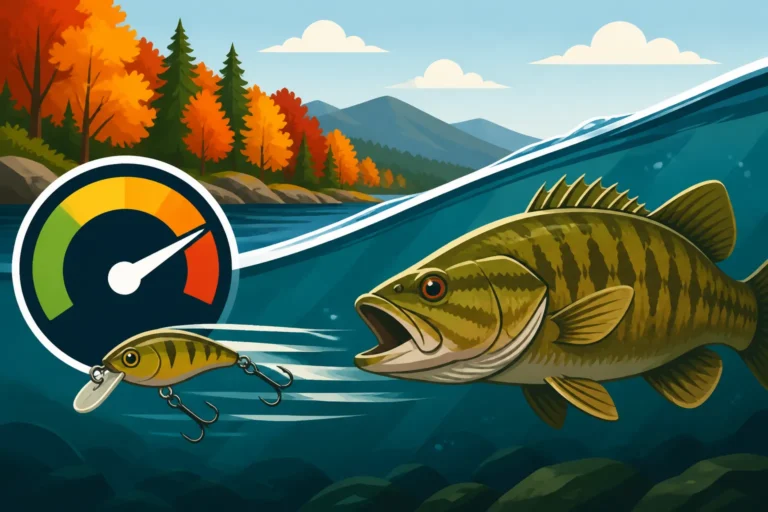
Smallmouth bass, often found in clearer, rockier environments, will usually pull back to deeper structure. On a lake like Winnipesaukee, this means points, humps, or rock piles in 15-30 feet of water. In rivers, they'll gravitate towards deeper pools with current breaks or large boulders. A drop shot rig, a tube jig, or a Ned rig fished slowly along the bottom will be your most effective tools. Vertical jigging small spoons or blade baits over suspended schools can also work if you can locate them. Remember, these fish will be hugging the bottom, so ensure your presentation stays down there. For more specific tactics, our article on How to Catch Smallmouth Bass in New Hampshire Lakes might offer more insight.
Lake Trout and Landlocked Salmon After a Cold Front
These species, being cold-water residents, are generally less affected by surface temperature drops from a cold front, but barometric pressure changes can still impact them. They might react by moving to slightly deeper water or suspending in the water column.
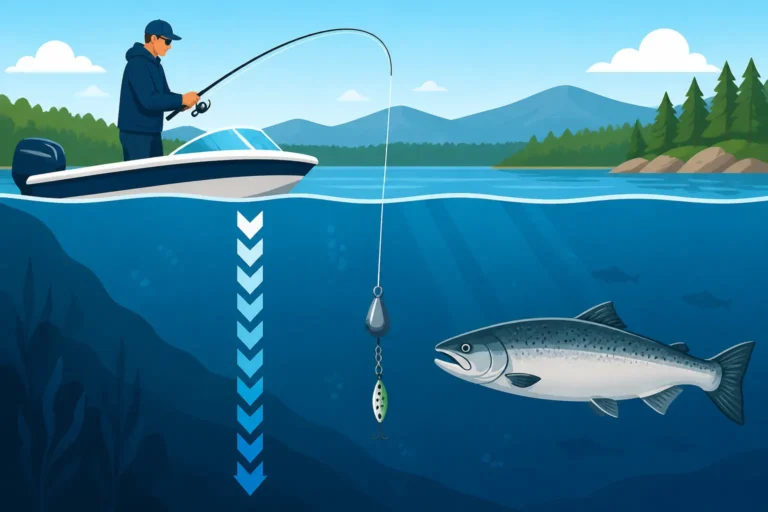
For lake trout in deeper lakes like Winnipesaukee or Newfound Lake, a post-front period can mean they go even deeper or relate more tightly to specific deep structures. Downrigger trolling with spoons or stickbaits at slow speeds, or deep jigging with heavy spoons or tubes, are excellent choices. Look for them on your fish finder and present your bait right to their level.
Landlocked salmon in lakes like Sunapee or Merrymeeting Lake also prefer cold water, but they can become more concentrated after a cold front, often in deeper, open water where smelt, their primary forage, reside. Slow trolling small, natural-colored spoons or live smelt (if legal and available) at varying depths until you find where they are holding can be effective. Again, the key is slow and precise presentation. These fish are likely to be lethargic and less willing to chase. Our guide on How to Catch Lake Trout in New Hampshire delves deeper into these specific techniques.
Post-Cold Front Fishing Adjustments by Species
Here's a quick reference for common adjustments needed after a cold front:
| Species | Typical Post-Front Behavior | Recommended Location Adjustments | Recommended Technique Adjustments | Bait/Lure Color Suggestion |
|---|---|---|---|---|
| Largemouth Bass | Lethargic, hide in dense cover | Deepest, thickest cover (mats, timber) | Slow pitch/flip jigs, Texas rigs, long pauses | Green pumpkin, black & blue, natural crawfish colors |
| Smallmouth Bass | Hold tight to deep, rocky structure, wary | Deep humps, ledges, rock piles, current breaks | Drop shot, Ned rig, tube jigs, slow vertical jigging | Watermelon, green pumpkin, natural baitfish patterns |
| Stream Trout | Seek deepest, slowest pools; tight to cover | Deep pools, undercuts, slow eddies | Weighted nymphs (dead drift), small worms/natural bait | Natural insect colors (olives, browns, black), muted |
| Pond Trout | Hug bottom in deeper sections | Deepest areas of ponds, near bottom | PowerBait, corn, worms on bottom rig, slow micro-jigs | Chartreuse, bright orange (PowerBait), natural (worms) |
| Lake Trout | Go deeper, relate to deep structure or suspend | Deep basins, main lake points, thermocline | Slow deep trolling, heavy spoons/tubes (vertical jig) | Silver, white, natural baitfish patterns, glow |
| Landlocked Salmon | Concentrate in deeper, open water near forage | Deep suspended schools, near smelt concentrations | Slow troll small spoons/stickbaits, live smelt | Silver, blue/silver, natural smelt patterns |
Disclaimer
This article is for general informational purposes only and does not constitute professional advice. Laws, prices and regulations vary by location and change over time. Consult a qualified professional for guidance on your specific situation.