Best rig for bottom fishing for lake trout
There’s a unique satisfaction that comes with targeting lake trout, especially when they’re hunkered down deep on the bottom. Many anglers get frustrated because these fish can be elusive, often holding in vast, cold depths where traditional trolling or shallow-water techniques just don't cut it. It feels like you’re fishing in an empty abyss sometimes! But don't despair; mastering the art of bottom fishing for lake trout is incredibly rewarding, and this guide will walk you through the most effective rigs and strategies to bring those giants up from the Granite State's deep waters.
Understanding Lake Trout Behavior for Bottom Fishing
Before we even talk about specific rigs, it's crucial to understand the fish we're after. Lake trout are a fascinating species, perfectly adapted to the cold, deep environments of many New Hampshire lakes. Knowing their habits is half the battle won, and it makes choosing the right bottom fishing rig a no-brainer.
Lake Trout Habitat and Feeding Habits
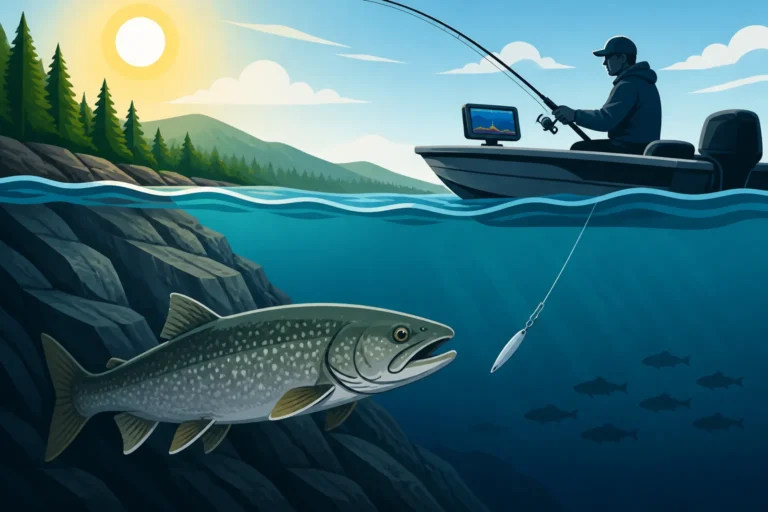
Lake trout, or "lakers" as many of us affectionately call them, are cold-water predators. In New Hampshire, you’ll find them thriving in the deeper, clearer lakes like Lake Winnipesaukee, Newfound Lake, or Sunapee Lake. These waters offer the specific thermal stratification and oxygen levels they need, especially during the warmer months. When you're thinking about Lake Trout Fishing in New Hampshire, remember that these fish gravitate towards structure. We're talking about deep humps, submerged islands, abrupt drop-offs, underwater ledges, and rocky points that plunge into the abyss. These features provide ambush points and act as highways for baitfish.
Their diet is largely comprised of smelt, cisco (lake herring), and other smaller baitfish. This is a critical piece of information because your bait choice and presentation should mimic these natural food sources. They’re opportunistic feeders, often lurking near the bottom, waiting for an easy meal to swim by or drift down. They aren't always actively chasing; sometimes, they're just conserving energy, ready to pounce. Understanding What Lake Trout Eat in New Hampshire Lakes directly informs your bait and lure selection for bottom fishing, making your rig that much more effective.
Seasonal Movements and Depths
Lake trout depth changes dramatically throughout the year, which directly impacts how you approach bottom fishing.
- Ice-Out (Spring): Right after the ice melts, usually in April and May, lake trout can be found surprisingly shallow. The entire water column is still cold, and baitfish often move closer to shore to spawn. This is a fantastic time to target them, and while bottom fishing still works, they might be accessible with other methods too.
- Summer (June-August): This is when lake trout go deep. As the surface waters warm, lakers retreat to the thermocline – that distinct layer where warm surface water meets cold deep water. In many New Hampshire lakes, this could mean depths anywhere from 50 to 150 feet, sometimes even deeper. How deep lake trout go in summer is a critical piece of information, as your rig needs to get down and stay down effectively. They'll hug the bottom or suspend just above structure in these cooler zones.
- Fall (September-October): As water temperatures begin to cool and the lake undergoes turnover, lake trout might start to spread out, moving into shallower depths as the entire water column becomes more uniform in temperature. They can still be found deep, but their range expands.
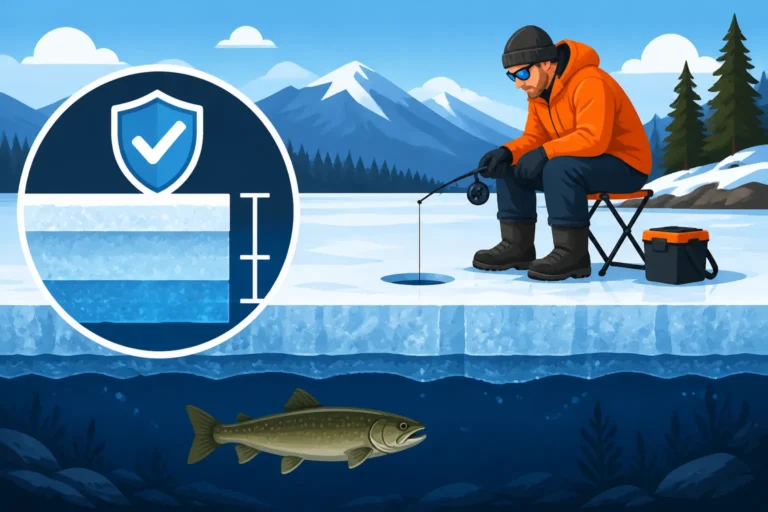
- Ice Fishing (Winter): During the hardwater season, from December into March, lake trout are often found near the bottom in similar deep structures as summer. New Hampshire Lake Trout Ice Fishing Season Dates outlines the period when ice fishing is permitted, and specific bottom rigs are essential for punching through the ice and reaching these depths.
No matter the season, when targeting lake trout on the bottom, your presentation needs to be precise. You're trying to put your bait right in front of a fish that might not be willing to move far to eat.
Essential Gear for Bottom Fishing Lake Trout in New Hampshire
Having the right equipment is non-negotiable when you’re venturing into the depths for New Hampshire lake trout. A flimsy rod or the wrong line can quickly turn an exciting hook-up into a heartbreaking tale of "the one that got away."
Rods, Reels, and Line
For successful lake trout bottom fishing, you need robust gear designed to handle deep water, heavy weights, and powerful fish.
- Rods: Opt for a medium-heavy to heavy power spinning or baitcasting rod, typically 7 to 8.5 feet in length. The longer rod provides better leverage for fighting strong fish and managing line in deep water. Look for a fast action tip, which allows you to feel subtle bites even at extreme depths, while the strong backbone gives you the power to set the hook and muscle big lakers. Rods designed for salmon or steelhead fishing, or even Best rod setup for lake trout trolling, can often pull double duty for bottom fishing. Brands like Ugly Stik, St. Croix, or Shimano offer excellent options that can be found on Amazon.
- Reels: Pair your rod with a sturdy reel. For spinning setups, a 4000 to 6000 size is appropriate, offering good line capacity and drag power. For baitcasting, a robust conventional reel with a strong drag system is ideal, especially for deeper water. Line counters on conventional reels can be a huge asset for knowing exactly how much line you have out.
- Line: This is perhaps the most critical component.
- Main Line: I highly recommend using braided line for your main line. A 20 to 40-pound test braided line offers minimal stretch, which is essential for feeling those light bites in deep water and for powerful hook sets. Its thin diameter also helps reduce water resistance, allowing your rig to sink faster and maintain better bottom contact.
- Leader: Always use a fluorocarbon leader. Fluorocarbon is nearly invisible underwater, extremely abrasion-resistant (which is vital around rocky bottom structure), and sinks quickly. A 10 to 20-pound test fluorocarbon leader, 4 to 8 feet long, is a good starting point. Connect your braid to your fluorocarbon leader using a strong knot like an FG knot or an Albright knot. For Best line for lake trout deep trolling, many of the principles of a strong, low-stretch main line with a subtle leader apply to bottom fishing too.
Terminal Tackle Essentials
Having the right small components can make all the difference. Don't skimp on these; they are the direct connection to your fish.
- Hooks:
- Circle Hooks: These are fantastic for catch-and-release fishing as they typically hook the fish in the corner of the mouth, reducing gut hooking. Sizes 1/0 to 3/0 are usually good for lake trout when using live bait.
- J-Hooks (Octopus Hooks): If you're not strictly catch-and-release, strong, sharp J-hooks (like a wide gap or octopus style) in sizes 1/0 to 3/0 work well. Ensure they are razor-sharp for quick penetration.
- Swivels: High-quality barrel swivels or, even better, three-way swivels are essential. They prevent line twist, especially when using live bait or drifting. For a three-way rig, the three-way swivel is the heart of the setup.
- Weights: Your weight selection depends on depth, current, and desired presentation.
- Bell Sinkers: These are classic and effective for stationary bottom fishing or slow drifts. Sizes from 1 to 4 ounces are common.
- Pyramid Sinkers: Good for holding bottom in current or wind.
- Bullet/Egg Sinkers: Can be used above a swivel for a sliding sinker rig.
- Drop Shot Weights: Specific cylindrical or round weights designed for drop shotting, allowing for precise bait presentation.
The goal is to use just enough weight to maintain bottom contact without being excessively heavy, which can dampen your feel for bites.
Baits and Scents
Lake trout are predators, and their bait preferences often reflect their natural forage.
- Natural Baits:
- Live Bait: Live shiners, smelts, or suckers (where legal) are often the absolute best. Presenting a lively baitfish near the bottom is incredibly enticing. Check New Hampshire Fishing Regulations Explained for specific bait restrictions in certain waters.
- Cut Bait: Strips of oily fish like smelt or herring can also be effective, especially when dead sticking or slow drifting. The scent trail is a major attractor.
- Artificial Baits:
- Tube Jigs: White, chartreuse, or natural baitfish colors fished on a heavy jig head (1/2 to 1 oz) can imitate dying baitfish.
- Spoons: Jigging spoons like Swedish Pimples or Hopkins Shorty spoons in silver, gold, or blue/silver patterns can be deadly. Sizes from 1/2 to 1 ounce are good for deeper jigging.
- Soft Plastics: Large curly tail grubs or paddle tail swimbaits rigged on heavy jig heads can also draw strikes, especially those with baitfish profiles.
- Scents: Applying a strong fish attractant scent (like Pro-Cure or Mike's Lunker Lotion) to your artificial lures or even live bait can significantly increase your chances, masking human odors and adding an extra layer of appeal. For Best Bait for Lake Trout in Deep Water, incorporating these elements is key.
Crafting the Best Bottom Fishing Rigs for Lake Trout
Now that we understand the fish and the gear, let's dive into the specific rigs that will help you put your bait right where those lakers are lurking. These rigs are tried and true for various bottom fishing scenarios.
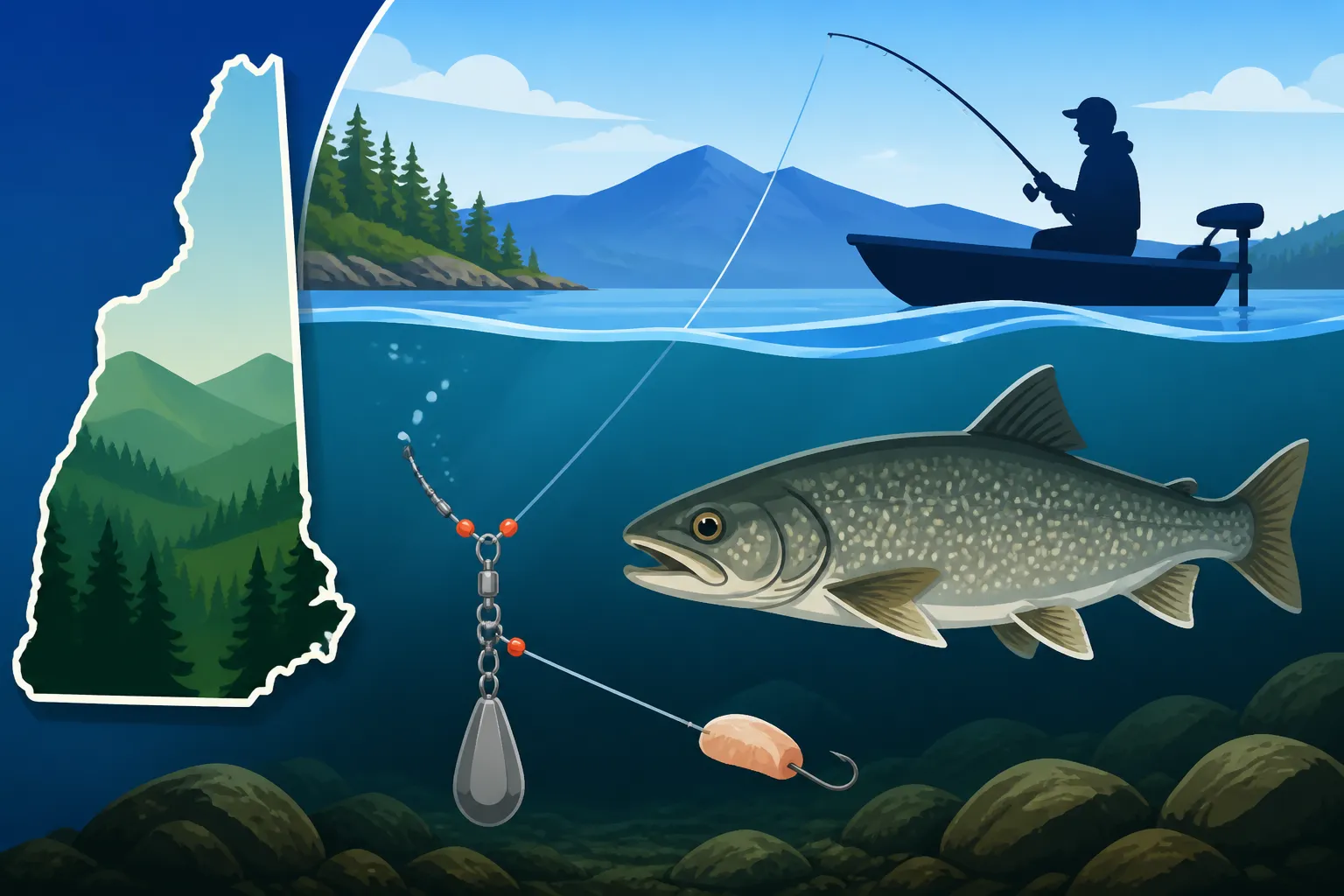
The Classic Three-Way Swivel Rig
This is arguably one of the most popular and effective rigs for targeting lake trout on the bottom, especially when drift fishing or fishing from an anchored boat in varying depths. It allows for excellent bait presentation just off the bottom.
- Components:
- A three-way swivel (critical for the rig's structure)
- Your main line (braided, as discussed)
- Two fluorocarbon leaders (one for the weight, one for the hook)
- A bell sinker or pyramid sinker
- A strong hook (circle or J-hook)
- Assembly:
- Tie your main line to one eye of the three-way swivel.
- To a second eye, tie a short piece of fluorocarbon leader (6-12 inches) and attach your sinker to the end of this leader. This "dropper" line ensures the weight hits the bottom without dragging your bait directly through it.
- To the third eye, tie a longer fluorocarbon leader (2-4 feet) and attach your hook to the end of it. This leader allows your bait to swim or drift naturally just above the bottom.
- Advantages: This rig is incredibly versatile. It keeps your bait off the bottom, preventing snags, and allows it to move naturally in currents or when drifting. It’s also very effective for presenting live bait, letting it swim enticingly.
- Best Scenarios: Ideal for drifting over humps, along drop-offs, or across flats where you want your bait to stay consistently near the bottom. It's also great for stationary fishing when you're anchored over a known piece of structure. Many anglers use this rig with a dead stick, simply leaving the rod in a holder and waiting for a bite.
The Drop Shot Rig for Finicky Lakers
While often associated with bass fishing, the drop shot rig is surprisingly effective for lake trout, especially when they are finicky or holding tight to structure in clear water. It offers a very subtle, natural presentation.
- Components:
- Main line (braided with fluorocarbon leader)
- A drop shot weight (cylindrical or round)
- A small, sharp hook (typically a specialized drop shot hook or an Octopus hook)
- Assembly:
- Tie your fluorocarbon leader to your main braided line.
- Tie your hook directly to the fluorocarbon leader using a Palomar knot, leaving a long tag end. The hook should be oriented so the point is facing upwards.
- To the tag end of the leader, tie on your drop shot weight. The length of the tag end determines how far off the bottom your bait will suspend (typically 12-36 inches for lake trout).
- Advantages: This rig excels at presenting your bait horizontally, keeping it suspended at a precise depth above the bottom. You can impart subtle action to the bait by gently shaking your rod tip without moving the weight. This makes it incredibly effective for targeting fish you see on your Best Fish Finders for New Hampshire Lakes holding just off a ledge or hump.
- Best Scenarios: Perfect for vertical jigging directly over specific structure, targeting suspended fish, or when fish are less aggressive. It's also fantastic when fishing rocky bottom, as the weight is less prone to snagging than a traditional bottom rig. When the bite is tough, a small, lively shiner on a drop shot rig can often tempt strikes that other rigs won't.
The Lindy Rig Variation
The Lindy Rig, developed by Al and Ron Lindner, is famous for its slow, natural presentation, particularly effective for walleye, but it can be adapted for lake trout as well. It’s perfect when you want your bait to drift very naturally with minimal resistance.
- Components:
- Main line (braided with fluorocarbon leader)
- A walking sinker (also known as a slip sinker) or a bell sinker with a plastic tube
- A swivel
- A long fluorocarbon leader
- A hook
- Assembly:
- Thread your main line through the walking sinker.
- Tie your main line to one end of a barrel swivel. The walking sinker should now be able to slide freely up and down your main line, but it will stop at the swivel.
- Tie a long fluorocarbon leader (4-8 feet) to the other end of the swivel.
- Attach your hook to the end of the long fluorocarbon leader.
- Advantages: The key advantage here is the sliding sinker, which allows the fish to pick up the bait and swim away with minimal resistance before feeling the weight. This often leads to more solid hook-ups. The long leader also provides a very natural presentation for live bait.
- Best Scenarios: Excellent for very slow drifting, especially over relatively clean bottom where snags are less of an issue. It's also effective when casting and slowly retrieving along the bottom. The Lindy Rig excels when lake trout are wary and require a completely natural, unencumbered bait presentation. It gives them time to mouth the bait before feeling resistance.
Here's a quick comparison of these popular bottom fishing rigs:
| Rig Type | Key Components | Advantages | Ideal Conditions | Bait Presentation |
|---|---|---|---|---|
| Three-Way Swivel Rig | 3-way swivel, two leaders, sinker, hook | Keeps bait off bottom, versatile, good for drift | Drifting/anchored over structure, current | Suspended, natural movement |
| Drop Shot Rig | Drop shot weight, hook, long tag end | Precise depth control, subtle, snag-resistant | Vertical jigging, finicky fish, rocky bottom | Suspended, horizontal, stationary |
| Lindy Rig (Slip Sinker) | Slip sinker, barrel swivel, long leader, hook | Natural feel for fish, less resistance on bite | Slow drift, wary fish, cleaner bottom | Free-moving, natural drift |
Techniques and Advanced Strategies for Success
Getting your rig to the bottom is one thing; effectively fishing it is another. Mastering the nuances of presentation, timing, and conditions can elevate your bottom fishing game considerably.
Locating Prime Bottom Structure
You can have the best rig in the world, but if you're fishing in a barren wasteland, you won't catch anything. Lake trout are structure-oriented fish, and finding those underwater features is paramount.
- Sonar and GPS: Modern Best Fish Finders for New Hampshire Lakes are your best friends. Invest in a good unit and learn how to interpret what it's showing you. Look for:
- Abrupt Depth Changes: Sharp drops, ledges, and channels.
- Humps and Ridges: Underwater hills that rise from the bottom. These are classic lake trout haunts.
- Baitfish Schools: If you see clouds of baitfish (often smelt or cisco), lakers are likely nearby, either below them or waiting to ambush them.
- Individual Fish Marks: Sometimes you'll see large, distinct arcs near the bottom. These are often your target fish!
- Mapping: Use detailed lake maps (paper or electronic) to identify likely structure before you even launch your boat. Many GPS units come pre-loaded with highly detailed contours of major New Hampshire lakes. Start by pinpointing areas with significant depth changes or prominent underwater features.
- Trial and Error: Don't be afraid to motor around and scan. Mark any promising spots on your GPS so you can return to them later. Remember to factor in Lake Winnipesaukee Lake Trout Fishing maps for specific spots on larger bodies of water.
Presentation and Retrieval
How you fish your rig once it's on the bottom is just as important as the rig itself.
- Maintain Bottom Contact (mostly): With all these rigs, the goal is to keep your bait in the strike zone – that is, near the bottom. For the three-way and Lindy rigs, you want to feel the weight occasionally tapping or dragging on the bottom. For a drop shot, you want the weight to be consistently on the bottom while your bait suspends above it.
- Slow and Steady: Lake trout are often not aggressive chasers, especially when they're deep. A slow, subtle presentation is usually more effective.
- Drifting: If drifting, use your boat’s movement (or wind sock/drift sock) to slowly pull your rig. Periodically lift and drop your rod tip to make the weight tap the bottom and settle, creating a puff of sediment that can attract attention.
- Stationary: If anchored, let your bait sit for a few minutes, then lift and drop, or retrieve a few feet and let it settle again. The key is patience.
- Jigging (Drop Shot/Spoons): For vertical presentations, use subtle lifts and drops of your rod tip. Focus on making your bait or lure "dance" in place without moving it too far horizontally.
- Feeling the Bite: Lake trout bites can range from a violent strike to a very subtle "mushy" feeling, especially in deep water where line stretch can dampen sensitivity. Watch your rod tip intently. Any unusual pressure, tap, or sudden slack in the line could be a fish. Set the hook firmly with a sweeping motion once you detect a bite.
Best Times and Conditions
While lake trout are deep-dwelling, certain times and conditions can improve your odds.
- Time of Day: While lakers are often deep, early mornings and late evenings can sometimes see them move slightly shallower or become more active. Mid-day in the summer usually means they are at their deepest.
- Weather: Overcast days or light rain can often be better than bright, sunny days, which push fish deeper and make them less active. However, since you're fishing deep, surface weather can have less impact than for other species.
- Water Temperature: The ideal water temperature for lake trout is typically in the 40s and low 50s Fahrenheit (4-12°C). Your fish finder's temperature gauge can help you locate the thermocline where these temperatures exist.
- Seasonal Specifics: As mentioned earlier, New Hampshire Fishing Seasons by Month will give you a general idea of when different species are active. For lake trout, spring and fall offer a wider range of depths where they can be found, while summer demands deep-water tactics. Don't forget, Best Time of Year to Fish in New Hampshire often varies by species, but for lake trout, consistency in deep, cold water is key year-round, even under the ice.
- Trophy Hunting: If you're after a truly massive fish, understanding the Lake Trout Average Size in New Hampshire Lakes will give you realistic expectations, but remember that patience and consistent deep-water effort are usually rewarded with bigger fish.
By combining the right rig, understanding lake trout behavior, using quality gear readily available from retailers like Amazon, and applying these tactical insights, you'll be well on your way to catching some impressive lake trout from New Hampshire's stunning deep waters.
Disclaimer
Fishing regulations and conditions can change. Always check the latest New Hampshire Fish and Game Department regulations before heading out. This guide is for informational purposes only and does not supersede official regulations.