New Hampshire fishing license for state park ponds
It can be incredibly frustrating to plan a relaxing fishing trip to one of New Hampshire's beautiful state parks, only to second-guess whether you have the right paperwork. Many folks assume that since it’s a state park, the rules might be different, or perhaps even waived, but this isn't always the case. This comprehensive guide will clear up any confusion you have about fishing license requirements specifically for New Hampshire state park ponds, ensuring your trip is smooth and compliant with all regulations.
Understanding New Hampshire's General Fishing License Requirements
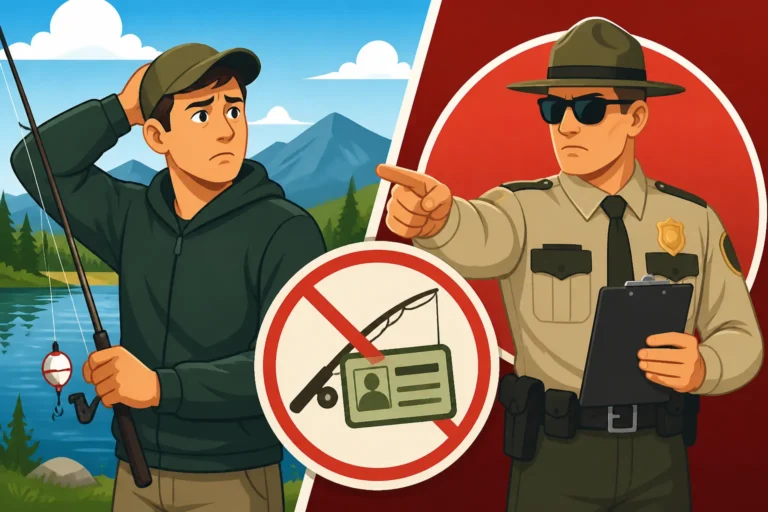
Let's cut right to it: generally speaking, if you plan to fish in New Hampshire, you're going to need a license. This isn't just for the big lakes or wild rivers; it applies to most public waters, and yes, that includes the charming ponds nestled within our state parks. The New Hampshire Fish and Game Department is the primary authority on fishing regulations across the state, and their rules typically apply universally, regardless of whether a water body falls within a state park boundary.
Who Needs a License, Generally Speaking?
The baseline rule is straightforward: anyone aged 16 or older needs a valid New Hampshire fishing license to fish in the state's public waters. This isn't unique to New Hampshire; it's a common practice across the country to help fund conservation efforts and manage fish populations. So, even if you’re just dropping a line into a peaceful pond at a state park, if you're 16 or older, that license needs to be in your pocket. There are some specific exemptions, for instance, very young children, typically under 16, usually don't need one. We've got a detailed breakdown on specific age requirements in our guide, Do Kids Need a Fishing License in New Hampshire?.
It's a common misconception that because you're within a state park, perhaps some "park-specific" rule makes things different. However, for fishing purposes, state park ponds are simply considered public waters managed by the New Hampshire Fish and Game Department. The state park system manages the land and facilities, but the fish and fishing rules fall under Fish and Game's jurisdiction. So, your primary concern for fishing legally in these picturesque settings is ensuring you hold the correct statewide fishing license.
Types of Licenses Relevant to Pond Fishing
New Hampshire offers a variety of fishing licenses, catering to both residents and non-residents, and to those looking for a full season of angling or just a quick day trip. For most folks planning to fish state park ponds, the most common choices are the annual licenses. If you're a resident, you'd be looking for a Resident Fishing License, which typically covers you for the entire calendar year. For our friends visiting from out of state, the Non-Resident Annual Fishing License offers similar year-long coverage. These are perfect if you plan multiple trips throughout the year or intend to explore various fishing spots beyond just the state parks.
However, if your visit to a New Hampshire state park pond is part of a shorter vacation or a spur-of-the-moment decision, you might not need an annual commitment. New Hampshire also provides short-term options, which are incredibly convenient. Non-residents can purchase 1-day, 3-day, or 7-day licenses, offering flexibility for a quick fishing getaway. For residents, there's even a New Hampshire 1-Day Resident Fishing License Cost option, which can be great if you only fish once or twice a year. You can find more comprehensive details on these options in our article, New Hampshire 1-Day and 3-Day Nonresident Fishing Permits. It’s always a good idea to check the current year’s options, as regulations and offerings can sometimes have minor adjustments.
Specifics for Fishing in New Hampshire State Park Ponds
One of the biggest questions people have when planning a trip to a New Hampshire state park for fishing is whether there are special rules or licenses required. The simple answer is that for the vast majority of cases, your standard New Hampshire fishing license is exactly what you need. State park ponds, while offering incredible access and often well-maintained facilities, are generally treated just like any other public body of water when it comes to fishing regulations.
State Park Ponds are Public Waters
When you cast a line into a state park pond like those found at Pawtuckaway State Park or Bear Brook State Park, you're fishing in waters that fall directly under the jurisdiction of the New Hampshire Fish and Game Department. This means that all the statewide regulations regarding species, bag limits, length limits, and season dates apply. The primary goal of Fish and Game is to manage these fisheries sustainably, ensuring good fishing opportunities for everyone. This applies whether you’re targeting the bass in Pawtuckaway Lake or hoping for stocked trout in a smaller pond. For a complete understanding of the broader rules, our guide New Hampshire Fishing Regulations Explained is an excellent resource.
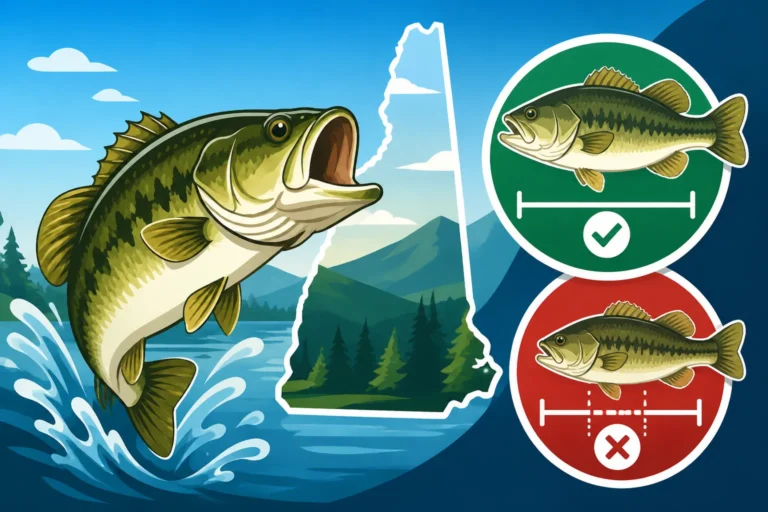
Many of these state park ponds are regularly stocked by the New Hampshire Fish and Game Department, particularly with trout, making them fantastic, accessible spots for anglers of all ages and skill levels. However, being stocked doesn't change the licensing requirement. You're still subject to the daily creel limits and possession limits as outlined in the statewide regulations. For instance, if you're fishing a pond known for its trout, you'll need to be aware of the New Hampshire Trout Stocking and Fishing Rules and associated limits. Similarly, if you're after bass, you'll need to respect the New Hampshire Bass Limits and Slot Rules that are in effect.
Are There Any Exceptions or Special Scenarios?
While a general fishing license is almost always required, there are a couple of very specific situations where you might not need one, even in a state park pond. The most notable exception revolves around New Hampshire's designated "Free Fishing Days." These are specific days each year when residents and non-residents can fish in any public water without a license. These days are usually scheduled to encourage new anglers and families to try fishing. If your state park visit happens to coincide with one of these days, you're in luck! You can find more information about these special opportunities in our article, New Hampshire Free Fishing Days, Explained. However, these are rare occurrences, so always plan on needing a license.
Another scenario could be specific, organized youth events or educational programs sometimes hosted by state parks or the Fish and Game Department. These events might have a temporary waiver for participants, but these are typically supervised and limited in scope. It’s crucial not to assume such an exception applies unless you have direct confirmation from the event organizer or the New Hampshire Fish and Game Department. Always double-check! Beyond licensing, remember that while you might need a fishing license, state parks often have separate entrance fees or parking fees. These are distinct from your fishing license and simply cover the cost of maintaining the park facilities.
How to Acquire Your New Hampshire Fishing License
Getting your New Hampshire fishing license is thankfully quite straightforward these days, with several convenient options available. You don't need to drive miles out of your way to a specialized office. Whether you're planning a trip to a state park pond next week or you're already on your way, there’s a method that will work for you. Understanding these options will ensure you’re always properly licensed and ready to cast a line.
Online Purchase and Digital Copies
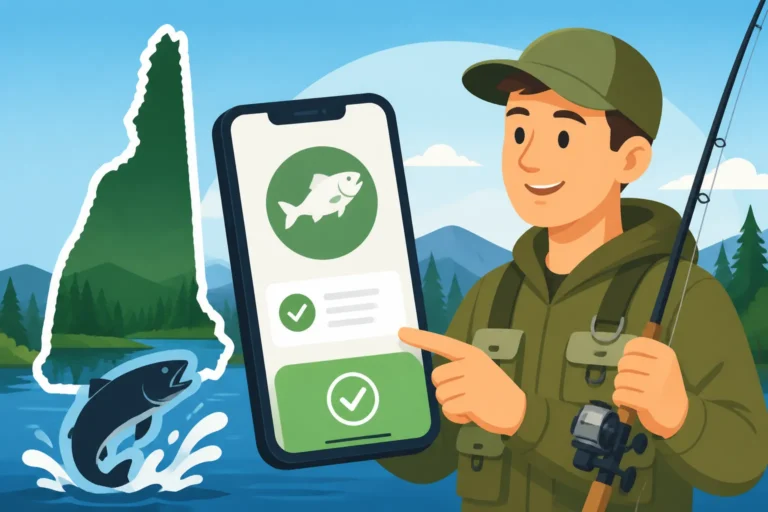
In our increasingly digital world, buying your fishing license online is often the easiest and quickest route. The New Hampshire Fish and Game Department offers a robust online licensing system directly through their website. You can purchase your annual or short-term license from the comfort of your home, your office, or even from your campsite at a state park using your smartphone or tablet. The process is intuitive, allowing you to select your license type, provide your information, and complete the transaction securely. Our detailed guide, How to Buy a Fishing License Online in New Hampshire, walks you through each step, making it super simple.
Once you’ve completed your online purchase, you typically have the option to print your license immediately. This is a huge convenience, allowing you to have a physical copy on hand. Even better, New Hampshire Fish and Game generally permits you to carry a digital copy of your license on your smartphone or other mobile device. This means you don't necessarily need to worry about paper getting wet or lost, as long as your device is charged and accessible. Just imagine, you could be enjoying the natural beauty of a New Hampshire State Park Fishing Guide location, realize you want to fish, and have your license purchased and ready in minutes! Always remember to keep your digital or physical copy with you while fishing, as wardens do check. You can read more about this flexibility in Printing or Carrying a Digital Fishing License in New Hampshire.
Local Vendors and In-Person Options
While online purchasing is incredibly convenient, sometimes you prefer a more traditional approach or need to grab some last-minute bait and tackle. New Hampshire has a vast network of authorized license agents scattered throughout the state. These typically include local town clerks, sporting goods stores, bait and tackle shops, and sometimes even larger department stores. These brick-and-mortar locations provide an excellent opportunity to purchase your license in person. It’s a great way to support local businesses and often get some valuable, up-to-the-minute fishing advice from locals who know the waters well.
When you visit a local vendor, they can assist you with selecting the correct license type and ensure all your information is accurately recorded. It's a personal touch that many anglers appreciate. For those who enjoy browsing for gear before hitting the water, many of these same vendors will have a wide selection of fishing essentials. For instance, before heading to a state park pond, you might pick up some new lures or a tackle box. If you're looking for a specific item like a waterproof fishing map or a new pair of polarized sunglasses, checking on Amazon beforehand can also be a convenient way to compare options and have them delivered right to your door before your trip. Always confirm the vendor is an authorized agent for New Hampshire Fish and Game licenses before you go.
| License Type | Eligibility | Duration | Typical Use Case |
|---|---|---|---|
| Resident Annual | NH Resident | Calendar Year | Regular fishing throughout the year |
| Non-Resident Annual | Non-NH Resident | Calendar Year | Frequent visits, extended vacations |
| Resident 1-Day | NH Resident | 1 Day | Occasional, single-day fishing trips |
| Non-Resident 1-Day | Non-NH Resident | 1 Day | Quick day trips, trying out fishing |
| Non-Resident 3-Day | Non-NH Resident | 3 Consecutive Days | Weekend getaways, short fishing vacations |
| Combination Hunting & Fishing | NH Resident (sometimes non-res) | Calendar Year | Anglers who also hunt in NH |
Beyond the License – Other Important Considerations for State Park Ponds
While securing your fishing license is paramount, there are other important factors to keep in mind when planning your angling adventure in New Hampshire's state park ponds. Being prepared goes beyond just the legal document; it involves understanding the specific regulations that apply to the waters you're fishing and respecting the environment you're enjoying. Ignoring these details can lead to fines, environmental harm, or simply a less enjoyable outing.
Adhering to Statewide Fishing Regulations
It bears repeating: all general New Hampshire fishing regulations apply to state park ponds. This includes crucial elements like daily bag limits, minimum length requirements for certain species, and specific season dates for different fish. For example, some ponds might have special regulations for trout or bass, while others follow the statewide general rules. It's not enough to simply have a license; you need to understand what you can and cannot keep, and when. The absolute best way to stay informed is to consult the latest New Hampshire Freshwater Fishing Digest PDF. This comprehensive guide is updated annually and contains all the specific rules for every water body in the state, including any special regulations for particular ponds or areas.
Even within state parks, specific water bodies may have unique rules. For instance, some ponds might be designated as "fly fishing only" or "catch and release only" for certain species. Always check the regulations for the specific pond you plan to fish before you go. Additionally, if you plan to use a boat in a larger state park pond, even a small kayak or canoe, you should be familiar with New Hampshire Boating Laws for Anglers. These rules cover everything from personal flotation devices (PFDs) to boat registration requirements, ensuring your safety and compliance on the water.
State Park Specific Rules and Etiquette
Beyond fishing-specific regulations, remember that you are in a state park, which comes with its own set of rules designed to protect the natural environment and ensure a pleasant experience for all visitors. These might include designated parking areas, specific hours of operation for the park, restrictions on where you can launch a boat, or even areas where fishing is prohibited due to swimming or other recreational uses. Always look for signage at the park entrance or near the pond you intend to fish.
Respecting other park users is also crucial. State parks are multi-use areas, meaning anglers often share space with hikers, picnickers, swimmers, and wildlife watchers. Being mindful of noise levels, keeping your fishing gear contained, and avoiding casting near swimming areas are all part of good etiquette. Finally, and perhaps most importantly, practice "Leave No Trace" principles. Pack out everything you pack in, including fishing line, bait containers, and any other trash. Preserving the pristine beauty of New Hampshire’s state park ponds ensures that these wonderful fishing opportunities will remain for future generations to enjoy. If you're stocking up on tackle or other essentials, you might find convenient options for trash bags or compact gear organizers on Amazon to help keep your fishing spot clean.
Disclaimer
The information provided in this guide is for general informational purposes only and is subject to change. Fishing regulations, license requirements, and state park rules are updated periodically by the New Hampshire Fish and Game Department and the New Hampshire State Parks system. While we strive to keep this information accurate and current, it is always the angler's responsibility to verify the most up-to-date regulations before heading out. Please consult the official New Hampshire Fish and Game Department website and the New Hampshire State Parks website for the latest rules and licensing information.