Best months to catch landlocked salmon in New Hampshire
For anglers chasing the elusive and powerful landlocked salmon in the stunning waters of New Hampshire, timing is truly everything. It's a common frustration to head out, full of hope, only to find the fish seemingly vanished. Understanding the salmon's seasonal movements and habits is crucial for consistently hooking into these magnificent game fish, and this guide will walk you through the prime windows of opportunity throughout the year.
Understanding the Landlocked Salmon Season in New Hampshire
Landlocked salmon are a prized catch in New Hampshire, known for their acrobatic fights and delicious flesh. But unlike some other species that might bite year-round with varying success, salmon have very distinct seasonal patterns dictated by water temperature, forage availability, and their spawning cycles. Knowing when and why they behave a certain way is your first step to success.
Annual Cycle and Behavior
New Hampshire's landlocked salmon (often referred to simply as "salmon" by local anglers) spend their lives in large, deep, cold-water lakes, primarily feeding on rainbow smelt. Their entire annual cycle revolves around these smelt and the cold water they both require. As water temperatures change throughout the year, salmon move vertically and horizontally in the water column to find their ideal thermal comfort zone and follow their food source.
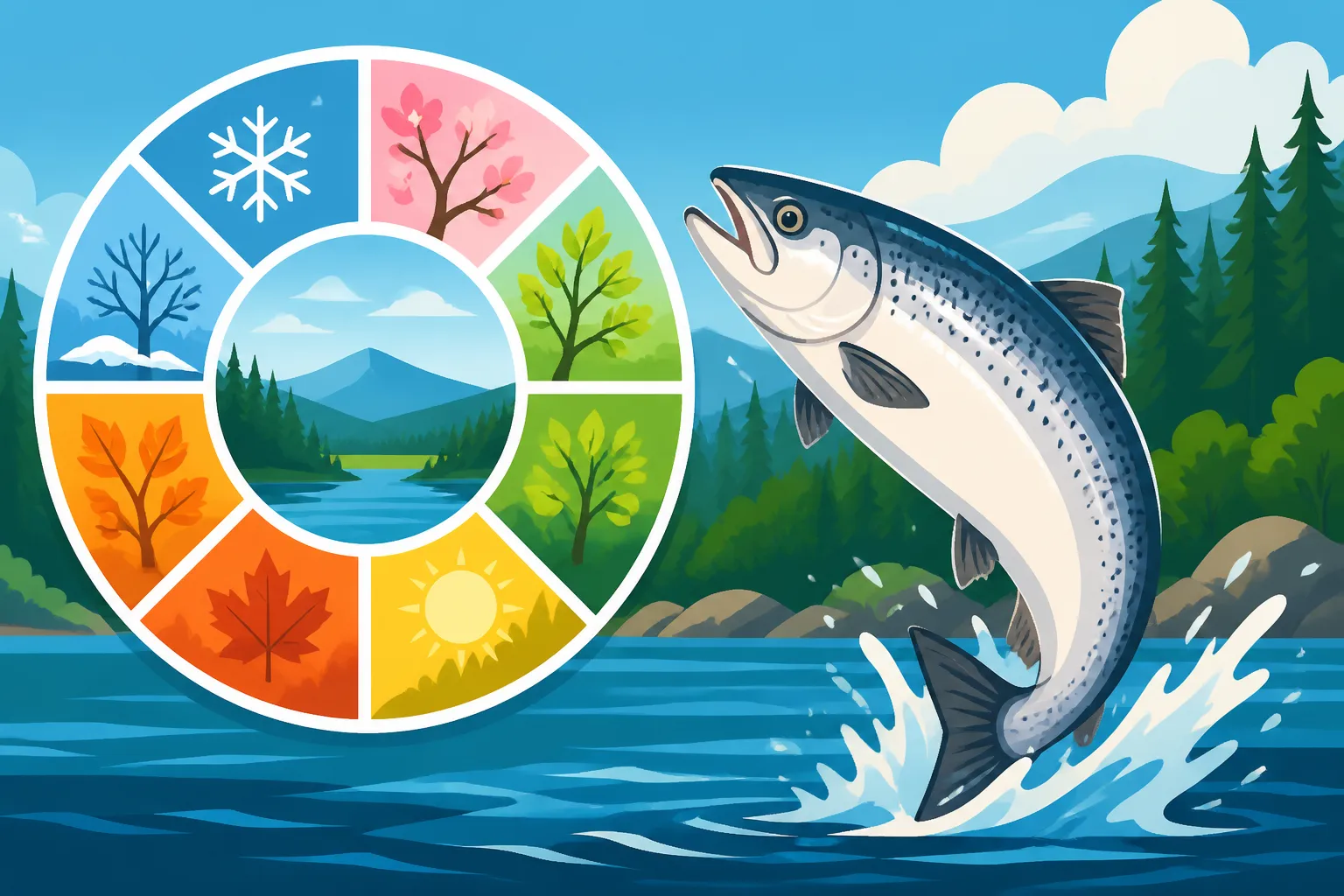
In the spring, after the ice melts, salmon are relatively shallow, actively feeding as the lake waters warm slightly. As summer progresses and surface waters become too warm for their comfort, they retreat to the cooler, oxygen-rich depths. Come fall, cooler water temperatures and the instinct to spawn bring them back towards shallower areas, often near river mouths or tributaries. This deep understanding of their biology, as detailed in many resources like a guide on the Landlocked Salmon Life Cycle in New Hampshire Lakes, really helps you anticipate their movements.
Regulatory Season Dates
Before you even think about the "best" months, it's absolutely vital to be aware of the New Hampshire Fishing Season Dates and Closures. While many species have open seasons year-round, salmon sometimes have specific regulations, especially concerning tributaries and spawning runs. For example, while lake fishing for salmon is generally open year-round in most large lakes, fishing in tributaries that salmon use for spawning might be closed during the fall to protect the breeding stock. Always consult the most current New Hampshire Freshwater Fishing Digest from the New Hampshire Fish and Game Department, as rules can change annually. Possessing a valid New Hampshire Fishing License Guide for 2026 is also non-negotiable before you cast a line.
Prime Time: The Best Months for Landlocked Salmon
While you can catch landlocked salmon throughout the open water season, there are two distinct periods that stand out as the absolute best for targeting these silver missiles. These windows offer the most consistent action and the highest chances of success for most anglers.
Ice-Out to Early Summer (April – June)
This is arguably the most exciting and productive period for landlocked salmon in New Hampshire. As the ice recedes from the big lakes, usually starting in April and continuing into May, the water temperatures are cold and uniform from top to bottom. This means salmon are not restricted to deep thermoclines; they can be found cruising relatively shallow areas, actively feeding on smelt.
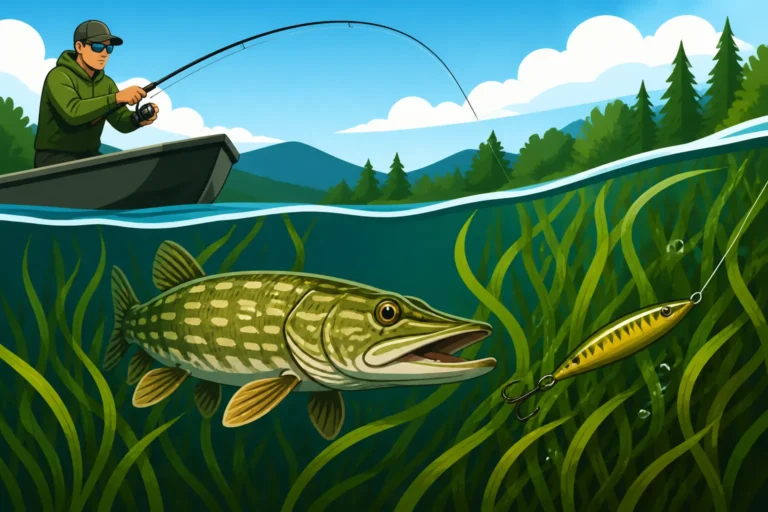
Right after ice-out, salmon are often ravenous, having been under the ice for months. They'll readily hit a variety of lures and baits. Many anglers target them near the surface in the upper 10-20 feet of water, often flat-lining with planer boards or simply long-lining from a boat. Trolling small, brightly colored spoons like a Mooselook Wobbler, a DB Smelt, or even a small stickbait can be incredibly effective. The key is to cover water and adjust your speed until you find what they're reacting to.
By late May and June, as surface temperatures begin to climb, salmon will start to move deeper, following the cold water and the smelt. This is when downriggers or lead-core line become essential to present your lures at depths from 20 to 50 feet, sometimes even deeper. The period from ice-out through early June offers fantastic opportunities for How to Catch Landlocked Salmon in New Hampshire, especially for those who love to troll.
Fall Spawning Run (September – October)
The second prime window for landlocked salmon occurs in the fall, particularly in September and October, leading up to their spawning period. As lake temperatures cool down, salmon become much more active and aggressive. They move from their deep summer retreats and begin staging near the mouths of rivers and streams that feed into the lakes. This pre-spawn activity makes them very vulnerable to anglers.
During this time, salmon are often found in the upper water column again, sometimes as shallow as 10-25 feet, though they might still be deeper depending on the specific water body and weather patterns. They're feeding heavily to build energy for the spawn, and their instinct to migrate upstream makes them concentrated in predictable areas. Trolling techniques remain highly effective, but sometimes casting spoons or large streamers near river mouths can also produce strikes.
It's important to remember that fall salmon fishing often coincides with specific regulations regarding tributary access. In many cases, these rivers are closed to fishing or have special catch-and-release rules to protect the spawning fish. Always double-check the current regulations for the specific body of water you intend to fish. For those interested in Landlocked Salmon Fishing in New Hampshire, the fall is an unparalleled experience, offering a chance at truly magnificent fish, often adorned with vibrant spawning colors.
Navigating the Challenging Summer Months
While spring and fall are undoubtedly the best, summer doesn't mean you have to hang up your rods entirely. Catching landlocked salmon in New Hampshire during the warmer months, typically July and August, is certainly more challenging, but it's far from impossible. It simply requires a significant shift in strategy and a deep understanding of thermal stratification.
Deep Water Strategies
During the peak of summer, surface waters in New Hampshire's large lakes can warm into the 70s Fahrenheit, which is far too warm for cold-water species like landlocked salmon. They retreat to what's known as the "thermocline" – a layer of water where the temperature changes rapidly. Below the thermocline, the water remains cold and oxygenated, creating their summer sanctuary. This means salmon will typically be found anywhere from 40 to 80 feet deep, sometimes even deeper, depending on the lake and specific conditions.
To reach these depths, anglers absolutely need specialized gear. Downriggers are king here, allowing you to precisely present your lures at a specific depth. Lead-core line, copper line, or even heavy jigging spoons can also get you down to where the fish are holding. The key is to locate schools of smelt, which will often be visible on a good fish finder, and then present your lure just above or within those baitfish schools. Trolling speeds often need to be slowed down slightly as fish can be less aggressive in the deep, cold water. Sometimes, as outlined in guides like How deep to troll for salmon at Winnipesaukee, understanding exact depth is crucial.
Early Morning and Late Evening Windows
Even in the dog days of summer, there are brief windows when salmon might venture slightly shallower, making them a bit more accessible. These times are typically during the low light hours of dawn and dusk. As the sun dips below the horizon or before it fully rises, the intense light penetration that drives fish deep is reduced, and surface temperatures are at their coolest.
During these times, it's worth trying to troll your lures a bit shallower, perhaps in the 25-40 foot range, especially near points, drop-offs, or underwater structures where smelt might congregate. While it's still unlikely you'll catch them near the surface like in spring, these low-light periods offer a slightly more active bite. Pay close attention to your fish finder during these times; if you see baitfish or salmon arches moving up in the water column, adjust your presentation accordingly. This highlights the importance of understanding the Best Time of Day to Catch Landlocked Salmon.
Essential Gear and Techniques for Success
Regardless of the month you choose to target landlocked salmon, having the right gear and employing appropriate techniques will significantly boost your chances. These fish are powerful and often require specific setups. If you're looking for specific items, you can often find a wide selection of specialized fishing gear on Amazon.
Rods, Reels, and Line Selection
For trolling, which is the predominant method for salmon, you'll want medium-action rods that are sensitive enough to detect subtle bites but have enough backbone to handle a powerful fish. A good quality 7-8 foot downrigger rod or a trolling rod is ideal. Match this with a reliable baitcasting reel or a line-counter reel spooled with 10-15 pound monofilament or fluorocarbon. Braided line can also be used as a main line, but it's often paired with a fluorocarbon leader for stealth, as detailed in many Best Fishing Rods for New Hampshire Lakes guides. For deeper presentations with lead core, specific rods and reels designed for that heavy, color-coded line are necessary. Remember to check out various options for these on Amazon to suit your budget and preferences.
Lures, Baits, and Trolling Setups
Landlocked salmon are primarily piscivores, meaning they eat other fish, with smelt being their absolute favorite. Therefore, lures that imitate smelt are usually the most effective.
- Spoons: Classic trolling spoons like the Mooselook Wobbler, DB Smelt, Sutton Spoon, and various Laker Taker spoons in silver, blue/silver, or smelt patterns are perennial favorites. Sizes typically range from 2.5 to 4 inches.
- Stickbaits: Long, slender stickbaits such as Rapalas (Jointed or Original Floater), Bomber Long A, or Yo-Zuri Crystal Minnows can be deadly, especially in spring and fall when fish are shallower.
- Live Bait: Though less common for salmon than for lake trout, sometimes trolling a live or dead smelt (where legal) can be incredibly effective, especially when fished behind a small dodger or flasher.
- Flashers/Dodgers: These attractors create vibration and flash, drawing salmon in to investigate the trailing lure or bait. Experiment with sizes and colors.
- Trolling Speeds: Typically, salmon prefer faster trolling speeds than lake trout, often between 2.0 to 3.5 miles per hour. However, it's always critical to experiment; sometimes a slight acceleration or deceleration is what triggers a strike. This is often covered in Trolling Techniques for New Hampshire Lake Trout which can be adapted for salmon. You can find a huge variety of these lures and specialized trolling gear on
Amazon, often with reviews that can help you decide.
| Month | Water Temperature Trend | Typical Salmon Depth | Recommended Techniques | Notes |
|---|---|---|---|---|
| April | Ice-out, slowly warming | 0-20 feet | Flat-line trolling, long-lining | Highly active, ravenous post-winter fish. Excellent. |
| May | Warming up | 10-30 feet | Flat-line, planer boards, some lead-core | Still very active, starting to move deeper as heat increases. |
| June | Continues warming | 20-50 feet | Downriggers, lead-core, copper | Salmon moving to cooler thermocline, still good action. |
| July | Warmest surface water | 40-80+ feet | Deep downriggers, heavy lead-core | Challenging. Focus on low light, smelt schools. |
| August | Peak summer heat | 50-90+ feet | Deep downriggers, heavy lead-core | Very challenging. Early/late only. |
| September | Cooling down | 20-40 feet | Downriggers, lead-core, flat-line | Pre-spawn staging, increasingly aggressive. Excellent. |
| October | Cold, stable water | 10-30 feet | Flat-line, casting near river mouths | Spawning run, highly active, check tributary regs. Exceptional. |
| November | Very cold, late fall | 0-20 feet (post-spawn) | Flat-line, casting | Post-spawn recovery. Fish can be found shallow but often scattered. |
Key Landlocked Salmon Waters in New Hampshire
New Hampshire boasts several fantastic lakes that are renowned for their landlocked salmon fisheries. Knowing where to focus your efforts can make a big difference.
Major Lakes Known for Salmon
When you're looking for the Best lakes for trophy landlocked salmon in New Hampshire, a few names consistently rise to the top:
- Lake Winnipesaukee: The largest lake in New Hampshire, Winnipesaukee is a phenomenal salmon fishery. Its immense size and deep, cold waters provide ample habitat and forage. Anglers target salmon throughout the lake, but areas with deep water access and abundant smelt are key. You'll find specific advice in the Lake Winnipesaukee Fishing Guide.
- Newfound Lake: Known for its crystal-clear, deep waters, Newfound Lake offers an incredible salmon fishing experience. The lake sustains a healthy population and is a favorite among those who prefer a slightly less crowded experience than Winnipesaukee. A comprehensive Newfound Lake Fishing Guide can provide more specific details.
- Squam Lake: While famous for its smallmouth bass, Squam Lake also holds a respectable population of landlocked salmon, though they can be a bit more elusive. The lake's complex structure and clear waters make for a rewarding challenge.
- Lake Sunapee: This beautiful lake in western New Hampshire is another premier spot for salmon. Sunapee's deep basin and excellent forage base contribute to its reputation for producing large, healthy salmon. Many anglers specifically target Sunapee Lake Landlocked Salmon Fishing for its consistent quality.
These lakes are regularly stocked by the New Hampshire Fish and Game Department to supplement natural reproduction and maintain a robust fishery.
Tributary Access Points
During the fall spawning run, landlocked salmon will instinctively move towards the rivers and streams that flow into these large lakes. While often closed to fishing during the spawning season to protect the fish, understanding these areas can still be helpful for locating staging fish in the lake before they enter the closed sections. Always consult the official New Hampshire Fish and Game regulations for specific rules on individual tributaries, as ignoring these can lead to serious penalties.
For instance, the Merrymeeting River, a significant tributary to Lake Winnipesaukee, is a well-known salmon spawning ground. While you can't fish in the river for salmon during the closed period, the area around its mouth in the lake can be a hotspot in late September and early October as fish gather.
Disclaimer
Fishing conditions and regulations in New Hampshire can change. Always consult the most current New Hampshire Fish and Game Department regulations before heading out on the water. This guide is for informational purposes only and should not replace official sources.