How to catch bass at night on New Hampshire lakes
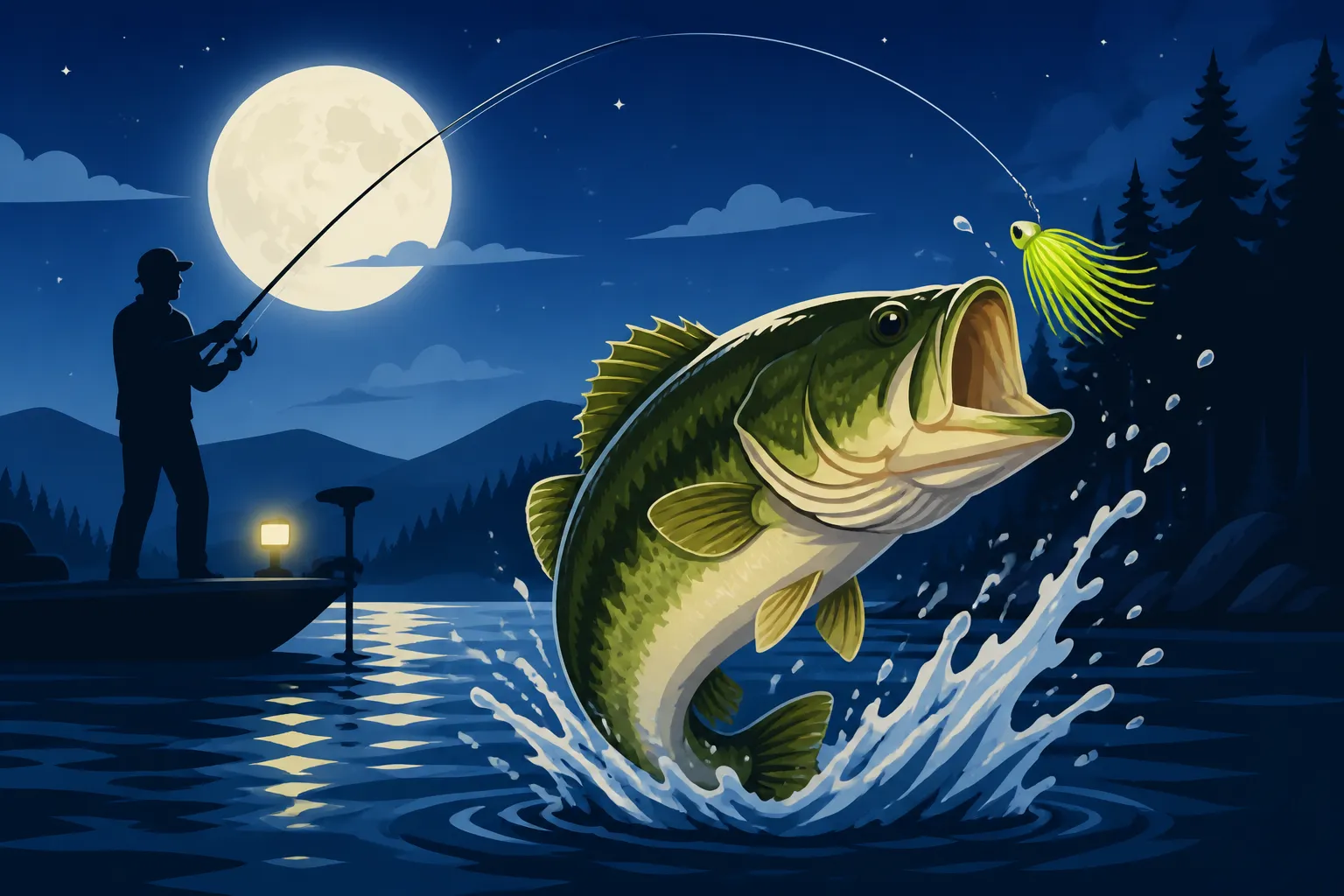
The scorching summer sun can make daytime bass fishing in New Hampshire lakes a real challenge, often pushing these fish into deeper, cooler waters or dense cover. But when twilight deepens into night, a whole new world of opportunity opens up. Bass, especially larger ones, often become more active and less wary under the cloak of darkness, moving into shallower feeding zones. This guide will reveal the secrets to successfully catching bass at night on New Hampshire lakes, helping you transform those tough daytime trips into thrilling after-dark adventures.
Why Night Fishing for Bass in New Hampshire is a Game Changer
Fishing at night might seem a bit daunting at first, a venture into the unknown. However, for serious bass anglers in New Hampshire, it's often the secret sauce for consistent success, especially during the warmer months when daytime fishing can be notoriously slow. There are several compelling reasons why strapping on a headlamp and heading out after dark can be incredibly productive and surprisingly peaceful.
Escaping the Heat and Pressure
One of the most immediate benefits of night fishing is escaping the oppressive heat and the bustling crowds that define many of New Hampshire's popular lakes during the day. Imagine a calm evening on Lake Winnipesaukee or Squam Lake, where the boat traffic has died down, the jet skis are put away, and the only sounds are the gentle lapping of water against your hull and the chirping of crickets. This tranquility alone makes the experience worthwhile.
The intense summer sun drives bass deep, forcing them into thermal refuges or under thick canopy where they're harder to reach. At night, the surface water cools, making shallower flats, points, and coves much more inviting for feeding bass. This shift in temperature often brings the fish out of their daytime haunts and into more accessible areas, creating prime fishing conditions without the competition of other anglers casting in the same spots. It's a true sense of having the water to yourself, and the bass often respond positively to this reduced pressure.
Bass Behavior Under the Cover of Darkness
Bass are opportunistic predators, and their feeding patterns often shift dramatically once the sun dips below the horizon. Many species, including both largemouth and smallmouth bass, rely on their keen senses of smell, lateral line, and low-light vision to hunt in the dark. The low light offers them an advantage over their prey, which might be less accustomed to navigating or detecting danger in the gloom.
During the day, bass are often wary of shadows, boat noises, and heavy fishing pressure. At night, this wariness tends to diminish. They become bolder, more willing to chase baits and strike aggressively. You'll often find that larger, more reclusive bass, which are rarely seen during the day, become active nocturnal hunters. This behavioral change means that not only are bass often more willing to bite, but you also stand a better chance of landing a true trophy. If you've ever wondered how to catch largemouth bass in New Hampshire or how to catch smallmouth bass in New Hampshire lakes when they're particularly finicky, nighttime is often the answer.
The Thrill of the Unknown
There's an undeniable allure to fishing in the dark. Every cast is an act of faith, every retrieve a heightened sensory experience. The subtle tap of a bite feels more pronounced, the sudden splash of a topwater strike more explosive. Without the visual cues of daylight, your other senses sharpen. You listen more intently, feel every twitch of the line, and rely on memory and instinct to guide your casts.
This heightened sensory engagement makes each hook-up exhilarating. Fighting a powerful bass in the dark, with only the beam of your headlamp to illuminate the thrashing water, is an experience unlike any other. It’s a challenge that tests your skills and patience, and the rewards—both in terms of fish caught and memorable experiences—are often far greater than those garnered during a typical daytime outing. It’s a chance to truly connect with the environment and the fish on a different level.
Essential Gear and Tackle for New Hampshire Night Bass
Embarking on a night fishing expedition requires more than just your standard daytime setup. The low-light conditions demand specific adjustments to your gear and a heightened focus on safety. Investing in the right tools will not only increase your chances of success but also ensure a secure and enjoyable experience on New Hampshire's dark waters.
Lighting the Way Safely
Your primary concern when fishing at night must be visibility and safety, both for yourself and for navigation. A reliable headlamp is absolutely crucial. Look for a model with a red light option, as red light preserves your night vision much better than white light and is less likely to spook fish. A powerful white beam is still necessary for tying knots, unhooking fish, and navigating once you're moving, but use it sparingly. Many excellent headlamps with red light features can be found on Amazon, offering a range of brightness and battery life.
Beyond personal lighting, if you're in a boat, make sure your navigational lights are in perfect working order. This is not just a recommendation; it’s a legal requirement under New Hampshire boating laws for anglers. Consider adding a portable spotlight or a powerful handheld flashlight for scanning the water for hazards or locating landmarks. Even if you’re fishing from shore or a kayak, a bright lantern or a secondary light source can be invaluable for setting up your station and providing ambient light without having to constantly wear a headlamp.
Rods, Reels, and Line Choices
When it comes to your rod and reel, versatility is key, but with a slight leaning towards sensitivity and power. Medium-heavy to heavy power rods (7-7.6 feet) are excellent choices, offering the backbone needed to pull bass out of cover and make long casts. A fast action tip will help detect subtle bites that are harder to see in the dark. For reels, a good quality baitcasting reel (around 7.1:1 gear ratio) or a sturdy spinning reel (3000-4000 series) will serve you well. You might want to explore options listed in guides like Best Fishing Rods for New Hampshire Lakes or Best Tackle for New Hampshire Smallmouth Bass to match your specific target species.
Line choice is critical. Many anglers opt for braided line due to its superior sensitivity and strength, which helps in detecting those ghost-like night bites. A 30-50 lb braid tied to a 15-20 lb fluorocarbon leader is a popular and effective setup. Fluorocarbon is nearly invisible underwater and has excellent abrasion resistance, which is perfect for fishing around docks, rock piles, or submerged timber. Some anglers prefer a high-visibility monofilament for topwater lures, as it floats and is easier to track with a red light, but its stretch can hinder bite detection for other presentations.
Lures Designed for the Dark
The darkness forces bass to rely more on sound, vibration, and scent than sight, so your lure selection should reflect this. Topwater lures are phenomenal at night. Think large, noisy poppers, prop baits, or walking baits that displace a lot of water. Their distinctive plopping or walking sounds are irresistible to bass actively feeding on the surface. Dark colors like black or blue can be surprisingly effective at night, as they create a strong silhouette against the moonlit sky from below.
Spinnerbaits with large thumping blades (Colorado or Indiana blades) are another excellent choice, providing plenty of vibration and flash even in low light. Jig-and-pig combinations, especially those with rattles, are fantastic for working submerged structure or flipping into dock lights. Worms and soft plastics, particularly those infused with scent, can also be highly effective when fished slowly along the bottom. Consider stocking up on a variety of these lures, many of which are readily available on Amazon.
| Lure Type | Best Application | Key Features for Night Fishing |
|---|---|---|
| Topwater (Poppers, Walkers) | Open water, shallow flats, around cover | Loud "plopping" or "walking" action, dark colors |
| Spinnerbaits | Around weeds, submerged timber, open water | Large Colorado/Indiana blades for vibration, dark skirts |
| Jigs (Skirted, Jig & Pig) | Flipping/pitching, bottom bouncing, structure | Rattles, bulky profile, scent-infused trailers |
| Worms/Soft Plastics | Slow-finesse presentations, deep structure | Scent-infused, ribbed for vibration, dark colors |
| Buzzbaits | Shallow water, sparse cover, aggressive fish | Loud surface commotion, single large blade, dark skirts |
Boating and Safety Equipment for Night Fishing
Even if you're a seasoned angler, night fishing introduces unique challenges, especially when operating a boat. Beyond the legal requirements for navigation lights, a well-stocked safety kit is non-negotiable. This should include a first-aid kit, extra batteries for all your lights, an air horn or whistle, flares or other signaling devices, and a fully charged cell phone. Always make sure you have enough life jackets for everyone on board; you can review the Life Jacket Requirements for New Hampshire Boaters for specifics.
Consider having a GPS unit or a reliable map/chart of the lake with you, particularly if you’re exploring unfamiliar waters. Knowing your way around in the dark is vital, as familiar landmarks disappear. Furthermore, a sturdy anchor system is crucial for holding your position while fishing a productive spot or if you encounter any unexpected issues. A good quality marine radio can also be a lifesaver for communication in an emergency.
Strategies and Techniques for Success After Sundown
Catching bass at night requires a different mindset and approach compared to daytime fishing. You'll be relying less on visual cues and more on feel, sound, and a precise understanding of bass behavior in the dark. Mastering these strategies will significantly boost your success rate.
Targeting Prime Nighttime Locations
Just like during the day, bass seek out specific areas at night, but their preferences can shift. Instead of seeking deep cover for shade, they're often looking for ambush points and feeding grounds closer to the surface. Prime locations include shallow main lake points, rocky shorelines, weed lines, and areas with submerged timber or brush piles. These spots become active feeding zones under the cover of darkness.
Perhaps the most productive nighttime spots are those illuminated by artificial lights. Docks with lights, streetlights near bridges, or even campground lights shining on the water create halos of light that attract baitfish, which in turn attract bass. These "light lines" are fantastic ambush points for bass, allowing them to hide in the darkness just outside the illuminated zone and dart into the light to strike unsuspecting prey. Don't be afraid to cast into the darkness around the light, as that's often where the biggest bass are waiting. Understanding how to read structure for smallmouth on Winnipesaukee during the day can also help you identify night hot spots.
Slow and Steady Presentation
One of the most common mistakes night anglers make is retrieving their lures too quickly. In the dark, bass have less visibility and need more time to locate and track their prey. A slow, deliberate retrieve allows the bass to home in on the lure's vibrations and scent. Whether you're working a topwater bait, a spinnerbait, or a jig, resist the urge to crank it in fast.
For topwater lures, let them sit for several seconds after casting, then give them a twitch or two, followed by another pause. This mimics a struggling baitfish. For spinnerbaits, retrieve them just fast enough to keep the blades spinning, letting them bump off submerged structures. Jigs and soft plastics should be crawled or hopped along the bottom with long pauses. This "slow and steady wins the race" approach is paramount to enticing wary nocturnal bass into striking. This patience will often be rewarded with a more aggressive, confident bite.
Understanding Sound and Vibration
Since sight is diminished, sound and vibration become critical attractors at night. Your lure selection should capitalize on this, but so should your presentation. Think about how the lure moves water, how rattles resonate, and how these signals travel through the water to a bass's lateral line. Lures that create a strong sonic presence, whether through internal rattles, external blades, or significant water displacement, are often the most effective.
Experiment with different retrieves to find what triggers a strike. Sometimes a continuous, steady retrieve of a spinnerbait is best, while other times an erratic stop-and-go presentation of a topwater bait is more enticing. Pay close attention to how the bass are reacting, and don't be afraid to change up your lure or retrieve if you're not getting bites. The goal is to create a compelling disturbance that bass can't ignore, leading them to strike out of instinct or aggression.
Best Times and Conditions for Night Bass
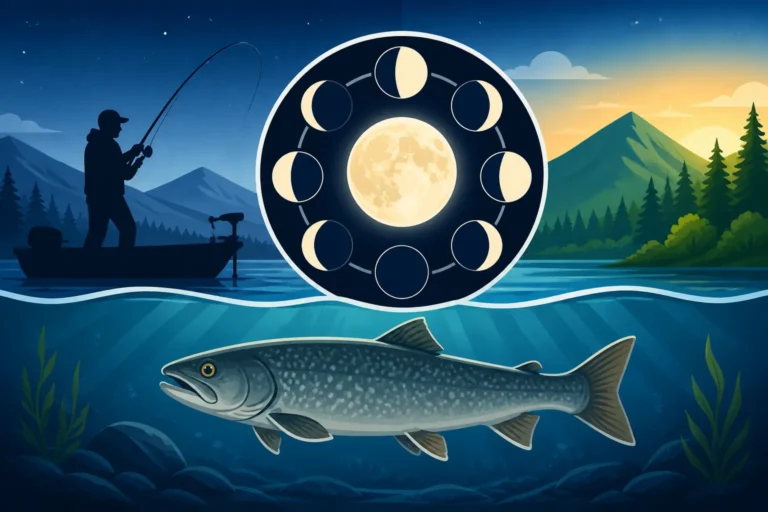
While you can technically fish at night anytime, certain conditions are more conducive to success. A dark night, particularly a new moon phase, is often ideal. The darker it is, the more comfortable bass feel moving into shallow water. Overcast nights also tend to be better than clear, moonlit nights, as bright moonlight can make bass more cautious. However, don't dismiss a full moon entirely; sometimes, bass will feed aggressively under a bright moon, so it’s worth trying.
Calm, stable weather is generally preferable. Wind can make casting difficult, boat control challenging, and it can also mask subtle bites. After a hot, sunny day, the first few hours after sunset, and then again just before dawn, are often the most productive feeding windows. As the water cools and baitfish become active, bass will follow suit. You might also want to consult a New Hampshire Fishing Seasons by Month guide to get a sense of general bass activity throughout the year. Remember, fishing in the dead of night requires a certain dedication, but the rewards can be truly spectacular.
Staying Safe and Prepared on New Hampshire's Night Waters
Night fishing in New Hampshire offers incredible rewards, but it also carries inherent risks that demand careful planning and strict adherence to safety protocols. The beauty of a dark lake can quickly turn dangerous if you're not adequately prepared.
Navigational Awareness
Navigating unfamiliar waters in the dark is incredibly challenging, even for experienced boaters. All those familiar daytime landmarks disappear, and buoys or channel markers can be difficult to spot. Before you even launch, spend time during daylight hours familiarizing yourself with the area you plan to fish. Note any hazards like rock piles, shoals, or submerged timber. If possible, mark these spots on a GPS unit.
When you're out on the water, always proceed with extreme caution and at a reduced speed. Use your navigational lights religiously, and be mindful that other boats might not be as well-lit or observant. Many fishing kayaks for New Hampshire fishing will also have specific light requirements. A good map or a fish finder with GPS capabilities, which can often be found on Amazon, will be your best friend, helping you stay on course and avoid dangerous areas. Always keep a close eye on your surroundings, listen for unfamiliar sounds, and be ready to react quickly.
Weather and Emergency Preparedness
New Hampshire weather can change rapidly, even at night. A clear, calm evening can quickly turn into a windy, stormy affair. Always check the weather forecast thoroughly before heading out, and be prepared for sudden shifts. Have appropriate rain gear, extra layers of clothing, and a way to protect yourself from the elements.
Your emergency kit should be comprehensive. Beyond the basics, consider adding a marine-band radio, a fully charged power bank for your cell phone, and extra rope. Make sure someone on shore knows your float plan: where you're going, when you expect to return, and who is with you. In case of an emergency, having a clear plan and the right equipment can make all the difference. Remember, the nearest help can be a long way off in the middle of a dark lake. You can review the New Hampshire required boat safety equipment checklist for more specific items.
Respecting Fellow Anglers and Wildlife
While night fishing often means fewer people on the water, it's still crucial to be respectful of others. Keep your lights pointed down and away from other boats or shorelines unless absolutely necessary. Blinding another angler with a bright spotlight is not only annoying but can also be dangerous if they're navigating. Minimize unnecessary noise; sound travels far across calm water at night.
Be mindful of the wildlife around you. Many nocturnal creatures are active after dark, and disturbing them can be detrimental. Keep a safe distance from shorelines where animals might be resting or feeding. By practicing responsible night fishing, you contribute to a positive experience for everyone and help preserve the tranquility of New Hampshire's natural environment.
Disclaimer
This article is for general informational purposes only and does not constitute professional advice. Laws, prices and regulations vary by location and change over time. Consult a qualified professional for guidance on your specific situation.