Best technique for fan casting a new lake
There's a unique mix of excitement and apprehension that washes over every angler when they pull up to a new lake or pond here in New Hampshire. You've got that thrill of the unknown, but also the daunting question: "Where do I even start?" This guide is all about giving you the best technique for approaching these fresh waters, ensuring you spend less time guessing and more time discovering where those fish are hiding.
Understanding Fan Casting and Why It's Your Best Friend on New Waters
That feeling of arriving at an unfamiliar body of water can be overwhelming. You see all this open water, maybe some visible cover, but where are the fish truly holding? Fan casting isn't just a casting technique; it's a systematic approach to quickly dissecting a new area and maximizing your chances of finding active fish. It’s about creating an efficient search pattern that covers water methodically, rather than just throwing lures blindly.
What Exactly is Fan Casting?
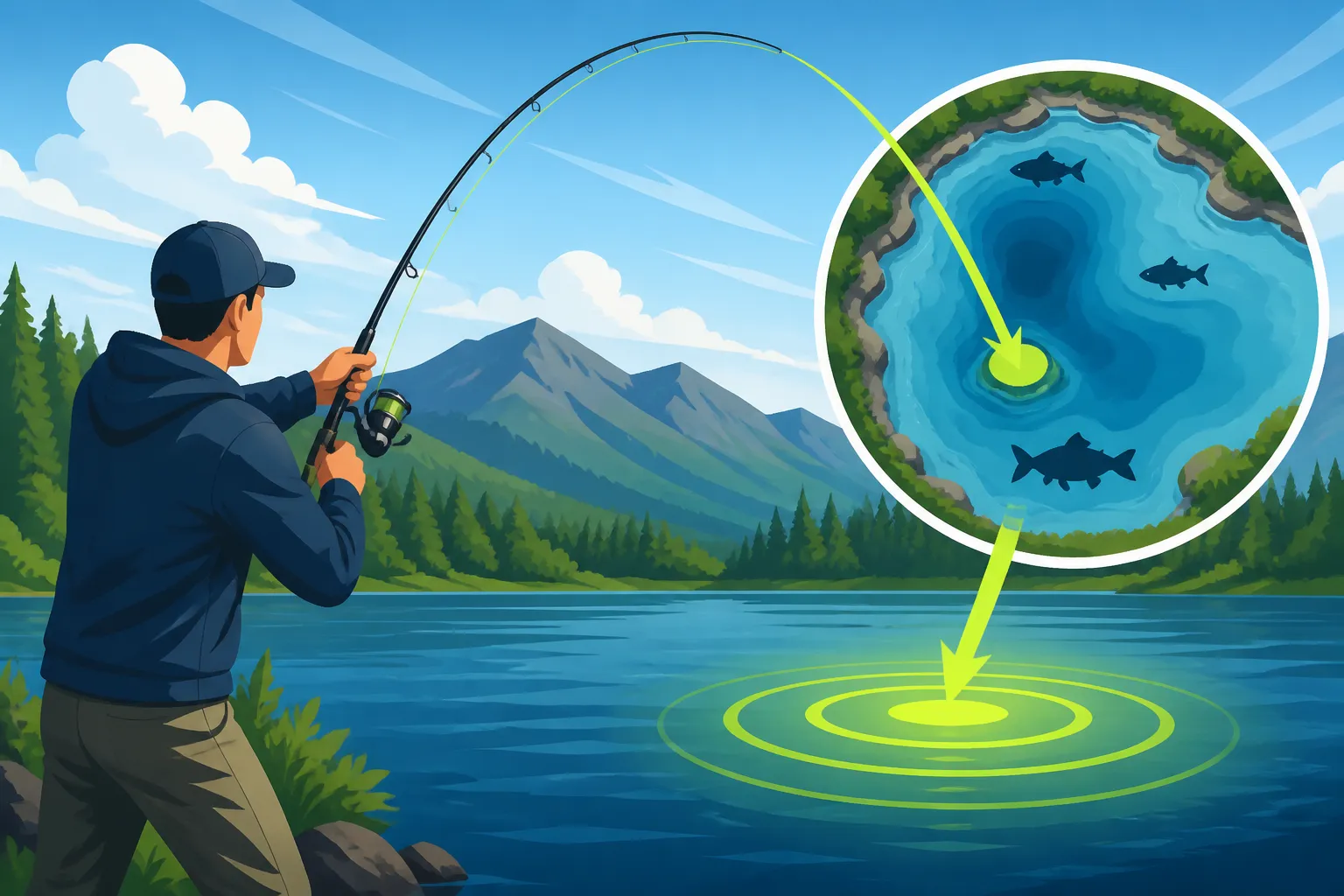
Imagine you're standing on a dock or the shore of a beautiful New Hampshire lake like Squam Lake. Instead of casting straight out repeatedly, or only at that one downed tree you can see, fan casting involves making a series of casts that cover an arc in front of you, much like the spread of a fan. You start with a cast to your far left, then shift your aiming point slightly to the right for the next cast, and continue this progressive movement until you've covered an arc all the way to your far right.
Each cast in this "fan" should cover a slightly different piece of water, allowing your lure to pass through previously unfished areas. It’s a methodical sweep that ensures you’re not overlooking potential holding spots. This technique is especially useful when you don't have a lot of specific intelligence about the lake, helping you gather crucial information about depth, bottom structure, and fish activity patterns.
The Psychology of a New Lake
That blank slate feeling when you arrive at a new fishing spot can be paralyzing. You might be tempted to just chuck your favorite lure as far as it can go, hoping for a miracle. Or perhaps you'll spend valuable time just looking at the water, trying to spot something obvious, and miss out on actually fishing. This common frustration is exactly where fan casting steps in. It gives you an immediate, actionable plan, transforming that overwhelming expanse into manageable sections.
By having a systematic approach, you reduce the mental fatigue and increase your confidence. Instead of feeling lost, you're actively exploring, gathering data with every cast and retrieve. This proactive mindset often leads to more bites, even if they're just exploratory taps or small fish, which still provide valuable clues about the overall health and population of the lake. It's about turning uncertainty into a productive search mission.
Why Not Just Go Straight for the "Obvious" Spots?
It's natural to gravitate towards what looks like prime fish habitat: that visible stump field, the prominent point, or the dock with submerged pilings. And sometimes, these spots do hold fish. However, relying solely on the obvious can be a trap, especially on new waters. Often, the most obvious cover has already been hammered by other anglers, or the fish might be holding in less apparent, subtle locations that aren't visible from the surface.
Think about a cove on Newfound Lake. You might see a visible weed line, but fish could be holding just outside it, on a subtle break in depth that you can only find by casting. If you only target the visible weeds, you’re missing 90% of the water. Fan casting forces you to explore the entire area, revealing those hidden gems and less-pressured spots that might be far more productive. It’s about not putting all your eggs in one basket, but rather sampling the whole cake.
The Step-by-Step Guide to Effective Fan Casting
Mastering fan casting is more than just throwing your lure in different directions; it's about a structured, deliberate approach that maximizes your search efficiency. It involves breaking down your immediate fishing area into manageable segments and systematically working through each one. This ensures you cover as much water as possible, increasing your chances of finding active fish and uncovering productive patterns.
Dividing Your Water and Mental Grids
Before you even make your first cast, take a moment to assess your position and the water directly in front of you. Mentally divide the area you can effectively reach into a pie-shaped grid. If you're standing on shore, this might be a 90-degree arc from your far left to your far right. From a boat, you might choose a 180-degree or even a 360-degree arc if you're anchored or drifting slowly.
Start by picking a reference point for your first cast on one side of your chosen arc – let's say the far left. Make a long, accurate cast to that spot. On your next cast, aim just a few degrees to the right of your previous cast, overlapping the coverage slightly. Continue this systematic movement across the entire arc. The key is to be consistent, covering all the water thoroughly without leaving gaps. It’s like painting a wall; you want even strokes to avoid missing any spots. When you're fishing a new spot on the Connecticut River, this mental grid can help you systematically explore eddies, current seams, and submerged structures.
Selecting Your Lures for the Initial Sweep
Choosing the right lure for your initial fan casting sweep is critical. You want something versatile, that casts well, covers water quickly, and can elicit strikes from a variety of species and moods. This isn't the time for highly specialized, slow-fished baits. Instead, opt for "search baits" that provide a good balance of action, vibration, and depth coverage.
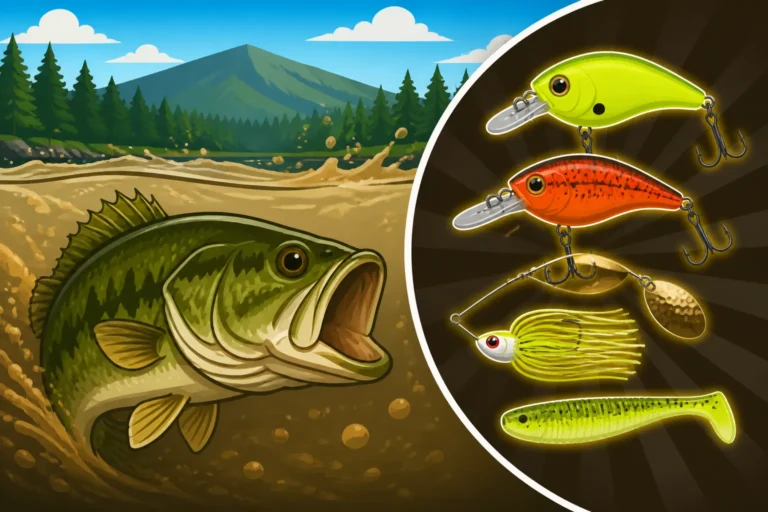
Consider lures like spinnerbaits, chatterbaits, lipless crankbaits, or even a good old jig with a plastic trailer. These options allow you to retrieve at varying speeds, probe different depths by adjusting your retrieve cadence, and cover a lot of ground. If you're targeting smallmouth bass in one of New Hampshire's crystal-clear lakes, a natural-colored crankbait can be an excellent choice. Many anglers find a wide array of these versatile lures on Amazon, making it easy to stock up before a trip. The goal is to get a reaction, any reaction, that tells you something about the fish’s presence and mood.
The Cast, Retrieve, and Repeat
The actual mechanics of fan casting are straightforward but require attention to detail. Make your first cast to the leftmost point of your mental grid. As your lure lands, note the splash, the depth it sinks to, and immediately begin your retrieve. Pay close attention to how the lure feels: does it hit bottom? Snag on weeds? Are there any subtle bumps or ticks? This feedback is gold.
Once your lure is back, take one or two steps to your right along the shore, or if in a boat, allow for a slight drift or make a minor adjustment. Then, make your next cast a few degrees to the right of the previous one. Repeat this process, moving slowly but steadily across your chosen arc. Maintain a consistent retrieve speed and action for the first few casts until you either get a strike or encounter some interesting structure. This systematic approach ensures you efficiently probe the water column. Best Lures for Lake Trout Trolling or Best Baits for Smallmouth Bass on Winnipesaukee can give you ideas for specific lake species, even if you're just starting with a generic search bait.
Maximizing Your Fan Casting Success in New Hampshire Waters
Fan casting isn't just about throwing a lure; it's about active observation and dynamic adjustment. The beautiful and varied waters of New Hampshire, from the deep glacial lakes to the meandering rivers, demand an angler who can read the subtle cues the water provides and adapt their approach on the fly. This refinement of your technique will transform simple casting into a powerful fish-finding strategy.
Reading the Water for Clues
As you fan cast, your eyes and your rod tip should be constantly gathering information. What do you see on the surface? Are there any ripples that suggest baitfish? Are there insect hatches occurring, which could indicate trout activity in streams like the Swift River? Below the surface, your lure itself is a sensor. When your crankbait bumps a rock, or your spinnerbait fouls on a weed, that's information. It tells you about the bottom composition and the presence of cover.
Even a subtle change in the retrieve feel, like your lure suddenly moving more freely or getting snagged, can indicate a transition in depth or structure. A sudden drop-off, a patch of gravel, or a submerged timber pile can all be identified through the feel of your lure. Pay attention to bird activity too; diving birds often indicate schools of baitfish, which in turn attract predatory fish. All these small observations build a mental map of the unseen underwater world.
Adapting to Different Depths and Cover
The beauty of fan casting is its adaptability. Let's say you're fan casting a bay on Lake Winnipesaukee. Your first few casts might be relatively shallow, but as you move through your arc, you might hit a deeper channel or a submerged point. This is where you adjust. If your initial search lure isn't getting deep enough, switch to a heavier jig or a deeper-diving crankbait. If you're constantly snagging in dense weeds, try a weedless soft plastic or a topwater lure over the slop.
The idea is to match your lure and retrieve to the conditions you encounter. If you detect a sudden change in depth, slow down your retrieve in that area, or make a few extra casts specifically probing that depth contour. Similarly, if you find a patch of submerged rocks, work your lure carefully over them, perhaps even bumping off them to trigger a reaction strike. You'll find many specialized lures on Amazon that can help you adapt to these diverse conditions. How to Catch Lake Trout in New Hampshire or How to Catch Smallmouth Bass in New Hampshire Lakes guides can provide more specific lure insights for these species in different depths.
When to Transition from Fan Casting to Targeted Fishing
Fan casting is a search pattern, a way to eliminate unproductive water and identify high-potential areas. It's not meant to be your only fishing technique for the entire day. The moment you get a strike, a follow, or even identify a significant piece of structure (like a large rock pile or a sudden depth change), that’s your cue to stop fan casting in that immediate area and transition to targeted fishing.
For example, if you get a solid hit on your crankbait halfway through a retrieve, immediately make several more casts to that exact spot, perhaps from different angles. Switch to a more precise lure – maybe a jig, a Texas-rigged worm, or a drop shot – that can thoroughly work that specific piece of cover or depth contour where you detected fish. This concentrated effort is where you convert those initial clues into consistent catches. It's about letting the fish tell you where they are, and then focusing your efforts accordingly. Best Techniques for New Hampshire Bass Season Opener or Best Techniques for Early Spring Trout can provide valuable insights on how to refine your approach once you've located fish.
Essential Gear for Fan Casting a New Lake
Having the right equipment can make all the difference when you're trying to cover water efficiently and effectively. Fan casting often involves a lot of repetitive action and varied retrieves, so your gear needs to be versatile, comfortable, and reliable. Investing in quality tools will not only enhance your experience but also increase your chances of success.
Rod and Reel Setup
For effective fan casting, you generally want a versatile medium to medium-heavy power spinning or baitcasting rod, typically between 6'6" and 7'6" in length. This length provides good casting distance, which is crucial for covering a wide arc, and enough leverage to fight fish in various types of cover. The medium power offers a good balance between sensitivity for detecting subtle bites and backbone for setting hooks and controlling fish.
Pair your rod with a reliable spinning reel in the 2500-3000 size range, or a baitcasting reel with a smooth retrieve and a good braking system. A fast or extra-fast action rod tip is often preferred as it provides excellent sensitivity for feeling those subtle bumps and changes in bottom composition, and also allows for quick, powerful hooksets. Many anglers start their search for a good all-around setup on Amazon, where reviews can guide their selection.
Line Choices for Exploration
When fan casting, you're constantly sending your lure into unknown territory, so your line choice is important. Many anglers opt for braided line as their main line, typically 15-30 lb test, due to its incredible strength, zero stretch, and excellent sensitivity. The lack of stretch means you feel every bump and bite, even at long distances. Its abrasion resistance is also a huge plus when casting around submerged timber or rocky bottom.
However, because braided line is highly visible, it's often best to tie on a fluorocarbon leader (6-12 lb test, 2-4 feet long) using a strong knot like an FG or Alberto knot. Fluorocarbon is nearly invisible underwater, providing a stealthy presentation, and offers some stretch, which can act as a shock absorber. For certain presentations where you need maximum invisibility and a bit more stretch, a straight fluorocarbon line can also be a good choice, especially in the clear waters you find in New Hampshire.
Must-Have Lures for a First Pass
As mentioned earlier, your initial fan casting lures should be versatile search baits. Here’s a quick rundown of some staples:
- Spinnerbaits: Excellent for covering shallow to medium depths, especially around weeds or timber. They provide a lot of flash and vibration, attracting fish from a distance.
- Lipless Crankbaits: Cast a mile, sink quickly, and create a lot of vibration. Perfect for quickly covering open water, finding fish in grass beds, or probing deeper flats.
- Jigs with Plastic Trailers: While often seen as a targeted bait, a swimming jig or a football jig with a grub or creature bait trailer can be surprisingly effective for fan casting, especially when trying to identify bottom composition and vertical structure.
- Shallow/Medium Diving Crankbaits: Good for probing depths from 3-10 feet, bumping off cover, and eliciting reaction strikes.
Choosing 2-3 of these types, in natural and bright colors, will give you a solid starting arsenal. Remember, you’re looking for a reaction, not necessarily a commitment, so something that displaces water and gets attention is key.
| Lure Type | Ideal Depth Range | Best for Conditions | Key Action/Feature |
|---|---|---|---|
| Spinnerbait | 2-10 feet | Weeds, sparse cover, overcast days, stained water | Flash, vibration, weedless retrieve |
| Lipless Crankbait | 3-15+ feet | Open water, grass flats, windy conditions, clear to stained | Rattling sound, fast retrieve, mimics baitfish |
| Jig w/ Trailer | 5-20+ feet | Varied bottom, rocks, timber, structure | Bottom contact, subtle action, versatile |
| Shallow/Med Crank | 3-10 feet | Banks, points, rock piles, searching | Erratic wobble, deflections off cover |
| Swim Jig | 2-10 feet | Weeds, open water, mimic baitfish | Gliding action, paddle tail kick |
Fan casting is a fundamental skill that empowers you to explore new fishing grounds with confidence and purpose. The next time you find yourself staring at an unknown stretch of water in New Hampshire, remember these techniques. Approach it systematically, pay attention to the feedback your lure gives you, and be ready to adapt. You'll be amazed at what you can discover and how quickly you can unlock the secrets of a new lake.
Disclaimer
This article is for general informational purposes only and does not constitute professional advice. Laws, prices and regulations vary by location and change over time. Consult a qualified professional for guidance on your specific situation.