Best Techniques for High Water Spring Conditions
Spring in New Hampshire brings a renewed energy to our waters, but it also often means dealing with elevated water levels and powerful currents from snowmelt and heavy rains. It's a common frustration when your favorite fishing hole is a raging torrent or your clear lake turns into a murky mess, making it seem like the fish have vanished. Many anglers pack up, thinking the conditions are unfishable, but with the right approach, high water can actually present some incredible opportunities. This guide will walk you through the essential techniques to confidently and successfully fish during these challenging yet rewarding high water spring conditions.
The Dynamics of High Water Spring Conditions
Understanding why the water is high and how it affects the environment is the first step to figuring out where the fish are and what they're doing. It’s not just more water; it’s a whole new ballgame, and the fish react accordingly.
The Influx from Snowmelt and Spring Rains
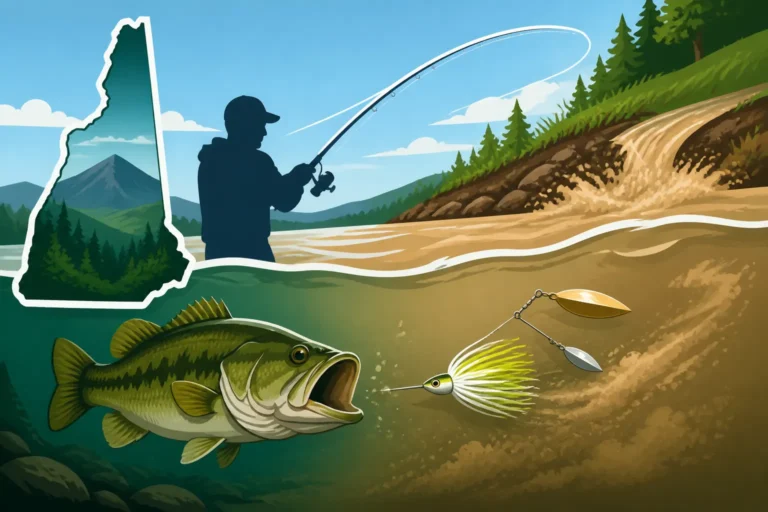
When the winter snowpack melts rapidly, coupled with our notorious New Hampshire spring rains, rivers swell dramatically and lake levels rise. This isn't just a minor inconvenience; it's a massive hydrological event that transforms aquatic habitats. The sheer volume of water increases current speeds in rivers and can create new, temporary currents and flows in lakes. This surge brings down tons of sediment, silt, and debris from the banks and tributaries, leading to increased turbidity – essentially, muddy water.
This influx also changes the water temperature. Early spring snowmelt is often icy cold, which can drop overall water temperatures and make fish sluggish. However, spring rains can sometimes be warmer, introducing a mixed bag of temperature changes depending on the source. Fish, being cold-blooded, are highly sensitive to these temperature fluctuations, which directly impact their metabolism, activity levels, and where they choose to hold. Knowing how to read these temperature shifts, even subtle ones, can give you a significant advantage. It's not uncommon to find a thermocline, a distinct temperature layer, even in river systems during these times.
Understanding Turbidity and Temperature Swings
Turbidity, or murkiness, is perhaps the most obvious challenge of high water. When the water looks like chocolate milk, fish can’t see your bait, and you can’t see them. This reduced visibility forces fish to rely more on their other senses – their lateral line to detect vibrations, and their sense of smell to track down food. What might be an effective presentation in clear water will likely be completely ignored in murky conditions.
Beyond visibility, the rapid temperature swings play a crucial role. Fish will actively seek out water that is comfortable and provides them with an energetic advantage. Cold water slows down their metabolism, making them less active and less willing to chase food. Warmer pockets of water, even if only a few degrees different, can act as magnets, concentrating fish. These warmer zones are often found in shallower areas, near dark bottom structures that absorb sunlight, or at the mouths of smaller, warmer tributaries. During these tumultuous periods, species like trout and salmon might hunker down in deeper, more stable pockets, while bass might seek out newly flooded, warmer shallows. For more on how fish react to different conditions, check out our guide on Best Time of Year to Fish in New Hampshire.
Strategizing Fish Location in Swollen Waters
Forget everything you know about where fish "normally" are. High water completely rearranges the playing field. The key to success is understanding why fish move during these conditions and then actively seeking out those specific types of water.
Seeking Refuge in Slack Water and Eddies
When currents rage, fish aren't going to fight it constantly; it's simply too energy-intensive. Instead, they’ll actively seek out areas of reduced current, often called "slack water" or "eddies." These are pockets of calm water where the main current is blocked or diverted, creating a swirling, slower flow. Think of them as aquatic rest stops and ambush points.
You’ll find slack water behind large boulders, submerged logs, fallen trees, bridge pilings, or even along the inside bends of a river. Eddies often form downstream of obstructions or where a side channel meets the main flow. These spots offer fish a place to get out of the main current, conserve energy, and wait for food to be washed past them. When you're fishing these spots, you want to present your bait or lure in a way that allows it to drift naturally into or through the slack water, mimicking a stunned or disoriented food source. A common mistake is casting directly into the fast current; instead, aim upstream of the slack water and let the current carry your offering into the desired zone.
Targeting Current Breaks and Submerged Structure
Beyond complete slack water, fish will also hold in "current breaks." These are areas where the flow is significantly reduced, but not entirely still, due to some sort of obstruction. A subtle seam where fast water meets slower water, the downstream side of a small rock, or the edge of a submerged weed bed all create current breaks. These are prime ambush points where fish can dart out to grab passing food without expending too much energy.
Submerged structure becomes even more critical in high water. What might have been a visible log jam in normal flows could now be completely submerged, offering fantastic cover and a current break. Pay close attention to any visible signs of structure – a slight ripple on the surface, a change in water color, or even debris accumulating in a certain spot – as these can indicate hidden havens below. These submerged features offer not only protection from the current but also a sense of security from predators, making them ideal holding areas for species from trout to bass. Our article on How to Fish a River for Smallmouth Bass delves deeper into understanding river structure, which is highly applicable here.
Exploiting Newly Formed Feeding Lanes
High water isn’t just about challenges; it creates new opportunities. The increased flow scours the banks, dislodging insects, worms, and other small organisms, washing them downstream. It also inundates previously dry areas, flooding grassy banks, bushes, and even small trees. This creates new "feeding lanes" where dislodged food items are concentrated, and new cover for baitfish and insect larvae is formed.
Look for areas where feeder creeks or culverts dump into the main body of water, as these can bring a rich supply of new food. Also, observe areas with flooded terrestrial vegetation. Bass and other predatory fish will often move into these newly submerged areas to hunt for worms, insects, and small rodents that have been flushed out. These shallow, flooded zones can also warm up faster in the spring sun, further attracting fish. Identifying these temporary yet rich feeding lanes can lead to incredible fishing, especially when other spots seem unproductive. Consider how these new food sources might affect what you’re throwing.
Adjusting Your Gear for the Challenge
Fishing high water requires a different mindset when it comes to tackle. Your standard clear-water, light-line setup might just not cut it against powerful currents and potentially larger, stronger fish that are more active.
Heavier Lines and Robust Rods
One of the most immediate changes you'll need to make is to your line and rod selection. The increased current puts immense pressure on your line, and if you're fishing lighter tackle, you'll constantly be battling the river rather than the fish. This is where heavier lines, typically 8-12 lb test fluorocarbon or monofilament for trout and bass, or even heavier for salmon and larger river species, become essential. Fluorocarbon is often preferred due to its lower visibility underwater and its abrasion resistance, which is crucial when fishing around debris-laden currents. You can find excellent options for fluorocarbon leaders on platforms like Amazon. For insights into selecting lines, our guide on Best Fluorocarbon Line for Clear Lake Water provides a good foundation, even though the water isn't clear in this context, the abrasion resistance is key.
Matching your line to a robust rod is equally important. You’ll want a medium-heavy or heavy power rod with a fast action. This provides the backbone needed to cast heavier lures, set hooks against strong currents, and effectively fight larger fish without feeling under-gunned. A longer rod, perhaps 7 to 8 feet, can also give you better line control for mending (keeping your line out of the main current) and guiding your presentation through tricky flows. For instance, when fishing for river smallmouth, a longer rod offers better control. See our suggestions for Best Spinning Rods for Smallmouth Bass for some ideas.
The Importance of Weight, Floats, and Leaders
Getting your bait or lure down to the fish in fast, deep water is often the biggest challenge. This means you'll need to increase the amount of weight you're using. Split shots, pencil weights, or bell sinkers are all good options. Experiment to find the minimum amount of weight needed to get your offering to the desired depth without snagging too often. Too little weight, and your bait will just tumble on the surface; too much, and it will constantly get hung up. The goal is a controlled drift that stays in the strike zone.
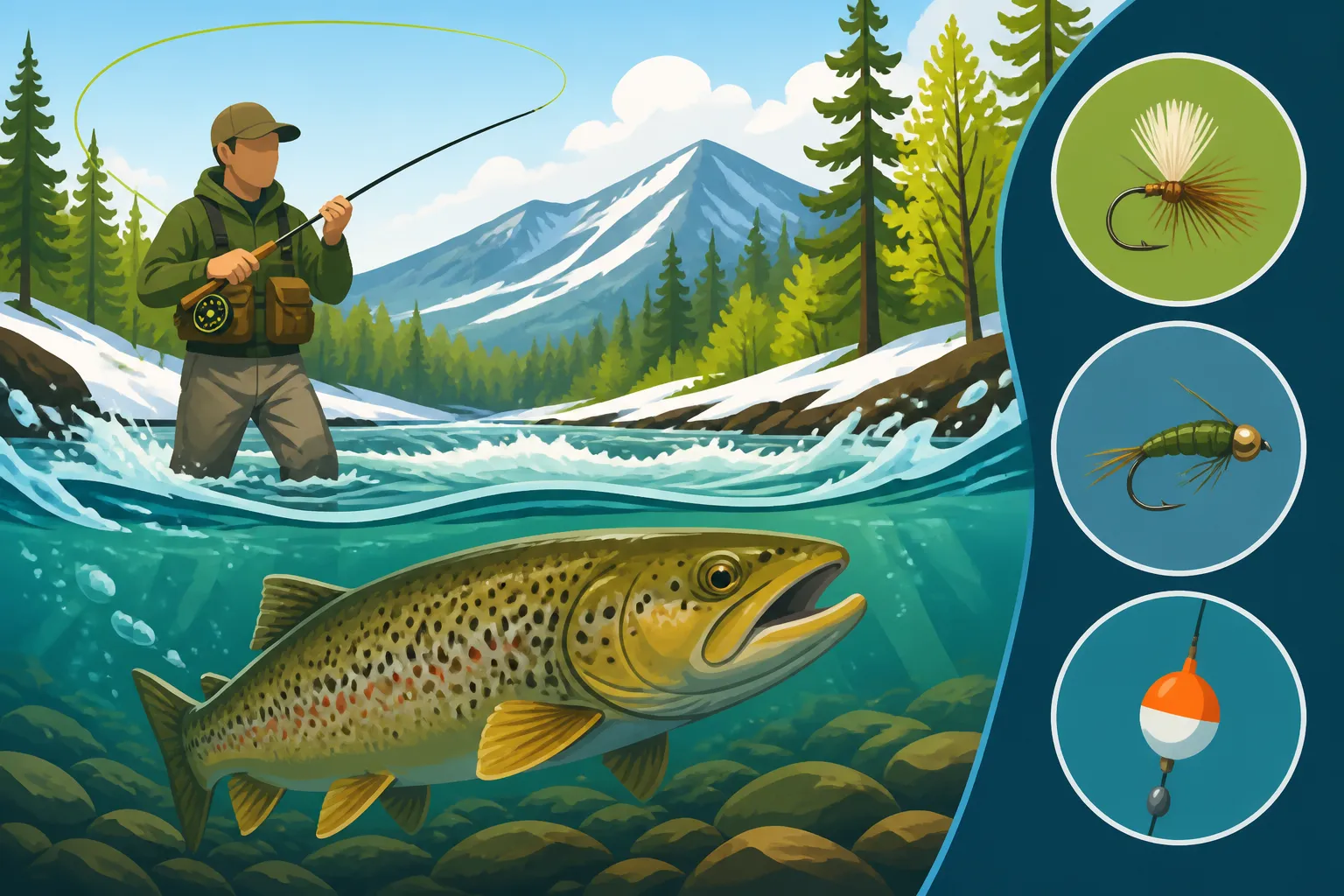
When using floats (bobbers) in high water, opt for larger, more visible floats that can handle the current and support heavier weights. Thill and Drennan offer some excellent designs that are more stable in turbulent water. Again, Amazon is a great place to browse these specialized floats. A properly weighted float will stand upright, indicating subtle bites even in choppy conditions.
Leaders are also crucial. While fluorocarbon is great, in extremely murky water, mono leaders can be perfectly fine and offer a bit more stretch. Always check your leader for nicks and abrasions, especially after snagging, as the rough debris in high water can quickly weaken your line. Using a heavier leader than your main line (within reason) can also prevent break-offs at the knot.
Essential Wading and Boating Considerations
Your personal gear needs a serious upgrade for high water conditions. Safety is paramount. A good pair of chest waders is non-negotiable, and they must be paired with sturdy wading boots that provide excellent ankle support and grip. Felt soles are often preferred for their traction on slippery, algae-covered rocks, but rubber soles with aggressive lug patterns are also very effective, especially if you're hiking a bit to get to your spot. Remember, the force of water is incredibly deceptive, and even a few inches of fast current can sweep you off your feet. Check out recommendations for Best Waders for New Hampshire Trout Streams to ensure you're geared up for safety.
A wading staff is an absolute must. It provides a third point of contact and allows you to test the depth and stability of the bottom before committing your full weight. Always wear a wading belt to prevent your waders from filling with water should you take a tumble.
If you’re fishing from a boat, stability and horsepower are key. Jon boats can work for shallower, less turbulent rivers, but a V-hull or larger drift boat offers more stability in stronger currents. Ensure your boat is properly registered according to New Hampshire Boating Laws for Anglers, and always have all required safety equipment, including properly fitting life jackets for everyone on board. Navigating high water in a boat means dealing with submerged hazards like logs and swift currents, so always proceed with extreme caution and never venture out if you're unsure of the conditions. Even a small kayak can become dangerous quickly in a swollen river, though certain models are designed for such challenges; see Best Kayak for River Fishing in New Hampshire for more on appropriate vessels.
Effective Bait and Lure Choices for High Flow
With reduced visibility, fish rely more on scent, vibration, and a larger profile to detect food. Your tackle box needs to reflect this reality.
Natural Baits and Their High Water Appeal
When the water is murky, natural baits often outperform artificial lures due to their inherent scent and lifelike movement. Worms, especially large nightcrawlers, are incredibly effective. They release a strong scent that fish can track, and their natural wriggling action is irresistible. Drift them under a float or on a bottom rig. Shiners, minnows, or other baitfish are also excellent choices, especially for larger predators like bass, pickerel, and salmon. Their natural scent and distress signals from struggling against the current can trigger aggressive strikes. Using a larger baitfish can also deter smaller, nuisance fish.
PowerBait or similar scented dough baits can also be surprisingly effective for stocked trout in high water, especially in pond environments where currents are less severe. The key is to rig them to drift naturally, or present them directly on the bottom where scent trails are more concentrated. Remember, in these conditions, fish are less likely to chase, so your bait needs to come to them and scream "EAT ME!" with its scent and presentation. For tips on what attracts stocked trout, our article on Best bait for opening day trout in New Hampshire can give you some useful ideas.
Lures with Vibration, Flash, and Large Profile
Artificial lures in high water need to create a disturbance to get noticed. Lures that generate strong vibrations are fantastic. Spinnerbaits and chatterbaits fall into this category, pushing a lot of water and creating a noticeable thumping vibration that fish can feel through their lateral line, even in murky conditions. The flash from spinnerbait blades or the jigging action of a chatterbait can also catch what little light penetrates the murky water.
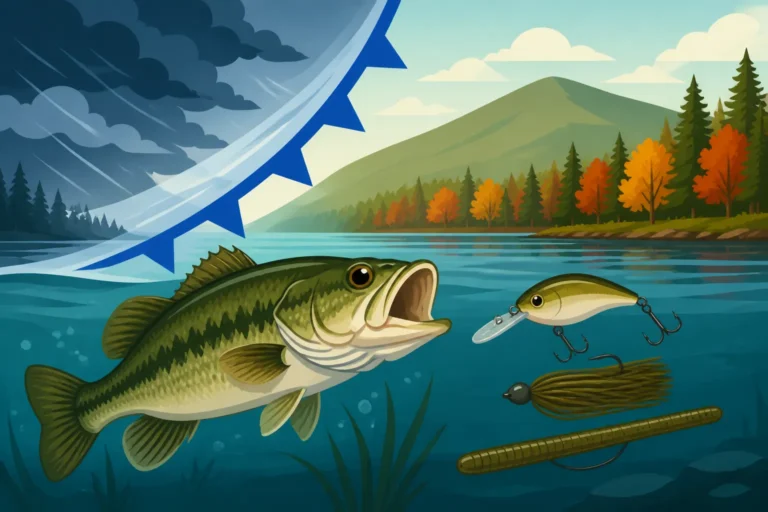
Spoons, especially those with a wide wobble like a Dardevle or a Johnson Silver Minnow, can also be highly effective. Their erratic action and flash make them visible and detectable. Crankbaits with a wide, aggressive wobble and loud rattles are another excellent choice. Deep-diving models can get down to where the fish are holding, and their commotion can call fish in from a distance. Experiment with different colors; chartreuse, orange, and firetiger are often top performers in stained water. For specific lure ideas, check out Best crankbait for stained lake water or Best lure color for muddy water bass fishing. Larger profile lures are also beneficial, as they present a more substantial target for fish to key in on visually.
Scent-Enhanced Offerings and Jig Presentations
Beyond natural baits, you can enhance your artificial offerings with scent. Applying scent gels or sprays to soft plastics, jigs, or even hard lures can make a significant difference. Brands like Pro-Cure, Berkley Gulp!, or Smelly Jelly offer a range of attractants that mimic natural prey. In high, murky water, a strong scent trail can be the deciding factor in triggering a strike. Make sure to reapply scent frequently, as it can wash off quickly in strong currents.
Jigging techniques can be very effective in high water, particularly when targeting fish holding tight to structure or in deeper pockets of slack water. Heavy jigs tipped with soft plastics or even natural bait can be vertically jigged or slowly bounced along the bottom. The key is to maintain bottom contact without getting snagged. Colors like black, blue, purple, and dark browns often work well, as they create a strong silhouette against the lighter sky or murkier water, making them easier for fish to see. Large streamer patterns, especially those with dark colors and plenty of flash, can also be deadly when swung through eddies or stripped through current breaks. A Best streamer color for muddy water trout can offer more specific recommendations. Don't be afraid to experiment; sometimes a subtle jig can outfish a noisy spinner. You can often find a wide variety of these jigs and soft plastics on Amazon.
Safety Protocols and Ethical Angling in Spring Conditions
Fishing high water is exhilarating, but it also comes with inherent risks. Prioritizing safety and practicing ethical angling are crucial for an enjoyable and responsible experience.
Prioritizing Personal Safety Around Fast Water
Fast-moving water is incredibly powerful and deceptively dangerous. Never underestimate its force. Always wear a properly fitted life jacket, even if you’re fishing from shore or wading in seemingly shallow water. Hypothermia is a real threat in cold spring waters, so dress in layers with appropriate waterproof outer shells. Remember, cotton clothing loses its insulating properties when wet, so synthetic or wool layers are much safer.
A sturdy wading staff is non-negotiable for wading in currents. Use it to probe the depth and assess the stability of the bottom before taking each step. Always shuffle your feet instead of lifting them to avoid tripping. Never wade alone in fast water, and always let someone know where you are going and when you expect to return. Be aware of changing weather conditions, as a sudden rain shower can rapidly increase water levels and current speeds, transforming a safe wading spot into a hazardous one. It's a good idea to consult resources like How to wade a New Hampshire trout stream safely before heading out.
Navigating Debris and Swift Currents Safely
If you’re fishing from a boat, the risks amplify. High water often carries significant amounts of debris, including large logs, branches, and even entire trees. These can be invisible just below the surface and pose serious threats to your boat and its occupants. Maintain a keen lookout and proceed slowly, especially in unfamiliar waters. Swift currents can quickly push your boat into hazards or make it difficult to control. Understand how to "read" the current – identify eddies, boils, and riffles – to anticipate how the water will affect your boat.
Anchoring in fast water requires extra caution. Use a strong anchor rope and ensure your anchor is properly sized for the current and bottom type. Never anchor from the stern in a river, as this can cause your bow to be swamped. Always anchor from the bow, and consider using a quick-release anchor system in case of emergencies. Be mindful of other boaters and anglers; high water can make navigating more challenging for everyone. When in doubt, err on the side of caution. It's better to stay safe on shore than to risk an accident.
Respecting Regulations and Fish During Stressful Periods
High water can be a stressful time for fish. They're expending extra energy to fight currents, find food, and avoid predators. Practicing proper catch-and-release techniques is more important than ever. Minimize handling time, use barbless hooks, and ensure fish are fully revived before release. Avoid dragging fish onto dry banks or subjecting them to prolonged fights in strong currents.
Always be aware of and adhere to the New Hampshire Fishing Regulations Explained, including specific season dates, bag limits, and any special regulations for particular waters, especially during the spring spawn. Fishing without a license, for instance, can lead to New Hampshire fishing without a license penalty and is simply not worth the risk. Some areas might have temporary closures or restrictions during high water to protect spawning fish or sensitive habitats. You can find detailed information in the New Hampshire Freshwater Fishing Digest PDF, available through the NH Fish and Game Department. Responsible angling ensures that our precious fisheries remain healthy and enjoyable for future generations.
High Water Lure Selection Guide
To help you quickly choose the right artificial bait for high water and stained conditions, here's a handy guide:
| Lure Type | Best Use Case | Key Features for High Water | Advantages in Turbid Water | Best Species Targeted |
|---|---|---|---|---|
| Spinnerbaits | Covering water, targeting aggressive fish in cover. | Large, bright blades (chartreuse, orange), heavy wire, silicone skirt. | Strong vibration, flash, weedless design. | Bass, Pickerel, Northern Pike, large Trout. |
| Chatterbaits | Bottom bouncing, vibrating through cover. | Large bladed jig, strong thumping action, bright colors. | Intense vibration, erratic movement, good weed penetration. | Bass, Pickerel. |
| Crankbaits | Deep diving, eliciting reaction strikes. | Wide wobble, loud rattles, deep diving lip, bold colors (firetiger). | Vibration, sound, ability to reach depth, deflection off structure. | Bass, Lake Trout, Salmon, Pickerel. |
| Spoons | Trolling, casting & retrieving in open water/eddies. | Heavy gauge, wide wobble, metallic flash (gold/silver) or bright paint. | Strong flash, erratic action, casts long distances. | Lake Trout, Salmon, Pike, Bass, large Stream Trout. |
| Jigs (Soft Plastic) | Vertical jigging, pitching to structure, slow retrieves. | Heavy head, large profile plastics (tubes, creature baits), scent-infused. | Strong profile, customizable scent, versatility in presentation. | Bass, Perch, Crappie, Trout (drifted). |
| Streamers (Flies) | Swinging in current, stripping in eddies. | Large, dark profiles (black, olive), flashabou, heavy eyes. | Strong silhouette, lifelike movement, sinks well. | Trout, Salmon, Smallmouth Bass. |
This table provides a quick reference to help you make informed decisions when facing those challenging, yet often highly productive, high water spring fishing conditions.
Disclaimer
The information provided in this guide is for educational and informational purposes only. Fishing regulations, conditions, and safety recommendations can change rapidly. Always consult the most current New Hampshire Fish and Game Department regulations and local advisories before heading out on the water. Exercise caution and personal responsibility for your safety and adherence to all applicable laws.