Spring Trout Fishing Techniques for New Hampshire Ponds
Spring in New Hampshire brings a renewed sense of hope for anglers, but the initial weeks of trout season in our beloved ponds can often feel like a frustrating lottery. From confused, recently stocked fish to unpredictable weather swings, many of us have faced days where the fish just don't seem to cooperate. This comprehensive guide is here to unravel the mysteries of spring trout fishing in New Hampshire ponds, arming you with the knowledge and techniques to turn those tough days into memorable catches.
Understanding Spring Trout Behavior in Ponds
When the ice melts and the first warm rays of spring kiss the surface of New Hampshire's ponds, our trout, both newly stocked and those that overwintered, behave quite differently than they will in the warmer months. Understanding these nuances is the first step toward consistent success.
The Immediate Aftermath of Stocking
Picture this: thousands of hatchery-raised trout, accustomed to a steady diet and predictable environment, are suddenly dropped into a wild pond. This experience is often referred to as "stocking shock," and it dramatically impacts their initial behavior. For the first few days, these fish might be disoriented, stressed, and not actively feeding. They're trying to figure out their new surroundings, find cover, and escape perceived threats. It's a critical period where patience and subtle presentations often win over aggressive tactics. They're still learning what "food" means outside of pellets. As a result, many anglers find that brightly colored baits that resemble their hatchery feed, or simply present an easy meal, work wonders initially. Knowing the specific stocking schedule can give you a significant advantage, and a good place to start is by checking the official New Hampshire Trout Stocking Report and Map.
Once they've settled, which can take anywhere from a few hours to several days, their natural instincts begin to kick in. They'll start cruising the shallows, looking for structure, and becoming more receptive to natural food sources. This transition period is when a variety of techniques become effective.
Water Temperature's Impact on Activity
Trout are cold-blooded creatures, meaning their metabolism and activity levels are directly tied to water temperature. In early spring, pond waters are often just above freezing, particularly right after ice-out. As the spring progresses, the sun warms the shallower sections first, making these areas prime feeding grounds.
- Cold Water (Below 40°F): Trout are sluggish. Their metabolism is slow, and they won't expend much energy chasing fast-moving lures. Slower presentations, often near the bottom where temperatures might be slightly more stable, are key. Focus on baits with strong scent trails.
- Cool Water (40-55°F): This is the sweet spot for trout. They become much more active, feeding aggressively, and are willing to chase lures. This is when you can start experimenting with faster retrieves and a wider range of artificial baits.
- Warming Water (Above 55°F): As spring turns to summer and water temperatures continue to climb, especially in smaller, shallower ponds, trout will seek out cooler, deeper water or areas with springs and oxygenated inflows. If the water gets too warm, over 65°F, trout can become severely stressed, and catch-and-release survival rates decrease significantly. It's good to know When New Hampshire trout ponds get too warm to fish to ensure ethical angling.
Understanding the daily temperature fluctuations is also crucial. The shallow areas will warm up during the day and cool down at night. This often means the best fishing can be found in the late morning to early afternoon, after the sun has had a chance to warm the water and activate the fish.
Decoding Their Feeding Patterns
Early spring trout in ponds primarily feed on what's readily available and requires minimal effort. This can vary greatly depending on whether you're targeting recently stocked fish or those elusive "holdovers" that survived the winter.
- For Stocked Trout: These fish are practically programmed to eat pellets. Anything resembling a pellet in color (chartreuse, orange, white) or form (PowerBait, small marshmallow-worm combos) will often get their attention. They're not naturally wary, making them easier to catch initially. Their natural diet is yet to be fully developed, so scent plays a huge role in attracting them.
- For Holdover Trout: These are the smarter, wilder fish. They've learned to forage on natural insects (nymphs, larval forms), aquatic worms, small minnows, and crustaceans. Their diet is more diverse, and they are much more cautious. You'll need to offer more natural presentations, often with smaller lines and less intrusive tackle. They'll relate to natural structure like submerged logs, rock piles, and weed lines, using them for ambush points.
By observing the water, you might also spot signs of emerging insects, which can give you clues about what natural forage the trout are keying in on. Even in ponds, aquatic insects like midges, caddis, and even small mayflies will start to hatch as the water warms, making tiny imitations highly effective.
Assembling Your Essential Spring Pond Trout Gear
Having the right gear makes all the difference when you're standing on the bank of a New Hampshire pond in early spring. You don't need to break the bank, but a few thoughtful choices will greatly enhance your experience and success.
Rods, Reels, and Line Choices
For most spring pond trout fishing, a versatile setup is your best friend.
- Rods: A light to ultralight spinning rod, typically 5.5 to 7 feet in length, is ideal. This length provides good casting distance from the shore while maintaining enough sensitivity to detect subtle bites. The light power allows even smaller stocked trout to feel like a respectable fight, and the fast action tip helps with accurate casting and quick hooksets. Brands like Ugly Stik or St. Croix offer durable options that won't empty your wallet. If you're looking for a good all-around starter kit, consider checking out a Best rod and reel combo for beginners.
- Reels: Pair your rod with a small spinning reel in the 1000 or 2000 size class. Look for smooth drag systems, as trout can make unexpected runs, especially those larger holdovers. Reliability is key, so don't skimp entirely here; a clunky reel will only lead to frustration.
- Line: For main line, 4 to 6-pound monofilament or fluorocarbon is generally sufficient. Monofilament offers good stretch and knot strength, making it forgiving for beginners. Fluorocarbon is nearly invisible underwater and has less stretch, providing more sensitivity, which can be crucial for light bites. Some anglers prefer braided line for its sensitivity and casting distance, but it often requires a fluorocarbon leader due to its visibility. A Best fluorocarbon line for clear lake water can make a real difference in skittish fish scenarios.
Terminal Tackle Essentials: Hooks, Sinkers, Floats
Your terminal tackle—the bits and pieces at the end of your line—are where the magic happens. Precision here is paramount.
- Hooks: For bait fishing, small, sharp hooks are a must. Size 10 or 12 treble hooks are common for PowerBait, but many anglers prefer a single, size 8 or 10 Kahle hook or a bait holder hook for live worms, as these can be less damaging to fish you plan to release. Always opt for hooks with a fine wire construction; they penetrate easily and are less visible. Make sure to choose the Best hook size for stocked trout bait fishing for optimal results.
- Sinkers: You'll need an assortment of small split shot or pinch-on sinkers. Varying weights allow you to control how fast your bait sinks and how it presents in the water. Start with the lightest weight possible that still allows you to cast effectively and keep your bait in the strike zone. For deeper presentations or when using floats, a small sliding egg sinker above a swivel can also be effective.
- Floats/Bobbers: While not always necessary, a small slip float or a traditional bobber can be incredibly useful, especially when still fishing. They allow you to suspend your bait at a specific depth and provide a clear visual indicator of a bite. Slip floats are great for deeper water as they allow you to cast further and the line slides through, setting your depth with a small bobber stop.
The Importance of Waders and Proper Clothing
New Hampshire spring weather is notoriously fickle. One moment it's sunny and calm, the next, a chilly breeze picks up, or a rain shower rolls through. Staying comfortable is key to staying focused and enjoying your time on the water.
- Waders: Even if you don't plan on wading into the pond, a pair of chest waders can be a game-changer. They allow you to walk along the often muddy or wet shoreline without getting soaked and provide extra insulation against the cold. They're also perfect for navigating shallow coves or accessing prime casting points unreachable from the dry bank. Neoprene waders offer excellent warmth for colder spring days, while breathable waders are more versatile as the temperatures rise. Paired with sturdy Best wading boots with felt vs rubber soles, you'll be comfortable and secure.
- Layered Clothing: Dress in layers! Start with a moisture-wicking base layer, add a fleece or wool mid-layer for warmth, and top it off with a waterproof and windproof outer shell. A good Best rain jacket for spring fishing trips is non-negotiable. Don't forget a warm hat, gloves, and polarized sunglasses, which not only protect your eyes but also help you spot fish and submerged structure under the water's surface. A comfortable pair of Best polarized sunglasses for sight fishing can truly transform your ability to see what's happening beneath the surface.
The Best Baits and Lures for New Hampshire's Ponds
Trout in New Hampshire ponds, especially in the spring, respond well to a variety of offerings. Success often comes from experimenting with different options until you find what they're hitting on that particular day.
Live Bait and PowerBait Strategies
These are often the go-to choices for early season trout, particularly for recently stocked fish.
- PowerBait: This synthetic, scented bait is a consistent producer. Available in a rainbow of colors and various forms (dough, nuggets, worms), PowerBait mimics the hatchery pellets many trout were raised on. Chartreuse, orange, and rainbow are perennial favorites. The key is to mold it onto a small treble or single hook in a way that allows it to float off the bottom, just above any weeds or debris. Many anglers will use a small split shot about 12-18 inches above the hook to get the PowerBait down. For specific insights, check out Best PowerBait color for early season trout.
- Worms: Earthworms, especially smaller nightcrawlers or garden worms, are universally appealing to trout. They offer natural scent and movement. You can fish them whole or in pieces, depending on the size of the worm and the trout you're targeting. Rig them on a small bait holder hook, often with a tiny split shot or under a bobber. Worms are excellent for both still fishing and slow drifts.
- Other Live Baits: While less common for pond trout, small shiners or minnows can be deadly for larger holdover trout, particularly brown trout or brook trout. These are best fished on a plain hook under a float or drifted slowly. Maggots or mealworms can also be surprisingly effective on finicky fish, especially when fished on tiny hooks.
Enticing Spinners and Spoons
Artificial lures can cover a lot of water and provoke aggressive strikes from active trout.
- Spinners: Inline spinners like the classic Mepps Aglia or Panther Martin are absolute trout magnets. The spinning blade creates flash and vibration that fish can detect from a distance. Gold, silver, and copper blades are popular, often adorned with colorful dressings (red, chartreuse, black). Cast them out and retrieve steadily, allowing the blade to spin. Vary your retrieve speed until you find what the fish prefer. On Amazon, you can find multipacks of various spinner sizes and colors, which is a great way to stock your tackle box for spring.
- Spoons: Small casting spoons, such as the Kastmaster or Little Cleo, are also very effective. Their wobbling action mimics an injured baitfish. Silver, gold, and vibrant colors like orange or fluorescent green are good choices. Spoons can be cast a long distance and are versatile; you can retrieve them steadily, twitch them, or even jig them vertically if you're fishing from a boat or pier. The flash and erratic movement often trigger reaction strikes from curious trout.
Mastering Small Jigs and Flies for Pond Trout
Don't overlook the effectiveness of small jigs and flies, even if you're not a dedicated fly angler.
- Small Jigs: Tiny marabou jigs (1/32 to 1/16 oz) or Gulp! Minnow jigs can be incredibly productive, especially when tipped with a small piece of worm or scented bait. White, black, olive, and pink are popular colors. Fish them under a small bobber, twitching them gently, or cast and retrieve with a slow, erratic jigging motion. The soft marabou or plastic body offers a lifelike pulse in the water that trout find irresistible.
- Flies (with spinning gear): Even without a fly rod, you can effectively fish flies in ponds. Use a small clear casting bubble filled partially with water (for weight) and tie a short leader (3-5 feet) with a dry fly, nymph, or small streamer. Cast it out and retrieve very slowly, or let it drift naturally with the wind. Popular patterns include Woolly Buggers (black, olive), Pheasant Tail Nymphs, Hare's Ear Nymphs, and small San Juan Worms. This method allows you to present a very natural imitation without the specialized casting skills of fly fishing. For those interested in deeper dive into fly fishing, the article Fly Fishing for Trout in New Hampshire is an excellent resource.
| Bait/Lure Type | Best Use Cases | Typical Colors/Patterns | Pros | Cons |
|---|---|---|---|---|
| PowerBait | Recently stocked fish, still fishing, scent attraction | Chartreuse, Orange, Rainbow | High scent, floats bait, familiar to hatchery fish, easy to use | Can be messy, doesn't always appeal to wild/holdover trout |
| Live Worms | All trout, natural presentation, versatile | Natural earthworm colors | Natural scent & action, highly effective, appeals to all trout | Can be delicate, less casting distance, requires keeping alive |
| Inline Spinners | Actively feeding fish, covering water, reaction strikes | Silver, Gold, Copper, Red/Yellow | High flash/vibration, good casting, attracts aggressive strikes | Can get snagged easily, less effective on sluggish fish |
| Casting Spoons | Long casts, mimicking injured baitfish, deeper water | Silver, Gold, Orange, Green | Excellent casting distance, wobbling action, versatile retrieve | Can be heavy for ultralight gear, may require faster retrieves |
| Small Jigs | Finesse fishing, finicky trout, slow presentations | White, Olive, Black, Pink | Lifelike action, good for slow bites, can be scented | Light weight limits casting distance, requires sensitive rod |
| Flies (w/ Bubble) | Natural imitation, subtle presentation, wary trout | Woolly Bugger, Nymphs, Midges | Very natural, effective on cautious fish, diverse patterns | More complex rigging, lighter feel for bites |
Proven Techniques for Pond-Side Success
Having the right gear and bait is only half the battle. Knowing how to present them effectively is what truly sets successful anglers apart.
Still Fishing and Setting Up Your Spot
Still fishing is a foundational technique, especially effective for early season trout in ponds when they might be lethargic or focused on an easy meal.
- Choosing Your Spot: Look for areas with access to deeper water, submerged structure (logs, rocks), or gentle current inflows. Points, coves, and areas near drop-offs are often productive. In shallower ponds, any area with slight depth variation or cover can hold fish. Observe the water for any signs of fish activity – subtle rises, splashes, or even nervous baitfish. The best time to approach a pond is often during the "golden hours" of dawn and dusk, or during the warmest part of the day in early spring.
- The Classic Bottom Rig: A simple and effective setup involves a small hook, a few split shot sinkers about 12-18 inches above the hook, and your chosen bait (PowerBait or worms). Cast it out, let it sink to the bottom, and tighten your line just enough to feel any subtle tugs. You can place your rod in a rod holder or lean it on a fork stick and watch the tip for action. If the bottom is very weedy, use a bobber to suspend your bait just above the vegetation.
- Suspended Bait with a Float: When trout are cruising at a specific depth, or you want to keep your bait off a snaggy bottom, a float or bobber rig is invaluable. Attach a bobber to your line, then add a small split shot and your hook with bait. Adjust the distance between the bobber and the hook to place your bait at the desired depth. This allows your bait to drift naturally with any subtle currents or wind, often enticing trout that might ignore stationary offerings. This setup is particularly effective when you're targeting fish actively feeding in the water column, rather than right on the bottom.
The Art of Casting and Retrieving
Active fishing with lures requires skill in casting and an understanding of how to make your lure irresistible.
- Fanning Casts: When you arrive at a spot, don't just cast straight out. Make a series of "fanning" casts, starting by casting slightly to your left, then gradually moving your casts to your right, covering a wide arc of water. This ensures you explore the maximum amount of water from your position, increasing your chances of finding fish. Pay attention to where you get bites, as this will help you identify the trout's preferred holding depths or feeding lanes.
- Varying Your Retrieve: Trout can be picky about how a lure is presented. Don't just reel in at a constant speed. Experiment with:
- Slow and Steady: A consistent, slow retrieve often works well in cold water or for less aggressive fish.
- Stop-and-Go: Reel a few turns, pause, reel a few turns. This erratic action can trigger strikes from hesitant fish.
- Twitching/Jerking: Incorporate small, sharp twitches of the rod tip to make spinners or spoons dart and flash, mimicking an injured baitfish.
- Speed Bursts: Occasionally, a short, fast retrieve followed by a pause can provoke a chase response.
The goal is to find the retrieve speed and action that triggers a strike on that particular day. Sometimes, an aggressive strike is simply a reaction to a lure presented in an unusual or "escape" pattern.
Basic Fly Fishing Approaches for Ponds
While streams are often associated with fly fishing, ponds offer fantastic opportunities, especially in the spring.
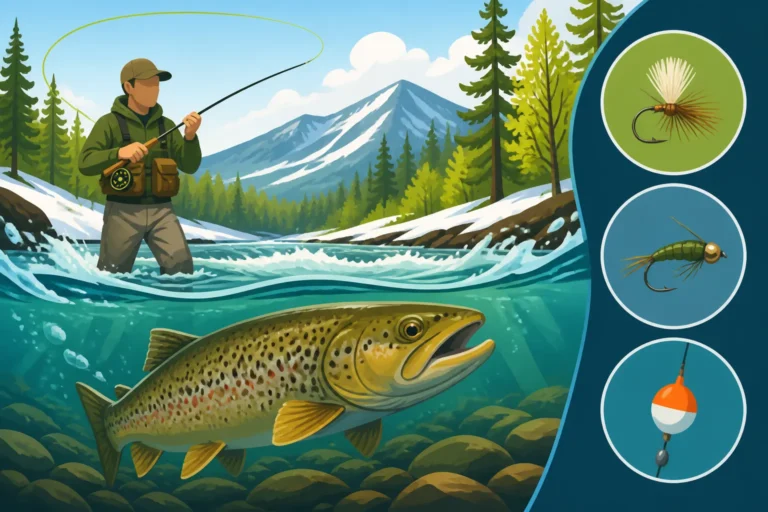
- Woolly Buggers and Streamers: These are perhaps the most versatile flies for pond trout. Patterns like the Black Woolly Bugger, Olive Woolly Bugger, or various small streamer patterns (e.g., Grey Ghost, Black Ghost) imitate baitfish, leeches, or large nymphs. Cast them out and retrieve with a slow, erratic strip-and-pause retrieve. Vary the depth by allowing the fly to sink before starting your retrieve. These are great for searching water and can entice larger, more aggressive trout.
- Nymphing Under an Indicator: When trout are feeding on subsurface insects, nymphing is deadly. Use a strike indicator (a fancy term for a bobber) to suspend nymph patterns (e.g., Pheasant Tail, Hare's Ear, Prince Nymph) at various depths. Cast near weed lines, drop-offs, or where you've seen activity. The key is to let the nymphs drift naturally. Any dip or movement of the indicator signals a bite. This method is particularly good for cautious holdover trout that are feeding selectively on natural prey.
- Dry Fly Opportunities (Later Spring): As spring progresses and insect hatches become more frequent, dry fly fishing can be exhilarating. Look for rising fish and try to match the size and color of the natural insects. Small caddis, midges, and later, mayfly imitations can be very effective. This requires more precise casting and observation but offers some of the most rewarding trout fishing experiences. For those considering getting into the sport more seriously, learning about Best Fly Rods for New Hampshire Trout Streams could provide valuable insights, many of which apply to pond fishing as well.
Locating Productive Spring Trout Ponds in New Hampshire
You can have the best gear and techniques, but if you're not fishing where the fish are, it's all for naught. New Hampshire offers a wealth of trout pond opportunities, but knowing how to find the most productive ones in spring is key.
Utilizing Stocking Reports and Maps
The New Hampshire Fish and Game Department is your best friend when it comes to finding stocked trout ponds. They meticulously manage and stock hundreds of water bodies across the state, and they make this information readily available to the public.
- Online Stocking Schedules: The NH Fish and Game website publishes annual trout stocking schedules and reports. These reports are usually updated weekly during the stocking season (which typically begins in mid-to-late April, depending on ice-out). This is a goldmine of information, telling you which ponds were stocked, when they were stocked, and what species (rainbow, brook, brown trout) and how many fish were introduced. You can literally plan your trip around a recent stocking. You can find this information by searching for the New Hampshire Trout Stocking Report and Map.
- Understanding the Data: Pay attention to the date of stocking. While fish are often easiest to catch immediately after stocking, waiting a few days can allow them to spread out and become less stressed. Also, note the species. Rainbow trout are often the most common stocked fish, known for being aggressive and eager to bite. Brook trout are also stocked, and while often smaller, they are a beautiful native species. Brown trout are less common but can grow to impressive sizes and are often more challenging to catch. Look for ponds that receive multiple stockings throughout the spring for sustained action. Another useful resource to consult would be List of New Hampshire stocked trout waters for a broader overview.
Identifying Public Access Points and Hidden Gems
Knowing where the fish are is one thing, but knowing how to get to them is another.
- Public Access Ponds: Many of New Hampshire's stocked ponds have designated public access points, often with boat launches, parking areas, and shore fishing opportunities. State parks, like Bear Brook State Park in Allenstown or Pawtuckaway State Park in Nottingham, frequently have excellent trout ponds with easy access. The New Hampshire State Park Fishing Guide can highlight many such locations. These are often well-maintained and family-friendly.
- Shore Fishing vs. Boat/Kayak Access: Consider your fishing style. If you plan to fish from shore, look for ponds with accessible banks and good casting lanes. If you have a kayak, canoe, or small boat, you'll have more flexibility to explore different areas of the pond, especially those harder-to-reach coves or points that shore anglers might miss. Remember to check local regulations for boating on smaller ponds; some may have horsepower restrictions or be non-motorized only.
- Finding "Hidden Gems": Sometimes the best fishing isn't at the most popular spots. Explore smaller, less-advertised ponds. These might require a short hike or a bit more research to find access, but they can offer less crowded conditions and surprisingly good fishing, especially if they hold over a good number of fish from previous stockings. Local bait shops are often an invaluable source of information for these lesser-known spots; shop owners and regulars usually know which ponds are fishing well.
The Role of Local Knowledge and Community
Never underestimate the power of local wisdom.
- Bait and Tackle Shops: These establishments are often hubs of local fishing knowledge. The people who work there fish these waters regularly and hear reports from other anglers. They can tell you what baits are working, which ponds are hot, and even offer tips on specific techniques for that area. They're also a great place to pick up a New Hampshire Fishing License Guide for 2026 or clarification on local rules.
- Online Forums and Social Media Groups: New Hampshire has a vibrant online fishing community. Joining local fishing forums or Facebook groups can connect you with other anglers willing to share information, report on conditions, and even suggest new spots. Just remember to be respectful and share your own successes to contribute to the community.
- The Freshwater Fishing Digest: The New Hampshire Fish and Game Department publishes an annual Freshwater Fishing Digest, available online and at license vendors. This digest contains all the regulations, special rules for specific waters, and other useful information. It's a must-read for any angler. Diving into Reading the New Hampshire Freshwater Fishing Digest will ensure you're always fishing legally and effectively.
Adapting to New Hampshire's Variable Spring Conditions
New Hampshire springs are beautiful but often unpredictable. A successful angler isn't just skilled; they're also adaptable, ready to adjust their strategy based on the weather and water.
Tackling Cold Fronts and Pressure Changes
One day it's mild and sunny, the next, a cold front blows through, dropping temperatures and pressure. These changes significantly impact trout behavior.
- Before the Front: Often, just before a cold front arrives, the barometric pressure drops, and fishing can be excellent. Trout tend to feed aggressively in anticipation of the coming adverse weather. This is a great time to be on the water, using faster retrieves and more active lures.
- During/After the Front: Once the cold front hits and the pressure stabilizes (or rises), trout can become very finicky and shut down. Their metabolism slows, and they seek deeper, more stable water.
- Strategy: Slow down your presentation significantly. Opt for live bait or PowerBait on the bottom, or very slowly retrieved jigs and nymphs. Downsize your line and tackle to be more subtle. Focus on areas with deeper water or heavy cover where fish might be hiding. The goal is to present an easy, irresistible meal that requires minimal effort from a lethargic fish. Sometimes, simply waiting until the weather stabilizes for a day or two is the best approach.
Fishing During and After Spring Rains
Spring rains are common and can dramatically alter pond conditions.
- During the Rain: Light, steady rain can sometimes improve fishing. The rain breaks up the surface tension, making trout feel safer to feed, and washes terrestrial insects into the water. However, heavy downpours can muddy the water, making it harder for fish to see your bait.
- After the Rain (Runoff): This is where things get interesting. Rainwater flowing into the pond from streams or culverts creates several advantages:
- Increased Oxygen: Runoff often carries fresh oxygen into the pond, which can stimulate fish activity.
- New Food Sources: The incoming water washes worms, insects, and other terrestrial food into the pond, creating a buffet for trout.
- Cloudier Water: The slightly muddied water provides cover for trout, making them less wary.
- Strategy: Focus your efforts near these inflow points. Fish the edges of the current seams where trout will ambush food. Use baits with strong scent profiles (worms, PowerBait) or lures with good vibration and contrast (spinners with bright colors or black blades) to help fish locate them in the cloudier water. Be mindful of footing around slippery banks.
Understanding Early Ice-Out Opportunities
For dedicated anglers, the period immediately following ice-out in a pond is a prime, though often challenging, opportunity.
- Ice-Out Conditions: Right after the ice leaves, water temperatures are at their coldest. Trout will be sluggish, but they will also be spread out, sometimes found surprisingly shallow as they cruise for early food sources. The entire water column will be roughly the same temperature, before stratification begins.
- Prime Locations: Look for the warmest water available. This is typically in shallow, dark-bottomed coves that absorb sunlight quickly, or near any inflowing streams that might be slightly warmer than the main body of the pond.
- Strategy: Ultra-slow presentations are paramount. Think dead-drifting worms, slowly twitching tiny jigs, or bottom-fishing PowerBait. The fish are often concentrated, but extremely inactive. Patience is a virtue. Sometimes, just a very subtle twitch of a jig is all it takes to trigger a strike. Keep your eyes peeled for any surface activity; these early risers are rare but often indicate where the fish are holding.
Practicing Responsible Angling and Conservation
Being a responsible angler means more than just catching fish; it means preserving the resource for future generations and respecting the environment.
Understanding New Hampshire Regulations and Limits
Ignorance of the law is no excuse. Every angler has a responsibility to know and abide by the fishing regulations.
- License Requirements: First and foremost, almost everyone needs a New Hampshire fishing license. There are exceptions for very young children and specific free fishing days, but generally, if you're 16 or older, you need a license. Make sure you understand all the requirements by reading the New Hampshire Fishing License Guide for 2026.
- Statewide vs. Special Regulations: New Hampshire has statewide fishing regulations, but many specific water bodies have special rules regarding season dates, length limits, and daily bag limits. For trout ponds, always check the New Hampshire Fishing Regulations Explained and the annual Freshwater Fishing Digest for any specific rules for the pond you plan to fish. For example, some ponds might be catch-and-release only, or have specific bait restrictions. The New Hampshire daily trout limit can also vary by water body and trout species.
- Possession Limits: Be aware of daily possession limits. This refers to the maximum number of fish of a certain species you can have in your possession at any given time, whether on the water or at home. Exceeding these limits can result in significant fines.
Ethical Catch and Release Practices
If you're not keeping your fish, practicing proper catch and release techniques is crucial for their survival.
- Minimize Fight Time: Bring the fish in quickly but gently to avoid over-stressing it. Prolonged fights, especially on light tackle, can exhaust a fish to the point where it can't recover.
- Handle With Care:
- Wet Hands: Always wet your hands before touching a fish. Dry hands can remove the fish's protective slime coat, making it vulnerable to disease.
- Support Body: Support the fish horizontally, especially larger ones, to avoid damaging internal organs or its spine. Never hold a fish vertically by its jaw or tail if you plan to release it.
- Remove Hook Quickly: Use needle-nose pliers or a hook remover to quickly and gently remove the hook. If the fish is deeply hooked, it's often better to cut the line as close to the hook as possible than to try to remove it, which can cause more damage.
- Revival: If a fish appears lethargic, hold it gently upright in the water, facing into any gentle current, allowing water to flow over its gills. Don't pump it back and forth; this doesn't help. Release it only when it can swim away under its own power. These tips are especially important for ensuring the survival of recently stocked fish; more detailed advice can be found in How to Catch Trout right after stocking in New Hampshire.
Protecting the Pond Ecosystems
Anglers have a responsibility to be stewards of the environment.
- Leave No Trace: Pack out everything you pack in. This includes all trash, fishing line, bait containers, and any other debris. Never leave behind monofilament line, which can entangle wildlife.
- Prevent Invasive Species: Clean your gear (boats, waders, tackle) between fishing different water bodies to prevent the spread of invasive aquatic species, which can devastate native ecosystems.
- Respect Private Property: If fishing on or near private property, always obtain permission first. Be mindful of noise levels and avoid disturbing residents.
- Protect Native Species: While most pond trout fishing targets stocked fish, remember that New Hampshire also has native Brook Trout: New Hampshire's Native Trout in many waters. Understand their habitat and do your best to minimize your impact on these special populations.
Elevating Your Spring Trout Game with Advanced Tips
Once you've mastered the basics, there are always ways to refine your approach and consistently outsmart more challenging trout.
Targeting Elusive Holdover Trout
While recently stocked trout provide plenty of action, the true trophies often come from "holdover" trout – those that have survived one or more winters in the pond. These fish are smarter, warier, and more challenging, but incredibly rewarding. You can learn more about What a holdover trout is if you're curious.
- Where They Hide: Holdovers gravitate towards natural cover and deeper water. Look for submerged logs, rock piles, weed beds that persisted through winter, and significant drop-offs. They use these areas for both shelter and ambush points. They are often found near deeper sections of the pond where temperatures remain stable and cover is abundant.
- Subtle Presentations: Forget bright PowerBait. These fish prefer natural offerings. Small worms, realistic nymph patterns, tiny streamers, or even small minnow imitations are key. Use light line (2-4lb fluorocarbon leader), small hooks, and a very subtle presentation. Less weight, slower retrieves, and more natural drifts are essential.
- Patience and Stealth: Holdovers are easily spooked. Approach your fishing spot quietly, avoid making sudden movements, and keep a low profile. Long casts help keep you out of their immediate visual range. Be patient; these fish won't always strike on the first pass. Repeated, accurate presentations to likely holding areas are often required.
Reading Submerged Structure and Depth Contours
Understanding the underwater topography of a pond is like having X-ray vision.
- Visual Cues from Shore: Look for points that extend into the water, indicating a likely submerged ridge. Observe changes in water color or current flow, which can signal depth changes or springs. Overhanging trees or large rocks on the bank often mean similar structure below the surface.
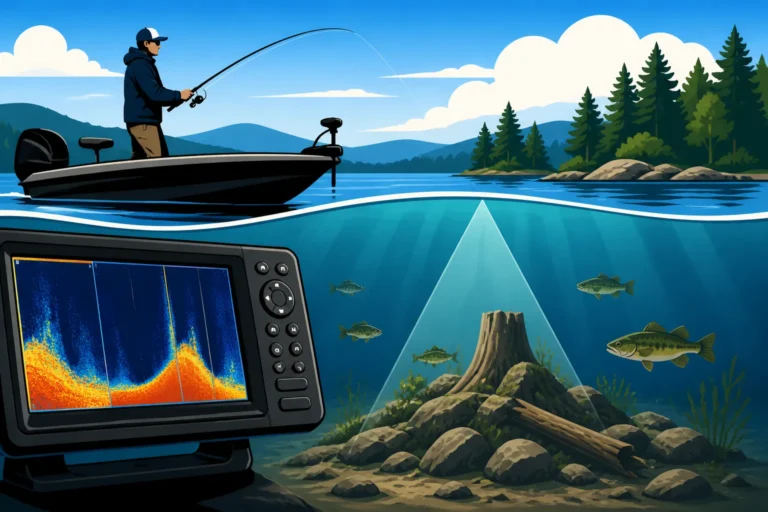
- Using a Depth Finder (from a boat/kayak): If you're fishing from a boat or kayak, a simple fish finder can reveal a wealth of information. It will show you depth changes, submerged humps, weed lines, and even schools of baitfish or individual trout. Mark these spots on a GPS or with physical landmarks (trees, buoys) so you can return to them. Even an inexpensive, portable fish finder from Amazon can make a huge difference in identifying productive structure.
- Experiment with Depth: Trout will often suspend at specific depths depending on water temperature, oxygen levels, and baitfish location. If you're not getting bites on the bottom, try suspending your bait higher in the water column using a slip bobber. If casting lures, count down after your cast to estimate how deep your lure is running, and vary that count until you find the strike zone.
The Art of Stealth and Presentation
Ultimately, consistently catching trout, especially wary ones, comes down to how well you present your offering and how quietly you do it.
- Silence is Golden: Trout have excellent senses. Avoid loud noises, stomping on the bank, or slamming tackle box lids. Walk softly, especially in areas with clear water.
- Shadow Management: Your shadow falling across the water can spook fish. Always try to fish with the sun at your back or to your side. If you're casting to a specific spot, ensure your shadow isn't hitting that area first.
- Line Control: Maintain good line control to detect subtle bites and ensure your bait or lure behaves naturally. Keep slack out of your line, but don't pull so tight that it drags your offering unnaturally.
- Presentation Angle: Sometimes, simply changing the angle of your cast can make all the difference. If fish aren't biting when you cast straight out, try casting upstream or downstream (if there's a current), or parallel to a weed line. Presenting your bait as if it's drifting naturally into their feeding zone, rather than straight at them, can often trigger a strike.
By combining an understanding of trout behavior with refined techniques, proper gear, and an ethical approach, you'll be well on your way to enjoying some of the best spring trout fishing New Hampshire ponds have to offer.
Disclaimer
The information provided in this guide is for general informational purposes only and is subject to change. Always consult the official New Hampshire Fish and Game Department regulations, advisories, and licensing requirements before engaging in any fishing activities. Fishing regulations, season dates, and stocking schedules can vary and are updated periodically. It is the angler's responsibility to be aware of and comply with all current laws.