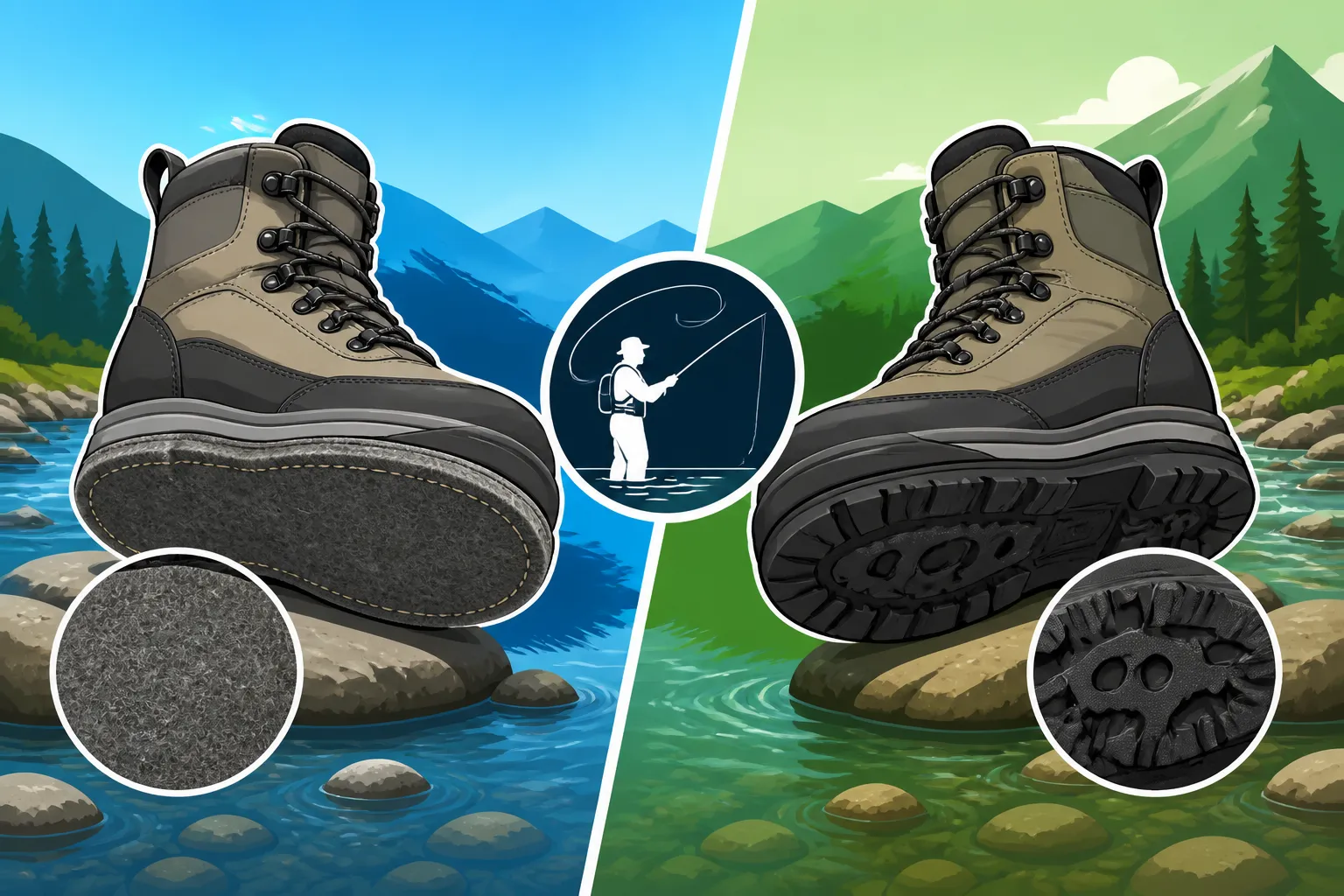
Best wading boots with felt vs rubber soles
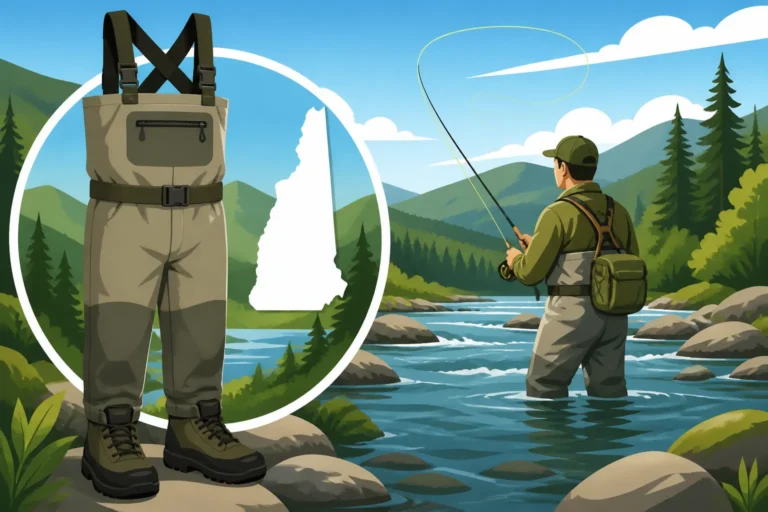
Oh, the age-old debate among anglers: felt versus rubber wading boots! If you've spent any time at all trying to navigate the slick, moss-covered rocks of a New Hampshire trout stream, or trudging through the muddy banks of a favorite bass pond, you know just how critical your footwear choice is. A misplaced step isn't just an inconvenience; it can be a quick trip into icy water, or worse, a twisted ankle that ends your fishing day prematurely. This guide is here to untangle the complexities of wading boot soles, helping you make an informed decision for your specific adventures in the Granite State.
Understanding the New Hampshire Angling Landscape and Its Demands
New Hampshire offers an incredible array of fishing opportunities, from pristine mountain streams brimming with brook trout to vast lakes holding trophy landlocked salmon and lake trout. But with this diversity comes a variety of terrains, each presenting its own challenges to an angler's footing.
The Diverse Terrain of New Hampshire Waters
Imagine yourself standing on the banks of the Pemigewasset River, gazing out at the fast-moving current. You know there are tempting pools on the other side, but getting there means traversing a bottom made up of smooth, often algae-coated river rocks. Or perhaps you're exploring one of the countless small ponds, where the bottom shifts from firm sand to mucky sediment, and the bank access involves a short hike through damp soil and tangled roots. The fishing in New Hampshire is rarely a "one-size-fits-all" experience, and neither should your wading boots be.
Some rivers, particularly those with a lot of bedrock or large boulders, can be incredibly slick when wet. Moss and algae cling stubbornly to these surfaces, turning them into ice rinks for unsuspecting feet. Lakes might present softer, muddier bottoms near shore, or submerged fallen trees that are surprisingly slippery. Then there are the trails leading to these spots – often uneven, root-bound, and potentially icy or snowy depending on the season. Your boots need to be up to the task for both the journey and the destination.
Safety First: The Primary Concern for Waders
Let's be real: falling in the water isn't just about getting wet. In New Hampshire, particularly during early spring or late fall, a tumble into cold water can quickly lead to hypothermia, turning a great day of fishing into a dangerous situation. Beyond that, a slip can cause serious injury – a broken bone, a concussion, or a pulled muscle that keeps you off the water for weeks.
Your wading boots are your primary line of defense against these hazards. The right sole provides the confidence you need to focus on your cast, your presentation, and the subtle take of a fish, rather than constantly worrying about where your next step will land. Anglers often spend considerable time planning their gear, from rods to reels to lures, but sometimes the foundation – the boots on their feet – gets overlooked. But without secure footing, even the best gear in the world won't help you land that fish if you're constantly fighting to stay upright. This is especially true when navigating currents or fishing deep water, where stability is paramount.
Felt Soles: The Traditional Grip of the Granite State
For decades, felt soles were the undisputed champion of wading boot traction, especially for river anglers. There's a reason they've stuck around for so long; when conditions are right, their grip is simply phenomenal.
The Unmatched Traction of Felt
Imagine stepping onto a wet, algae-covered boulder in the middle of a swift current. With felt soles, it often feels like your boots are adhering to the rock. This incredible grip comes from the material itself – dense, matted fibers that conform to irregular surfaces and provide countless microscopic points of contact, almost like tiny suction cups. These fibers also shed water effectively, allowing them to maintain their friction even when saturated.
Many seasoned anglers swear by felt for New Hampshire's notorious slippery river rocks. If you're planning a day of Fly Fishing for Trout in New Hampshire on a river like the Swift or the Ellis, known for their slick, granite-strewn bottoms, felt soles can give you a significant advantage. They excel in environments where you're constantly navigating wet, mossy, and slimy stones. For instance, when you're carefully wading through a riffle on the Pemigewasset, trying to get to that prime pocket water, felt can be the difference between making the cast and taking an unexpected swim. The security they offer allows you to focus on your technique rather than your balance, making for a more enjoyable and productive outing.
The Downsides and Environmental Considerations
While felt's grip on wet rocks is legendary, it's not without its drawbacks, and these are important to consider for today's environmentally conscious angler. The biggest concern revolves around invasive species. Felt material, with its porous and fibrous nature, can inadvertently pick up and harbor microscopic organisms, plant fragments, and aquatic invertebrates from one water body and transport them to another. If these organisms are invasive, they can devastate local ecosystems. While New Hampshire doesn't have a blanket ban on felt soles, many states and even specific water bodies elsewhere have implemented regulations against them due to these concerns. It's always wise to practice "Clean, Drain, Dry" ethics with all your gear, regardless of sole type, to prevent the spread of invasives. Checking New Hampshire Fishing Regulations Explained for any specific water body rules is always a good idea.
Beyond the environmental aspect, felt soles have practical limitations. They offer very poor traction on dry land. Try hiking a rocky, dirt trail with felt soles, and you'll quickly realize they're like ice skates. They also absorb water, making them heavier and slower to dry, which can be an issue for multi-day trips or cold weather outings. Mud and snow can clog the felt, rendering it useless until cleaned, and they generally wear out faster than rubber soles, especially if you do a lot of walking to your fishing spots.
Rubber Soles: Modern Innovation for Diverse Conditions
Rubber soles for wading boots have come a long, long way. Gone are the days when rubber meant a guaranteed slip-and-slide on any wet rock. Modern advancements have transformed rubber into a highly versatile and often preferred option for many New Hampshire anglers.
The Evolution of Rubber Wading Boots
Today's rubber wading boots are a far cry from their ancestors. Manufacturers like Vibram, known for their high-performance outsoles in hiking boots, have brought their expertise to wading footwear. They utilize specialized rubber compounds and intricate lug patterns designed to maximize grip on various surfaces. These proprietary blends are engineered for stickiness when wet, featuring compounds that remain pliable and grippy in cold water.
The lug patterns are crucial. Unlike the relatively flat surface of felt, rubber soles incorporate deep, multi-directional lugs and siping (small slits in the lugs) that help channel water away and bite into uneven terrain. This design not only provides excellent traction on wet, hard surfaces but also performs exceptionally well on soft, muddy, or sandy bottoms. You'll find a wide range of rubber-soled boots available at places like Bass Pro Shops and Amazon, reflecting the popularity and technological advancements in this category. These modern rubber soles are often more durable than felt, standing up to hundreds of miles of trail hiking and river wading without significant degradation.
Where Rubber Shines and Where it Falters
Rubber soles truly shine when you're dealing with mixed terrain. If your fishing adventures involve a hike-in to a remote trout pond, or traversing a long stretch of river bank before entering the water, rubber provides superior comfort and grip on dry land, mud, and snow. They don't absorb water, so they stay lighter and dry much faster, which is a huge bonus for packing or for consecutive fishing days. They are also generally considered more environmentally friendly, as they are less likely to transport invasive species between water bodies.
Consider scenarios where you're fishing a lake like Winnipesaukee from shore. You might be walking over a combination of grass, gravel, and submerged rocks. A modern rubber sole handles all these conditions with ease. Similarly, for Kayak Fishing Techniques for New Hampshire Lakes, you often have to launch from various shorelines, making rubber a practical choice for the walk to the water and scrambling in and out of your vessel.
However, it's important to be realistic: on extremely slick, algae-covered rocks, a standard rubber sole might still feel less secure than felt. This is where the evolution continues. Many anglers who prefer rubber soles for their versatility choose to enhance them with studs or cleats, transforming them into formidable gripping machines even on the most challenging wet, slimy surfaces. Without these enhancements, some anglers might still feel a bit more tentative on those notoriously slick New Hampshire river stones.
Enhancing Traction: Studs, Cleats, and Hybrids
The beauty of modern wading boot technology is that you don't always have to choose between felt and rubber as an "either/or." Many boots, especially rubber-soled ones, are designed to be customizable, allowing you to add extra traction when and where you need it most.
When to Add Traction Enhancements
Think of studs and cleats as the winter tires for your wading boots. They are small, hard metal or carbide spikes that can be screwed directly into the sole of your boots, providing an aggressive bite on slippery surfaces. For rubber soles, these enhancements are often a game-changer, transforming a potentially slick boot into a confident stride on wet, mossy rocks. They punch through the slime and grip the rock itself.
Even felt soles can benefit from studs in certain situations, especially if you're dealing with very deep, mucky bottoms where the felt might get clogged, or if you encounter icy conditions. When ice fishing, for example, cleats or studs are practically mandatory for safety on the slick frozen surface. Many anglers who regularly fish the notoriously slick rivers of New Hampshire will opt for rubber soles and then permanently install a good set of studs or carry a small tool to add them as needed. This allows them to reap the benefits of rubber's versatility on land while gaining felt-like (or even superior) traction in the water.
Hybrid Sole Systems
The fishing industry is constantly innovating, and hybrid sole systems are a testament to that. Some wading boots now come with interchangeable soles, allowing you to literally swap out felt for rubber (and vice versa) depending on the conditions you expect for the day. This provides the ultimate flexibility, letting you tailor your footwear to the specific water body or type of fishing you're doing. Planning to hike to a remote, rocky stream? Pop on the felt soles. Heading out to a lake with a long walk-in and soft bottom? Switch to rubber.
Other boots feature integrated stud systems, where the studs are designed to be easily added or removed. This kind of flexibility means you no longer have to compromise. You can have the durability and land-walking comfort of rubber, and then add the aggressive grip of studs for challenging wading conditions. These hybrid options are often a favorite for anglers who fish a wide variety of New Hampshire waters and don't want to buy multiple pairs of boots.
| Feature / Sole Type | Felt Soles | Rubber Soles (Unstudded) | Rubber Soles (Studded/Cleated) |
|---|---|---|---|
| Grip on Wet, Slimy Rocks | Excellent, often superior | Moderate, can be slick | Excellent, often superior to felt |
| Grip on Dry Land/Mud | Poor, slippery | Good, excellent on trails | Good, excellent on trails (can be noisy on hard surfaces) |
| Grip on Ice/Snow | Poor, becomes clogged/slick | Poor | Excellent, cuts through ice/snow |
| Invasive Species Risk | High (can harbor organisms) | Low (easier to clean) | Low (easier to clean) |
| Durability | Moderate (can wear down quickly with walking) | High (very durable for walking and wading) | High (very durable, studs may need replacement) |
| Weight (when wet) | Heavier (absorbs water) | Lighter (sheds water) | Lighter (sheds water) |
| Drying Time | Longer | Shorter | Shorter |
| Typical Use in NH | Rocky, fast-moving trout streams (e.g., Pemigewasset River Fishing Guide) | Mixed terrain, hiking to spots, lake fishing (e.g., Best Shore Fishing Spots in New Hampshire) | Any condition where maximum grip is needed, diverse water bodies |
Making Your Decision: Matching Soles to Your New Hampshire Adventures
Ultimately, the "best" wading boot sole isn't a universal answer; it's a personal one, dictated by your specific fishing habits and the unique conditions you encounter most often in New Hampshire.
Assess Your Typical Fishing Spots
Before you buy, take a moment to think about where you spend most of your time fishing. Are you primarily a river angler, focused on wading the freestone streams and rivers for trout? If you're constantly navigating slippery, algae-covered rocks in spots like the Swift River Trout Fishing areas or the deeper sections of the Connecticut River, felt soles (or studded rubber) might give you the most confidence and safety. The traditional felt offers that "sticky" feeling on slick, rounded river stones that many dedicated river waders swear by.
On the other hand, if your fishing spots are more diverse—maybe you're hitting several different lake access points, doing some bank fishing, and occasionally wading a smaller stream—a versatile rubber sole might be a better fit. For instance, if you're often targeting bass on a lake with varying bottom compositions and lots of shoreline exploration, a good pair of rubber-soled boots will be much more comfortable and effective for the walking involved.
Consider Your Walking and Hiking Needs
How far do you typically walk to get to your fishing spots? Do you park right next to the water, or do you have a mile-long hike through the woods or along a gravel road? This is a huge factor. As we discussed, felt soles are notoriously bad for walking on dry land, mud, or snow. They offer almost no grip and can even be dangerous on uneven trails. If your fishing adventures involve significant walking to access remote locations, like some of the high-elevation trout ponds or backcountry sections of rivers, a quality pair of rubber-soled boots will save your ankles and your patience.
For those who prioritize comfort and stability on the hike in, and then need reliable traction in the water, the combination of rubber soles with screw-in studs is often the ideal solution. You get the best of both worlds: good hiking performance and superior grip when it matters most.
Environmental Responsibility and Regulations
Finally, and this is increasingly important, consider your environmental impact. While New Hampshire doesn't currently have widespread bans on felt soles, the concern about spreading aquatic invasive species is real and growing. Choosing rubber soles, especially those that are easily cleaned and dried, is a proactive step toward being a responsible steward of New Hampshire's precious waterways. Always take the time to inspect, clean, and thoroughly dry your boots and all wading gear between fishing trips, particularly if you're moving between different river systems or lakes. Many anglers find the easier cleaning and faster drying time of rubber soles a strong argument in their favor for this very reason. When you're ready to find your next pair, whether it's felt for pure stream stickiness or a durable rubber option, reputable outdoor retailers like Bass Pro Shops or online marketplaces like Amazon offer a huge selection to explore.
Disclaimer
This article is for general informational purposes only and does not constitute professional advice. Laws, prices and regulations vary by location and change over time. Consult a qualified professional for guidance on your specific situation.