Best Gear for New Hampshire Trout Fishing
Oh, the joy and sometimes, the sheer bewilderment, of gearing up for a trout fishing adventure here in New Hampshire! It's easy to feel overwhelmed when you walk into a sporting goods store or browse online, faced with an endless array of rods, reels, lures, and lines, all promising to be "the best." You just want to enjoy the tranquility of our stunning streams and ponds, but figuring out exactly what you need to be successful, without breaking the bank or buying unnecessary clutter, can be a real head-scratcher. This guide is here to cut through the noise, offering practical, empathetic advice on the essential gear you’ll need to chase trout across the Granite State, from our bustling rivers to those serene, tucked-away mountain ponds.
Understanding New Hampshire's Diverse Trout Fishing Environments
Before you even think about buying a new rod, it's crucial to understand the diverse habitats our New Hampshire trout call home. The gear you'll need for a roaring mountain stream is often very different from what's ideal for a calm, stocked pond. Thinking about where you'll be fishing most often will guide your choices and save you from unnecessary purchases.
Coldwater Streams and Rivers
New Hampshire boasts an incredible network of coldwater streams and rivers, from the rushing waters of the Pemigewasset to the smaller, intimate brooks snaking through the White Mountains. These environments are often characterized by fast currents, rocky bottoms, and varying depths, presenting unique challenges for anglers. The primary residents here are often native brook trout, but you'll also find wild and stocked brown and rainbow trout thriving in these cooler waters. The constant flow of water means trout are typically holding in seams, behind rocks, or in deeper pools, waiting for food to drift by.
Fishing these moving waters requires gear that can withstand the elements and allow for precise presentations. Durability is key; your waders, boots, and even your rod and reel will take a beating from slippery rocks and tight casting quarters. You'll need tackle that can cut through the current or sink quickly to reach holding fish, and the ability to adapt to changing water levels and clarity is paramount. Think about lines that resist tangling in the faster flow and lures that don't get immediately swept away. Sometimes, a subtle approach with a small fly or natural bait is far more effective than a flashy spinner.
Stocked Ponds and Lakes
On the flip side, many anglers in New Hampshire love the accessibility and generally more forgiving nature of our numerous stocked ponds and smaller lakes. These waters, often replenished regularly by the New Hampshire Fish and Game Department, are fantastic places for families, beginners, or anyone looking for a more relaxed day of fishing. New Hampshire Trout Stocking and Fishing Rules are quite clear, and these spots are often well-marked with public access points. Here, you're likely to encounter a mix of rainbow, brook, and brown trout, often recently stocked, making them quite eager to bite.
Fishing in still or slow-moving water allows for a wider range of techniques and gear choices. You might be casting from shore, off a dock, or from a small boat or kayak. The absence of strong currents means you don't need heavy lines or specialized weights to get your bait or lure to the fish. Lighter, more sensitive gear can be a real advantage here, allowing you to detect subtle bites. This is a great environment to experiment with different baits, small lures, or even simple float fishing setups. The relative ease of access also means you might not need to pack as light as you would for a backcountry expedition.
Remote Backcountry Ponds
For those seeking solitude and the thrill of catching wild, often colorful brook trout, New Hampshire's remote backcountry ponds offer an unparalleled experience. These high-elevation gems, often accessible only via hiking trails, hold self-sustaining populations of native brookies. They are typically pristine, cold, and demand a different approach to gear. The fish in these waters are often smaller but incredibly vibrant and aggressive, making for a truly rewarding catch. The challenge here isn't just the fishing, but the journey to get there.
The golden rule for backcountry fishing is to keep your gear lightweight and compact. Every ounce counts when you're hiking several miles to a remote pond. Think about collapsible rods, minimal tackle, and multi-functional tools. You'll want sturdy hiking boots, and a comfortable backpack to carry all your essentials. The environment itself is part of the experience, and respecting its pristine nature by leaving no trace is essential. Fishing these waters is less about catching a trophy and more about immersing yourself in the wild beauty of the Granite State, with the bonus of some truly special trout.
Essential Rod and Reel Setups for Trout
Choosing the right rod and reel combo is like selecting the foundation for your fishing house; everything else builds upon it. For New Hampshire trout, you'll want setups that offer a good balance of sensitivity, casting accuracy, and the ability to handle various fish sizes and water conditions.
Spinning Gear for Versatility
If you're looking for a single, versatile setup that can tackle most trout fishing scenarios in New Hampshire, a light to ultralight spinning rod and reel combo is your best bet. This is the go-to choice for countless anglers, whether they're throwing small lures, natural bait, or even drifting nymphs under a float.
For a spinning rod, aim for something between 5'6" and 7 feet in length. A shorter rod, like a 5'6" or 6-foot, is fantastic for tight, brushy streams where casting space is limited, offering excellent control and accuracy. A longer rod, say 6'6" or 7-foot, gives you better casting distance, which is great for wider rivers or open ponds, and can help with line control when drifting baits. Look for a rod with a light to ultralight power rating and a fast to moderate-fast action. This combination provides enough backbone to fight a decent trout but maintains a sensitive tip to detect those subtle bites. Brands like St. Croix, Ugly Stik, and Shimano offer excellent options at various price points, and you can often find great deals on these at retailers like Bass Pro Shops.
Pair your rod with a small spinning reel, typically in the 1000 to 2500 size range. This keeps the setup lightweight and balanced. Spool it with 4 to 6-pound test monofilament line, which offers good knot strength and shock absorption, or consider a thin braided line (6-10 pound test) with a 4 to 6-pound fluorocarbon leader. Braid provides superior casting distance and sensitivity, while the fluorocarbon leader is nearly invisible underwater, helping to fool wary trout. This setup is incredibly forgiving and adaptable, making it perfect for targeting brook, brown, and rainbow trout in nearly any New Hampshire water.
Fly Fishing Gear for the Purist
For many, fly fishing isn't just a method; it's a way of life, an art form that deeply connects the angler with the water. If you're drawn to the elegance of casting a line to rising trout or drifting a delicate nymph through a riffle, New Hampshire's waters offer endless opportunities for fly anglers. Fly Fishing for Trout in New Hampshire is an immensely popular activity, especially in our crystal-clear mountain streams.
A good all-around fly rod for New Hampshire trout streams and smaller rivers would be a 3-weight to 5-weight rod, typically 7'6" to 9 feet in length. A 3-weight is perfect for delicate presentations on small streams with tiny brook trout, while a 5-weight is more versatile, capable of handling larger trout, casting bigger flies, and battling windy conditions on open rivers. Look for a medium-fast to fast action rod, which provides a good balance of sensitivity and power. Pair this with a matching fly reel; for trout, the reel primarily serves to hold your line, so a simple, reliable click-and-pawl or disc drag reel is often sufficient. Brands like Orvis, Redington, and Sage are popular choices, and you can often find great entry-level kits that include rod, reel, and line, which is a fantastic way to get started.
Your fly line is just as important as your rod and reel. A weight-forward (WF) floating line is the most common choice for trout fishing, offering easier casting and versatility for various fly types. You'll also need leaders and tippets. A tapered leader, usually 7.5 to 9 feet long, gradually tapers from your fly line to a thin section where you tie on your fly. Tippet, a thinner, less visible line, is tied to the end of your leader, and you attach your fly to that. Carrying tippet spools in various sizes (from 3X down to 6X or 7X) will allow you to adapt to different fly sizes and water conditions. Remember, matching your tippet size to your fly size and the size of the trout you expect to catch is crucial for a natural presentation and successful hook-ups. Best Fly Rods for New Hampshire Trout Streams are often lightweight and responsive.
Specialized Setups for Different Techniques
While spinning and fly fishing cover the majority of trout fishing in New Hampshire, there are a few specialized scenarios that might call for slightly different gear. For instance, if you're targeting larger trout or even landlocked salmon in some of our deeper lakes, particularly when trolling, you might opt for a slightly heavier spinning rod (medium-light power) or even a dedicated trolling rod. These rods are designed to handle heavier lures, deeper diving crankbaits, or downriggers, and often have a more moderate action to absorb the shock of a big fish strike while trolling at speed. The reels for such setups would be larger (3000-4000 size spinning or small baitcasting reels) to hold more line.
Another niche could be ultralight jigging rods for ice fishing, designed to be extremely sensitive to detect subtle bites from trout holding in cold water. These are often very short, sometimes only 2-3 feet long, and paired with tiny reels. While perhaps not "essential" for every trout angler, these specialized setups demonstrate how tailoring your gear to a specific technique or target species can significantly enhance your success and enjoyment on the water.
Terminal Tackle: Baits, Lures, and Flies
Once you have your rod and reel sorted, it's time to think about what you'll actually put in the water to entice those trout. New Hampshire trout, depending on the species, water, and season, can be caught on a wide array of terminal tackle.
Go-To Lures for Spin Fishing
For anglers using spinning gear, a selection of small, effective lures is indispensable. The key is to mimic the natural food sources of trout or trigger their predatory instincts with flash and vibration.
- Spoons: Small casting spoons like the Kastmaster, Little Cleo, or Acme Phoebe are fantastic. Their wobbling action and reflective flash imitate injured baitfish, making them irresistible to hungry trout. Sizes ranging from 1/8 to 1/4 ounce are usually perfect. Silver, gold, and brass are classic colors, but don't shy away from patterns with a little red or blue. These lures cast well, even into the wind, and can be retrieved at various speeds and depths, making them incredibly versatile for both streams and ponds.
- Spinners: Inline spinners such as Mepps Aglia, Panther Martin, or Rooster Tail are perennial trout favorites. The rotating blade creates flash and vibration that trout simply can't ignore. Sizes #0 to #3 are typically most effective. Again, silver and gold blades are staples, often paired with dressed trebles in black, white, or chartreuse. Spinners are excellent for covering water in streams and rivers, as their blade starts spinning instantly, even in slow currents. They are also effective for casting in ponds, retrieved steadily or with slight pauses.
- Small Crankbaits and Jerkbaits: For aggressive trout, especially larger browns or rainbows, small crankbaits (1.5-2.5 inches) that dive a few feet can be very effective. Look for patterns that mimic minnows or crayfish. Similarly, suspending jerkbaits can be deadly, especially in cooler water, as they can be twitched and paused, hanging tantalizingly in the trout's strike zone. Always check the packaging to see their recommended running depth and retrieve style.
Experimentation is key here. Trout can be picky, and what works one day might not the next. Having a variety of lure types, sizes, and colors will allow you to adapt to changing conditions and trout preferences. Many popular lure brands are readily available at stores like Bass Pro Shops and on Amazon, making it easy to stock up.
Natural Baits and Rigging
Sometimes, especially for recently stocked trout or in waters with heavy fishing pressure, natural bait is king. The scent and natural appearance can be irresistible, leading to consistent hook-ups.
- Worms: The humble earthworm is perhaps the most classic and consistently effective trout bait. Nightcrawlers or smaller garden worms can be fished in various ways. A simple setup involves hooking a piece of worm onto a small, sharp hook (size 8-12), adding a split shot or two a foot or so above it to help it sink, and casting it into a likely spot. For still water, you can suspend it under a small bobber, allowing the worm to slowly drift or wiggle, attracting attention. In streams, a worm drifted naturally with the current can be incredibly productive.
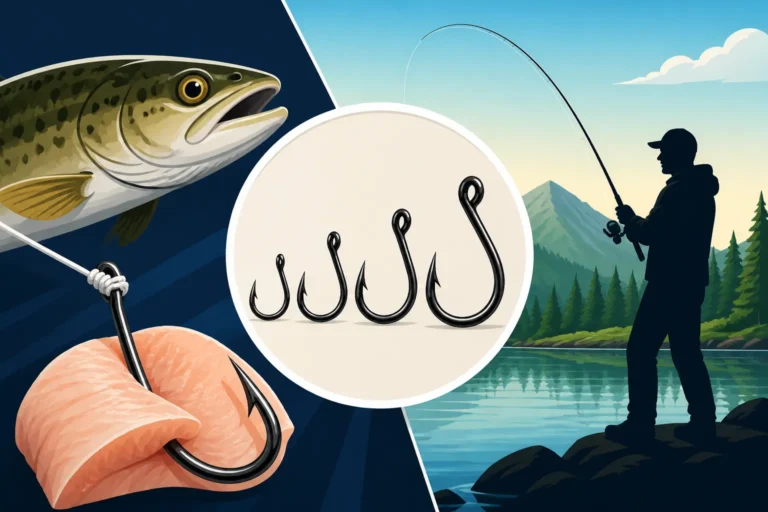
- PowerBait and Trout Dough: These manufactured baits are designed specifically for trout, often infused with scent and glitter to attract attention. PowerBait comes in various forms – nuggets, worms, or moldable dough. For dough baits, simply pinch off a pea-sized piece, roll it into a ball, and mold it onto a small treble hook (size 10-14) or a single hook. These baits are buoyant, designed to float just off the bottom, which is often where trout feed. A simple slip sinker rig (where the sinker slides freely on the line above a swivel, with a leader and hook below) allows the fish to pick up the bait without feeling immediate resistance.
- Corn and Salmon Eggs: While not always as universally effective as worms or PowerBait, kernels of canned corn or salmon eggs can sometimes entice finicky trout, particularly those that have been stocked. They are often used in similar setups to PowerBait, either on a small hook with a bit of split shot or under a bobber. Their bright color can be a strong visual attractant.
Always ensure your hooks are sharp and appropriately sized for the bait you're using. Barbless hooks are also a great choice if you're practicing Landlocked salmon catch and release survival tips or just want to minimize harm to the fish.
Fly Selection for New Hampshire Trout
For the fly angler, choosing the right fly can feel like an art form mixed with science. Fly selection often depends on the season, the prevalent insect hatches, and the specific water you're fishing.
- Dry Flies: These flies imitate adult insects that land on the water's surface, such as mayflies, caddisflies, and stoneflies. When trout are actively rising and sipping insects from the surface, a well-presented dry fly can be incredibly exciting. Essential patterns for New Hampshire include the Elk Hair Caddis (various sizes and colors), Parachute Adams (a great all-around mayfly imitation), and grasshopper or ant patterns during late summer. Matching the size and color of the natural insects currently hatching is often key to success.
- Nymphs: Nymphs imitate the immature aquatic insect forms that live on the stream bottom. Trout spend a vast majority of their feeding time subsurface, making nymphs incredibly effective. Patterns like the Pheasant Tail Nymph, Hare's Ear Nymph, and Prince Nymph are staples. Sizes 12-18 are common. Nymphs are typically fished weighted, often with an indicator (bobber) to detect subtle takes, allowing them to drift naturally along the stream bottom. Euro nymphing techniques have also become popular for their effectiveness in tight currents.
- Streamers: Streamers imitate baitfish, leeches, or other larger prey. These flies are often fished aggressively, stripped through the water to mimic a fleeing meal. Patterns like the Woolly Bugger (black, olive, brown), Mickey Finn, or various sculpin imitations can tempt larger, more aggressive trout. They are particularly effective in larger rivers, lakes, or after a rain when the water is slightly stained. Best Fly Patterns for New Hampshire Trout Streams can vary greatly by season.
Having a well-organized fly box with a variety of patterns, sizes, and colors will prepare you for most situations. Don't be afraid to ask local fly shops for advice on current hatches and effective patterns for the specific waters you plan to fish.
Wading Gear: Staying Safe and Comfortable
If you plan to explore New Hampshire's trout streams and rivers, wading gear isn't just about staying dry; it's about safety, comfort, and accessing prime fishing spots that bank anglers can't reach.
Waders and Wading Boots
Investing in quality waders and wading boots is a game-changer for trout fishing in New Hampshire. The cold waters of our streams and rivers demand proper insulation and protection.
- Waders: Most anglers opt for breathable chest waders. These are made from multi-layered, waterproof, and breathable fabrics (like Gore-Tex or similar materials) that allow perspiration to escape while keeping river water out. This makes them comfortable for walking and fishing in a variety of temperatures. Chest waders offer maximum protection, allowing you to venture into deeper sections of the river. Neoprene waders, while very warm, are generally less breathable and often overkill unless you're fishing in extreme cold or ice fishing. Stockingfoot waders, which require separate wading boots, are generally preferred for their custom fit and comfort, allowing you to choose boots based on traction and support needs.
- Wading Boots: Your wading boots are arguably more important than the waders themselves for safety and comfort. They provide crucial ankle support and traction on slippery, rocky stream beds. You'll typically choose between felt soles and rubber soles. Felt soles offer superior grip on wet, mossy rocks, making them a favorite for many river anglers. However, they can be a vector for invasive species if not properly cleaned and dried between uses. Rubber soles, often with aggressive lug patterns, are more versatile for hiking to and from the water and offer good grip on dry ground, but can be less effective on truly slick rocks. Some rubber soles are designed to accept studs for enhanced traction, offering a hybrid solution. Best Waders for New Hampshire Trout Streams are often breathable and durable.
Regardless of your choice, ensure your waders and boots fit well. Ill-fitting waders can restrict movement, and loose boots can lead to trips and falls. Trying them on with thick wading socks is a good idea to ensure a comfortable fit.
Wading Safety Essentials
Wading in moving water always carries a degree of risk, even in seemingly calm stretches. Prioritizing safety is paramount, especially in New Hampshire's often rocky and swift-flowing trout waters.
- Wading Staff: A collapsible wading staff is an absolute lifesaver. It provides a third point of contact with the stream bed, dramatically increasing your stability and helping you probe depths and navigate slippery rocks. It's especially useful when crossing currents or descending into deeper pools where visibility is limited. Carrying one is a simple, effective way to prevent falls and maintain confidence in the water. Many staffs attach to your wading belt for easy access and stowage.
- Studded Soles: If your wading boots have rubber soles, consider adding carbide studs. These screw-in studs provide exceptional grip on slick rocks, comparable to or even surpassing felt soles in some conditions. They are a permanent or semi-permanent addition to your boots and can make a huge difference in your confidence and safety when navigating challenging river bottoms.
- Quick-Release Wading Belt: A wading belt isn't just for holding your waders up; it's a critical safety device. In the event of a fall and your waders filling with water, a snug wading belt can prevent too much water from entering, reducing the "drowning machine" effect. A quick-release buckle is important, allowing you to easily shed the belt if you do need to get out of your waders quickly in an emergency. Never wade without one.
- Cold Water Safety: New Hampshire's trout waters are, by definition, cold. Even on a warm day, a fall into icy water can quickly lead to hypothermia. Always dress in layers under your waders, avoiding cotton, which loses its insulating properties when wet. Wool or synthetic base layers are ideal. Inform someone of your fishing plans and expected return time, especially if you're venturing into remote areas. A waterproof bag with a change of clothes and a small emergency blanket can be a wise addition to your pack.
Understanding your limits and scouting a wading path before committing to it are also crucial. Look for slower currents and shallower areas, and always test the bottom before taking a step. Don't take unnecessary risks, especially when fishing alone.
Accessories and Essentials for a Successful Day
Beyond the core fishing gear, a handful of accessories and essential items can significantly enhance your comfort, organization, and overall success on the water. These are the small things that often make a big difference.
Storage and Organization
Keeping your tackle organized and easily accessible is crucial, especially when moving between different fishing spots or techniques. Fumbling for the right lure or fly can waste valuable fishing time.
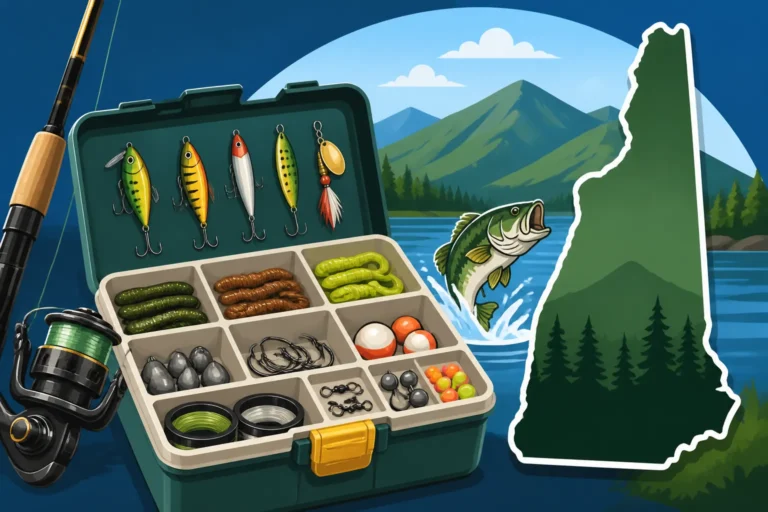
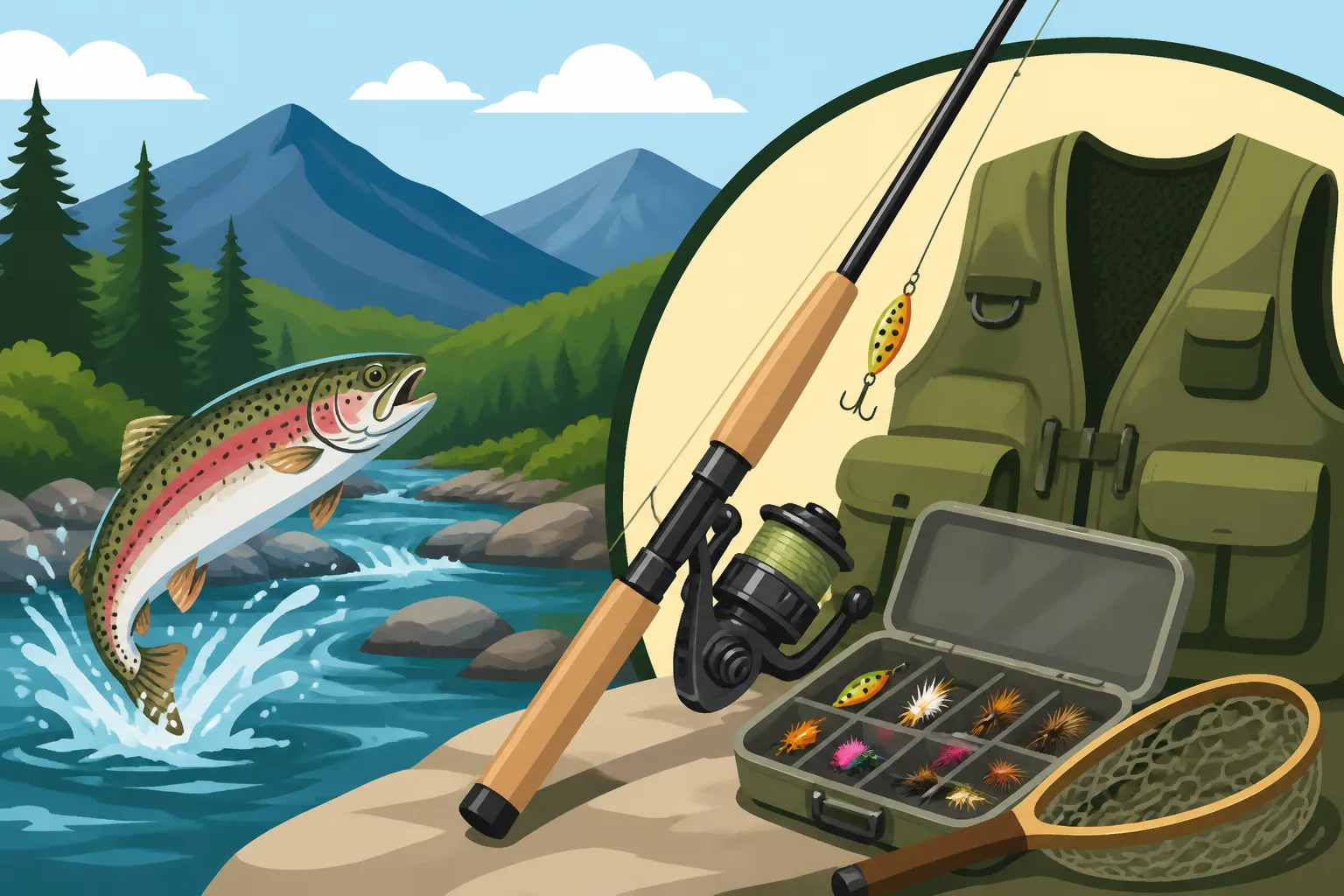
- Tackle Boxes and Fly Boxes: For spin fishing, a small, multi-compartment tackle box or a soft-sided tackle bag with removable utility boxes is ideal. This allows you to categorize your lures, baits, weights, and hooks. For fly anglers, slim, waterproof fly boxes are essential for protecting your delicate flies. Having separate boxes for dry flies, nymphs, and streamers can keep things neat and prevent damage. Many brands offer durable, well-designed options.
- Vests, Sling Packs, and Backpacks: How you carry your gear on the water is a personal choice. A traditional fishing vest offers numerous pockets for organizing small items, keeping them easily within reach. Sling packs, worn over one shoulder and swung to the front for access, are popular for their convenience and balanced feel. For longer hikes or if you need to carry more substantial gear (like rain jackets, lunch, or a first-aid kit), a lightweight fishing backpack is often the best choice. Some backpacks are designed specifically for fly fishing, with integrated rod holders and hydration sleeves. Retailers like Bass Pro Shops and Amazon offer a vast selection of these organizational tools, allowing you to find the perfect fit for your style. Best Tackle Box Setup for New Hampshire Anglers often includes a variety of storage solutions.
Whatever you choose, aim for something comfortable that doesn't impede your casting or movement. Water-resistant or waterproof options are always a bonus for protecting your valuables.
Tools and Miscellaneous Gear
Having the right small tools can save you time, frustration, and even a fish. These are the unsung heroes of your tackle arsenal.
- Pliers and Clippers: A good pair of fishing pliers is invaluable for removing hooks, cutting wire, or crimping split shot. Spring-loaded pliers with a comfortable grip are a plus. Small line clippers (often found on a zinger that attaches to your vest) are essential for quickly trimming tag ends of knots.
- Hemostats/Forceps: For delicate hook removal, especially with smaller flies or when practicing catch and release, a pair of surgical hemostats or forceps is excellent. Their long, slender jaws can reach deep into a fish's mouth without causing further injury, making unhooking quick and efficient.
- Landing Nets: A landing net is crucial for safely landing and handling trout, particularly if you plan to release them. Opt for a net with rubberized, knotless mesh. This type of mesh is gentler on the fish's delicate slime coat, reduces the chance of fins or gills getting tangled, and is less likely to snag hooks. A net with a shallow basket is usually sufficient for most trout, but for larger fish, you might want a slightly deeper model. Best Landing Net for Trout are designed with fish safety in mind.
- Polarized Sunglasses: These are not a luxury; they are an essential tool. Polarized lenses cut glare off the water's surface, allowing you to see into the water, spot fish, and identify underwater structure. This can dramatically improve your ability to read the water and make precise casts. They also protect your eyes from stray hooks and harmful UV rays.
- Headlamp: Even if you don't plan on night fishing, a small headlamp is invaluable for early morning starts, late evening finishes, or any unexpected low-light situations. It keeps your hands free for rigging or navigating.
- Other Essentials: Don't forget bug spray (especially in spring and summer), sunscreen, a small first-aid kit for minor cuts and scrapes, and a water bottle or hydration pack. A multi-tool can also be incredibly handy for unexpected repairs or tasks.
Navigational Aids and Licensing
Being prepared also means knowing where you're going and staying legal.
- Maps and GPS: While many popular fishing spots are easily accessible, if you're exploring new areas or heading into the backcountry, a good topographic map and/or a reliable GPS device (or a smartphone with mapping apps) can be invaluable. Knowing your surroundings and how to navigate back safely is crucial.
- Fishing License: This is non-negotiable. You absolutely need a valid New Hampshire fishing license to legally fish in the state. New Hampshire Fishing License Guide for 2026 outlines all the requirements. Whether you buy it online, at a licensed agent, or through the NH Fish and Game Department, make sure you have it with you when you're fishing. Many anglers carry a physical copy in a waterproof wallet, or utilize the convenience of a digital license on their smartphone. Printing or Carrying a Digital Fishing License in New Hampshire is a common practice now. Enforcement officers do check, and getting caught without one can lead to significant penalties. This article is for general informational purposes only and does not constitute professional advice. Laws, prices and regulations vary by location and change over time. Consult a qualified professional for guidance on your specific situation.
Understanding Weather and Water Conditions
New Hampshire weather can be famously unpredictable, and water conditions in our trout streams and ponds can change rapidly. Being prepared for these fluctuations is not just about comfort; it directly impacts your fishing success and safety.
Adapting to Changing Weather
A beautiful sunny morning can quickly turn into a chilly, rainy afternoon in the Granite State, especially in the mountains. Anglers who are prepared for anything will always be more comfortable and more likely to stick it out for that bite.
- Layered Clothing: The best approach to New Hampshire's variable weather is to dress in layers. Start with a moisture-wicking base layer (synthetic or merino wool, never cotton), add an insulating mid-layer (fleece or down), and top it with a waterproof and windproof outer shell. This allows you to add or shed layers throughout the day as temperatures and activity levels change. You'll be amazed how much more enjoyable a day on the water is when you're not constantly battling discomfort from being too hot, too cold, or soaking wet.
- Rain Gear: Speaking of wet, quality rain gear is an absolute must. A good waterproof jacket and pants will keep you dry through unexpected downpours, which are common in spring and fall. Look for lightweight, packable options that don't restrict movement. Even if the forecast looks clear, a compact rain jacket tucked into your pack can be a lifesaver. Best Rain Gear for New Hampshire Anglers often focuses on breathability and durability.
- Sun Protection: Don't underestimate the power of the sun, even on cloudy days. A wide-brimmed hat, sunscreen, and those polarized sunglasses mentioned earlier are essential for protecting yourself from harmful UV rays. Sunburn can quickly ruin an otherwise perfect fishing trip.
Always check the local weather forecast before you head out, and if you're venturing into higher elevations or remote areas, remember that mountain weather can be even more extreme and change even more rapidly than in the lowlands.
Reading Water for Trout
Trout are incredibly sensitive to their environment, and understanding how water conditions influence their behavior is a key skill for any angler. This knowledge will help you choose the right gear and techniques for the day.
- Currents, Depths, and Structure: In rivers and streams, trout use currents to their advantage, holding in seams, behind rocks, or in deeper pools where they can conserve energy while waiting for food. Reading these "holding lies" is critical. Look for changes in current speed, areas with submerged rocks or logs (structure), and variations in depth. The faster the current, the more weight you might need on your lure or nymph to get it down to where the fish are holding. In stillwaters, structure like submerged weed beds, drop-offs, or timber can attract trout.
- Water Temperature: Trout are coldwater fish and thrive within a specific temperature range. Generally, 50-65°F (10-18°C) is ideal for active feeding. In very cold water, trout become sluggish and might require slower presentations or natural baits. In very warm water (above 70°F or 21°C), trout become stressed, and it's often best to avoid fishing for them or practice extreme care with catch and release. Understanding the water temperature can guide your choice of retrieve speed, lure depth, and even whether to fish at all.
- Water Clarity: Clear water demands a stealthier approach: longer, lighter leaders and tippets, smaller flies, and more natural lure colors. Overcast days or slightly stained water can sometimes allow for heavier lines and brighter lures, as trout feel more secure. After heavy rains, streams can become murky and high, making fishing challenging. In such conditions, trout might move to the banks or into slower back eddies, and larger, more visible lures or baits with strong scent might be more effective.
Cold Water Considerations
Given New Hampshire's climate, cold water is a constant companion for trout anglers, especially in spring, fall, and winter. Being aware of the risks and preparing for them is crucial.
- Hypothermia Risks: Prolonged exposure to cold water or even cold air, especially if you're wet, can lead to hypothermia. Symptoms include shivering, confusion, slurred speech, and loss of coordination. Dressing in layers, wearing appropriate waders, and having a waterproof bag with dry clothes are essential preventative measures. If you start to feel symptoms, get to warmth and dry clothes immediately.
- Ice Fishing Safety: If you venture onto hard water for ice fishing, ice safety is paramount. Never assume ice is safe. Always check ice thickness in multiple spots. While there's no magic number, generally, 4 inches of clear, solid ice is considered minimum for walking, and more for groups or snowmobiles. Carry ice picks around your neck, a spud bar to test ice ahead of you, and inform someone of your plans. How thick ice needs to be to fish safely in New Hampshire is a critical question for any ice angler.
- Emergency Preparedness: No matter the season, when fishing in New Hampshire's often remote areas, carrying basic emergency supplies is wise. This includes a whistle, fire starter, a small flashlight, extra food and water, and a fully charged cell phone (though service can be spotty in some areas). Being self-reliant for a few hours in an unexpected situation can make all the difference.
Caring for Your Gear and the Environment
Part of being a responsible angler in New Hampshire is not only about catching fish but also about taking care of your valuable gear and, more importantly, protecting the incredible natural resources we're so fortunate to enjoy.
Gear Maintenance and Longevity
Your fishing gear is an investment, and with a little care, it can last for many seasons. Neglecting maintenance can lead to premature wear and tear, and ultimately, gear failure when you least expect it.
- Cleaning Rods and Reels: After each outing, especially if you've been in salty or silty water, give your rod and reel a quick rinse with fresh water. Allow them to air dry completely before storing. For reels, periodically (once or twice a season, depending on use) apply a small amount of reel grease to gears and oil to bearings. This keeps them running smoothly and prevents corrosion. Avoid harsh chemicals, as they can damage finishes and lubricants.
- Drying Waders: This is one of the most critical steps for extending the life of your waders. Always hang your waders upside down in a well-ventilated area to dry completely, both inside and out. Storing damp waders is a sure recipe for mildew, funky smells, and fabric delamination. Even breathable waders can develop pinhole leaks over time, so periodically inspect them and patch any small holes promptly with a wader repair kit.
- Sharpening Hooks: A dull hook is a missed fish. Carry a small hook sharpener with you and give your hooks a few passes throughout the day. A sharp hook easily penetrates a fish's mouth, increasing your hook-up ratio and reducing the chance of fish shaking free. Also, check your line regularly for nicks or abrasions, especially near the knot. Retie knots if they look suspect.
- Proper Storage: Store rods in their cases, reels in their bags, and waders in a cool, dry place away from direct sunlight. Keep tackle boxes organized and closed to prevent rust or damage to lures. Proper storage protects your equipment from dust, moisture, and accidental damage, ensuring it's ready for your next adventure.
Ethical Angling Practices
The future of fishing in New Hampshire depends on all of us being good stewards of the resource. Ethical angling goes beyond just following the rules; it's about respecting the fish, the environment, and other anglers.
- Catch and Release Techniques: If you plan to release fish, proper handling is crucial for their survival. Minimize their time out of the water, use a rubberized, knotless landing net, and wet your hands before handling the fish to protect its slime coat. If possible, remove the hook while the fish is still in the water. Use de-barbed hooks to make removal easier. Gently revive the fish by holding it upright in the current until it swims away under its own power. Landlocked salmon catch and release survival tips apply equally to trout.
- Respecting Private Property: Much of New Hampshire's prime fishing water flows through or borders private land. Always be aware of property lines and seek permission before crossing or fishing on private property. Disrespecting landowners can lead to lost access for everyone. Look for public access points and follow designated trails.
- Leave No Trace Principles: Pack out everything you pack in, and perhaps even a little more. This means all your trash, including discarded fishing line, bait containers, and snack wrappers. Leave the fishing spot cleaner than you found it. Avoid disturbing wildlife, stay on marked trails, and minimize your impact on the stream banks and surrounding vegetation. These small actions contribute to keeping New Hampshire beautiful for future generations of anglers.
Local Regulations and Conservation
Understanding and adhering to New Hampshire's fishing regulations is not just a legal requirement but a commitment to conservation. These rules are put in place by the New Hampshire Fish and Game Department to ensure healthy fish populations and sustainable fishing for everyone.
- Checking Regulations: Always obtain a copy of the current New Hampshire Freshwater Fishing Digest. This publication details all the rules, including season dates, bag and possession limits, length limits for specific species, and special regulations for individual water bodies. Regulations can change annually, so relying on outdated information is a common mistake. You can usually pick up a physical copy wherever licenses are sold, or find a digital version online. New Hampshire Fishing Regulations Explained is a vital resource.
- Species-Specific Rules: Pay close attention to rules for specific trout species. For example, New Hampshire daily trout limit might vary depending on whether you're targeting brook, brown, or rainbow trout, and there may be special rules for wild trout waters or catch-and-release-only sections. Know the difference between a daily limit (how many you can keep in one day) and a possession limit (how many you can have in your possession at any given time).
- Conservation Efforts: Be aware of ongoing conservation efforts in New Hampshire, such as those related to native brook trout restoration or specific water quality initiatives. Supporting these efforts, even passively by simply following regulations, helps ensure that future generations will have the same incredible fishing opportunities we enjoy today. Many organizations work tirelessly to protect and enhance our state's aquatic resources.
By combining the right gear with a responsible and informed approach, you'll be well on your way to countless memorable trout fishing experiences in the stunning natural landscapes of New Hampshire.
New Hampshire Trout Fishing Gear Comparison
To help you visualize the different gear requirements, here's a quick comparison of typical setups for common New Hampshire trout fishing scenarios:
| Gear Category | Small Mountain Stream (Wild Brook Trout) | Stocked Pond/Lake (Rainbow, Brown, Brook Trout) | Larger River (Brown, Rainbow, Some Salmon) |
|---|---|---|---|
| Rod Type | Ultralight Spinning (4-5 ft) or 3-4 wt Fly Rod (6-7.5 ft) | Light Spinning (6-7 ft) or 4-5 wt Fly Rod (8-9 ft) | Light-Medium Spinning (6.5-7.5 ft) or 5-6 wt Fly Rod (9 ft) |
| Reel Size | 500-1000 Spinning or Small Fly Reel (matches rod wt) | 1000-2500 Spinning or Mid-Arbor Fly Reel (matches rod wt) | 2500-3000 Spinning or Large-Arbor Fly Reel (matches rod wt) |
| Line (Spinning) | 2-4 lb Mono/Fluorocarbon | 4-6 lb Mono/Fluorocarbon or Braid w/FC leader | 6-8 lb Mono/Fluorocarbon or Braid w/FC leader |
| Line (Fly) | WF Floating (matches rod wt), 5-6X Tippet | WF Floating (matches rod wt), 4-5X Tippet | WF Floating/Sink-Tip (matches rod wt), 3-4X Tippet |
| Terminal Tackle | Small Spinners (#0-1), Tiny Nymphs/Dry Flies (#16-22), Worms | PowerBait, Worms, Small Spoons (1/8 oz), Inline Spinners (#1-2), Streamers | Spoons (1/4 oz), Larger Spinners (#2-3), Small Crankbaits, Nymphs, Streamers |
| Wading Gear | Lightweight Breathable Chest Waders, Rubber Sole Boots (for hiking) | Not always needed (shore fishing), but Chest Waders for deeper access | Breathable Chest Waders, Felt/Studded Rubber Sole Boots, Wading Staff |
| Accessories | Small Sling Pack/Vest, Micro Pliers, Small Net, Map, Water | Small Tackle Box, Sunglasses, Cooler (for keepers), Sunscreen | Larger Pack/Vest, Hemostats, Large Net, Rain Gear, Multi-Tool |
| Key Consideration | Stealth, Lightweight for hiking, Delicate presentation, Durability | Versatility, Ease of use, Bait presentation, Good casting distance | Power for larger fish, Current management, Durability, Deep water access |
This table provides a general overview, and many items can cross over between categories. The most important thing is to match your gear to the specific conditions and fish you'll be targeting.
Disclaimer
This article is for general informational purposes only and does not constitute professional advice. Laws, prices and regulations vary by location and change over time. Consult a qualified professional for guidance on your specific situation.