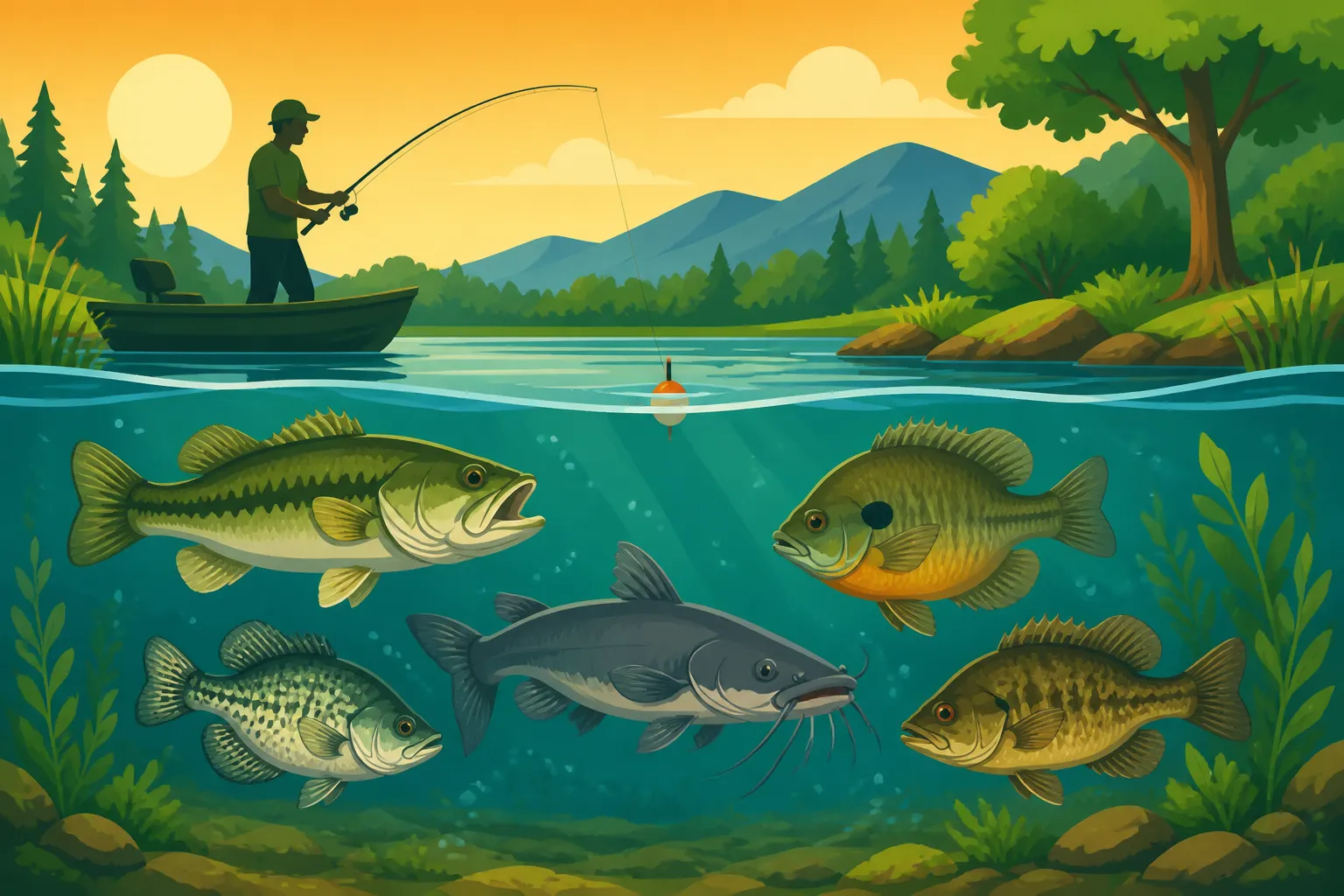
What fish species thrive in warm pond water
There's nothing quite like the serenity of a quiet New Hampshire pond on a warm summer day, the water shimmering and the dragonflies buzzing. But if you're an angler used to chasing cold-water trout or salmon, you might wonder what lurks beneath the surface when the thermometer really starts to climb. It's a common puzzle: knowing which fish species aren't just surviving, but truly thriving, in those warmer, often shallower pond environments. This guide will take a deep dive into those resilient, exciting fish species that call warm New Hampshire ponds their home, helping you target them effectively and enjoy a rewarding day on the water.
Understanding "Warm Pond Water" in New Hampshire
When we talk about "warm pond water" in New Hampshire, we're not just talking about a pleasant swimming temperature. We're referring to a specific aquatic environment where water temperatures consistently reach and maintain higher levels, especially during the peak summer months. Unlike deep, spring-fed lakes or fast-flowing mountain rivers, many of our smaller ponds and even some shallower sections of larger lakes lack the cold-water refuges that species like lake trout or landlocked salmon absolutely need. This distinction is crucial because it dictates which fish can comfortably exist, reproduce, and grow in these conditions.
Defining "Warm" in the New Hampshire Context
In New Hampshire, "warm" water typically means temperatures climbing into the 70s Fahrenheit (21-26°C) and sometimes even higher during heat waves. These ponds often have extensive shallow areas, dark bottoms that absorb sunlight, and limited inflow from cold springs or large rivers. Think of a pond nestled in a valley, surrounded by trees, with plenty of lily pads and submerged vegetation. The sun beats down, heating the entire water column relatively evenly. This is vastly different from a deep oligotrophic lake, which maintains distinct thermal layers (stratification) with much colder water at the bottom, or a freestone stream rushing down from the White Mountains, constantly refreshed by snowmelt and cold groundwater. The biology and behavior of fish in these warm pond environments adapt accordingly. They are built for these conditions, with metabolic rates and oxygen requirements suited to warmer temperatures.
How Warmth Affects Fish Biology
Water temperature is one of the most significant factors influencing fish biology, impacting everything from metabolism and feeding to spawning and oxygen absorption. In warm water, fish metabolisms generally speed up. This means they digest food faster, grow more quickly if food is abundant, and often require more oxygen. However, the catch is that warm water holds less dissolved oxygen than cold water. This creates a delicate balance for warm-water species. They need to be efficient at extracting oxygen, or have adaptations like breathing air (in the case of certain species, though not common game fish in NH) or being able to tolerate lower oxygen levels.
Species that thrive in warm ponds have evolved to cope with these conditions. Their ideal temperature ranges are higher, and they can tolerate the fluctuations in oxygen that often accompany summer heat. When temperatures get too high for even these hardy species, or oxygen levels drop due to factors like algal blooms, they might become stressed, seek out slightly cooler pockets, or reduce their activity. This is why understanding the specific tolerances of each species is key to successful warm-water fishing. You'll often find these fish very active in the early morning or late evening when water temperatures are slightly cooler and oxygen levels are at their peak for the day.
Top Fish Species That Thrive in New Hampshire's Warm Ponds
New Hampshire's warm ponds are far from barren. In fact, they host a vibrant ecosystem brimming with some of our most exciting and accessible fishing opportunities. These species have adapted perfectly to the slightly warmer, often weed-choked conditions found in many of the state's smaller bodies of water.
Largemouth Bass: The Pond King
If there's one fish that truly reigns supreme in New Hampshire's warm ponds, it's the largemouth bass. These aggressive, structure-loving predators absolutely thrive in the warmer, often vegetated environments that smaller ponds provide. They are perfectly adapted to hunting in and around weed lines, lily pad fields, submerged timber, and other forms of cover. Their olive green to dark green backs with a prominent lateral line (which often breaks up into a series of splotches) help them camouflage beautifully in these habitats.
Largemouth bass prefer water temperatures in the 65-80°F range, making New Hampshire's summer ponds their ideal playground. They are ambush predators, often hiding in thick cover, waiting for an unsuspecting baitfish, frog, or even a duckling to swim by. This behavior makes them incredibly exciting to target with a variety of lures and techniques. You'll find them holding tight to anything that offers shade or an ambush point. A typical scenario might involve casting a weedless frog lure over a mat of lily pads and waiting for an explosive topwater strike as a largemouth erupts from below. Their powerful, bucket-like mouth and aggressive fighting style make them a favorite among anglers, from beginners to seasoned pros. When targeting largemouth, consider heavy cover setups, perhaps a sturdy baitcasting rod, and a selection of soft plastics, spinnerbaits, or topwater lures. You can find excellent selections of these lures, like Texas-rigged worms or soft plastic frogs, on Amazon. For more on targeting these green monsters, check out Largemouth Bass Fishing in New Hampshire.
Chain Pickerel: The Ambush Predator
Another quintessential warm-water predator in New Hampshire ponds is the chain pickerel. Easily identifiable by its distinctive chain-like markings on its sides and its long, duck-bill snout filled with razor-sharp teeth, the pickerel is a lean, mean, eating machine. While often overlooked by anglers focused on bass or trout, pickerel offer incredibly aggressive strikes and a spirited fight, especially on lighter tackle.
Pickerel love dense aquatic vegetation, which provides both cover for ambush and a rich hunting ground for the smaller fish, frogs, and insects that make up their diet. They are incredibly tolerant of warm water and even low oxygen conditions, making them perfectly suited for the often weedy, shallow ponds where other species might struggle. You'll often find them lurking just inside the edge of a weed bed, ready to dart out and grab anything that swims by. They are visual hunters, and their lightning-fast strikes are something to behold. Spinners, spoons, and brightly colored jerkbaits are all excellent choices for pickerel. They'll often hit anything flashy or erratic that invades their territory. Be sure to use a steel leader or heavy fluorocarbon, as their teeth can easily cut through monofilament line. Read more about these toothy critters in Chain Pickerel Fishing in New Hampshire.
Panfish: Crappie, Perch, and Bluegill
"Panfish" is a broad term that encompasses several smaller, but incredibly fun and abundant, species that thrive in warm New Hampshire ponds. These include black crappie, yellow perch, and various sunfish like bluegill and pumpkinseed. While they may not offer the brute force of a largemouth bass, panfish provide fast action, are delicious to eat, and are perfect targets for young anglers or those looking for a relaxing day of consistent bites.
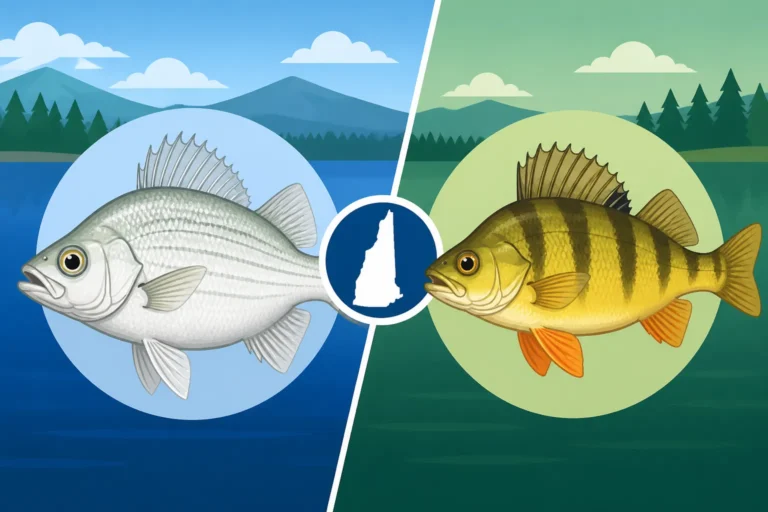
- Black Crappie: These beautiful silver-bodied fish with mottled black spots are schooling fish that prefer areas with submerged brush, timber, or weed edges in deeper sections of ponds. They love warm water, especially in the spring and fall, but are comfortable in the summer as well. Crappie often suspend in the water column, making them a fun challenge to locate. Small jigs, mini-crankbaits, and live minnows are deadly for crappie. Learn more about them in Black Crappie in New Hampshire Waters.
- Yellow Perch: Instantly recognizable by their distinct vertical bars and vibrant yellow sides, yellow perch are another schooling species that adapt well to warm pond conditions. They are often found near the bottom or around submerged structure, feeding on insects, crustaceans, and small baitfish. Perch are aggressive feeders and will readily hit small jigs, worms, or minnows. They're also fantastic table fare! Dive deeper into these striped beauties with Yellow Perch in New Hampshire Lakes.
- Bluegill and Other Sunfish: Bluegill, pumpkinseed, and other sunfish species are the true champions of warm, shallow ponds. They are incredibly prolific and can be found almost anywhere there's vegetation or structure. With their vibrant colors and feisty attitudes on light tackle, they are a joy to catch. A simple worm under a bobber is often all it takes to entice these willing biters. They are perfect for introducing children to fishing and can provide non-stop action. For specifics, refer to Bluegill Habits in New Hampshire Ponds.
All panfish are perfect for ultralight spinning gear. A small rod and reel combo, some tiny hooks, and a container of worms will keep you busy for hours. Many beginner kits found on Amazon come with everything you need to start targeting panfish. For more comprehensive information, read Panfish Fishing in New Hampshire.
Horned Pout (Bullhead): The Bottom Feeder
Often called "horned pout" by locals, brown bullheads are another common and highly adaptable species found thriving in warm New Hampshire ponds. These catfish relatives are unmistakable with their dark, smooth skin, barbels (whiskers) around their mouths, and sharp pectoral and dorsal spines (so handle with care!). Bullheads are primarily nocturnal bottom feeders, using their sensitive barbels to locate food in murky water.
Bullheads are incredibly tolerant of warm water and low oxygen conditions, often found in the soft, muddy bottoms of ponds where other species might struggle. They'll eat just about anything they can find: worms, insects, small fish, and even decaying organic matter. This opportunistic feeding makes them relatively easy to catch, especially in the evening or at night. A simple bottom rig with a nightcrawler or piece of clam on a hook will usually do the trick. While not known for their fighting prowess, they offer consistent action and are considered excellent eating by many, especially when fried. They are a staple of many local fishing derbies. To learn more about these resilient bottom dwellers, check out Horned Pout (Bullhead) Fishing in New Hampshire. You might be surprised at How big horned pout get in New Hampshire ponds!
Other Warm Water Dwellers and Considerations
While the "big four" — largemouth bass, chain pickerel, panfish, and bullhead — are the stars of New Hampshire's warm ponds, there are other species and important factors to consider that contribute to the overall fishing experience and ecological health of these waters.
Common Carp: The Unsung Fighter
Common carp are widely distributed throughout many of New Hampshire's warmer, nutrient-rich ponds and slow-moving rivers. While often considered a nuisance or "rough fish" by some, carp are incredibly powerful fighters that can provide an exhilarating challenge on appropriate gear. They are highly adaptable and thrive in warm, often turbid waters where other species might not fare as well. Carp are bottom feeders, sifting through mud and detritus for insects, crustaceans, and plant matter.
Their presence can sometimes be an indicator of lower water quality in certain areas, but they are also a testament to their resilience. Targeting carp requires a different approach than typical game fish. They are wary and intelligent, making them a formidable opponent. Dough balls, corn, and bread are common baits, often fished on the bottom with heavy tackle. If you're looking for a serious battle with a fish that can easily exceed 10 or 20 pounds, don't overlook the common carp in your local warm pond.
Seasonal Changes and Warm Water Strategies
Even within the context of "warm pond water," conditions can change dramatically with the seasons and even throughout a single day.
- Spring: As waters first begin to warm after ice-out, these species become very active. Largemouth bass and crappie will move into shallow spawning areas, offering excellent opportunities for anglers. Pickerel are also extremely aggressive.
- Summer: This is peak warm-water fishing season. However, extreme heat can sometimes push fish into deeper, slightly cooler sections, or make them more active during early morning and late evening hours when surface temperatures are lower. Oxygen levels can also become a concern in very shallow, stagnant areas. Fishing during twilight hours can often be the most productive time, as fish are more comfortable and actively feeding.
- Fall: As water temperatures begin to cool, but remain in the comfortable range for these species, fish often enter a "feeding frenzy" to bulk up for winter. This can be one of the best times of year for consistent action, especially for bass and pickerel.
- Winter (Ice Fishing): Even under the ice, many of these warm-water species remain active. Pickerel, perch, and crappie are popular targets for ice anglers, often caught with small jigs and tip-ups baited with minnows. Jigging for Perch Through the Ice is a classic winter pastime.
Understanding these seasonal nuances and adjusting your fishing times and locations accordingly will greatly improve your success. For example, during a hot summer afternoon, you might focus on deeper weed lines or shady spots, whereas on a cooler spring day, you'd target shallow, sunny flats.
Best Gear for Warm Pond Fishing
Having the right gear makes all the difference, especially when you're looking to maximize your success in warm pond fishing.
- Rods and Reels: For largemouth bass and chain pickerel, a medium to medium-heavy spinning or baitcasting combo is ideal. This allows you to cast heavier lures, battle strong fish, and pull them out of thick cover. For panfish and bullheads, an ultralight or light spinning setup is perfect; it makes even a small bluegill feel like a trophy. You'll find a wide array of options for Best Fishing Rods for New Hampshire Lakes suitable for these species.
- Line: Monofilament line is a versatile choice for most warm-water applications. For heavy cover situations when targeting bass or pickerel, braided line with a fluorocarbon leader offers superior strength and sensitivity. For panfish, lighter monofilament (4-6 lb test) is usually sufficient.
- Lures and Baits:
- Largemouth Bass: Soft plastic worms, jigs, spinnerbaits, crankbaits, and topwater frogs are all excellent. Consider weedless options for heavy cover.
- Chain Pickerel: Inline spinners, spoons, jerkbaits, and live minnows work wonders. Remember that steel leader!
- Panfish: Small jigs (1/32 to 1/8 oz), tiny spinners, worms, and crickets are irresistible. Best Tackle for Panfish will give you many ideas.
- Bullhead: Nightcrawlers, worms, chicken liver, or even bits of hot dog on the bottom.
- Accessories: A good pair of pliers for unhooking toothy fish like pickerel is a must. A wide-mouth landing net can help you safely land larger bass. A tackle box or bag organized with various lures and terminal tackle is essential. Many anglers rely on gear from Amazon for their pond fishing adventures. Consider a Best tackle box setup for New Hampshire anglers to keep everything tidy.
Maximizing Your Success in Warm New Hampshire Ponds
Fishing warm ponds successfully isn't just about knowing what fish are there; it's about understanding how to approach these unique environments and respecting the resource. With a little observation and the right techniques, you can have incredibly rewarding days on the water.
Reading the Water for Warm Water Species
One of the most important skills an angler can develop is the ability to "read the water." This means observing the environment and making educated guesses about where fish might be holding and why. In warm New Hampshire ponds, this often revolves around identifying key types of structure and cover.
- Weed Lines and Lily Pads: These are prime real estate for largemouth bass and chain pickerel. The edges of dense vegetation offer ambush points, shade, and access to baitfish. Look for subtle changes in the weed line, pockets, or points that extend out. These are often fish magnets.
- Submerged Timber and Brush Piles: Fallen trees, stumps, and brush provide excellent cover and structure for bass, crappie, and even bullheads. They offer shade and a sense of security. Casting your lure close to, or even into, these areas can be highly effective, but be prepared for snags!
- Docks and Boat Ramps: Man-made structures often attract fish. The shade and cover provided by docks can hold bass and panfish.
- Inflow/Outflow Areas: While overall pond temperatures are warm, any small stream or culvert bringing in slightly cooler, oxygenated water can concentrate fish, especially during hot spells. Similarly, an outflow point might funnel baitfish, attracting predators.
- Bottom Composition: For bullheads and carp, soft, muddy bottoms are preferred. For bass and pickerel, a mix of soft and harder bottom with some gravel or rock can be productive.
Pay attention to signs of life – jumping baitfish, rising insects, or even the subtle wake of a fish cruising near the surface. These clues can tell you where the action is.
Conservation and Responsible Angling in Warm Ponds
While many warm-water species are abundant and resilient, responsible angling practices are always crucial for maintaining healthy fisheries for generations to come.
- Practice Catch and Release: While it's perfectly fine to keep some fish for the table (especially panfish or bullheads), consider practicing catch and release, particularly for larger bass and pickerel. These larger fish are vital for a healthy breeding population. Handle fish gently, minimize their time out of the water, and use appropriate tools for unhooking, such as pliers.
- Respect Length and Bag Limits: Always know and abide by the New Hampshire Bag and Possession Limits by Species for the waters you are fishing. These regulations are in place to ensure sustainable fish populations.
- Prevent the Spread of Invasive Species: Always clean, drain, and dry your boat, tackle, and waders after each fishing trip. This prevents the accidental transfer of invasive plants and animals from one water body to another, which can devastate native ecosystems.
- Leave No Trace: Pack out everything you pack in. Leave the shoreline cleaner than you found it. This respects both the environment and other anglers.
- Be Mindful of Water Temperatures: During extreme summer heat waves, when water temperatures are particularly high, some fish species can become highly stressed, and their survival rate after release can drop significantly. Consider fishing during cooler parts of the day or targeting species that are more tolerant during these periods. Even hardy warm-water species can be impacted by prolonged exposure to air when already stressed by heat.
By being a conscientious angler, you contribute to the health and enjoyment of New Hampshire's fantastic warm-water pond fisheries. So, grab your gear, find a quiet pond, and discover the thrill of warm-water fishing in the Granite State!
New Hampshire Warm Pond Fish Species Comparison
| Species | Preferred Habitat | Common Baits/Lures | Average Size (NH Ponds) | Key Characteristics |
|---|---|---|---|---|
| Largemouth Bass | Dense weeds, lily pads, submerged timber, docks | Worms, jigs, spinnerbaits, topwater frogs | 1-4 lbs | Dark lateral line, large mouth, aggressive strikes |
| Chain Pickerel | Weed edges, dense vegetation, shallow cover | Spinners, spoons, jerkbaits, live minnows | 1-3 lbs | Chain-like pattern, duck-bill snout, sharp teeth |
| Black Crappie | Submerged brush, timber, weed edges in deeper areas | Small jigs, minnows, tiny crankbaits | 0.5-1.5 lbs | Mottled black spots, schooling, silver body, thin profile |
| Yellow Perch | Near bottom, around submerged structure, schools | Small jigs, worms, minnows | 0.25-1 lb | Vertical bars, yellow sides, spiny dorsal fin |
| Bluegill | Weeds, docks, shorelines, shallow warm water | Worms, crickets, small artificial flies | Up to 0.5 lb | Small mouth, iridescent blue/green, black "ear flap" |
| Horned Pout (Bullhead) | Soft, muddy bottoms, low oxygen tolerance | Nightcrawlers, chicken liver, clams, corn | 0.5-2 lbs | Dark smooth skin, barbels, nocturnal, spiny fins |
| Common Carp | Muddy bottoms, vegetated areas, slow currents | Dough balls, corn, bread, worms | 5-20+ lbs | Large scales, barbels, strong fighting fish |
Disclaimer
This article is for general informational purposes only and does not constitute professional advice. Laws, prices and regulations vary by location and change over time. Consult a qualified professional for guidance on your specific situation.