Best rod for float fishing the Connecticut River
Float fishing on the Connecticut River in New Hampshire offers some incredibly rewarding experiences, but if you've ever tried to cast a light float or manage your line in a tricky current with the wrong rod, you know the frustration. You end up with inaccurate drifts, missed bites, and a general feeling of wrestling with your gear instead of enjoying the serene beauty of the river. This guide is here to untangle that frustration, helping you choose the absolute best rod to ensure your float fishing adventures on the Connecticut River are smooth, effective, and truly enjoyable.
Understanding the Connecticut River's Unique Challenges for Float Fishing
The Connecticut River, as it carves its way through New Hampshire, is a magnificent and varied waterway. It's not a single, uniform environment, and understanding its diverse character is the first step in selecting the right float fishing rod. Simply grabbing any old rod from your garage or a basic combo pack might work in a pinch, but it won't optimize your experience on such a dynamic river.
Diverse Water Conditions
Picture this: you're fishing a narrower stretch up north, where the river resembles a larger freestone stream, with riffles and runs. The current here can be swift, demanding precise line control and quick mending. A little further downstream, perhaps near a wider pool or slower bend, the water might deepen and slow down, presenting an entirely different set of challenges. You might encounter rocky bottoms, submerged logs, or silty flats, each requiring a slightly different approach to your drift.
These variations mean that a rod optimized for a small, placid pond won't necessarily cut it when you're trying to keep a perfect drift in a surging run. The ideal rod needs to offer enough backbone to handle potential snags and the power of the current, yet still be sensitive enough to present a small bait delicately. It's a tricky balance, but one we absolutely need to nail for success.
Target Species and Bait Presentation
The Connecticut River in New Hampshire is a fantastic fishery, hosting a delightful mix of species that can all be targeted with float fishing. Primarily, anglers are often after trout – beautiful brook trout, feisty rainbows, and hard-fighting brown trout. These fish, especially the wilder ones, can be incredibly finicky. Their bites are often subtle, a mere tick of the float, or a slight hesitation in its downstream progress. A rod that allows you to detect these almost imperceptible takes is crucial.
Beyond trout, you'll also encounter smallmouth bass, particularly in the rockier sections. Smallmouth are aggressive fighters, and while their bites can be more pronounced, you'll want a rod that can handle their spirited runs and dives without breaking off your line or pulling the hook. Whether you're drifting worms, salmon eggs, corn, or even small jigs and nymphs under a float, the rod needs to translate every bump and nibble directly to your hand. This is where rod sensitivity truly shines, allowing you to react instantly and increase your hook-up ratio.
Key Characteristics of an Ideal Float Fishing Rod for the Connecticut
When you're standing on the banks of the Connecticut, watching your float drift downstream, you want your rod to feel like an extension of your arm. It needs to give you control, sensitivity, and the confidence to land whatever takes your bait. Let's break down the essential characteristics of that perfect rod.
Rod Length and Reach
One of the most defining features of a good float fishing rod, especially for river environments like the Connecticut, is its length. We're talking longer rods here, typically ranging from 9 to 13 feet. If you're used to a standard 6 or 7-foot spinning rod, this might seem extreme, but there are very good reasons for it.
A longer rod offers superior line control. It allows you to keep more of your fishing line off the water's surface, which is absolutely critical for achieving a drag-free drift. When your line is dragging on the water, the current pulls it, moving your float unnaturally and often causing your bait to speed up or slow down incorrectly. This "drag" makes your presentation look fake to a wary fish. With a longer rod, you can "mend" your line more effectively – essentially repositioning your line upstream of your float to counteract the current – ensuring your bait drifts at the natural speed of the river. This translates to more bites.
Furthermore, a longer rod gives you more reach, allowing you to access prime fishing lanes further from the bank or around obstacles. It also aids in setting the hook over longer distances and, perhaps counterintuitively, helps protect light leaders by absorbing shocks during the fight. Imagine you're trying to cast a light float and bait setup from the bank. A longer rod will help load the cast properly and deliver your presentation with greater accuracy and distance, often minimizing the need for heavy weights that can spook fish. Many anglers find a 9'6" to 10'6" rod a sweet spot for versatility on the Connecticut River, especially when balancing reach with manageability.
Rod Action and Power
"Action" refers to where a rod bends when pressure is applied, while "power" describes the rod's overall strength or stiffness. For float fishing on the Connecticut, these two characteristics are paramount.
Rod Action: Most float anglers will gravitate towards rods with a moderate-fast to fast action.
- Moderate-fast action rods will bend predominantly in the upper third of the blank, but the bend extends into the middle section. This action is incredibly versatile for float fishing. It offers enough flex to cast light floats and delicate baits a good distance, and it provides a softer, more forgiving hookset, which is excellent for protecting light leaders and preventing hooks from tearing out of a fish's mouth. It also provides a better cushion during the fight, allowing the rod to absorb head shakes and runs.
- Fast action rods bend mostly in the tip section. They offer maximum sensitivity, allowing you to feel every subtle bump and tap. This can be great for detecting those finicky trout bites or the sudden strike of a smallmouth. They also provide quicker, more powerful hooksets. However, with very light leaders, a fast action rod can sometimes be a bit too stiff, potentially leading to break-offs if you're not careful with your hookset.
Rod Power: For the species and baits typically used in float fishing on the Connecticut, a light to medium-light power is usually ideal. You're not casting heavy lures or targeting massive catfish. Instead, you're using small baits and light lines, often in the 4-8 pound test range.
- Light power rods are designed for extremely light lines and baits, perfect for delicate presentations and smaller trout or panfish. They offer incredible sensitivity but might feel underpowered if you hook into a larger smallmouth bass or a strong current.
- Medium-light power rods offer a bit more backbone, providing a good balance between the delicate presentation required for trout and the ability to handle larger fish or stronger currents without feeling overwhelmed. This power level often hits the sweet spot for general-purpose float fishing on the Connecticut River, allowing you to cast small floats, feel subtle bites, and still have enough strength to steer a decent fish away from snags.
Sensitivity and Weight
Imagine holding a heavy, clunky rod all day, trying to detect a subtle bite. It's exhausting and often fruitless. That's why a lightweight, sensitive rod is a game-changer for float fishing.
Sensitivity refers to a rod's ability to transmit vibrations from the line to your hand. In float fishing, this means feeling the slightest pull, bump, or even the way your bait is drifting along the bottom. High-modulus graphite is the material of choice here. It's incredibly stiff for its weight, which makes it highly responsive. A sensitive rod helps you react quicker to a bite, increasing your hook-up ratio, and it also helps you understand what your bait is doing under the water, allowing you to adjust your drift or presentation. Many higher-end rods will boast about their graphite composition, and for good reason – it truly makes a difference.
Weight is equally important. Float fishing often involves long periods of holding the rod, making adjustments, and mending line. A heavy rod leads to fatigue quickly, making you less alert and less precise. A lightweight rod, balanced properly with your reel, allows for comfortable, all-day fishing. This reduction in fatigue means you can maintain focus, ensuring you don't miss those crucial, subtle bites. Look for rods that feel comfortable in your hand, with well-designed grips (often cork or high-density EVA foam) that provide a secure, comfortable hold even when wet. When browsing options at places like Bass Pro Shops or on Amazon, pay attention to rod materials and reviews mentioning overall weight and balance.
Types of Rods Suited for Connecticut River Float Fishing
Now that we've covered the crucial characteristics, let's look at the specific types of rods that excel for float fishing on the Connecticut River. Each has its own strengths and nuances, catering to different styles and preferences.
Spinning Rods
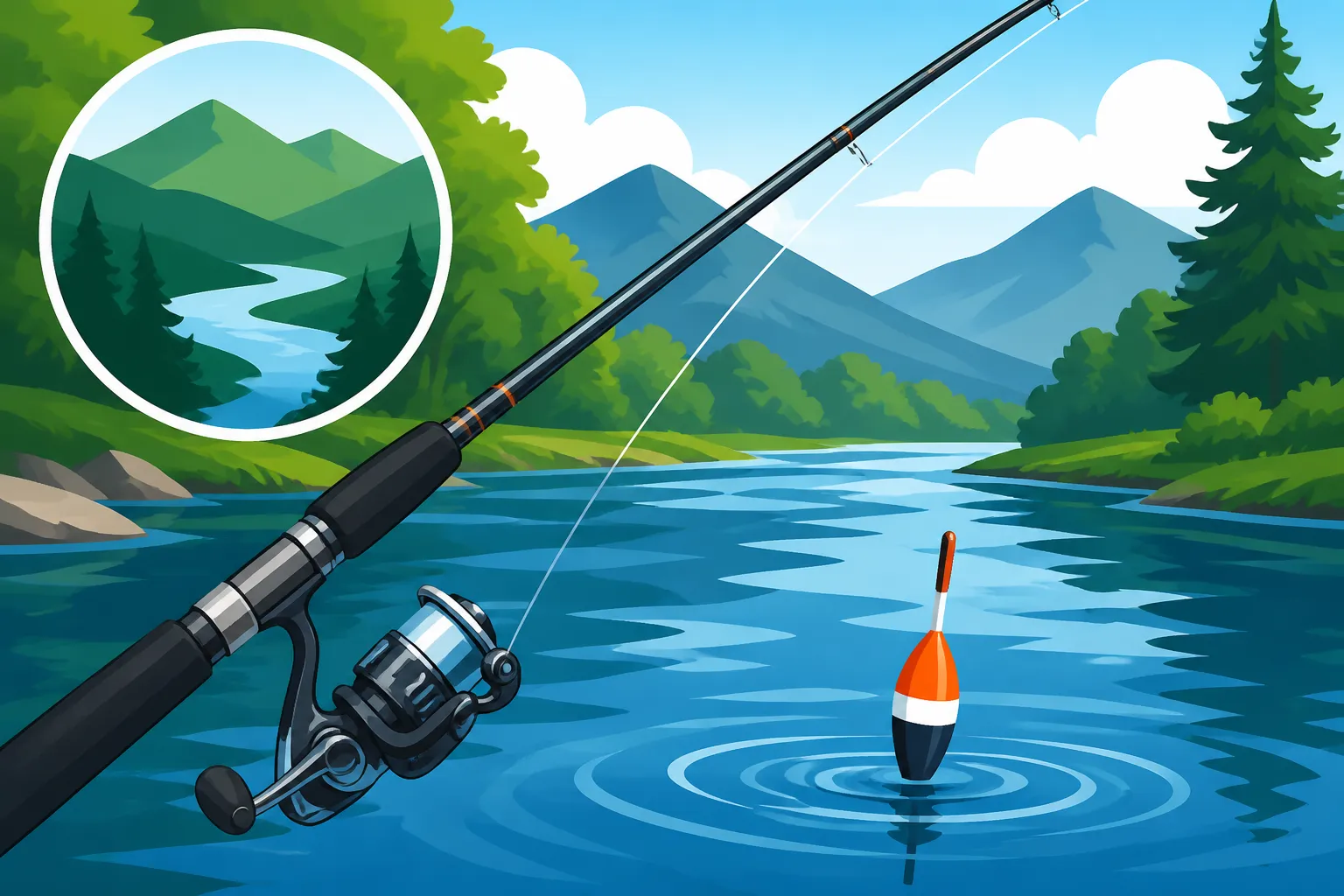
For the vast majority of anglers, a spinning rod is the go-to choice for float fishing the Connecticut River, and for good reason. They are incredibly versatile, relatively easy to learn, and widely available. Their open-face reel design makes casting light rigs – like a small float, split shot, and a single worm – exceptionally smooth and efficient.
When selecting a spinning rod for float fishing, you'll be looking for those longer lengths and specific actions we discussed earlier. A 9' to 10'6" spinning rod with a moderate-fast action and light to medium-light power is a fantastic starting point. You can find excellent options from a variety of manufacturers at retailers like Bass Pro Shops or browse a wide selection online through Amazon. These rods are designed to handle the lighter lines (4-8 lb mono or fluorocarbon) typically used for float fishing, providing good shock absorption during a fight while retaining enough sensitivity to detect those subtle takes. They are fantastic for covering a lot of water from the bank or a boat, and their simplicity makes them accessible to beginners and experienced anglers alike.
Centerpin Rods (for Advanced Float Anglers)
While perhaps less common among casual anglers in New Hampshire, centerpin fishing is considered the pinnacle of float fishing by many dedicated enthusiasts, particularly for salmon and steelhead, but also for wary trout. A centerpin reel is essentially a free-spooling reel that allows the line to peel off with almost zero resistance, enabling incredibly long, natural, drag-free drifts.
Centerpin rods are specifically designed to pair with these reels, and they are typically very long, often ranging from 11 to 15 feet. This extreme length maximizes line control and allows for unparalleled mending capabilities, ensuring your float and bait drift at precisely the same speed as the current. The action is usually moderate or moderate-fast, providing a parabolic bend that acts as a superb shock absorber, protecting light leaders from powerful fish.
If you're looking to dive deep into the art of float fishing and want the ultimate in drift control, a centerpin setup could be for you. However, there's a definite learning curve with the reel, and the rods themselves can be quite specialized. While a significant investment in both time and money, the precision and effectiveness of centerpin fishing on certain stretches of the Connecticut River can be unmatched for specific situations.
Fly Rods (with Indicator/Nymph Rigs)
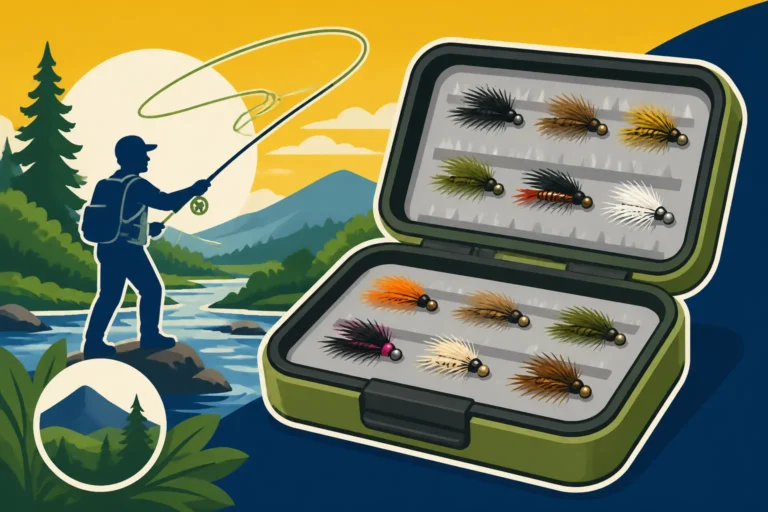
It might seem unconventional to list a fly rod for "float fishing," but many fly anglers utilize indicator nymphing rigs, which is essentially a refined form of float fishing. Instead of a traditional bobber, they use a strike indicator, and instead of bait, they present artificial nymphs or flies. This technique is incredibly effective for trout on the Connecticut River, especially in current.
For this style of fishing, a longer fly rod is highly advantageous, similar to spinning rods. A 9 to 10-foot, 4-weight to 6-weight fly rod is a common choice. The extra length aids in line control, roll casting, and effectively managing the drift of multiple weighted nymphs under an indicator. The delicate presentation of a fly rod is ideal for spooky trout, and the ability to mend line effortlessly helps achieve those perfect, natural drifts that trigger strikes. Many anglers will opt for a slightly stiffer "fast action" fly rod for better nymphing performance and feel. If you're already a fly angler or considering getting into fly fishing, an indicator nymphing setup on a longer fly rod is a highly effective way to fish the Connecticut River with a "float." For more on this, you might find our guide on Fly Fishing for Trout in New Hampshire helpful.
Setting Up Your Rod for Success: Line, Reel, and Floats
Having the right rod is only half the battle; the rest of your setup needs to complement it perfectly to maximize your float fishing success on the Connecticut River. Each component plays a vital role in achieving natural drifts and detecting subtle bites.
Matching Reel and Line to Your Rod
Once you've chosen your ideal float fishing rod, selecting the right reel and line is the next critical step. For spinning rods, a smaller, lighter spinning reel (typically a 1000 to 2500 series) is a perfect match. These reels balance beautifully with longer, lighter rods, preventing the setup from feeling tip-heavy or cumbersome. A well-balanced setup reduces fatigue and enhances sensitivity.
When it comes to line, monofilament is often the preferred choice for float fishing. Its inherent buoyancy helps keep more of the line afloat, which aids in mending and reducing drag. A 4 to 8-pound test monofilament is usually sufficient for trout and smallmouth bass on the Connecticut. The slight stretch in monofilament also provides a valuable shock absorber, protecting those light leaders during hooksets and spirited fights. For stealth, many anglers will tie a fluorocarbon leader (2-6 lb test) to their monofilament mainline. Fluorocarbon is nearly invisible underwater and sinks, helping your bait get down naturally. Some anglers also opt for high-visibility mainlines (like bright yellow or orange) because it makes it easier to track your line and mend effectively, especially in tricky light conditions. Remember, you'll want to make sure you have the proper New Hampshire Fishing License Guide for 2026 before hitting the water, so ensure your paperwork is in order.
Choosing the Right Float
The float itself is, of course, central to float fishing! The market offers a vast array of floats, and choosing the right one for the Connecticut River's varying conditions is key. You'll primarily encounter two types: fixed floats and slip floats.
Fixed floats are attached to your line at both the top and bottom, keeping your bait at a consistent depth below the float. These are excellent for shallower water or when you're consistently fishing a specific depth that isn't much deeper than your rod length. They offer great stability and sensitivity in gentler currents.
Slip floats are designed to slide freely up and down your mainline, stopping at a small knot (a bobber stop) that you can adjust to any depth. These are invaluable for fishing deeper sections of the Connecticut River, as they allow you to cast easily without having a massively long leader hanging from your rod tip. Once the cast is made, the weight of your bait pulls the line through the float until it hits the bobber stop, setting your desired depth. Having a selection of different sizes and shapes of floats in your tackle box is wise, allowing you to adapt to current speed and bait weight. Always match your float size to the amount of weight you're using; a float that's too large for your bait will be less sensitive, while one that's too small might not support your bait properly.
Terminal Tackle Considerations
The small components at the business end of your line might seem minor, but they significantly impact your success.
- Hooks: For trout and smaller species, small, sharp hooks in sizes 10 to 16 are ideal. The hook size should always match your bait to ensure a natural presentation. Super sharp hooks penetrate easily, leading to better hook-up ratios.
- Split Shot/Weights: The goal with float fishing is to use just enough weight to cock your float properly (so only the brightly colored tip is showing) and get your bait down to the desired depth naturally. Too much weight will make your presentation unnatural, while too little will cause your float to lie flat or drift too slowly. A good assortment of small split shot allows for fine-tuning. Position your weight strategically, often a few inches above your hook, with perhaps a tiny "tell-tale" shot closer to the hook for even more sensitivity.
- Swivels: Small barrel swivels or specialized float swivels are useful for preventing line twist, especially when using certain baits or techniques. Ensure they are small and lightweight to avoid impacting your drift.
Remember, the goal is always a natural presentation. Every component, from your rod to your hook, should work together to make your bait look as enticing and effortless as possible to the fish. Staying up-to-date on New Hampshire Trout Stocking and Fishing Rules and general New Hampshire Fishing Regulations Explained will ensure your terminal tackle and methods are always compliant.
Maintenance and Care for Your Float Fishing Rod
Your float fishing rod is an investment in your enjoyment on the water. Taking a little time for proper maintenance and care will not only prolong its life but also ensure it performs optimally every time you hit the Connecticut River. Neglecting your gear can lead to corrosion, weakened components, and ultimately, a less reliable and enjoyable fishing experience.
Cleaning and Storage
The environment around the Connecticut River can be tough on fishing gear. Mud, dirt, sand, and even the natural elements in the water can take their toll. After each fishing trip, especially if your rod has gotten wet or dirty, take a few minutes to wipe it down.
- Wipe Down: Use a damp cloth to gently clean the rod blank, guides, and handle. Pay special attention to the reel seat, where grime can build up and affect the reel's seating.
- Rinse Guides: The guides are particularly susceptible to wear and tear. Sand or grit trapped in the guide feet or inserts can act like sandpaper on your line over time, causing fraying and potential break-offs. A quick rinse with fresh water and a gentle wipe can prevent this.
- Air Dry: Before storing, ensure your rod is completely dry to prevent mildew growth on grips or corrosion on metal components.
- Proper Storage: Once clean and dry, store your rod in a rod sleeve or a hard case. This protects it from accidental bumps, scratches, and damage during transport or storage. Avoid leaning your rod against walls or in corners where it can easily tip over. Store it horizontally or vertically in a dedicated rod rack, away from direct sunlight, extreme heat (like a hot car interior), or freezing temperatures, which can damage the rod's blank material. For more general advice on maintaining your fishing tools, our guide on Best Tackle Box Setup for New Hampshire Anglers offers some great tips.
Inspecting Components Regularly
Beyond routine cleaning, a quick inspection of your rod's components before and after each outing can catch potential problems before they become serious.
- Guides: Run a cotton swab or a piece of stocking through each guide. If it snags, there might be a crack or a missing insert. A damaged guide can severely abrade your fishing line, leading to unexpected break-offs. Replacing a guide is a relatively simple repair but is critical for line integrity.
- Reel Seat: Check that the reel seat is secure and that the locking mechanism tightens firmly. A loose reel can lead to discomfort, loss of sensitivity, and even cause your reel to fall off during a cast or fight.
- Grips: Inspect cork or EVA foam grips for any damage or excessive wear. Comfortable grips are essential for long days of float fishing.
- Ferules/Joints: If your rod is a multi-piece design, check the ferules (the joints where the sections connect). Ensure they fit snugly and aren't cracking or showing signs of wear. A loose ferule can negatively impact casting performance and rod action.
By dedicating a little time to care and inspection, your float fishing rod will remain a reliable companion for countless trips to the Connecticut River. A well-maintained rod performs better, lasts longer, and ultimately enhances your overall fishing experience. If you are also interested in other rods, check out our piece on Best Fishing Rods for New Hampshire Lakes for additional insights.
Choosing Your Ideal Connecticut River Float Rod: A Quick Comparison
To help solidify your choice, here's a quick overview of how different rod characteristics align with various float fishing scenarios you might encounter on the Connecticut River in New Hampshire. This table isn't exhaustive but provides a solid framework for decision-making.
| Feature | Ideal for Delicate Trout Fishing | Ideal for Versatile River Fishing | Ideal for Larger Smallmouth/Current |
|---|---|---|---|
| Rod Length | 10' – 12' | 9'6" – 10'6" | 9' – 10' |
| Rod Action | Moderate-Fast to Moderate | Moderate-Fast | Fast |
| Rod Power | Light | Light to Medium-Light | Medium-Light |
| Line Weight (Mono) | 4-6 lb | 6-8 lb | 6-10 lb |
| Reel Size | 1000 – 2000 | 2000 – 2500 | 2500 – 3000 |
| Primary Target | Brook, Rainbow, Brown Trout | Mixed Trout, Smallmouth Bass | Larger Smallmouth, Opportunistic Trout |
| Best For | Light baits, slow currents | General river use, varied conditions | Heavier baits, stronger currents |
This guide is designed to empower you to make an informed decision, leading to more enjoyable and successful outings on the beautiful Connecticut River. Happy fishing! You might find more helpful tips in our guides like How to Fish a River for Smallmouth Bass or Trout Fishing in New Hampshire. Knowing the New Hampshire Fishing Seasons by Month can also give you an edge, while our article on Connecticut River Fishing Access in New Hampshire will help you find the best spots. And if you're really chasing those feisty smallmouth, consider reading up on Smallmouth Bass Fishing in New Hampshire.
Disclaimer
This article is for general informational purposes only and does not constitute professional advice. Laws, prices and regulations vary by location and change over time. Consult a qualified professional for guidance on your specific situation.