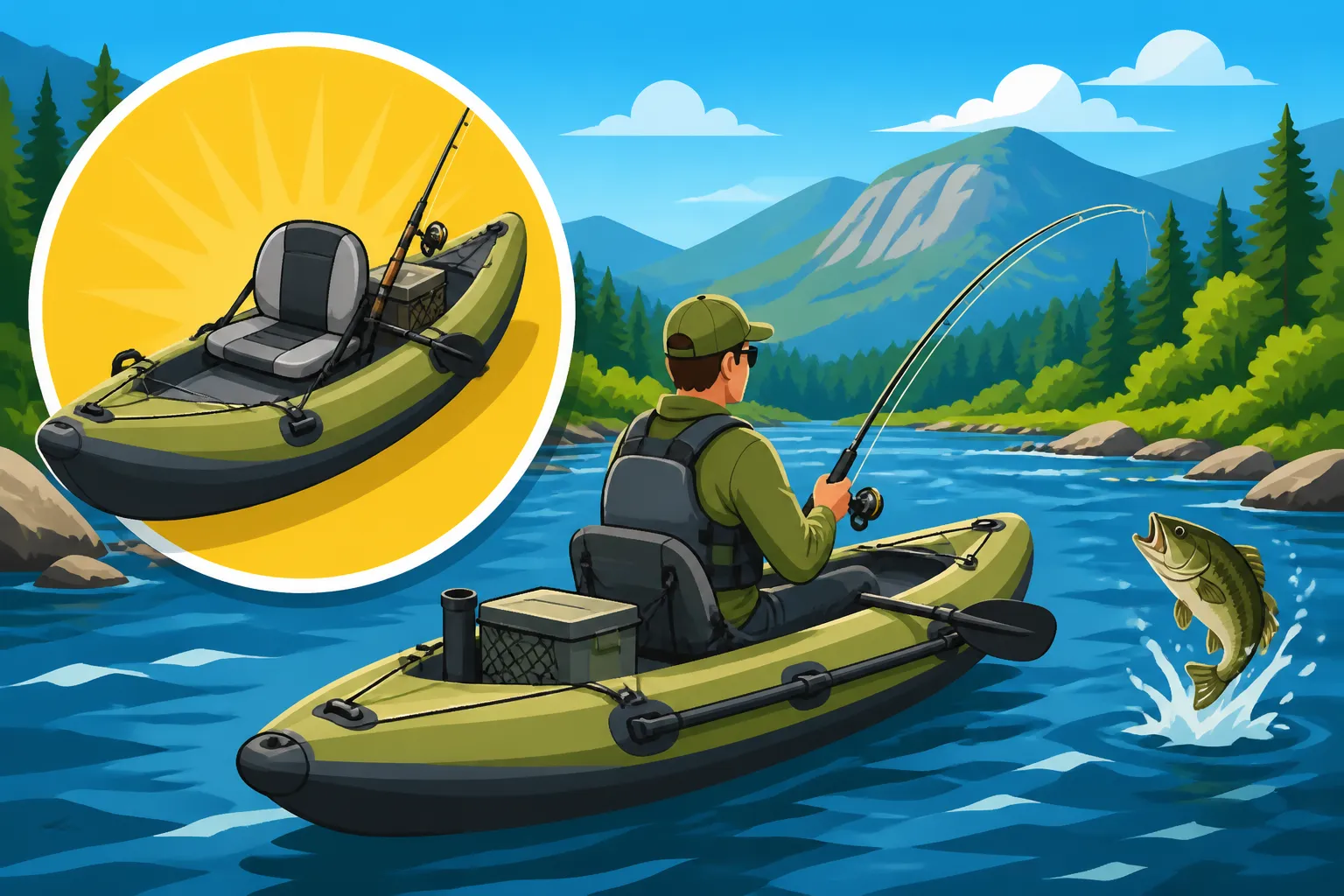
Best inflatable kayak for river fishing
It's a familiar struggle for so many anglers in New Hampshire: you dream of quietly floating down a peaceful river, casting for trout or smallmouth bass, but the thought of strapping a bulky hardshell kayak to your roof rack, then wrestling it down to the water, feels like a monumental task. Traditional kayaks can be a real pain for storage and transport, especially if you live in an apartment or don't have a dedicated trailer. This guide is all about helping you navigate the world of inflatable kayaks, making those serene river fishing trips a practical reality right here in our beautiful state.
Why Inflatable Kayaks for New Hampshire River Fishing?
Let's be real, when you hear "inflatable kayak," your mind might jump to those flimsy pool toys that barely hold air. But modern inflatable kayaks, especially those designed for fishing, are a completely different beast. They've come a long way, offering a compelling alternative to traditional hardshells for anglers looking to explore New Hampshire's countless rivers and streams without all the hassle. The benefits often outweigh the initial skepticism once you dive into what these robust vessels can actually do.
The Portability and Storage Advantage
This is, hands down, the biggest selling point for inflatable kayaks, especially for those of us who live in smaller spaces or don't have a dedicated garage or truck. Imagine being able to pack your entire fishing vessel into a duffel bag or backpack. No more struggling with heavy, awkward hardshells trying to hoist them onto a car roof. You can simply toss an inflatable kayak into your car trunk, back seat, or even check it as luggage if you're traveling. This ease of transport opens up so many more fishing opportunities. You can access remote river sections where vehicle access is limited, or simply hop between different Best Fishing Rivers in New Hampshire with minimal fuss. For example, if you want to try fishing the Swift River one day and then head to the Merrimack River Fishing Spots the next, an inflatable means less loading and unloading, and more actual fishing time. This convenience makes a huge difference in how often you actually get out on the water.
When the fishing season winds down, storage is equally effortless. Instead of taking up precious garage space or needing a dedicated spot in your yard, an inflatable kayak deflates and folds down compactly. It can live in a closet, under a bed, or neatly tucked away in a corner of your garage, freeing up valuable space for other gear or simply making your living situation less cluttered. This liberation from storage woes alone is enough to convert many anglers to the inflatable side, especially those who appreciate simplicity and efficiency in their outdoor pursuits.
Durability and River Navigation
Another common misconception is that inflatable kayaks are fragile and prone to punctures, especially in a rocky river environment. While you wouldn't want to drag any boat over sharp rocks repeatedly, modern inflatable fishing kayaks are built with incredibly tough, multi-layered materials that are far more resistant to abrasions and punctures than you might think. Many feature reinforced bottoms and multiple air chambers, meaning that even if one chamber were to get compromised (a rare event with proper care), the kayak would remain afloat, allowing you to safely get back to shore.
Beyond their surprising toughness, these kayaks offer excellent stability. Their wider profiles and often pontoon-like designs create a very stable platform, which is fantastic for fishing. You can often stand up to cast, or at least shift around comfortably without feeling like you're going to tip over. This stability is a huge advantage when you're trying to land a feisty smallmouth bass or navigate through some light rapids on the Pemigewasset River Fishing Guide. They also tend to have a very shallow draft, meaning they can glide over submerged obstacles and navigate skinny water that might hang up a hardshell boat, giving you access to untouched fishing holes that other anglers can't reach.
Comfort for Longer Floats
River fishing often means spending several hours on the water, sometimes even a full day. Comfort is absolutely crucial to enjoying these extended trips. Many inflatable fishing kayaks come equipped with elevated, adjustable seats that offer back support far superior to the molded plastic seats found in many hardshell models. This seating position keeps you drier and more comfortable, reducing fatigue in your lower back and legs. The flexibility of the inflatable structure can also absorb some of the chop and bumps of the river, providing a smoother ride than a rigid boat.
Think about a leisurely float down a stretch of the Connecticut River Fishing Access in New Hampshire – you want to focus on the fishing, not on a numb backside or aching muscles. The extra legroom and customizable seating in many inflatable models allow you to stretch out, change positions, and generally stay more relaxed throughout your outing. This enhanced comfort translates directly into longer, more enjoyable fishing sessions, letting you truly soak in the tranquility of New Hampshire's natural beauty without distraction.
Key Features to Look for in a River Fishing Inflatable Kayak
Choosing the right inflatable kayak for river fishing isn't just about picking the first one you see. There are specific features that can make a huge difference in your experience, especially when you're navigating currents, dodging obstacles, and trying to land a fish. Understanding these elements will help you make an informed decision and ensure your kayak is truly up to the task of New Hampshire's varied waterways.
Material and Construction: What Makes Them Tough?
The core of any good inflatable kayak lies in its materials and how it's put together. You'll often hear terms like PVC, Denier, and drop-stitch technology. These aren't just buzzwords; they represent significant differences in durability and performance. Most quality inflatable kayaks are made from heavy-duty PVC (polyvinyl chloride) or hypalon, sometimes reinforced with a fabric weave. Look for higher Denier ratings (e.g., 500D, 1000D, or even 1200D), which indicate a thicker, more robust material. The more layers and the higher the Denier, generally the tougher and more puncture-resistant the kayak will be. This is critical for brushing against submerged branches or occasional rock encounters in our rivers.
Another game-changer is drop-stitch technology, particularly for the floor of the kayak. Drop-stitch floors are made by stitching thousands of internal threads between two layers of fabric, allowing the floor to be inflated to a much higher pressure (think paddleboard rigidness). This creates an incredibly stiff, flat platform that feels much more like a hardshell boat, enhancing stability and allowing you to stand up and cast more easily. Combined with multiple independent air chambers in the side pontoons, this multi-chamber design adds a crucial layer of safety. If one chamber were to lose air, the others would keep you afloat and stable, allowing you time to paddle to shore. When you're searching on Amazon or at Bass Pro Shops, pay close attention to these construction details, as they speak volumes about the kayak's river-worthiness.
Stability and Tracking: Staying Straight in the Current
When you're fishing on a river, especially one with a decent current, stability and tracking are paramount. Stability refers to how resistant the kayak is to tipping, and tracking is its ability to hold a straight line without constantly correcting. Inflatable kayaks inherently offer good primary stability due to their wider, flatter bottoms, which is excellent for anglers who might be casting, fighting a fish, or reaching for tackle. Some models feature a distinct pontoon hull design, where the side chambers extend below the floor, creating an even more stable platform.
Tracking is often enhanced by features like removable skegs or fins on the underside of the kayak. A skeg acts like a keel, helping the kayak move in a straight line, which is invaluable when paddling against a current or trying to maintain position in a drift. Without a skeg, inflatables can sometimes feel a bit like paddling an inner tube – great for fun, not so great for precision fishing. For New Hampshire's meandering rivers, where you'll encounter a mix of currents and still water, a kayak with good tracking will save you a lot of effort and allow for more controlled drifts. Don't underestimate the importance of these seemingly small design choices; they significantly impact your efficiency and enjoyment on the water.
Fishing-Specific Features
A truly great inflatable fishing kayak goes beyond just being an inflatable boat; it integrates features specifically designed for anglers. These thoughtful additions can transform a simple float into a highly effective fishing platform. Look for:
- Rod Holders: These are essential. Some kayaks come with flush-mount holders built into the sides, while others offer adjustable swivel rod holders that can be mounted to accessory rails. The more versatile, the better, allowing you to troll, hold a spare rod, or secure your rod while you handle a fish.
- D-rings and Tie-Down Points: These are crucial for securing gear like dry bags, tackle boxes, or small coolers. Having plenty of attachment points means you can keep your essentials organized and easily accessible, preventing them from floating away if you hit a rough patch or capsize.
- Accessory Mounts: Many modern kayaks feature universal mounting systems (like Scotty or Railblaza bases) that allow you to attach fish finders, GPS units, camera mounts, or additional rod holders. This customization lets you tailor your setup to your exact fishing needs.
- Cargo Space: Ample storage is vital for a day on the river. Look for bungee cords over open deck areas, bow and stern storage hatches (even if they are just covered bungee zones), and enough floor space to accommodate a tackle bag and a small cooler. Some kayaks even have built-in insulated soft coolers.
- Anchor Points: While not always built-in, the presence of D-rings makes it easy to add an anchor trolley system, which is incredibly useful for holding your position in a current when you've found a good fishing spot.
- Grab Handles: Multiple sturdy grab handles make it easier to carry the inflated kayak, especially when launching or portaging around obstacles.
These features, often overlooked by recreational paddlers, are what elevate an inflatable kayak to a true fishing machine. When you're comparing models online or in stores, keep a mental checklist of these fishing-specific amenities to ensure you're getting a kayak that will truly enhance your angling adventures.
Top Considerations for New Hampshire's Diverse Rivers
New Hampshire is blessed with an incredible variety of rivers, from wide, slow-moving waterways to narrow, rocky mountain streams. The "best" inflatable kayak for river fishing truly depends on where you plan to do most of your angling. Thinking about the specific conditions you'll encounter will help you narrow down your choices and ensure you have the right tool for the job.
Matching Your Kayak to the River Type
Consider the kind of river fishing you'll be doing. Are you planning to float leisurely down the broad, calmer stretches of the Merrimack River Fishing Spots or the lower Connecticut River, targeting smallmouth bass and pike? Or are you dreaming of navigating the shallower, sometimes swifter currents of a mountain stream like the Swift River Trout Fishing or the Ellis River Trout Fishing in search of brook trout?
For wider, slower rivers, a longer, narrower inflatable kayak with good tracking will be efficient for covering distance. Stability is still important, but speed and glide might become more of a factor. These boats often have more open deck space for gear. However, if your sights are set on smaller, rockier, or faster moving streams with Class I or II rapids (common in sections of the Pemi or Saco rivers), you'll want a shorter, wider, and highly maneuverable kayak. Excellent secondary stability (resistance to tipping when leaned) and a robust, reinforced bottom become even more critical here. You'll also want to ensure the kayak can turn quickly to avoid obstacles. Some anglers even opt for inflatable rafts or packrafts for extremely challenging, shallow, or whitewater-heavy sections, though these are less common for dedicated fishing.
Essential Safety Gear and Practices
No matter how durable your inflatable kayak is, safety should always be your top priority, especially on moving water. Rivers present unique challenges, and being prepared can make all the difference.
First and foremost, a properly fitted Personal Flotation Device (PFD) is non-negotiable. New Hampshire law has specific Life Jacket Requirements for New Hampshire Boaters, so make sure you're compliant and, more importantly, that you wear it. Even strong swimmers can get into trouble in cold water or swift currents. Beyond your PFD, always carry a whistle to signal for help.
A dry bag is essential for keeping your phone, car keys, wallet, and any other electronics or valuables protected from water. Even in calm conditions, splashes and drips are inevitable. Consider a small first-aid kit, a repair kit for your kayak (just in case!), and plenty of water and snacks for longer trips. If you're going into remote areas, let someone know your float plan and estimated return time. Understanding river conditions – current speed, water levels, potential hazards like strainers (fallen trees) – is crucial before you launch. Always scout unfamiliar sections of river if possible.
Transporting and Launching Your Inflatable
One of the big draws of inflatable kayaks is their ease of transport. But it's not just about getting it to the river; it's also about getting it ready to launch and packing it up afterward. Most inflatable kayaks come with a hand or foot pump, but investing in an electric pump that plugs into your car's 12V outlet can save you a lot of time and effort, especially after a long day of fishing. Inflation times vary, but most can be ready to go in 10-20 minutes.
When launching, look for designated public access points or areas with gentle slopes. Many of New Hampshire's rivers have numerous public boat launches and fishing access points, but always be respectful of private property. Once you're done fishing, deflating and packing up is usually straightforward, though it often involves rolling the kayak to squeeze out as much air as possible for compact storage. It's a good practice to clean and thoroughly dry your kayak after each use to prevent mildew and prolong its lifespan, especially before long-term storage.
Recommended Inflatable Kayaks for New Hampshire River Anglers
The market for inflatable kayaks has exploded, and there are some fantastic options out there designed specifically with anglers in mind. While I can't give you specific models (as offerings change), I can talk about the types of kayaks and features that generally fit different needs for river fishing in New Hampshire. When you're ready to buy, remember to check current offerings and reviews on reputable sites like Amazon or specialized retailers like Bass Pro Shops.
Entry-Level & Versatile Options
For those new to inflatable kayaks or who primarily fish calmer, slower rivers, entry-level models offer a great balance of affordability and functionality. These kayaks are often made with durable, multi-layer PVC and usually feature multiple air chambers for safety and stability. They might have a simpler seating system and fewer integrated fishing features, but they are typically lightweight and very easy to transport and set up.
Think about a solo inflatable kayak that's about 9-11 feet long. These are fantastic for exploring tranquil stretches of river where you might be targeting panfish, smaller trout, or bass. They'll handle light currents well, offer decent stability for casting, and are incredibly easy to manage on your own. While they might not have all the bells and whistles, many come with basic rod holders or D-rings where you can easily add accessories. They're a perfect gateway to enjoying the river without a huge investment or the logistical headache of a hardshell.
Mid-Range & Feature-Rich Choices
Stepping up a bit, mid-range inflatable fishing kayaks offer a significant boost in performance, durability, and angler-specific features. These are often built with thicker, more abrasion-resistant materials and frequently incorporate drop-stitch technology in the floor, providing a much stiffer and more stable platform. You'll find more robust, elevated seats that offer better back support, making those longer floats much more comfortable.
These kayaks typically come with more integrated fishing features: multiple flush-mount and adjustable rod holders, accessory tracks for mounting fish finders or GPS units, and ample bungee-secured cargo areas. They tend to track better, often due to longer lengths and more effective skeg systems, making them suitable for longer paddles on bigger rivers like the Connecticut River Fishing Access in New Hampshire or for navigating moderate currents. Some models even have self-bailing scupper holes, which are great for quickly draining any water that gets into the boat, especially if you anticipate encountering small rapids. This category offers a sweet spot for many New Hampshire river anglers who want a reliable, comfortable, and well-equipped fishing platform without breaking the bank.
Advanced & Heavy-Duty Models
For the serious river angler who demands the utmost in durability, stability, and customization, advanced inflatable kayaks are the way to go. These are often designed for tackling more challenging conditions, including quicker currents, rocky stretches, and even some whitewater. They are constructed with the toughest materials, such as heavy-duty Denier PVC or Hypalon, and often feature reinforced keels and bottoms for maximum impact resistance. Drop-stitch technology is almost a given in these models, providing an incredibly rigid and stable fishing platform that truly rivals a hardshell.
You'll find these kayaks bristling with features: highly adjustable, comfortable seats that can be raised for better visibility, numerous accessory rails for comprehensive electronics setups, robust anchor systems, and often more specialized storage solutions. Some even resemble inflatable rafts or pontoon boats more than traditional kayaks, offering exceptional stability for standing and casting, even in moving water. While they represent a larger investment, their superior performance, comfort, and longevity make them invaluable for anglers who spend a lot of time on the water or venture into more remote and demanding river environments. These are the workhorses you'd trust for a multi-day fishing trip or when you're truly focused on How to Fish a River for Smallmouth Bass in varying conditions.
Here's a quick comparison of some general types of inflatable kayaks and their features relevant to river fishing:
| Feature/Type | Entry-Level Recreational | Mid-Range Angler Specific | Advanced Heavy-Duty |
|---|---|---|---|
| Primary Use | Calm rivers, lakes | Moderate rivers, diverse species | Challenging rivers, avid anglers |
| Material Strength | Good (multi-layer PVC) | Very Good (thick PVC, reinforced) | Excellent (heavy-duty Denier, Hypalon) |
| Floor Type | Inflatable I-beam | Drop-stitch often | Drop-stitch standard |
| Stability | Good | Excellent | Exceptional |
| Tracking | Fair to Good (with skeg) | Good to Very Good | Very Good to Excellent |
| Fishing Features | Basic rod holders, D-rings | Multiple rod holders, accessory mounts, cargo | Comprehensive mounts, raised seats, robust storage |
| Portability | Very High | High | Moderate (can be heavier) |
| Best For NH Rivers | Calm sections of large rivers, smaller ponds | Varied rivers, targeting different species | Swift rivers, remote access, standing to fish |
This article is for general informational purposes only and does not constitute professional advice. Laws, prices and regulations vary by location and change over time. Consult a qualified professional for guidance on your specific situation.