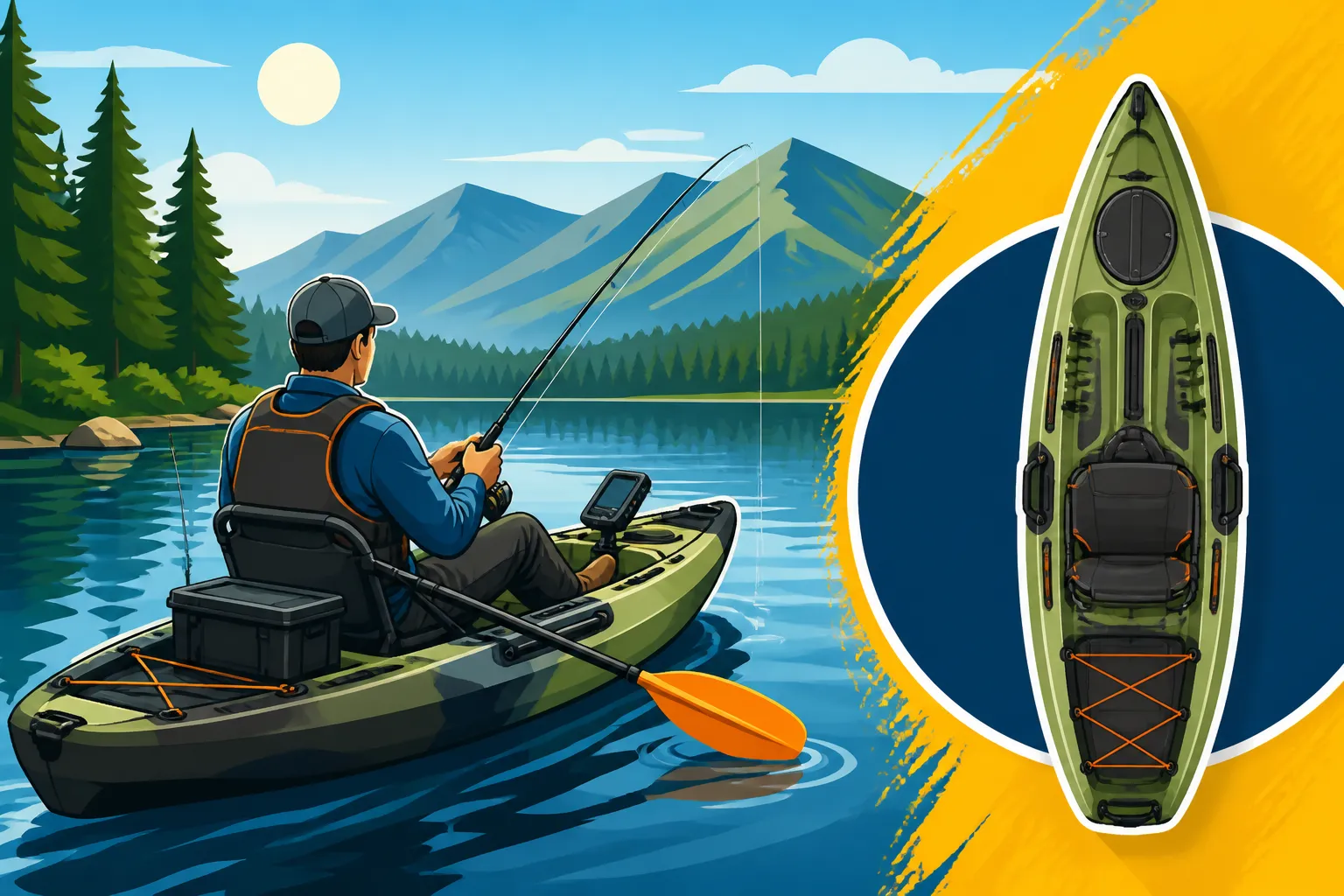
Best sit-on-top kayak for lake fishing
For many New Hampshire anglers, the thought of getting out on our beautiful lakes conjures images of tranquil mornings, the gentle lapping of water against a hull, and the thrill of a tug on the line. But for those looking to fish efficiently and comfortably, especially on diverse waters ranging from the quiet ponds to the vast expanses of Lake Winnipesaukee, choosing the right vessel can feel overwhelming. Traditional canoes can be unstable, powerboats are costly and loud, and shore fishing limits your reach. This guide is here to help you navigate the often-confusing world of fishing kayaks, specifically focusing on why a sit-on-top kayak is an excellent choice for lake fishing in the Granite State and what features truly matter when making your selection.
Why a Sit-on-Top Kayak for New Hampshire Lake Fishing?
If you've ever spent time trying to fish from a traditional sit-inside kayak, you know the struggle: cramped legroom, limited space for gear, and the sheer gymnastics required to cast or even just grab a drink without feeling like you're about to tip over. Sit-on-top kayaks, on the other hand, have become incredibly popular with anglers for very good reasons. They address many of these common frustrations, providing a more angler-friendly platform that makes a day on the water far more enjoyable and productive.
Comfort and Stability on Calm Waters
One of the biggest advantages of a sit-on-top kayak, especially for lake fishing, is the inherent stability they offer. Unlike traditional kayaks where you're sitting inside the hull, sit-on-tops place you on a molded deck, often wider and flatter, which significantly increases stability. This means less wobble and more confidence when you're casting, reeling in a fish, or even just reaching for your tackle box. On calm New Hampshire lakes, whether it's a peaceful morning on Squam Lake or a quiet cove on Lake Winnipesaukee, this stability allows you to focus on fishing, not on maintaining your balance.
The open deck design also means more freedom of movement. You're not constrained by a cockpit, which can be a huge relief on those long fishing days. You can stretch your legs, shift your position, and just generally feel less "locked in." This comfort translates directly into longer, more enjoyable fishing sessions, which is exactly what we're all after when we hit the water. It's about feeling relaxed enough to truly soak in the natural beauty of New Hampshire's lakes while waiting for that bite.
Easy Entry and Exit (especially for anglers)
Let's be honest, not everyone wants to perform an Olympic-level maneuver just to get into or out of their fishing craft. For anglers, especially those who might need to quickly get in or out, or even portage their kayak over a short distance, the easy entry and exit of a sit-on-top is a game-changer. There's no claustrophobic cockpit to squeeze into; you simply sit down on the molded seat. This is particularly helpful when launching from tricky shorelines, public boat launches, or if you need to hop out to land a fish or retrieve a snagged lure.
Think about it: you've got your rod, your tackle bag, maybe a cooler. Trying to manage all that while wiggling into a sit-inside kayak can be a recipe for frustration, or worse, a swim. With a sit-on-top, the process is streamlined. You can load your gear, then simply step or slide onto the seat. This accessibility also makes them great for beginners or those with mobility concerns, opening up the world of kayak fishing to a wider audience. Plus, if you do happen to capsize, recovery is usually much simpler, as the kayak won't fill with water, and you can often just climb back on top.
Open Deck Space for Gear Management
One of the most common complaints among kayak anglers is a lack of space for all their gear. Fishing requires a lot of stuff: multiple rods, tackle boxes, bait containers, a cooler, perhaps a fish finder, and all the safety equipment like a Life Jacket Requirements for New Hampshire Boaters. Sit-on-top kayaks excel here with their open, accessible deck space. This design typically includes multiple storage options, from stern tankwells with bungee cords to bow hatches and even dedicated areas for crate systems.
This generous deck space allows for excellent gear organization. You can strap down a fishing crate in the back, keep a small cooler within reach, and have your tackle bag readily accessible. Many models also feature molded-in rod holders or tracks for mounting accessories like GPS units, action cameras, or additional rod holders. This means you can customize your setup to perfection, ensuring everything you need is close at hand without feeling cluttered or sacrificing casting room. You're not digging into tiny compartments; your gear is right there, ready to go. You can find many useful accessories and storage solutions on retailers like Bass Pro Shops or Amazon.
Key Features to Look for in a Lake Fishing Sit-on-Top Kayak
Choosing a sit-on-top kayak isn't just about picking the first one you see; it's about understanding which features truly matter for fishing our New Hampshire lakes. The devil is in the details, and a little forethought can make a huge difference in your enjoyment and success on the water. From how it handles to how comfortable you are, every aspect plays a role.
Stability Over Speed
When you're lake fishing, especially from a kayak, stability is usually far more critical than outright speed. You'll be casting, setting hooks, potentially fighting fish, and sometimes even standing up to get a better view or make a more accurate cast. A stable platform allows you to do all of this with confidence, minimizing the risk of an unplanned dip in the lake. While a faster, narrower kayak might get you across Lake Winnipesaukee a little quicker, it won't do you much good if you're constantly fighting to stay upright when a fish hits.
Look for kayaks with wider hulls, particularly those with a "catamaran" or pontoon-style hull design, which create a very stable base. Some even feature stand-up assist straps or bars specifically for anglers who prefer to fish on their feet. While these kayaks might feel a bit slower to paddle through the water, the trade-off in stability is invaluable for fishing. It means you can focus on the fishing techniques for New Hampshire lakes, whether it's jigging for perch or casting for bass, rather than worrying about your balance. For larger, open lakes, this stability also helps in choppier conditions, though always be mindful of weather.
Storage and Rigging Options
As discussed earlier, anglers have a lot of gear. Therefore, ample and intelligent storage is a non-negotiable feature for a good fishing kayak. Beyond just open deck space, consider the specifics:
- Tankwells: A large, open storage area in the stern, often with bungee cords, is perfect for a fishing crate, cooler, or dry bag. Make sure it's big enough for your preferred tackle crate system.
- Hatches: Dry storage hatches, usually in the bow or center, are essential for keeping sensitive items like phones, keys, and wallets safe and dry.
- Rod Holders: Look for flush-mount rod holders for storage and often track systems that allow you to customize the placement of additional rod holders, fish finders, or other accessories. These tracks are a huge bonus for personalizing your setup.
- Gear Tracks: These rails, common on many modern fishing kayaks, provide a versatile mounting platform for a myriad of accessories. From rod holders to camera mounts and even cup holders, gear tracks mean you can rig your kayak exactly how you want it, without drilling into the hull. This modularity is a godsend for serious anglers who like to fine-tune their setup.
You want a kayak that not only has space but makes that space usable and accessible while you're fishing. Many accessories for these features can be found at retailers like Bass Pro Shops.
Seat Comfort for Long Hours
Anyone who has spent a full day on the water knows that a comfortable seat is paramount. Kayak seats have come a long way from simple molded plastic. Modern fishing kayaks often feature elevated, framed seats that resemble small lawn chairs. These offer several key benefits:
- Back Support: Superior lumbar support helps prevent back fatigue, which can cut a good fishing day short.
- Elevation: Being raised off the deck means you're not sitting in any accumulated water, and it often provides a better vantage point for spotting fish or making casts.
- Adjustability: Many seats can be adjusted forward or backward, and some even have recline options, allowing you to find your perfect fishing position.
Before buying, always try out the seat if possible. Sit in it for a while, imagine yourself paddling and fishing. A comfortable seat means you can stay out longer, fish more effectively, and enjoy your time on New Hampshire's lakes without aches and pains. This is especially true if you plan on long excursions, perhaps exploring the coves of Squam Lake or fishing the extensive shoreline of Lake Winnipesaukee.
Propulsion Systems (Paddle vs. Pedal)
While traditional paddle kayaks are still incredibly popular, pedal-drive systems have revolutionized fishing from a kayak. Each has its pros and cons:
- Paddle Kayaks: These are typically lighter, more affordable, and simpler in design. They're great for accessing shallow areas, quieter, and require upper body strength for propulsion. For a quick trip to a local pond or a quieter stream, a paddle kayak is often all you need. Consider your Best Paddle length for a fishing kayak for optimal efficiency.
- Pedal Kayaks: These use foot pedals to power a propeller or fin-drive system, freeing up your hands for fishing. This is a huge advantage when trolling, fighting a fish, or managing your line. They are generally more expensive and heavier, and some designs have limitations in very shallow, weedy waters. However, for covering larger areas of a lake like Newfound or Sunapee, or for maintaining position against wind or current while casting, a pedal kayak is incredibly efficient. You can also equip some with a Best Trolling Motor for a Fishing Kayak for even more versatility.
Think about your primary fishing style and the types of water you'll be frequenting. If hands-free operation and covering distance are priorities, a pedal drive might be worth the investment. If simplicity, cost, and quiet access to tight spots are key, a paddle kayak will serve you well.
Understanding Kayak Sizes and Materials for NH Lakes
The diverse waters of New Hampshire, from serene mountain ponds to the sprawling inland seas like Winnipesaukee, mean that one kayak size or material doesn't fit all. Making an informed decision here will ensure your kayak is well-suited to your fishing adventures.
Length and Width Considerations
The dimensions of your kayak have a direct impact on its performance and suitability for different fishing scenarios:
-
Length:
- Shorter kayaks (10-12 feet): These are generally more maneuverable, easier to transport, and ideal for smaller ponds, tight coves, or slow-moving rivers. They turn quickly and are great for navigating around structure or through reeds. If you primarily fish smaller, more intimate waters, a shorter kayak offers excellent control and ease of use.
- Longer kayaks (12-14+ feet): These track straighter, are faster, and handle choppy water better. They're perfect for covering large expanses of water on bigger lakes like Lake Winnipesaukee or exploring larger sections of the Connecticut River. The trade-off is often less maneuverability in tight spaces and increased weight, making transport a bit more challenging. For serious lake anglers who venture onto open water, the stability and speed of a longer boat are significant advantages.
-
Width:
- Wider kayaks (30+ inches): These offer maximum stability, which is fantastic for fishing. You can cast confidently, stand up in some models, and feel very secure. This width also typically allows for more deck space and storage.
- Narrower kayaks (under 30 inches): These tend to be faster and more efficient to paddle but sacrifice some stability. While fine for experienced paddlers in calm conditions, they might be less ideal for anglers who prioritize standing or need a very steady platform.
Consider the specific waterways you frequent most often. If you’re primarily sticking to protected coves or smaller ponds, a shorter, wider boat might be perfect. If you’re planning to explore the open waters of a vast lake, a longer, moderately wide kayak will provide the best balance of speed and stability. For general Best Kayaks for New Hampshire Fishing, a mid-range length with good width is often a versatile choice.
Kayak Weight and Transport
The weight of a fishing kayak is a critical, yet often overlooked, factor. It influences everything from loading it onto your vehicle to carrying it down to the water:
- Weight without gear: Fishing kayaks, especially those with pedal drives or extensive features, can be quite heavy. A fully outfitted kayak can easily weigh 80-120 pounds or more. Consider how you'll be getting your kayak to and from the water. Do you have a roof rack system that can handle the weight? Will you need a trailer or a special cart? Best Kayak for Winnipesaukee models designed for stability and features might be heavier, requiring more robust transport solutions.
- Solo vs. Assisted Transport: If you plan on fishing alone, a lighter kayak (under 75 lbs) will be much easier to manage. If you always have a fishing buddy, you might be able to handle a heavier model with two people.
- Accessibility: Think about the distance from your car to the launch point. If you're always using public boat launches, a heavier kayak might be fine. But if you're frequently dragging it across beaches or down trails to access remote ponds, a lighter option or a reliable kayak cart is essential.
Don't underestimate the impact of weight on your overall fishing experience. The easier your kayak is to transport, the more likely you are to use it. Retailers like Amazon offer a wide array of kayak carts and roof rack accessories that can significantly ease the burden of heavy kayaks.
Material Durability and Maintenance
Most sit-on-top fishing kayaks are made from rotomolded polyethylene, a durable plastic that can withstand a lot of abuse. However, there are nuances:
- Polyethylene: This is the most common material due to its excellent impact resistance and relatively low cost. It can take a beating from rocks and rough handling, which is a huge plus when launching from rocky New Hampshire shorelines or accidentally bumping into submerged objects. However, it can scratch, and over time, UV exposure can degrade the plastic if not stored properly.
- Composite Materials (less common in sit-on-tops): Some higher-end kayaks might use lighter, stiffer composites (like fiberglass or carbon fiber). These are generally faster and lighter but far more expensive and prone to damage from impacts. For fishing, the ruggedness of polyethylene is usually preferred.
Maintenance: Polyethylene kayaks are relatively low maintenance. A quick rinse after each use, especially if you've been in saltwater (like Great Bay), and proper storage out of direct sunlight will keep your kayak in good shape for years. For any deep scratches, specific repair kits are available, but for the most part, they are very forgiving. The durability of these materials makes them ideal for the varied and sometimes rugged environments of New Hampshire's fishing spots.
Top Considerations for New Hampshire's Varied Lakes
New Hampshire boasts an incredible diversity of fishing waters, from small, serene ponds tucked away in the woods to massive, wind-swept lakes. Your choice of sit-on-top kayak should reflect the specific conditions you’ll encounter most often. What works perfectly on a placid pond might be a nightmare on a big lake with boat traffic.
Navigating Smaller Ponds and Rivers
If your fishing preference leans towards the quieter, more intimate settings of New Hampshire’s smaller ponds or the gentle flows of our less-trafficked rivers, your kayak needs will be slightly different. These environments often call for maneuverability and easy access.
- Maneuverability is Key: Shorter, wider kayaks (in the 10-12 foot range) truly shine here. They turn on a dime, allowing you to easily navigate tight channels, weave through lily pads, and get into those hidden coves where the biggest bass often lurk. Trying to muscle a 14-foot ocean-going kayak through a narrow bend in a river can quickly become frustrating.
- Portability Matters: Accessing these smaller waters often means less developed launch points. You might be carrying your kayak a short distance from your car through woods or over a small bank. A lighter kayak that's easier to handle solo is a huge advantage. This also means you're more likely to explore those off-the-beaten-path spots, like remote trout ponds, which can hold some incredible fishing opportunities.
- Shallow Water Performance: While most sit-on-tops handle shallow water well, consider the draft (how deep the hull sits in the water) if you anticipate very skinny water, especially in rivers or marshy areas. If you're thinking of Best Kayak for River Fishing in New Hampshire, maneuverability and a slightly shallower draft are important.
For these smaller, calmer waters, a less specialized, more nimble sit-on-top will enhance your experience, allowing you to focus on the peaceful fishing rather than fighting your craft.
Handling Larger Lakes like Winnipesaukee or Squam
Venturing onto New Hampshire's larger lakes, such as the vast Lake Winnipesaukee, the equally impressive Squam Lake, or even Sunapee Lake, presents a different set of challenges and opportunities. These waters can develop significant chop and boat traffic, requiring a more robust and capable kayak.
- Stability in Chop: On big lakes, winds can kick up quickly, turning calm water into a choppy mess. A longer, wider sit-on-top kayak with a good hull design will handle these conditions much better, providing a more stable and less fatiguing ride. You'll want a kayak that tracks straight, reducing the effort needed to maintain your course against waves or wind. Best Kayak for Winnipesaukee often means prioritizing stability and tracking.
- Covering Distance: These lakes are huge, and you might want to cover a lot of water to find fish. A longer kayak with better glide, and especially one with a pedal drive system, will be a game-changer for efficiently exploring large areas without exhausting yourself paddling. This allows you to reach distant fishing spots or troll for landlocked salmon with greater ease.
- Visibility and Safety: On large lakes with powerboat traffic, being visible is crucial. Choose bright-colored kayaks if possible, and always display a visibility flag, especially if you're out early morning, late evening, or in foggy conditions. Always adhere to New Hampshire Boating Laws for Anglers and ensure you have all required safety equipment, including proper life jackets. The larger the water body, the more seriously you need to take safety.
For serious big-lake fishing, invest in a kayak designed for those conditions. The added stability, speed, and safety features will make your expeditions far more enjoyable and secure.
Cold Water Safety and Features
New Hampshire's fishing seasons often extend into colder months, and even in summer, our deep lakes can have surprisingly cold water temperatures. Kayak fishing in cold water demands extra precautions and specific kayak features to ensure your safety and comfort.
- Material Insulation: While polyethylene isn't an insulator, the sit-on-top design means if you do go for an unexpected swim, the kayak won't fill with water, making re-entry easier than with a sit-inside. However, being on the water in cold conditions means exposure.
- Scupper Plugs: Most sit-on-top kayaks have scupper holes that allow water to drain from the deck. In cold weather, you'll want scupper plugs to prevent cold water from splashing up through these holes and making you wet and cold. Keeping dry is paramount in cold conditions.
- Proper Gear Storage: In cold weather, it's even more important to have a dry bag for spare clothes, electronics, and snacks. If you capsize, having a dry change of clothes can be vital. Look for kayaks with easily accessible dry hatches or secure tankwell areas where a Best Dry Bag for Kayak Fishing can be securely stored.
- Personal Safety Equipment: Beyond the mandatory life jacket, consider a wetsuit or drysuit for very cold water conditions, especially if you're prone to falling in or if you're fishing alone. A signaling device, a paddle leash, and always letting someone know your float plan are also critical safety measures. Being prepared for the unexpected is part of fishing in New Hampshire's beautiful but sometimes challenging environment.
Fishing in New Hampshire can be a year-round passion, but respecting the cold water and equipping yourself and your kayak appropriately is essential for a safe and enjoyable experience.
| Feature | Small Ponds / Rivers | Large Lakes (Winnipesaukee, Squam) |
|---|---|---|
| Kayak Length | 10-12 feet (Maneuverable) | 12-14+ feet (Tracking, Speed) |
| Kayak Width | Moderate to Wide (Stability) | Wide (Max stability in chop) |
| Propulsion | Paddle (Quiet, shallow access) | Pedal or Paddle (Efficiency, speed) |
| Storage | Ample, easily accessible | Secure, high-capacity, dry storage |
| Seat Comfort | High priority for long hours | High priority for long hours |
| Stability | Good (Casting, standing) | Excellent (Chop, boat wakes) |
| Transport | Lighter, easier solo carry | May require cart/trailer |
| Cold Water Ready | Scupper plugs, dry bag | Scupper plugs, safety gear |
Choosing the right sit-on-top kayak for lake fishing in New Hampshire truly depends on your personal fishing style, the specific lakes you plan to explore, and your comfort with transportation and safety. By prioritizing stability, smart storage, and ergonomic comfort, you'll find a vessel that not only gets you to the fish but enhances every moment you spend on our beautiful waters. Happy paddling, and tight lines!
Disclaimer
This article is for general informational purposes only and does not constitute professional advice. Laws, prices and regulations vary by location and change over time. Consult a qualified professional for guidance on your specific situation.