Best flat-bottom boat for river fishing
Finding the perfect boat for navigating New Hampshire's diverse rivers can be a real headache. You want something stable enough for gear, shallow enough for skinny water, and robust enough to handle the occasional bump, all without being a beast to transport. This guide is all about helping you cut through the confusion and pinpoint exactly why a flat-bottom boat is often the unsung hero for river fishing in our beautiful Granite State, and what to look for when choosing one.
The Undeniable Appeal of Flat-Bottom Boats for River Fishing in New Hampshire
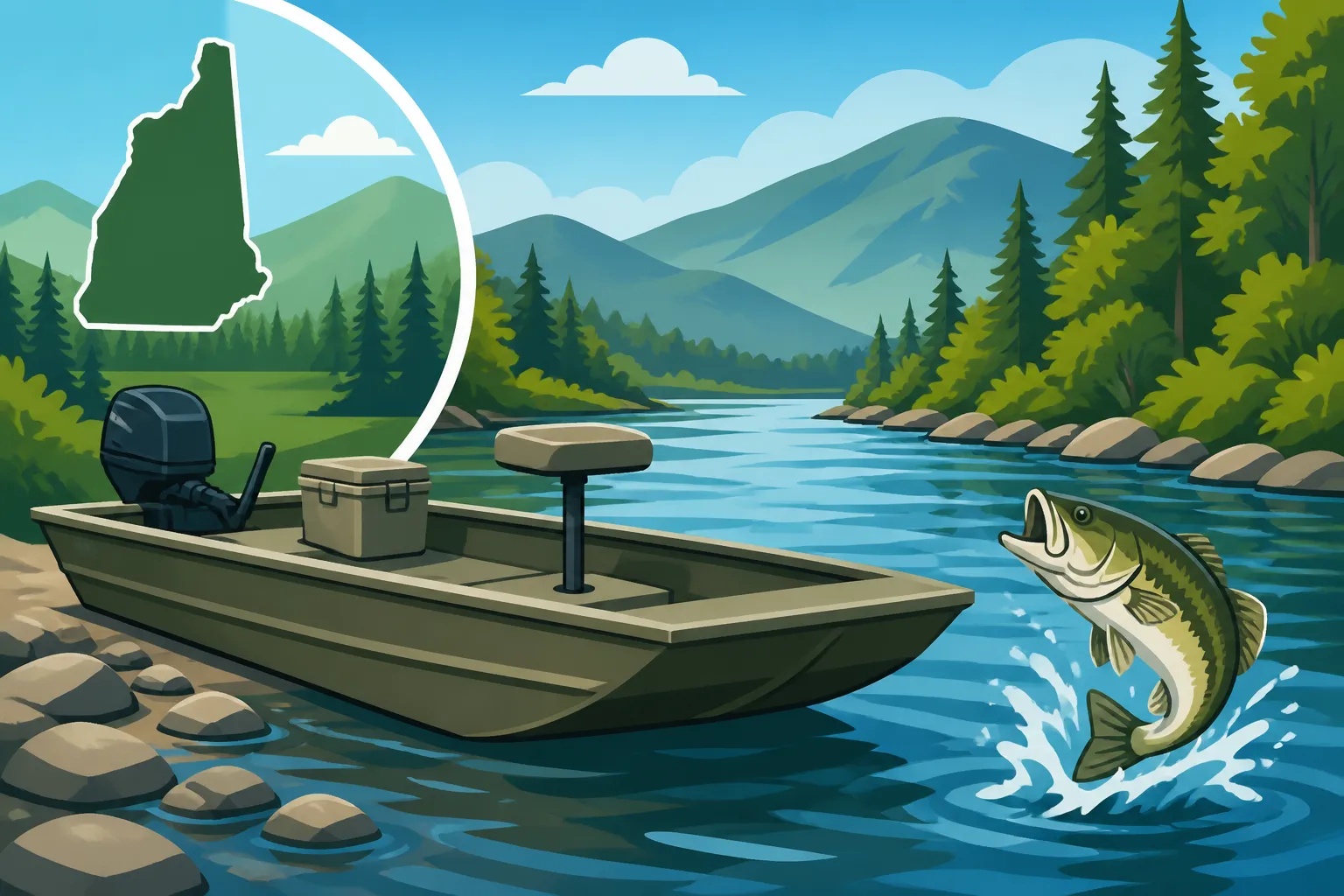
When you picture fishing in New Hampshire, your mind might jump to the vastness of Lake Winnipesaukee or the deep, clear waters of Newfound Lake. But for many of us, the true magic lies in exploring the winding rivers – the Merrimack, the Contoocook, the Connecticut, or even smaller, unnamed tributaries. These waters demand a different kind of vessel, and that's where the flat-bottom boat, often in the form of a classic jon boat, truly shines.
Why Flat-Bottom is King for Shallow Waters
New Hampshire's rivers, particularly outside of their deeper sections, are notorious for their fluctuating water levels, hidden rocks, sandbars, and shallow riffles. A V-hull boat, while great for cutting through chop on a big lake, becomes a liability here. Its deep keel can easily get hung up, forcing you to hop out and push or, worse, causing damage. A flat-bottom boat, on the other hand, lives for these conditions. Its minimal draft means it can float in mere inches of water, allowing you to access those tucked-away coves and upstream stretches where the bigger boats simply can't go. Imagine drifting quietly into a secluded eddy on the Merrimack, knowing you're in water too skinny for most, and finding undisturbed fish. That's the flat-bottom advantage.
Stability and Versatility on River Currents
Another huge benefit of a flat-bottom design is its incredible stability. When you're standing up to cast, whether it's for smallmouth bass or to try your hand at fly fishing for trout, you want a solid platform under your feet. The broad, flat bottom distributes your weight evenly, making it far less tippy than a V-hull, even when you're moving around. This stability is crucial when dealing with river currents, too. A sudden eddy or a slight wobble from a casting motion can feel much more precarious in a less stable boat. This inherent stability also makes it a great choice for other river activities, like duck hunting or simply exploring the back channels with the family. It's a true multi-purpose workhorse.
Ease of Transport and Launching on Remote Ramps
Let's be honest: not every prime fishing spot on a New Hampshire river has a pristine, concrete boat ramp. Often, you're looking at rough dirt roads, grassy banks, or even hand-carrying your boat a short distance to the water. This is where the flat-bottom boat's typically lighter weight and simpler design really pay off. Many jon boats are light enough to be launched by a single person, or with the help of a friend, even in less-than-ideal spots. Their flat bottom slides easily over bankside vegetation or rocky edges. Compare that to wrestling a heavier, deeper V-hull that needs more water to float and is prone to scraping its keel on rough surfaces. The ability to launch almost anywhere opens up a world of possibilities for finding those untouched fishing holes. Knowing the New Hampshire Boat Registration Requirements is essential here, regardless of how simple your launch might be.
What to Look For in Your Ideal Flat-Bottom River Fishing Boat
Choosing the right flat-bottom boat isn't just about picking the cheapest one you find. There are specific features that will make your river fishing experience in New Hampshire far more enjoyable and productive. Thinking through these details before you buy will save you headaches down the road.
Material Matters: Aluminum vs. Rotomolded Plastic
The two primary materials you'll encounter for flat-bottom boats are aluminum and rotomolded plastic. Each has its pros and cons, and your choice will largely depend on your priorities and budget.
- Aluminum: This is the classic choice for a reason. Aluminum jon boats are incredibly durable, able to withstand bumps and scrapes against rocks and logs that are common in New Hampshire rivers. They're relatively lightweight for their size, making them easier to transport and launch. Aluminum also holds up well to sun exposure and general wear and tear, offering excellent longevity. The downside? They can be noisier on the water, especially if you drop something, which can spook fish in shallow, clear rivers. They can also get quite hot to the touch in direct summer sun. If you're looking for something that will last for decades of hard use on varied river conditions, aluminum is often the way to go.
- Rotomolded Plastic (Polyethylene): These boats are often found in smaller, more compact designs. They are typically lighter than aluminum, incredibly quiet on the water (a huge plus for stealthy approaches to fish), and often more affordable. They're also very resistant to dents and corrosion. However, plastic can be susceptible to UV degradation over many years if not stored properly, and deep gouges can be harder to repair than a simple patch on aluminum. They might also feel a bit more flexible than aluminum. For smaller rivers, ponds, or if you prioritize quiet operation and light weight for solo missions, a plastic flat-bottom might be perfect. Many Best Kayaks for New Hampshire Fishing are made of this material, highlighting its durability for river use.
Size and Dimensions: Balancing Capacity with Maneuverability
The "right" size for your flat-bottom boat is a crucial consideration, dictated by the number of anglers you typically fish with, the amount of gear you carry, and the size and characteristics of the rivers you plan to fish.
- Length: For most New Hampshire river fishing, a boat between 10 and 14 feet offers a good balance. A 10-foot jon boat is easily managed by one person, perfect for solo trips or a parent-child outing with minimal gear. It's also incredibly easy to launch and retrieve. If you frequently fish with a buddy or need space for more tackle, a cooler, and perhaps a small trolling motor battery, a 12-foot model becomes more comfortable. For those who want a bit more stability, storage, and the option to run a slightly larger outboard for longer stretches, a 14-foot boat provides ample room without becoming unwieldy in tighter river sections.
- Beam (Width): A wider beam translates directly to greater stability. While a narrower boat might cut through the water a tiny bit faster, the added stability of a wider beam is invaluable on a river where you might be standing, casting, and dealing with currents. Look for a beam that gives you comfortable footing and doesn't feel cramped with your gear.
- Transom Height: This is super important if you plan on using an outboard motor. Most small outboards designed for jon boats are either 15-inch (short shaft) or 20-inch (long shaft). Your boat's transom height needs to match this. Trying to put a short-shaft motor on a 20-inch transom will result in the prop ventilating constantly, while a long-shaft motor on a 15-inch transom will drag excessively. Double-check this specification when considering both boat and motor.
Design Elements: Riveted vs. Welded, and Transom Strength
Subtle design choices can make a big difference in the longevity and performance of your flat-bottom boat.
- Riveted vs. Welded (for Aluminum): Riveted jon boats are traditionally more affordable and easier to repair if a leak occurs (you can often just replace a rivet). However, over time and with heavy use, rivets can loosen and develop leaks. Welded aluminum boats are generally stronger, more rigid, and less prone to leaks, but they are typically more expensive. If a leak does occur, a welded repair can be more complex. For rugged river use, many anglers prefer welded hulls for their perceived durability.
- Transom Strength: Even if you're only running a small electric trolling motor, a reinforced transom is a huge plus. If you plan to put a gas outboard on it, a strong, well-braced transom is non-negotiable. Look for extra support plates or sturdy corner bracing. This prevents flex and potential cracking over time, especially if you're running at higher speeds or frequently hitting snags. This is also important if you plan on carrying the boat on a small trailer or using a transom saver when trailering.
Essential Features and Accessories for River Fishing
A bare-bones boat gets you on the water, but a few key features and accessories can elevate your river fishing game dramatically.
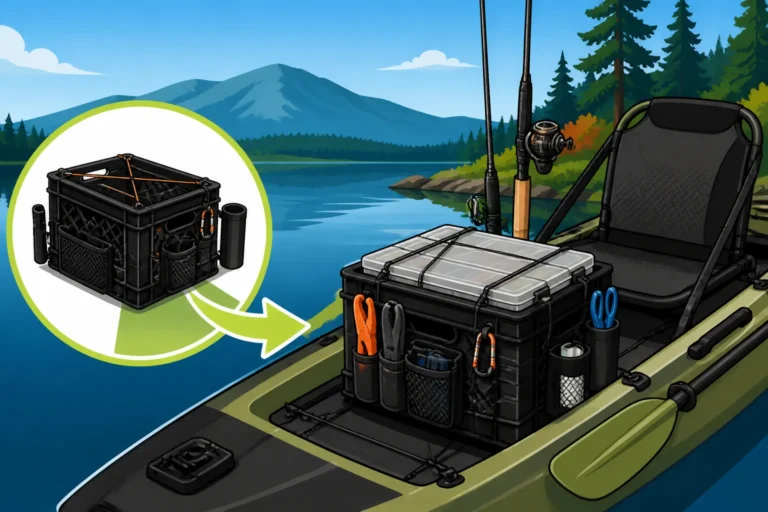
- Bench Seats/Storage: Most flat-bottom boats come with basic bench seats. Some models offer optional dry storage compartments under these benches, which is incredibly useful for keeping tackle, wallets, and phones safe from spray and rain. Having secure spots for your gear means less clutter on the boat floor and less risk of losing items overboard.
- Rod Holders: While not always built-in, provisions for adding aftermarket rod holders are a must. Whether you're trolling a small spinner for trout or just need a safe place to put your rod down while navigating, these are invaluable. You can find clamp-on or track-mounted versions easily at places like Bass Pro Shops or online through Amazon.
- Bow Eye/Stern Handles: For dragging, tying off, or securing the boat to your trailer, sturdy bow eyes and stern handles are critical. Make sure they feel solid and are well-fastened.
- A Solid Floor (Optional but Recommended): Some smaller jon boats have open ribs on the bottom. While this saves weight, a flat, non-slip floor (often made of marine plywood or aluminum diamond plate) makes moving around safer, prevents gear from falling into the ribs, and offers a more comfortable standing platform. Many anglers add their own, often covered with marine carpet or a textured non-skid coating.
Types of Flat-Bottom Boats Best Suited for New Hampshire Rivers
When we talk about "flat-bottom boats," it's a pretty broad category. Let's narrow it down to the types that really excel on New Hampshire's moving waters.
The Classic Jon Boat
The jon boat is, without a doubt, the quintessential flat-bottom river fishing machine. It’s exactly what most people picture when they hear the term.
- Characteristics: Jon boats are defined by their flat bottoms and typically square bows and sterns. This design maximizes interior space and stability while minimizing draft. They usually feature several bench seats, sometimes with a livewell or storage built into one. They are generally made of aluminum, though plastic versions exist.
- Why It's Great for NH Rivers: Their shallow draft allows them to navigate virtually any river in New Hampshire where there's even a few inches of water. They're incredibly stable for standing and casting, which is ideal when you're targeting smallmouth bass in current or sight-fishing for trout. Their robust construction (especially welded aluminum models) can handle the inevitable bumps and scrapes against rocks and logs that are common in river environments. Plus, they're often light enough to be easily launched and retrieved from undeveloped banks. Many anglers swear by a Best Jon Boats for Shallow Rivers for their reliability and simplicity.
- Ideal Use Cases: Exploring the upper reaches of the Contoocook, drifting the wider sections of the Merrimack, or accessing secluded oxbows on the Connecticut River. Perfect for bait fishing, spin fishing, or even fly fishing from a standing position.
Flat-Bottom Skiffs and Utility Boats
A step up from the basic jon boat, flat-bottom skiffs and utility boats offer a bit more refinement while retaining the shallow-draft benefits.
- Characteristics: These boats often have a slightly more refined hull shape than a pure jon boat, sometimes with a very slight V or modified V at the bow that quickly flattens out. They might have a molded interior liner, more integrated storage, and higher sides for a drier ride in choppier sections. They are often made of aluminum or fiberglass.
- Why It's Great for NH Rivers: The higher sides can be a blessing when crossing larger, windier sections of a wide river like the lower Merrimack, or if you encounter boat wakes. The slightly more refined hull might offer a smoother ride than a pure jon boat in a chop, though it will still be a bit bumpier than a V-hull. They often come with more built-in features, making them a comfortable and efficient fishing platform.
- Ideal Use Cases: Anglers looking for a step up in comfort and features for longer river trips, or those who occasionally venture into larger, more open bodies of water at the river's mouth. Still excellent for general river fishing, but with added amenities.
Shallow-V or Modified-V Hybrids
While not strictly "flat-bottom," some boats bridge the gap between a true V-hull and a flat-bottom, offering a compelling option for river anglers who need a bit more versatility.
- Characteristics: These boats typically have a moderate V at the bow that transitions to a much flatter stern. This design helps cut through waves in choppy water while maintaining good stability and a relatively shallow draft at rest. They are often made of aluminum and can accommodate larger outboards.
- Why It's Great for NH Rivers: If you fish very large rivers like the Connecticut River where you might encounter larger boats or more wind-driven chop, or if you want the flexibility to occasionally fish a larger lake, these hybrids offer a smoother ride than a pure flat-bottom boat. The flatter stern still provides good shallow-water performance and stability for fishing. They represent a compromise for anglers who truly want one boat to do it all, from river exploration to modest lake fishing.
- Ideal Use Cases: Anglers on the vast Connecticut River, those who fish the tidal sections of the Piscataqua River, or individuals who frequently transition between large rivers and small lakes. They handle the Connecticut River Fishing Access in New Hampshire well, especially in its wider stretches.
| Boat Type | Primary Material | Draft (Approx.) | Stability (Standing) | Ride in Chop | Ease of Launch | Best For |
|---|---|---|---|---|---|---|
| Classic Jon Boat | Aluminum/Plastic | Very Shallow | Excellent | Bumpy | Excellent | Skinny water, small to medium rivers, quiet stealth |
| Flat-Bottom Skiff | Aluminum/Fiberglass | Shallow | Excellent | Fair | Very Good | Medium to large rivers, more gear, added comfort |
| Shallow-V/Modified-V Hybrid | Aluminum | Moderate | Very Good | Good | Good | Large rivers, moderate chop, occasional lake use, speed |
Rigging Your Flat-Bottom Boat for New Hampshire River Adventures
Once you've picked out the perfect flat-bottom hull, the real fun begins: setting it up to be your ultimate New Hampshire river fishing machine. The right accessories and safety gear aren't just about comfort; they're about efficiency, safety, and maximizing your time on the water.
Powering Your Boat: Outboard Motors and Trolling Motors
The propulsion system for your river boat needs to be carefully considered for the unique demands of New Hampshire's rivers.
- Gas Outboard: For covering longer distances on larger rivers like the Merrimack or Connecticut, a small gas outboard is almost a necessity. Most flat-bottom boats, especially jon boats, are designed for smaller, lighter outboards, typically in the 5-20 horsepower range. Pay close attention to the boat's maximum horsepower rating and the transom height to ensure compatibility. Four-stroke outboards are generally quieter and more fuel-efficient than two-strokes. You'll want a reliable motor that starts easily, as you might need to quickly maneuver around obstacles or motor through swift currents. Consider a prop guard if you frequently navigate extremely shallow, rocky areas to protect your propeller.
- Electric Trolling Motor: For stealthy approaches, precise boat positioning, or fishing in "no-wake" zones, an electric trolling motor is invaluable. Many river anglers run both a gas outboard for transport and an electric motor for fishing. Bow-mounted motors with foot controls offer excellent hands-free steering, allowing you to focus on casting. Transom-mounted motors are simpler and more affordable but require you to turn around to steer. For rivers, thrust is key – you'll want enough power to hold your position against current. A 12-volt system with a good deep-cycle battery is usually sufficient for smaller boats and typical fishing durations. You can find a wide array of options at Bass Pro Shops or online retailers like Amazon.
- Paddles/Oars: Never underestimate the importance of a good set of oars or a heavy-duty paddle, even if you have a motor. Motors can fail, props can get fouled or damaged, and sometimes you just need to quietly reposition without firing up the engine. They are an essential piece of safety equipment.
Electronics for River Navigation and Fish Finding
While you might not need the elaborate electronics setup of a bass tournament boat, a few key pieces can greatly enhance your river fishing experience.
- Fish Finder/Depth Finder: Even on relatively shallow rivers, knowing the depth and seeing underwater structure can be a game-changer. A simple, portable fish finder can help you locate deeper holes where fish congregate, identify submerged logs or rock piles, and navigate safely around hidden hazards. Many modern units also come with GPS capabilities, allowing you to mark waypoints for productive spots or dangerous areas. For smaller boats, a compact unit with a transom-mount transducer is usually sufficient.
- GPS (Standalone or Integrated): New Hampshire rivers can be winding and sometimes disorienting, especially if you're exploring new sections. A reliable GPS unit, whether integrated into your fish finder or a handheld device, can help you navigate, mark productive fishing spots (like a specific eddy on the Pemigewasset River Fishing Guide or a rock bar on the Merrimack River Fishing Spots), and ensure you know how to get back to your launch point. It's also incredibly useful for monitoring your speed when trolling or drifting.
Safety First: Must-Have Gear for River Conditions
River conditions can change rapidly in New Hampshire, from swift currents to sudden storms. Proper safety gear is non-negotiable.
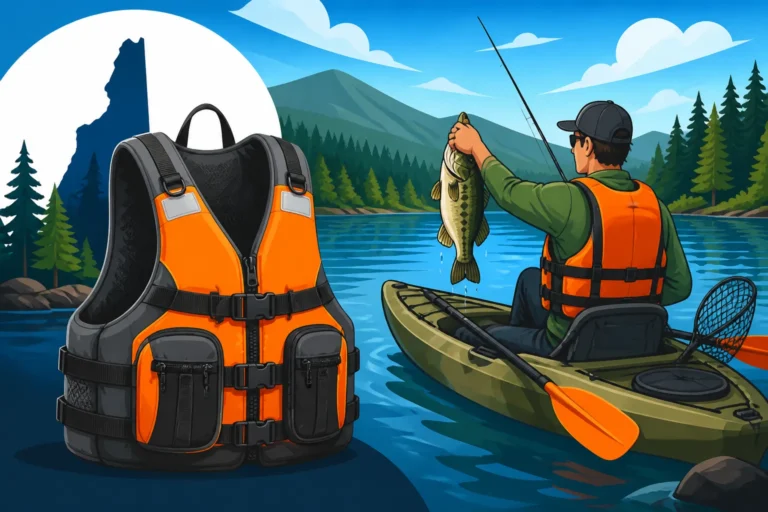
- Life Jackets (PFDs): This is paramount. Every person on board must have a properly fitting, readily accessible PFD. For river fishing, inflatable PFDs can offer more freedom of movement for casting, but traditional foam vests are always a solid, reliable choice. Be sure to understand Life Jacket Requirements for New Hampshire Boaters, especially for children.
- Anchor System: A reliable anchor is crucial for holding your position against current or wind, especially when you find a productive spot. For river use, a "river anchor" (often a grapple or mushroom style) that can dig into soft bottoms is ideal. You'll also need plenty of rope – enough to anchor in the deepest water you anticipate, plus a good safety margin. A quick-release anchor system or an anchor trolley can be incredibly useful for precise positioning in current. A dedicated Best Anchor System for River Fishing can make a huge difference in your ability to effectively fish current seams.
- First Aid Kit: Accidents happen, especially when handling hooks and navigating uneven terrain. A well-stocked first aid kit should always be on board.
- Bailing Device and Fire Extinguisher: A bucket or bilge pump to remove water and a marine fire extinguisher are required safety items for most motorized boats. Even for smaller, unmotorized boats, a bailing device is a smart addition.
- Visual and Audible Signaling Devices: A whistle or horn for audible signals and navigation lights if you anticipate being out at dawn, dusk, or in foggy conditions are crucial. Always check New Hampshire Boating Laws for Anglers for specific requirements.
- Other Essentials: Sunscreen, plenty of water, bug spray, a dry bag for valuables, and a multi-tool are also smart additions to your river fishing kit. Consider a Best Dry Bag for Kayak Fishing for protecting your electronics and personal items.
River Fishing in New Hampshire: Species and Techniques from a Flat-Bottom Boat
With your flat-bottom boat perfectly rigged, you're ready to hit New Hampshire's rivers. The versatility of these boats allows you to target a wide variety of species using different techniques, making every outing an adventure.
Targeting Smallmouth Bass in River Currents
New Hampshire's rivers are renowned for their feisty smallmouth bass populations. From the rocky stretches of the Pemigewasset to the broader flows of the Connecticut, smallmouth thrive in current and structure, making them a prime target for flat-bottom boat anglers.
- Locating Smallmouth: Look for current seams, eddies behind large boulders or fallen trees, gravel bars, and sudden depth changes. Smallmouth love to ambush prey from these spots. On larger rivers, they'll often hold on deeper ledges or around bridge pilings. Your flat-bottom boat allows you to quietly drift through these areas or anchor strategically up-current and cast down. Using a fish finder to locate submerged structure can be incredibly effective.
- Effective Techniques:
- Crankbaits and Spinnerbaits: These are excellent for covering water and triggering aggressive strikes. Cast them across current or slightly upstream and retrieve, letting the current impart action.
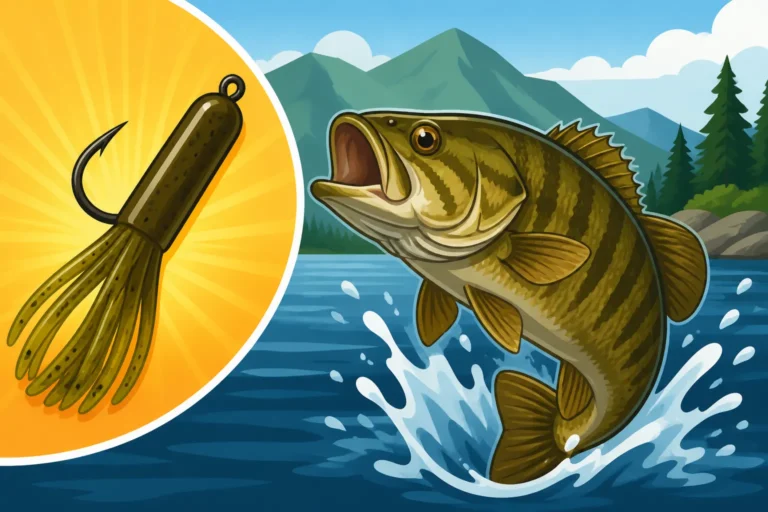
- Tube Jigs and Grubs: For more subtle presentations, especially in clear water or when fish are less active, dragging or hopping tube jigs and soft plastic grubs along the bottom near structure can be deadly.
- Topwater Lures: During low light conditions or active feeding periods, topwater poppers and walking baits can provide exhilarating blow-ups. Your stable flat-bottom boat makes standing and accurately casting these lures a breeze.
- Live Bait: Shiners or crawfish, fished on a simple bottom rig or under a float, can be irresistible to river smallmouth. Drifting these baits through promising stretches can be very effective.
- Key Considerations: Current is your friend when fishing rivers. Use your trolling motor to subtly control your drift, keeping your boat positioned for optimal casting angles. Remember to always check New Hampshire Bass Limits and Slot Rules before you head out.
Chasing Trout and Salmon in River Systems
While many associate trout fishing with small mountain streams, New Hampshire also has river systems that hold brown trout, rainbow trout, brook trout, and even landlocked salmon, particularly in sections downstream of lakes or designated trophy waters.
- Finding Trout and Salmon: Trout prefer cooler, oxygenated water. Look for deeper pools, undercut banks, current breaks, and areas with overhead cover. Landlocked salmon might be found in deeper runs of larger rivers, especially during cooler months or if they've dropped out of a lake system. Your flat-bottom boat is great for accessing these spots where shore access might be limited.
- Effective Techniques:
- Spin Fishing: Small inline spinners, spoons, and wobblers are classic trout lures. Cast them upstream and retrieve them just faster than the current, or across current and let them swing. Light monofilament or fluorocarbon line will help with a natural presentation.
- Fly Fishing: For the dedicated fly angler, a flat-bottom boat can be a mobile platform. You can anchor up-current of a promising run and nymph, or quietly drift through a pool, casting dry flies or streamers to rising fish or likely holding lies. Fly Fishing for Trout in New Hampshire is a rewarding experience from a stable platform. Using waders to step out and wade certain sections of the river is also very popular. You'll want to choose some Best Waders for New Hampshire Trout Streams that are durable enough for river beds.
- Bait Fishing: Worms, PowerBait, or even small shiners can be incredibly effective for trout, especially in stocked sections of rivers. A simple split-shot rig with a small hook, drifted naturally with the current, is often all it takes.
- Key Considerations: Trout are often spookier than bass. Stealth is key. Approach fishing spots quietly, and make precise casts. Watch for rising fish or subtle takes. Always be aware of New Hampshire Trout Stocking and Fishing Rules and any special regulations on specific river sections.
Panfish and Pickerel in River Backwaters
Don't overlook the abundance of panfish (perch, crappie, bluegill) and chain pickerel that inhabit the calmer backwaters, oxbows, and slower sections of New Hampshire's rivers. These can provide fantastic action, especially for kids or when the bite for other species is slow.
- Where to Find Them: Look for areas with lily pads, submerged vegetation, fallen trees, and shallow weed beds. These offer cover, ambush points, and foraging opportunities for panfish and pickerel. Flat-bottom boats can easily motor or pole into these dense areas where other boats would struggle.
- Effective Techniques:
- Panfish: Small jigs tipped with a grub, worm, or piece of Berkley PowerBait fished under a bobber are deadly. Tiny spinners and micro-crankbaits also work well. Light tackle makes fighting these small but spunky fish a blast.
- Pickerel: These toothy predators are aggressive. Spinnerbaits, spoons, and soft plastic jerkbaits retrieved through weed beds are very effective. Live shiners under a bobber are also a top choice. Be sure to use a wire leader or heavy monofilament to prevent bite-offs from their sharp teeth.
- Key Considerations: Panfish are often found in large schools, so if you catch one, there are likely many more. Pickerel are often ambush predators, so targeting the edges of cover is key. These species can provide continuous action, making them perfect for a family day out on the river.
Spending a day on a New Hampshire river in a flat-bottom boat is an experience rooted in tradition and practicality. From navigating the skinny water to providing a stable casting platform, it's a vessel perfectly suited to the unique demands and hidden treasures of our river systems.
Disclaimer
This article is for general informational purposes only and does not constitute professional advice. Laws, prices and regulations vary by location and change over time. Consult a qualified professional for guidance on your specific situation.